
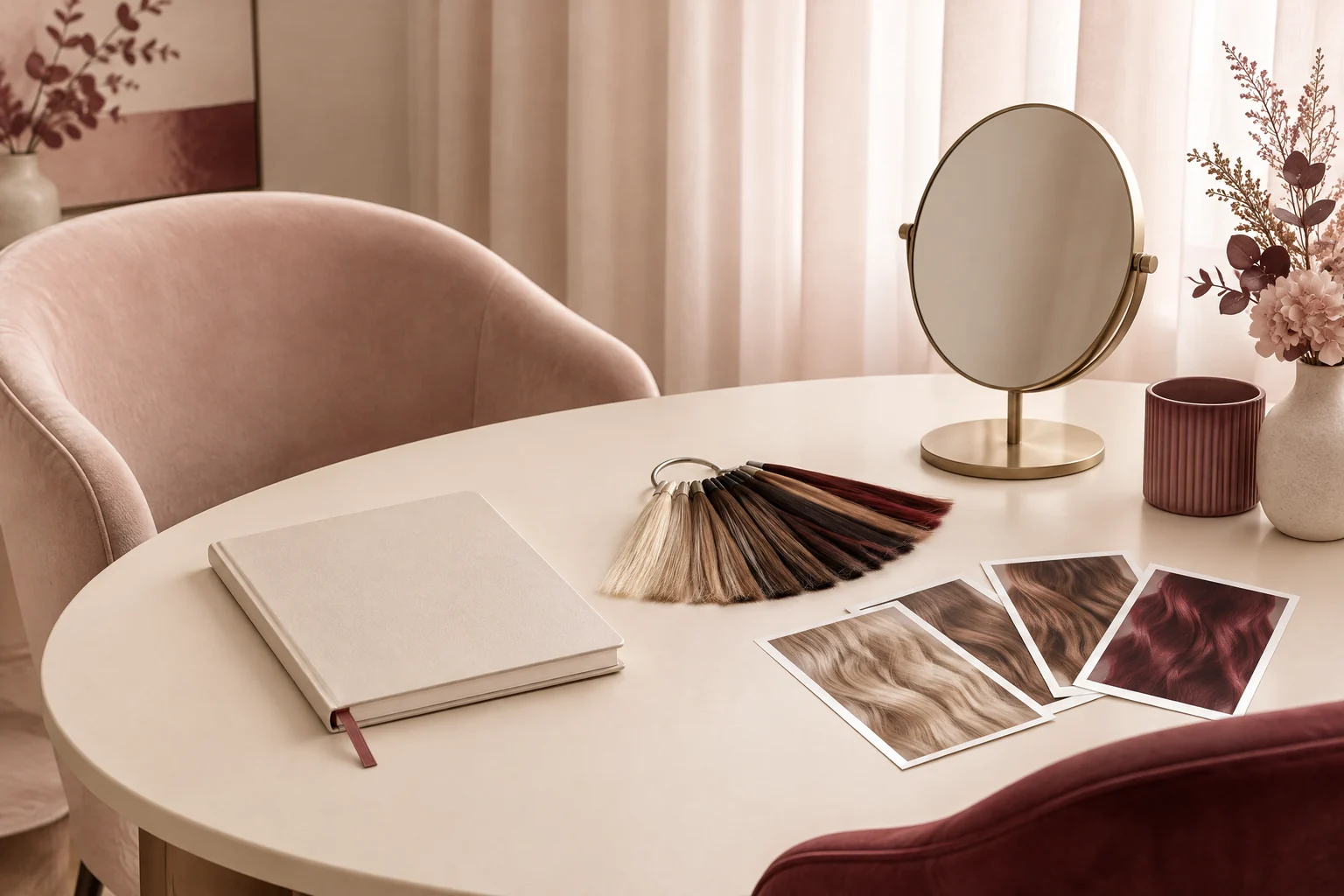
At a glance
For Hong Kong shoots, the useful agreement names the decision maker, test conditions and fallback shots. It also identifies who may see reference images. Keep these details separate from any health enquiry. A suitable camera result does not establish a diagnosis or justify uncomfortable styling. Whether filming involves a campaign, wedding interview or training video, the person's permission remains necessary. Production can change its plan without making the talent's appearance a problem to solve.
Set a talent unexpected hair change test allowance
What a talent unexpected hair change test allowance covers
Begin with a private conversation, not an announcement across the makeup room. Describe the filming question without judging the person's hair. For example, ask whether the planned hairstyle still feels appropriate today. Avoid comparing them with an older casting photograph in front of others. The talent can describe only what matters for preparation. You need permission to proceed, not a personal explanation for every visible difference.
Offer three workable choices: pause, test their selected appearance, or revise the shot list. Explain what each choice means for this session. A pause allows a private discussion before anyone handles the hair. A test checks a look the person actually wants. Revised shots may reduce setup changes or remove an unwanted close view. Leaving the appearance unchanged is also valid. There should be no requirement to try concealment first.
When discussing film and video makeup Hong Kong with BigDeal, include the talent's preferred appearance and the scenes involved. Share whether filming includes close portraits, seated dialogue or movement. Ask what preparation time the proposed makeup arrangement needs. Keep medical details out of the enquiry unless the person chooses to share relevant restrictions. This makes the service discussion practical. It does not ask a makeup team to investigate hair loss.
Write the allowance into the working schedule before promising a ready time. Name the reserved window, chosen test and person who can approve revised shots. Include a stopping point if the look feels uncomfortable or the talent declines it. Agree which scene can move while this happens. A limited test is useful because everyone knows its purpose. It should not expand into repeated attempts simply because the first image differs from expectations.
Keep causes outside the production discussion
A changed appearance is not a diagnosis
The NHS lists several possible causes of hair loss, including illness, stress and iron deficiency. It advises a doctor's assessment before considering a commercial hair clinic. That supports a clear production boundary: a visible change does not establish its cause. Ask what the person wants for filming, rather than deciding that workload explains it. If they are worried, suggest a separate medical appointment. Their production choices need not await a label. [1]
A person may already be researching alopecia areata treatment and want to keep that enquiry separate from filming. DT Hub has a related information page they can consult on their own terms. The page title should never become a description written into their call sheet. Questions about assessment and treatment belong with appropriately qualified healthcare professionals. For the shoot, record only the appearance decision and any handling limits the talent permits you to share.
Likewise, stress hair loss treatment can be an enquiry phrase without being an inferred explanation. A busy schedule does not authorise the crew to connect someone's hair change with stress. If the person wants information, the related DT Hub page is a separate starting point for questions. Do not make production participation depend on pursuing that enquiry. The practical task remains agreeing whether to pause, test a preferred look or change the planned coverage.
Sudden or persistent changes deserve medical assessment, especially when discomfort or other scalp symptoms accompany them. A makeup appointment cannot replace that assessment. For immediate planning, the talent can identify contact they wish to avoid without naming a condition. They might decline brushing near one area or choose no additional hair handling. Keep that instruction short and operational. A producer can respect the limit without circulating a theory about why it exists.
Test only the appearance the talent chooses
Use real filming conditions and a clear stopping point
Define the question before touching the hair or changing camera settings. You might check whether a chosen parting remains acceptable during a seated turn. Use the intended framing and light direction where practical. A flattering phone photograph cannot answer every filming question. Review a short movement sample rather than relying only on a still portrait. Show the result privately to the talent. Their view matters alongside the production team's continuity requirements.
The American Academy of Dermatology warns that repeated pulling can cause hair loss. It says a painful hairstyle is too tight and should be changed. This is a handling boundary, not a diagnosis of today's change. Do not tighten an updo repeatedly to satisfy the camera. Stop the styling attempt when pain appears. A different framing or simpler hairstyle is preferable to treating discomfort as an acceptable cost of continuity. [2]
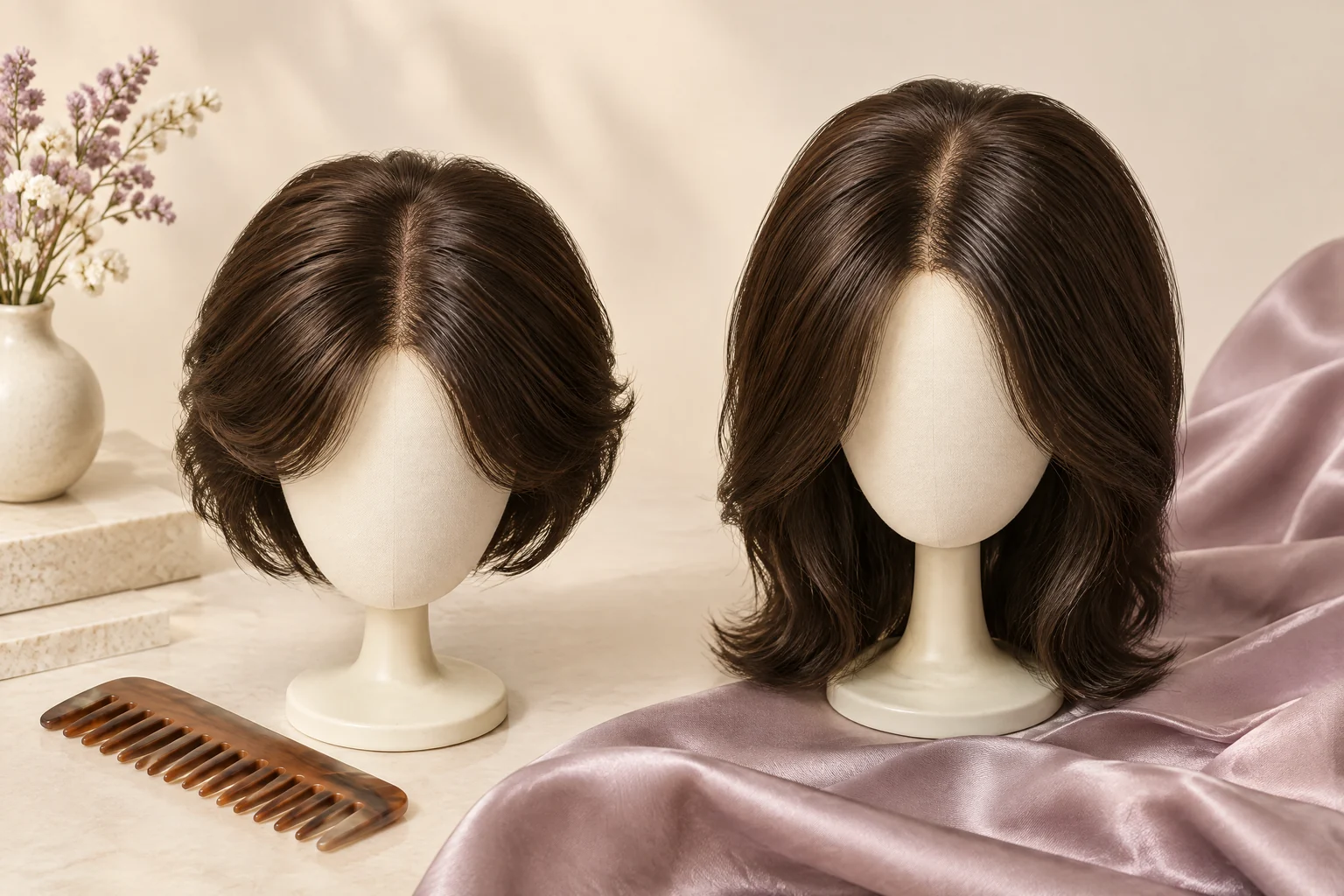
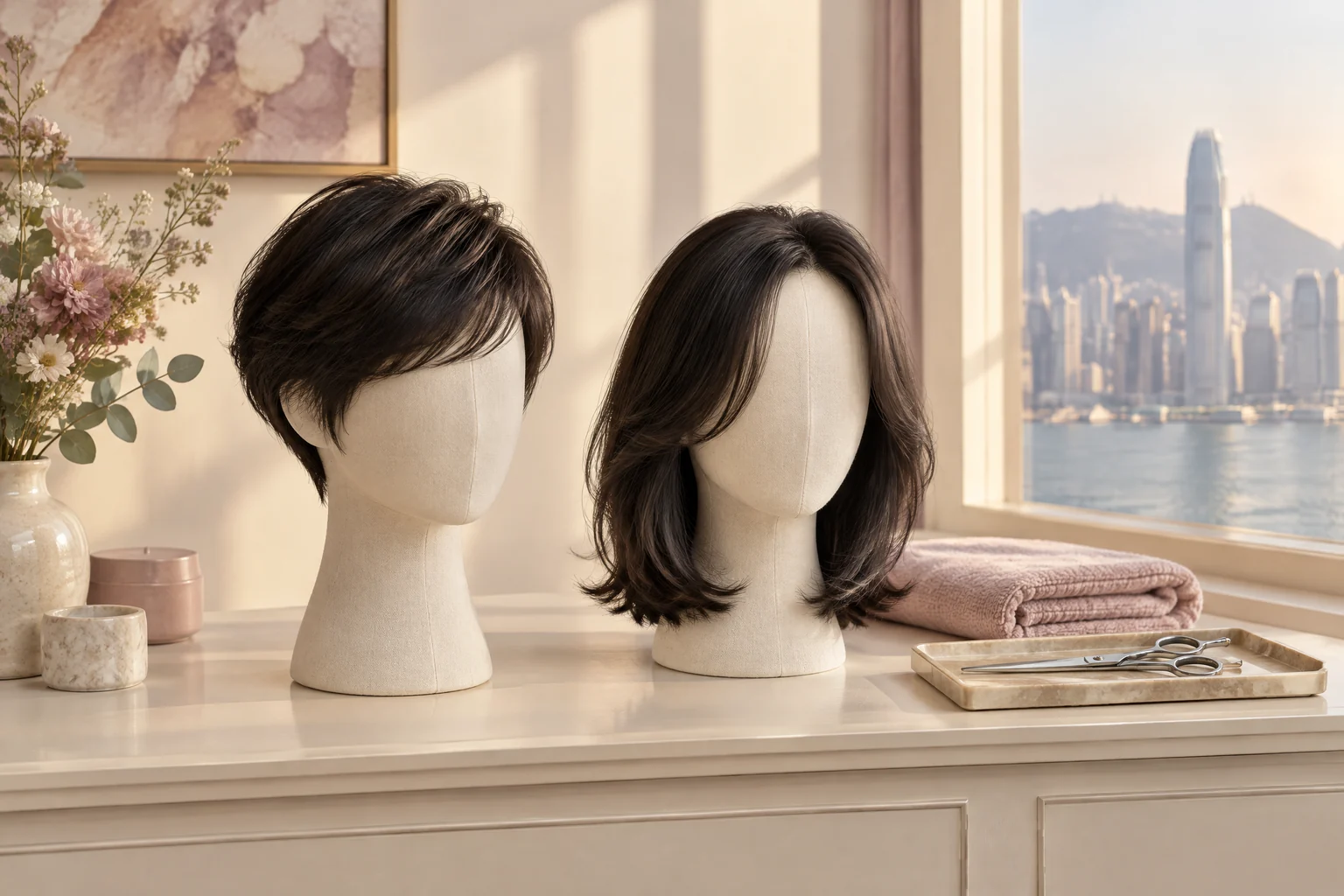
If the talent wants to explore an alopecia wig, the related DT Hub page provides a separate information entry. Ask about fitting arrangements, attachment and handling before including any covering in the shoot plan. A product category does not guarantee comfort, availability or suitability for this person. Leave space for them to reject the option after seeing it. The production should retain a workable alternative that does not require wearing a covering.
Agree what a successful test means in ordinary filming terms. The chosen appearance might remain acceptable through the planned movement, with no unwanted contact. Check how it looks beside the wardrobe and any permitted headwear. Avoid promising that a covering will be invisible from every angle. If the talent dislikes the result, stop and reconsider the shots. Completing a test is not permission to keep filming with an appearance they have rejected.
Change coverage before adding more intervention
Give the producer realistic alternatives
Review what each shot contributes before deciding that the original hairstyle must return. A close portrait may carry a different message from a wider interview frame. Changing coverage should preserve the intended story, not quietly erase the person's appearance. Discuss the alternative with them and the director. If a distinctive hair detail is essential to the brief, explain that requirement openly. They can then decide whether this session remains acceptable.
When discussing a media makeup artist Hong Kong, explain whether the segment is recorded or live. Live work has different opportunities for checking and adjusting the result. Agree how a private concern reaches the floor team without becoming a public conversation. Ask about the practical makeup schedule rather than assuming extra preparation fits before transmission. The person should know what can change and who will make that decision.
Use a simple decision table to connect each concern with an action and an owner. The entries should describe this session, not every possible hair change. A producer can reserve an alternate scene while the talent considers the test. The camera team can identify coverage that still meets the brief. The makeup team can explain the handling involved. The talent decides which proposed appearance they accept, within the production's openly stated requirements.
Movement can reveal a concern that a seated test missed. A person may feel comfortable during dialogue but not during a repeated turn or wardrobe change. Treat that as new information rather than a failed commitment. Pause the affected setup and offer the agreed alternative. If the story genuinely needs the movement, discuss postponement or another approach. Avoid asking someone to tolerate an unwanted appearance because the earlier test was approved.
| Situation | Agreed action | Responsible person |
|---|---|---|
| Talent wants private time | Pause preparation and move an available scene | Producer arranges the schedule |
| Talent chooses a test | Check the selected look under intended filming conditions | Talent reviews with makeup and camera teams |
| Talent declines concealment | Discuss unchanged appearance or revised coverage | Talent and director agree the approach |
| Styling causes pain | Stop the attempt and reconsider appearance options | Makeup team stops; producer revises the setup |
Record continuity without collecting a health story
Keep reference images and handovers limited
Ask permission before taking a continuity photograph, including a close view of the hair. Explain who needs it and where it will be kept. Use the minimum view required to reproduce the approved appearance. Avoid making a separate catalogue of exposed areas when a normal portrait will do. A crew chat is not automatically the right place for sensitive images. Agree the sharing arrangement before sending anything beyond the people doing the preparation.
When arranging a makeup artist for corporate video, include any appearance consistency needed across filming days. A staff interview may later share an edit with earlier footage. Ask whether the subject wants those differences retained or discussed before publication. Do not assume an employer needs their health explanation to approve makeup. A useful handover records the accepted look, planned framing and review contact. It leaves private causes outside the production notes.
Continuity notes should identify versions clearly enough for the next team to follow. Record the approved parting, accessory position or decision to leave the hair untouched. Add the relevant scene rather than a diagnostic label. If the appearance changes between dates, confirm the new choice instead of restoring an old photograph automatically. The same approach helps wedding interviews filmed across preparation and reception settings. Consistency serves the story, but it does not override consent.
Discuss post-production separately when a proposed edit changes the person's appearance. Permission to film does not settle every question about digital alteration. Ask whether smoothing an outline or combining takes would conflict with the look they approved. Share the decision with the person responsible for the edit. Avoid offering a correction as though the visible change were an error. A respectful production can retain differences when they are part of the chosen presentation.
Make the allowance usable on the shoot day
Confirm responsibilities before the first setup
Before filming, give one production contact responsibility for schedule decisions. The makeup artist should not have to negotiate every delay while preparing the talent. Confirm who can move a scene, approve a framing change or end the test. Share the stopping point with the people who need it. If the reserved window finishes, return to the agreed options. Extending it requires a fresh discussion, not silent pressure to finish the original look.
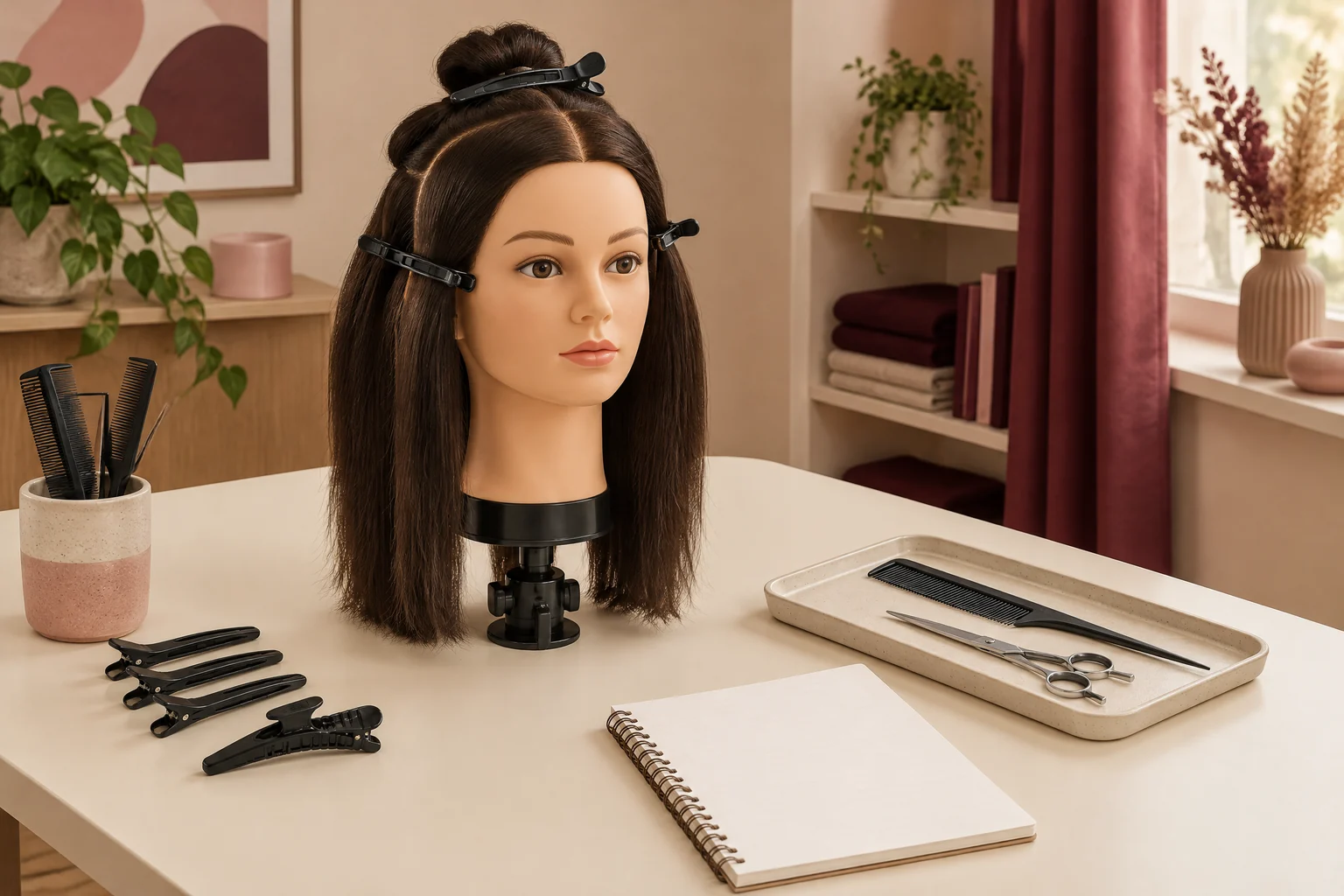
For a student production or practical lesson, separate appearance practice from health assessment just as carefully. A learner can practise an agreed styling task under the session's supervision. They should not examine a change to identify its medical cause. Ask the tutor what tools and handling the exercise requires. Offer another practice arrangement if the participant declines contact. The learning objective can be met without turning a person's private concern into a demonstration.
Reconfirm the plan after changes to wardrobe, location or filming order. The talent may accept one setup but decline another that exposes more of the hair. Give them a discreet way to request a pause during work. This might be a direct conversation with the agreed contact between takes. Ensure the contact is actually available. A private option is ineffective when it exists only on paper and nobody can respond on set.
Close the session by checking what happens next, not by judging whether the change was hidden. Confirm whether another filming day needs a new appearance discussion. Note which approved references remain necessary for that work. Any personal health enquiry can continue separately, without updates demanded by the crew. The lasting agreement is straightforward: the person chooses their presentation, while production names its requirements. A useful test allowance protects both decisions from rushed assumptions.
- Name the production contact who can approve a changed setup.
- Keep the talent's chosen appearance separate from health enquiries.
- Retain a filming alternative that does not require concealment.
Key takeaway
An unexpected hair change calls for a production decision, not a diagnosis from the makeup chair. Reserve time for the person to choose, test only what they accept, and keep another filming approach available. The best outcome is not necessarily the closest match to yesterday's photograph. It is an agreed appearance and workable shot plan that the talent can continue to accept throughout the session.
Practical checklist
- Ask privately whether the talent prefers a pause, a test or changed shots.
- Record the test window, stopping point and producer responsible for schedule changes.
- Check the chosen appearance in the intended framing, light and movement.
- Agree permission and access before taking or sharing continuity photographs.
- Keep an alternative that does not depend on a covering or uncomfortable styling.
Frequently asked questions
Must talent explain why their hair has changed?
No medical explanation is needed to discuss appearance choices. Ask for relevant handling limits and the presentation they prefer. If production needs continuity, explain that requirement without requesting a diagnosis. Let the person decide what personal information they wish to share.
How long should the test allowance be?
Agree it from the actual task, filming conditions and available schedule. Name a finishing point and a fallback scene before starting. Avoid treating the allowance as unlimited preparation time. If the test needs longer, the producer and talent should discuss the change together.
Can the crew require a wig to maintain continuity?
Discuss any essential appearance requirement openly before agreeing the session. A covering should remain the talent's chosen option, not an automatic response to changed hair. If they decline it, discuss different coverage or scheduling. Do not present an appearance test as compulsory concealment.
Does a successful camera test settle a health concern?
No. It only checks the chosen presentation under the conditions used. Makeup and camera work do not establish a cause or treat hair loss. A worried person should seek medical assessment separately. The shoot plan can respect their handling limits without collecting clinical details.
Sources
| Source | What it supports |
|---|---|
| Hair loss — NHS | Hair loss has several possible causes, and a doctor should assess the cause before someone considers a commercial hair clinic. Production should not infer a cause from appearance. |
| Hairstyles that pull can lead to hair loss — American Academy of Dermatology | Repeated pulling can cause hair loss. A painful hairstyle is too tight and should be changed, so an appearance test must not continue through painful tight styling. |
Discuss your own makeup plans
Discuss your shoot's makeup arrangement with BigDeal Make Up on WhatsApp +852 6918 3153. Share the filming format, planned appearance and preparation timing you want to arrange.
Ask on WhatsApp +852 6918 3153