
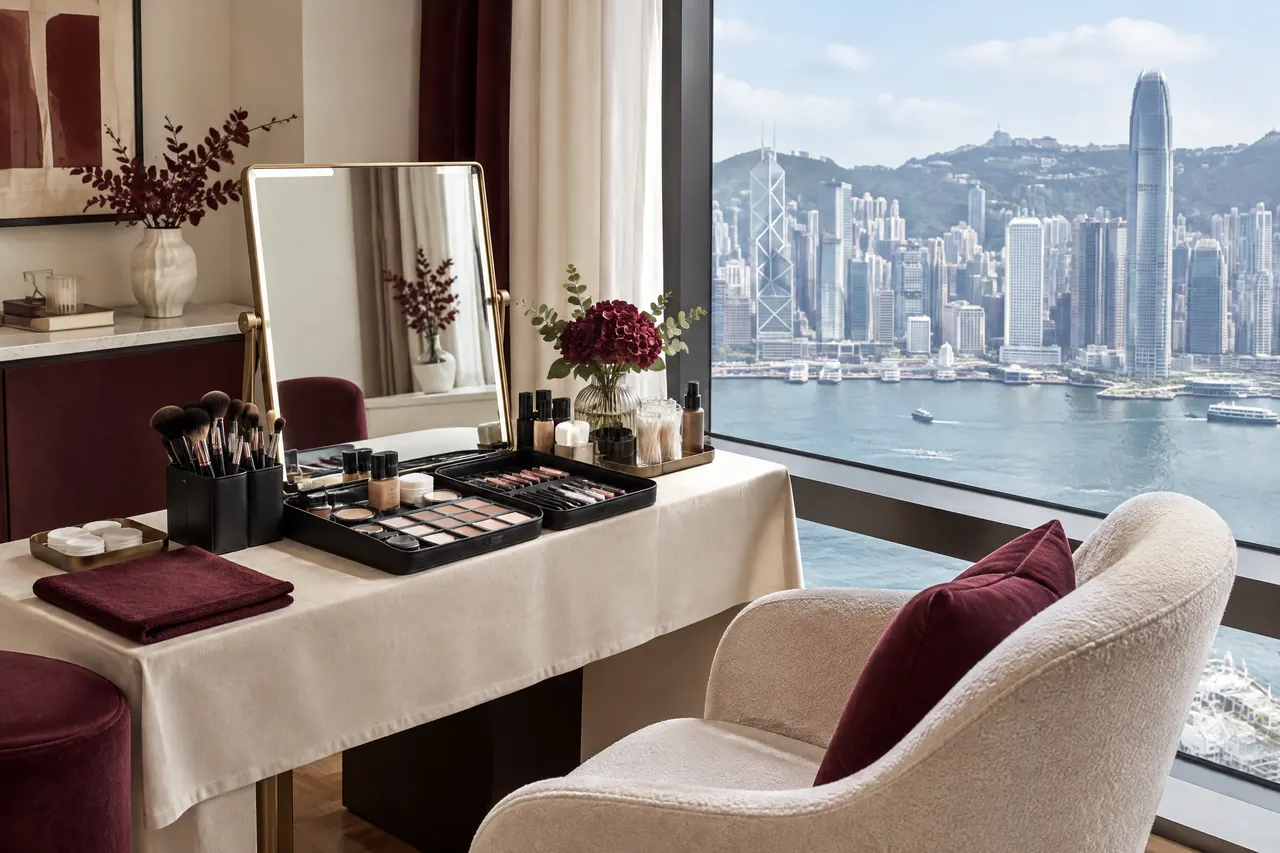
At a glance
A useful plan starts with the first public moment and works backwards through each participant's readiness needs. Give one person ownership of the current schedule, but let individuals retain style choices. Confirm venue access, light and preparation space before the day. For complex programmes, a simple one-page brief can clarify priorities. For informal gatherings, lighter coordination may be the better trade-off.
When event makeup team planning is worthwhile
Start with readiness milestones, not a headcount
Event makeup team planning is useful when several people must look ready at different moments. It gives the organiser one clear view of priorities, space and communication. A small dinner may need only separate appointments. A wedding party, panel event or filmed presentation usually needs a shared order. Start with the first public appearance. Then list who must be finished before that point, rather than treating every person as equally urgent.
The event brief should name the occasion, venue, date and earliest ready-by moment. It should also say whether hair support is needed alongside makeup. These details help a makeup artist Hong Kong enquiry focus on the arrangement, not assumptions. Add the expected lighting, wardrobe direction and photography plans. A concise brief allows questions to surface early. It also makes later changes easier to explain to every person involved.
A group does not need matching faces to feel coordinated. It needs compatible decisions about finish, formality and individual comfort. For a dinner or celebration, Hong Kong evening makeup may centre on one person or several guests. The useful distinction is the event sequence. If arrivals are spread out, a shared planning conversation still helps. It identifies the earliest departure and avoids asking everyone to be ready unnecessarily early.
Give each person a clear role before the day
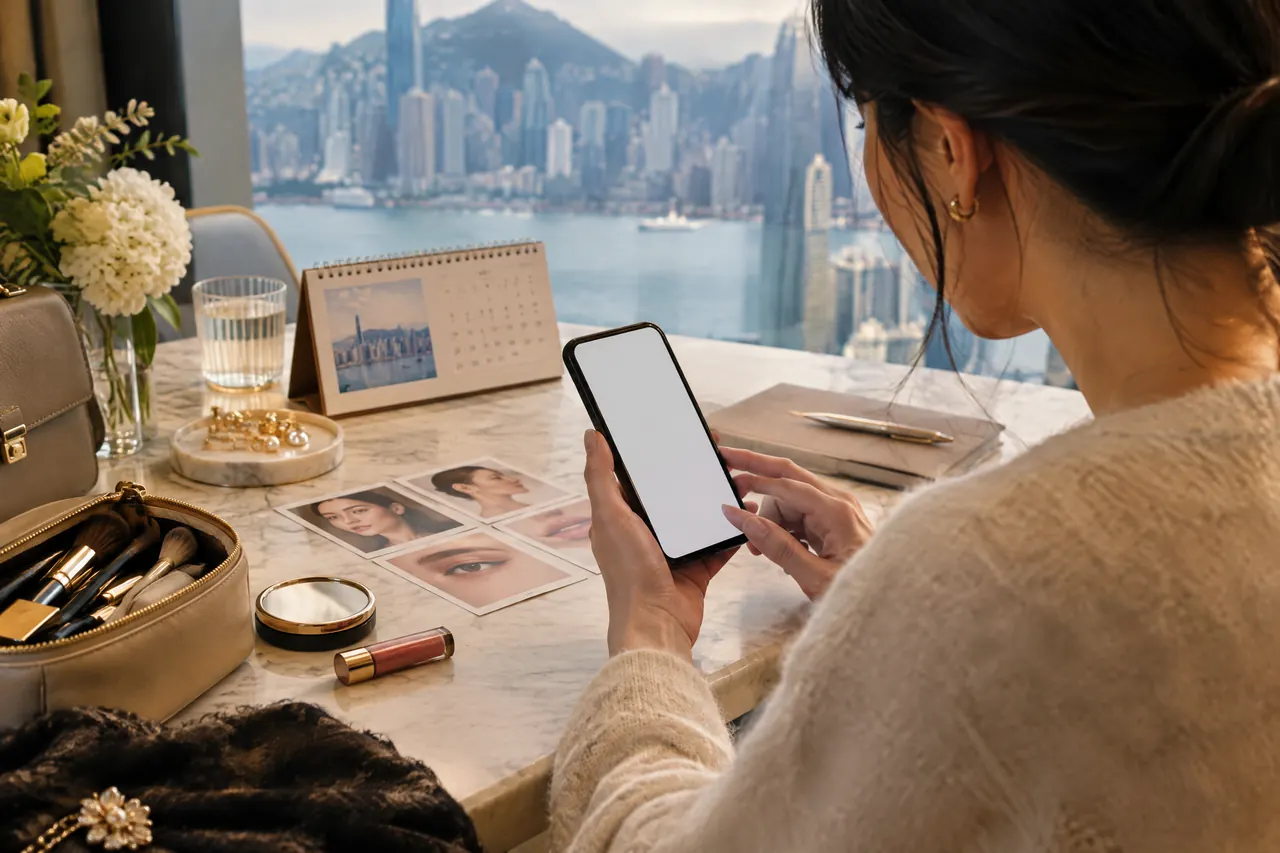
One organiser should hold the current schedule and share only the final version. Each participant can confirm their own reference images, product preferences and departure point. A venue contact can clarify access, lift rules and the available preparation area. The makeup contact needs the agreed order and any changes. This division prevents several people from sending conflicting messages. It also respects the fact that personal style choices should remain with each participant.
Wedding groups often combine relatives, friends and a couple with different obligations. Hong Kong bridal party makeup benefits from a written readiness list because departure times can differ. Mark the people needed for early photographs, ceremonies or family moments. Then record who can be prepared later. Keep names beside roles, rather than labels such as important guest. This approach is kinder and more useful. It turns a vague group request into an order that can be discussed realistically.
Ask one person to collect final look references without editing anybody's preference. The collection should show the level of polish, not demand identical features. Include dress colours, accessories and any camera-facing moments. A close reference can communicate a lip tone or brow strength. It cannot replace a conversation about individual proportions or comfort. Keep the group direction broad enough for each person to recognise themselves in the finished appearance.
Check the venue, light and Hong Kong conditions
Venue planning affects makeup preparation even when the event itself is indoors. Hong Kong's climate is hot and humid from May to August, with showers and thunderstorms possible. The Observatory also notes that most annual rainfall falls between May and September. Build an arrival buffer into the organiser's plan during those periods. Confirm a covered route where practical. A simple touch-up plan and protected reference notes are more useful than promises about how conditions will behave. [1] [1]
Ask the venue about the exact room, entry point, lift access and preparation rules. Large venues may manage arrivals through designated loading or marshalling areas. For example, Hong Kong Convention and Exhibition Centre describes loading, marshalling and direct hall access among its facilities. [2] The point is not to copy one venue's system. It is to ask early whether people, equipment and personal bags can reach the preparation space smoothly. [2]
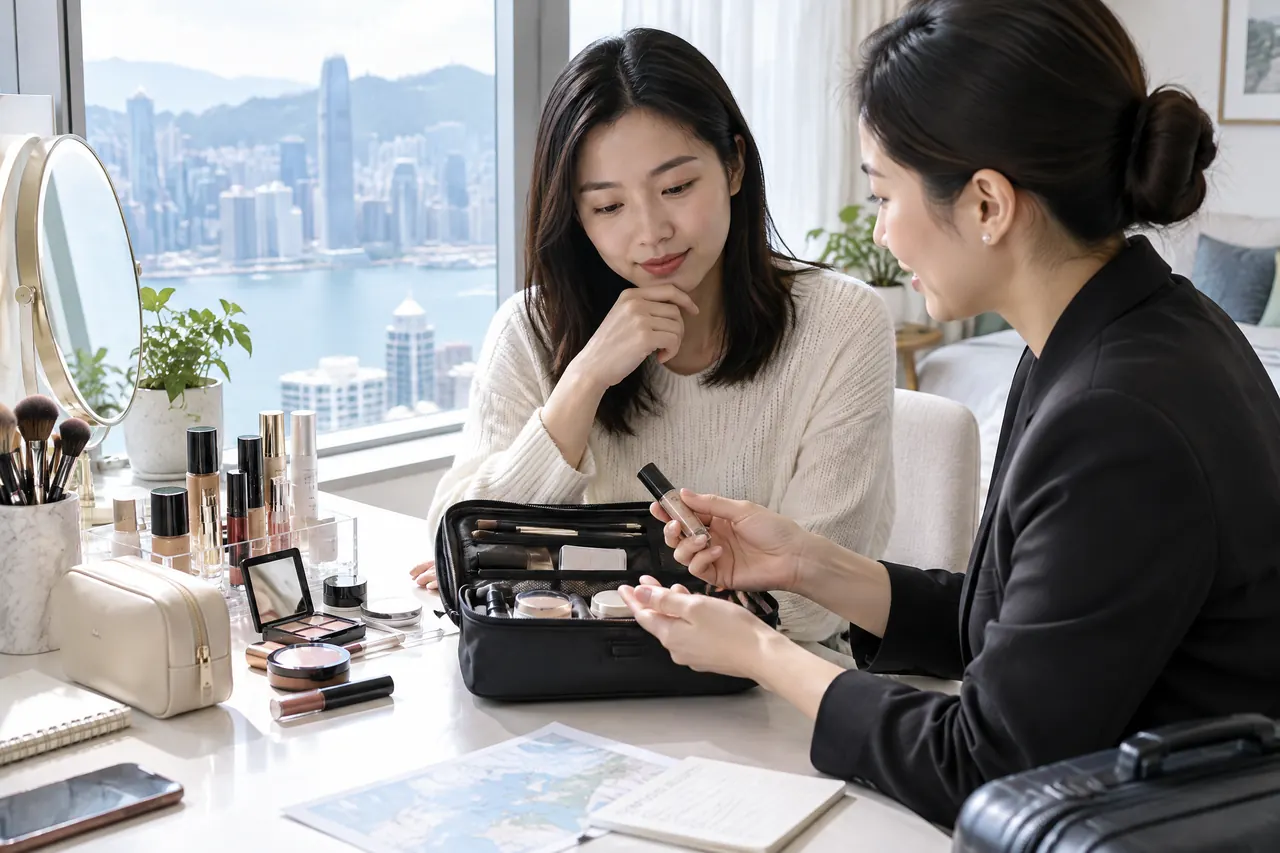
Look at the room through the eyes of someone getting ready. Check the mirror position, usable table surface, plugs, chair count and nearby changing area. Identify whether daylight, warm room lights or stage lighting will dominate photographs. These details support practical placement decisions without forcing one look on everyone. If the space changes, tell the relevant people promptly. A revised room plan is easier to manage before personal preparation begins.
Build the readiness order around the programme
A simple event makeup team planning comparison
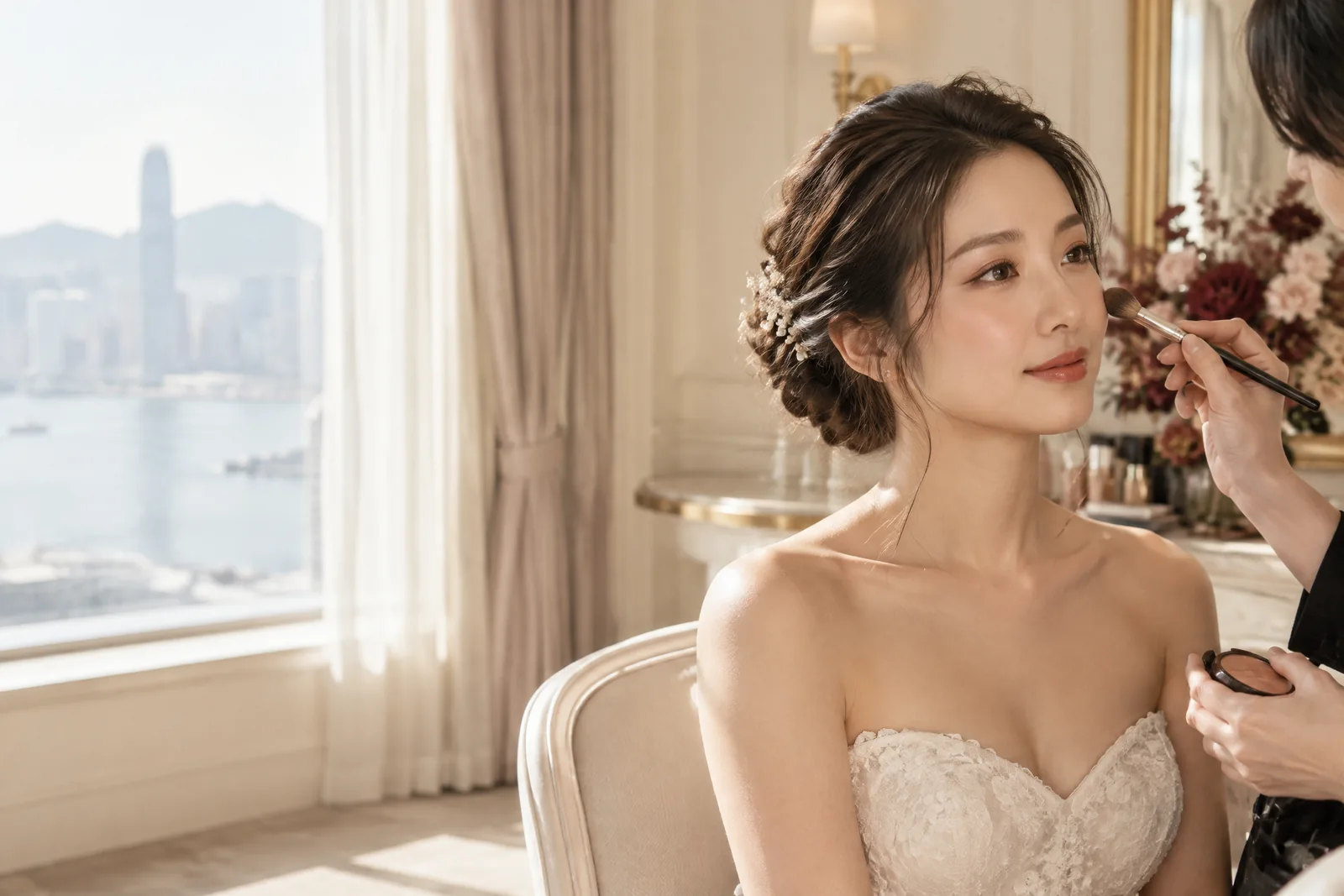
Order should follow the programme, not social seniority. Someone appearing in the first photograph, speech or recording may need earlier preparation. Someone arriving later may be better placed later in the sequence. Make this visible on one page. Include a departure point beside each name. That simple addition shows where delays would have the greatest effect. It also gives participants a reason for the order, rather than making the schedule feel arbitrary.
The same approach works for camera-facing work. Hong Kong commercial makeup may involve presenters, models or staff who appear at different times. Record the first appearance, wardrobe change and person who approves the visible direction. Do not assume a full group needs one shared style. Instead, identify where continuity matters. This might be a panel, a campaign image or a sequence of portraits. The planning question is whether the programme needs connected preparation decisions.
Avoid filling every moment with a task. Keep room for someone to arrive, change clothing, use the mirror and ask a last question. A schedule can be precise without being rigid. If an essential participant becomes delayed, adjust the order against the next public milestone. Tell affected people what changed and why. Quiet communication protects the group atmosphere. It also reduces the temptation to make rushed changes that nobody has agreed.
| Occasion pattern | Planning focus | Useful organiser question |
|---|---|---|
| Wedding party | Different ready-by points | Who must leave for the first photographs? |
| Stage or panel event | Camera and programme sequence | Which speaker appears first? |
| Evening celebration | Travel and arrival | When should each guest be event-ready? |
| Commercial shoot | Visible continuity | Who approves the first finished direction? |
Agree a shared direction while keeping personal choice
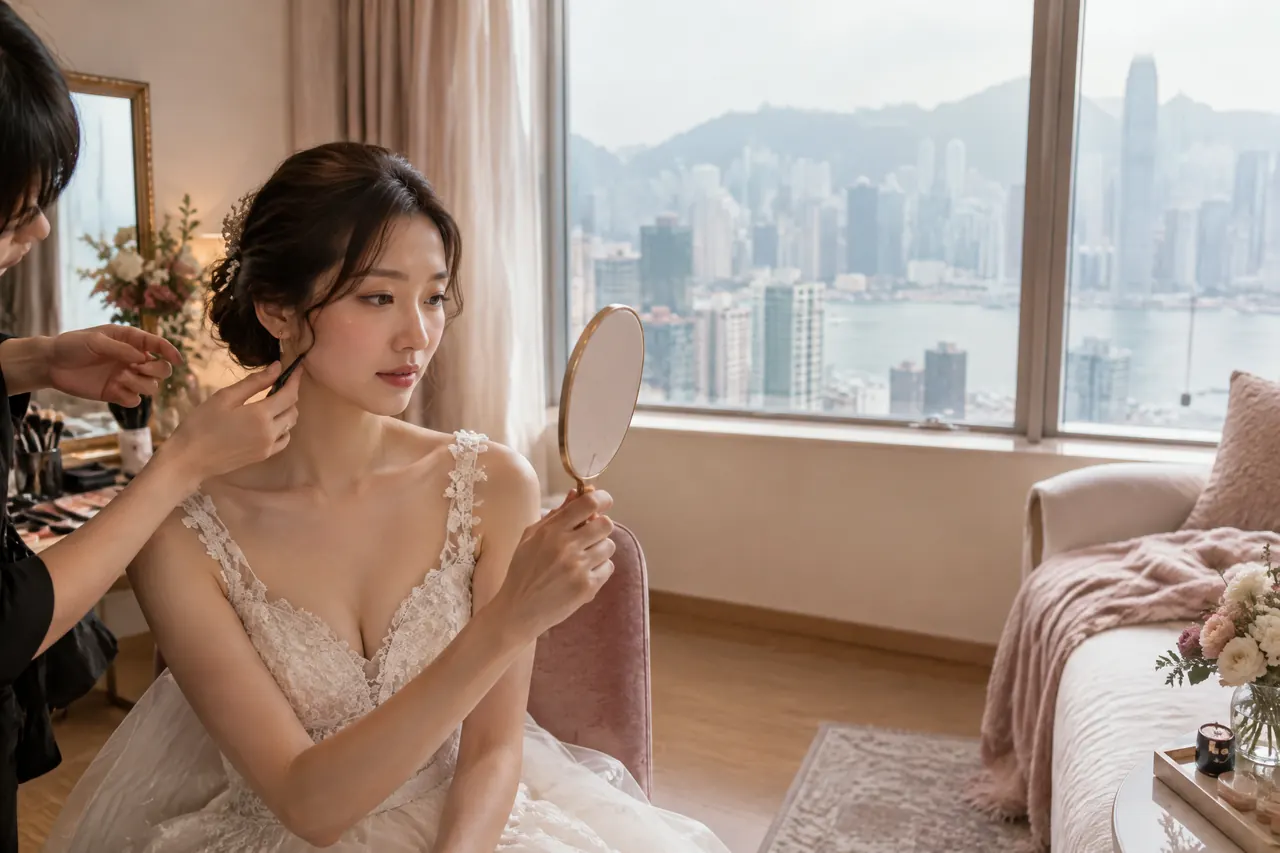
A coordinated group look usually begins with three shared choices: overall formality, complexion finish and camera intensity. Those choices create a visual thread without demanding uniform faces. An organiser might choose polished, soft or more defined as a direction. Each participant can then discuss colour and placement within that direction. Reference images are most helpful when they explain the mood. They are less helpful when they are treated as instructions for another person's features.
Invite participants to state product preferences or concerns before the event. A short note is clearer than a hurried conversation at the mirror. It can include familiar products, lash preferences or a wish for a lighter finish. The purpose is comfort and informed preparation, not a promise that every item can be used. If a participant has relevant skin concerns, they should share them early and follow appropriate professional advice where needed.
Group planning should also include respectful hygiene expectations. Personal items should stay identifiable, and shared areas should remain clear enough for safe movement. Participants can bring their usual lip product for later use if they prefer. The organiser should confirm the space before asking people to bring extra bags. Small practical choices often matter more than a complicated style description. They let the makeup conversation focus on the event and the people attending it.
Use one concise briefing sheet for confirmation
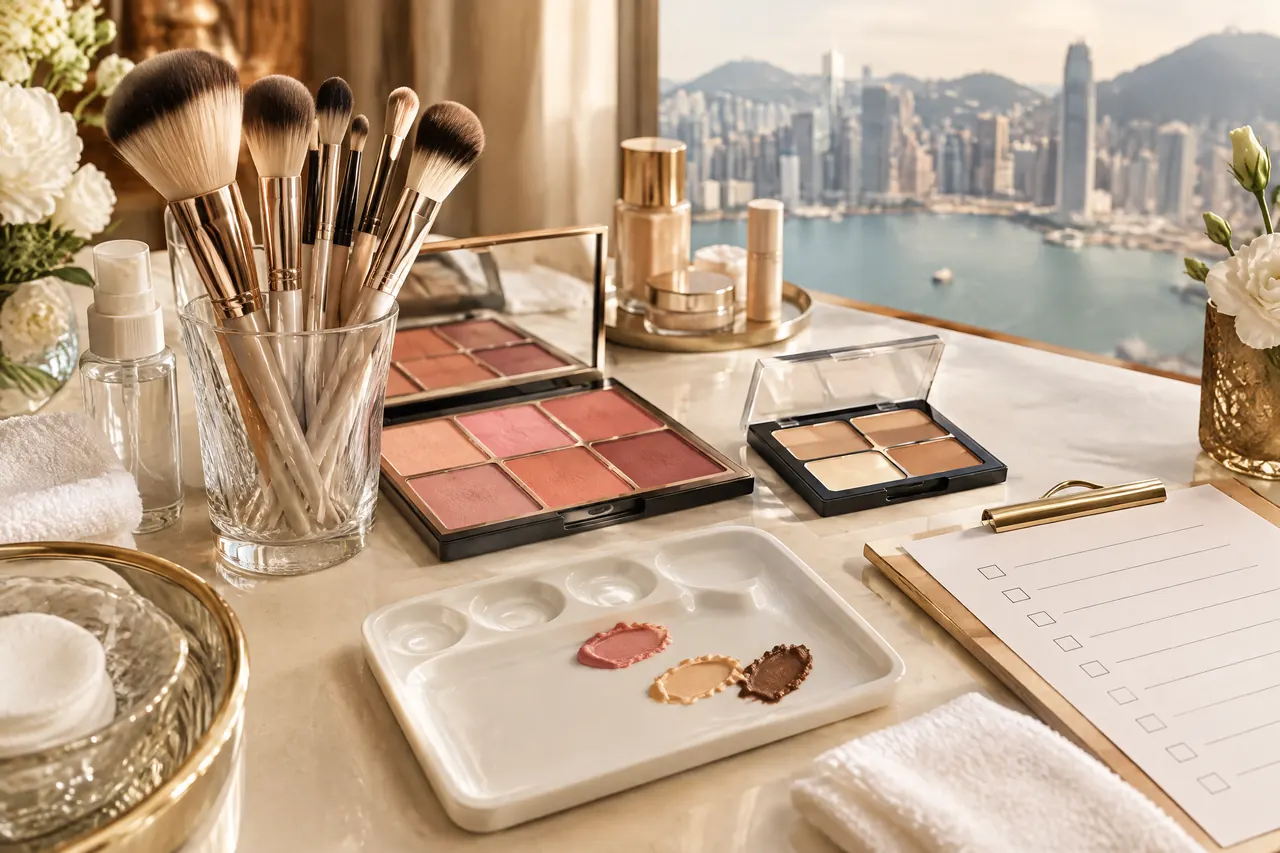
A useful group brief fits on one page and separates fixed facts from preferences. Fixed facts include date, venue, room, access contact and first ready-by point. Preferences include references, finish direction and individual notes. State which details remain undecided. This makes the brief honest and easy to update. It also helps the organiser spot a missing decision before it becomes a day-of question. Keep the language plain so every participant can understand it.
Include a contact method for the organiser and a second person who can answer venue questions. Do not spread the final plan across many message threads. Send one confirmed version after important details change. The following practical checklist keeps the request focused on genuine event arrangement needs, rather than assumed inclusions or timings. It also makes confirmation conversations more efficient.
Before the event, read the brief once from the participant's view. Can each person see where to go, what to bring and when they need to be ready? Read it again from the organiser's view. Are room access, early departures and reference images clear? If not, remove decorative details and add the missing practical fact. A shorter accurate brief is more useful than a polished document that nobody checks.
- State the event date, venue, room and first ready-by moment.
- List each participant beside their earliest public appearance or departure.
- Attach a small set of references and wardrobe notes.
- Name the organiser and the venue contact for practical changes.
- Confirm access, preparation space and final headcount in writing.
Protect the final checks without adding pressure
Questions that prevent confusion
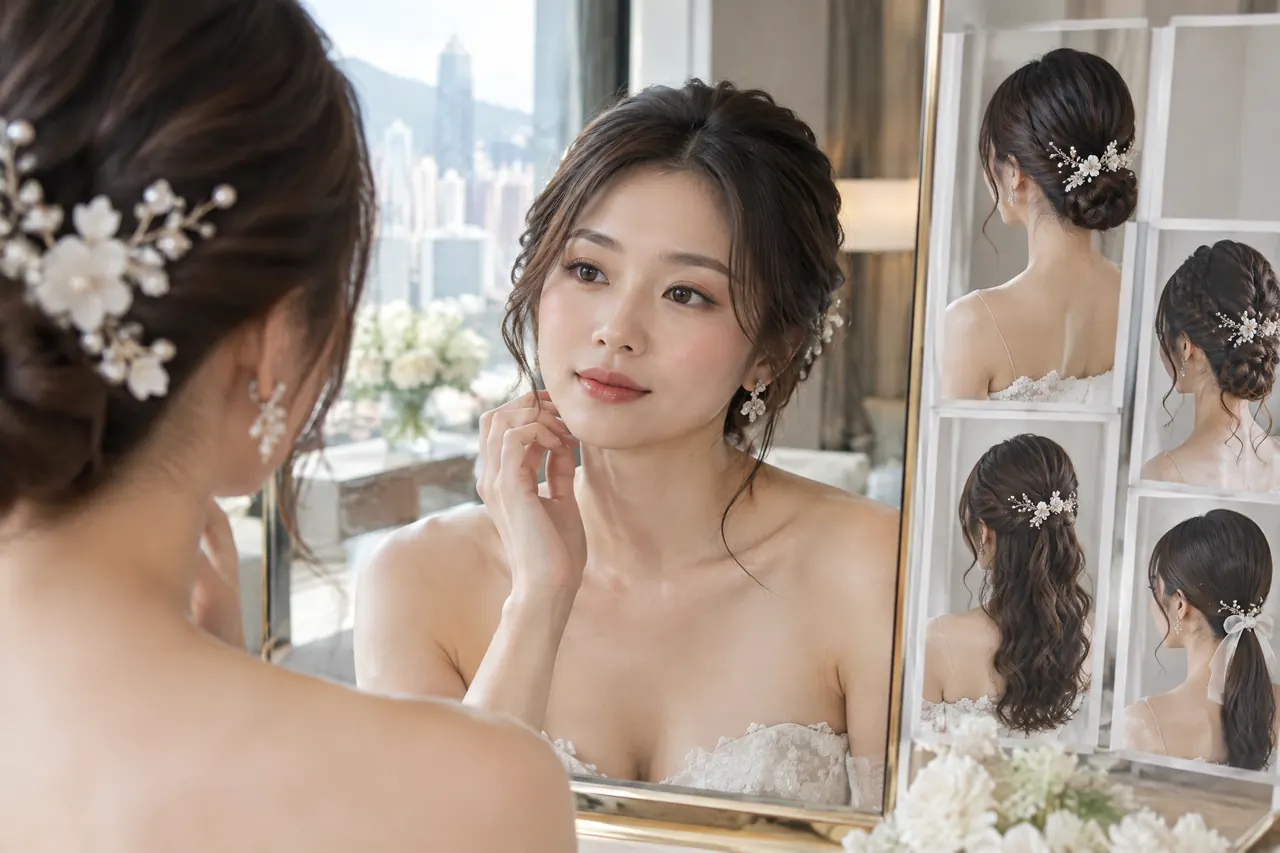
The final check should confirm essentials, not reopen every style decision. Review the attendance list, venue details, first appearance and contact numbers. Check that participants know whether they are expected to arrive prepared for clothing changes. Make a note of any later entrant or early departure. This is also the time to confirm practical arrangements with customer service. A calm final review creates fewer surprises than repeated messages on the event morning.
If the programme moves, identify the next public moment before changing the preparation order. Tell the affected participants directly and keep the explanation brief. A group feels better when people know what is happening. Avoid promising that every preference will fit a revised schedule. Instead, agree which element matters most for the next appearance. This may be a camera check, a hair adjustment or simply being dressed and ready to leave.
Event makeup team planning works best as a decision tool, not a rigid script. More coordination can improve clarity for a complex programme. It can also create needless pressure for a relaxed gathering. Choose the lightest plan that still identifies people, milestones, space and contacts. That balance leaves room for individual style while giving the organiser a realistic structure for the event.
Key takeaway
The main trade-off is between coordination and pressure. A detailed plan can protect a complex programme, but it can overwhelm a relaxed group. Start with only the decisions that affect readiness, access and communication. Add detail when different people must appear at different times. Leave style choices personal, and let the schedule serve the occasion rather than control it.
Practical checklist
- Write the first public moment at the top of the group plan.
- List every participant beside their own ready-by or departure point.
- Confirm the room, access route and preparation space with the venue.
- Share a small set of references and personal preference notes early.
- Keep one current contact list and one final schedule version.
Frequently asked questions
Does every group event need coordinated makeup planning?
No. A simple gathering may only need individual appointments. Coordination becomes useful when people share a venue, a programme or an early public moment. The organiser should decide whether a shared readiness order would reduce uncertainty. If it would not, keep the plan light and let participants make their own arrangements.
What should an organiser ask the venue before preparation begins?
Ask for the room name, entry route, lift access, preparation space and any arrival rules. Also ask about mirrors, chairs, tables and power points. These details help people arrive with realistic expectations. Confirm the venue contact who can answer practical questions if the room or access route changes.
How can a group look coordinated without matching exactly?
Agree on the level of formality and the overall finish. Then allow each person to choose colours and details that suit them. Shared reference images can show the intended mood. They should not erase individual preference. A coordinated result often comes from compatible intensity, rather than repeated colours or identical features.
What happens if an important participant is delayed?
Use the next public milestone to reset priorities. Tell the people affected by the change, then adjust the order where possible. Keep the organiser's message brief and factual. Do not assume every detail can remain unchanged. Agree what matters most for the next appearance and confirm any revised arrangements with the relevant contact.
Sources
| Source | What it supports |
|---|---|
| Climate of Hong Kong | The Hong Kong Observatory states that May to August are hot and humid with occasional showers and thunderstorms, and that about 80 percent of annual rain falls between May and September. |
| Freight Handling Facilities | HKCEC describes loading and marshalling areas and direct hall access as part of its facilities, illustrating why organisers should verify venue access arrangements. |
Discuss your own makeup plans
For a clear group-event arrangement, contact BigDeal Make Up on WhatsApp +852 6918 3153. Share your date, venue and readiness list.
Ask on WhatsApp +852 6918 3153