
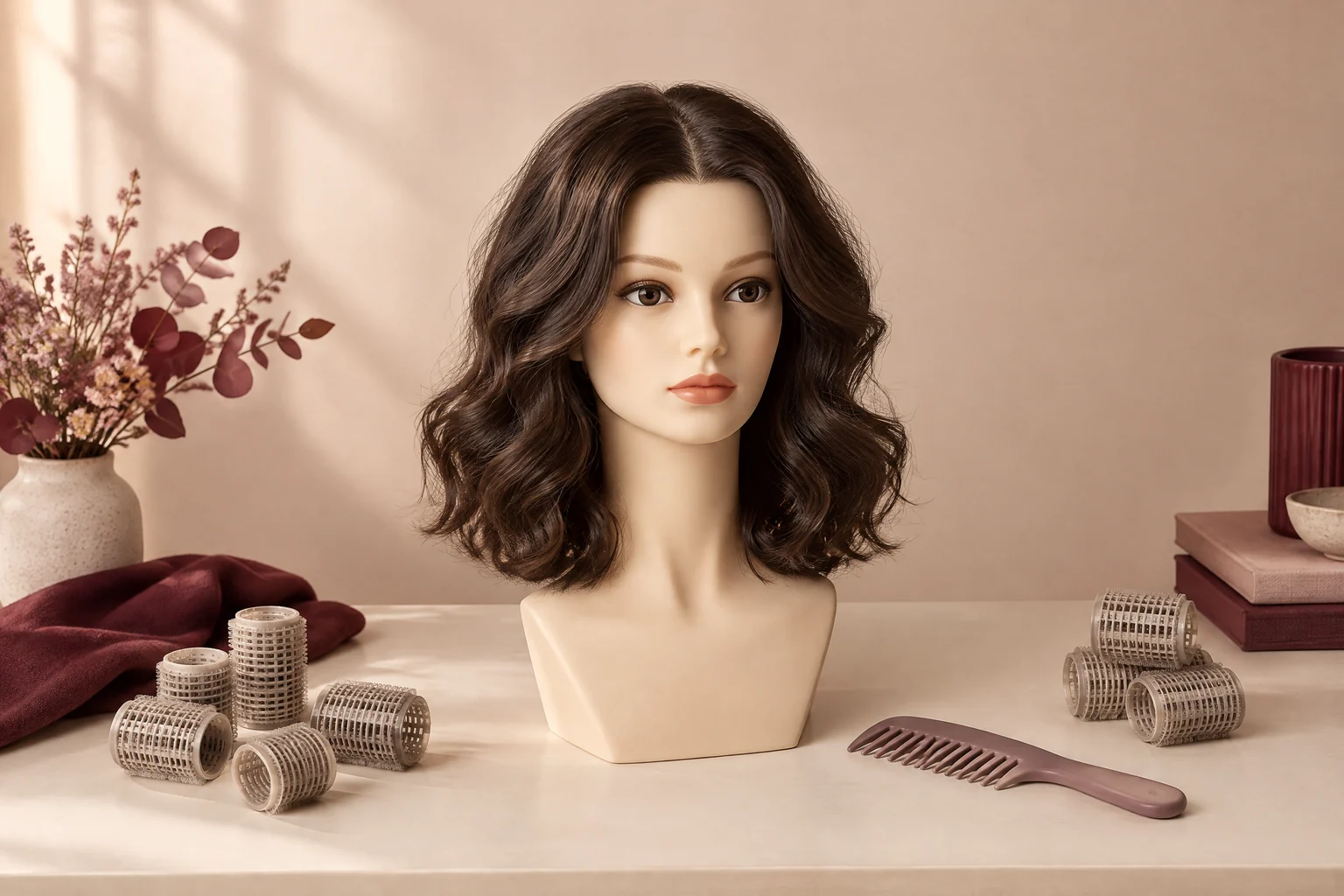
At a glance
Bring a short wash record, recent ordinary hair photographs and any available salon instructions. The trial can then examine shape, comfort and accessory placement against a clear starting point. Keep chemical-service decisions separate from wedding styling. A documented trial guides the next conversation; it cannot promise identical curls throughout the wedding.
Start your bridal trial natural curl wash record with existing hair
A bridal trial natural curl wash record needs a clear baseline
Describe your hair as you currently wear it, rather than selecting a curl category from a photograph. Note whether you recognise natural curls, an existing perm, or a mixture along different lengths. Record uncertainty directly when you cannot identify an older service. Your stylist can discuss what is visible during the trial. Appearance alone should not become a claimed chemical history, especially when the original salon record is unavailable.
Choose one everyday photograph showing your normal washed and dried hair before sharing bridal inspiration. Include the date and explain any styling done beforehand. A picture taken after tonging illustrates a finished style, not untouched natural texture. Another picture after sleeping may show a different starting arrangement. Keep those descriptions beside the images. The discussion can then distinguish an ordinary wash result from a specially prepared look.
For a two-look bridal trial, describe what you want to learn from each arrangement before considering a texture change. One option might preserve visible curl around the face. Another might explore a pinned shape using the same starting hair. These are styling questions, not a contest between natural curls and chemical waves. Confirm the proposed trial scope with BigDeal, including accessories and the time needed for the agreed comparison.
Set a practical priority that can be observed during the appointment. You might want the veil attachment clear of a sensitive area, or an unobstructed neckline for photographs. Explain which feature matters most if the reference image cannot be copied exactly. Bring the accessory when possible, or provide its dimensions and fastening details. The resulting brief should describe your priorities without requiring your hair to become an unverified new texture.
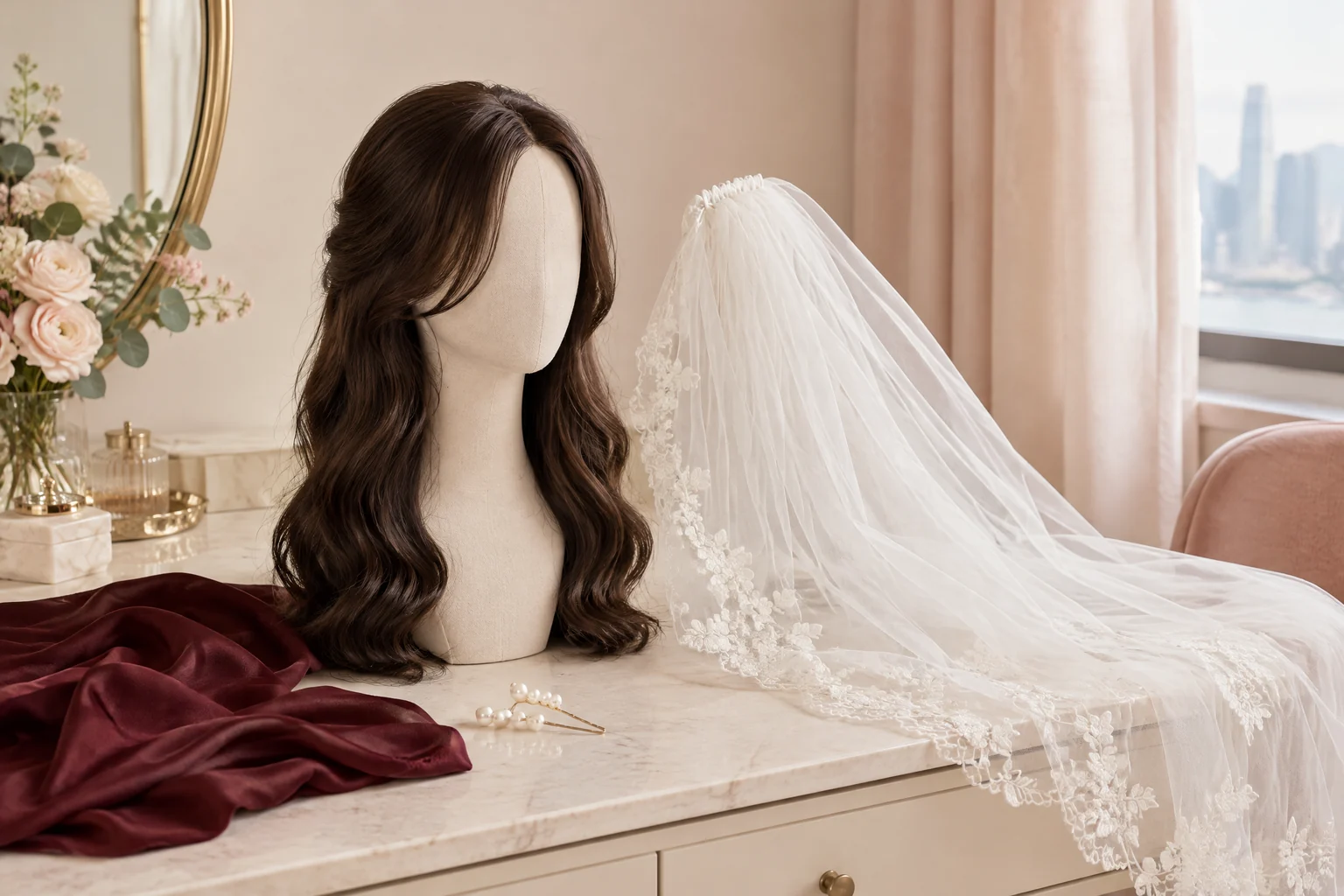
Record the wash routine without replacing it
Write down timing, products and drying steps
Record the date and approximate time of your last wash, plus the steps you actually followed. Include shampoo, conditioner and any leave-in product by name when available. Note where you applied them and whether anything was rinsed out. If a product name is missing, a bottle photograph is more useful than a guessed ingredient list. Keep this factual record separate from suggestions for the next appointment's preparation.
The American Academy of Dermatology advises wetting curly hair and using leave-in conditioner when detangling between washes. It also advises against dry brushing to avoid breakage and frizz. This supports recording your actual detangling method rather than treating every arrival as an unchanged baseline. Tell the stylist whether your curls were finger-detangled, combed wet or brushed dry. Discuss the trial preparation individually instead of adopting a universal dry-brushing instruction. [1]
If you are separately exploring hair perm kwun tong, DT Hub provides a related perm-service information page. Use that enquiry to discuss your existing salon history and any instructions you have received. Keep the enquiry separate from BigDeal's bridal styling plan. The page title does not establish that your hair needs another perm. Bring any confirmed advice back into your record, with the date and the source identified.
Describe drying in ordinary terms: air drying, diffusing, blow-drying or another method you actually used. Add whether you slept on the hair, tied it up or refreshed it afterwards. These details help explain the starting arrangement without turning your routine into a fixed prescription. Ask BigDeal to specify the desired arrival condition for the booked trial. If that differs from your routine, record the agreed change and its purpose.
| Record item | What to write | Evidence available | Next discussion |
|---|---|---|---|
| Last wash | Date, approximate time and drying method | Your own note | Agree the trial arrival condition |
| Products and detangling | Actual products and wet or dry handling | Bottle photograph or routine note | Identify any proposed preparation change |
| Last salon service | Known date and the salon's wording | Receipt, message or salon instructions | Keep missing details marked unknown |
| Bridal priority | Preferred shape and accessory placement | Trial photographs with permission | Confirm styling scope and handover |
Separate confirmed salon history from future decisions
An unknown service remains unknown until checked
List the last known perm, colour, bleach or straightening service with its date, if you have it. A booking message or receipt may help establish when you attended. It may not identify the formulation or every process used. Write the salon's wording exactly where possible, then mark missing details. Avoid replacing an uncertain treatment name with a familiar label simply because the current wave resembles an online example.
The FDA advises waiting at least fourteen days after bleaching, relaxing or perming before using hair dye. It also advises against dyeing or relaxing an irritated, sunburned or damaged scalp. That is specific dye-safety advice, not general approval for a new perm after fourteen days. The distinction makes service dates useful in your record. Discuss planned chemical work with the relevant salon, and seek medical advice for concerning scalp symptoms. [2]
The digital perm hong kong page can support a separate information enquiry about that salon service. Use it if you are considering that service independently. A service label does not confirm compatibility with previous processing or predict your bridal result. Ask the salon what history it needs and what preparation instructions apply to you. Leave the proposed service marked as undecided until that conversation produces a clear plan. BigDeal's trial can address the hair currently available.
When the original history cannot be recovered, agree a styling brief that does not depend on resolving every unknown immediately. You can still discuss the overall silhouette, visible curl and accessory position. The trial should not become an improvised chemical consultation. Tell BigDeal about any confirmed salon appointment that could alter the starting hair. If your condition or planned service changes, revisit the preparation instructions before the next styling appointment.
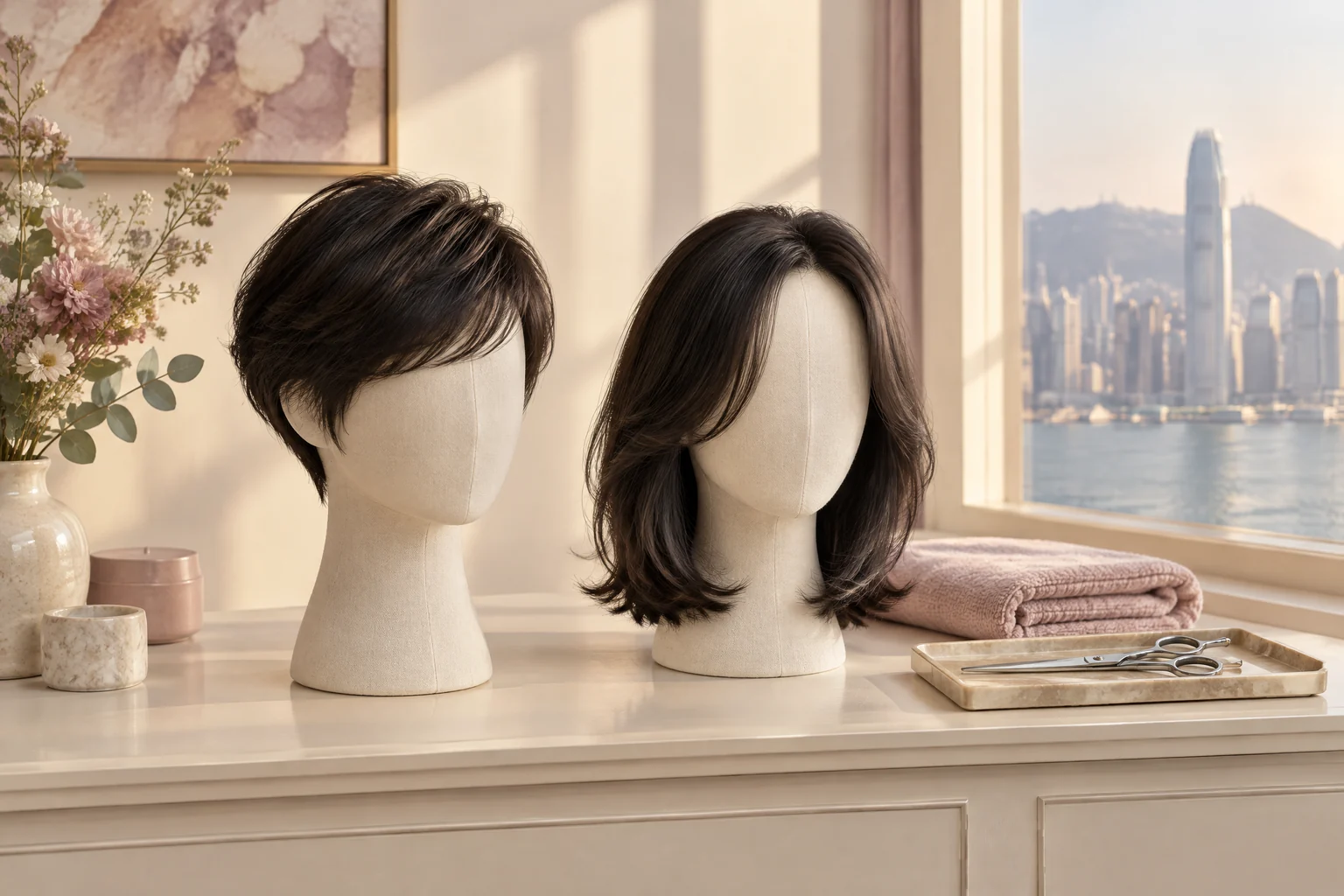
Make the trial comparison about styling choices
Observe the same starting hair before changing variables
Agree how the trial will distinguish arrival texture from the finished arrangement. Take an arrival photograph with your consent before styling starts, then label subsequent photographs by stage. Ask the stylist to note any major preparation changes, such as additional drying or reshaping. This creates an understandable account of the appointment. It does not prove how a style will behave under different wedding conditions or after another salon service.
Compare the details that influence your decision: the front shape, profile, neckline and accessory attachment. Use similar camera positions for each option when practical. A close photograph may show fastening detail, while a wider view shows the dress neckline relationship. Ask before touching or removing pins between photographs. Keep comfort comments beside the relevant image, so an attractive angle does not obscure pressure or a placement you dislike.
A search for japanese perm hong kong may introduce another salon-service label during your planning. Keep that label in the separate enquiry record rather than treating it as the trial's required starting texture. DT Hub's related page is an information destination, not independent evidence that one wave pattern suits you best. Describe the bridal shape you want in everyday terms. The stylist can then discuss options without relying on an unconfirmed treatment name.
Before leaving, identify the arrangement you prefer and the adjustments still needed. Ask which steps relied on the exact arrival condition and which depended on the chosen accessory. Note anything you did not assess, such as removal or a later outfit change. A trial can reveal practical questions without answering all of them. Keep observations specific, and avoid converting one appointment into a promise of lasting curl definition.
- Label arrival and finished photographs separately, with the same person's permission.
- Record pressure, visibility and accessory access beside the chosen look.
Translate the record into the wedding-day timetable
Clarify who prepares, styles and checks the hair
Map the wedding morning backwards from the time you need to be dressed and ready. Include travel, room access and the point when the photographer expects preparation pictures. These are arrangements to confirm with your own suppliers, not assumed hotel services. Decide where washing and drying will happen if either is part of the agreed plan. A hotel room should not be treated as a salon without discussing the practical setup.
Assign responsibility for each preparation step rather than writing only a finished-look deadline. Specify what you will do before arrival and what the booked stylist has agreed to handle. Confirm the working area, nearby power access and a place to set out accessories with the venue. Share the relevant timetable without circulating your entire personal record. Salon receipts and private scalp concerns need not appear in the photographer's general schedule.
When considering half day bridal hair and makeup, match your enquiry to the actual coverage you need. State your ready time, ceremony location and expected finishing point. Mention whether the trial involved a veil or other attachment that someone must later remove. Ask BigDeal which tasks fall within the proposed booking and which require a separate arrangement. The service name alone does not establish attendance for every later hair change.
Write a simple handover note for any person helping after the stylist's agreed departure. It should identify the accessory, the intended handling and the contact arrangement you have agreed. Avoid asking an unbriefed friend to recreate a trial process from photographs alone. If nobody will support a later change, discuss a simpler plan before the wedding. That decision concerns practical support, not whether natural curls are better or worse.
Keep one agreed record and update meaningful changes
Share observations, not assumptions or private details
After the trial, keep one dated version of the preparation note and preferred-look photographs. Replace unclear instructions with the wording you agreed, rather than collecting contradictory messages from different people. Distinguish a confirmed instruction from a question awaiting a reply. Save the source of any salon advice separately. This gives the wedding team an accessible reference while preserving the boundary between chemical-service decisions and the booked bridal styling.
If your wash products, haircut or salon history change, describe the change before relying on the original trial record. Send a current photograph when it helps explain the difference. Ask whether the chosen arrangement or preparation needs another discussion. Do not assume a revised texture will recreate the earlier result. Equally, a routine change is not automatically a reason to abandon natural curls; the relevant question is the agreed plan.
For full day wedding hair and makeup, explain the sequence of outfits and the changes you want to discuss. Share the preparation record alongside proposed change times, not as a substitute for a booking agreement. Ask BigDeal about the required time and scope for those transitions. Identify who will communicate schedule changes on the day. This keeps coverage decisions connected to your event rather than an assumed guarantee of curl retention.
The same record can help a model attending a styling lesson or a photographed demonstration. The model should describe their own routine and decide which photographs may be shared. Record observations about the session without turning them into a customer testimonial or universal result. A learner can practise clear briefing and documentation alongside styling. The useful outcome is a traceable account of this person's starting hair, choices and remaining questions.
Key takeaway
A useful curl record makes the trial easier to interpret, not more demanding to prepare for. Start with your own routine and the salon history you can establish. Choose a bridal arrangement against that starting hair, then record the decisions that affect wedding logistics. Update genuine changes before the next appointment. Keep uncertain chemical-service plans outside the agreed styling assumptions, and let the finished trial guide discussion rather than promise identical results.
Practical checklist
- Record your last wash, products, detangling and drying without guessing missing details.
- Bring an ordinary current photograph and distinguish it from styled inspiration.
- List confirmed salon dates, keeping unknown treatment names clearly marked.
- Agree the trial's arrival condition, accessories and practical observation priorities.
- Confirm wedding coverage, preparation responsibilities and any later accessory handover.
Frequently asked questions
Should I wash my natural curls the night before the trial?
Use the arrival instructions agreed with BigDeal for your appointment. Share your usual wash timing and drying method before that instruction is finalised. A single night-before rule may not describe everyone's starting hair. Record any change from your routine so the trial remains understandable.
What if I cannot remember which perm I had?
Write that the service name is unknown and include any date you can substantiate. A receipt or original salon message may help. Keep current appearance separate from treatment history. Discuss a trial using your existing hair rather than assigning a chemical label from a photograph.
Can my inspiration photograph replace a wash record?
No. Inspiration explains the appearance you want, while the wash record explains your starting hair. Add an ordinary recent photograph with its preparation details. Together, these give the stylist a clearer discussion than either alone. Neither photograph guarantees that the same look can be reproduced.
Do I need a new perm before choosing bridal hair?
A new perm should not be an unconfirmed condition of this trial. Discuss shapes using your existing hair first. If you independently consider chemical work, take your history to the relevant salon. Tell BigDeal about confirmed changes before relying on the earlier styling plan.
Can a lesson model use this record too?
Yes. The model can record their own wash routine and known services before the session. Agree photograph permissions and the intended styling exercise. A learner should document the actual starting condition and choices, without presenting that session as proof of a lasting result.
Sources
| Source | What it supports |
|---|---|
| 6 curly hair care tips from dermatologists | AAD's wet-detangling and dry-brushing advice supports documenting detangling method rather than assuming every arrival is an unchanged natural-curl baseline. |
| Hair Dyes | FDA | FDA advises a fourteen-day interval before dye after bleaching, relaxing or perming, and warns against dyeing or relaxing an irritated scalp. This supports recording service dates without extending dye advice into universal perm clearance. |
Discuss your own makeup plans
Discuss your bridal trial preparation and wedding styling arrangements with BigDeal Make Up on WhatsApp +852 6918 3153. Share your wash record, event date and the look you want to explore.
Ask on WhatsApp +852 6918 3153