
At a glance
Start with permission, then separate the hairline, new growth and previously coloured lengths. Compare keeping silver, discussing coverage and changing only agreed areas. A written scope and a separate makeup brief help each provider answer the right questions without committing the mother to unwanted work.
Mother wedding root parting choice begins with her wishes
Is colour change her preference or someone else's expectation?
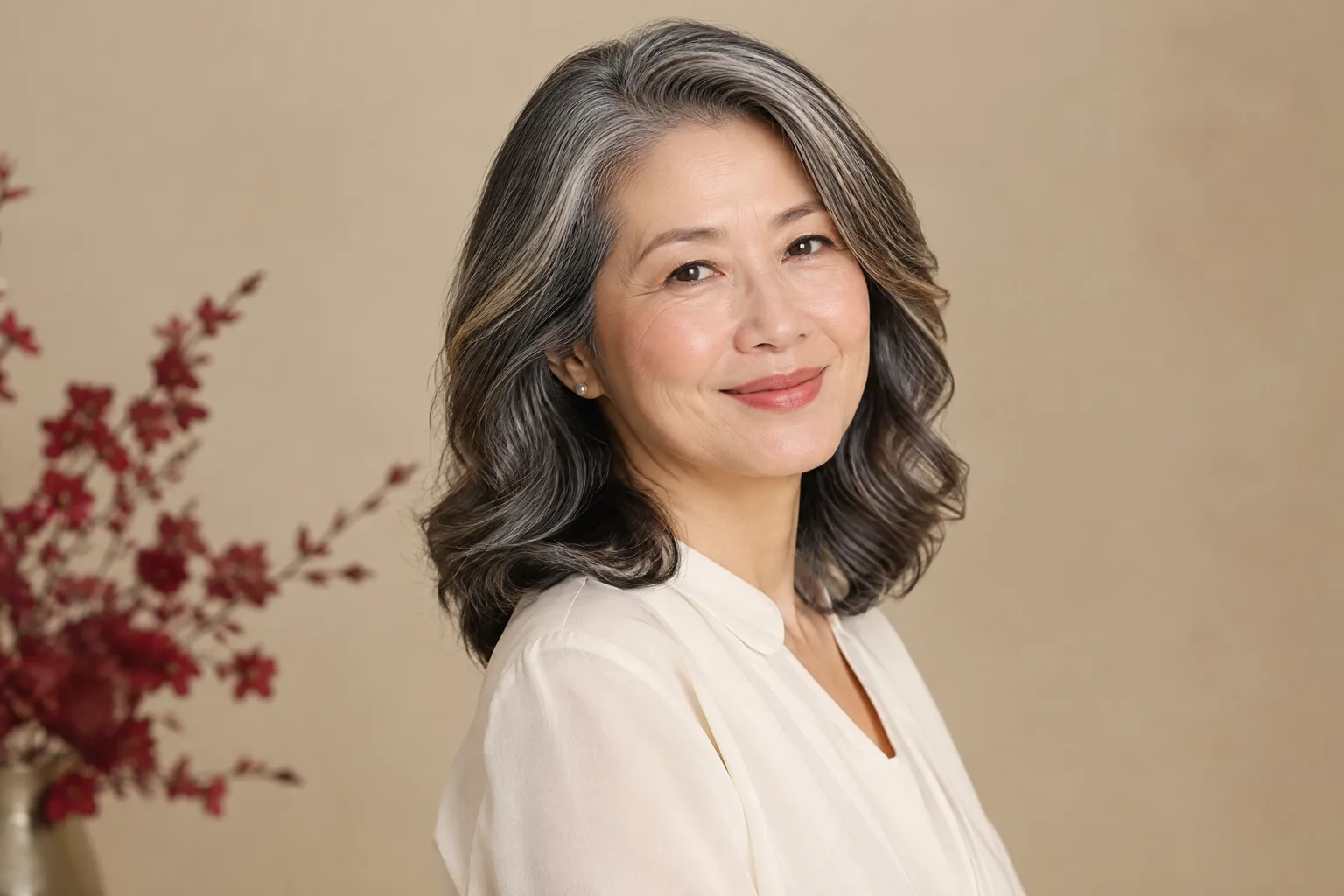
Ask her about her hair privately before sharing reference photographs in the wedding family chat. She may like her silver streak, dislike a narrow root band, or want no change at all. Those are different preferences, not stages of being properly prepared. Give her room to answer without correcting her. Keeping grey hair is a complete choice, and a polished makeup brief can be built around that decision.
Begin with two practical questions: what would she like to keep, and what would she like to discuss changing? Show her a recent photograph only if she wants to use one. Avoid zooming into roots as though they are a fault requiring repair. If relatives offer competing opinions, record her own answer first. The final decision should not depend on who speaks most confidently or pays for the wedding.
For her makeup arrangements, the Hong Kong mother of the bride makeup page is a relevant BigDeal starting point. Explain whether she wants makeup only or wishes to discuss hair styling as well. Share the wedding date, preparation location and time she needs to be ready. Confirm the requested scope directly rather than assuming an appointment is available. A colour decision belongs in a separate salon conversation, not inside a makeup request.
A useful written brief might say she wants her silver front section visible with a comfortable side part. Another might say she wishes to discuss the pale band but retain her current brown lengths. Neither brief needs an age comparison. Ask permission before forwarding it, especially if a family member is organising enquiries. Let her review any proposed change before an appointment is agreed, rather than treating her initial interest as final consent.
- Keep: the colour or streak she enjoys wearing.
- Discuss: only the area she identifies herself.
- Decline: changes suggested solely to satisfy somebody else's photograph preference.
Describe visible areas without judging age
Turn mother wedding root parting choice into an observable brief
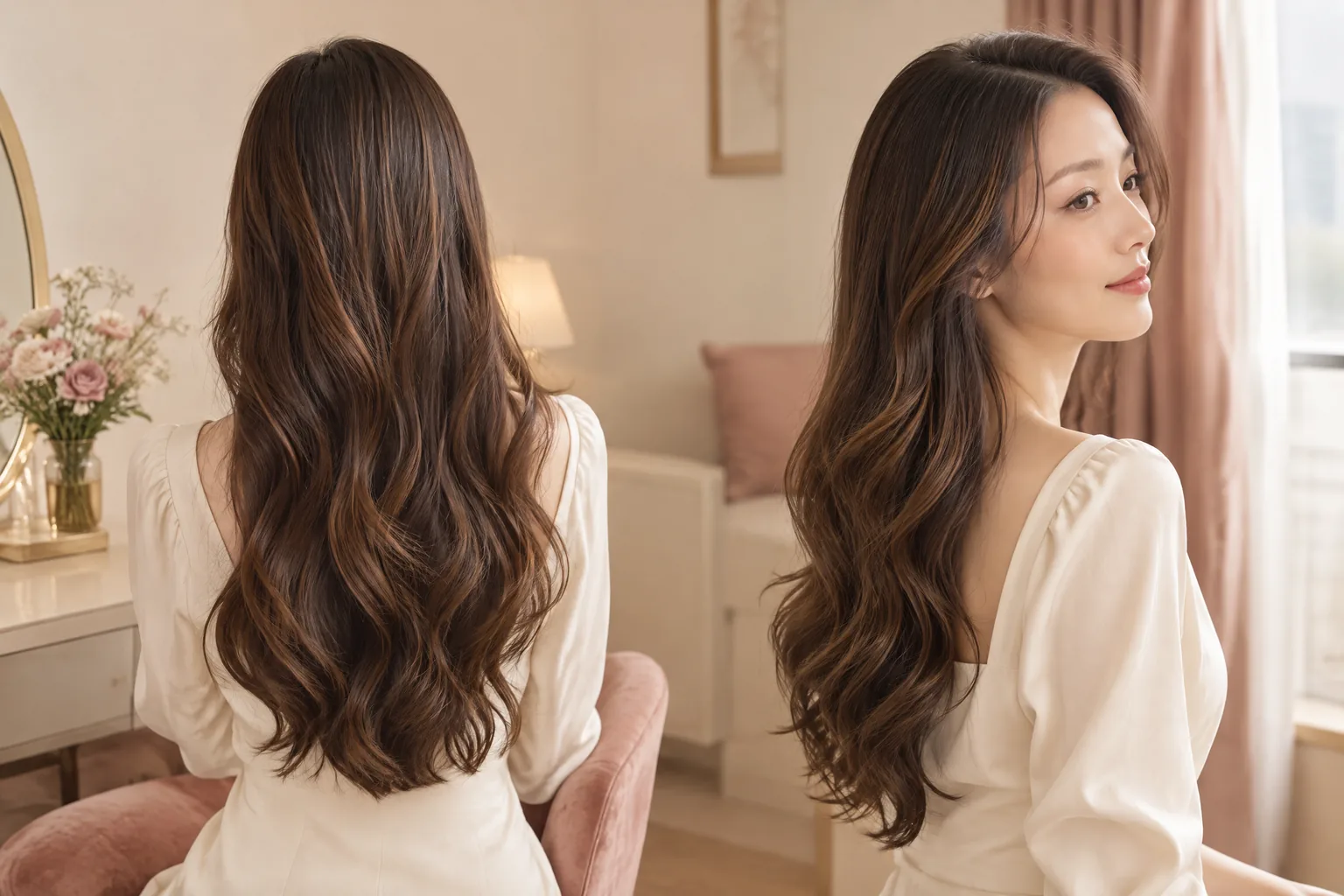
Describe the appearance rather than asking for a younger version of the mother. She might want fewer contrasting strands at the temples or a more consistent line along her usual parting. She might instead want the white strands preserved while discussing the surrounding colour. Point to the area concerned in ordinary light. A shade photograph alone cannot explain which parts she wishes to retain. It also cannot show her previous processing.
Coverage and blending describe different visual goals, so ask what she means before choosing a service name. A more consistent appearance may be her priority, while another mother may enjoy visible lighter strands. Neither choice establishes the method or suitability of a colour procedure. Ask the salon to explain the proposed approach using her current hair. The trade-off is between the change she wants and the future attention she is willing to consider.
Vitso Hair's grey coverage information explains the distinction between a more consistent colour and blending that retains lighter strands. Use it to prepare questions about the hairline, temples and parting, not to choose a formula yourself. This is related reading from a salon under the same ownership as BigDeal, rather than a makeup service. The salon still needs her colour history and preferences before discussing what work could be appropriate for her.
The NHS notes that hair-dye reaction symptoms can take up to 72 hours to appear. It also identifies previous black henna tattoos as relevant to allergy risk. Tell the salon about past dye reactions or such tattoos before discussing products. Feeling comfortable immediately after an application does not prove there will be no reaction. Seek healthcare advice for a health concern. A wedding colour consultation cannot diagnose an allergy or replace medical care. [1]
| Preference | What to show | Question or trade-off |
|---|---|---|
| Keep visible silver | Her usual parting | Which styling shape feels comfortable without colour work? |
| Discuss a quieter hairline | Temples and front view | Can the proposed scope focus on her chosen areas? |
| Keep some lighter strands | The streak she values | What would remain visible, and what would change? |
| Address new growth only | Roots beside existing lengths | Which lengths would stay unchanged? |
Separate new growth from previously coloured lengths
Which parting will she actually wear in the photographs?
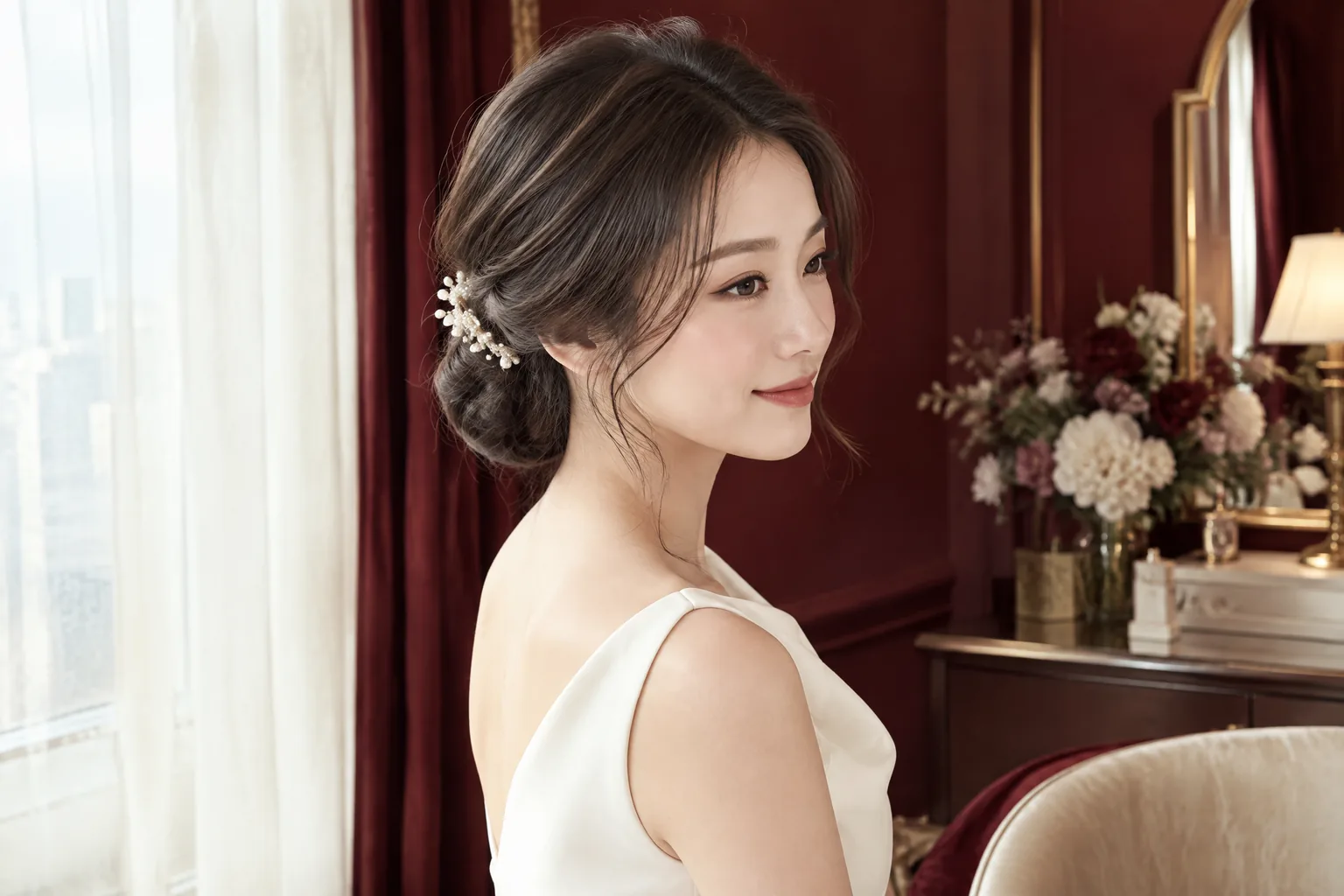
Look at her hair in the position she intends to wear, rather than opening an unfamiliar centre part for inspection. A side part and tucked hair show different areas around the face. If she is undecided, take simple views of both positions with her permission. These pictures help describe the enquiry; they do not predict the finished wedding photographs. Decide whether the familiar parting feels comfortable before considering colour specifically for a different arrangement.
Write down the last colour date and any home applications, bleaching or other chemical work she can recall. Show the roots and lengths together so the boundary is visible. If the lengths already suit her, say that explicitly. A faded end, darker band and new white growth should not be bundled into one vague request. Existing records are more useful than assuming every mother needs recolouring on the same calendar before a wedding.
The root touch up resource from Vitso Hair describes new growth beside previously coloured hair. It excludes an automatic whole-head refresh. It can help her separate the root enquiry from concerns about the ends. Bring a current photograph as well as an older colour she liked. Ask which areas the proposed work would address and which would remain unchanged. BigDeal's makeup discussion does not assess or confirm that salon colour service for her.
FDA guidance says not to dye an irritated, sunburned or damaged scalp and to follow the product directions. It also recommends skin testing before each use, while noting that a reaction remains possible after a negative test. Ask the salon about the precautions for its proposed product and her history. Do not shorten them to fit a wedding timetable. If discomfort or a health concern arises, leave the colour plan open and seek appropriate healthcare advice. [2]
Coordinate makeup with the outfit she will wear
Which comfort and accessory details matter most?
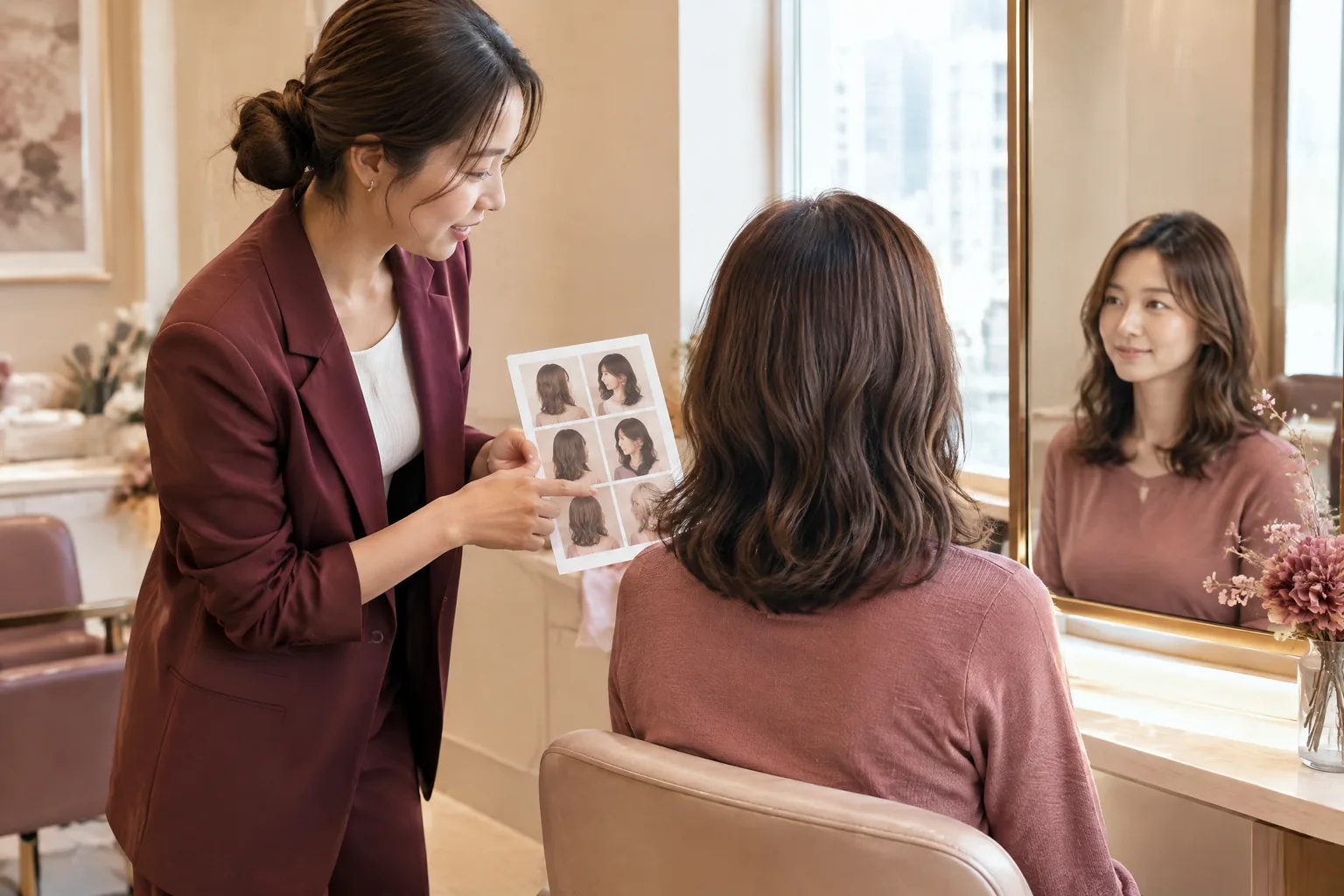
Bring photographs of her actual outfit, not only a bridal inspiration board. A qipao collar, jacket neckline or dress wrap can change what she wants visible around her face. Show the earrings she plans to wear and say whether glasses will stay on. These details help frame a makeup and styling conversation without requiring a colour change. Her own brief can be understated or expressive regardless of how the bride or other relatives will dress.
Try her chosen parting with the planned earrings and glasses at home, without adding an unfamiliar chemical step. Ask whether she likes the exposed temple and whether hair behind the ears feels comfortable. Do not insist on hiding every silver strand to match an accessory. A decision to keep her everyday parting can simplify the preparation brief. If she wants a different shape, ask about styling possibilities separately from any proposed work on colour.
For another relative attending as a guest, BigDeal's wedding guest makeup and hair page offers a separate enquiry route. Give that person's outfit and requested finish rather than copying the mother's brief. Confirm the relevant makeup or styling arrangements directly. A shared wedding date does not make every family member's request identical. Keep each person's reference images and consent clear, especially when one organiser is collecting information for several people at once.
For a Hong Kong wedding spanning morning family ceremonies and an evening banquet, record when the mother must be ready. Include any journey between preparation and the venue, rather than assuming one location all day. Ask about the makeup arrangement she needs across those plans. If colour remains undecided, tell the makeup artist what she currently wears and what may change. That keeps the discussion usable without treating an unconfirmed salon plan as a finished result.
Use the price resource to clarify the proposed work
What needs confirmation beyond a short service label?
A colour budget becomes meaningful when the areas and inclusions are clear. Ask which published entry applies to her current roots and whether any suggested work on lengths is separate. Request the proposed total for that assessed scope before agreeing. Do not assume a short service name includes washing, finishing, cutting or another colour step. The mother should understand both what she is choosing and what she is leaving unchanged before the family commits funds.
If the proposal is broader than she expected, ask the salon to explain why each additional area is included. She can then discuss a narrower goal or decide to keep her current colour. A smaller budget is not permission to bypass required precautions. Nor does paying for more work mean she must accept a larger visual change. Compare options against her stated preference, with particular attention to any future maintenance she does not want to undertake.
Use Vitso Hair's root touch up price resource to read the published menu. Then ask questions about her proposed scope. The page separates named entries and package information; it is not a personalised quote for the mother's hair. Ask about applicable work and inclusions directly with the salon. Treat the phrase as a resource label, not a promise of a particular package. BigDeal can discuss makeup arrangements but cannot confirm her hair colour charge.
Keep the colour enquiry and wedding makeup enquiry in separate message threads or clearly labelled notes. For colour, record the agreed areas, proposed inclusions and any questions still awaiting an answer. For makeup, record the outfit and readiness time. Ask each provider about its own appointment arrangements before planning travel around them. This avoids mistaking one response for confirmation of both services. That matters when several relatives share the preparation schedule.
| Ask about | Information to provide | Do not assume |
|---|---|---|
| Applicable work | Current roots and colour history | Every visible difference needs the same procedure |
| Inclusions | Desired colour and finish | Washing, styling or cutting is automatically included |
| Additional areas | Lengths she wants retained | A root enquiry includes an overall refresh |
| Appointment plan | Wedding date and availability | A published entry confirms a booking |
Keep sisters' and guests' requests separate
Who needs a different makeup or styling arrangement?
Make a simple list of the mother, actual attendants and other guests before asking about wedding preparation. Give each person a separate requested finish and readiness time. A sister may be an attendant, a guest or simply helping with organisation. Her relationship alone does not settle the enquiry. Clear roles keep the mother's preferences separate from a group look. She should not be assigned a finish she never chose.
The family organiser can collect practical information without making appearance decisions for everyone. Ask each person to approve the references being sent and identify anything they dislike. For the mother, retain the agreed note about visible silver or the parting even if attendants choose something different. A coordinated wedding photograph does not require matching colour or makeup. The useful shared information is the schedule, while individual comfort and style remain personal decisions.
BigDeal's bridesmaid makeup page is relevant for actual bridesmaids or sisters seeking that service. It does not replace the mother's enquiry. Share their roles and requested arrangements, then confirm the applicable scope. Do not select an attendant service merely because several relatives are preparing together. Separate enquiries make it easier to explain different outfits and reference photographs. They do not imply a group package or an accepted appointment.
Before finalising the family's plan, read the mother's brief back to her in plain language. Confirm the parting she wants, any colour work she has actually agreed, and her makeup readiness time. Leave unanswered salon questions marked as open rather than guessing on her behalf. If she chooses no colour change, remove that task from the schedule. Preparation is complete when her decisions are respected and practical arrangements are clear, not when every visible root is concealed.

Key takeaway
The most useful root decision is not how much silver the family can hide. It is which change, if any, the mother wants to carry beyond the wedding. Start from that answer, preserve the areas she likes, and agree salon work separately from her makeup arrangements.
Practical checklist
- Ask the mother what she wishes to keep before collecting suggestions.
- Photograph her preferred parting and visible areas with her permission.
- Record previous colour work and disclose sensitivity concerns to the salon.
- Confirm colour scope and inclusions without assuming a final charge.
- Send her actual outfit and readiness time for the makeup enquiry.
- Keep attendants' requests separate and mark unanswered questions as open.
Frequently asked questions
Does the mother need to cover grey hair for wedding photographs?
No. Keeping visible grey or a white streak is a valid decision. Ask what she wants to wear, then plan makeup and styling around that choice. Do not use the wedding album as a reason to override her preference.
Should she change her parting to hide roots?
Only if she likes the alternative and finds it comfortable. Compare familiar positions with her planned accessories before deciding. A different parting may show different areas, but it does not establish a need for colour or guarantee a particular photographic result.
How close to the wedding should she recolour?
There is no single timetable appropriate for every starting point. Share previous processing and the wedding date with the salon. Ask about the proposed work and product precautions before agreeing timing. Keeping the current colour remains an option if the plan cannot be comfortably resolved.
Can the family organise hair colour through BigDeal's makeup enquiry?
Keep the requests separate. BigDeal can discuss the mother's makeup arrangements, while the hair salon must answer its own colour suitability, scope and charge questions. Shared ownership does not make one enquiry a confirmed booking for both services.
Sources
| Source | What it supports |
|---|---|
| Hair dye reactions — NHS | Reaction symptoms can take up to 72 hours to appear, and previous black henna tattoos are relevant to hair-dye allergy risk. |
| Hair Dyes — U.S. Food and Drug Administration | Follow product directions, skin test before each use and do not dye an irritated, sunburned or damaged scalp. A negative skin test does not guarantee no reaction. |
Discuss your own makeup plans
To discuss the mother's wedding makeup arrangements, WhatsApp BigDeal Make Up at +852 6918 3153 with the date, preparation location and readiness time. Hair colour suitability, charges and appointments must be confirmed directly with the hair salon.
Ask on WhatsApp +852 6918 3153