
At a glance
Choose bridal hair when you enjoy structured styling and occasion detail. Choose camera-focused study when lighting and visual finish interest you. Choose a private format when one area needs close feedback. Choose family-focused practice when the shared goal is gentle, everyday confidence. Keep core preparation, base, brow, and eye skills active in every direction. The best next step adds one new demand without abandoning repeatable fundamentals.
Start with your makeup learning specialism path
Makeup learning specialism path: a simple readiness test
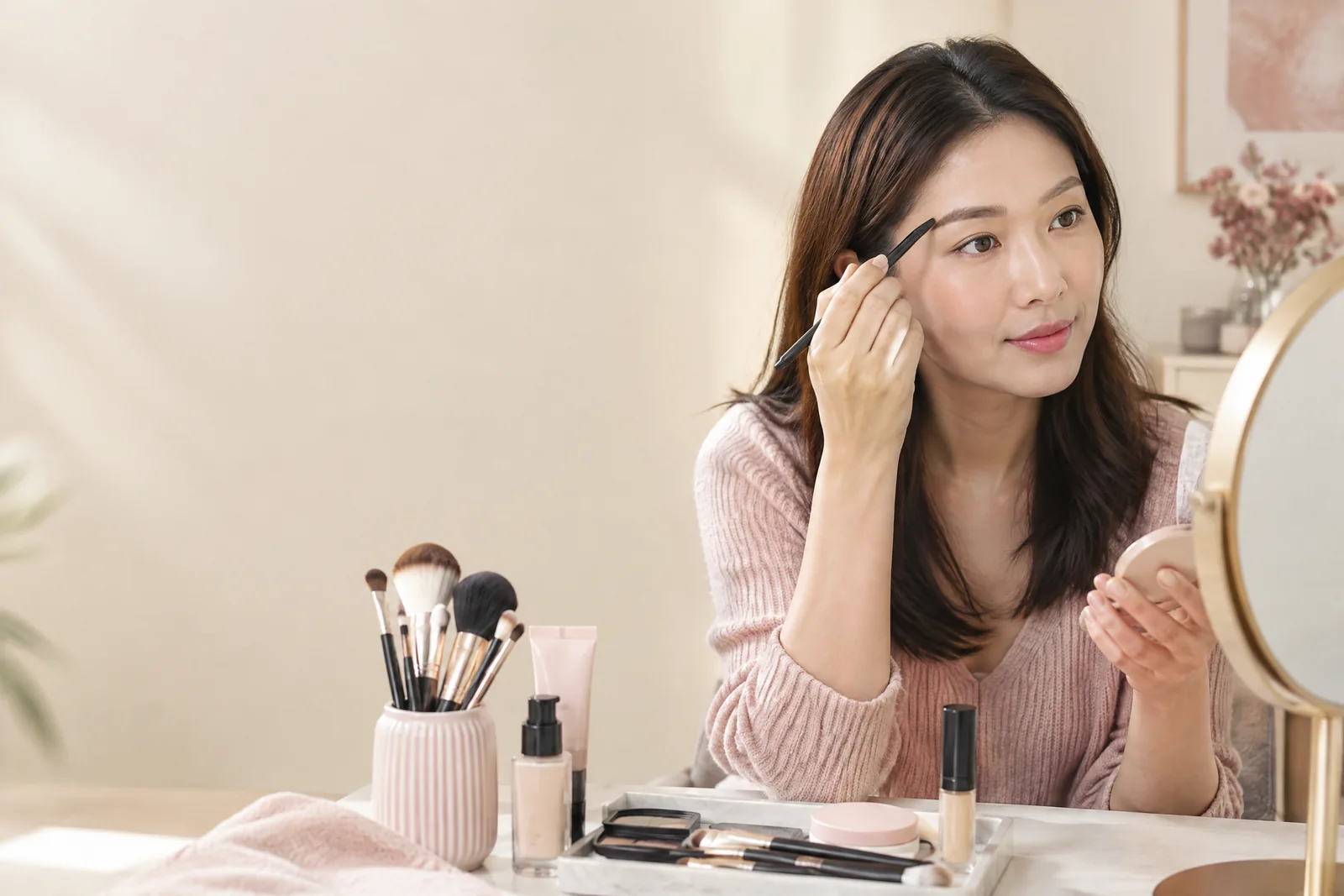
You do not need a perfect routine before exploring a specialism. You do need a dependable starting point. Practise a comfortable base, natural brow placement, simple eye definition, and balanced cheek and lip colour. Then repeat them on separate days. Notice where hesitation occurs. It may be brush control, colour selection, timing, or adapting a familiar look. That specific hesitation offers a better direction than a dramatic inspiration image alone.
Core skills remain useful because every specialism begins with decisions about proportion, texture, and comfort. Keep a short practice note after each attempt. Record the lighting, products, tools, and one adjustment that improved the finish. Review the note before practising again. This makes gradual change easier to see. It also separates a technique you enjoy from one you merely admire in photographs. That distinction helps prevent an unsuitable jump.
Readiness is less about reaching a fixed level and more about asking focused questions. Can you complete a simple look without rushing? Can you explain why you changed a shade or placement? Can you identify what needs another attempt? If the answer is usually yes, add one challenge. If it is often no, continue core practice first. Both choices are purposeful, and neither needs a rushed label.
Match your direction to the setting
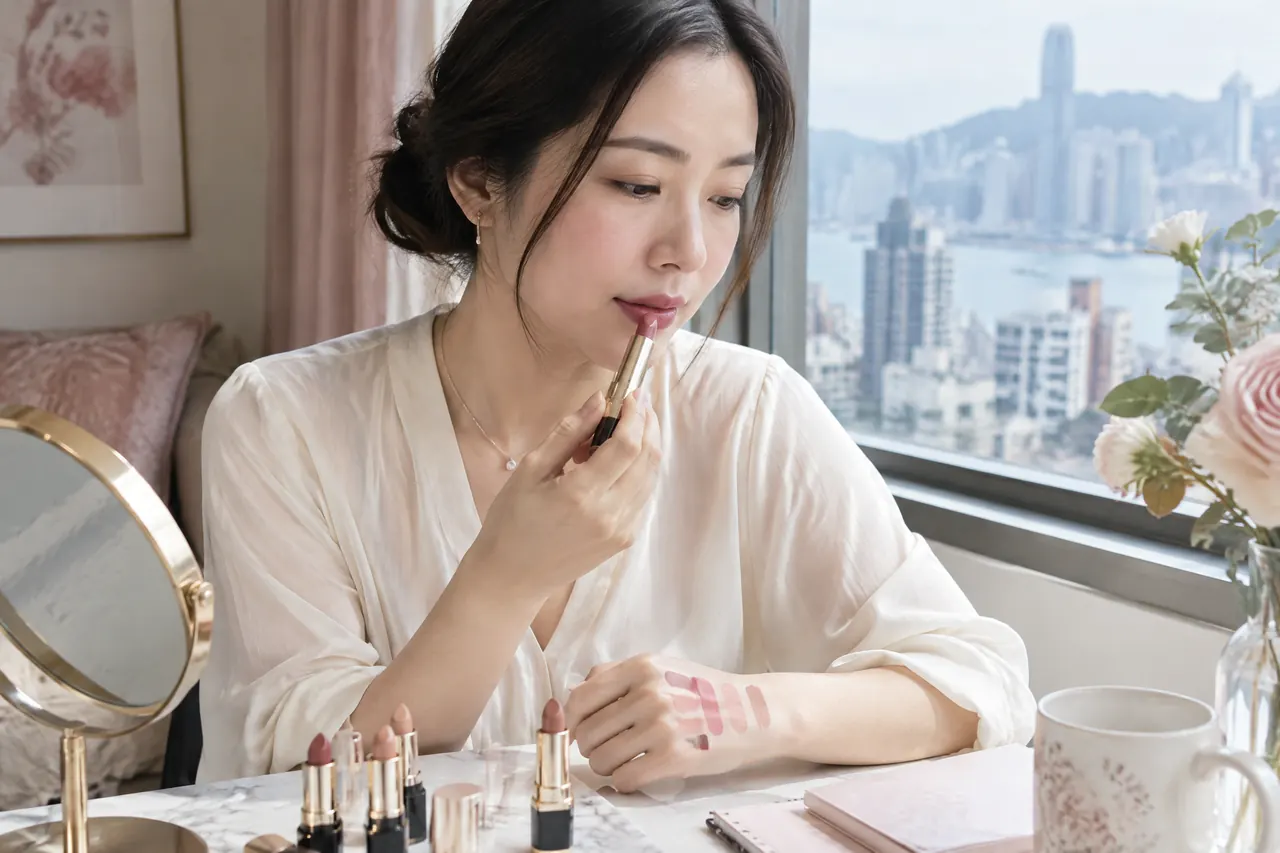
Think first about the environment where you want your skills to be useful. A wedding morning, a studio portrait, and a relaxed family session create different priorities. Hair structure matters beside accessories and movement. Camera practice demands attention to light and texture. A personal lesson may need more time for placement questions. Compare the setting, the person, and the feedback you want. The right direction usually becomes more practical after that comparison.
A useful decision is based on what you can practise between sessions. Choose an area with accessible tools and realistic occasions. Someone attending family celebrations may benefit from adaptable, polished looks. Someone producing portraits may benefit from testing finishes under several light sources. Someone who enjoys styling may prefer hair construction. Avoid choosing only because a look is popular. Repetition creates clearer evidence than novelty.
Use this comparison as a starting conversation, rather than a rigid ranking. Each route can build on the same core preparation skills. The differences lie in the attention each setting demands. You can also combine directions later, once your basic decisions feel more consistent. Begin with the route that gives you frequent practice, specific feedback, and a reason to observe carefully.
| Direction | Useful practice setting | Main attention | Helpful feedback question |
|---|---|---|---|
| Bridal hair | Occasion styling | Structure, pinning, accessories | Does the style stay balanced from every side? |
| Camera | Portrait or content shoot | Texture, light, continuity | How does the finish change under this light? |
| Private | Focused individual practice | One technique or feature | Which adjustment can I repeat alone? |
| Family | Shared everyday practice | Comfort, simple steps, respect | Can each person follow the sequence comfortably? |

When bridal hair becomes the better next challenge
Build structure before adding decoration
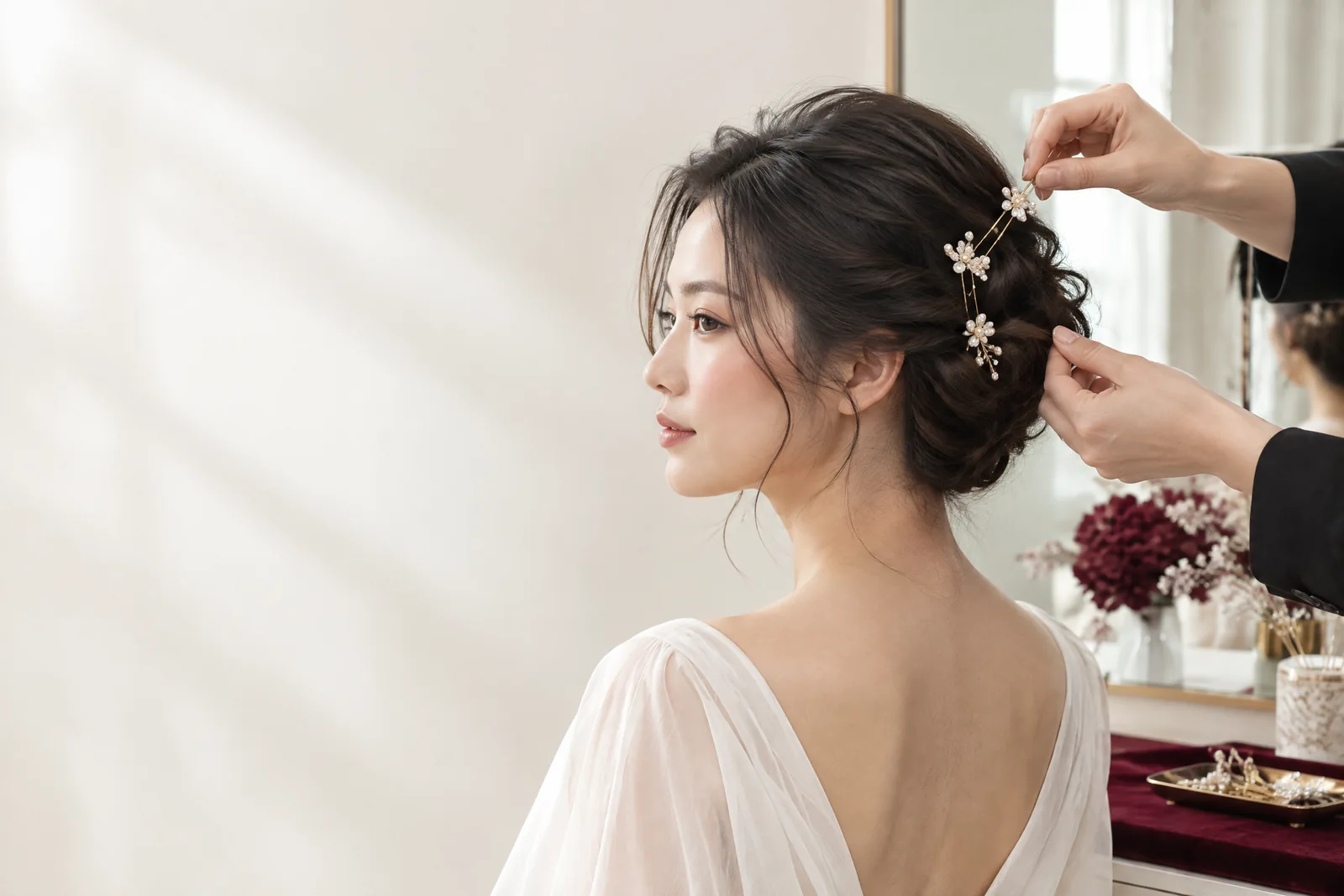
Bridal hair suits learners who enjoy building a look in stages. The task involves sectioning, tension, direction, and balance before decorative details. A Set頭 course Hong Kong may be relevant when you want to explore those practical foundations. Treat accessories as part of the final check, not the entire starting point. Practise on a stable setup, then inspect the shape from both sides and the back. That habit develops useful visual discipline.
Choose this direction when hair changes the overall occasion look more than another eye variation would. It can suit learners who enjoy careful preparation and a clear sequence. Start with controlled styles before attempting elaborate volume. Note how sections connect and where weight sits. Repeat the same shape using fewer steps. This reveals whether the method feels understandable. It also prevents accessories from hiding an unstable base.
Bridal hair practice should remain honest about its purpose. It is a styling skill, not a promise that every design suits every occasion. Bring reference images that show the front, side, and back. Discuss how hair length, density, and accessories affect the desired outline. Make one change at a time. A calmer practice process helps you decide whether hair should become your main specialist focus or a supporting skill.

Choose camera practice when light changes the question
Test finishes under more than one light
Camera-focused learning is useful when you want to judge how makeup reads through a lens. Adobe explains that light intensity, direction, and colour balance all affect photographs. A camera makeup course can therefore be a useful next route for learners interested in portraits or content. Practise a measured base, then photograph it under daylight and controlled indoor light. Compare texture, shine, and colour before changing techniques. [1]
Do not assume a stronger application automatically looks better on camera. Instead, test a small area and note what the image reveals. Check whether colour shifts, whether texture becomes prominent, and whether brows still balance the face. Keep the makeup comfortable while you test. Camera learning becomes valuable when you can connect a visible effect with a specific adjustment. That is more useful than copying a single finished image.
Lighting practice also trains observation. Place the person near a window, then move to a more directional source. Compare the result without changing every product at once. A simple record can show whether your concern is placement, finish, or the light itself. That approach works for everyday portraits and creative references alike. It also helps you decide whether camera practice deserves more attention than another general makeup topic.

Select a format that gives useful feedback
Private practice can narrow the focus
A format choice should reflect what you need to notice, not just how quickly you wish to move. The guide to one-on-one versus group makeup class can help frame that decision around pace and supervised practice. Choose individual attention if one feature, tool habit, or placement question needs concentrated feedback. Choose shared learning if comparing approaches motivates you. Either format benefits from a clear personal goal for each session.
Tools deserve their own practice plan because they influence pressure, blending, and product placement. A makeup brush lesson is a practical direction when your results vary despite knowing the steps. Bring only the items you use often. Then learn how one brush changes when held differently or used with another texture. Clean hands before using products, avoid sharing makeup, and keep containers clean and tightly closed. Those habits make shared practice more considerate. [2]
Family-focused practice works best when the goal stays comfortable and modest. A mum and daughter makeup lesson can create a reason to discuss simple routines, preferences, and respectful boundaries. Avoid turning the session into a competition over trends. Let each person identify one step to practise alone. One may choose brows, while another prefers lip colour or blending. Shared learning succeeds when both people leave with an achievable next attempt.

Turn the choice into a practical next step
Before you enquire, write a short sentence about where you want to use the skill. Include the type of occasion or image, the technique that feels least certain, and the feedback you want. Then choose a direction that answers that sentence directly. This keeps the decision grounded. It also makes it easier to discuss whether a bridal, camera, private, or family-focused route suits your next stage. Confirm practical arrangements with customer service before booking.
Set a small practice aim for the first month after learning. Repeat one complete look three times, or repeat one hair structure from different angles. Photograph only for comparison, not perfection. Keep the changes narrow between attempts. Use the same brow shape while testing a new base finish. This approach makes progress easier to describe. It also gives you better questions for the next session.
Specialising early can add motivation, but it narrows your attention. Staying general keeps options open, but feedback may feel less precise. Choose the trade-off that matches your next setting. A learner preparing for family events may value comfort and repeatability. A learner pursuing portraits may value careful observation under light. Review the decision after several attempts. You can change direction without losing the skills already built.
Do not judge the route only by the first lesson. Give yourself enough practice to notice recurring strengths and frustrations. If hair preparation feels satisfying, expand that work gradually. If photographs reveal details you enjoy refining, deepen camera practice. If the same basic issue returns, request focused feedback instead. A useful specialism should make your practice more intentional. It should not make simple, everyday skills feel less important.
Keep a compact decision record after each practice session. Write the setting, the goal, the most successful step, and one question. After several entries, look for a pattern. You may discover that you enjoy observing light more than creating intricate hair shapes. Or you may prefer calm, shared practice to a technical brief. That pattern provides a sensible reason to continue, pause, or explore another direction.
- Name one setting where you want to use the skill.
- List one technique that still feels inconsistent.
- Bring useful references, including side or back views for hair.
- Separate essential tools from products you rarely use.
- Ask how the practice task can be repeated at home.
Key takeaway
The practical trade-off is focus versus flexibility. Bridal hair asks for structured styling and careful finishing. Camera practice asks for patient observation under varied light. A private route concentrates feedback, whereas family practice favours shared comfort. Choose the direction that gives you a realistic place to repeat the skill. Keep the core steps active, because they support every specialist choice you make later.
Practical checklist
- Name one setting where you want to use the skill.
- List one technique that still feels inconsistent.
- Bring useful references, including side or back views for hair.
- Separate essential tools from products you rarely use.
- Ask how the practice task can be repeated at home.
Frequently asked questions
When should I choose a specialism?
Choose one when basic steps feel repeatable and you can name a practical setting. You do not need to master every style first. Start where you can practise regularly and review one adjustment after each attempt.
Should I learn bridal hair before camera makeup?
Choose bridal hair if you enjoy structure, occasion detail, and styling from several angles. Choose camera practice if you want to observe texture and colour under changing light. Neither direction is automatically more advanced.
Is a private format only for advanced learners?
No. A private format can suit any learner with a clear question about placement, tools, or confidence. It helps when focused feedback matters more than comparing approaches. Confirm practical arrangements before booking.
What should I bring to a focused lesson?
Bring a short goal, useful references, and products or tools you use frequently. Ask first which supplies are appropriate. Avoid buying many new items before knowing which technique you need to practise.
Can family practice be useful when skills differ?
Yes, when each person chooses a realistic goal and respects the other person’s comfort. Keep the sequence simple. Shared practice can still allow different choices for brows, lip colour, base finish, and eye definition.
Sources
| Source | What it supports |
|---|---|
| A beginner's guide to photographing light | Light intensity, direction, and colour balance affect photographs, supporting the need to compare makeup under more than one light. |
| Using Cosmetics Safely | The FDA advises washing hands, not sharing makeup, and keeping containers clean and tightly closed. |
Discuss your own makeup plans
To discuss a suitable next direction, contact BigDeal Make Up on WhatsApp at +852 6918 3153 with your practice goal.
Ask on WhatsApp +852 6918 3153