
At a glance
The useful plan starts with your ceremony timetable and ends with a photograph at normal viewing distance. Rehearse the removal sequence using your own belongings, identify a quiet place, and agree who holds the cap. This guide explains when to leave makeup alone, make a small repair or postpone a close portrait. It also separates optional hairpiece reading from the forehead touch-up itself.
Inspect graduation cap off forehead makeup before touching it
Start with the visible change, not another layer
Look straight into your mirror after the cap comes off, then turn slightly towards the available light. Is the forehead shiny, uneven in colour, or simply marked along the contact area? These observations lead to different choices. Take a quick photograph before touching anything, with any beauty filter switched off. Compare it with the mirror rather than relying on a magnified selfie. A tiny detail may not affect the portrait you actually want.
Decide which photographs matter first: the ceremony group, a family picture or a closer individual portrait. A group waiting outside the hall may leave little room for a full touch-up. You can keep that photograph simple and save closer portraits for later. Tell your family where you will meet after the ceremony. A clear meeting point gives you breathing room without making relatives wonder where you have gone.
Check whether colour has transferred onto the cap lining, without scraping the fabric or rubbing your forehead. That observation can help explain a missing patch of foundation. It does not prove that the whole base has failed. Keep the cap away from your clean applicator and makeup pouch. For hired academic dress, follow the provider's care directions. Trying to clean a stain during the portrait queue can create another problem.
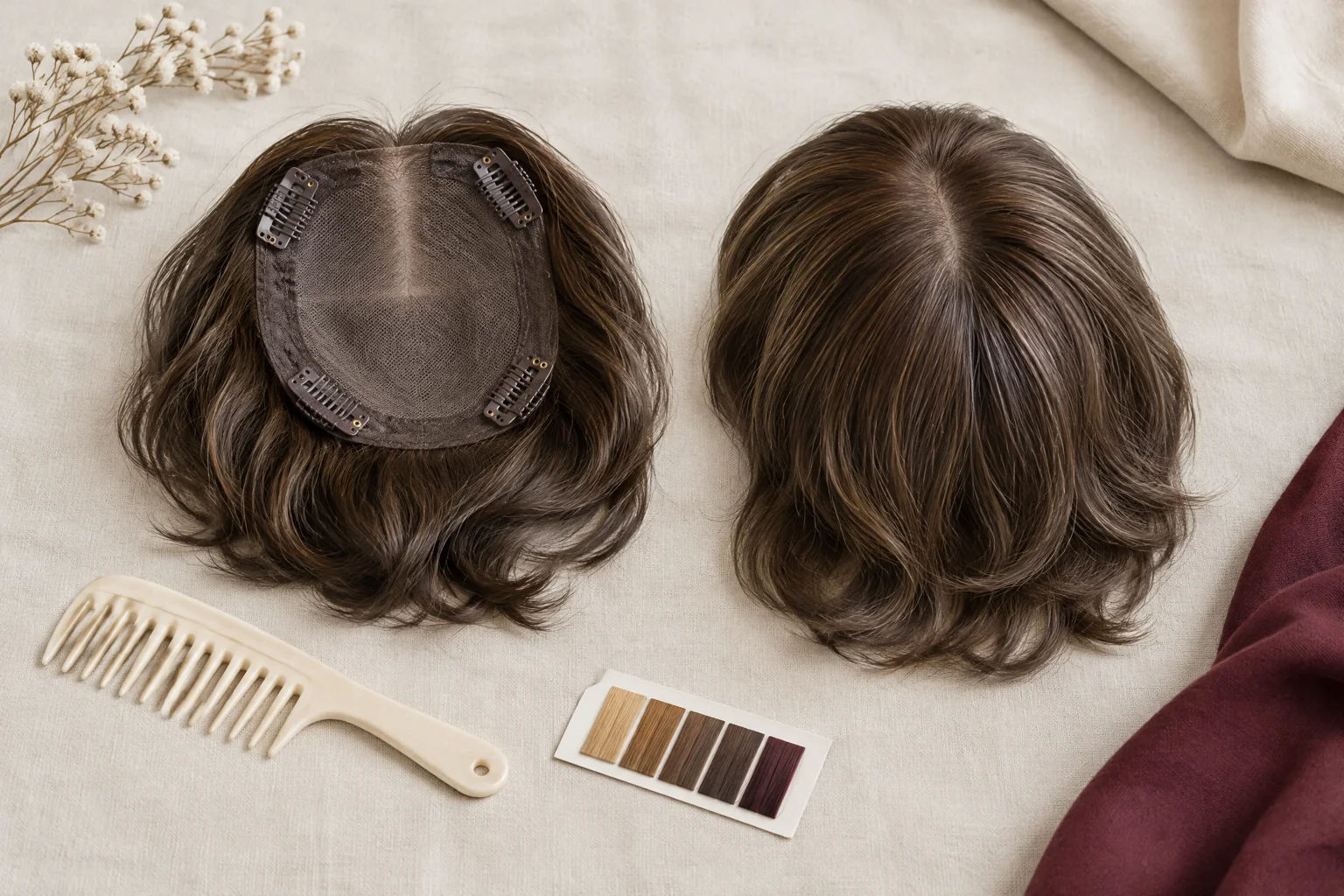
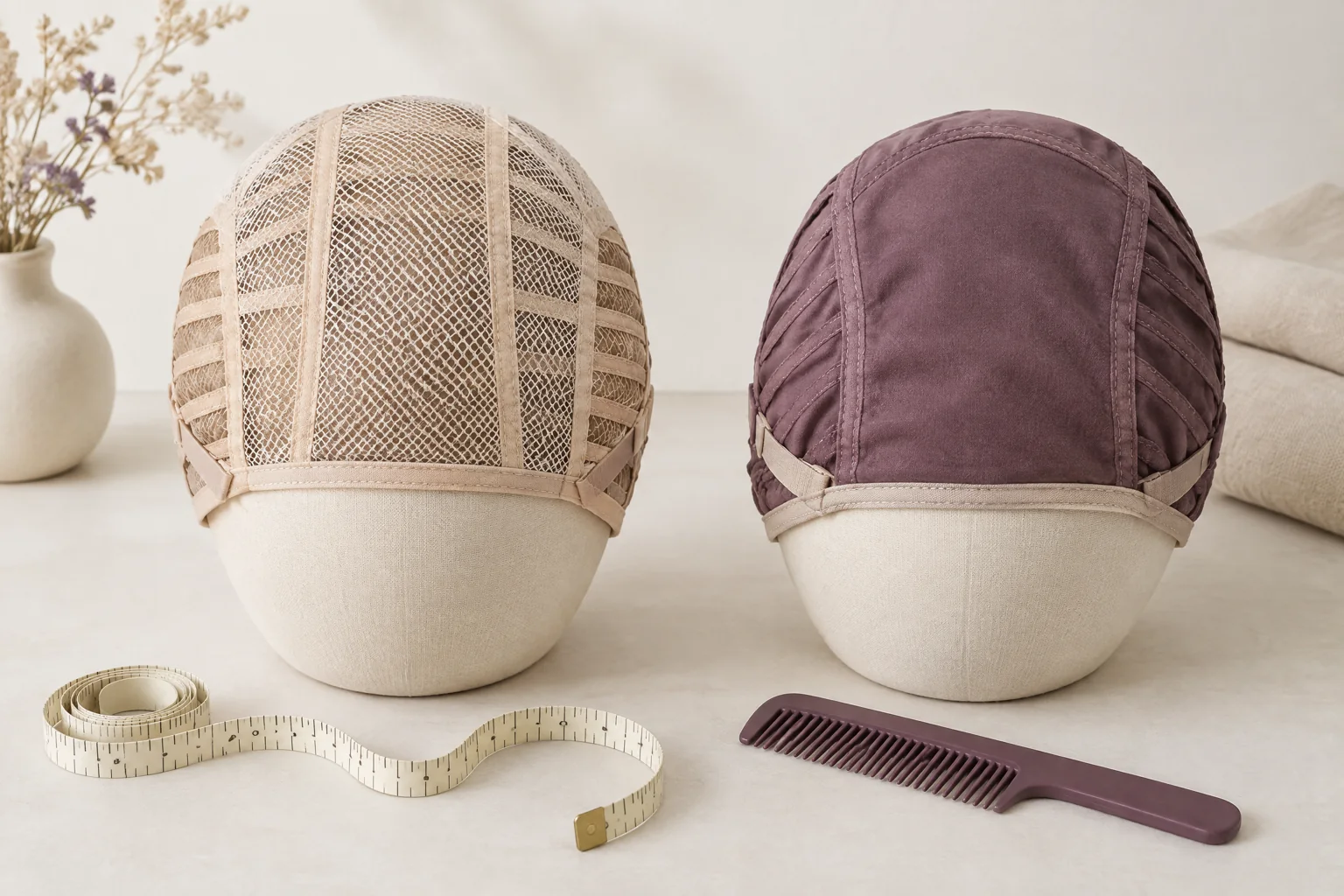
If you already wear a wig, examine your forehead makeup separately from the hair arrangement revealed after removal. OwnStrand, which shares our owner, offers construction reading through monofilament wigs. Its guide explains that the mesh area may cover a part, crown or broader top. This matters when considering your visible part in portraits. It does not promise less forehead transfer, and changing a wig is not a substitute for inspecting makeup.
Rehearse the moment between the ceremony and portraits
A graduation cap off forehead makeup rehearsal with your own items
Use your university's current instructions rather than borrowing a cap routine from a social media video. HKUST's 2026 guidance requires its official academic regalia and places the tassel on the left. That page does not authorise removing a cap for makeup. Ask your organiser about the permitted transition before portraits, especially if you must remain with your graduating group. Put that answer into your plan instead of inventing a break. [1]
Practise at home with the cosmetics and mirror you will actually carry. Wear your planned makeup, remove the cap carefully, and look for any visible change. This is a rehearsal of your handling sequence, not a prediction of ceremony conditions. Try using the mirror while seated and while standing beside a bag. If you need both hands, work out where the cap can rest without touching your clean tools.
Choose a small pouch that opens without tipping everything onto the floor. Include a mirror, blotting paper and the familiar base product used for your makeup. Add a clean applicator and a separate place for used items. Ask a trusted companion to hold your cap while you work, if you prefer. Keep the gown sleeve away from the pouch. Practise closing everything before you walk back to the portrait area.
When enquiring about graduation makeup Hong Kong, describe the gap between your ceremony and the photographs that matter most. Share whether you expect a quick family picture immediately afterwards or a separate portrait session. Bring your own cap or a clear photograph if available. The useful discussion concerns touch-up access and your preferred finish. It is more specific than asking for makeup that stays perfect through every possible ceremony arrangement.
Separate shine, missing foundation and a skin mark
Repair the surface only when that is the problem
For an oily-looking patch, the American Academy of Dermatology recommends gently pressing blotting paper for a few seconds. It advises against rubbing, which spreads oil to other areas. Apply that gentle approach to the shiny area, then inspect it again before choosing powder. Use clean hands and a fresh part of the sheet. This advice concerns oil absorption; it does not explain every cap mark or repair lost foundation. [2]
If a small patch of colour is missing, use a little of the base already familiar to your skin. Place it on the affected area with a clean applicator, then soften the visible edge gently. Stop and check the photograph before adding more. Covering the entire forehead can make the finish look different from the cheeks. Avoid chasing perfect uniformity in a close mirror when the portrait already looks balanced.
A line or redness that remains beneath an otherwise even base deserves a different response. Leave the area alone for now rather than repeatedly covering or pressing it. There is no useful universal waiting time for it to disappear. Move another photograph earlier in the sequence, or allow a comfortable pause before checking again. If the skin hurts, burns or becomes irritated, stop cosmetic work and seek appropriate advice.
If you wear a partial hairpiece, keep its attachment check separate from the forehead repair. The clip-in hair topper guide explains that clip-in describes fastening, while a topper provides partial coverage. Clip position and removal instructions depend on the particular item. Follow those directions when assessing any shift after cap removal. Avoid pulling the piece while holding a makeup tool. Finish one task and put the tool down before starting the other.
| Visible change | First response | Avoid |
|---|---|---|
| Shine with even colour | Gently blot and inspect again | Rubbing the whole forehead |
| Small missing colour patch | Apply familiar base locally | Rebuilding unaffected areas |
| Line beneath even makeup | Pause and reassess the photo order | Repeated pressure or coverage |
| Pain or irritation | Stop cosmetic work | Treating makeup as a remedy |
Choose a private place and the smallest useful reset
Leave it, repair locally or change the photo order
Look for a quiet, permitted place with enough light to see your forehead accurately. A washroom may work, but a crowded sink queue might make it less private than expected. Another option is a sheltered seating area away from the main photo line. Confirm access with the venue where needed. Avoid stairs, exits and circulation routes. Your chosen spot should let you pause without obstructing anyone or leaving belongings unattended.
Privacy also means controlling who joins the touch-up. You might welcome one friend holding the mirror but dislike several relatives watching. Agree that preference before the day. Ask companions not to photograph the reset unless you invite them to. Keep the cap and bag within reach, and place tools only on a clean surface. If there is nowhere suitable to unpack, leave the base alone until you find a better position.
Choose the smallest action that serves the next photograph. Leaving the makeup unchanged is reasonable when the mark barely registers at portrait distance. A local repair makes sense when missing colour is clearly visible and your skin feels comfortable. Changing the photo order helps when you need privacy or a pause. None of these choices means abandoning the session. They simply stop one forehead detail from controlling the whole celebration.
For a separate session, professional makeup for photoshoot Hong Kong can help you discuss the planned photographs. Explain whether the photographer will meet you immediately after the ceremony or later that day. Ask how makeup preparation fits the agreed session arrangements. Do not treat a service enquiry as confirmation of an on-site touch-up. A defined starting time is more useful than an open-ended promise to fix everything.
| Situation | Practical choice | Trade-off |
|---|---|---|
| Group is ready now | Take the wider photograph first | Close portrait waits |
| Visible colour loss and private space | Make a local repair | Requires clean tools |
| No suitable place to unpack | Keep the base unchanged | Accept a minor visible detail |
| Skin needs a pause | Reorder the portraits | Coordinate with companions |

Check the portrait frame without changing your whole look
Let the photograph guide the final decision
Ask for one test photograph in the position intended for your portrait. Keep the camera at the planned distance rather than moving it close to inspect the forehead. Check whether the visible change distracts from your expression. If it does not, continue with the photograph. If it does, identify the specific issue before touching makeup again. This keeps the decision tied to the image, not the harshest view in your mirror.
A shiny area can look different when your position relative to a bright light changes. Ask the photographer to compare a small change in position before you add more powder. That is a photographic adjustment, not a correction of missing makeup or irritated skin. Keep the comparison simple: the same expression, distance and framing. If you prefer the first view, keep it. The goal is your preferred portrait, not compulsory matteness.
If someone offers to adjust your makeup or hair, say what you are comfortable having touched. You can allow a forehead check while declining changes to your hairpiece or hairstyle. You can also do the touch-up yourself. A friend helping with the mirror should not become responsible for unfamiliar clips or attachments. Tell the photographer when you are ready to resume. Your choice matters more than everyone agreeing on one finish.
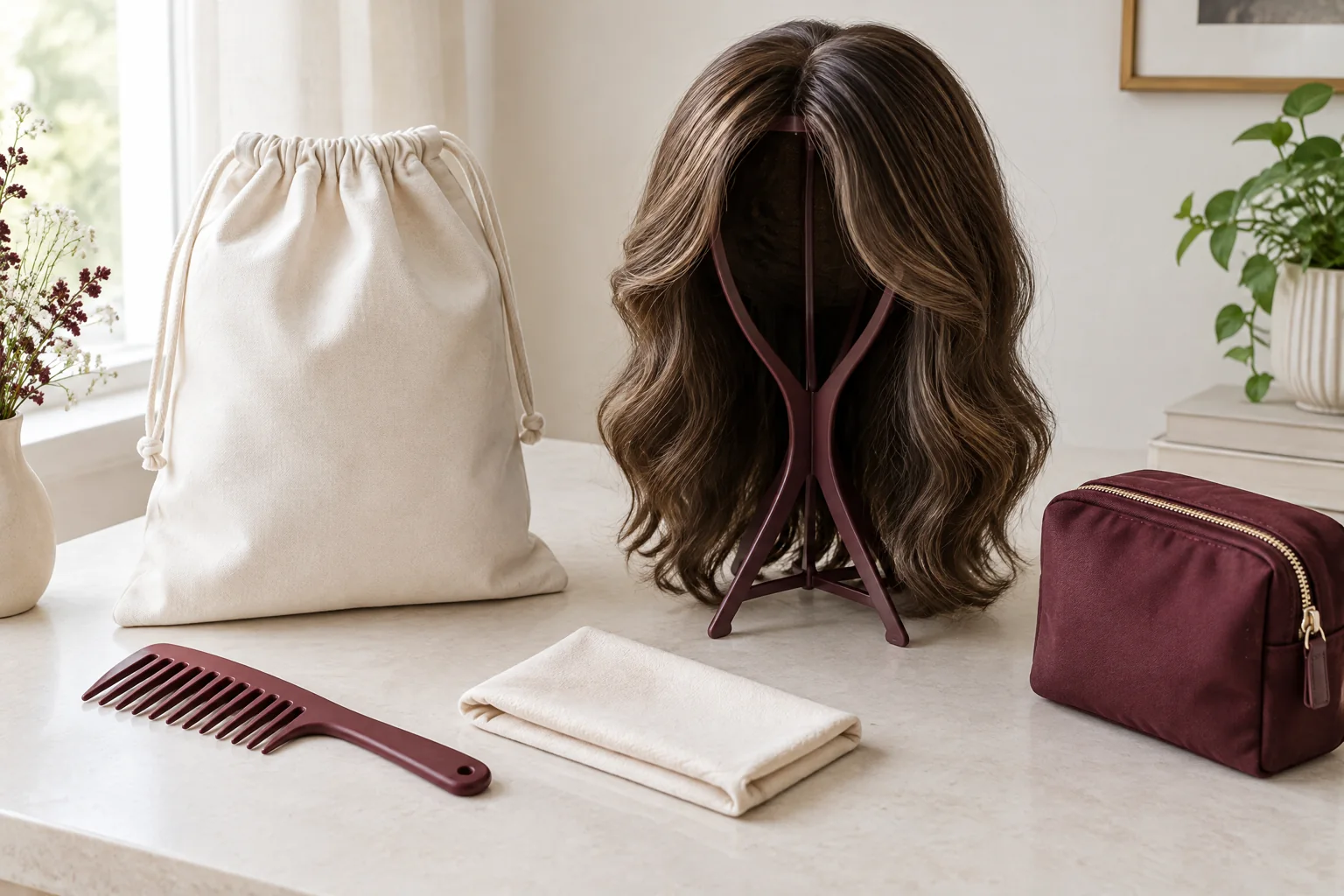
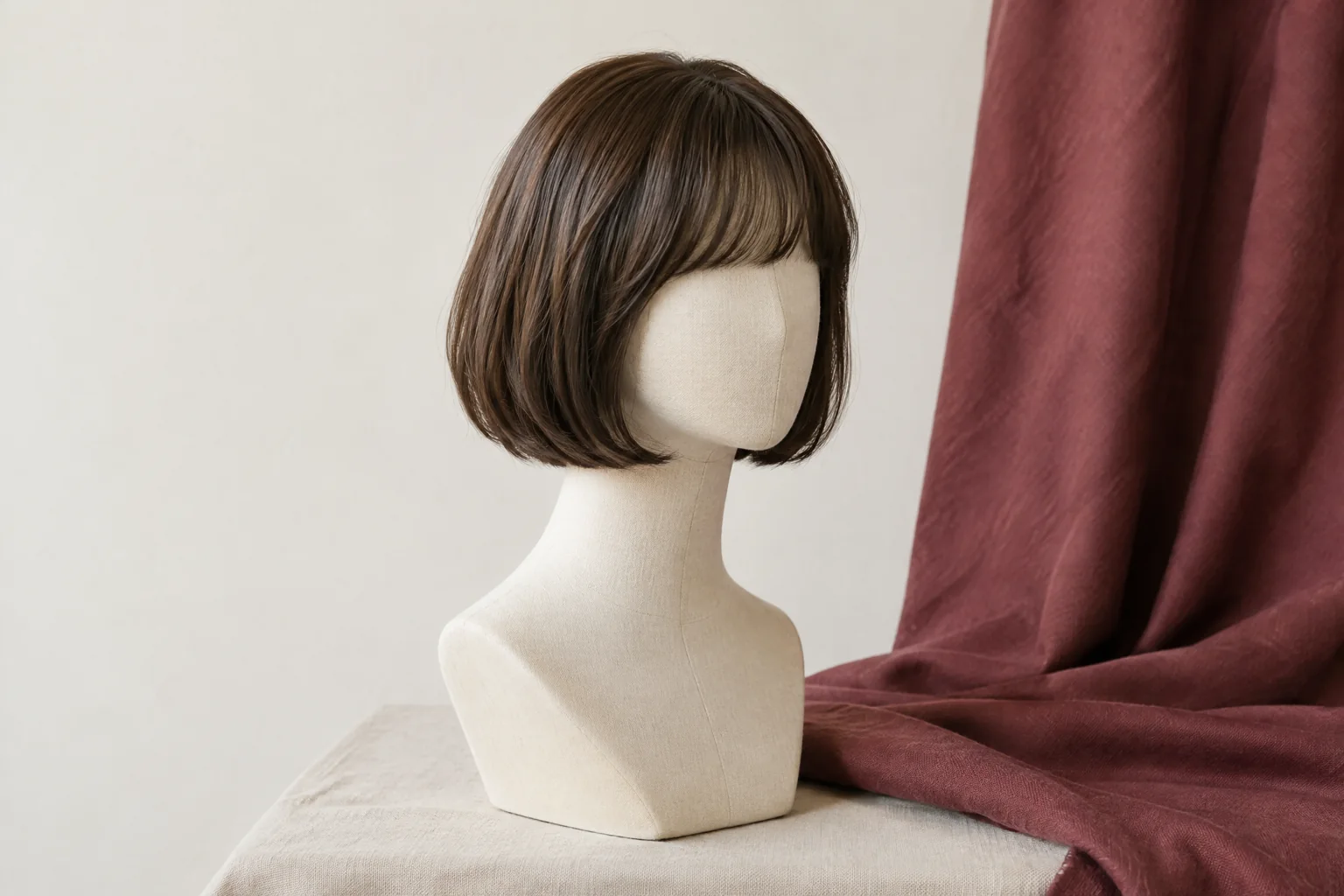
For readers considering a short hairpiece for their preferred portrait outline, pixie wigs offers a separate style comparison. The guide focuses on front, side and back proportions rather than length alone. A pixie label does not establish fibre, fit or care requirements. Compare those item details before deciding. You can browse online or arrange sample viewing at OwnStrand's Kwun Tong location. That choice remains separate from fixing forehead makeup after your ceremony.
Set a stopping point and prepare for the next event
Finish the check, then return to your graduation day
End the touch-up when the forehead looks acceptable in the test photograph and the skin feels comfortable. Repeatedly opening the mirror can turn a finished repair into unnecessary layers. Put used paper and tools away separately, close the pouch and return to your group. If the visible line remains, decide whether to continue or postpone that particular close portrait. You can still enjoy family photographs without correcting every detail first.
If the ceremony overruns, revise the sequence rather than rushing through a more complicated repair. Send your companion a short message about the meeting point and revised portrait time. Keep the original cap instructions in mind if you return to the ceremony area. When a private space becomes unavailable, a simpler photograph may be the practical choice. A plan with alternatives is more useful than one dependent on an empty washroom.
Afterwards, note what you would change for another formal event. Perhaps the pouch was difficult to open, the mirror was too small, or family portraits needed a later start. Record the observation without blaming your whole makeup routine. Clean your tools according to their instructions before using them again. A photograph of your preferred finish can explain your next makeup request more clearly than asking for extra coverage.
If graduation leads into dinner or another celebration, party makeup Hong Kong is relevant to that separate makeup arrangement. Explain the time between events and whether you want to keep the graduation look or change its emphasis. Mention any area that felt uncomfortable during the day. Share your own hairpiece photograph when it affects the look you want. The enquiry concerns BigDeal makeup planning, not an order for a wig or topper.
- Save the organiser's cap instructions with your ceremony timetable.
- Agree a private reset spot and a backup meeting point.
- Use one test portrait to decide when the touch-up is finished.
Key takeaway
The best cap-off reset is the smallest one that serves your next photograph. Inspect before touching, use a private place when permitted, and separate shine from missing colour or a skin mark. When privacy or comfort is missing, change the portrait sequence instead of forcing a repair. Keep the focus on your expression and the people sharing the day, not repeated forehead checks.
Practical checklist
- Confirm the permitted cap-removal moment with your ceremony organiser.
- Choose a private reset location and an accessible backup.
- Carry familiar products, a mirror and a clean applicator.
- Agree who holds the cap and where relatives meet.
- Check one portrait before deciding on another makeup layer.
Frequently asked questions
Should I powder my forehead immediately after removing the cap?
Inspect it first. Powder is not the answer to every visible change after removal. An oily-looking patch may benefit from gentle blotting before you decide about powder. Missing colour needs a different local check, while a line beneath even makeup may be better left alone. Compare the result in one test portrait. Stop if the skin feels uncomfortable rather than adding coverage.
Can I remove my cap during the ceremony for a quick touch-up?
Follow your own ceremony's instructions and ask the organiser about permitted breaks. A makeup plan should not create an unofficial removal moment. If you must stay with your group, keep the touch-up for the authorised transition afterwards. Tell your photographer and family about that timing. A wider family picture can come first when a private reset is not yet practical.
How long should I wait for a forehead line to disappear?
There is no reliable universal waiting time to build into your portrait booking. Give yourself a comfortable pause and check the appearance again, without repeatedly pressing the area. If the line remains visible, you can change the photo order or accept it in a wider picture. Pain or irritation is a reason to stop cosmetic work, not to increase the foundation layer.
Do I need to buy a different wig or topper for cap-off photographs?
Not simply because you noticed a forehead makeup mark. Inspect the makeup and your existing hair arrangement as separate tasks. If you want a different appearance, compare the hairpiece's coverage, attachment and care details for that choice. Bring your own item or photographs to a makeup discussion. Product selection information cannot guarantee a particular cap-removal result or replace your item's wearing instructions.
Sources
| Source | What it supports |
|---|---|
| How to Wear Your Academic Regalia | HKUST Congregation 2026 | HKUST's 2026 instructions require official academic regalia and place the tassel on the left. The page does not grant permission for a makeup-related cap-removal break. |
| How to control oily skin | American Academy of Dermatology | Gently press blotting paper for a few seconds to absorb oil rather than rubbing, which spreads oil. This does not establish a treatment for pressure marks or lost foundation. |
Discuss your own makeup plans
For BigDeal makeup planning, WhatsApp +852 6918 3153 with your ceremony timetable and portrait plans. Share your own cap or hairpiece photographs if relevant. This number is for BigDeal makeup enquiries, not OwnStrand product orders.
Ask on WhatsApp +852 6918 3153