
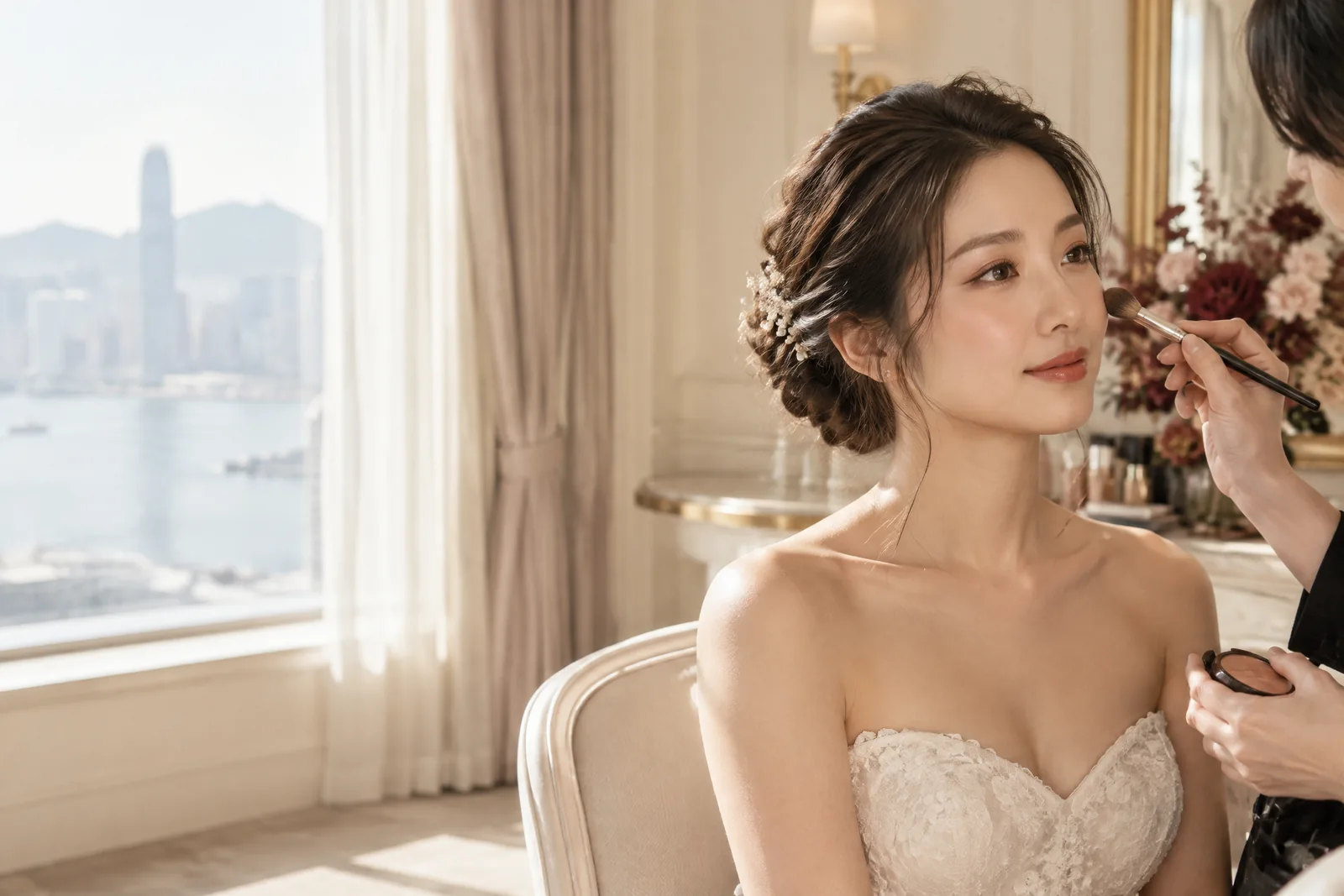
At a glance
Start with fixed milestones, then add travel, changes and weather-sensitive movements. A continuous period suits close-together moments, while a longer or split plan needs a written map of real hand-offs. Do not confuse a brief refresh with a different look. The useful trade-off is between continuity where it protects an important moment and unnecessary attendance during inactive gaps. Share your complete timeline before requesting a recommendation. It also creates a shared reference for photographers, dressers and transport arrangements when their timings overlap.
Start Your Wedding Makeup Coverage Planner
Wedding makeup coverage planner: begin with milestones
A wedding makeup coverage planner starts with events, not package names. List every photographed or guest-facing moment from the first departure until the last farewell. Mark the required ready time beside each moment. Then place travel, changing, meals and waiting periods around those fixed points. This shows whether one continuous period is useful or whether separate moments need different support. It also keeps a discussion about bridal makeup price Hong Kong grounded in your actual day. It also reveals which questions must be confirmed before booking the final coverage with your chosen team.
Keep the map neutral before comparing offers. A service label cannot reveal every hand-off, gap or location move. Note whether the artist needs to remain nearby, return later, or finish before you leave. The aim is a clear request, rather than a guess about duration. Couples comparing Hong Kong wedding day makeup can then ask focused questions. They need not assume similarly named options work alike. This protects the budget discussion from misleading comparisons between unrelated levels of support throughout the day.
- Write the first camera-ready deadline, not merely the ceremony start.
- Add registration, family photographs, ceremony, reception and departure moments.
- Mark every venue change and the person responsible for transport.
- Separate a quick refresh from a complete makeup or hairstyle change.
- Leave modest breathing room before any non-movable entrance or photograph.
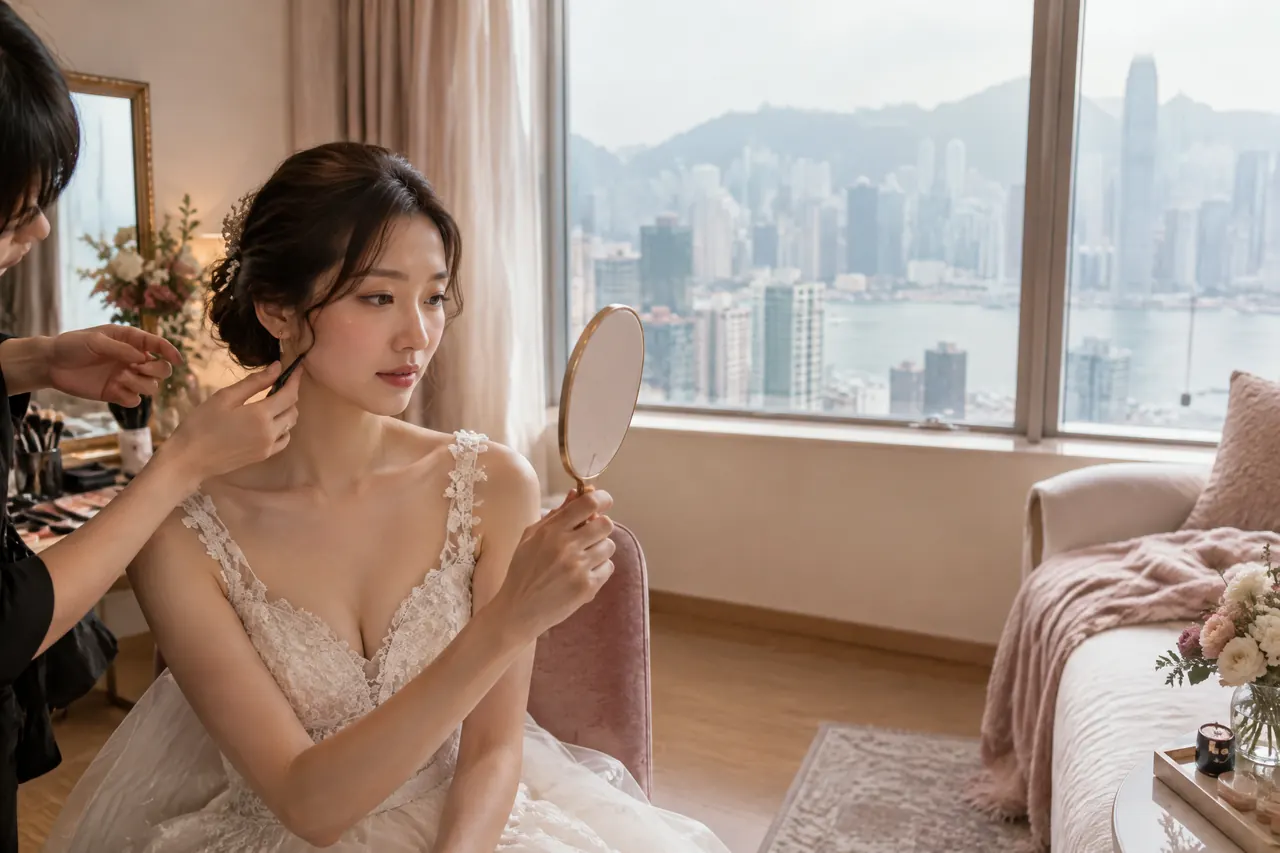
Map Fixed Moments Before Beauty Details
Work backwards from the earliest ready-by time
Begin with the earliest moment when you must look finished. That could be a morning family photograph, registration, tea ceremony, or hotel departure. Work backwards through dressing and hair accessories before setting the makeup start. A full face should not be scheduled against an uncertain photography call. Review bridal makeup Hong Kong after your milestones are clear. Look direction should support the day rather than drive it. It also gives dressing and photography teams a shared order for their separate preparations on the day.
Next, separate non-negotiable moments from flexible ones. A registrar, transport booking, ceremony entrance and first reception appearance usually deserve firmer protection. Casual photographs and spare waiting time may move more easily. Use one line for each event, including its location and the person who confirms it. This approach turns big day bridal makeup into a request with real priorities. It reflects wardrobe order and arrival commitments. It gives the couple a practical point for resolving competing requests during a busy celebration schedule.
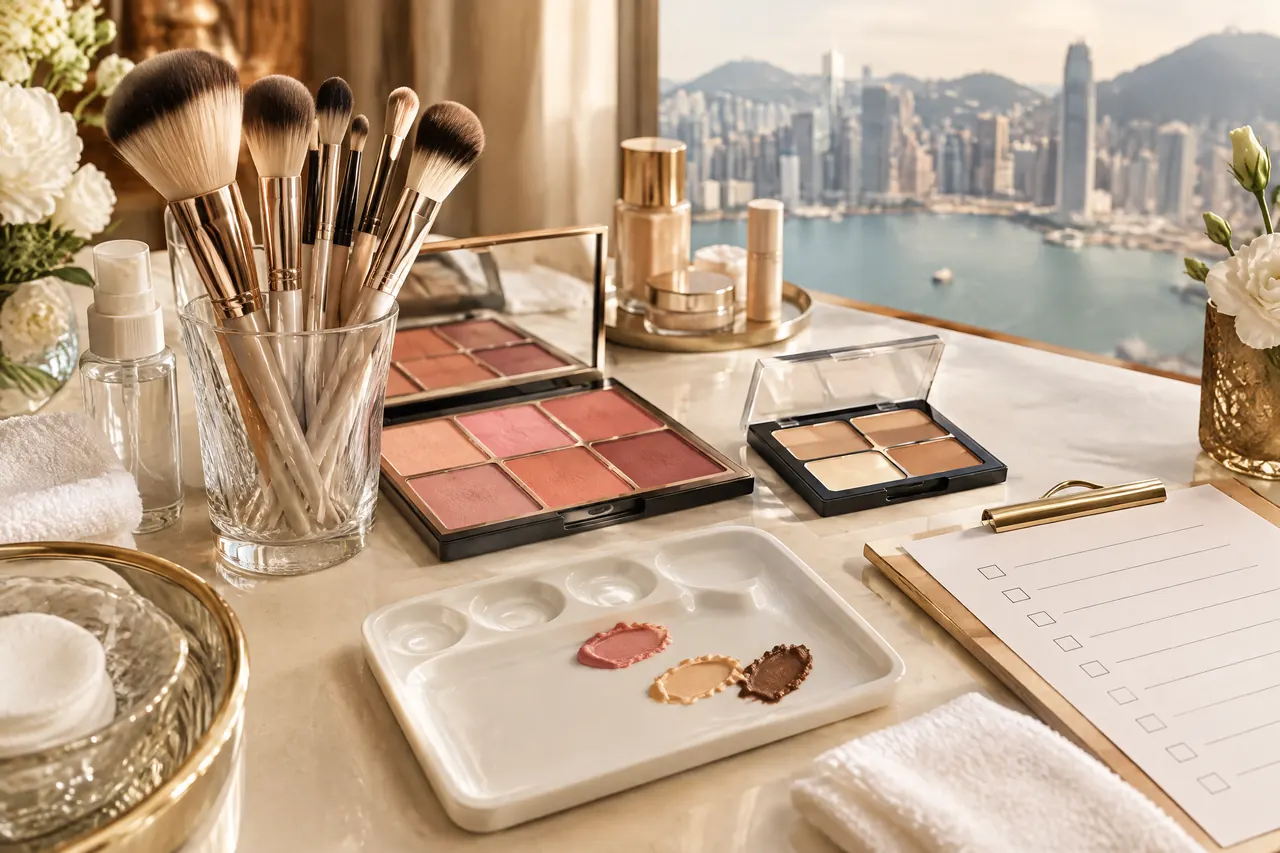
Measure Gaps, Travel and Weather
Protect the moments that cannot move
A long gap is not automatically useful coverage time. Consider whether the bride will be travelling, eating, changing rooms, greeting family, or taking photographs. Hong Kong’s climate is hot and humid from May to August, with occasional showers and thunderstorms. About 80 percent of annual rain falls between May and September. Those conditions make weather checks and a practical indoor fallback sensible for outdoor parts of the day. [1] Add weather-sensitive movements to the map, rather than treating them as an afterthought. A contingency note should record who decides if the original location becomes impractical because of weather conditions. [1]
Use realistic hand-offs between locations. Include lift waiting, venue access, luggage, accessories, and the time needed to settle before another check. Do not treat a road journey as empty space when the outfit, makeup, hairstyle and comfort matter. If the schedule has a very early start, confirm the proposed arrival arrangement directly. The plan should describe what happens between milestones, not only where the bride is expected to appear. This protects the final check from avoidable disruption after the bride has already left the first location.
| Timeline feature | What to record | Planning implication |
|---|---|---|
| Early fixed event | Ready-by time and first photographs | Work backwards before choosing a start. |
| Venue movement | Departure, arrival and access details | Allow a hand-off instead of assuming spare time. |
| Change between events | Outfit, hair accessory and desired difference | Decide whether a refresh or a fuller change is needed. |
| Outdoor segment | Forecast check and indoor alternative | Protect the most important camera-ready moment. |
| Long pause | Where the bride will be and what follows | Avoid paying attention to time that has no practical purpose. |
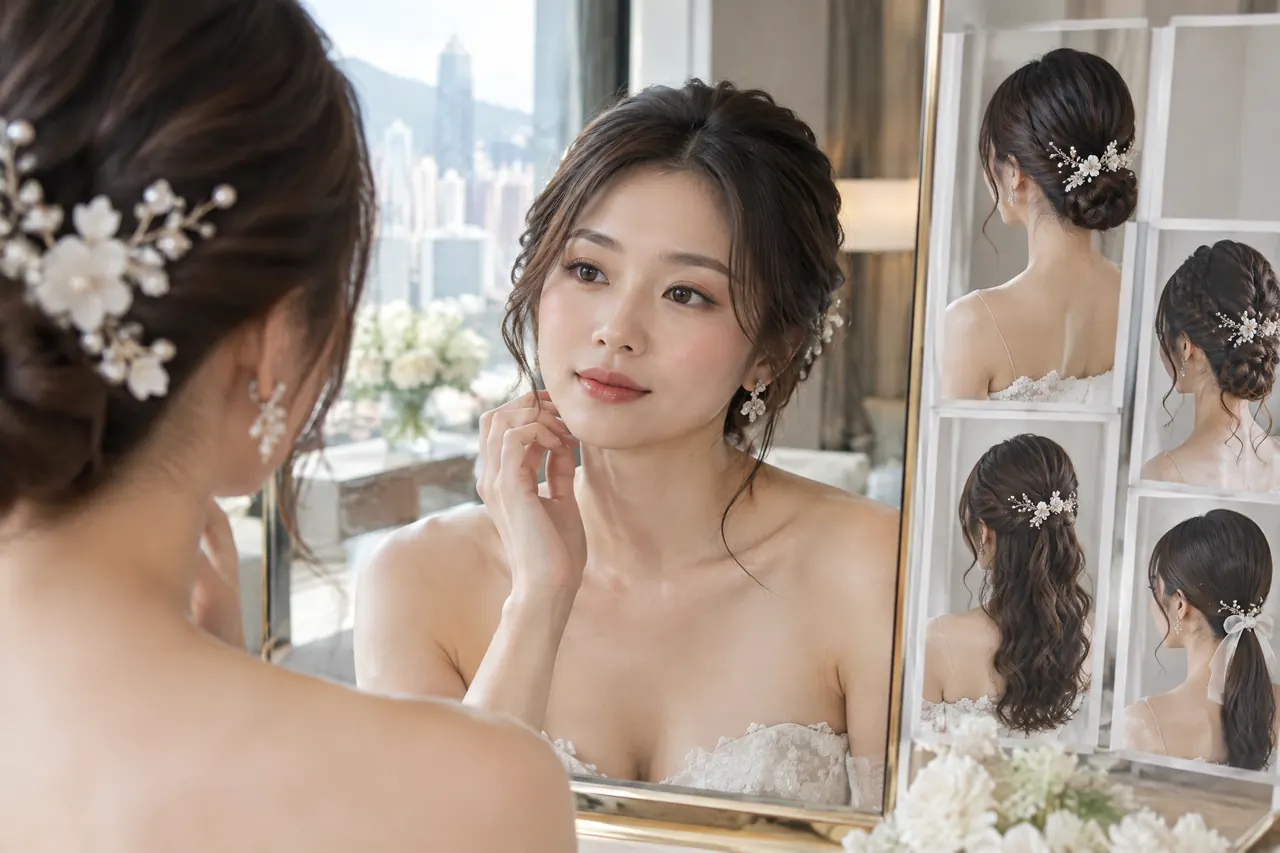
Choose the Shape of Coverage
Continuous and split coverage solve different problems
A continuous block suits a compact sequence where the key moments sit close together. It can allow modest tidying during the agreed period, provided the location and itinerary remain workable. The published half day bridal hair and makeup option describes a continuous six-hour span with modest touch-ups and hair tidies. It is not intended for long waiting gaps, transfers, extra looks or complex accessory fittings. Confirm the day’s details before deciding that this shape fits. That distinction helps couples avoid continuous arrangements that conflict with their actual schedule and venue movements.
A fuller arrangement may suit a day with several decisive moments across a long period. It can prioritise continuity when arrival, ceremony, changes and reception all need attention. The full day wedding hair and makeup page gives an illustrative long-day example. Exact times, travel and extras still require confirmation. Treat that distinction seriously. Your map should show the real start, finish and breaks, rather than borrowing somebody else’s timetable. This makes any later recommendation easier to assess against the complete wedding map and desired priorities.

Decide What Must Happen On Site
Name each planned check and each genuine change
Describe each requested action in plain language. A lipstick reapplication, blotting, light powdering or smoothing stray hairs differs from changing the visual direction. Likewise, replacing an accessory may be simple, while rebuilding a hairstyle is not. Match each action to a specific time and place. This helps customer service understand where support is needed. It may be at a venue, during a move, or before the first event. It also prevents a vague wish for availability from shaping the whole enquiry. It keeps the request proportionate to the work that will actually be needed at each planned milestone.
Think about the order of clothing, jewellery and hair accessories. A veil, headpiece, collar or traditional outfit can change the safest point for a final check. Include who will assist with dressing and whether photography begins immediately afterwards. Choose a small, comfortable touch-up plan for the bride as well. A good coverage map protects the moments that matter most, without turning every pause into a requirement for on-site attendance. This preserves time for greeting people without complicating the beauty schedule during already busy parts of the day.
Build a Clear Enquiry Brief
Share useful information before asking for a recommendation
Send the date, locations, earliest ready-by time, final finish time, event sequence and expected changes together. Add clear reference images, hair accessories and any product preferences. For lip products, ingredient information can matter to some customers. The Consumer Council found fragrance allergens in seven tested lipstick models. It advised people prone to reactions to avoid relevant allergens. [2] Share known sensitivities and product concerns early, then seek appropriate professional advice when needed. Written preferences also make a later conversation more specific and easier for the team to prepare thoroughly. [2]
Ask for written confirmation of the proposed service window, inclusions, location arrangements and any items requiring separate agreement. State which moment is most important if timing changes. This allows the team to assess the map rather than infer it from scattered messages. You can also ask whether the chosen plan accommodates a small refresh or a planned restyle. Clear detail is more useful than a long list of uncertain possibilities. It should cover only known needs, rather than promise solutions before practical details have been checked and agreed. This helps everyone plan together.

Final Checks Before You Enquire
Turn the plan into a short decision record
Read your timeline from start to finish once more. Check every arrival point and outfit order. Give every major photograph a ready-by time. Remove duplicate requests that serve the same moment. Keep the plan flexible where it genuinely can be flexible. The final version should separate essential coverage from helpful convenience. It should also identify any optional additional change. That record becomes a practical reference when several people coordinate transport, dressing, photographs and the celebration itself.
Save the map in one message or document, then discuss it with the people handling transport, photography and dressing. Their timings may reveal a missing hand-off. Do not rely on a service title to fill that gap. A coverage planner is useful because it creates a shared view of the day. It gives you a better basis for choosing a suitable arrangement and confirming details in writing. It also allows the chosen arrangement to be discussed against the same agreed sequence by everyone involved. Keep it accessible to the person who will send the final enquiry.
Key takeaway
Choose coverage for the moments that need continuity, not for the label that sounds most comprehensive. A compact sequence may need one continuous period, while separate locations or major changes may need a different arrangement. The trade-off is simple. Protect a meaningful camera-ready moment, but do not treat inactive time as a reason for unnecessary attendance. Keep the plan brief enough to use, but detailed enough to protect its most important deadlines.
Practical checklist
- Write the earliest camera-ready time beside the first event.
- List every venue, transfer and expected arrival point.
- Mark outfits, accessories and changes in their actual order.
- Separate essential refreshes from full visual changes.
- Check the forecast for outdoor moments near the date.
- Send one complete timeline with reference images and preferences.
Frequently asked questions
Should I choose coverage before choosing a makeup look?
Choose the event map first, then refine the look. The makeup direction should work with clothing, photography and the time available. A beautiful reference cannot decide whether an artist needs to remain through travel, a reception, or a later hairstyle change. Share both the timeline and references when you enquire. Name the visual priority, but let the event sequence determine the service conversation.
What counts as a useful gap between wedding events?
A useful gap allows a real planned action. This may be a restyle, dressing sequence, venue hand-off, or settled meal. A gap spent travelling or waiting for access may offer little practical value. Record its location and purpose before treating it as time available for beauty support.
Can one coverage plan include an outdoor ceremony?
Yes, if the plan records the outdoor timing, travel and contingency arrangements. Check the forecast close to the date and identify the most important camera-ready deadline. Hong Kong weather can change quickly during wetter months. An indoor alternative and a modest buffer can make the sequence easier to manage.
What should I say about sensitive skin or lip products?
State known sensitivities, past reactions and product preferences before the appointment. Bring relevant information if you have it. Do not assume every requested product is suitable or available. If you have a medical concern or active reaction, seek advice from an appropriate healthcare professional before cosmetic application.
How detailed should my first enquiry be?
Keep it concise but complete. Include the date, locations, first ready-by time, finish time, key events, changes, access information and reference images. Identify the one or two moments you most want to protect. This gives customer service enough context to discuss a suitable arrangement and confirm details in writing. Mention any uncertain item honestly, so it can be checked before details are confirmed.
Sources
| Source | What it supports |
|---|---|
| Climate of Hong Kong | Hong Kong is hot and humid from May to August; showers and thunderstorms are occasional, and roughly 80 percent of annual rainfall falls between May and September. |
| Over Half Lipstick Models Detected with Both Mineral Oil Saturated Hydrocarbons and Allergy-causing Substances | The Consumer Council reported fragrance allergens in seven tested lipstick models and advises people prone to reactions to avoid relevant allergens. |
Discuss your own makeup plans
Send BigDeal Make Up your wedding timeline and key ready-by moments on WhatsApp +852 6918 3153 for Hong Kong guidance.
Ask on WhatsApp +852 6918 3153