
At a glance
A small perimeter tidy and a newly exposed side panel are different decisions. Compare your current outline before cutting, record the finished everyday style, and separate makeup enquiries from salon consultations. Your actual casting instructions should guide what you submit.
Start audition haircut photo continuity with the submission brief
Is this a headshot, a filmed audition or both?
Open the casting notice before opening haircut references. Check the requested photograph, video orientation, deadline and any stated appearance requirements. A profile headshot and a filmed scene serve different purposes, even when they show the same person. For a Hong Kong audition with bilingual instructions, clarify ambiguous wording with the casting contact or your representative. Do not turn a general request for a current photograph into an assumed requirement for a particular haircut.
Spotlight's casting-director guidance says headshots should look like the performer and allow recognition when they enter the room. It advises against elaborate hair and makeup, and recommends removing photographs that no longer represent you. Apply that principle by comparing your submitted image with your appearance today. This is guidance about honest representation, not a rule that every trim requires a new paid session. A trusted second opinion can help when the difference feels unclear. [1]
For a dedicated portrait, BigDeal's actor headshot makeup Hong Kong page provides the relevant makeup enquiry route. Send the submission brief, a current photograph and the proposed shooting date. Ask what makeup or styling arrangements can be confirmed for that session. Keep the request about presenting your actual appearance clearly. A headshot makeup enquiry does not confirm a haircut appointment, nor does it promise audition invitations or casting results.
Choose one current image as your comparison reference before making changes. Look at forehead coverage, side width, the ear outline and how the front sits without deliberate posing. If your usual glasses affect the side view, include them in your preparation photographs. Save the date alongside these images. This provides a practical reference for later checks. It avoids relying on memory or an old favourite portrait.
- Read the submission instructions first.
- Compare the current outline before choosing a cut.
- Keep still-photo and video requirements separate.

Check taper boundaries against the photographs you already use
Would a perimeter change make the old image misleading?
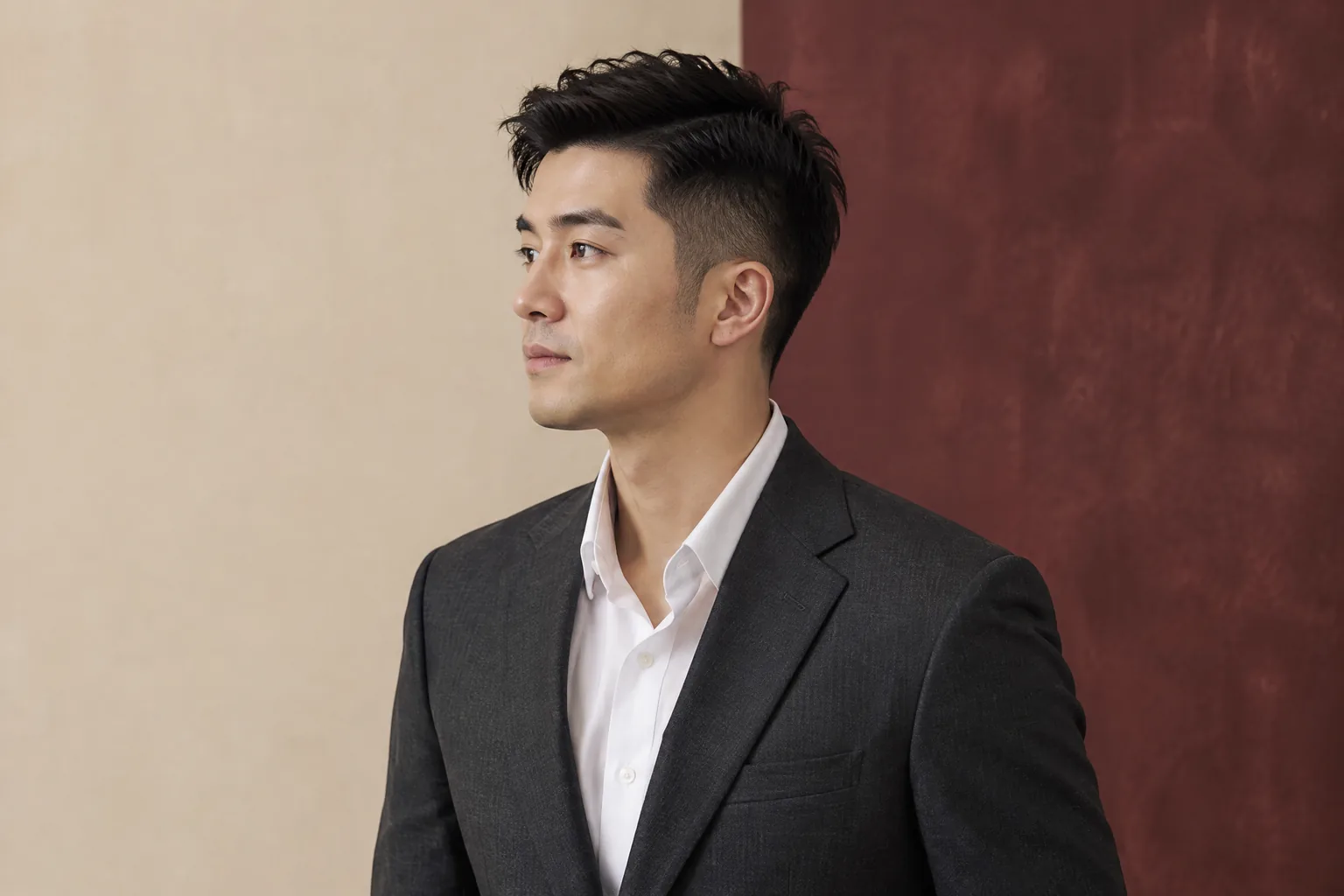
Separate the edge of the haircut from its overall side coverage. Tidying sideburns may leave the upper silhouette largely familiar, while removing more side weight changes a wider visible area. Compare a front view with both side views before deciding. A portrait cropped tightly around the face might hide the nape, but that does not make the rear irrelevant. A requested turn during an audition could show details absent from the submitted still photograph.
Vitso's taper haircut guide compares local sideburn and neckline shortening with a wider fade across the sides and back. It also separates transition height, shortest finish and retained weight. Use those distinctions to ask which areas would change in your own cut. The page is salon reading from a business under the same ownership as BigDeal. It helps frame a consultation; it is not an independent recommendation or a BigDeal haircut offer.
Bring the photograph you currently submit, not only the photograph of the cut you want. Tell the stylist which visible features you hope to retain, such as side fullness or a soft temple outline. Then ask what the requested edge work would alter. An instruction like keeping the silhouette similar is incomplete without pointing to the relevant areas. Equally, a clipper number alone cannot explain how high a transition should extend or where weight should remain.
If a callback is pending, separate personal preference from any appearance commitment already discussed with production. Ask before making a substantial change where continuity has been requested. Otherwise, assess whether the finished cut still resembles the material you are submitting. Do not keep an outdated image merely because it is more flattering. The table below helps organise the comparison. The recipient's instructions and your actual finished appearance remain the deciding factors.
| Proposed change | Compare first | Practical next step | Trade-off |
|---|---|---|---|
| Small edge tidy | Sideburn and ear outline | Check against submitted portrait | Familiar shape, changed detail |
| Less side coverage | Front and side silhouette | Review whether images remain current | More visible head contour |
| Distinct top-to-side boundary | Top relaxed and swept back | Record the usual wearing position | Contrast may depend on styling |
| Much shorter top | Fringe and forehead coverage | Plan current photographs after cutting | Fewer ways to rearrange the front |

Consider contrast without concealing the real outline
Would a sharper top-to-side join change a recognisable feature?
Look at what happens when the top moves, not just how it sits for one photograph. Longer hair can cover a short side panel while relaxed, then reveal it when swept back. A still portrait could therefore show a softer outline than a filmed turn. Decide whether that change is part of your everyday appearance or a temporary arrangement. If you normally wear the boundary exposed, hiding it for every submitted image makes comparison less useful.
The undercut haircut page on Vitso explains the difference between a distinct disconnected edge and a softer blended join. It asks readers to consider their usual parting, side views and maintenance. Read it to identify the boundary you want to discuss, rather than treating the style name as a complete instruction. Vitso and BigDeal share ownership. This related salon resource does not establish suitability for your hair or confirm a service through BigDeal's makeup team.
Describe retained areas in ordinary terms. You might want front length for a side sweep, ear coverage or less rear weight. A reference with a lifted top may not show how the same shape looks relaxed. Ask the salon to discuss both positions before committing to contrast that relies on daily styling. The trade-off is not simply bold versus conservative. It is also how much effort you accept to reproduce the submitted appearance reliably.
Make a short test recording with your present hair before choosing a more exposed boundary. Turn gently through the movement requested in the audition, then review what the camera actually shows. This cannot predict the finished haircut, but it can reveal which existing details matter to your comparison. For example, a side panel covered in the front view may become obvious during a turn. Use that observation to explain your priorities, not to request a guaranteed camera effect.
Keep the still-photo brief representative of everyday appearance
Which current hair details should the headshot record?
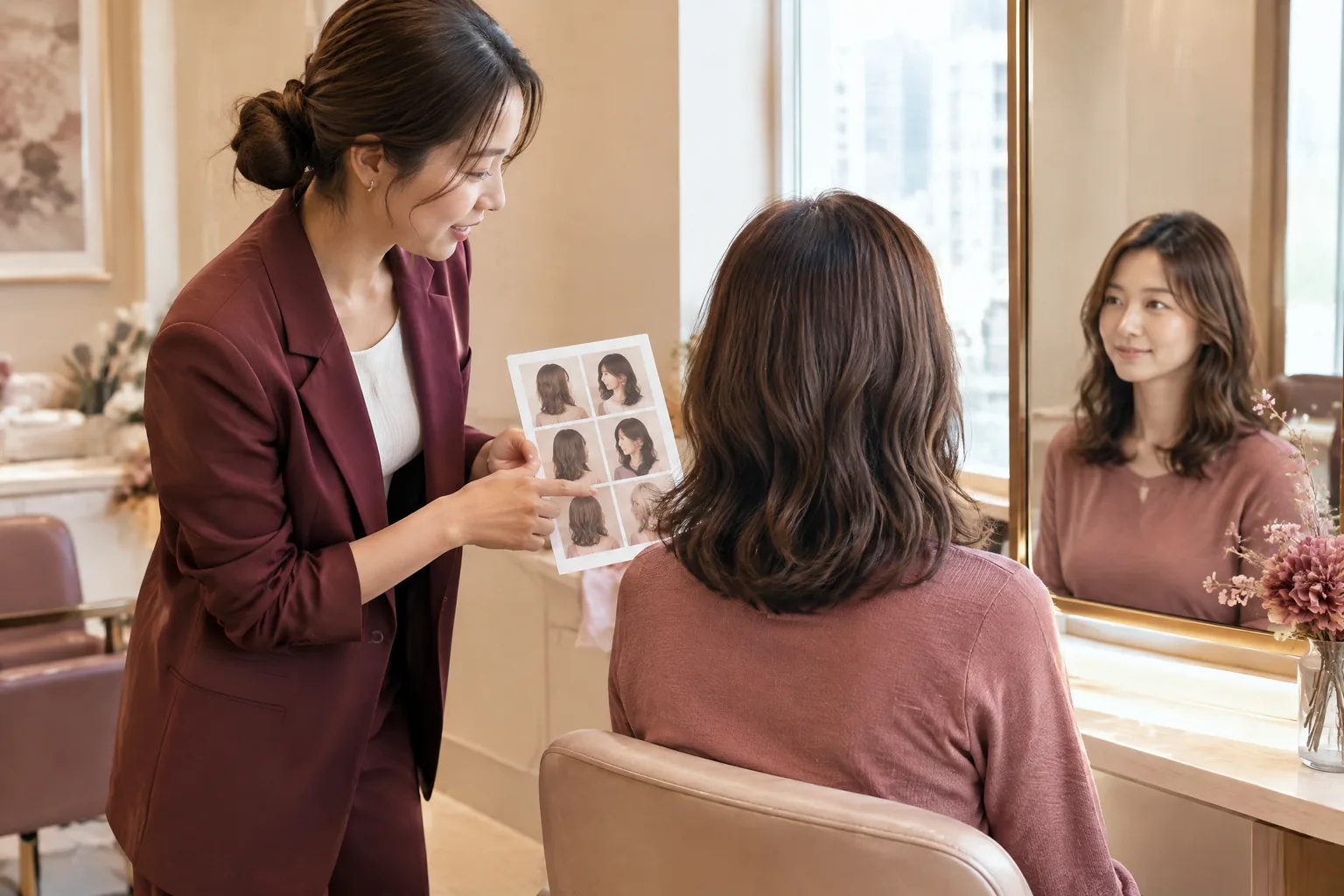
After the haircut decision, agree which normal hairstyle the portrait should show. Record the parting direction, forehead coverage and whether the front is relaxed or lifted. These observations are more useful than saying only that the finish should be neat. Avoid arranging every strand into a shape you cannot reasonably repeat. A representative portrait can still be carefully prepared. Preparation should support your appearance rather than replace it with an unfamiliar one.
For an actual still-portrait session, professional makeup for photoshoot Hong Kong provides BigDeal's relevant makeup enquiry route. Explain whether the images are for an actor profile or another specific submission. Share the photographer's brief and ask about the arrangements available for your date. Discuss a finish that leaves your familiar facial features clear. Keep any haircut consultation separate. Do not assume a general photoshoot enquiry includes every hair service or a particular package.
Build a small current-look record around the finished hairstyle. Take a clear front photograph and side views in ordinary, even light, then note the products and parting used. These are personal preparation references, not replacements for whatever professional material a casting notice requests. If you plan several portrait variations, keep the basic haircut visible across them. Changing expression or glasses need not become a reason to disguise the side boundary or invent a different hairline.
Plan the arrival routine as carefully as the styling discussion. In Hong Kong, your journey may include outdoor walking, public transport and an indoor studio. Leave time to check the agreed finish after arrival rather than assuming it will remain untouched. If the hairstyle has shifted, compare it with your reference and discuss a modest reset. Another actor's photograph might show a shinier or higher finish. That is no reason to attempt an unfamiliar product routine at the studio.
Use short-style references to narrow the consultation
Which features can you describe without dictating the result?
Start with what you want the top to do. Nearly uniform shortness leaves fewer opportunities to change the front arrangement. Retained length may allow a parting or some lift, but it also creates a styling decision. Choose the movement you actually intend to use for auditions and ordinary days. If you dislike maintaining height, avoid choosing a reference solely for its tall front. Check whether you like its flatter version.
Vitso's short hairstyles for men resource compares top length and effort across buzz, crew, Ivy League and faux-hawk directions. It encourages readers to consider the unstyled outline and repeat trims, not only the finished photograph. Use it to prepare questions about retained movement and upkeep. The label describes the resource's subject, not an eligibility rule for readers. As a same-owner salon page, it offers related information rather than an independent verdict on your best audition look.
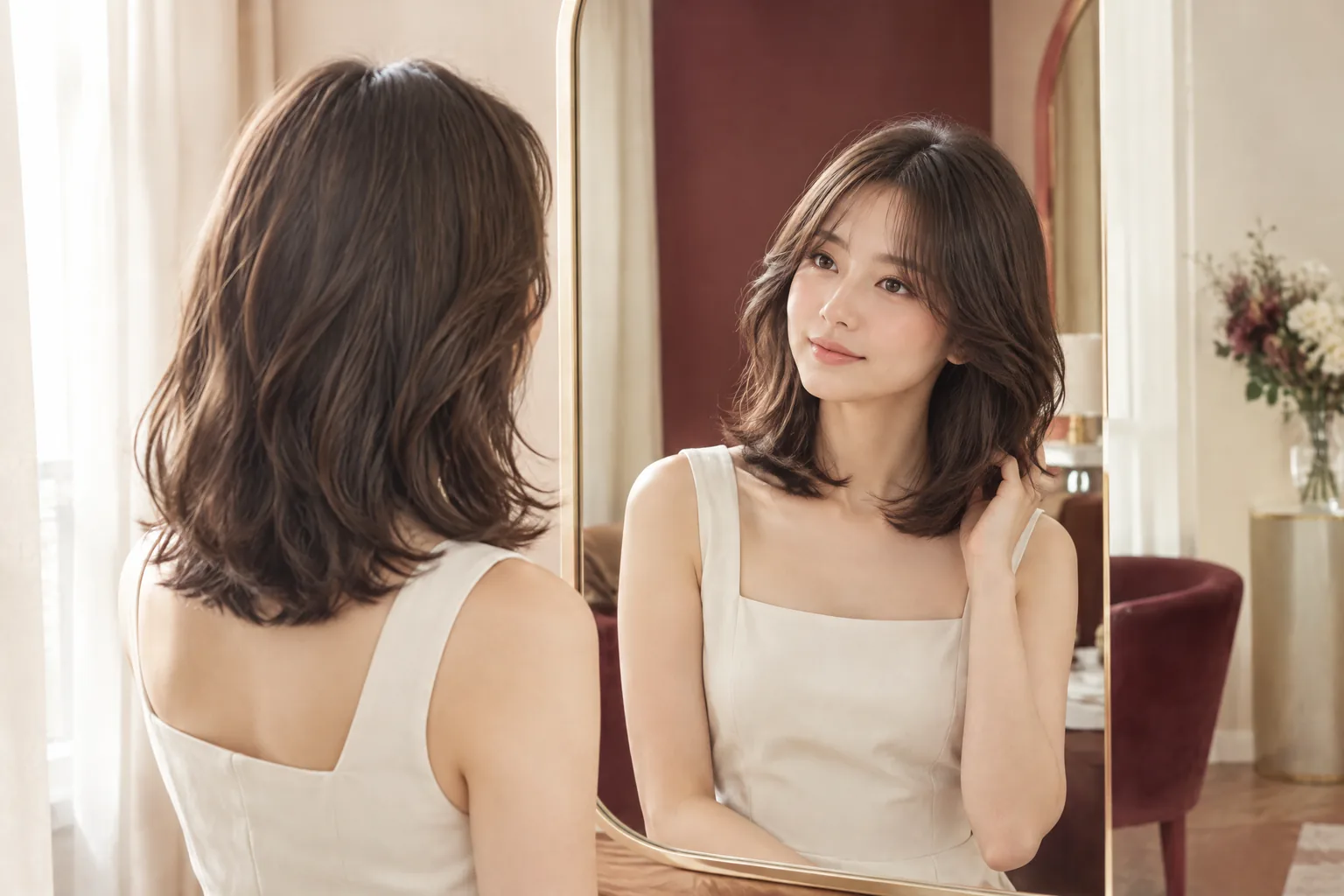
Choose two useful references instead of a collection of unrelated favourites. One can show the front movement you prefer, while the other clarifies side coverage or the rear outline. Explain which feature belongs to which picture. Do not ask the stylist to reproduce every element if the references depend on different lengths or hair behaviour. Bring your own current photographs too, so the discussion starts with the hair you have rather than an assumed match.
Ask how the proposed style looks between trims and when styling product is washed out. A short cut can reduce morning arrangement while still requiring attention to its outline over time. There is no universal trim interval that preserves every audition look. Instead, compare fresh current photographs before important submissions. If the front no longer sits as pictured, consider restyling it within your normal routine. Otherwise, consult the salon or update your submitted image.
Keep filmed continuity separate from still-portrait preparation
What should audition haircut photo continuity record for video?
For a filmed audition, make a continuity note before the first take. Record the parting, front height, visible side boundary and any deliberate tuck behind an ear. Take a reference image from the recording position. If you pause or restart later, check against that version rather than adjusting the hair for each scene. This small routine helps you present one coherent current look. It does not require pretending a self-tape is a finished film production.
SAG-AFTRA's practical self-tape guidance recommends horizontal recording unless instructed otherwise, proper lighting and a solid-colour background rather than bold patterns. Use those suggestions to make your appearance easier to assess, while following the specific Hong Kong casting brief first. They are not local submission rules. Test the recorded image before changing your hair. A difficult background or uneven light may complicate comparison without requiring a different haircut. [2]
For genuine video needs, BigDeal's film and video makeup Hong Kong page provides the relevant makeup enquiry route. Say whether this is a self-tape, a filmed audition session or other production work. Share the schedule and any requested continuity responsibilities, then confirm the agreed scope. Do not assume a still-portrait makeup booking includes filming attendance, ongoing touch-ups or production continuity support. Those arrangements require an explicit conversation, not an inference from the service name.
Before sending, compare the selected take with the headshot accompanying it. The haircut need not be frozen strand for strand, but both should represent the person available for the audition. Label your own reference files clearly with dates so older versions do not get selected by mistake. If a substantial change occurred between the two, ask the recipient how to supply a current image. Finish by checking the actual upload and file instructions, rather than adding unsolicited material.
Key takeaway
Continuity is not about preserving an old photograph at any cost. It is about keeping your submitted materials honest as your appearance changes. Choose the haircut you can wear consistently, then let current photographs and the actual audition brief guide the next step.
Practical checklist
- Save the casting instructions and clarify uncertain appearance requirements.
- Compare current front and side views with the photograph you submit.
- Tell the salon which outline features should remain recognisable.
- Record the finished everyday parting and front arrangement.
- Confirm makeup scope, then check the selected image and video before submission.
Frequently asked questions
Do I need new headshots after every haircut?
Not automatically. Compare how much your recognisable appearance has changed, rather than counting trims. A small edge tidy differs from removing a long fringe or exposing the sides. Follow the recipient's current-image requirements and seek a second opinion if the comparison is unclear.
Should I cut my hair immediately before an audition?
There is no universal best interval. Consider the deadline, any appearance commitment and whether you can prepare current images afterwards. An unfamiliar major change leaves more decisions to resolve. Discuss timing with the salon and relevant casting contact instead of assuming a fixed settling period.
Can makeup make an old haircut photograph representative again?
Makeup cannot restore missing length or recreate the actual side coverage shown in an old photograph. Prepare your current face and hair clearly, then use an appropriate current image. Do not treat cosmetic preparation as a way to conceal a substantial haircut change.
Is there one short haircut that suits every actor?
No. Start with your appearance, usual styling routine and the actual submission brief. Style names help describe options but do not establish individual suitability. Ask the salon about retained length and upkeep; do not choose a cut because it supposedly guarantees more suitable roles.
Can BigDeal confirm my Vitso haircut through WhatsApp?
The BigDeal contact here is for makeup arrangements only. Use Vitso's own enquiry route to discuss haircut services and confirm details directly. Shared ownership explains why the related reading appears here; it does not combine the two businesses' booking scope or confirm availability.
Sources
| Source | What it supports |
|---|---|
| Top Headshot Tips from Casting Directors | Headshots should allow recognition, avoid elaborate hair and makeup, and exclude images that no longer represent the performer; a second opinion helps image selection. |
| Self-Tape Anatomy | Practical self-tape advice recommends landscape recording unless otherwise instructed, proper lighting and a solid-colour background rather than bold patterns. |
Discuss your own makeup plans
Planning an actor headshot or filmed audition in Hong Kong? WhatsApp BigDeal Make Up on +852 6918 3153 with your date, current photograph and submission brief to discuss makeup arrangements. Haircut enquiries and service confirmation should go directly to Vitso.
Ask on WhatsApp +852 6918 3153