
BigDeal Make Up · Hong Kong
Beginner To Advanced Makeup Course And HD Makeup Advanced Course
Decide the next skill you want — a smoother base, neater brows, reversible removable eyelid techniques for temporary hooded lids, or camera-ready texture — before choosing a HD makeup advanced course or a beginner to advanced makeup course. Tell us which capability matters most and we will check sequence, level and fees on enquiry; moving forward does not promise professional status or specified outcomes.
At a glance
beginner to advanced makeup course
Use this comparison guide to choose between reinforcing reliable everyday routine and stepping into specialist, camera-ready or creative practice. It outlines differences between self-application and working on others, contrasts broad practice with focused creative modules, and explains how HD and camera terms describe technique contexts you should confirm with BigDeal Make Up before you book.
01
HD makeup advanced course — How basic versus advanced makeup course fits a practical plan for your next step
HD makeup advanced course: Practical questions to ask when comparing basic versus advanced makeup course options
Before enrolling in any beginner to advanced makeup course, define the single capability you want next. Common aims include consistently smooth base coverage, matching brows to facial asymmetry, working with removable eyelid techniques for temporary hooded eyes, or learning camera-friendly texture for close-ups. Naming that capability helps you compare a basic refresher against modules that genuinely feel “advanced.”
An HD makeup advanced course often focuses on texture, colour correction and finish that reads under high-resolution photography or filming. However, HD or advanced labels vary between tutors. Confirm whether an advanced module emphasises surface finish, lighting adaptation, or camera retouch techniques — these are distinct skills and some learners need more time on foundation and brow shaping first.
If your current skill is inconsistent, an intermediate-focused session that reinforces base, brow and eye proportion will produce better results than skipping ahead to creative contouring or editorial work. BigDeal Make Up treats progression as a conversation: list the outcomes you need and ask whether those are covered by the proposed advanced syllabus before booking.
For a closer comparison, consider 1:1 makeup lesson
02
Distinguish self-application from working on others — Understanding beginner to advanced makeup course for your learning goal
beginner to advanced makeup course: Different competencies and hygiene considerations for personal versus professional application
Applying makeup to yourself and applying it on other people are related but separate skills. Personal lessons emphasise product selection for your skin type, repeatable steps and shortcuts for daily wear. Lessons intended for working on clients add concerns such as hygiene protocols, quick corrective techniques, working with diverse skin tones and face shapes, and temporary eyelid methods that are cosmetic, not surgical.
When you search for a beginner to advanced makeup course, ask if the module includes face-to-face practice on models and whether instructors teach cosmetic balancing of asymmetrical eyes and brows. These techniques are temporary and cosmetic; they aim to improve visual symmetry but do not alter anatomy. Confirm whether hands-on time includes supervised model work or is demonstration-only.
Hygiene and product-use guidance become more important in multi-client contexts. BigDeal Make Up references general guidance such as FDA: Using Cosmetics Safely for product handling background; this is independent general guidance, not an endorsement of a course. If you plan to work on others, request explicit practical hygiene instruction and supervised application time in your course plan.
Match your plans with bridal makeup advanced course
03
Compare broad practice time with specialist creative direction — How a beginner to advanced makeup course or focused module serves your aims
Quantity of practice versus focused creative modules: which suits your goals
Broad practice time builds muscle memory: repeated full-face routines, several eyebrow shapes and eye-lid techniques until the sequence becomes automatic. This approach suits learners upgrading from personal to confident freelance work. By contrast, specialist creative direction concentrates fewer hours on concept, textures, theatrical or fashion editorial techniques that demand controlled experimentation and critique.
An HD makeup advanced course framed as camera-ready often requires both: dedicated technical practice hours for base and blending, plus creative experiments with lighting and finish. If you only want editorial looks for social content, you might choose concentrated creative modules rather than a longer general practice package. Clarify whether time is allocated to practice, feedback and supervised model work.
Ask how assessment and feedback are given. Practical progression benefits from written notes, photographed before/after comparisons and targeted homework; these foster improvement more rapidly than attendance alone. BigDeal Make Up will confirm what supervised practice and feedback is available for any suggested pathway when you enquire.
You may also find it useful to compare makeup refresher class
04
Use your current experience to frame an advanced-course conversation — HD makeup advanced course questions that help target improvement
Concrete self-assessment and sample work to define the right beginner to advanced makeup course step
Frame your current experience clearly: how long you’ve practised, which looks you can do reliably, and examples of where you struggle. Provide photographs — morning light, close-up and full-face — and ask if the HD makeup advanced course will specifically address texture control and camera finish. Tutors, including Maggie Yeung at BigDeal Make Up, will ask these specifics before recommending a path.
Be prepared to answer whether you’ve used full prosthetics, special lashes, or removable eyelid techniques; children’s face paints and prosthetics differ substantially from standard cosmetics and require separate training. When a course description mentions working on others, clarify the make-up product lists and whether the tutor uses tools from NARS, Dior Beauty, Giorgio Armani Beauty, Estée Lauder, Laura Mercier, Clé de Peau Beauté, Bobbi Brown or M·A·C as examples during demonstrations rather than implying a product partnership.
If you already cover base, contour and a few eye looks, ask for an intermediate assessment rather than simply selecting “advanced.” This helps avoid gaps in foundational technique that create frustration later. BigDeal Make Up confirms sequencing and level after an enquiry; course fees and dates are confirmed by customer services and depend on the modules chosen.
For another approach, explore build a makeup portfolio from scratch
05
Treat HD and camera terms as technique contexts that need confirmation — What to check in any HD makeup advanced course
HD makeup advanced course and camera-focused lessons are specialised contexts, not universal standards
HD and camera terminology describes a set of techniques for texture control, lighting interaction and finish that reads well on high-resolution images or video. These methods include micro-blending, selective sheen control and precise blemish correction; they do not automatically appear in every advanced course. Confirm which HD camera techniques are covered and whether instruction includes studio lighting demonstrations.
Ask whether the session includes how to adapt looks for different cameras and lighting: phone cameras, mirrorless cameras, broadcast cameras and LED panels require subtle changes in product finish and placement. A true HD makeup advanced course will discuss these differences, but you must confirm specific camera types and whether model shoots or recorded demos are included.
If your interest is social-content production rather than studio work, request examples of camera-adapted make-up suited for smartphone recording. Some learners find that HD techniques intended for professional film need simplification for everyday content creation; discuss those adjustments during the booking conversation so your course time is used efficiently.
Before deciding, take a look at Makeup Courses
06
Build a written learning path only after scope, level and tuition are checked — Plan your beginner to advanced makeup course with clarity
A short, testable plan reduces wasted sessions and clarifies what an advanced step means for you
Draft a simple written learning path after you and the tutor confirm the scope, level and tuition. Include measurable milestones: consistent base within 20 minutes, two brow shapes for different face shapes, a camera-friendly evening look and a creative editorial look. Keep milestones realistic and tied to organised practice and feedback sessions.
Ask the tutor whether home practice, photographed homework and short review sessions are included or can be added. Written notes and photographed comparisons are especially useful when progressing from a basic to an advanced level because they provide objective evidence of improvement and help the tutor adjust pace and technique priorities.
Remember that BigDeal Make Up’s approach is consultative: the page helps you frame questions and expectations, but customer service must confirm specific timetables, course units and fees for the modules you choose. Enquire with photographs and clear goals to receive the most relevant course recommendation and a tailored written path.
For a closer comparison, consider makeup brush lesson
07
Choosing between a focused pathway and a full progression plan — Should you take a makeup artist foundation to advanced course?
How to tell if you need a full makeup artist foundation to advanced course or selective modules
If your aim is a comprehensive upgrade from basic routine to confident client work, a makeup artist foundation to advanced course frames that journey as a sequence of measurable skills rather than a single leap. That pathway typically starts with reliable base technique, matching brows to facial asymmetry, and consistent eye looks, then adds camera-aware texture, removable eyelid techniques for temporary hooded lids, and supervised practice on models. Ask for a written module sequence so you can see practice hours, supervised model time and where camera or HD techniques are introduced.
Not every learner benefits from a full progression. Some prefer targeted sessions that correct one recurring issue—poor blending, uneven brows or adapting looks for phone video—then return to self-practice. If you already have reliable daily techniques, request a short assessment and consider booking only the specialist units you need rather than the entire makeup artist foundation to advanced course. This saves time and concentrates tutor attention on the technical gaps that slow your improvement.
When enquiring, state your recent practice habits and share clear photographs. BigDeal Make Up will confirm whether a full progression pathway (often called a makeup course progressive training plan by students) or a set of discrete modules is the best match. Ask whether the quoted fee covers model practice, photographed before/afters and homework review; these elements are what typically distinguish a staged foundation-to-advanced plan from ad hoc single lessons.
08
What makeup course progressive training looks like in practice — Structure and milestones for steady improvement
Structure, feedback and realistic milestones in a makeup course progressive training plan
A sensible makeup course progressive training plan lays out short-term milestones (for example: master a 20-minute base, two brow shapes and one camera-friendly evening look) and longer goals (confident supervised client work, controlled HD finish). Each module should specify the hands-on time, feedback method and any photographed evidence of improvement. Real progress comes from repeated practice with targeted critique rather than attending progressively labelled classes without measurable tasks.
Expect progressive training to combine demonstration, supervised application on models and structured homework. Tutors, including Maggie Yeung in her personal studio practice, will often demonstrate using current professional lines such as NARS, Dior Beauty, Giorgio Armani Beauty, Estée Lauder, Laura Mercier, Clé de Peau Beauté, Bobbi Brown or M·A·C as illustrations of technique, not as prescriptive product lists. Clarify whether the tutor’s demonstrations will be recorded or photographed so you can compare before/after results during your home practice.
Plan to review progress at set intervals and be flexible: if a gap in foundation appears during review, the course may recommend revisiting that unit before moving on. That is an efficient use of time and avoids repeating errors when attempting more advanced HD or camera techniques. BigDeal Make Up confirms sequence, level and fees on enquiry; ask for a sample learning map that matches your goals and preferred dates so you can decide between a full makeup course progressive training package or specific advanced modules.
Style references
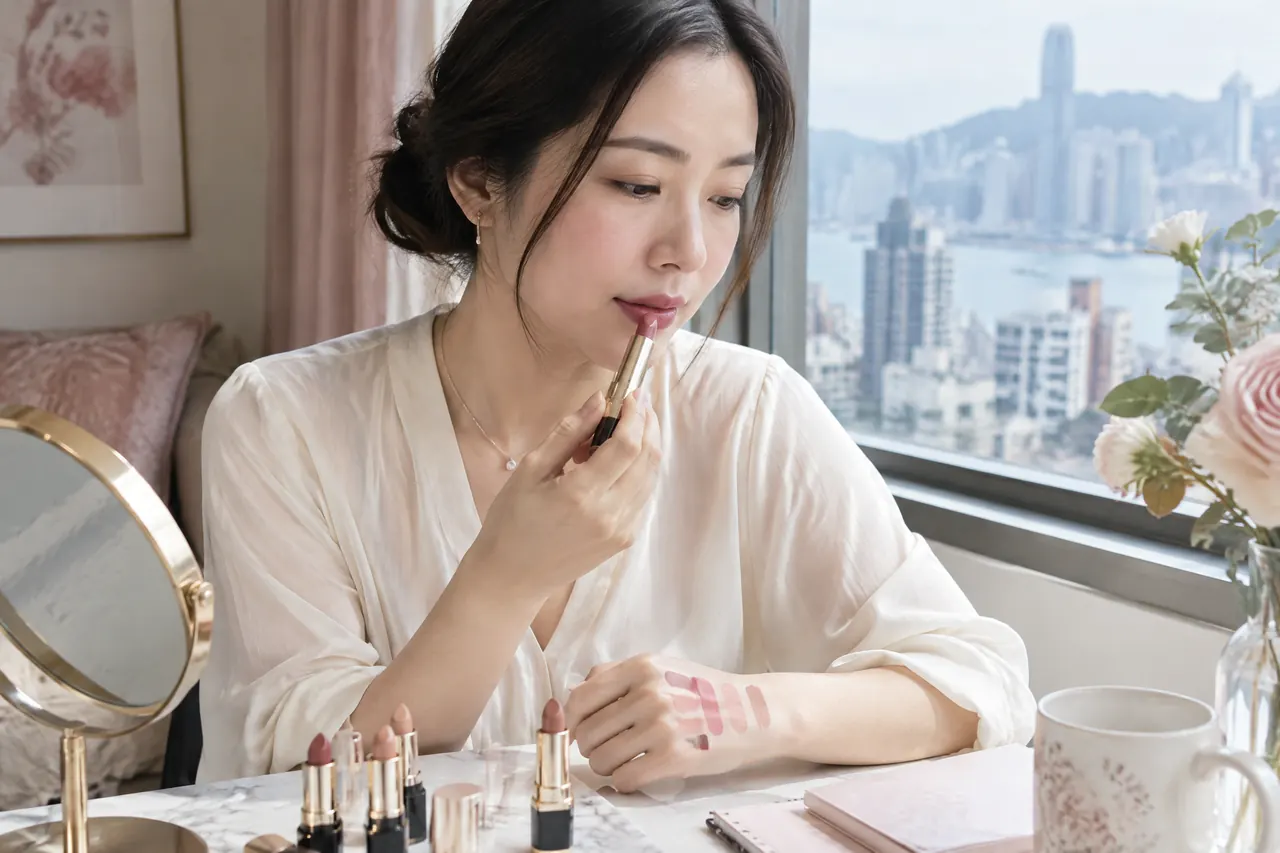
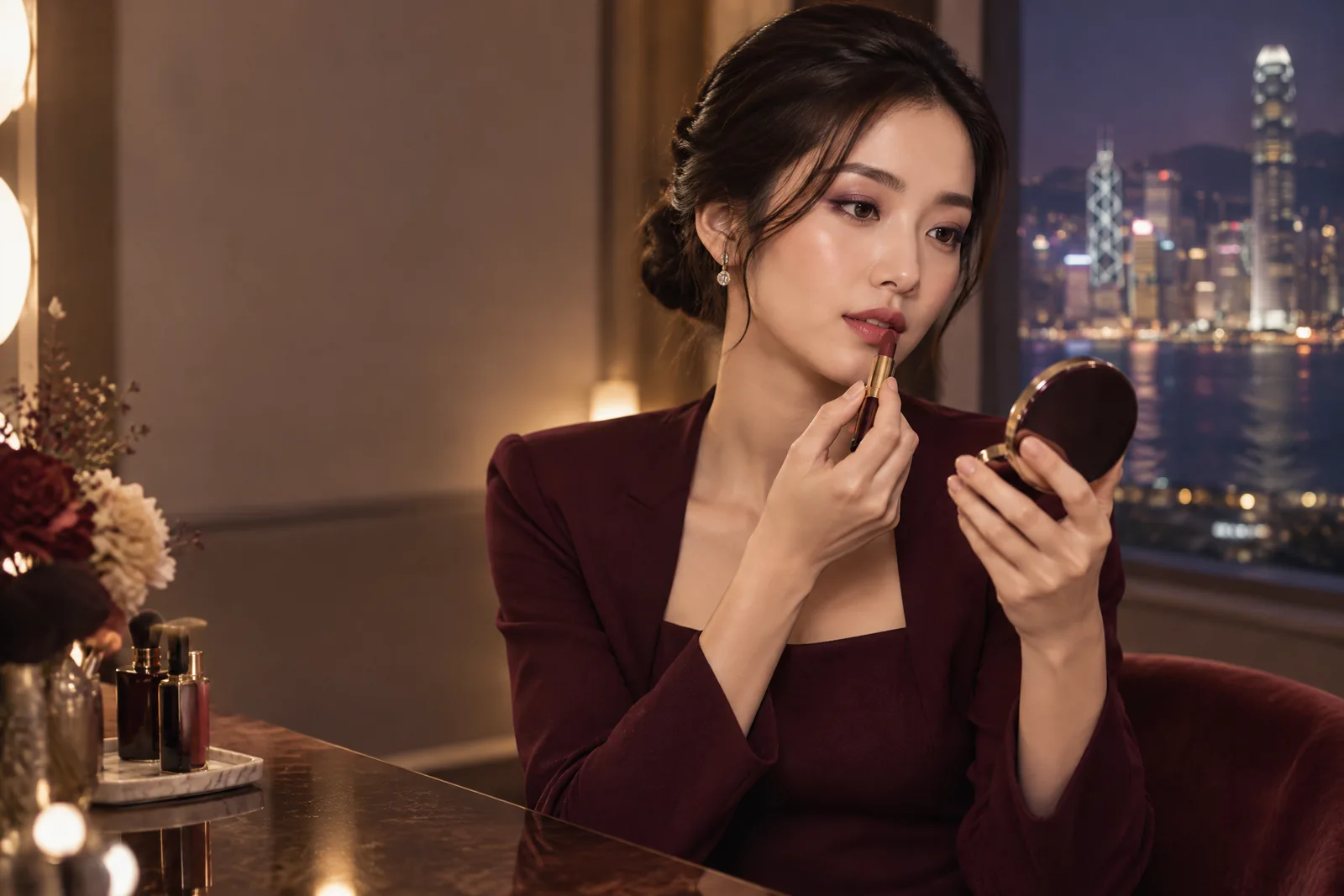
Related makeup style illustrations




Comparing beginner to advanced makeup course directions and what to check
| Focus Area | Beginner / Foundation Direction | Advanced / HD or Camera Direction |
|---|---|---|
| Primary Objective | Reliable everyday base, simple brow shaping and repeatable eye looks for daily confidence. | Camera-friendly texture, fine detail, lighting adaptation and creative editorial techniques. |
| Hands-on Practice | More repetition on self-application; demonstration with limited model time. | Supervised model shoots, lighting demos and review of camera stills/video required. |
| Product and Hygiene | Personal product selection for skin type; basic hygiene for single-user kits. | Hygiene protocols for multi-client work, cross-contamination controls and sanitised tools. |
| Assessment and Feedback | Tutor notes and repeat practice; homework often photographic for self-comparison. | Structured feedback, photographed before/after under studio light and targeted corrective tasks. |
| Typical Duration Focus | Short modules (1–3 hours) to cement daily routines. | Longer units (half-day to multiple days) for camera techniques and creative experimentation. |
Helpful answers
Frequently asked questions
Do HD makeup advanced course modules assume you already know the basic steps?
Not always. Some HD makeup advanced course modules assume a confident foundation in base, blending and brow shaping; others include a short refresher. When you enquire, state your current routine and ask whether a refresher is included or recommended. BigDeal Make Up will advise whether you should book a foundation session first or move directly into camera technique work.
Can you learn removable eyelid techniques in an advanced course?
Yes, removable eyelid techniques can be taught, but they are cosmetic and temporary and require careful practice. Confirm that the module includes hands-on supervised application and safety notes. Specify whether the lesson covers adhesive selection, removal, skin preparation and blending for both photography and daily wear.
Will the course teach you to work on other people safely?
Working on other people needs explicit hygiene and cross-contamination training. If your goal is to apply makeup for clients, ask whether the chosen module includes model practice, sanitisation routines, single-use applicators and the differences between children’s face paints/prosthetics and standard cosmetics. These are practical skills taught separately from personal lessons.
How do you choose between broad practice and a specialist creative module?
Choose broad practice if you want speed, consistency and confidence across multiple looks. Opt for a specialist creative module when you want to develop editorial styling, advanced colour and texture experiments or camera-adapted techniques. Provide your recent photos and goals and BigDeal Make Up will suggest which option matches your learning curve and confirm available dates and fees.
Does an HD makeup advanced course cover lighting and camera types?
Good HD makeup advanced courses address how different lighting and camera sensors change appearance and finish. Confirm which camera types (smartphone, mirrorless, professional video) and lighting setups are included. Specify whether recorded demos or in-studio shoots are part of the session so you can practise under the same conditions as your intended use.
Will completing the course give you a certification or guaranteed professional outcome?
No course label guarantees certification that equates to employment or formal accreditation. BigDeal Make Up provides tuition, feedback and practice; any statement about recognised certification or external funding must be confirmed directly. If you need evidence of attendance for a specific purpose, ask customer service about what can be provided.
Is a makeup artist foundation to advanced course necessary if you can already do basic looks?
Not always. If your basics are consistent, you might benefit more from targeted advanced modules that address camera finish, removable eyelid techniques or corrective brow shaping. Request a short assessment and photographic review: that will show whether a staged makeup artist foundation to advanced course or selective sessions are the most efficient route.
What does makeup course progressive training include that single lessons do not?
Progressive training maps skills into ordered milestones, includes repeated supervised practice and usually provides photographed before/afters and homework review. Single lessons can fix a specific problem quickly, but progressive plans focus on building reliable speed, consistent finish and client-ready hygiene over several sessions.
Ready to discuss it?
Enquire with photos and preferred dates for a tailored learning plan
Tell us what you are planning, and we will help clarify the service or lesson details that matter for your enquiry.
From the makeup blog