
At a glance
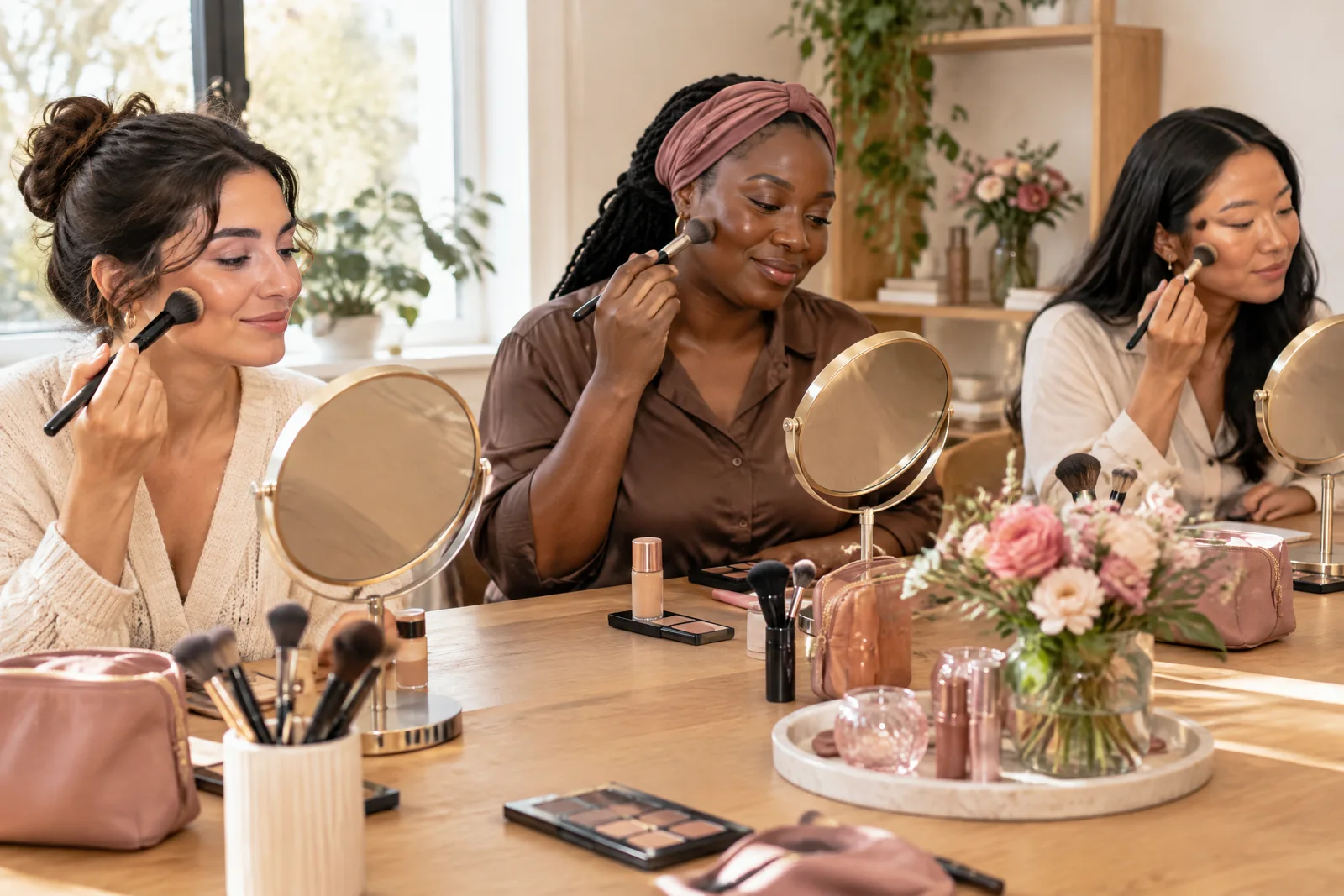
Start with one learning purpose before choosing demonstrations or practice. The brief should protect voluntary participation and give realistic details on time, room setup, clothing, and hygiene. For a social event, choose conversation and simple prompts. For skills practice, allow personal space and fewer steps. The practical trade-off is breadth against repeatability. A short, specific session usually respects more schedules and produces clearer expectations.
Build a Workplace Makeup Workshop Brief That Respects Choice
Why a workplace makeup workshop brief needs boundaries
Treat the brief as an invitation, rather than an appearance policy. Explain the business context, voluntary involvement, and one practical outcome. That outcome might be a faster morning routine, a camera-ready meeting look, or informed product selection. Avoid broad promises about confidence or professional success. A focused purpose helps colleagues decide whether the session is useful before they join. It also identifies what the session will not cover. That protects colleagues from unwanted assumptions about personal presentation. It positions makeup as an optional personal skill.
A workplace makeup workshop brief should name its audience and boundaries before discussing techniques. State whether the gathering is an optional lunch session, a staff event, or a skills activity. Say whether colleagues bring products, watch a demonstration, or practise privately. Clear scope prevents a useful session becoming a judgement about faces, gender, age, or office roles. It should also identify who answers booking questions. A named contact prevents messages from becoming informal pressure. This keeps queries practical and private.
Describe the audience without assumptions
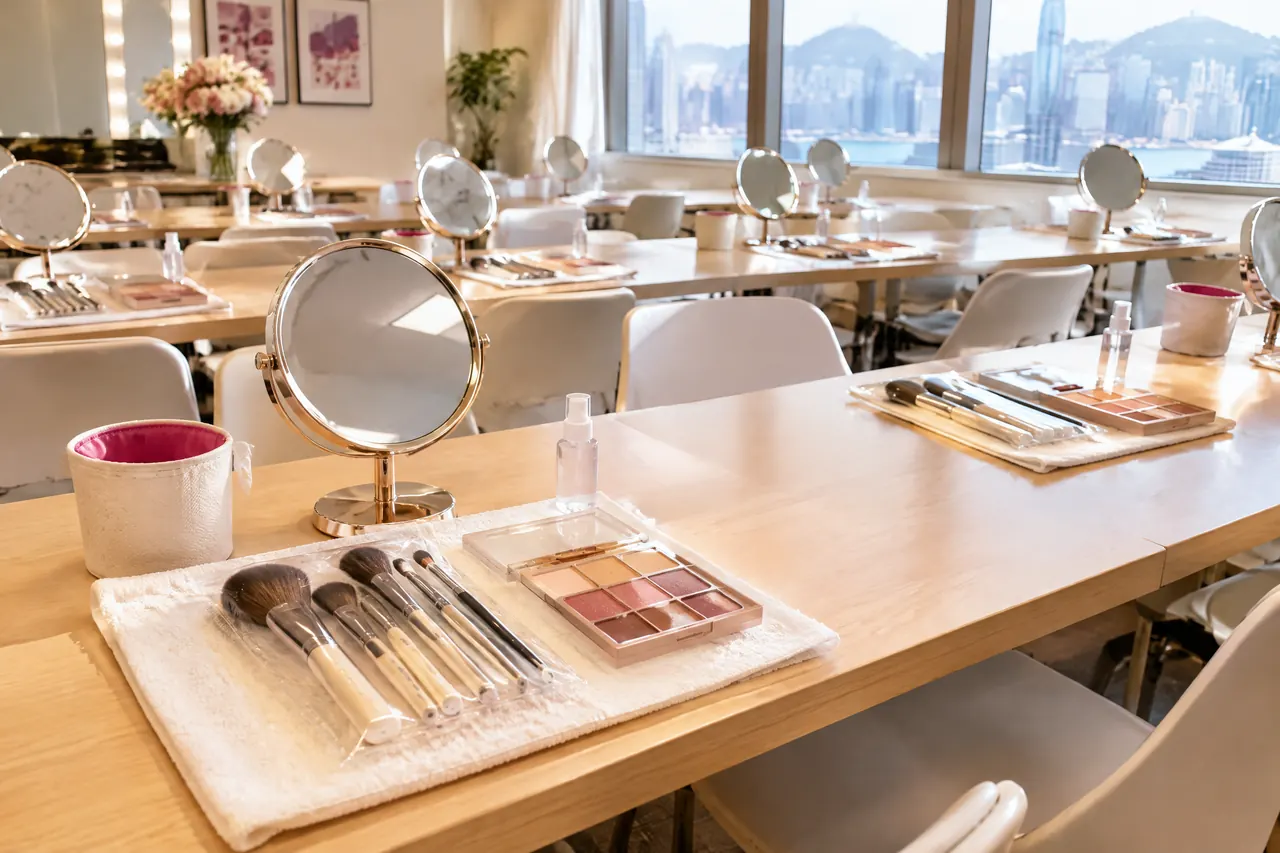
If staff roles differ, ask only questions that affect the format. Relevant details include meeting settings, camera use, shift patterns, dress expectations, and prior makeup comfort. Do not request personal skin histories or photographs for a general group booking. Instead, invite anonymous preferences, such as base coverage, brow emphasis, or product organisation. This gives useful direction while protecting each person’s choice. It also avoids turning optional participation into a data-gathering exercise. The invitation can explain that no personal response is required. Everyone can consider the session without being observed.
Keep the audience description broad enough for different routines. A corporate beauty workshop can address everyday polish, but it should not prescribe one look. Mention whether attendees include client-facing teams, presenters, or mixed departments. Also note whether the event follows a formal dress code or a relaxed office culture. These details guide examples and pace without turning personal style into a uniform. It may also flag whether people need a simple routine for cameras. This keeps teaching examples connected to actual work situations. It leaves each participant free to adapt the ideas.
Choose a realistic learning format
Choosing practice for a workplace makeup workshop brief
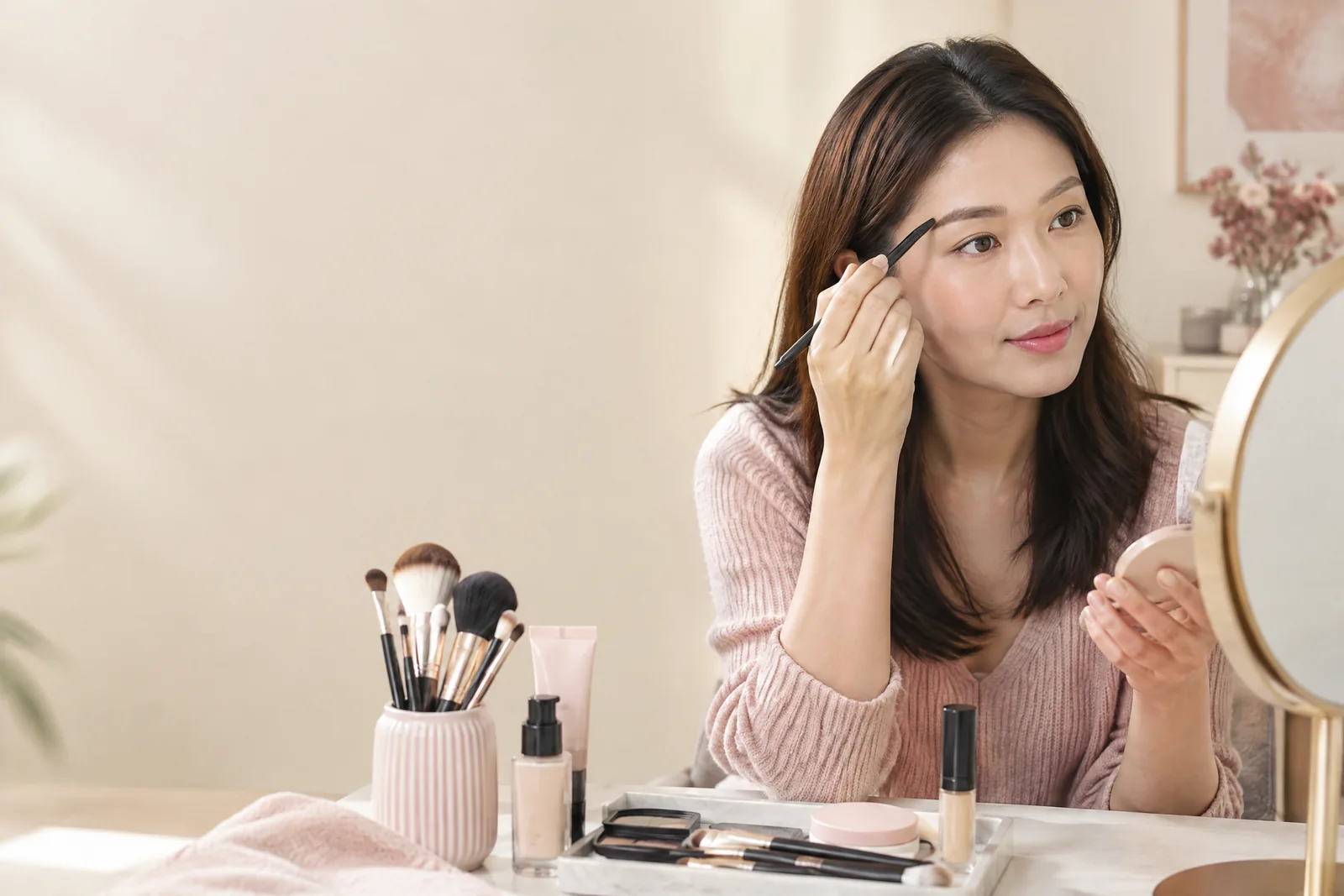
The time slot sets the teaching ambition. A short demonstration can show a sequence and product handling. A longer session can leave room for questions and individual practice. Do not label every activity as hands-on if tables, mirrors, or privacy do not support it. Build in arrival, settling, and cleaning time. Those simple allowances make the plan more credible for a busy working day. If the session spans lunch, protect time for breaks and departure. People should not feel delayed by an optional activity. State the finish time prominently on the invitation.
When practice is the priority, describe it as a workplace makeup class and name repeatable steps. Examples include preparing the base, balancing brows, choosing a lip tone, or refreshing makeup after travel. Keep the number of steps modest. Participants benefit more from one routine they can repeat than from a crowded list of trends. Ask whether anyone prefers to observe rather than practise. A short recap card can help them remember the order later. It should be optional and free from personal assessment. Use plain language that fits a normal workday.
A social format needs different wording. corporate team building makeup suits light conversation and creative prompts, while a skills session needs clearer individual objectives. Choose only one main purpose for the brief. Combining a social event, product consultation, and assessed training session can confuse expectations. A simple priority also helps the organiser decide how much equipment and space are sensible. Explain this distinction in the invitation, not after people arrive. Colleagues can then decide whether the activity suits their expectations. A defined purpose makes approval conversations more straightforward too.
| Brief priority | Suitable format | Details to confirm |
|---|---|---|
| Quick shared introduction | Demonstration | Time window, viewing angles, questions |
| Repeatable daily routine | Supported practice | Mirrors, personal space, product handling |
| Light colleague interaction | Social activity | Voluntary prompts, group energy, privacy |
| Preparation for meetings | Focused skills session | Dress context, ready-by time, simple steps |
Set privacy, comfort and hygiene expectations
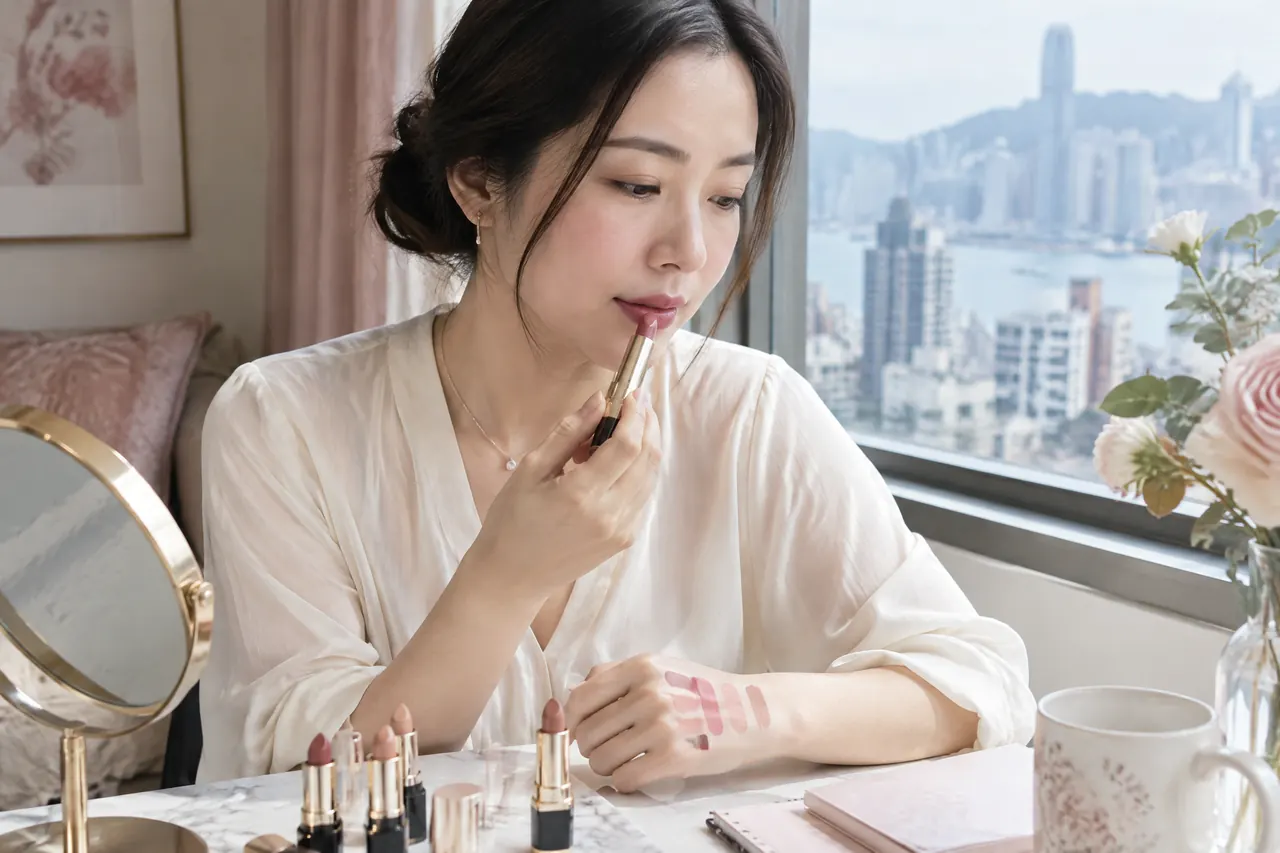
Privacy begins with the invitation. Say that participation is optional and that individuals can watch, practise, or step out. Do not require close-up photographs, before-and-after comparisons, or public feedback. If the company wants event photographs, provide a separate, clear choice. Keep any attendance record separate from personal preferences. These measures support a respectful setting for colleagues with different comfort levels. The same approach avoids making personal enjoyment visible to managers. Quiet alternatives support equal access without explanation. Give organisers a discreet route for questions or changes.
The brief should make hygiene practical, not decorative. The FDA advises hand washing, no makeup sharing, and clean closed containers. [1] Ask how brushes, palettes, and applicators will be handled between users. Individual items and single-use applicators may suit shared demonstrations. People with current irritation should avoid eye-area practice and seek appropriate professional advice if needed. The organiser can ask how clean tools and surfaces are prepared. Such questions are sensible preparation, not a medical assessment. Share the answer before people decide whether to practise. [1]
Always ask how concerns will be handled before the session. Hong Kong guidance states that consumer cosmetics have a general safety requirement. It also notes the importance of product warnings and instructions for safe use. [2] That does not make an organiser a product assessor. It supports a sensible request for readable labels, known product use, and clear boundaries for voluntary practice. Invite participants to choose not to use unfamiliar products. Any individual concern deserves private handling, rather than group discussion. Keep the organiser focused on practical arrangements and clear information. [2]
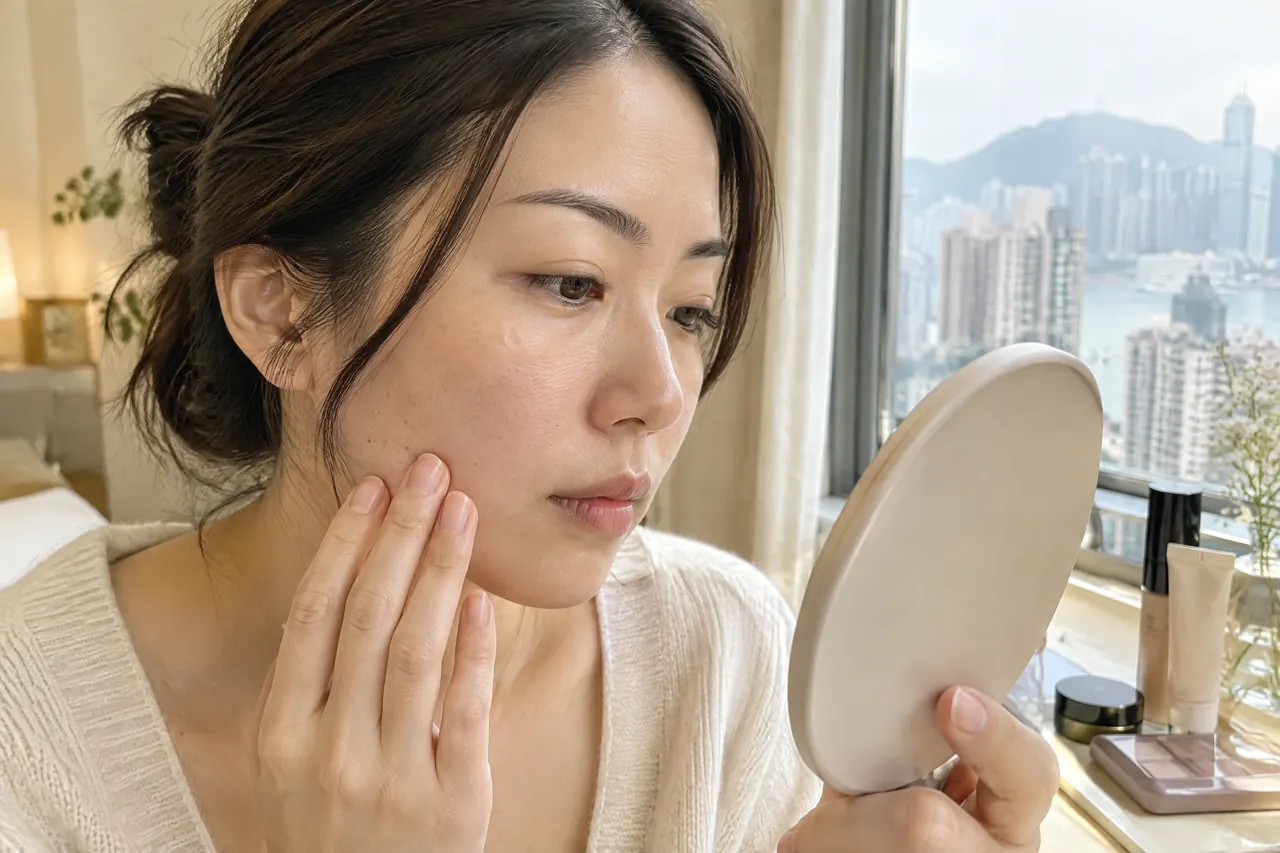
Map the room, time and dress code
A useful room note names practical conditions. Confirm tables, mirrors, chairs, lighting, ventilation, access time, and rubbish collection. State whether the room is used again immediately afterwards. Good visibility helps a demonstration, yet it need not mean bright or intrusive lighting. If colleagues work near windows, check afternoon glare and screen reflections. Describe accessibility needs through the venue contact, rather than guessing individual requirements. A simple layout sketch can prevent last-minute rearrangement. It also helps the organiser explain where people may sit or observe. That preparation protects the teaching time for useful discussion.
Clothing guidance should describe what helps practice, not what staff should look like. Suggest a comfortable neckline for those practising base work. Ask people to bring glasses if they wear them during meetings. Avoid asking participants to change their usual appearance for the event. If the session precedes a client gathering, share the ready-by time and any restrictions on changing clothes. Mention any uniform, safety equipment, or weather-related travel issue. These factors may affect comfort and practice timing. Keep these notes practical rather than prescriptive about appearance.
- Confirm the arrival and room-access window.
- Describe seating, tables, mirrors, and power points.
- Note daylight, artificial light, and ventilation.
- Identify clothing or equipment constraints early.
- Set a collection point for used disposables.
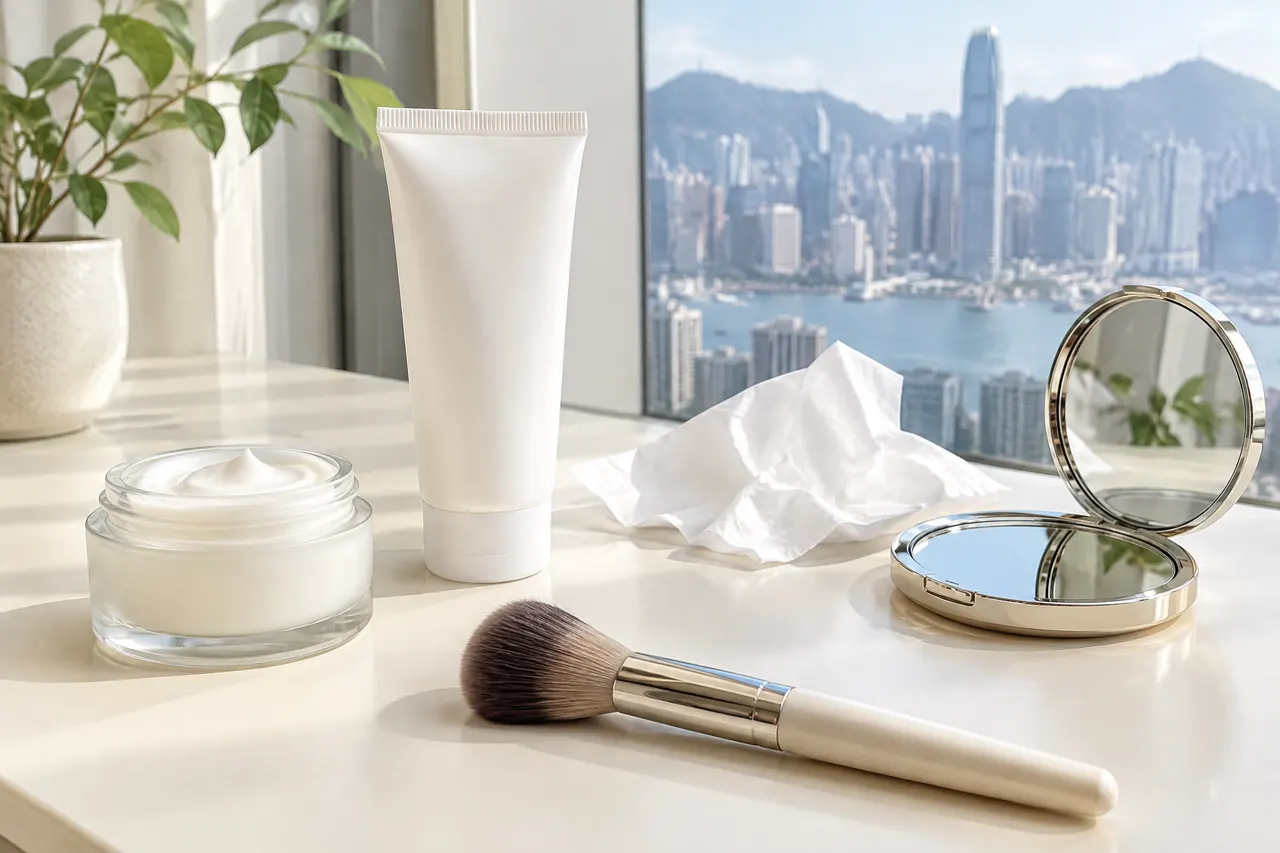
Give decision makers usable facts
Decision makers need facts that make proposals comparable. Give a date range, preferred time window, estimated headcount, venue district, and main outcome. Explain whether the organiser provides tables, mirrors, power points, or refreshments. corporate workshop price guidance explains why subject, group size, duration, venue logistics, and materials matter in a quotation. Include those facts first, then request confirmation of practical arrangements. State which details are provisional, so suppliers can respond proportionately. This reduces assumptions and helps procurement review the scope. It also avoids comparing proposals that describe different arrangements.
Do not ask a provider to guess sensitive attendance information. Instead, use ranges and state that numbers may change. Ask for assumptions to be written clearly, especially around materials, travel, access, and session length. This approach supports internal approval and allows a fair comparison. It also gives staff a more honest invitation, because the plan distinguishes confirmed details from items awaiting agreement. Keep changes in one update, rather than separate messages. That preserves a reliable record for colleagues and decision makers. Clear records also reduce accidental changes to the agreed plan.
Send a concise brief and review it
Before circulation, reduce the brief to one page of decisions. Put the purpose first, followed by audience, format, room facts, voluntary participation, and an enquiry contact. Then review it with the person responsible for facilities or events. They may spot access, timing, or room reset issues. A short brief is not vague. It is concise because it separates essential choices from optional ideas. Remove personal details that are not needed to arrange the session. A neutral outline is easier to approve and communicate. It also gives attendees a clear reason to participate.
For BigDeal Make Up, an enquiry works best when it describes the workplace context without naming individual staff needs. Share the desired outcome, date preferences, estimated group size, venue information, preferred activity format, and privacy considerations. The team can then confirm normal practical arrangements through customer service. Do not promise a specific session or timing until those details are confirmed. A prompt reply with complete facts is more useful than an early request alone. Confirm any final changes through the same contact. This keeps the final plan clear for everyone involved.
Key takeaway
The best brief does not try to teach every technique or please every taste. Its trade-off is simple: a broader session feels inclusive, yet fewer repeatable steps create better practical focus. Choose a demonstration when time or privacy is limited. Choose supported practice only when the room, hygiene approach, and voluntary participation make it comfortable. This leaves colleagues free to engage in the way that suits them.
Practical checklist
- Name one practical outcome and voluntary participation.
- State the estimated group range and time window.
- Confirm mirrors, tables, lighting, ventilation, and reset time.
- Describe whether colleagues observe, practise, or bring products.
- Set photography preferences and a private contact route.
- Request written assumptions for materials, access, and logistics.
Frequently asked questions
Must staff wear makeup during the workshop?
No. A respectful workshop offers observation or participation choices. The brief should say that attendance does not require anyone to apply products or share personal preferences. That clarity helps colleagues decide comfortably.
How much detail should HR provide about attendees?
Provide information that affects the format, such as group range, time limits, venue, and general work context. Avoid collecting personal skin information or appearance preferences. Anonymous themes are usually enough for a group brief.
Can organisers include photographs?
They can, but photography should be a separate choice. Explain the intended use, offer an opt-out route, and avoid close-up practice images by default. Attendance at the workshop should not imply agreement to be photographed.
Should participants bring their own makeup?
That depends on the planned activity. If personal products help practice, say so in advance. Also explain whether shared demonstration items will be used and how hygiene arrangements will be confirmed for the session.
What belongs in a quotation request?
Include the preferred date range, time window, estimated group size, venue district, purpose, room information, and desired format. Ask for written assumptions about materials, access, and practical arrangements so internal comparisons remain meaningful.
Sources
| Source | What it supports |
|---|---|
| FDA: Eye Cosmetic Safety | FDA guidance says not to share eye cosmetics, recommends hand washing and clean instruments, and identifies single-use applicators for sampling. |
| Hong Kong Government: Regulation of ingredients and labelling of personal care products and cosmetics | Hong Kong government guidance explains the general safety requirement for cosmetics and the relevance of instructions and warnings for safe use. |
Discuss your own makeup plans
Planning a Hong Kong staff session? Message BigDeal Make Up on WhatsApp at +852 6918 3153 with your purpose, date range, and venue details.
Ask on WhatsApp +852 6918 3153