
BigDeal Make Up · Hong Kong
Makeup Continuity Product Campaign
Consistency in a product campaign starts with clear decisions, good reference images and a practical shooting plan. A makeup continuity product campaign consultation covers the target finish, sequence of looks, how reference records will be used and when touch-ups are needed. BigDeal Make Up reviews production needs and confirms the continuity support we can reasonably provide within the booked service.
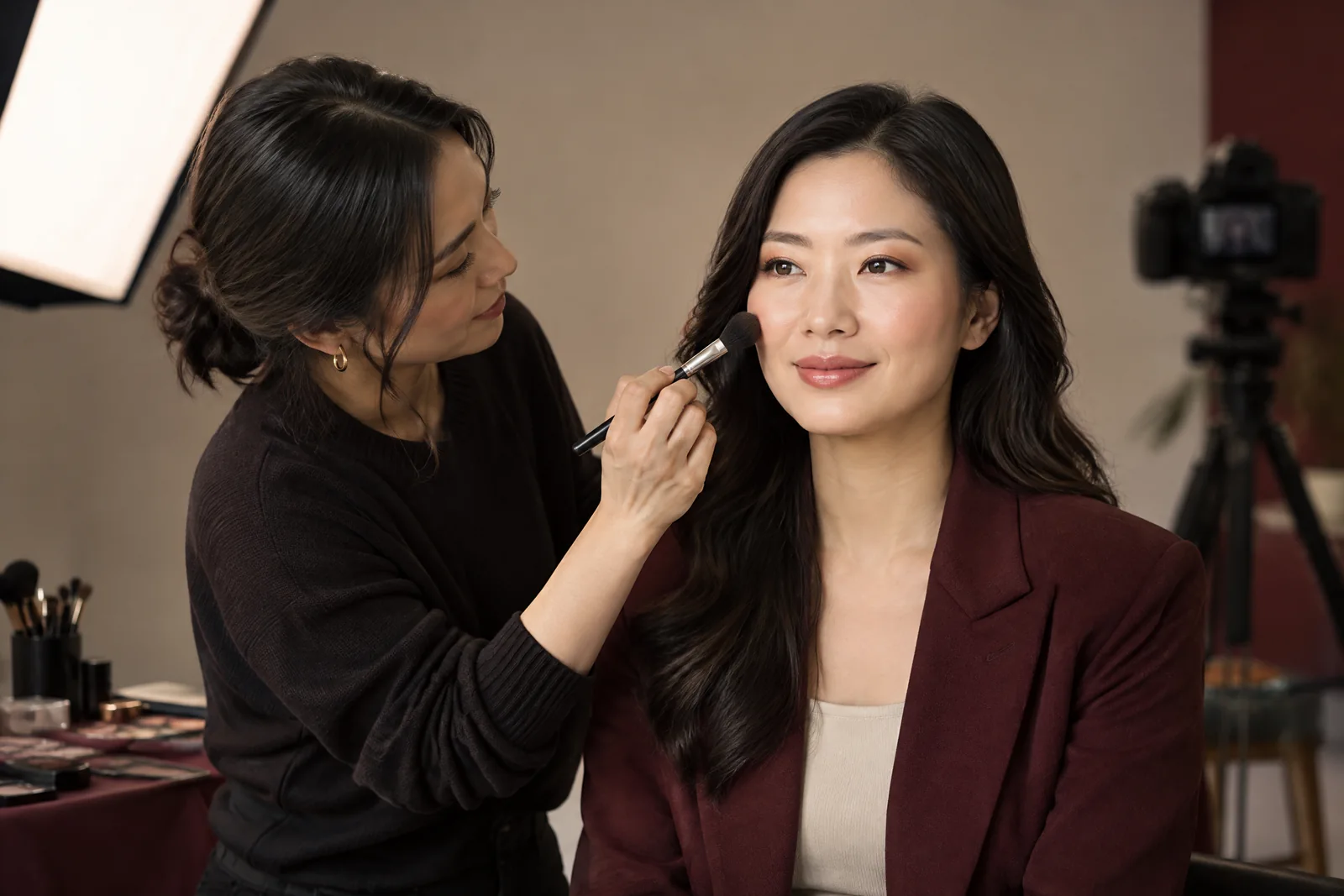
At a glance
makeup continuity product campaign
A makeup continuity product campaign consultation uses scene order, reference records and touch-up checkpoints to keep makeup consistent between production, talent and camera. The consultation clarifies before-and-after direction, acceptable variation in skin texture and lighting, and realistic checkpoints so looks read coherently across shots. It sets clear expectations about what continuity support is covered within the agreed production scope.
01
Makeup continuity product campaign planning before the first take
makeup continuity product campaign
Begin continuity work by agreeing a visual baseline: target finish (matte, dewy, satin), colour temperature preferences, and the level of skin retouching anticipated in post-production. Early alignment prevents last-minute surprises when a director requests a slightly different texture or the photographer alters lighting. Make-up continuity product campaign planning uses scene order, reference records and touch-up timing to support consistent communication.
The baseline is captured in practical assets: a short brief, a labelled mood board, and two or three initial reference images taken on-set or in a controlled test. These images should be taken with the cameras and lighting intended for the shoot, where possible, because phone pictures alone rarely capture the subtleties that matter for close-ups. Agree who controls distribution of those references so wardrobe, hair and camera can all work to the same target.
Use the baseline to set tolerances for natural variation: slight shifts in skin texture, catchlights and micro-shadowing are normal and usually corrected in editing. Clarify beforehand whether the client expects untouched continuity across all frames or accepts workstation-level corrections between takes. That conversation frames what the continuity role will actively manage during the day and what remains the responsibility of photography or post-production.
For a closer comparison, consider product campaign makeup artist
02
Face charts, reference images and look notes — a product campaign consultation for before-and-after direction
A product campaign consultation is a brief, not a promise of identical results
Face charts and annotated reference images are the most reliable communication tools for a makeup continuity product campaign: they record product names, application order, coverage levels and specific placement notes for highlights and shadows. Include close-up details of brows, lashes and lips so assistants and replacement artists can reproduce the essentials if a second artist steps in.
Get written permission to share any talent imagery used as reference. Model consent and privacy considerations must be respected and recorded before distributing images to hair, camera or retouch teams. When a celebrity or influencer is involved, confirm distribution limits — sometimes stakeholders will permit on-set sharing but not wider circulation.
A product campaign consultation clarifies before-and-after direction: whether the campaign intends a subtle improvement or a pronounced transformation and how much post-production is anticipated. It’s a consultation note, not a warranty; even with consistent application, changes in camera lenses, lighting setups and skin settling between takes mean results will not be pixel-identical across every shot.
Match your plans with commercial advertising makeup
03
Reference records and production communication that support consistency — Preparing before-and-after visual references with care
Preparing before-and-after visual references with care
Create structured reference records: a primary reference image, two alternate lighting references, and a swap sheet describing small look variations. Each reference should state the capture settings where possible (lighting type, distance, angle) and list the exact product shades and batch notes when product appearance matters to the brief. This reduces guesswork when matching skin tone under varied lighting.
Keep records concise and accessible. A single-page look note that fits into the makeup kit and a digital folder for the day’s production reduces on-set confusion. Use labelled folders for ‘before’, ‘hero’, and ‘after’ looks so stylists and camera can instantly find the correct visual goal for continuity checks.
When a before-and-after comparison is planned for advertising, decide how the two images will be shot and cropped. Small framing shifts or changes in subject posture can suggest different outcomes even when the makeup is consistent. Communicate cropping preferences with the photographer during the consultation so the intended comparison reads honestly and clearly.
You may also find it useful to compare product shoot makeup quote
04
Align scene order, product application and planned look changes
A product campaign consultation is a brief, not a promise of identical results
A sensible scene order reduces unnecessary rework: plan all looks from least to most dramatic or arrange sequences to minimise product layering that is difficult to remove. For example, when a campaign includes a natural ‘before’ and an enhanced ‘after’, schedule the ‘before’ scenes first and reserve heavier makeup for later. This limits repeated full cleans and preserves skin comfort for the talent.
Discuss product application steps explicitly: what primer, foundation and setting methods will be used and when mattifying or dewy spray is applied. Where removable eyelid techniques or brow shaping help balance asymmetry, show how those removables are fitted and removed in the schedule. Removable techniques are temporary and cosmetic — they are not medical procedures and should be recorded as such in the continuity notes.
Sequence alignment should also consider wardrobe and hair changes; a heavy hairstyle can obscure certain facial details and affect how a look reads. If a wardrobe change precedes a close-up, plan a final touch-up checkpoint right before the shot. This saves time and ensures that the product campaign continuity remains coherent across the whole shooting day.
For another approach, explore clean beauty makeup artist Hong Kong
05
Plan touch-up checkpoints around close-ups and before-and-after sequences
Starting makeup continuity product campaign conversations early
Identify critical frames — close-ups, product applications in hand, or the exact before-and-after split — and schedule touch-up checkpoints around them. These checkpoints are brief, focused moments where the continuity artist checks foundation coverage, lip crispness and brow symmetry. For high-resolution work, a ten-minute touch at a checkpoint can prevent noticeable drift between scenes.
Build redundancy into the team: appoint at least one continuity-trained assistant to run look checks while the lead artist oversees multiple scenes. A clear checkpoint timetable stops the day from bottlenecking around the lead artist and enables quick fixes when the photographer wants an extra angle or an additional take.
Makeup continuity product campaign planning should also anticipate environmental factors like humidity and temperature that affect product wear. Note expected conditions on the look sheet and carry contingency products — blotting papers, setting sprays and compact powders — to restore the baseline quickly at each checkpoint without changing the intended finish.
Before deciding, take a look at Makeup Services
06
Separate makeup continuity from photography, editing and product claims — Review what support is practical within the agreed production scope
A product campaign consultation is a brief, not a promise of identical results
Makeup continuity focuses on visual consistency at the point of capture. It does not extend to photography choices, editing decisions or claims about product performance unless these are contracted as additional services. Discuss where responsibility lies for final image colour grading or texture smoothing so all parties understand boundaries before work begins.
During consultation, note any post-production intentions revealed by the client. If significant retouching is planned, continuity priorities shift: the artist must ensure even base application and documented references rather than attempting to match a retouch-free look across all frames. When product claims (for example, a formula that reduces redness) appear in marketing copy, separate scientific performance claims from the visual continuity brief and advise the client accordingly.
At BigDeal Make Up we will review what continuity support is practical within the agreed production scope and then confirm the tasks we can perform on the day. Consultation outcomes are recorded in the day sheet and shared with the production coordinator so there is no misunderstanding about what the makeup continuity effort will and will not deliver.
07
Planning the before-and-after narrative for product imagery
Practical choices that make a comparison honest and repeatable
When a campaign will show a visible transition, clear decisions about how the ‘before’ and ‘after’ are captured avoid misleading comparisons and produce usable creative. Agree whether the ‘before’ is a true skin state (no corrective base) or a lightly prepped face; decide lens focal length, framing and subject posture so that both images are comparable. Small shifts in pose, cropping or lighting can imply a stronger change than the makeup itself, so record those choices on the look sheet and capture matching reference frames for both stages.
Documenting product names, application sequence and removal steps matters when the brief requests a staged transformation. For an effective makeup for before and after campaign, list every primer, foundation shade, concealer placement and finishing spray used in both stages. Include notes about removable eyelid techniques or brow balancing used to address asymmetry; these are temporary cosmetic aids and should be logged precisely so assistants or replacement artists can reproduce the effect without improvisation.
Schedule the shoot order to protect skin comfort and continuity: shoot the authentic ‘before’ frames first, then proceed to the enhanced ‘after’ looks to avoid repeated full cleans. Include touch-up checkpoints around the hero after shots so pigment, lip crispness and brow shape remain consistent across extra takes. These checkpoints, together with matched capture settings, are the practical foundation for a responsible, repeatable before-and-after narrative.
Style references
Related makeup style illustrations
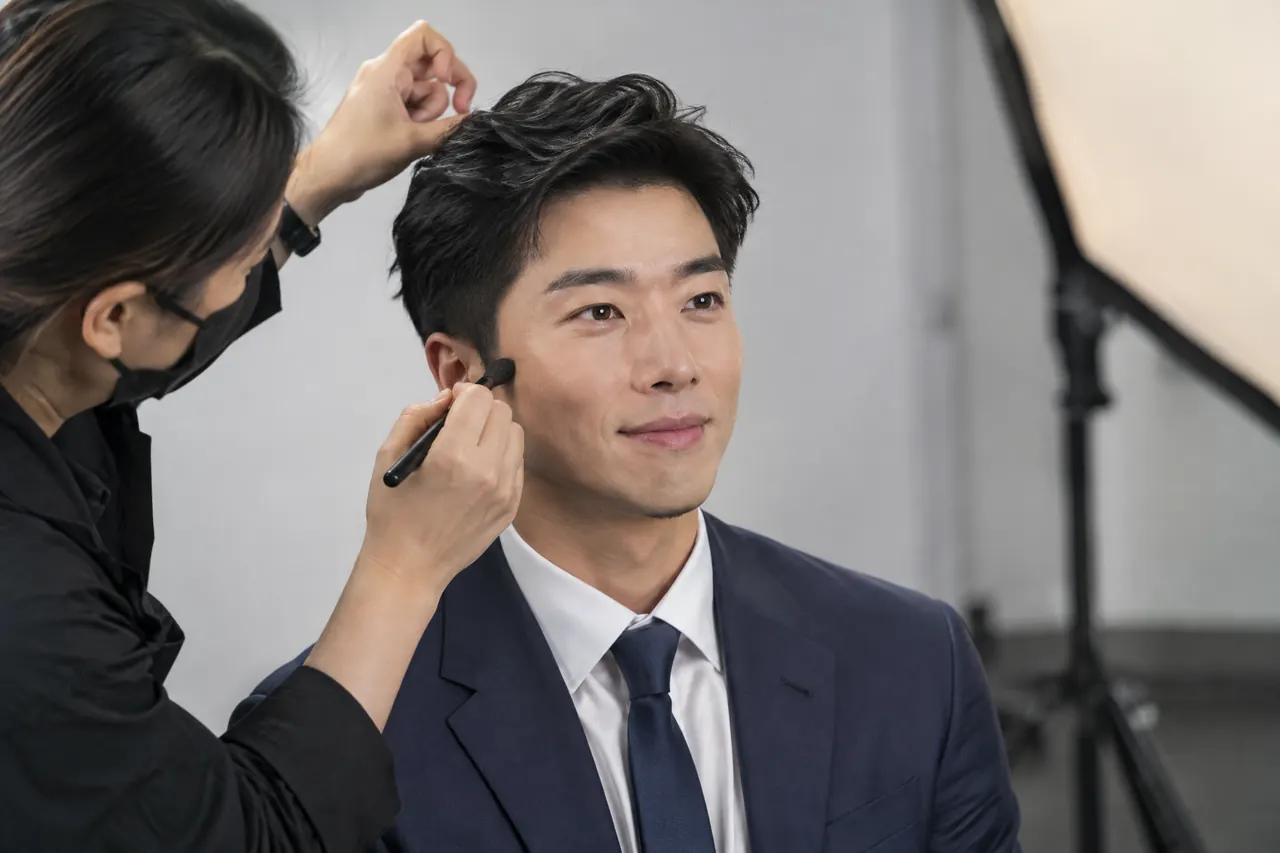
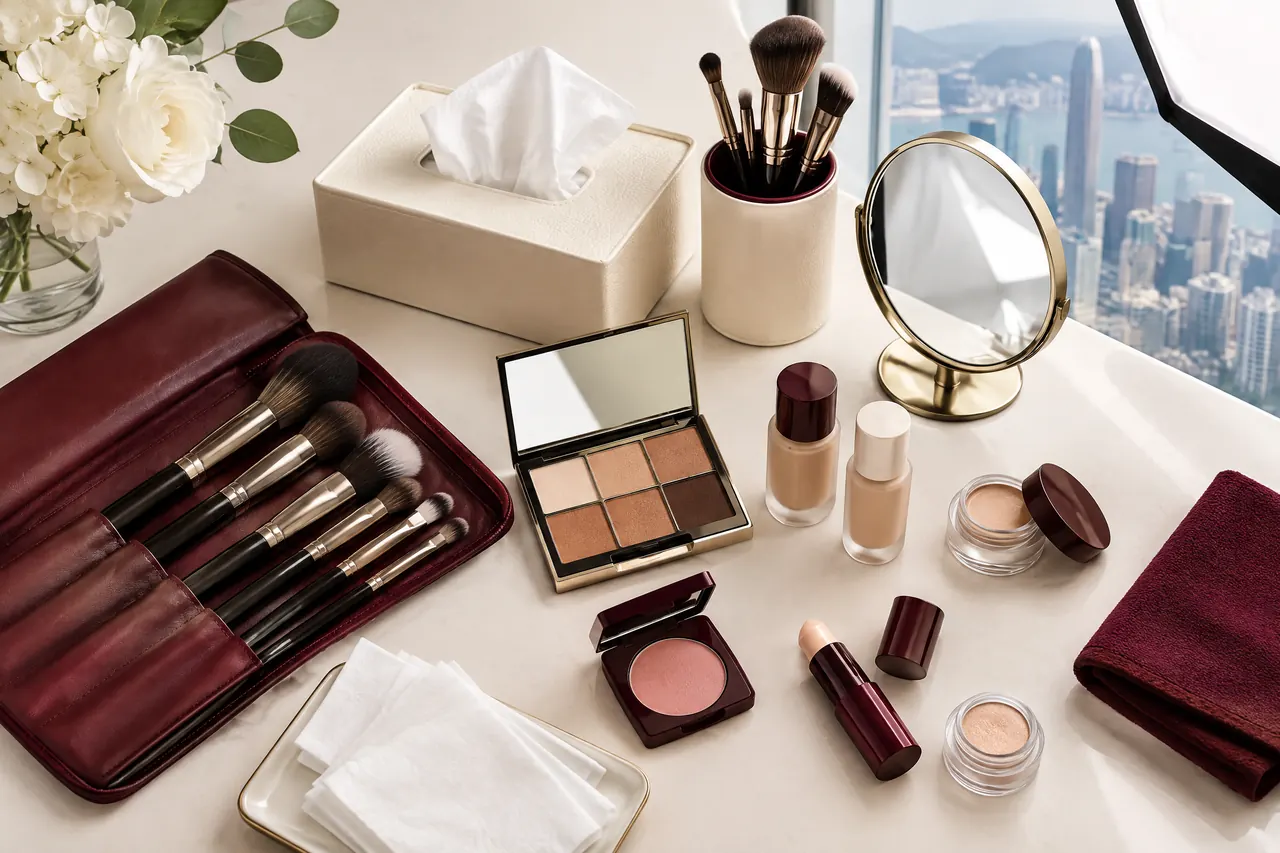
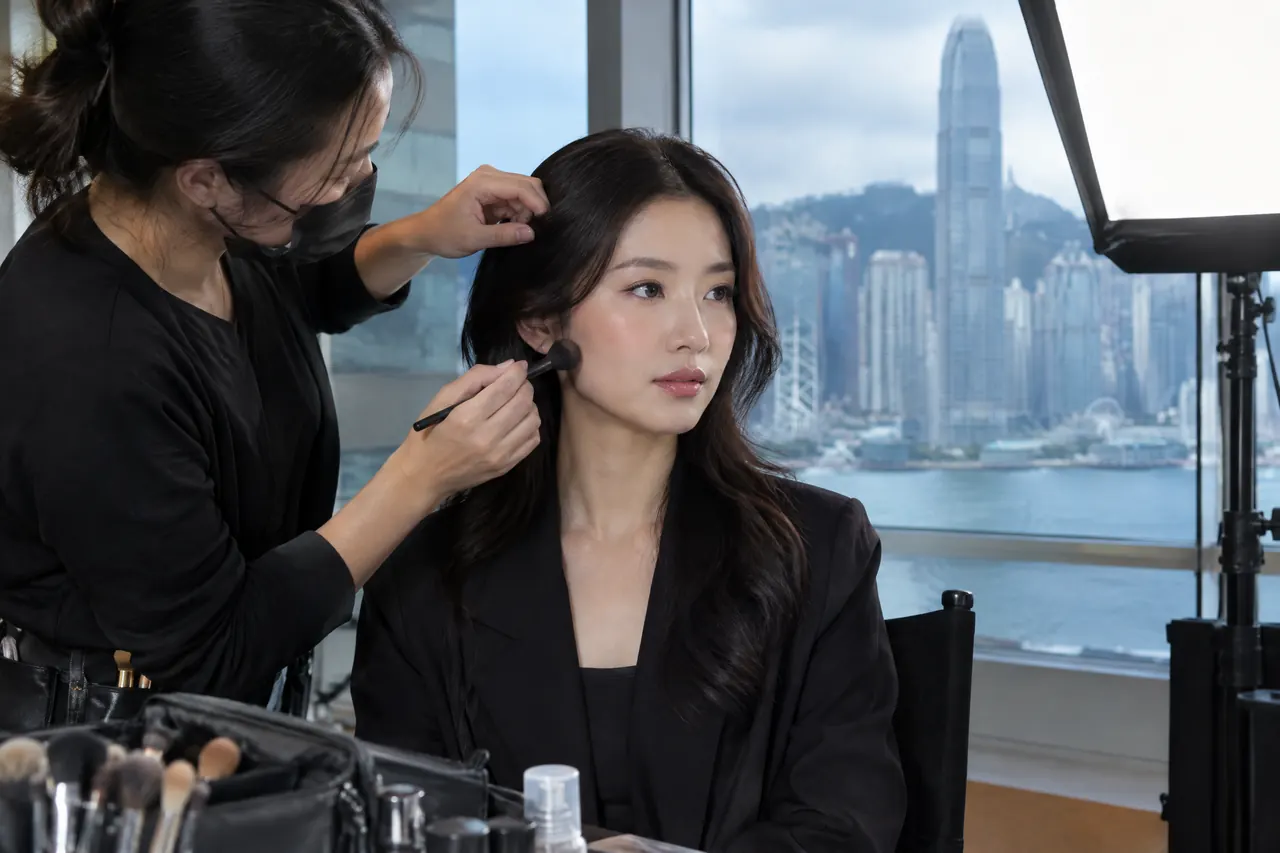



Sample continuity reference sheet layout for on-set quick checks
| Reference element | What to record | Why it matters |
|---|---|---|
| Primary reference image | High-resolution hero shot, lighting notes, camera/ lens info | Defines the main visual target for skin finish and colour |
| Alternate lighting images | Soft-light and hard-light variants with capture settings | Shows how the look should translate under different setups |
| Product and application notes | Exact product names, shades, sequence and application tools | Allows assistants to reproduce or refresh the look reliably |
| Touch-up checkpoint plan | Times, locations and responsible artist/assistant | Prevents drift and allocates responsibility for mid-day fixes |
| Permission and distribution log | Consent for reference images and authorised recipients | Protects model privacy and clarifies who may use the references |
Helpful answers
Frequently asked questions
What does a makeup continuity product campaign consultation include?
A consultation covers the visual baseline, reference record formats, scene order advice and a touch-up checkpoint plan. We discuss product application notes, who will hold and distribute reference images, and which continuity tasks fall within the booked production scope.
Can you guarantee identical before-and-after photos for every frame?
No. Identical pixel-level results cannot be guaranteed because lighting, camera settings, lens choice and skin settling vary. The consultation reduces unwanted variation by aligning scene order, touch-up timing and supplying clear reference records. Photography and post-production choices also influence the final appearance and are separate from continuity duties unless explicitly contracted.
How is model privacy and permission handled for reference images?
We secure written permission before sharing model images and keep a distribution log stating who may view or use the references. Any circulation limits requested by the client are recorded on the look sheet to protect talent privacy and respect stakeholder constraints.
Does continuity include product-performance testing or claims verification?
No. Continuity checks visual consistency during capture; product-performance testing and claims verification are separate and should be documented and validated by the brand or an independent laboratory. For regulatory guidance, clients should consult the relevant HKSAR Government information independently.
What if the shoot environment affects the makeup?
We plan for environmental contingencies during the consultation and suggest appropriate products and scheduled touch-ups. Contingency items such as blotting papers, setting sprays and compact powders help restore the agreed visual baseline quickly without changing the intended look.
Who signs off the final continuity plan on the day?
Typically the production coordinator or art director signs off on the continuity plan alongside the lead makeup artist. The sign-off confirms scene order, checkpoint times and reference distribution. BigDeal Make Up records the agreed plan on the day sheet so there is a clear record of what continuity support was authorised.
How do you prepare for a makeup for before and after campaign to ensure a fair comparison?
Decide the exact state of the ‘before’ image (no base, light base or specific corrections) and record camera settings, pose and cropping. Use matched lighting references and a written product and application log. Capture a primary reference for both the before and after frames so retouches and cropping cannot alter the perceived outcome. Consent and distribution limits for talent imagery should be recorded before sharing references.
Ready to discuss it?
Book a production-day continuity review
Tell us what you are planning, and we will help clarify the service or lesson details that matter for your enquiry.
From the makeup blog