

At a glance
Start with the outcome you need, then compare the actual appointment rather than its promotional label. A quick product application may suit shade exploration, while event styling needs a firmer timeline and defined finish. Product preferences and sensitivity information matter before makeup begins. Written terms make scope, changes and follow-up easier to understand. Use the same questions for each option, then choose the arrangement that supports your occasion without assuming unlisted inclusions.
Start with the makeup offer comparison checklist
Define the makeup offer comparison checklist outcome
Begin with one plain question: what must this makeup arrangement help you do? A counter demonstration, an event-ready look and a learning session have different purposes. The phrase complimentary makeup service Hong Kong can describe several arrangements, so ask what activity is actually offered. Note whether you need product discovery, a finished look, practice guidance or a decision before an occasion. This keeps a pleasant promotion from becoming an unsuitable substitute for a planned appointment.
Next, write the occasion, ready-by time, location and desired finish in one short note. Add any wardrobe, glasses, photography or weather considerations that may affect the decision. This note becomes a fair comparison tool because every provider receives the same starting information. It also prevents you from comparing a short application with a longer service as though they deliver identical outcomes. Scope should answer the need, not merely sound attractive in a headline.
Separate the offer into three possible types before asking further questions. A demonstration commonly explores selected products and application choices. A purchase-linked arrangement may depend on a stated transaction or product selection. A paid service usually needs its own confirmation of time, finish and inclusions. These categories can overlap, so never infer details from the label alone. Record what is confirmed, what is conditional and what still needs a written answer.
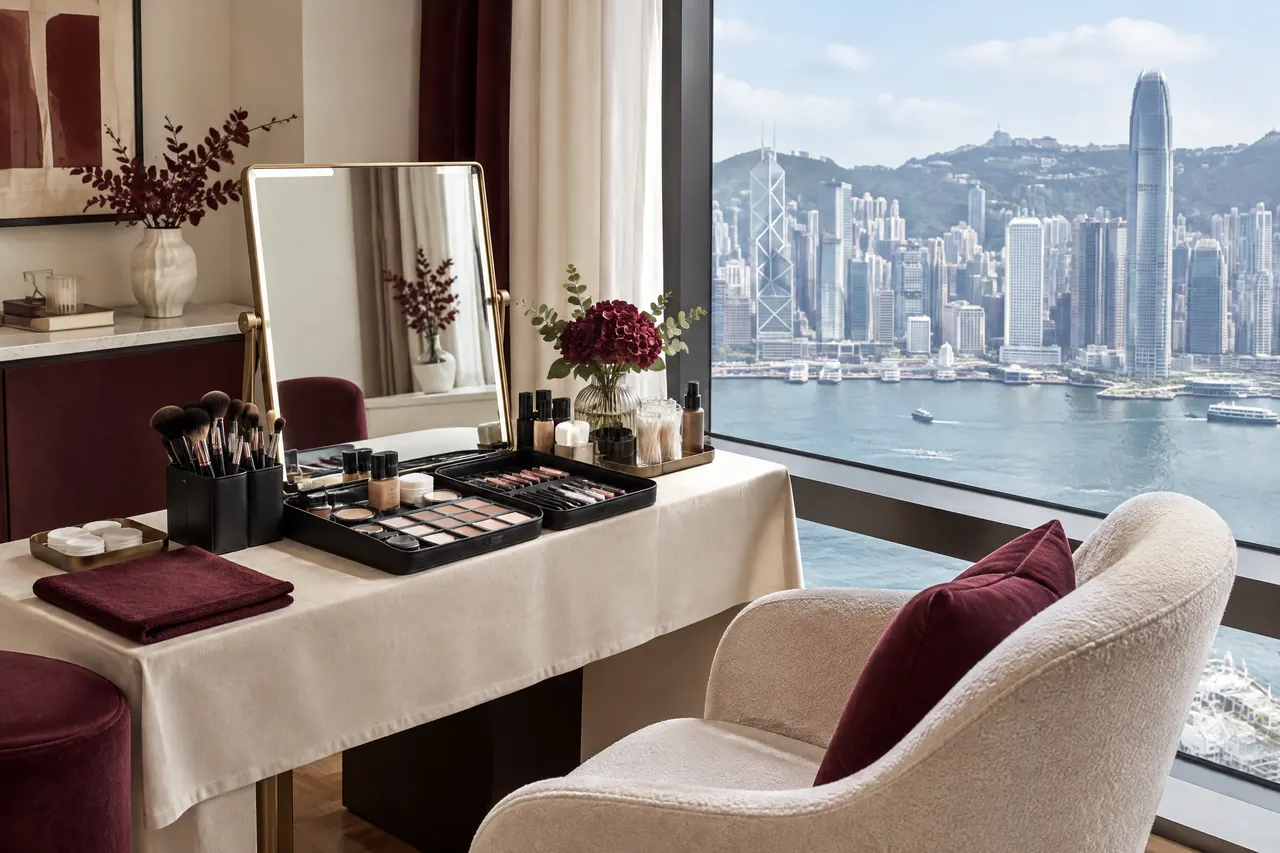
Compare scope before promotional labels
Use a like-for-like comparison for the parts you genuinely need. The Makeup Services overview can help distinguish a single look, trial or longer on-site arrangement. Ask whether hair, lashes, touch-ups, travel or a second look are included, excluded or subject to confirmation. Do not treat an illustration, product display or suggested look as an inclusion. A clear scope tells you what can be planned, rather than what might be possible after arrival.
Duration deserves the same attention as the finish. Ask when the session starts, when it should finish, and what happens if your schedule changes. A product consultation may reasonably be brief, while an occasion look needs enough time for preparation and final checks. Clarify whether the offer covers one person only and whether a companion can receive advice. These questions make it easier to compare a concise appointment with a service requiring more coordination.
Use the table as a prompt, not as a rulebook. A provider may structure an offer differently, and written confirmation controls the actual arrangement. The useful comparison is between your required outcome and the confirmed scope. Leave blank any item that is not yet answered. An unanswered point is not a benefit, even if an advertisement uses broad language. Record it for follow-up.
| Comparison point | Question to ask | Why it matters |
|---|---|---|
| Purpose | Is this exploration, an occasion look, or practical guidance? | The answer sets a fair expectation for the session. |
| Scope | Which steps, products, people and follow-up are confirmed? | It separates included work from assumptions. |
| Hygiene and products | How can I share preferences or sensitivity information? | Early details support a more informed choice. |
| Timing and terms | What time, place and conditions apply in writing? | Your schedule and decision remain easier to manage. |
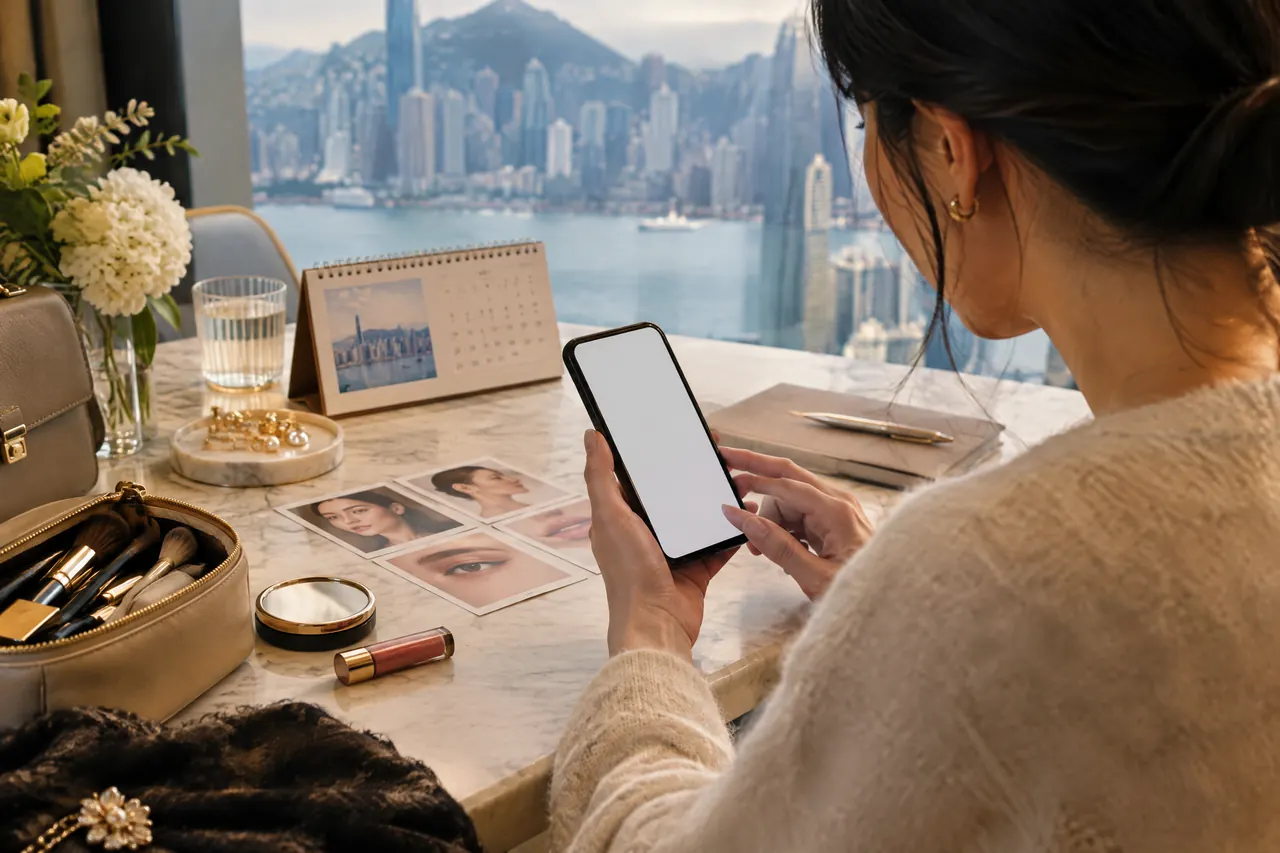
Check hygiene, products and sensitivity information
Ask how products and tools will be handled for your appointment, especially around eyes and lips. If you have had a reaction, describe it clearly and share relevant product information early. The British Association of Dermatologists says patch testing is a specialist dermatology procedure for contact allergy. It may include cosmetics and personal toiletries among tested substances. A makeup offer is not a substitute for clinical assessment or a diagnosis. [1] [1]
Bring a concise list of products you already avoid, plus photographs of labels where helpful. Ask whether you can see the product names and ingredients before use. The same dermatology guidance advises patients to bring products and packaging showing listed ingredients to a patch-test clinic. That supports a practical booking habit: accurate packaging information is more useful than a vague product description. [1]
Do not rely on a claim such as suitable for everyone. Ask what can be confirmed about the products used during the arrangement. Explain contact-lens use, fragrance concerns or a current irritation without expecting a provider to make medical decisions. You can then decide whether to postpone, seek healthcare advice, or pursue a different option. Clear disclosure protects your comfort and avoids last-minute assumptions.
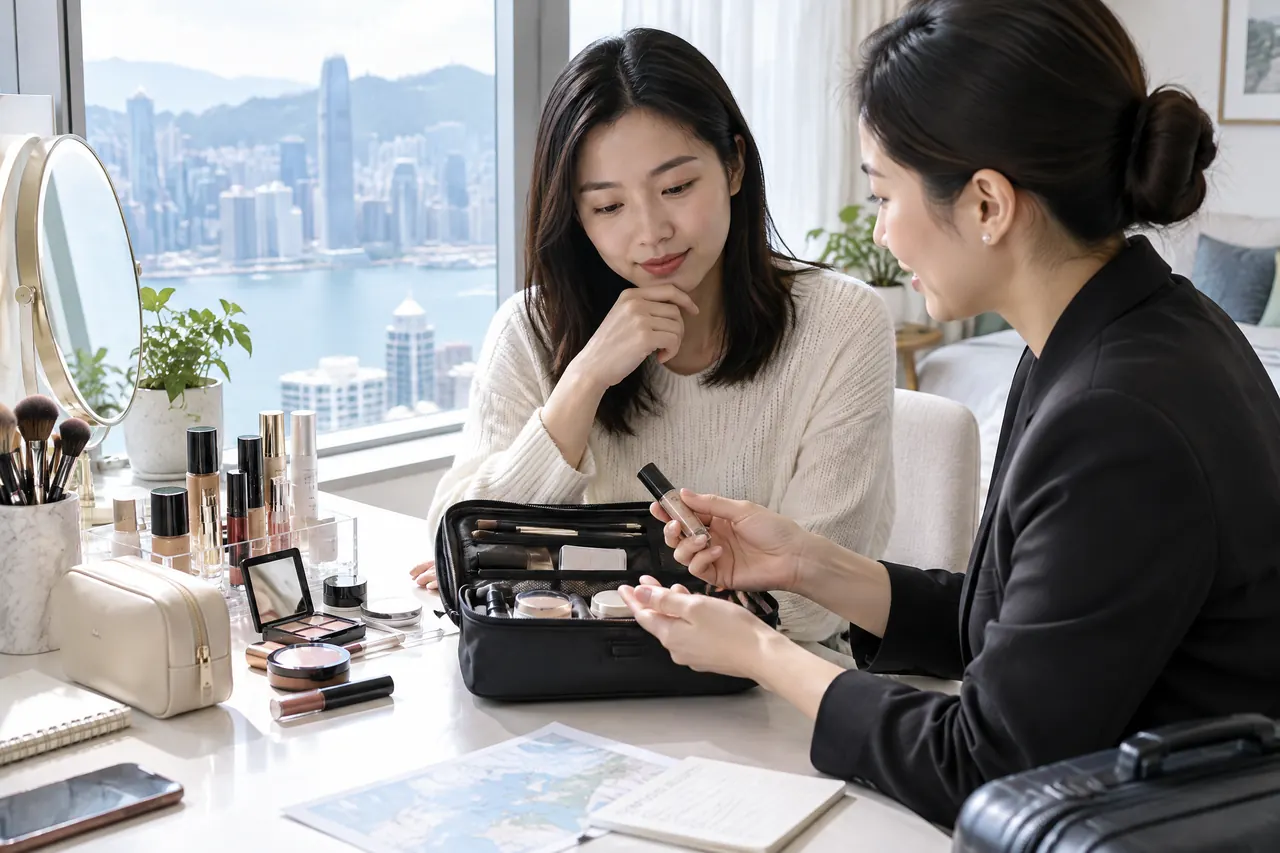
Match timing and place to the occasion
For a dinner, celebration or photograph, start with the time you must be ready rather than the event start. The Party and Occasion Makeup guide uses the same practical approach: work backwards from venue arrival and allow for travel. Ask whether the offer is available at the relevant place. Also ask whether it only applies at a particular counter or setting. A suitable finish still fails the comparison if the timing cannot support your actual departure.
Check the sequence around clothing, hair, accessories and transport. A high neckline may be easier to put on before makeup, while a loose button-front top can reduce disturbance afterwards. These are planning choices, not universal rules, so follow your own wardrobe and comfort needs. If you expect photographs, allow a few quiet minutes for a mirror check in the intended light. This is more realistic than scheduling every minute for application alone.
Ask about arrival windows, waiting time and any changes to the ready-by goal. A short offer may have less room for adjustment than a confirmed event service. If location details are uncertain, do not assume travel, venue access or a later touch-up are included. Put the date, district, venue type and required finish in your enquiry. Then compare responses on the same practical basis rather than on promotional wording.
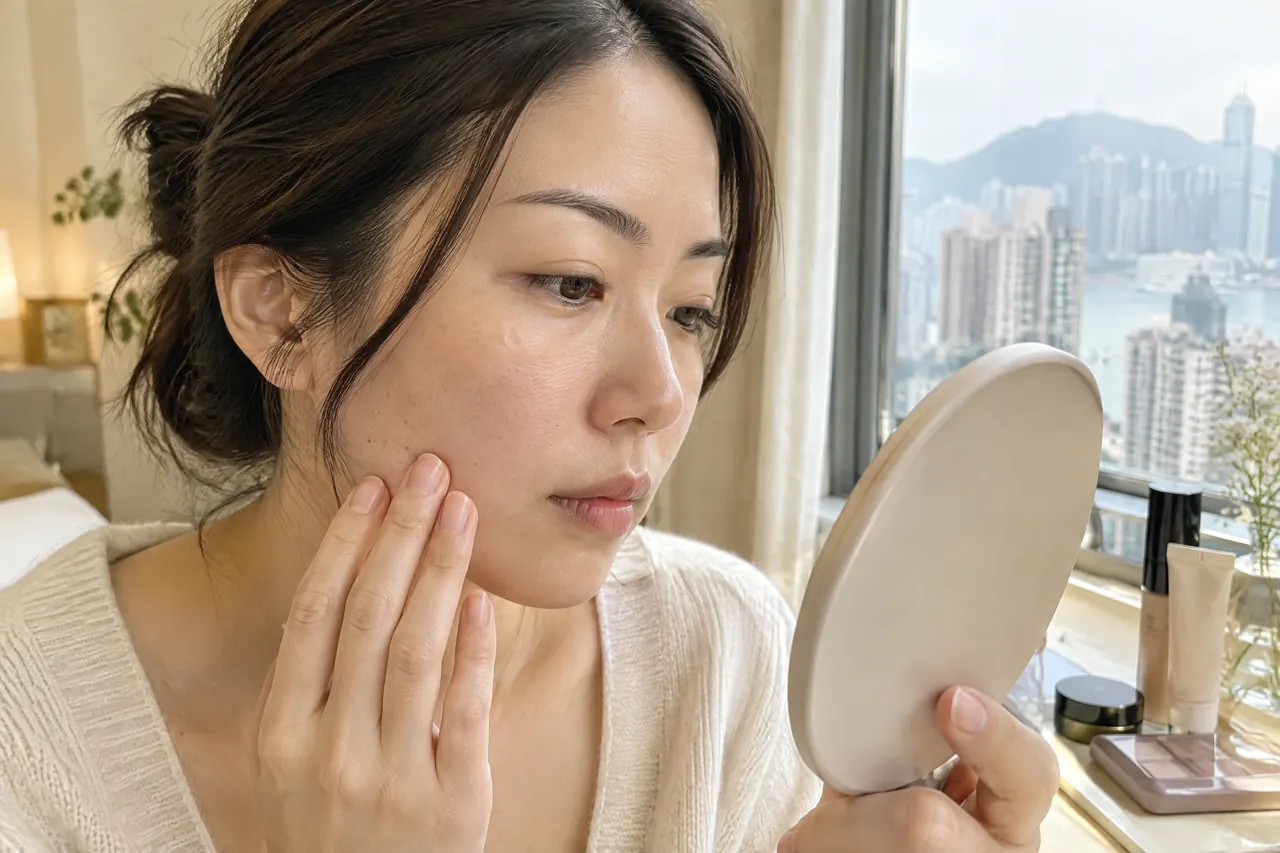
Read written terms before accepting an offer
Written terms are where a promising offer becomes understandable. Ask for the appointment purpose, conditions, confirmed timing and changes in a message you can keep. Hong Kong's Consumer Goods Safety Ordinance applies a general safety requirement to supplied consumer goods. Government guidance also notes that relevant warning labels must appear in English and Chinese. Read the product instructions and warnings that apply to your use. [2] [2]
Look for conditions that change the arrangement, such as a purchase requirement, limited product range or a fixed appointment length. Also ask what happens if the chosen item is unavailable or the event details change. Terms should clarify the point of the offer, not create hidden pressure to accept an unsuitable choice. If a detail matters to your decision, request it in writing. A verbal impression is harder to compare later.
Keep your notes factual and short. List the date, location, intended look, products discussed and any agreed follow-up. If you decide not to continue, you still have a useful record for another enquiry. This simple habit reduces confusion when several offers use similar names. It also helps you distinguish a confirmed arrangement from a general invitation to explore products. Keep it available when comparing later.
Judge technique choices against your real need
Use the makeup offer comparison checklist for techniques
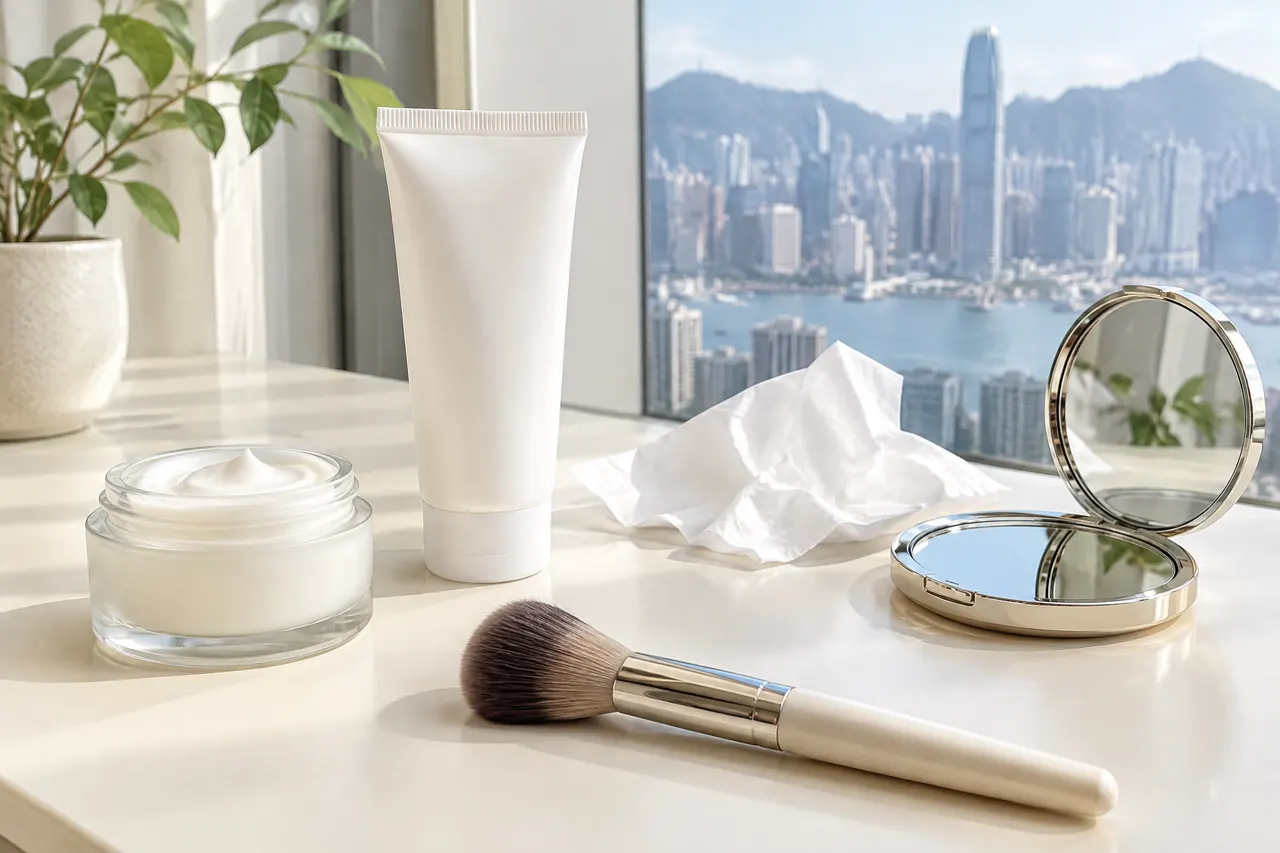
Technique should support the occasion rather than dominate the comparison. The Makeup Techniques guide explains temporary visual adjustments. These include choices about base finish, brows and eye balance. Discuss the finish you want in ordinary language, including natural, defined or more polished. Then ask whether the offer leaves enough time for that direction. Never assume a product demonstration will recreate a detailed event look.
Bring one or two reference images that show a finish or colour mood. Say what you like about each image, such as softer brows, a satin base or a stronger lip. Avoid treating another person's face as a fixed template for yours. Good communication focuses on the visible effect you prefer and the context where it will be worn. This gives the provider a clearer starting point without promising an identical result.
Compare technique flexibility with the products and time confirmed for the offer. A limited range can still be useful when your goal is narrow and clearly stated. A more tailored outcome may require a different appointment structure. The practical question is whether the available process matches your priority. Choose clarity over a long list of possible effects that are not part of the confirmed arrangement.
Make a decision you can explain clearly
Review your notes after each enquiry using the same headings: purpose, scope, hygiene information, timing, products and written terms. Mark each heading as confirmed, conditional or unanswered. This approach avoids rewarding the option with the most flattering language. It instead highlights the option that gives you usable information for your specific occasion. A transparent answer can be more valuable than an expansive offer with uncertain details.
Choose a demonstration when you mainly want to explore products or colours. Choose a purchase-linked arrangement only when its condition and practical value are clear to you. Choose a confirmed service when you need a defined look, a ready-by time and agreed logistics. None of these choices is universally superior. The suitable option depends on the task, the level of certainty you need and the information supplied.
Before confirming, send one final message summarising your understanding. State the purpose, date, timing, location, intended finish and any product concerns. Ask the provider to correct anything that is incomplete. This is courteous and reduces avoidable mismatches. It also leaves you with a simple decision record. That record helps with future enquiries when an offer or event plan later changes.
- Name the occasion and the exact ready-by time before comparing any offer.
- Ask for confirmed scope, including any excluded elements or conditions.
- Share relevant product preferences or past reactions before application begins.
- Check location, travel and waiting arrangements against your actual schedule.
- Keep the key terms and agreed details in one written message.
- Choose only after unanswered questions have been resolved or accepted.
Key takeaway
A compelling label is not a useful comparison point by itself. Product exploration can be valuable, but it may not deliver event-ready timing or scope. A paid arrangement may offer clearer logistics, yet only confirmed details count. Choose the option that matches your purpose and makes hygiene, products, timing and terms understandable before you commit.
Practical checklist
- Write your occasion, venue and ready-by time in one note.
- State whether you need product exploration, practical guidance or an event look.
- Ask which products, steps and follow-up are confirmed in the offer.
- Share relevant preferences and concerns before any makeup is applied.
- Check the conditions, location and timing in a written message.
- Compare only the confirmed details, then choose the suitable arrangement.
Frequently asked questions
Is a complimentary makeup offer the same as an event booking?
No. A complimentary offer may be a product demonstration, while an event booking usually needs clearer timing and scope. Ask what finished result, products, duration and follow-up are confirmed. Compare the written answer with your ready-by requirement before deciding.
Should I bring my own products to an offer?
Bring a brief list or photographs when a product preference, prior reaction or shade question matters. Ask first whether personal items can be considered. Product packaging can provide clearer ingredient information than memory alone. Do not expect an offer to replace healthcare advice.
What should be written down before I accept?
Keep the date, time, place, purpose, confirmed scope and any offer conditions in one message. Include the intended finish and important product concerns. Written details make later comparison easier. They also reveal which points remain conditional or unanswered.
How do I compare two offers with different lengths?
Compare their intended outcomes before comparing minutes. A shorter demonstration may suit shade exploration, while occasion planning needs preparation and a final check. Ask what each duration covers. Then decide whether its confirmed sequence fits your schedule and expectations.
Can an offer guarantee a particular makeup result?
No arrangement should be assumed to guarantee a result. Faces, preferences, product availability and available time vary. Describe the finish you want, share references and ask what is realistically included. Choose the option with the clearest communication about your specific need.
Sources
| Source | What it supports |
|---|---|
| Patch Testing | British Association of Dermatologists | Patch testing is a specialist dermatology procedure that can investigate contact allergy, including reactions connected with cosmetics and personal toiletries. |
| LCQ8: Safety of cosmetic products | Hong Kong Government | Hong Kong Government guidance explains the general safety requirement for consumer goods and bilingual presentation of applicable caution and warning labels. |
Discuss your own makeup plans
Send your occasion, ready-by time and desired finish to BigDeal Make Up on WhatsApp +852 6918 3153 for guidance.
Ask on WhatsApp +852 6918 3153