
At a glance
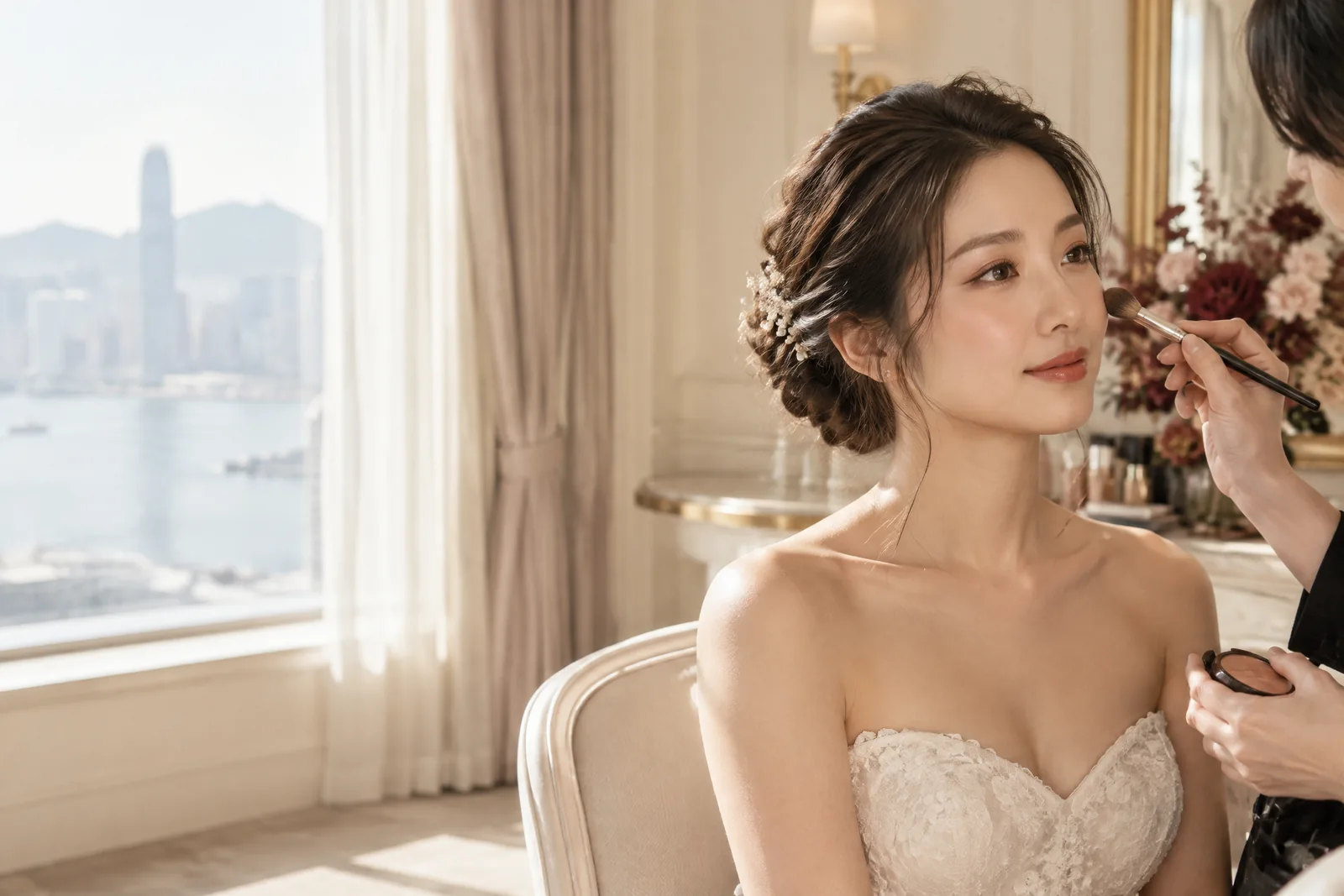
Choose construction by asking which zones are open, covered or designed for a particular parting. Then test the exact look with your clothing and accessories, using light makeup layers that you can refresh. Keep the questions practical: what sits at the crown, what touches the perimeter, how does the hair move, and what will you do if the day feels warmer than the trial?
Breathable wig cap styling starts with the ceremony
A repeatable plan for breathable wig cap styling
Begin with the moments that matter most: travel to the venue, dressing, portraits, greetings and any outfit change. Those moments decide whether you need an updo, a down style, a fixed part or room for a headpiece. Write them in order before comparing cap descriptions. A clear plan prevents a beautiful reference image from becoming the only decision. It also gives your stylist useful limits, such as where the neckline ends and when you can. pause for a touch-up.
Bring the dress or a close neckline substitute to the trial whenever possible. A high collar, bare shoulders and a structured sleeve each change where hair volume looks balanced. For portrait planning, review the practical choices in bridal makeup pre-wedding shoot before deciding how much hair. should sit near the face. Take one image facing a window and one in indoor light. The comparison makes shine, shadows and accessory placement easier to judge than a mirror alone.
Construction words should start a conversation, not end it. The guide to a breathable wig cap explains that airflow and comfort can vary with coverage, open. sections, density, fit and the wearer. Use that as a prompt to ask how the crown, sides, back and front are built. Do not assume that an open or lace-related word guarantees a particular sensation. Secure fit, your preferred part and the total look all deserve a separate check.
Set a modest trial target: comfort while sitting, standing, turning and smiling through a short photo sequence. Notice whether the hairline stays where you expect when you tilt your head. Notice whether clips, pins or accessories touch the same point repeatedly. If a choice needs constant correction during a calm rehearsal, simplify it before the ceremony. A small adjustment in volume or accessory position can be more valuable than adding another product.
Read cap construction descriptions by zone
Open areas and top areas answer different questions
Ask for the cap to be described in zones: front edge, parting area, crown, sides, back and perimeter. This separates what will be visible in a photograph from what sits beneath the bulk of the hair. A detailed answer is more useful than a broad label. It also lets you compare two styles fairly. For each zone, note what is stated, what you need for your preferred hairstyle, and what remains. unknown before you plan pins or a veil.
An open wefted wig cap is described by OwnStrand as rows of hair wefts with open sections,. while the layout may vary from one wig to another. That makes it sensible to ask where the rows and openings sit, and how the front and crown are finished. Do not treat open cap, capless and machine-made as complete diagrams. They may be used differently by sellers. For a ceremony, the exact zones matter more than a familiar shorthand.
A top description needs the same care. The parting zone may have different construction from the sides or back, so do not assume one. term describes the whole base. Ask how far the top feature extends, whether the proposed part is fixed or changeable, and whether. the front requires separate planning. Keep fibre, cap construction, fit and care as four distinct questions. Combining them into one vague request makes it hard to compare answers later.
Use this planning table as a personal decision record. Fill it in after you have seen the exact description and tried the intended hairstyle. If a seller cannot confirm a point that affects your ceremony look, mark it as open rather than guessing. That pause can stop the outfit, makeup and hair plan from being built around an assumption again.
| Decision area | What to confirm | Ceremony test | Useful outcome |
|---|---|---|---|
| Crown and part | Which zone supports the planned part | Check under window and indoor light | A part that suits the makeup framing |
| Sides and back | Where coverage or open sections sit | Turn, sit and lean against clothing | Less surprise during movement |
| Front edge | How the edge meets the chosen hairstyle | Photograph face-on and in profile | A deliberate hairline and accessory plan |
| Fit and anchors | Where pins, clips or adjustment points rest | Wear the full look for a short sequence | Security without repeated pressure |
Build hair, clothes and makeup as one test
Make the neckline and parting work together
Choose the clothing first when its neckline frames the face. A low back or bare shoulder can support more visible length. A high neck, collar or dramatic earring may call for cleaner space around the jaw. Place the intended part before judging blush or contour. Hair volume changes the apparent width of the face, and it can change how strong a lip colour feels. This is why a makeup trial without the planned hair shape can give incomplete feedback.
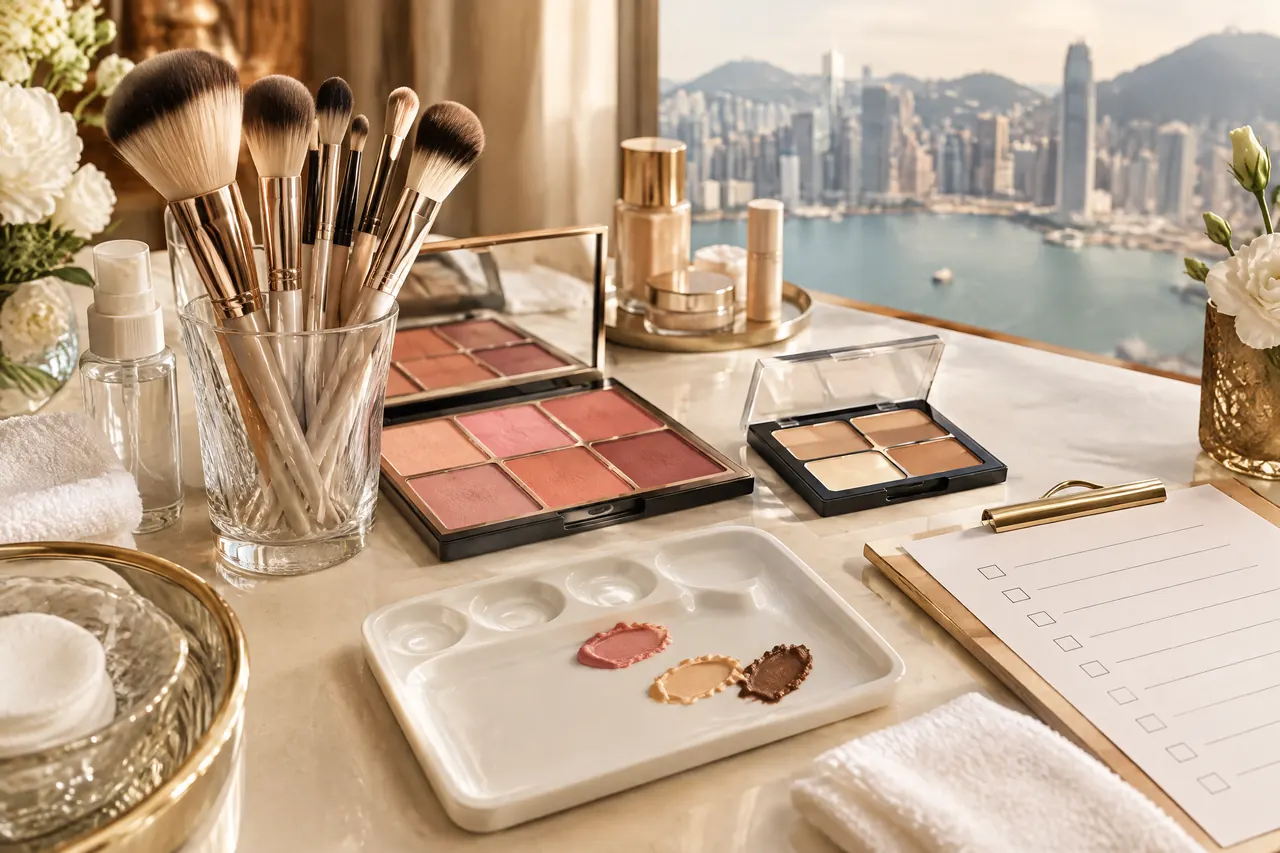
For a humid itinerary, build the complexion in thin, deliberate layers instead of trying to make every product work harder. The guidance on long-lasting makeup Hong Kong can help you map preparation, setting and a small touch-up routine. Keep the touch-up kit separate from hair tools. That avoids powder or loose pigment catching in the hair during a quick refresh. Photograph the finished look after several minutes, not only immediately after application.
Be careful when adding unfamiliar adhesives, fragranced hair products or a new cosmetic immediately before an event. The NHS explains that cosmetic ingredients, including preservatives, fragrances and hair dye, can be allergens in allergic contact dermatitis. That does not diagnose a reaction or identify a product for you. It supports the common-sense choice to test changes early and stop using a product if it causes. a problem, seeking clinical advice when appropriate. [1]
When testing, wear the same earrings, veil, collar, glasses or mask you expect to use. Turn from profile to three-quarter view and look for hooks, combs or edges that compete for the same space. Ask a friend to take still images at normal conversational distance. The useful result is not perfection under one lamp. It is a look that reads consistently when you move between the foyer, ceremony room and outdoor photographs.
Choose the parting plan before accessories
Treat the top and front as separate decisions
Decide which visual feature leads the look: a centre part, side part, swept fringe, soft volume or an accessory. Then make the accessory respond to that choice. A comb that presses exactly where the cap needs to sit is a planning issue, not a. reason to force the hairline lower. Mark the intended part in trial photographs. It gives you a reference when someone else helps with a quick refresh during the event.
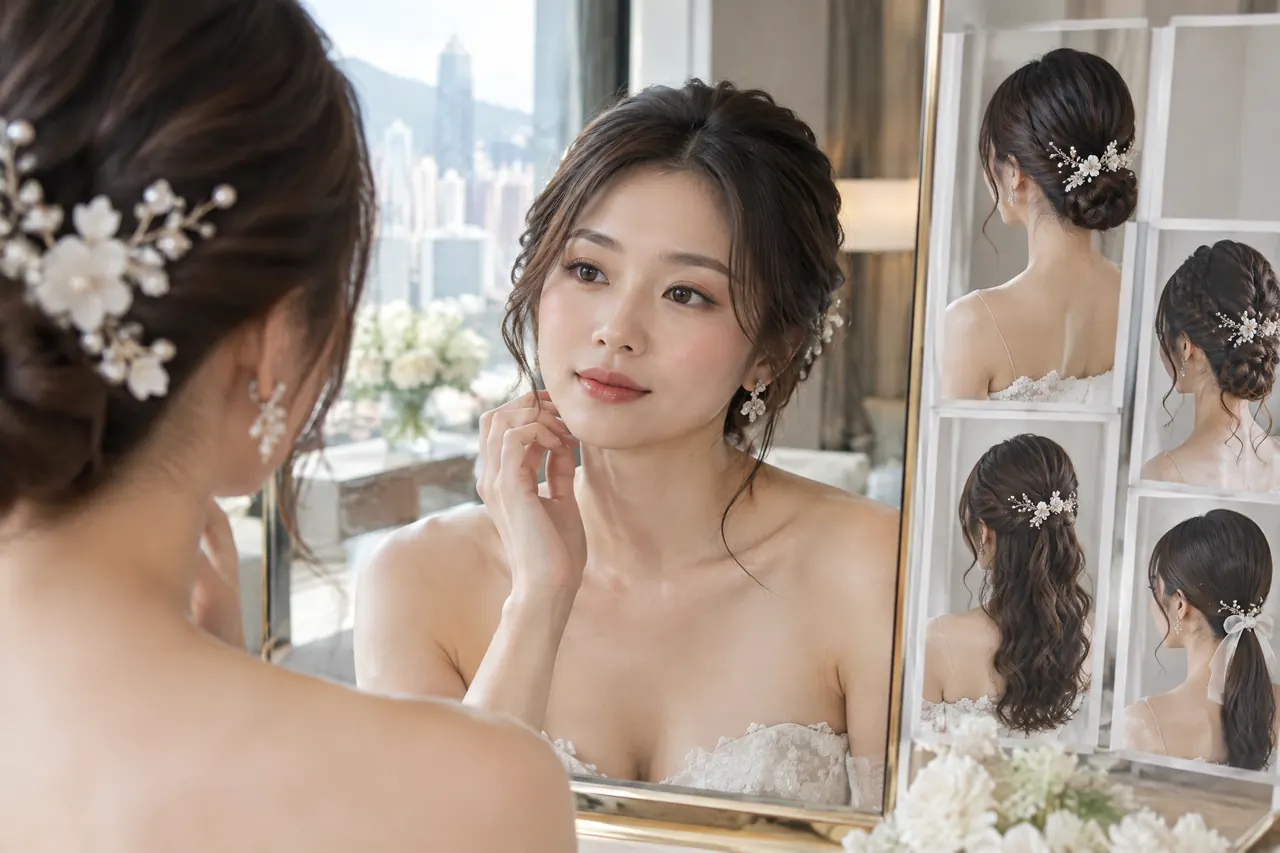
For veils, clips and decorative pins, show the whole headpiece at the trial rather than bringing only a close-up image. Check the weight and the direction in which it pulls. Ask for one gentle head turn, a look down and a smile. These small movements reveal whether an accessory catches the hair, moves the part or draws attention away from the makeup. Keep a simpler backup placement in case the first choice becomes uncomfortable.
A silk top wig is a top-construction term rather than a complete specification for every cap. OwnStrand advises checking what the maker states about the top, the visible parting and anything left unspecified. For your ceremony plan, ask whether the term applies to a defined parting area or a broader crown zone. Then ask separate questions about the front edge, the remaining cap and the part you want. Avoid filling gaps with another brand's terminology.
After choosing the part, take two reference images. Keep one close enough to show the front and another at full length with the outfit. The close image guides small corrections. The full-length image checks proportion, especially when sleeves, shoulders or a statement necklace are visible. Keep the same camera height for both. Changing the angle can make volume look different clearly.
Protect comfort during a long ceremony day
Secure the style without creating pain
Security should not mean persistent pulling. The American Academy of Dermatology advises avoiding frequent hairstyles that pull on hair and states that a. painful style is too tight. That advice is about hair and scalp care, not a diagnosis or a cap recommendation. Use it as a practical boundary at the trial. If a pin, elastic or accessory produces pain, stinging or ongoing tension, pause and change the setup. rather than hoping the feeling will disappear after makeup begins. [2]
Plan around transitions that can make a comfortable look feel different. Hong Kong ceremony days often move between transport, warm outdoor spaces and air-conditioned rooms. Keep a clean comb or wide-tooth tool, a mirror and any item-specific care tool where you can reach them. Avoid trying a heat tool, adhesive or treatment on the day unless its suitability is already confirmed. for the exact item. Last-minute experimentation makes a calm touch-up harder.
Tell your stylist which areas you prefer not to be touched after the final setting. This can include the front edge, a defined part or the place where an accessory anchors. A short, clear instruction reduces well-meant adjustments from several people. It also protects the makeup around the temples. If you need to remove or reposition anything, make space for clean hands and a proper mirror. rather than asking someone to correct it during a busy group photograph.
Pack the ceremony kit in the order you will use it: blotting papers first, lip colour next,. hair tool after that, then spare pins or accessory pieces. Keep each item small and labelled. A friend can help when the sequence is obvious. The goal is to restore the planned balance, not to rebuild the hairstyle under pressure. Rehearsing the kit once is often enough to show which items do not belong in it.
- Keep a clean mirror and a small hair tool with the touch-up kit.
- Name one person who may handle a planned accessory adjustment.
- Keep spare pins separate from loose powder and lip colour.
- Stop and reassess any setup that causes pain or repeated rubbing.
Run a full-look rehearsal before the ceremony
Use images, movement and touch-ups to confirm the plan
Arrange the rehearsal in the same order as the event: hair positioning, outfit, accessory, then makeup finishing. If someone will travel to your venue, share the access, light and timing information early. The planning guide for a home makeup artist Hong Kong is useful when you need to consider. the preparation space as well as the finished face. A stable chair, a clear surface and enough time for dressing make the hair and makeup test more realistic.
Take a short video while you walk, sit and turn. Still portraits are important, but movement shows whether hair falls across the eyes, catches on a collar. or hides an earring. Watch the video without sound. If your attention goes to a piece that needs constant fixing, simplify it. Ask whether the style works with your natural gestures. A ceremony look should support the day rather than require you to hold one careful pose.
Write a one-page handover note for the day. Include the intended part, accessory order, touch-up products, a backup placement and the one thing that should not be changed. Share it with the person most likely to help. This note is useful when the photographer, family and stylist arrive at different times. It replaces rushed explanations with a calm ready reference.
Finally, decide what success means for you. It may be a comfortable crown, a visible earring, a soft hairline effect or makeup that still feels like you. Choose two priorities and let the remaining details support them. That keeps breathable wig cap styling practical. The most reliable ceremony plan is one you can move in, recognise in photographs and maintain with clear steps.
Key takeaway
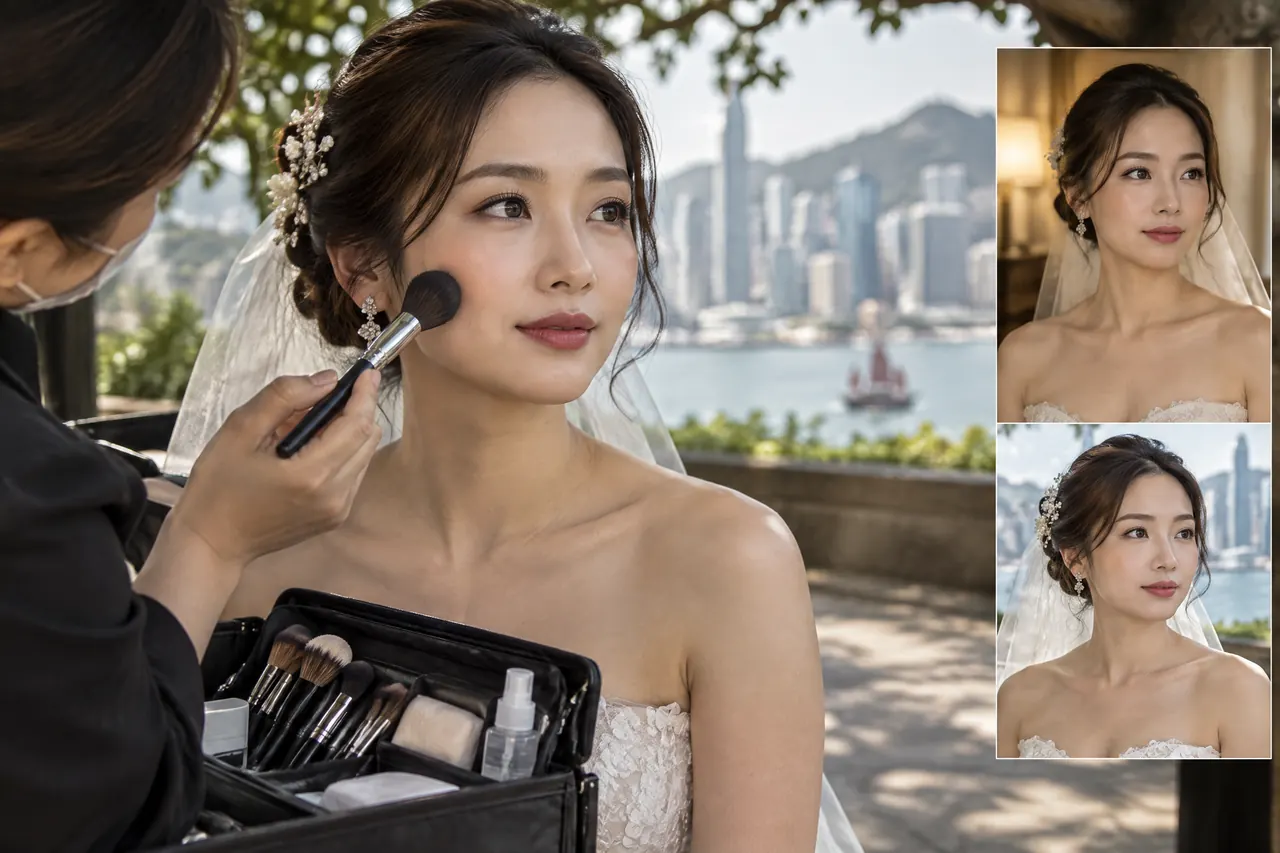
A ceremony-ready choice is not about naming one cap type as best. It is about confirming the exact zones, fit and parting, then rehearsing them with clothing, accessories and makeup. Keep the plan small enough to maintain. When comfort, movement and camera framing agree, the result is more likely to feel like your own look throughout the day.
Practical checklist
- Bring the neckline, earrings and intended headpiece to the trial.
- Ask for front, top, sides, back and perimeter construction details separately.
- Photograph the complete look in window light and indoor light.
- Test sitting, turning, smiling and a short walk before approving placement.
- Keep hair tools, touch-up makeup and spare pins in separate small sections.
- Share a one-page parting and accessory note with the day-of helper.
Frequently asked questions
Does breathable wig cap styling mean an open cap will always feel cooler?
No. Open sections can be one part of a cap description, but coverage, density, fit and the wearer also matter. Compare the actual crown, sides, back and parting areas. During a trial, assess the complete look while you move and wear the intended accessories. Do not let one label replace a fit check.
What should I ask about an open-wefted description before a ceremony?
Ask where the weft rows and open sections sit, plus how the front edge and crown are finished. Then connect those answers to the part, hairstyle and accessory you plan to wear. Confirm item-specific care separately. A construction term alone does not establish fit, styling flexibility or how the cap will feel for you.
Can I plan the makeup trial before deciding on hair volume?
You can choose colours early, but judge the finished face with the intended hair shape whenever possible. Volume and parting alter the frame around the eyes, cheeks and lips. Bring the neckline and key accessory to the test. This gives you a more useful view of balance in photographs and room lighting.
What if the style feels tight after I add the veil or clips?
Treat persistent pain, stinging or pulling as a cue to stop and change the setup. Try a lighter accessory, a different anchor point or less tension. Do not rely on makeup or photographs to hide discomfort. If you have ongoing scalp symptoms or a known condition, seek advice from a suitable healthcare professional.
Sources
| Source | What it supports |
|---|---|
| NHS — Causes: Contact dermatitis | The NHS lists cosmetic ingredients such as preservatives, fragrances and hair dye among common allergens that can cause allergic contact dermatitis. |
| American Academy of Dermatology — Hairstyles that pull can lead to hair loss | AAD advises avoiding frequent pulling hairstyles and says that a hairstyle that feels painful is too tight. |
Discuss your own makeup plans
Bring your outfit references, accessory plan and ceremony timetable to a BigDeal Make Up consultation so the makeup and hair plan can be tested as one practical look.
Ask on WhatsApp +852 6918 3153