
At a glance
For a shoot with several performers, the useful record follows the individual piece rather than the dressing table. It connects the wearer, approved appearance, handling limits and return destination. This guide shows what belongs on that record, how to compare supplier costs, and when keeping the existing look is preferable to another adjustment.
Start your multi talent hairpiece label handover with identity
Match the wearer, piece and approved look
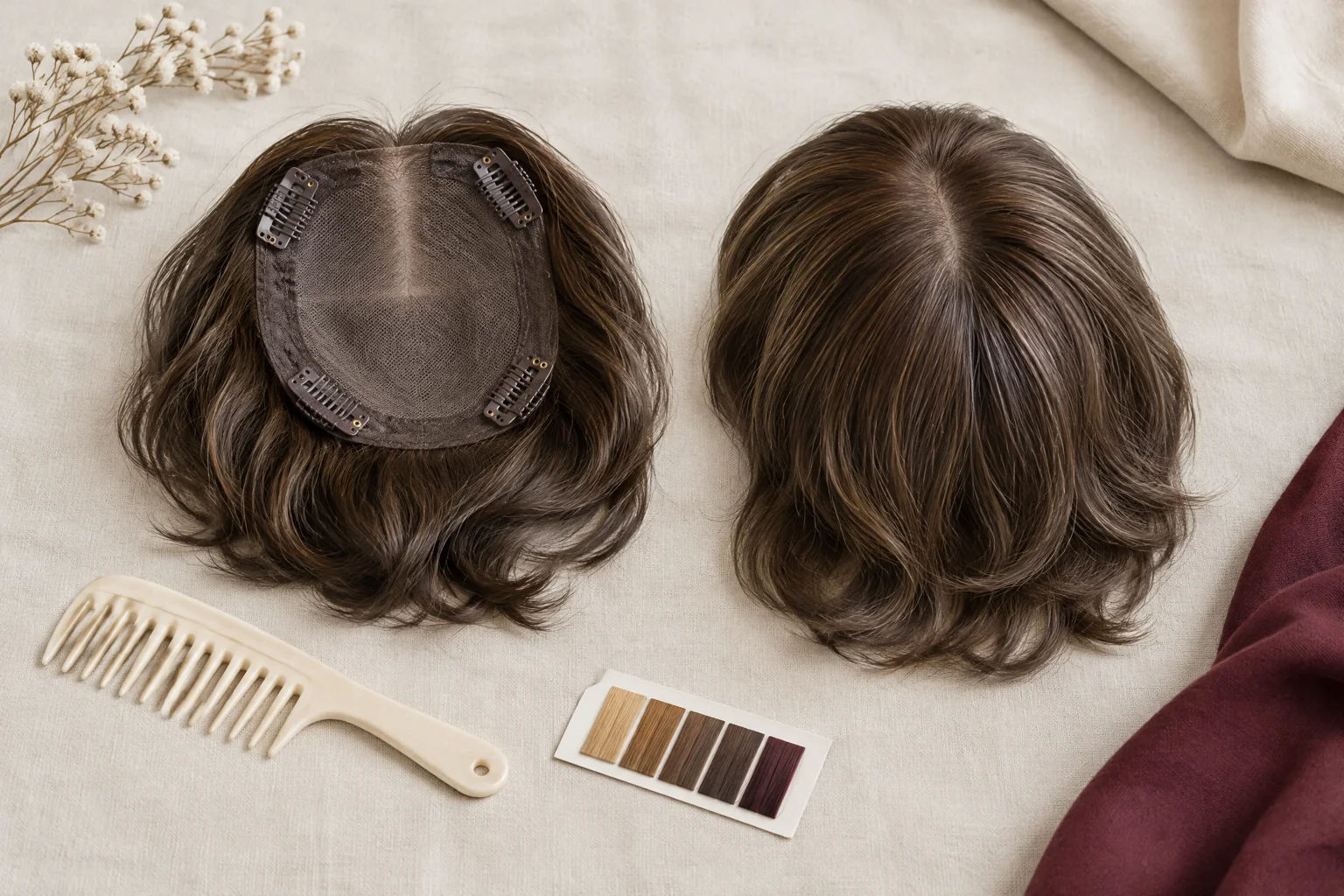
Two dark toppers can look alike on a tray yet belong to different people with different attachment preferences. A full wig is another category, even when its colour resembles a smaller piece. Assign each physical item its own code before it reaches the makeup area. Keep that code through scene changes and returns. A description such as 'short brown hair' helps recognition, but it should never be the only identifier.
Separate the performer code from the look code. One performer might bring two pieces, while one piece might appear in several approved looks. Record the relationship explicitly, such as performer T03, item P02 and look L01. These are example codes, not a required industry format. The advantage is practical: changing the fringe reference does not change ownership. The person receiving the item can see which facts remain fixed.
OwnStrand, which shares BigDeal's owner, provides selection reading for the product side of this decision. Its hair topper prices guide explains why a quote needs the exact piece and its specifications. Record base dimensions, coverage, fibre, colour and attachment beside the supplier reference. Keep that information away from shorthand about the shoot's makeup look. A price for one topper does not identify another performer's item or authorise its use.
When enquiring about a makeup artist for corporate video, send a separate list of performers and their intended looks. Mark who brings a personal piece and who will position it. Include any limits on touching the surrounding hair. This gives the makeup discussion a usable starting point without treating product ownership as a service instruction. The item card should still travel with the piece when the performer moves between rooms.
Put useful information on the label, not private history
Make the card readable at the receiving end
Attach an identification tag to the container or stand rather than sticking an unapproved label onto the hairpiece itself. Match the tag to a photograph of the item off the head. Add a simple distinguishing detail, such as the stated base shape or fringe length. Use text as well as any colour coding. A performer code can remain readable when containers are moved or the coloured sticker is partly covered.
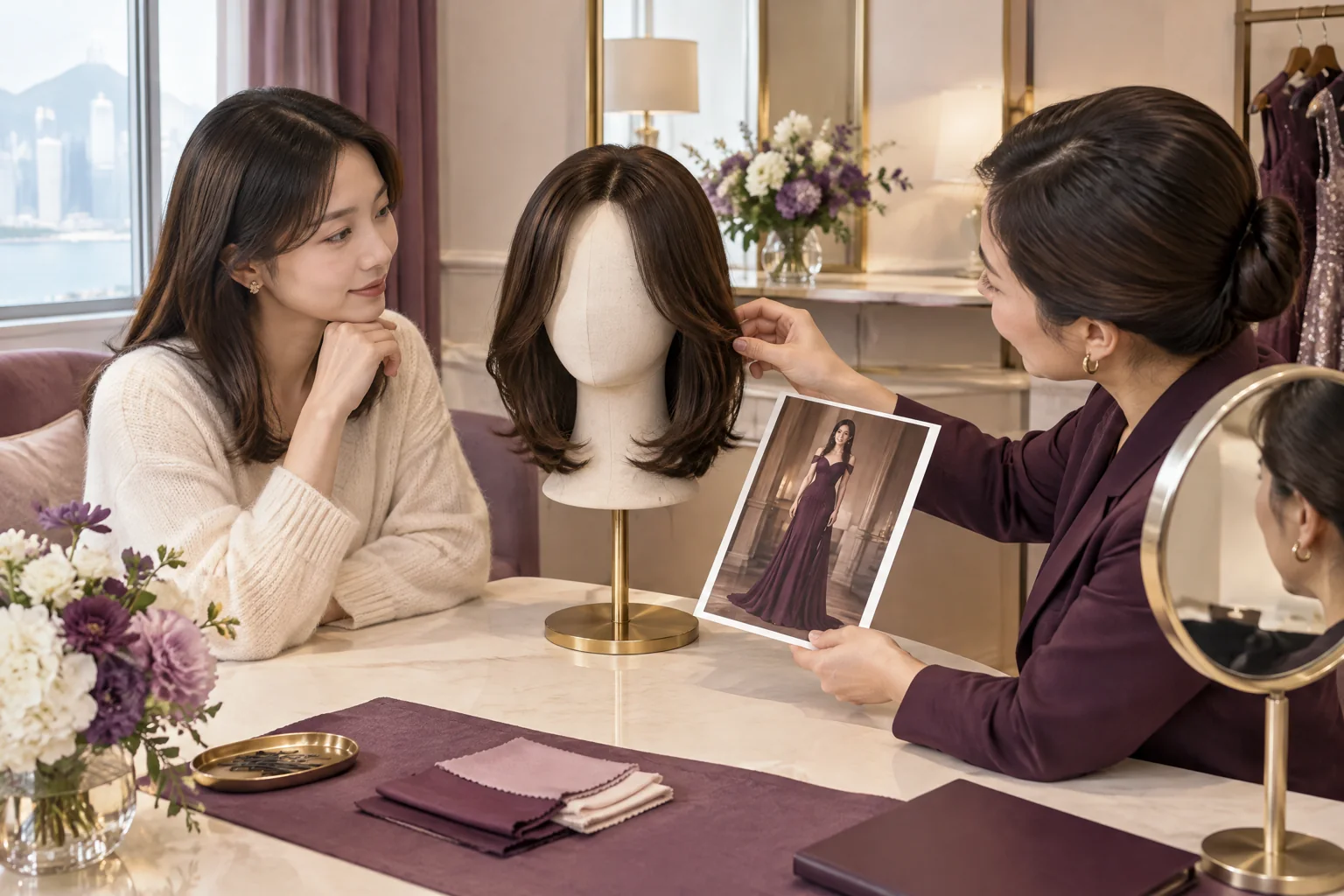
ScreenSkills describes actor-specific notes for each scene's hair and makeup changes as vital to continuity. It also describes camera tests under different lighting conditions. Apply that principle here by pairing the item code with an approved appearance reference. The reference should show the agreed parting and visible edges, not merely a flattering portrait. This proposed card system is a practical way to organise that information, rather than a prescribed ScreenSkills format. [1]
Ask the wearer to demonstrate the placement they want, using the actual piece where practical. Record orientation in words that another person can follow, including which side carries the parting. Check the reference alongside the planned collar, earrings or microphone position. A photograph taken before those details are added may miss a relevant obstruction. The useful outcome is an agreed placement record, not permission for everyone to copy the demonstration.
Keep public labels brief, with detailed instructions on a card available to the assigned handlers. A diagnosis or reason for wearing the piece has no useful place on the container. If a performer wants a private fitting discussion, record the arrangement rather than their personal history. Ask permission before taking a worn reference photograph. Agree who may access it and how it will be removed from the shared folder after use.
- Container tag: performer code and unique item code.
- Private card: approved look, permitted handler and care instructions.
- Return record: named recipient and matching container.

Keep the supplier quote separate from the makeup request
Compare what each amount actually covers
A combined figure can hide several different decisions. Buying a piece, arranging a supplier fitting and booking makeup are separate requests. Put them in separate quote columns, with an item or performer code beside each. Record who supplied the information and what the amount includes. Leave unresolved charges marked as awaiting a quotation. This lets the organiser compare offers without silently transferring a supplier's fitting promise to the makeup team.
For a bespoke enquiry, the custom hair topper Hong Kong page describes OwnStrand's sample discussion and measurements in Kwun Tong. Its confirmed process includes handmade production and a return fitting with washing, cutting and blow-drying. The stated three to five working days concerns production for that process. It is not a shoot delivery deadline. Ask how the requested design and fitting arrangements fit your dates before assigning it to a performer's card.
Specify the makeup task as an action rather than writing 'hair included'. Applying makeup around an already positioned piece differs from removing it, changing its attachment or cutting its fringe. Identify which actions you are requesting, then obtain agreement on the service scope. Keep any supplier adjustment in its own column. Receiving a container in the makeup room does not mean the handler will provide every requested hairpiece service.
If the same performer also needs business headshot makeup, identify whether the portrait uses the existing piece and parting. A still portrait and a moving scene may have different appearance references. Keep both look codes connected to the same item when it remains unchanged. Request the makeup arrangements for each look separately. This avoids purchasing another piece simply because the camera framing changes, while leaving any genuinely different product requirement visible.
| Quote column | Identify | Confirm with provider |
|---|---|---|
| Piece purchase | Exact item and specifications | Current quotation and supply |
| Supplier fitting | Requested design or adjustment | Included steps and arranged dates |
| Makeup booking | Performer and approved look | Agreed tasks and attendance |
| Additional request | Specific action beyond the agreement | Who can provide and quote it |
Use the handover board to choose the smallest useful change
Keep, reset or return for a different discussion
Give the board one row per item, not one row per chair. Include its current holder, agreed look and next recipient. Useful status words include with wearer, awaiting check and ready for return. Add the time beside a change so an old entry is recognisable. The board directs people to the item card; it need not display every personal instruction. Keep the board readable when several performers arrive close together.
At a handover, the sender and receiver should compare the item code, container and intended wearer together. State whether the piece is positioned, packed or awaiting a check. Mention any change since the approved reference, such as a different parting or displaced edge. The receiver should repeat the intended next action. This short exchange is more useful than 'all sorted', which leaves both the piece's condition and the receiver's responsibility unclear.
For commercial advertising makeup, agree which appearance decisions need approval before the next setup. Keep the piece unchanged when the approved look still works. A camera framing concern can be discussed with the camera team before anyone alters the item. Where a small reset is permitted, name the handler and the reference being restored. Replacing or substantially restyling the piece deserves a separate decision because it may change fit and personal comfort.
A backup only helps when it has its own identity and the wearer has agreed to use it. Give it a separate code, even if its description matches the main piece. Its fit, placement and care record may differ. Without an agreed backup, use the pause to discuss the available options rather than passing another performer's item across. Similar appearance does not make two personal pieces interchangeable or remove the need for individual consent.
| What you find | Useful response | Decision needed |
|---|---|---|
| Correct item and approved appearance | Keep the piece unchanged | Next recipient accepts handover |
| Small change within written limits | Restore the agreed reference locally | Wearer and assigned handler agree |
| Wrong code or uncertain ownership | Pause and trace the item | Identity resolved before use |
| Different fit or substantial alteration | Discuss supplier or another arranged option | New scope and wearer approval |

Write personal limits as actions people can follow
Consent belongs to each wearer and each piece
Useful limits describe a specific action. Examples include wearer positions the piece, handler may smooth the surface, or no removal. Discuss these preferences privately and put the agreed instructions on the card. Permission to tidy the fringe does not automatically include permission to move the base. Leave room for the wearer to change their mind. A quick check before touching is especially useful when a different person takes over.
The performer can explain appearance preferences without explaining why they wear the piece. Some may want more coverage on camera; others prefer their usual parting to remain visible. Record what they want shown and which handling feels acceptable. If discomfort develops, stop the adjustment and let the wearer decide about continuing. The makeup handover is not a diagnosis or treatment discussion. An appearance reference cannot establish medical suitability for an item.
When fuller coverage is being considered, use wig prices in Hong Kong as a separate selection resource. OwnStrand distinguishes its named handmade custom options from manufacturer catalogue quotations. That distinction helps keep the requested product route clear. It does not turn a full wig into an equivalent replacement for a topper. Retain the wearer's coverage preference, exact item details and supplier quotation separately. Review each before updating the handover card.
For any alteration, agree who can authorise it and who is capable of carrying it out. Cutting, changing attachment or using a product on the fibre requires more than approval of the overall look. The owner may also need to agree where an item is borrowed. Write the permitted task and the point where it ends. If the task falls outside the arranged service, keep the piece intact while another option is discussed.

Pause when the item or permission no longer matches
Close the multi talent hairpiece label handover with a return check
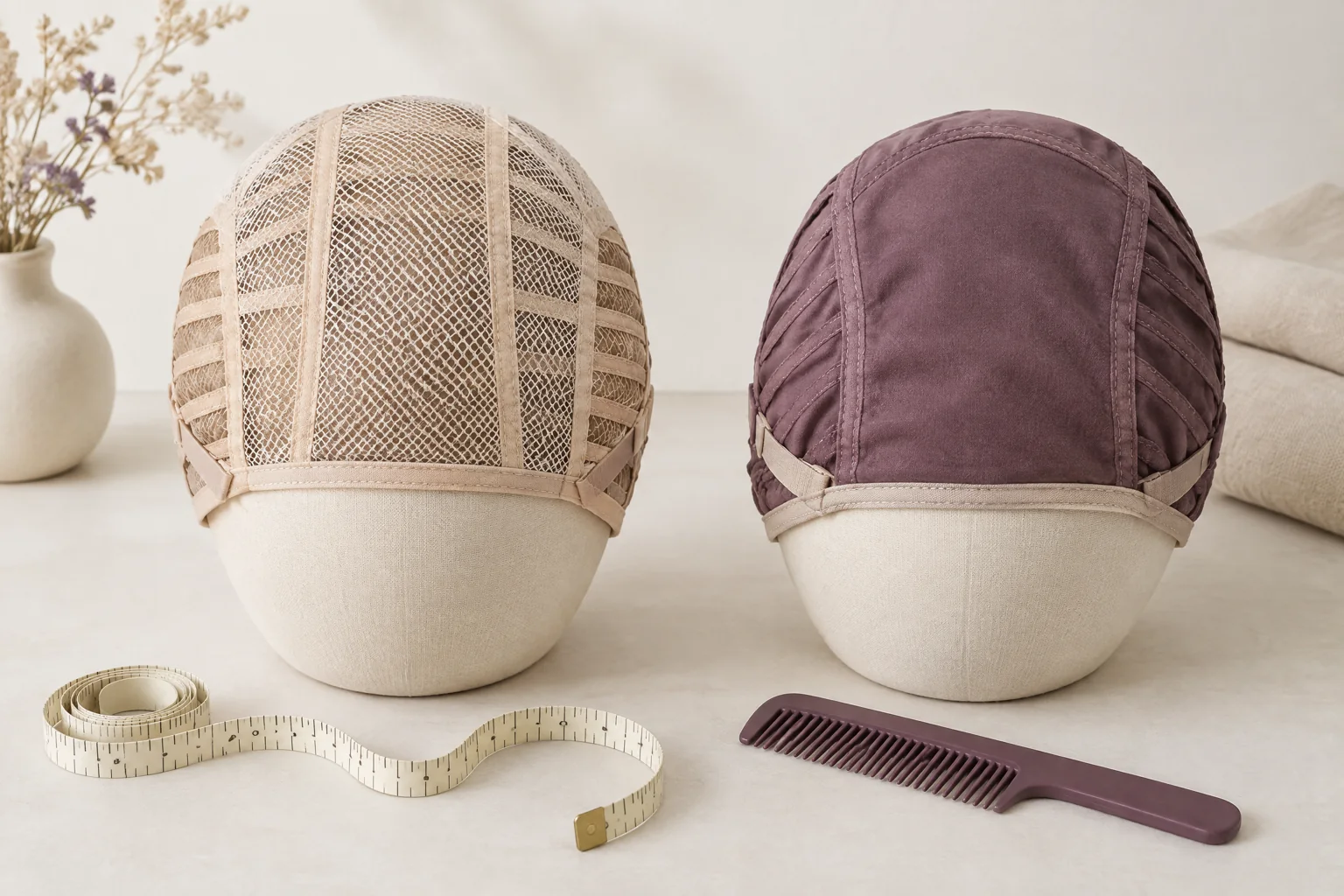
Care limits should come from the instructions for the actual item. Jon Renau's standard synthetic-fibre guide rules out heated styling tools and blow-drying. That manufacturer-specific example shows why a generic 'synthetic' label is insufficient for planning a reset. It does not establish the rules for every synthetic piece or an OwnStrand option. Keep the applicable care instructions with the card, and avoid improvising with a nearby tool when those instructions are missing. [2]
Pause the handover if the wearer code, item code or container fails to match. Do the same when a clip appears damaged, the placement has shifted or the wearer reports discomfort. Move the row to awaiting check and name the person resolving it. Do not replace uncertainty with a guessed identity. A brief interruption keeps the next decision from relying on the wrong item or somebody else's instructions.
After an agreed reset, record what changed and which appearance reference now applies. Add the time and the person who made the update. Keep the item code unchanged unless a different physical piece is introduced. Mark the previous instruction as superseded so both versions cannot appear current. During a shift change, the incoming handler needs the latest permitted action. A long message thread can obscure that final decision.
At wrap, match the item to its container and named return recipient. Record any missing accessory or visible change while both parties can check it. Follow the piece's care guidance when packing; a label does not replace suitable handling. Confirm whether the reference photographs should now be removed from shared access. Close the board row after the agreed recipient receives the item, not when it simply leaves the makeup table.
Key takeaway
A useful label prevents mistaken identity; a useful card prevents an unauthorised change. Keep those functions separate. When the correct piece still meets the agreed appearance, leaving it alone can be the better decision. When identity, comfort or permission is unclear, pause the handover rather than making another adjustment to keep the queue moving.
Practical checklist
- Match each physical piece to one item code and one container.
- Connect the wearer code to the correct approved appearance reference.
- Record permitted handling and the person receiving the next handover.
- Separate product quotation, supplier fitting and makeup requests.
- Confirm the return recipient and shared photograph removal arrangement.
Frequently asked questions
Can two matching pieces share a label?
Give each physical piece a separate code. Matching colour and cut do not confirm ownership, fit or care requirements. Link both codes to the same performer only when that relationship is agreed. A backup still needs its own placement reference.
What if a performer brings an unlabelled piece?
Identify it with the wearer before adding it to the board. Create a matching container tag and record the permitted handling. If its care instructions are unavailable, leave tool compatibility unresolved. Appearance alone cannot fill that gap.
Does a supplier fitting include on-set resetting?
A supplier fitting describes the arrangement confirmed with that supplier. It does not automatically include another team's on-set work. Request the exact reset separately, including who performs it and which changes the wearer accepts.
Should the label explain the wearer's hair loss?
The label needs an identifier, not a personal explanation. Keep practical handling preferences on the restricted card. A wearer can ask for privacy or decline a photograph without adding medical information to the handover board.
Who approves a last-minute appearance change?
The wearer agrees to personal handling, while the named look approver considers the intended appearance. The handler must also work within the arranged task and item instructions. One person's approval cannot replace the others' decisions.
Sources
| Source | What it supports |
|---|---|
| Hair and make-up designer (Film and TV Drama) — ScreenSkills | Actor-specific notes of scene-by-scene hair and makeup changes are vital for continuity; camera tests assess appearance under different lighting. |
| Synthetic Hair Care and Styling Tips — Jon Renau | Jon Renau's standard synthetic-fibre care guide prohibits heated styling tools and blow-drying. This illustrates item-specific care limits, not universal compatibility or OwnStrand product instructions. |
Discuss your own makeup plans
Planning makeup for several performers? WhatsApp BigDeal Make Up at +852 6918 3153 with your performer list, approved looks and personal hairpiece photos. This number is for BigDeal makeup enquiries only. Share who will handle each piece so the makeup scope can be discussed separately from product purchasing or supplier fitting.
Ask on WhatsApp +852 6918 3153