
At a glance
Build one everyday portrait look, then pair it with a present-tense introduction. This guide helps you decide what belongs in the photograph, what belongs in your caption, and what stays private. Your next learning goal does not need to become today's public identity.
Honest hobby portraits begin with the actual invitation
Choose a neighbourly introduction, not a professional profile
Start with the organiser's request, rather than an impressive image you have seen elsewhere. Is this a neighbourhood group, an alumni gathering or a new members page? Check whether they need a square picture and a short personal introduction. Ask who will see it and whether it will remain online. These details decide how much background and personal information to include. A small community portrait usually needs warmth and recognition, not a polished statement of expertise.
Pick three qualities you would like a new acquaintance to notice. Approachable, curious and relaxed might suit an ordinary hobby introduction. Translate those qualities into decisions: a comfortable top, uncluttered background and expression you would use when greeting someone. You do not need a workplace jacket merely because the picture includes your face. Save the formal portrait treatment for a different request. Here, the photograph should make the first hello easier, rather than suggest a role you do not hold.
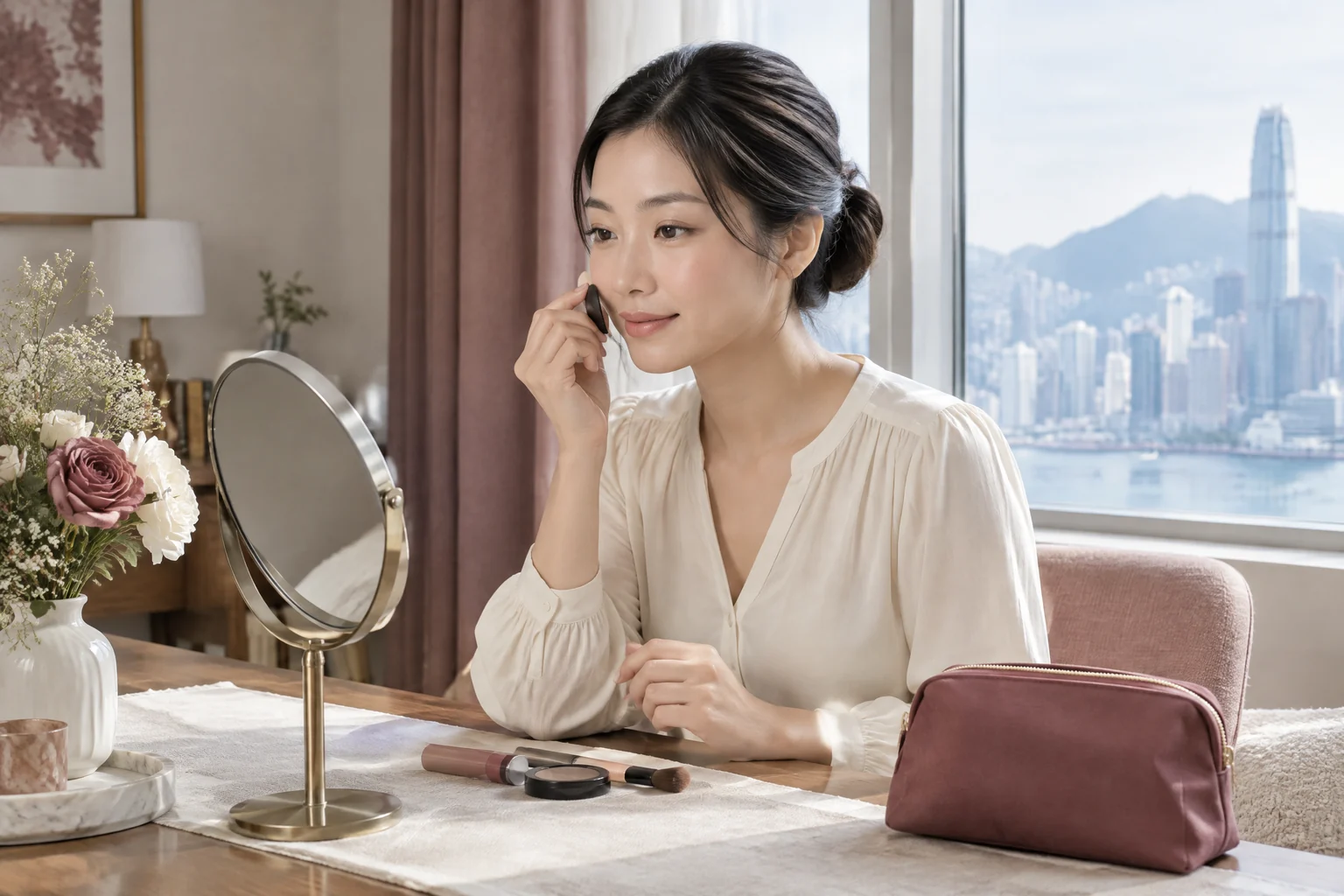
If your makeup feels either too bare or too elaborate, begin with one practical learning goal. A self makeup lesson can be relevant when you want to practise your own everyday portrait routine. Describe the exact difficulty, such as uneven base coverage or brows that look stronger on camera. Bring a recent unfiltered photograph and the products you already use. Keep the brief about your face and habits. There is no need to turn a community introduction into a bridal makeover.
| Your situation | Public wording | Keep elsewhere |
|---|---|---|
| You already enjoy the activity | I enjoy this hobby in my free time. | Future study questions |
| You are curious but have not started | I am interested in learning more. | Possible course choices |
| You are considering advanced study | Describe only your current hobby. | An unfinished learning plan |
| You wonder about teaching someday | Use your ordinary personal introduction. | Instructor-pathway research |
Describe the hobby you actually have
Give the reader a conversation starter they can trust
Separate something you do from something you admire. Enjoying occasional recreational outings is different from teaching other people. Reading about a subject is different from completing a course. Your introduction can still be interesting when it states a modest truth. Write down what you have actually done recently, without adding a role or credential. Then choose the detail you would happily discuss over tea. You are introducing a person, not presenting an application for a professional position.
For someone already enjoying recreational diving, advanced study may be a separate interest. The Advanced Open Water Diver course Hong Kong page belongs in that person's private reading, not beside an implied qualification. Use it to record questions about later learning. A saved course page does not describe your current status. Your community caption can simply mention enjoying the hobby, when that is true. The land portrait needs neither course branding nor a display of equipment to explain that interest.
Try this caption draft, replacing the brackets with real details: Hello, I'm [first name], and I enjoy [current hobby]. I'm joining to meet neighbours and discover what everyone enjoys locally. This offers an invitation without promising specialist advice. If the hobby is only an interest, write 'I'm curious about [subject]' instead. Keep the two versions distinct. A confident photograph should not push you towards a less accurate introduction.
- Current activity: describe what you actually enjoy doing.
- New interest: say you are curious, without claiming experience.
- Private ambition: record questions outside the public introduction.
Put unfinished study in a private notebook
Compare future choices without changing today's caption
Give future learning a dedicated page, separate from the portrait plan. Divide it into 'what interests me', 'questions to resolve' and 'next review'. Write aspirations as possibilities, not announcements. For example, you might want to understand whether further study fits your available time. That is useful planning, even when nothing has been booked. Keep the notebook outside the photograph. Its purpose is to help you think, not to create visible evidence of an achievement you have not completed.
For later cost comparisons, save Hong Kong AOW diving course price as an independent enquiry label. Record the information you need, rather than copying an unconfirmed figure into your portrait budget. Keep learning costs separate from makeup costs. Your community photograph does not depend on choosing either service. Finish the portrait now and revisit the course question later. Your personal introduction need not announce spending plans or future commitments.
Make two separate calendar entries if both projects remain relevant. The portrait entry needs a location, a helper and time for getting ready. The learning entry can simply remind you to review your questions. Avoid announcing a completion month before the arrangements exist. You can tell close friends about your interest without placing it on a public members page. Private planning is not secrecy. It gives you room to change your mind without having to explain an outdated introduction.

Keep the clothes and setting recognisably yours
Use a complete land-only portrait plan
Choose a top you would comfortably wear to the actual community gathering. Check its neckline while sitting, not only while standing before a mirror. Look for distracting logos or words that suggest a job you do not hold. Keep jewellery familiar, and leave hobby equipment out of the frame. A plain wall near a window can be enough. If a friend helps, agree on a simple face-and-shoulders composition. The background should support recognition, rather than explain your entire life.
For an outdoor land portrait, check the Hong Kong Observatory's latest UV reading and forecast before leaving. Its guidance includes seeking shade and using appropriate sun protection. Cloudy appearance alone is not a reason to skip that check. Keep makeup choices separate from your sun-protection plan. You can also move the portrait indoors instead of waiting in direct sun for a preferred background. Choose comfort and a usable photograph over a location that makes preparation unnecessarily difficult. [1]
Make the indoor alternative complete before you leave home. Pick the window, background and chair you would use if outdoor plans change. Charge the phone and clear visible clutter from that small area. Try one photograph wearing your chosen top before adding makeup. Check the crop the organiser will use, especially if it becomes a small circle. Your face should remain easy to recognise. There is no need to substitute a dramatic waterside setting when a straightforward indoor portrait already works.
Practise an everyday look you can repeat
A simple beauty routine for honest hobby portraits
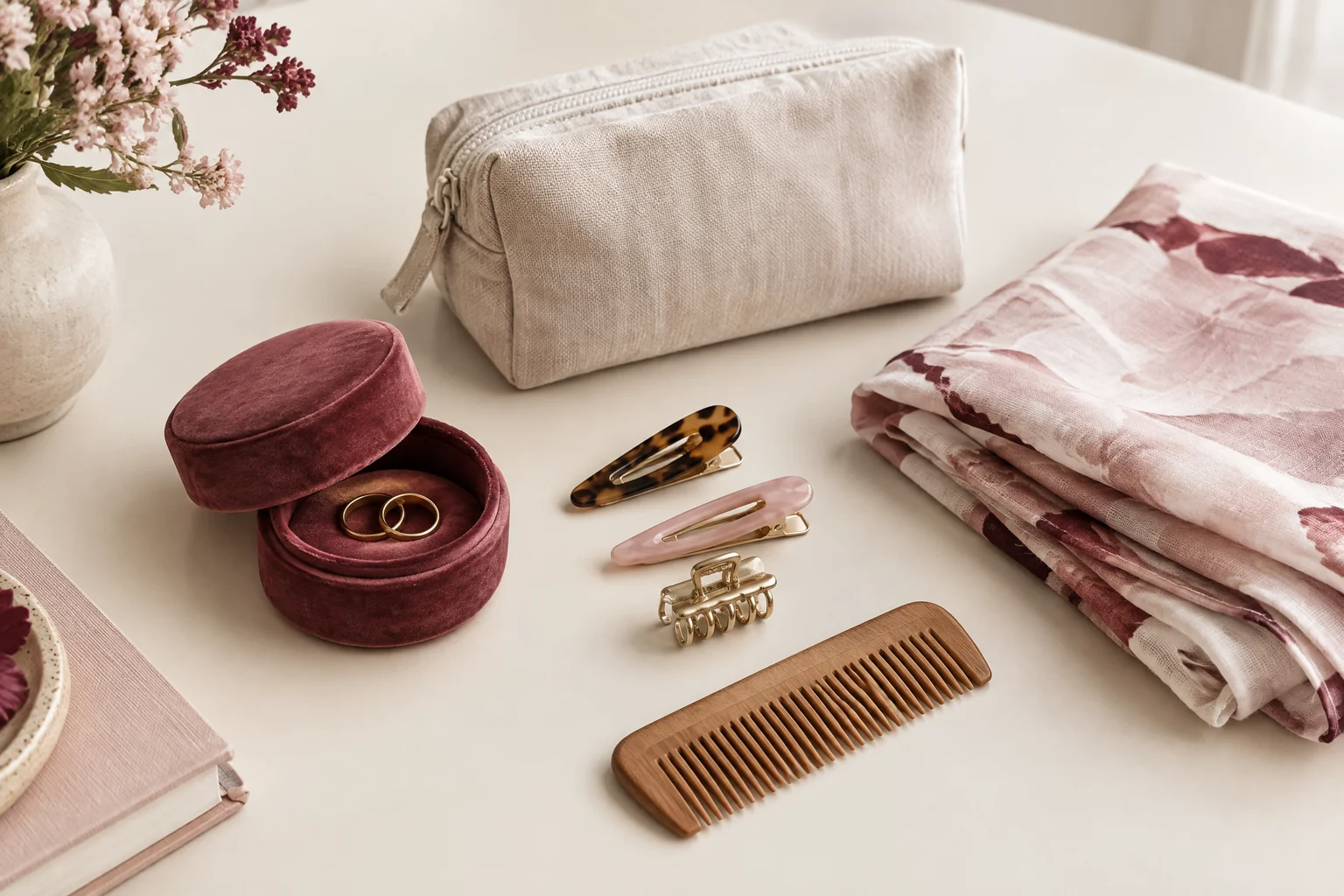
Prepare in a quiet place before travelling, with your own eye cosmetics and clean tools. The FDA advises washing hands and keeping instruments used around the eyes clean. It also says not to share cosmetics. Never apply or remove eye cosmetics in a moving vehicle. That makes the bus journey a time to relax, not finish mascara. Set out only the items you intend to use. A tidy, stationary preparation space makes your routine easier to follow and repeat. [2]
Begin with skincare and products you already know, rather than experimenting because a camera will be present. Use your familiar base where you want coverage, then assess it in the portrait light. Add brow definition only to the level you normally recognise as yours. Choose a cheek and lip colour you would also wear to the gathering. Eye makeup can stay minimal or be omitted. The aim is not a bare-face rule. It is a look you can comfortably recreate without a special occasion.
If your eye definition and base need different adjustments, a 1:1 makeup lesson can give you a focused enquiry. Ask about practising those two areas for an ordinary land portrait. Explain whether you wear glasses and how much time you usually allow for makeup. Request a routine you can rehearse yourself, rather than a new identity for the photograph. Keep notes on product order and the areas needing attention. Afterwards, judge the routine by repeatability as well as the finished image.
- Keep a short product-order note beside your mirror.
- Review one unfiltered picture at the actual display size.
- Change one makeup detail at a time during practice.
Do not turn an ambition into an instructor identity
Keep titles, props and public wording consistent
Read your caption and photograph together, not as separate pieces. A modest sentence can still become misleading beside a uniform-like outfit or prominent specialist equipment. Ask what a stranger might reasonably infer from the combination. If the image suggests you teach, remove the visual cue rather than adding a lengthy explanation. You do not need to show every interest literally. Your relaxed expression can do the introduction work. The caption can supply the hobby detail without turning it into a claim of authority.
A long-term teaching ambition can have its own private research note. If that ambition genuinely interests you, NAUI Instructor Training Course Hong Kong is a separate destination for future reading. Keep its title out of your personal biography unless it describes an actually held status appropriately. Browsing an instructor pathway does not make you an instructor. Your portrait can remain an ordinary community introduction while you consider that goal privately. There is no need to announce a career direction to make today's photograph worthwhile.
Name the photograph by its purpose, rather than an aspirational title. 'Community introduction' is clearer than a name implying professional work. Save the chosen caption with it as a matched pair. If an organiser adds a title you did not provide, request a correction before publication. Ask them to describe it as your personal hobby introduction. That protects its meaning without inviting public discussion of unfinished plans.
Finish the caption and keep a reusable portrait record
A small final check before you share
If this is your first planned portrait routine, beginner makeup class Hong Kong may be a useful starting enquiry. Focus on learning a small routine for your own face, rather than collecting many new products. Bring your chosen top and describe the community introduction format. A clear aim makes it easier to discuss the lesson you need. You can still complete a simple portrait with your current routine. Taking a class is an option, not a condition for joining the community.
Use this shorter caption if space is limited: Hello, I'm [first name]. I enjoy [current hobby] and look forward to meeting everyone. Add a genuine everyday interest if you want another line, not an unfinished qualification. Avoid a full address or workplace schedule. Send the image and caption together. Ask to see shortened wording before publication. Check that edits have not changed your hobby description into a role.
Keep one private note with the clothing choice, light location and makeup order that worked. That is your repeatable portrait recipe, ready for another ordinary introduction. Review the published caption when your interests change, rather than automatically adding every new course you research. You may decide that no change is needed. A community portrait can remain useful without becoming a record of all your ambitions. The final test is simple: would you recognise yourself and comfortably start a conversation from these words?
Key takeaway
Finish one recognisable land portrait and one truthful community caption before revisiting your learning ambitions. Practise the everyday makeup routine once, then save what worked. Leave future titles in the private notebook until they genuinely describe your situation. Your introduction can be complete even when your interests and plans are still developing.
Practical checklist
- Confirm who will see the portrait and how it will be cropped.
- Choose familiar land clothing without equipment or role-implying props.
- Use a present-tense hobby description you can comfortably explain.
- Prepare your own makeup in a clean, stationary place before travelling.
- Save unfinished study questions separately from the public caption.
- Keep the selected image, caption and repeatable beauty notes together.
Frequently asked questions
What if the form asks for a professional title?
Check whether that field is optional for ordinary members. If it is required, ask the organiser what personal-member wording they accept. Do not fill the gap with an aspirational instructor title. A missing field is an administrative question, not a reason to invent a role.
Can I use a photograph taken at a wedding?
You can consider it if you have permission to share it. Check whether the styling still feels like your everyday introduction. Crop only if the image remains clear and does not include someone else's face. Choose a new simple portrait if the occasion overwhelms the intended message.
Should I remove my glasses for the portrait?
Keep them if they are part of how people normally recognise you. Review reflections in a test photograph, then adjust your position or camera angle. You do not have to abandon familiar glasses merely to show more eye makeup. Recognition matters more than displaying every makeup detail.
What if I dislike wearing makeup?
Use a routine that respects that preference, including no colour cosmetics if that feels right. Concentrate on comfortable clothing and a clear photograph. The repeatable look is yours to define. A community introduction does not need to demonstrate beauty skills or meet someone else's idea of polish.
Must I update the portrait after completing another course?
Not automatically. Update it when recognition, context or the caption's accuracy changes. A learning milestone can stay in your personal records. If the group later requests a different biography, write for that purpose. You need not expand this ordinary introduction indefinitely.
Sources
| Source | What it supports |
|---|---|
| Ultraviolet (UV) radiation information|Hong Kong Observatory(HKO)|Local Weather | For outdoor land portraits, check the latest UV Index reading and forecast, seek shade, and follow appropriate sun-protection measures. |
| Eye Cosmetic Safety | FDA | Do not share eye cosmetics. Wash hands before application, keep instruments used around the eyes clean, and never apply or remove eye cosmetics in a moving vehicle. |
Discuss your own makeup plans
Planning an everyday land-portrait look or personal makeup practice? BigDeal makeup enquiries only: +852 6918 3153.
Ask on WhatsApp +852 6918 3153