
At a glance
The useful label answers whose item this is, which container belongs with it, and who should receive it afterwards. It does not authorise someone to fit, restyle or lend the piece. Start with items already owned by the wearer. Agree how they can be handled, give them separate resting places, and record any handover. Keep personal explanations out of the visible label.
What bridesmaid personal hairpiece labels need to identify
Match the owner, item and container
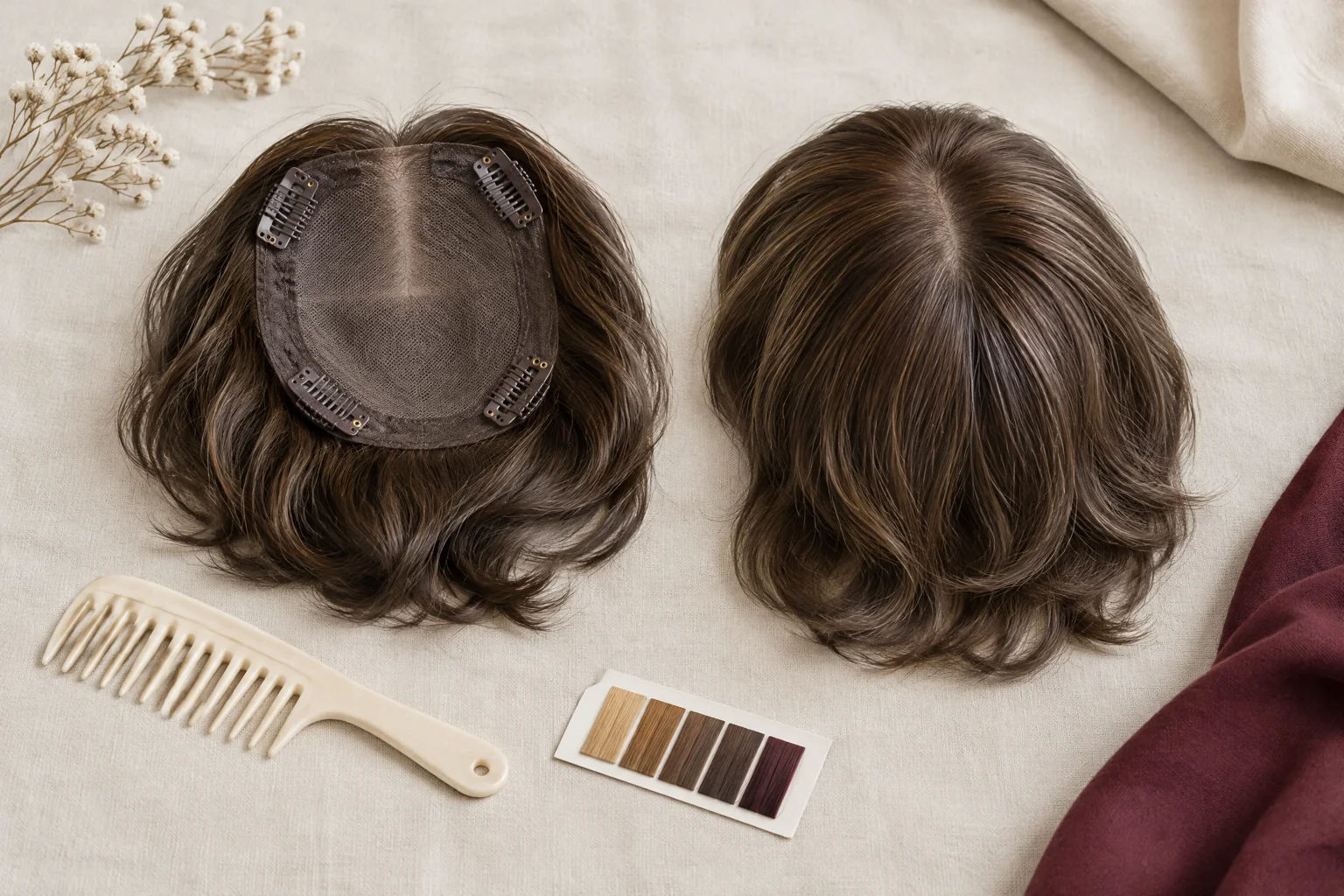
Two dark brown pieces can look similar while belonging to different people. One might be a topper; another might be a ponytail piece. Neither appearance tells you who owns it. Choose a short code that remains readable when the container turns around. Repeat it on the container lid and the item's record card. Describe the item privately so the owner can confirm a match without guesswork.
Give separate items separate endings, even when one bridesmaid owns both. For example, B03-A and B03-B distinguish two personal pieces without displaying a full name. These are suggested codes, not actual customer details. Record which container holds each piece. Keep detachable accessories in a labelled compartment within that same personal set. A single name on a large shared bag leaves too much room for confusion.
OwnStrand's clip-in hair topper reading explains fastening as a separate question from coverage. OwnStrand shares the same owner as BigDeal Make Up. Use that distinction when writing your item card. An ownership code says whose piece it is; it says nothing about opening clips or placement. Keep the exact product instructions alongside the record. A label never substitutes for the wearer's knowledge of her item.
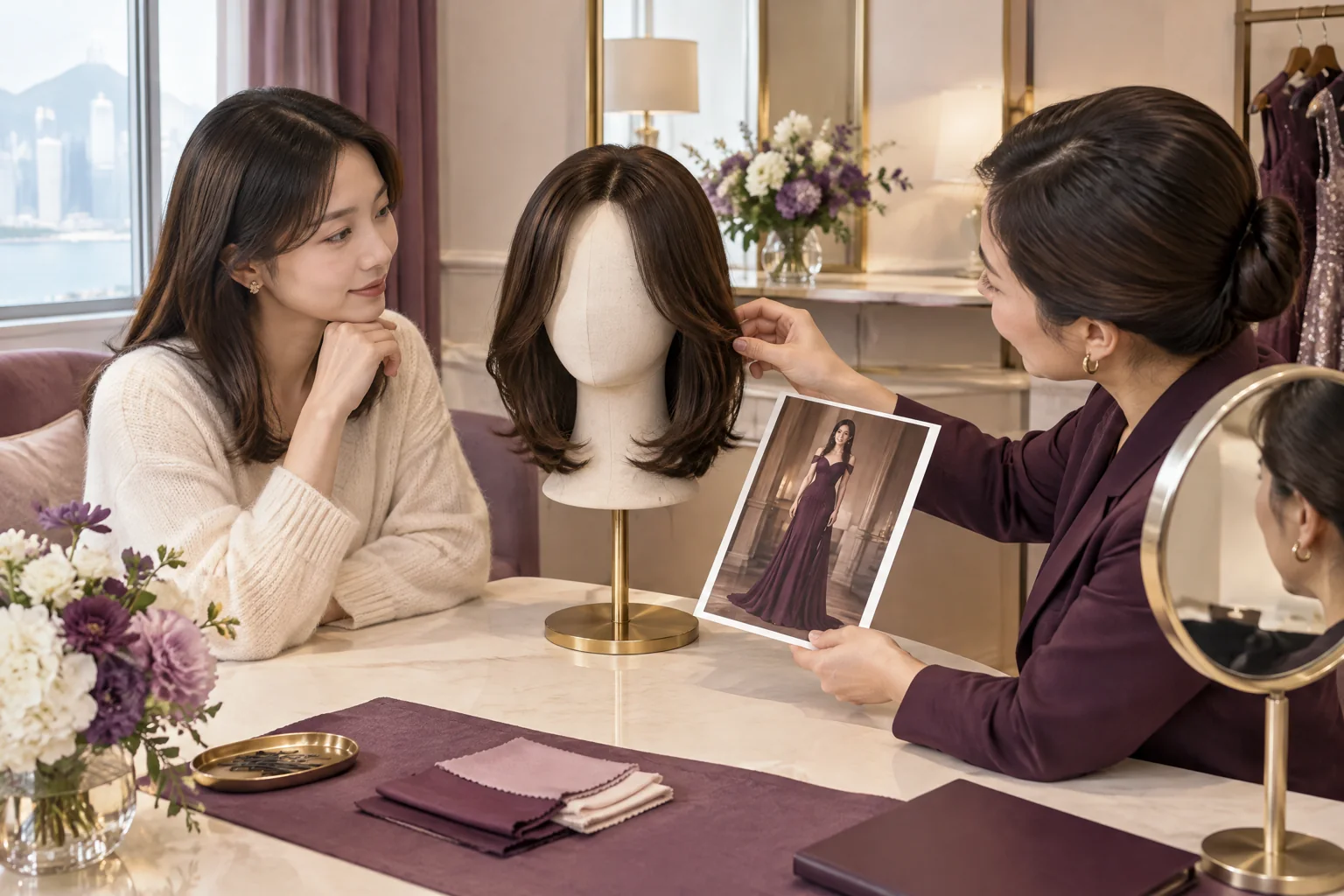
When discussing bridesmaid makeup, mention any personal piece that affects the visible hairline or face framing. Send the item's code with the photo so the conversation follows the right piece. The code need not reveal why someone wears it. Describe the appearance she wants instead. Identifying an item for a makeup discussion is different from agreeing that anyone will attach it or supply another one.
- One owner code, with a separate ending for each piece.
- The same code on the container and item record.
Make labels discreet and easy to read
Test bridesmaid personal hairpiece labels on the container
Place a removable card or label on the container rather than sticking anything onto the hairpiece itself. Keep adhesive away from fibres, mesh and clips. A hanging tag can also snag hair if it dangles inside. Check where the label sits before packing the piece. If the container has delicate fabric, a card pocket may suit it better than tape. Use the owner's preferred container wherever practical.
Hong Kong's Community Legal Information Centre explains that collected personal data should be adequate but not excessive for its purpose. Apply that thinking to the visible label. A code can identify the item without displaying a surname, phone number or reason for wearing it. Keep the owner lookup with the designated person. This is a practical privacy choice, not a promise that coding alone satisfies every legal requirement. [1]
Use dark lettering against a plain, light background, with enough space around the code. Colour can help distinguish containers, but keep the written code as the main identifier. Decorative ribbons may look alike under different lighting. Test the label at the actual mirror distance, not just close to your face. Turn the container sideways and check that someone can read it without lifting the hairpiece out.
Rehearse the match with the owner present: code on lid, code on card, then the item description. Ask her to correct anything vague. The card might say crown topper, dark brown, own fitted case, rather than simply brown hair. Keep an optional identification photo private and tightly framed around the item. A photograph should help resolve a mix-up, not become a reason to circulate someone's personal belongings.
Give each personal item a place beside the mirror
Separate ownership from styling and photographs
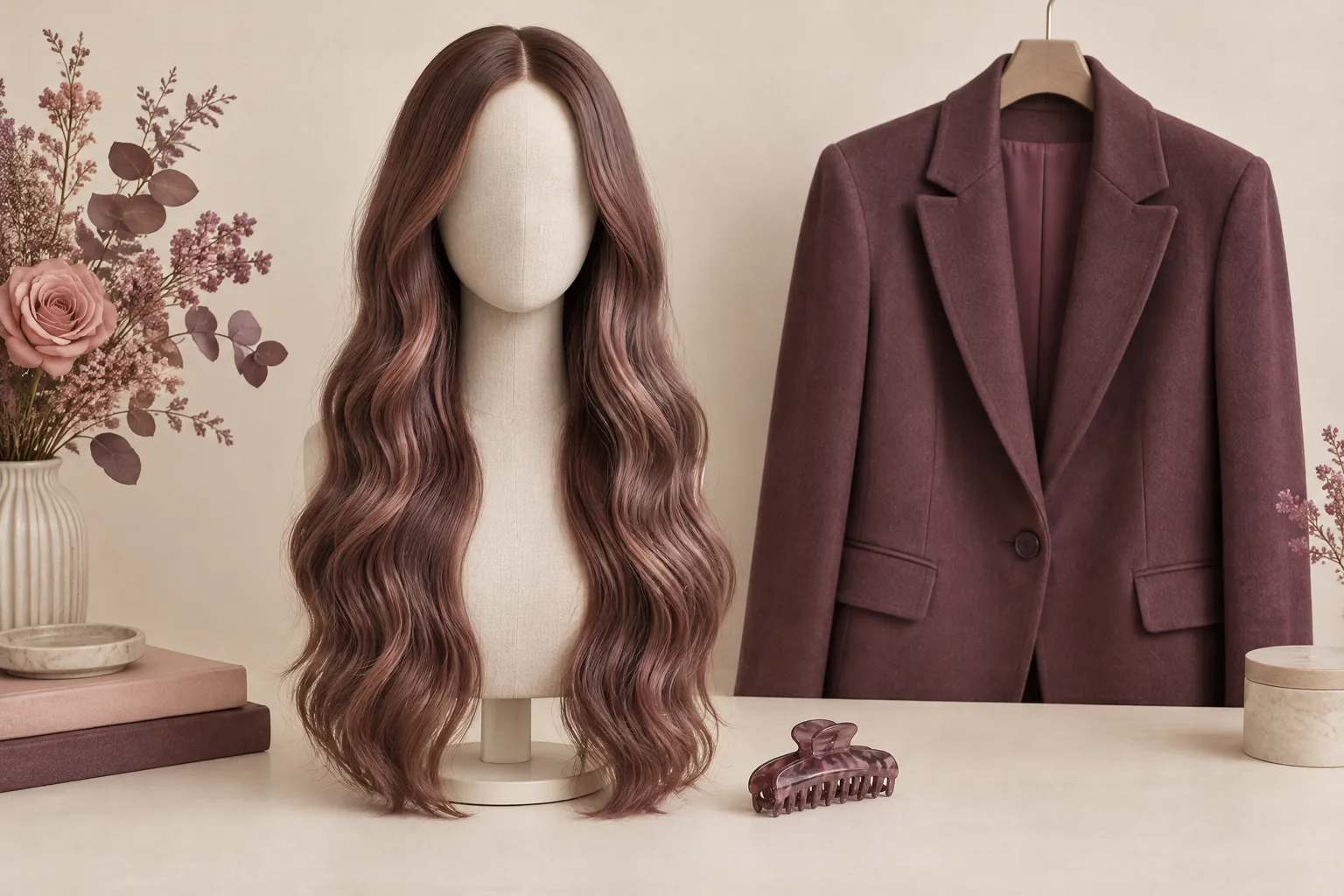
A shared mirror needs a clear resting place for each person's belongings. Choose a clean, dry area away from drinks and makeup spills. Put the coded container there before the item comes out. Avoid resting a piece on someone else's open pouch, even briefly. A designated spot should remain recognisable after a chair moves. The owner can keep her piece in its container whenever it is not needed.
Keep makeup products and loose personal hair accessories out of another person's hairpiece container. A matching lipstick shade is not an ownership marker. If someone needs space to inspect her own piece, move the makeup pouch rather than merging personal sets. Only one person's item should occupy a small inspection surface at a time. Return it to its labelled place before another item is brought over.
For material questions, the human hair topper guide helps separate fibre from the instructions for a particular style. Human hair wording does not establish permission to use heat or colour. Put the owner's confirmed care directions with her item record, not on a general shared tray sign. A visible stray hair or changed parting is therefore a discussion with the owner, not automatic permission to restyle anything.
A photo can make a parting look different without changing which item belongs to whom. Check the code first, then ask what the wearer sees in the mirror. For Hong Kong bridal party makeup enquiries, explain the desired face framing separately from item handling. Changing lipstick or camera position does not require moving personal pieces between trays. Keep appearance preferences in the conversation and ownership fixed to the same code.
Choose a resting place that suits the next move
Open trays, personal cases and owner-held storage
An open tray makes a code easy to see at the mirror, but it leaves the contents exposed. Use it as a temporary resting place only when it suits the item's own storage directions. A fitted personal case can keep the piece and its card together for a move. Keeping the item with its owner reduces handovers, although she must still have somewhere suitable to set it down.
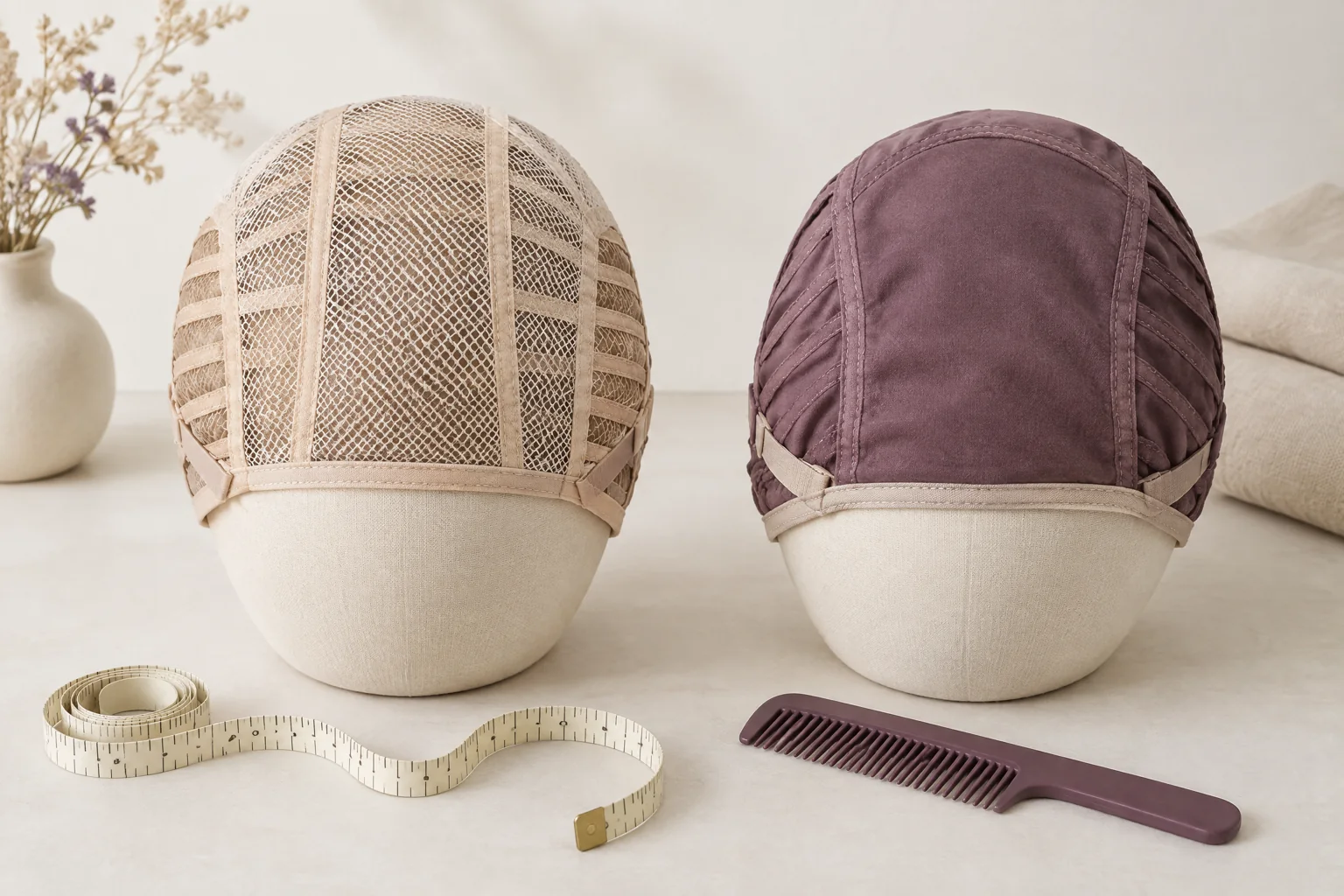
Jon Renau describes a travel case with separate compartments for a wig or topper and a travel stand. That is a specific product design, not a claim about every storage box. It offers a useful comparison: a mirror-side tray and travel storage serve different purposes. Check the owner's actual case for usable space and secure closure. A familiar shape or attractive lining alone cannot establish compatibility with her piece. [2]
Before closing a container, check that loose hair is clear of the edge and its fastening. Keep the record card where it can be read without dragging across the piece. If the case no longer closes comfortably, let the owner decide how to repack it. Moving the item into a smaller box for convenience may create a new problem. Keep the code visible on whatever suitable container she chooses.
Choose the storage route by what happens next, rather than by how tidy the table looks. An item staying beside its owner may need no handover at all. An item leaving the room needs a clearly identified container and recipient. If the available space is crowded or unsuitable, keep the item with its owner. Avoid an untracked shared bag. The comparison below helps make that choice concrete.
| Option | Useful when | Main trade-off | Record to keep |
|---|---|---|---|
| Coded open tray | Owner is present at the mirror | Visible but exposed; suitability depends on item instructions | Code and current resting place |
| Owner's suitable case | The item needs to leave the mirror | Check closure and space for the actual piece | Code, case and agreed recipient |
| Item stays with owner | She prefers to manage it herself | Needs a suitable resting place without transferring possession | Code and owner-held status |
| Separate holding place | Ownership or container code is unclear | Keep apart until the owner resolves the mismatch | Unresolved code and person checking |
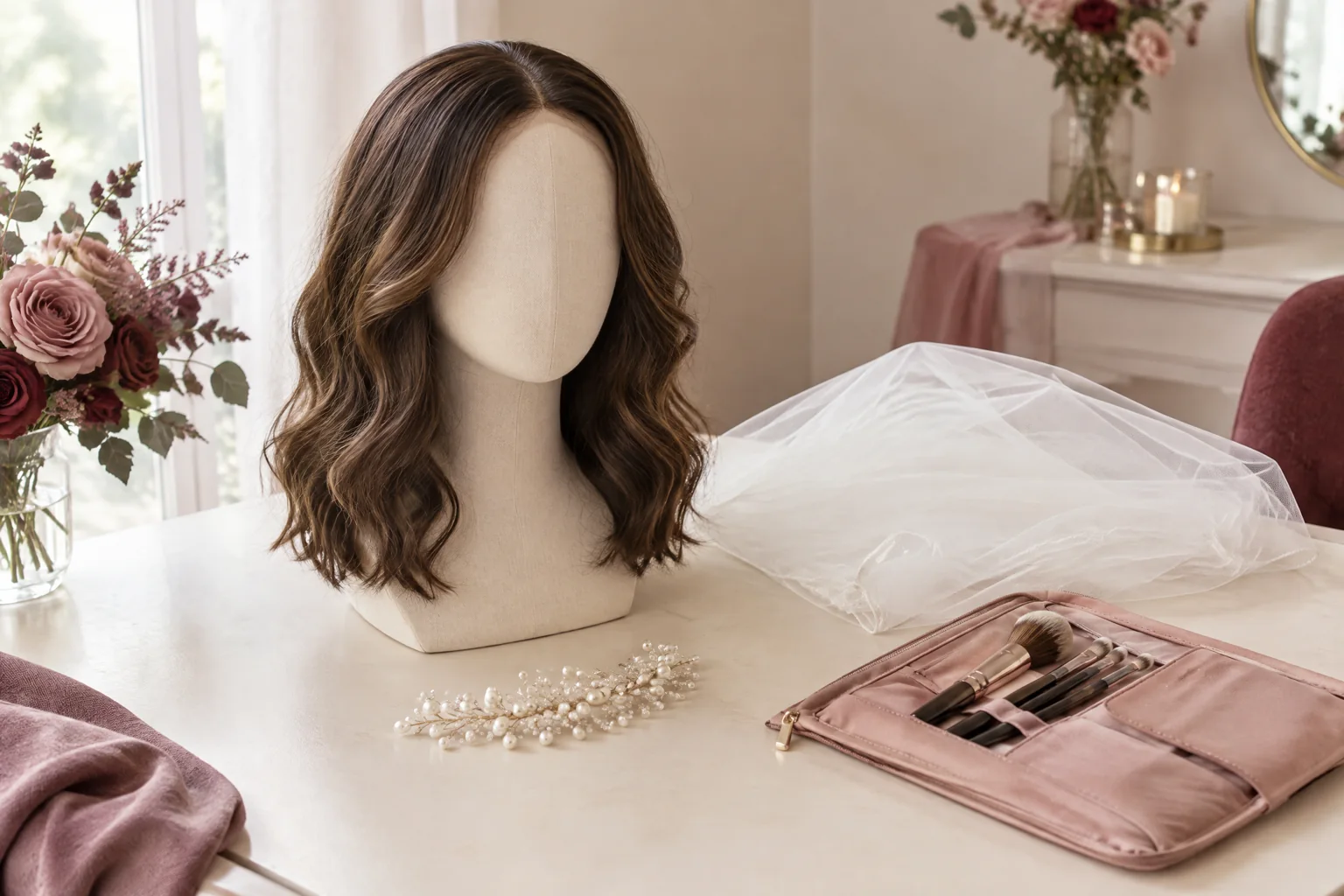
Write a handover note the recipient can use
Record permission as well as possession
A useful handover note follows the piece, not the whole bridal party. Write the item code, its container and the agreed recipient. Add who currently holds it and whether it is packed or still beside the mirror. The owner should confirm the recipient rather than leaving that decision to the nearest person. A friend carrying a case is responsible for that agreed transfer, not automatically for fitting the piece.
Keep handling permission specific. Someone might agree to carry the closed case but prefer to manage the piece herself. Another wearer might permit checking the label while keeping the container shut. Record that practical instruction in ordinary words. Avoid a broad note such as help with hair, which can mean several different things. Permission to hold a personal item does not include lending it to another bridesmaid.
If the owner requests a change, preserve the item code and update only the relevant instruction or recipient. Cross out the old recipient clearly on paper, or replace the current note in a shared message. Avoid leaving two apparently active versions. Ask the new recipient to acknowledge the code and container together. This is an item handover record, so it need not become a detailed record of everyone else's activities.
For selection reading, buy wigs online Hong Kong leads to OwnStrand's catalogue and style-specific enquiries. That browsing route is separate from recording a piece someone already owns. Keep a shortlist screenshot out of the live handover list until an actual item is identified. Questions about a chosen style, supply and delivery belong with that enquiry. The label system cannot create a spare piece or confirm an order.
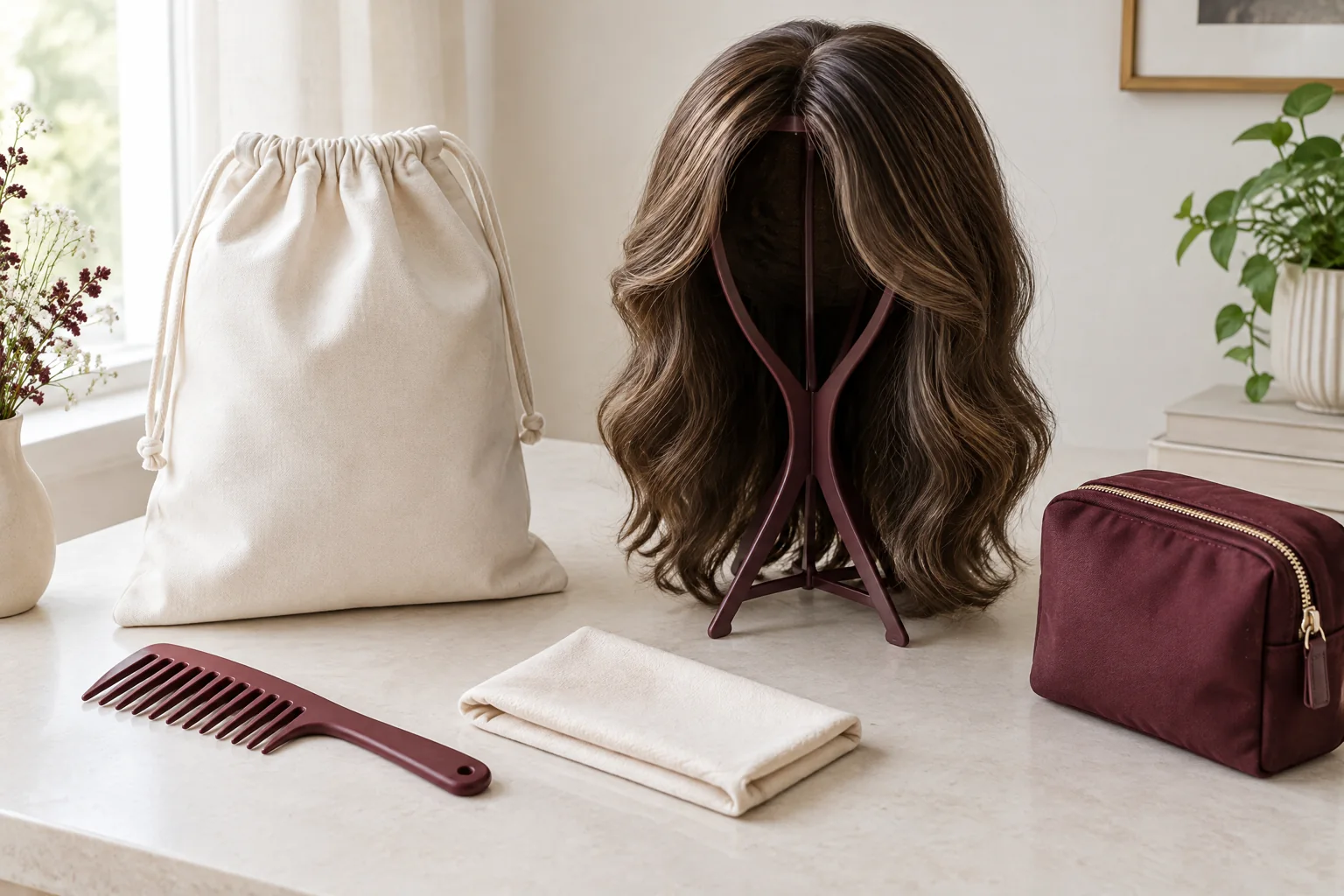
Resolve a mismatch before anyone moves the piece
Check, return and retire the record
If the lid and record show different codes, stop that particular handover. Leave the piece in a suitable resting place and contact its owner. Compare the item description and any permitted identification photo with her, rather than asking others to try it. A missing label should be replaced after ownership is confirmed. Keep an unidentified item separate from confirmed sets so an uncertain match does not spread through the containers.
If a piece catches on the container or the wearer reports discomfort, separate that issue from identifying ownership. The correct code does not make handling or wearing comfortable. Let the owner manage the item according to its instructions and decide whether she wants to continue. There is no need to swap pieces to maintain matching group hairstyles. Her choice about her appearance remains hers, even when the group shares a mirror.
When contacting a Hong Kong mobile wedding makeup artist, share the agreed look. Include a photo of your own identified piece. Mention whether you will manage it yourself and which makeup decisions need discussion. Ask about the requested arrangement directly rather than treating a handover note as a service booking. Keep transport recipients and storage instructions in the personal item record, where they are useful to the people carrying it.
At return, match the code, container and listed accessories with the owner or her chosen recipient. Mark the transfer complete after that person acknowledges receipt. If a comb or pouch is missing, record that specific outstanding item instead of closing the whole set. Once everything is returned, remove temporary owner lookup notes and private photos when no longer needed. Keep reusable blank cards, not unnecessary personal information from the day.
Key takeaway
The best choice is not always the most visible tray. Use an open resting place only when it suits the item and its owner. Choose a suitable personal case for a transfer, or keep possession with the wearer when that is simpler. A clear code and recipient note preserve ownership across those choices. They leave fitting, sharing and appearance decisions with the person who owns the piece.
Practical checklist
- Assign separate codes to each owned piece.
- Match every code to its container and card.
- Keep care instructions with the personal record.
- Agree on handling and the return recipient.
- Confirm accessories before marking the set returned.
Frequently asked questions
Can I write the bridesmaid's name directly on the hairpiece?
Use the container or a separate record card instead of marking fibres or the delicate base. The item itself may have construction or care restrictions. A removable container label avoids making a permanent change merely to identify ownership. Choose a discreet code if the wearer prefers it. Keep the matching owner note available only to whoever needs it for identification and return.
What if two bridesmaids have identical pieces?
Assign different owner codes and keep each piece with its own labelled container. Matching style names are useful descriptions, but they cannot distinguish ownership. Confirm the sets while both owners are present, then preserve those pairings. If the pieces become mixed, pause and ask their owners to resolve the match. Trying on the nearest piece adds handling without reliably identifying whose item it is.
Does a label mean another bridesmaid can borrow the piece?
No. The label identifies a personal belonging; it does not grant permission to share it. Ask the owner about any proposed handling, and respect a preference to keep the piece private. Carrying a closed case is also different from removing or attaching its contents. Agree on the actual action requested. A group wanting similar hairstyles can discuss appearance without exchanging personal hairpieces between wearers.
What should I do if I change containers during the day?
Keep the item code unchanged and move its matching card to the new suitable container. Remove or cover an old code on that container before using it. Record the container change and confirm it with anyone expecting to receive the piece. Check that the new storage follows the item's instructions. Changing the box should not change ownership or silently expand someone's permission to handle its contents.
Sources
| Source | What it supports |
|---|---|
| The meaning of personal data and the six data protection principles — Community Legal Information Centre | Personal data should be adequate but not excessive for its purpose. This supports limiting visible ownership labels and protecting the separate owner lookup, without claiming that coding alone guarantees legal compliance. |
| Travel Case — Jon Renau | Jon Renau describes a specific case with separate compartments for a wig or topper and a travel stand. This supports comparing travel storage with a temporary mirror-side tray, not promising universal container compatibility. |
Discuss your own makeup plans
For BigDeal Make Up makeup enquiries, WhatsApp +852 6918 3153 with your preferred look and a photo of your own hairpiece. Tell us which makeup arrangements you want to discuss. This number is for BigDeal makeup enquiries, not OwnStrand sales or bookings.
Ask on WhatsApp +852 6918 3153