
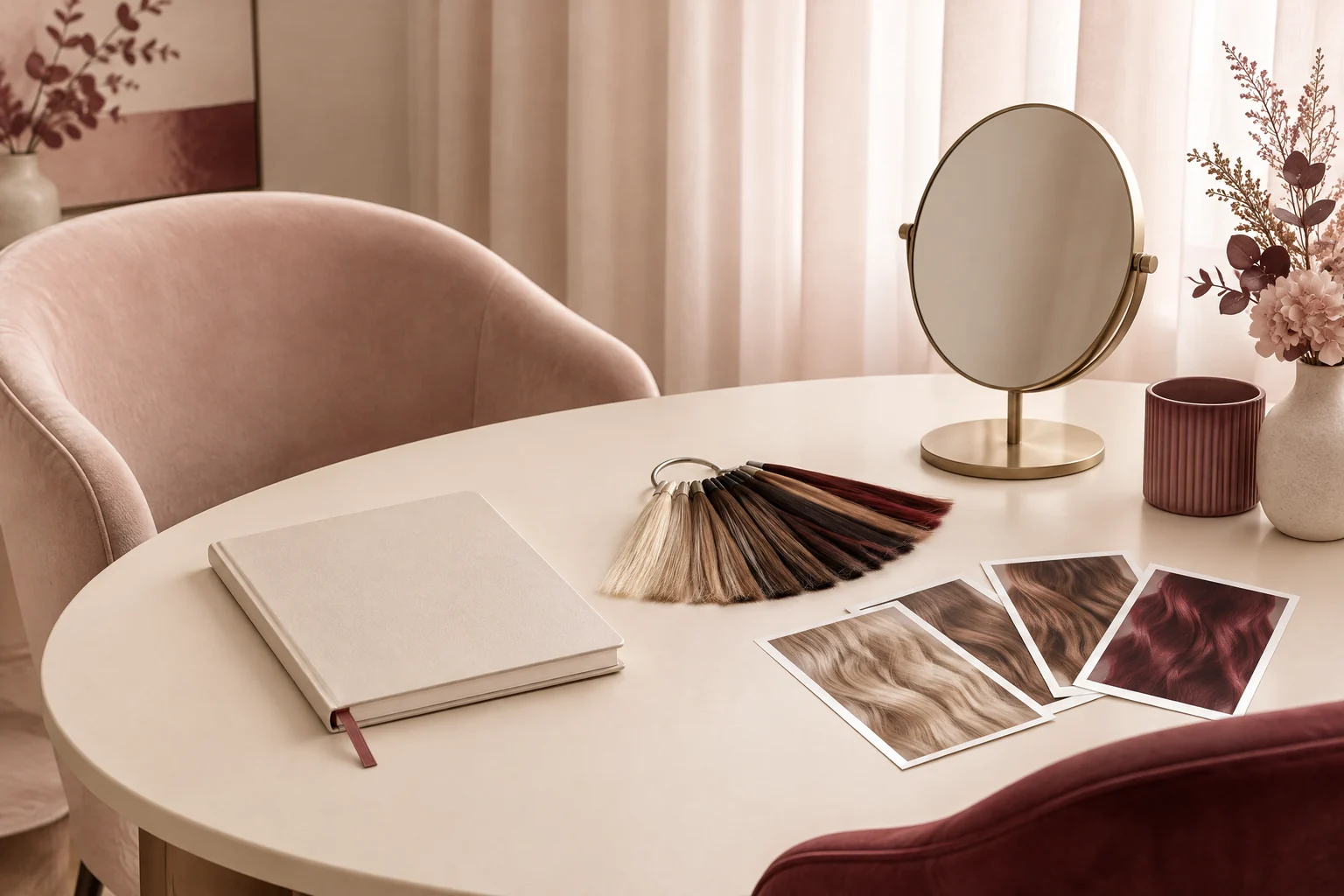
At a glance
A useful preparation plan names the product, its purpose and where it will be applied. It also records permitted touch-ups and who can change the plan. Camera checks can guide appearance decisions without turning scalp care into a production requirement. Keep optional wellness enquiries separate. Share necessary styling instructions with the crew, while limiting access to personal details and agreeing how preparation records will be handled.
Presenter one off hair products consent before filming
What presenter one off hair products consent covers
Begin with the visual requirement, such as keeping hair away from the eyes during a studio interview. Ask whether that result needs any added product. A changed parting or agreed clip placement may address the issue instead. Describe the proposed method before touching the hair. Permission for combing does not automatically include permission for spraying, scalp contact or a colour change. Those are separate decisions for the person receiving preparation.
Name each item clearly enough for the presenter to recognise it again. Include the product name, intended area and reason for using it. Explain whether it stays on until the end of filming. Identify any removal step that the person would need afterwards. A general description such as finishing product leaves important questions unanswered. If another item replaces it, return to the conversation rather than relying on the earlier agreement.
When arranging film and video makeup Hong Kong, include the hair preparation boundary in the production brief. State whether the requested support includes hair arrangement alongside makeup. Confirm the available preparation time and who attends the camera check. A booking category alone does not settle those details. This helps the artist propose a realistic sequence. It does not mean the production organiser has authorised every possible hair adjustment.
Separate initial application from later maintenance. A presenter might accept one application but decline further spraying during breaks. Record that distinction in ordinary language. Silence while reading a script should not be treated as a new yes. Ask again when the proposed product, application area or method changes. Let the person pause preparation without requiring an explanation in front of the full crew. Keep the agreed alternative ready for that moment.
- Agree the appearance goal before selecting products.
- Record touch-up permission separately from initial application.
Read the actual product information
A reassuring label does not settle suitability
The US Food and Drug Administration advises checking ingredient panels and following manufacturer directions. Its guidance warns against relying only on sensitive-skin or hypoallergenic wording. It notes that these terms lack a federal definition in the United States. That statement is not a description of Hong Kong labelling law. For preparation, the practical lesson is narrower: show the actual product information instead of promising suitability from a reassuring label. [1]
Keep the original packaging available when discussing an unfamiliar item. If the working container has no readable identification, resolve that information gap before proposing its use. The presenter can share an ingredient they wish to avoid without recounting their full medical history. When the ingredient description remains unclear, contact the manufacturer or choose the no-additions plan. An artist's familiarity with a product cannot establish another person's individual tolerance.
Do not offer a hurried application behind the ear as proof that a product is safe for filming. A preparation appointment is not a diagnostic allergy assessment. Follow the manufacturer's instructions rather than inventing a testing schedule. Someone with previous reactions can discuss suitable assessment with a healthcare professional. If irritation or other symptoms develop, pause cosmetic preparation. Do not hide discomfort with more product to preserve the planned look.
A cleanser described as detox is still a separate proposal, not an automatic response to visible residue. The scalp detox hong kong page provides a DT Hub service information entry point for voluntary enquiries. Its label does not establish a cure or a need before filming. Keep such an enquiry outside the production chair agreement. The immediate appearance decision concerns what may be applied today, not whether the presenter should undertake another service.
Make the no-additions version usable on camera
Change the arrangement before expanding permission
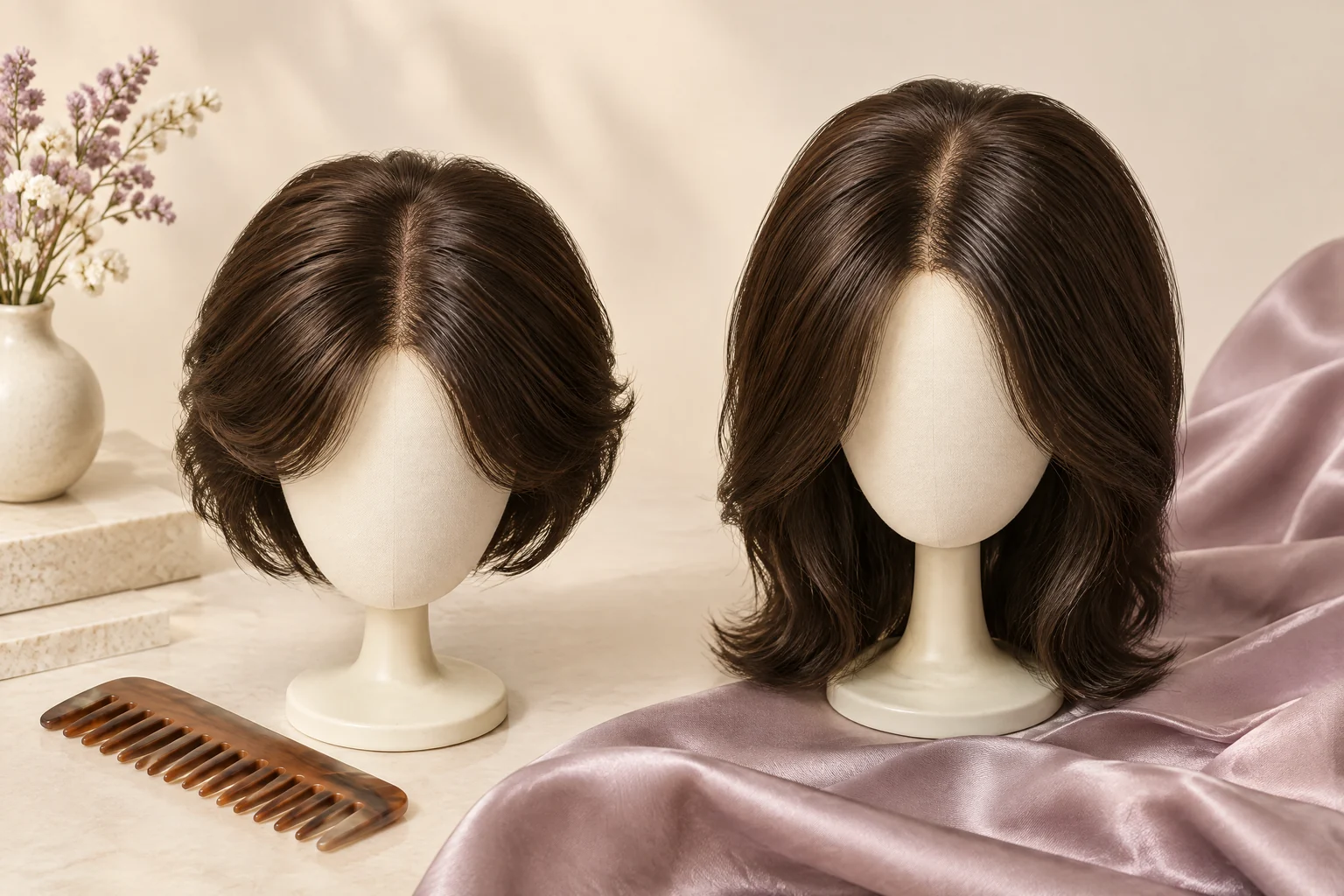
Define no additions precisely. It can mean no new sprays, creams, powders or cleansers during the appointment. Existing products applied at home may remain part of the starting appearance. Discuss combing, clips and heat separately, because refusing a product does not approve every alternative tool. Start with the presenter arranging their own hair if preferred. A clear boundary is easier to honour than a vague request for something natural.
Use the camera check to identify the actual distraction. Look at hair movement across the eyes during a normal turn or reading position. Compare a small arrangement change before considering a product addition. Keep the camera position and lighting consistent for that comparison. Otherwise, an unrelated framing change can obscure the decision. The aim is an acceptable presentation, not a promise that unaltered hair will behave identically throughout every take.
For media makeup artist Hong Kong enquiries, explain whether the presenter will use a desk microphone or wear an earpiece. Ask the production team where equipment needs access. Keep styling tools away while the relevant crew member positions that equipment. This coordination may reduce unnecessary rearrangement afterwards. Agree who requests a hair adjustment during rehearsals. Several people issuing conflicting instructions can make it difficult for the presenter to maintain a clear product boundary.
Choose an acceptable fallback before the first recording. It might retain a loose strand or use a presenter-approved clip outside the shot. Another option is a brief pause for the presenter to rearrange their own hair. The producer should account for that pause in the running order. Calling this version unfinished creates pressure to accept unwanted additions. Treat it as a planned appearance choice with known visual compromises instead.
| Plan | Permission to record | Production adjustment |
|---|---|---|
| No added products | Specify permitted combing, clips or personal rearrangement separately. | Allow a short reset and accept agreed loose strands. |
| One named product | Record its application area and whether further applications are permitted. | Keep the identified item available without substituting another product. |
| Limited touch-ups | State the accepted method and ask again if the proposal changes. | Nominate one contact to request and coordinate adjustments. |
Keep preparation notes focused and private
Product permission is not permission for every record
Hong Kong's Privacy Commissioner explains that collected personal data should be necessary, adequate and not excessive for its purpose. People should be told why their information is collected and the classes of intended recipients. Apply this principle to the preparation record. Note the agreed product boundary without circulating unrelated health details. These are data-handling principles, not a ruling about which grooming instructions an employer may impose in every situation. [2]
A practical note might say that no new hair products are approved and that the presenter will arrange loose strands. That communicates the working instruction without recording a diagnosis. Decide who needs that note to carry out preparation. The artist and designated production contact may need different levels of detail. Avoid adding personal explanations to a general call sheet. The crew needs an actionable boundary, not the presenter's reason for choosing it.
Treat a continuity photograph as another decision rather than a by-product of agreeing to hair preparation. Explain its purpose, intended access and proposed retention arrangements. A working reference image should not drift into promotional use. Record separately whether any wider use is agreed. If a written note can capture the arrangement adequately, consider whether a photograph is needed at all. A routine production habit is not itself a reason to collect more information.
Make updates easy to communicate privately. Nominate one person who receives a changed instruction and tells the relevant crew. Replace an outdated working note instead of leaving conflicting versions in circulation. Agree how records will be retained and removed when no longer needed. A one-off appearance does not justify keeping personal preparation details indefinitely. If an employment or privacy dispute arises, seek appropriate professional advice rather than treating this styling plan as legal advice.
Keep optional scalp services outside the brief
An enquiry must remain the presenter's own choice
A presenter interested in head spa hong kong can consult DT Hub's service page separately from the filming arrangement. That is an optional information route, not a broadcast preparation requirement. The production team should not place attendance on the grooming checklist or request proof of booking. Wanting a polished screen appearance does not establish a need for a wellness service. Keep the person's choice separate from their access to makeup preparation.
An organiser may offer to discuss a preference, but should avoid interpreting a refusal as poor cooperation with the shoot. Write the visual requirement in terms of the frame and performance. Do not write it as a demand to obtain a named scalp service. If the organiser raises health concerns, move that discussion away from cosmetic styling. Persistent, sudden or symptomatic scalp changes warrant assessment by an appropriately qualified healthcare professional.
The head spa kwun tong anchor leads to the same DT Hub head-spa information page. It does not establish additional branches or a production team's preferred travel arrangement. Anyone considering a visit can ask about the actual appointment scope and travel to Kwun Tong. Keep that discussion outside the presenter's call time. A location-based service label should never become evidence that the filming team has arranged attendance or approved a treatment.
Do not connect the service enquiry to an appearance guarantee. Cleansing or relaxation descriptions cannot predict how a presenter's hair will look under a particular production setup. The artist still needs to assess the starting arrangement on the day. Avoid using a wellness booking as a condition for receiving that assessment. A separate enquiry should remain separate in the calendar, the production paperwork and the permission conversation at the chair.

Build the agreed choices into the running order
Protect the boundary through touch-ups and handover
Before preparation starts, repeat the short working plan to the presenter. Confirm the named products or the no-additions choice, along with permitted tools and touch-ups. Make the agreed items distinguishable from the rest of the kit. If the requested appearance cannot be achieved within those limits, explain the specific visual compromise. Offer an arrangement change or a timing adjustment. Do not quietly expand the product list because filming is about to begin.
For a makeup artist for corporate video enquiry, share the recording format and the presenter's practical boundaries together. A teleprompter session may need a different checking sequence from a moving demonstration. Ask BigDeal about the proposed makeup arrangement and service timing for that brief. Keep the company approver responsible for production decisions. The individual presenter remains the person who agrees to cosmetic contact, even when someone else organises the appointment.
During breaks, compare the hair with the agreed starting arrangement before requesting any change. Ask whether the presenter wants assistance or prefers to adjust it personally. A previously accepted product still has an agreed application scope. Repeated requests can become pressure when the person has already declined. If a different artist takes over, hand over the current instruction directly. Do not assume permission transfers simply because the kit or chair stays the same.
At the end, identify what was actually used and explain the relevant manufacturer removal directions. If no products were added, record that accurately without implying the hair received treatment. Let the presenter correct the working note if it misstates their choice. Close any unresolved continuity-record questions with the designated production contact. A successful handover leaves the person knowing what happened. The crew also knows which boundaries still apply to any later pickup filming.
Key takeaway
The strongest preparation plan gives the presenter a workable choice before anyone reaches for the kit. Describe the result, identify the method and agree the fallback. Keep product permission specific through every handover. Optional scalp-service enquiries belong outside the production requirement, while private information stays limited to what the preparation task genuinely needs.
Practical checklist
- State the on-camera appearance goal without requiring a scalp service.
- Identify proposed products and make their ingredient information available.
- Agree a no-additions version, including permitted tools and reset time.
- Separate initial application, touch-ups and continuity photograph decisions.
- Limit working notes to necessary details and identify their recipients.
Frequently asked questions
Does a filming booking approve every hair product?
No. Use the booking to discuss the appearance goal and proposed preparation. Confirm each product and its application scope with the presenter. Permission for makeup or combing should not be treated as blanket permission for additional hair products.
What if I decline products but still need tidy hair?
Agree a no-additions version before recording. Discuss a changed parting, permitted clips or personal rearrangement. Check that version on camera and identify any acceptable compromise. Tools and heat need their own discussion rather than automatic approval.
Must I explain my medical history to the crew?
A preparation instruction can describe what is permitted without distributing your medical history. Discuss necessary personal information privately with the relevant person. Ask why it is recorded, who receives it and how long it will be kept.
Is a head-spa appointment part of broadcast preparation?
Treat it as a separate, voluntary enquiry. It should not become a condition within the styling plan. This article does not establish medical benefits or decide employment disputes. Seek qualified advice for health concerns or specific legal questions.
Can the artist substitute a similar product during a break?
Return to the product conversation before making a substitution. A similar purpose does not make two products identical. Review the proposed item and application area, then obtain a clear response. Keep the no-additions option available if the presenter declines.
Sources
| Source | What it supports |
|---|---|
| Allergens in Cosmetics — U.S. Food and Drug Administration | Review actual ingredient information and manufacturer directions instead of relying on sensitive-skin or hypoallergenic wording. The absence of federal definitions is a US-specific point. |
| The Ordinance at a Glance — Privacy Commissioner for Personal Data, Hong Kong | Collect only necessary, adequate and non-excessive personal data, with clear information about purpose and intended recipient classes. These principles support limited preparation records, not a universal employment-law conclusion. |
Discuss your own makeup plans
Discuss your presenter makeup arrangement with BigDeal Make Up on WhatsApp +852 6918 3153. Share the recording format, preparation time and preferred product boundaries.
Ask on WhatsApp +852 6918 3153