
At a glance
The most useful enquiry separates fixed facts from preferences. Fixed facts include the event, timing, location and people requiring styling. Preferences include finish, references, hair interest and communication needs. Health-related notes need care, because a service enquiry cannot diagnose or treat concerns. The practical trade-off is simple: relevant detail reduces follow-up, while excess inspiration can obscure priorities. Send one readable message, then keep confirmed terms together.
Start with makeup service enquiry details that matter
How makeup service enquiry details shape a reply
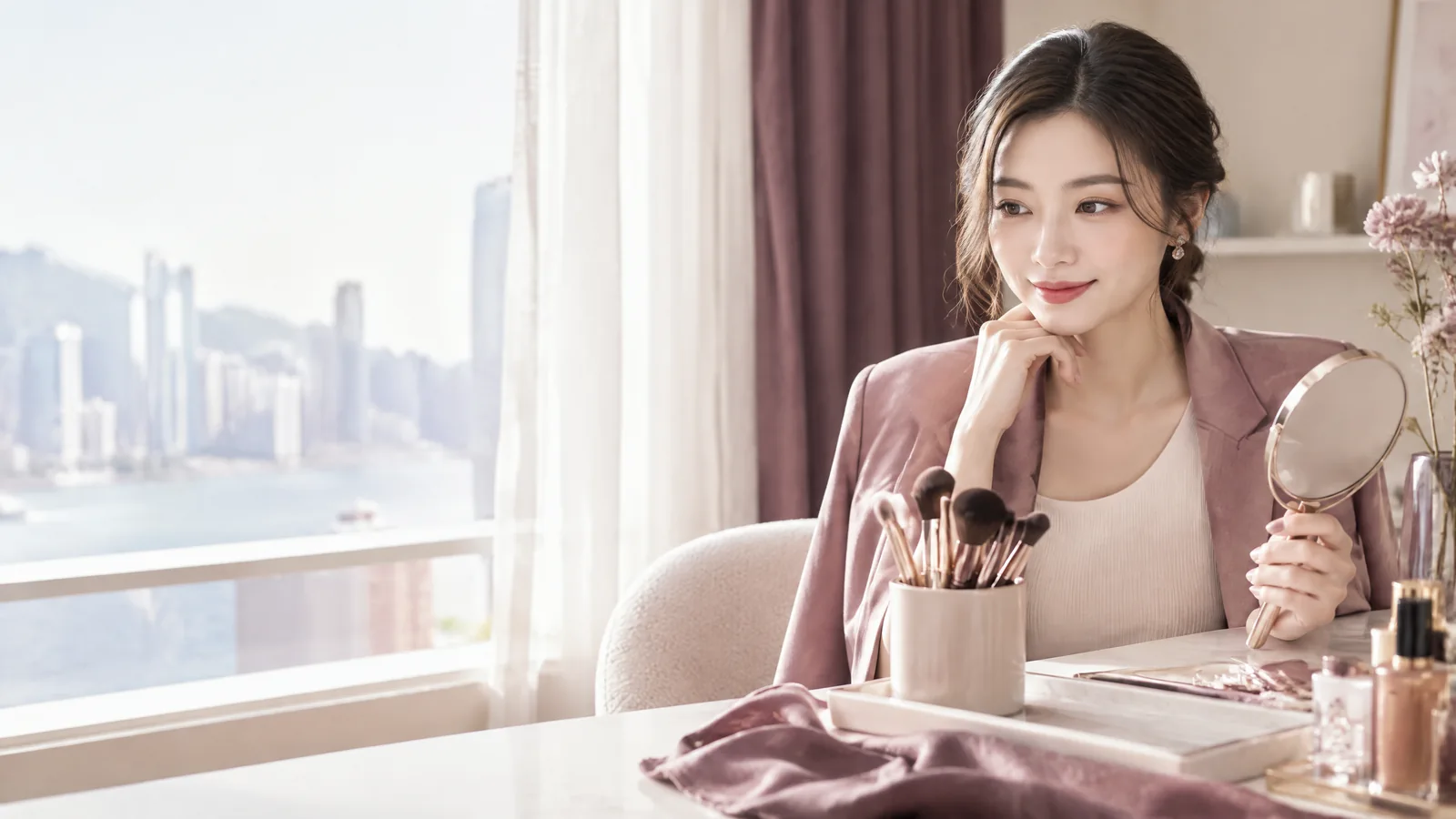
Begin with the occasion and the one time that cannot move: your ready-by time. State the date, whether makeup alone or makeup and hair are of interest, and how many people need consideration. Name the event plainly, such as a registration, banquet, portrait session or wedding. Add the district or venue if known. This turns a broad request into a scheduling question. It also reveals whether several people share a deadline or need separate preparation windows.
Communication preferences deserve one clear line rather than an assumption. If they matter, say how you wish to communicate and whether another person coordinates decisions. The English speaking makeup artist Hong Kong guide can help frame that request, but arrangements still need confirmation. Provide a WhatsApp number or email that you check regularly. Avoid sending several contacts without explaining who can approve changes. One decision-maker reduces missed messages and conflicting answers.
Use a compact message order so important details stay visible. Put fixed facts first, then style preferences, comfort notes and questions. Mention a flexible start window only when it is genuine. Do not describe a time as flexible when transport, photography or venue access fixes it. A concise subject line also helps. For example, write “Wedding enquiry, 14 June, ready by 10.30am” rather than a general request for availability.
Turn timing and venue into a workable brief
Map the day before describing the look
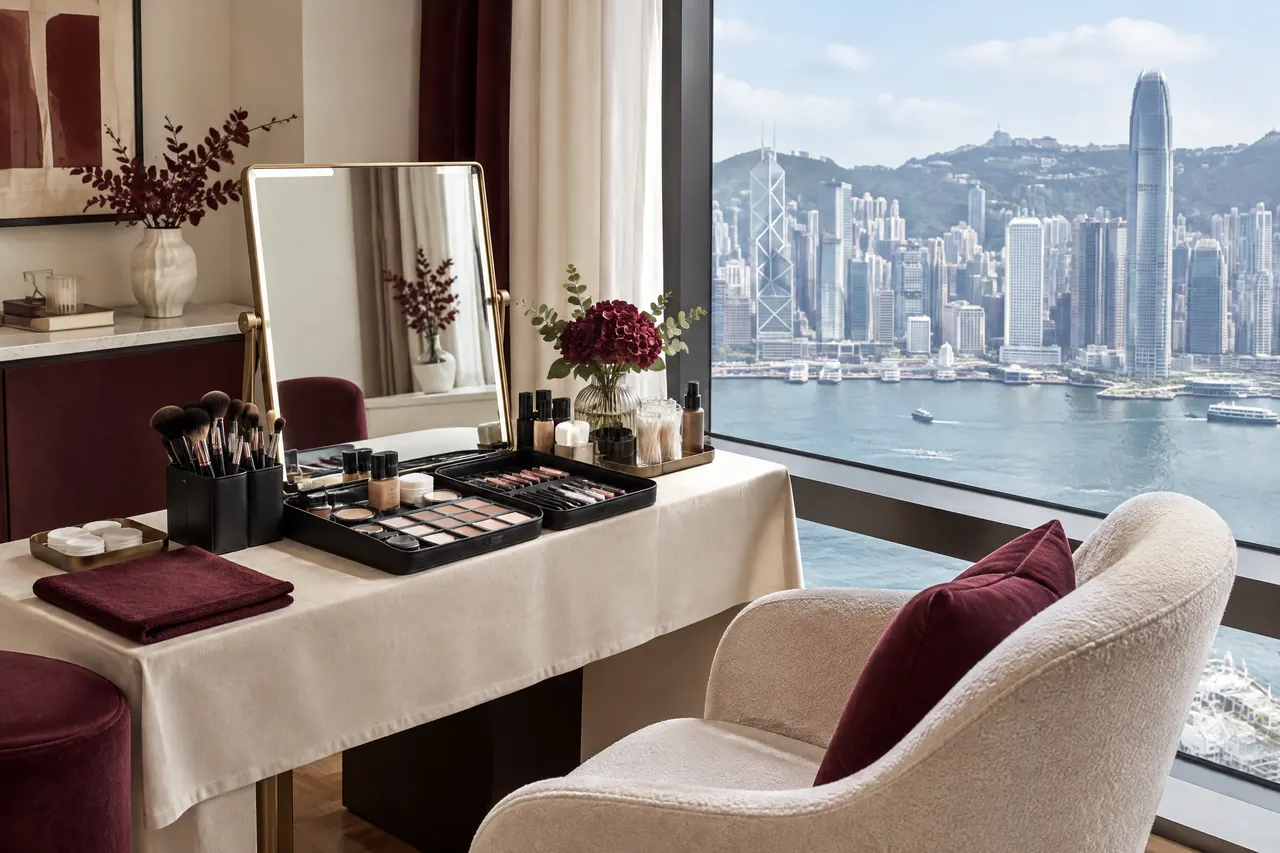
Work backwards from the moment you must be ready, not from a preferred appointment start. Include the first photograph, ceremony, meeting, vehicle departure or venue check-in that affects your timing. Then note any fixed preparation moments, such as dressing, steaming, childcare or a photographer's arrival. You do not need to estimate application time yourself. Instead, share the sequence so customer service can discuss a practical arrangement around the event’s real constraints.
A Hong Kong destination wedding makeup artist enquiry benefits from a simple itinerary. List arrival, registration, ceremony, photographs, transfers, reception and any outfit changes in order. Include each location's name and practical access information only when available. International guests can also state their Hong Kong arrival date and local contact. Those details identify possible hand-offs without assuming coverage. Keep the itinerary factual, then ask which parts require separate arrangement confirmation.
Venue notes can be brief but specific. Mention whether the room has a reliable table, a chair, power points and useful natural or indoor light. Say if the location is a hotel, home, studio or event venue. Include lift, security or loading instructions only when you have them. Do not promise access on behalf of a venue. Ask the venue directly, then update the enquiry if details change. This keeps practical questions separate from style decisions.
| Information | Why it matters | Clear wording |
|---|---|---|
| Event and date | Sets the basic context | Wedding dinner, 14 June |
| Ready-by time | Shows the fixed deadline | Ready by 10.30am |
| Venue and access | Frames practical planning | Hotel in Tsim Sha Tsui; lift details pending |
| Headcount | Shows who needs consideration | Bride and two family members |
| Look priorities | Guides the visual discussion | Softly defined eyes; lightweight base |
Describe the outcome rather than a product list
Use references to set priorities
Describe how you want to feel and where the look will be seen. Words such as natural, polished, softly defined or evening-ready can be useful when paired with a reason. Mention the dress colour, lighting, camera use or formal dress code if it affects the decision. Explain what you want to avoid as well. For instance, you may prefer lighter coverage, a quieter lip, or less emphasis around the eyes. Clear priorities are more useful than trend names alone.
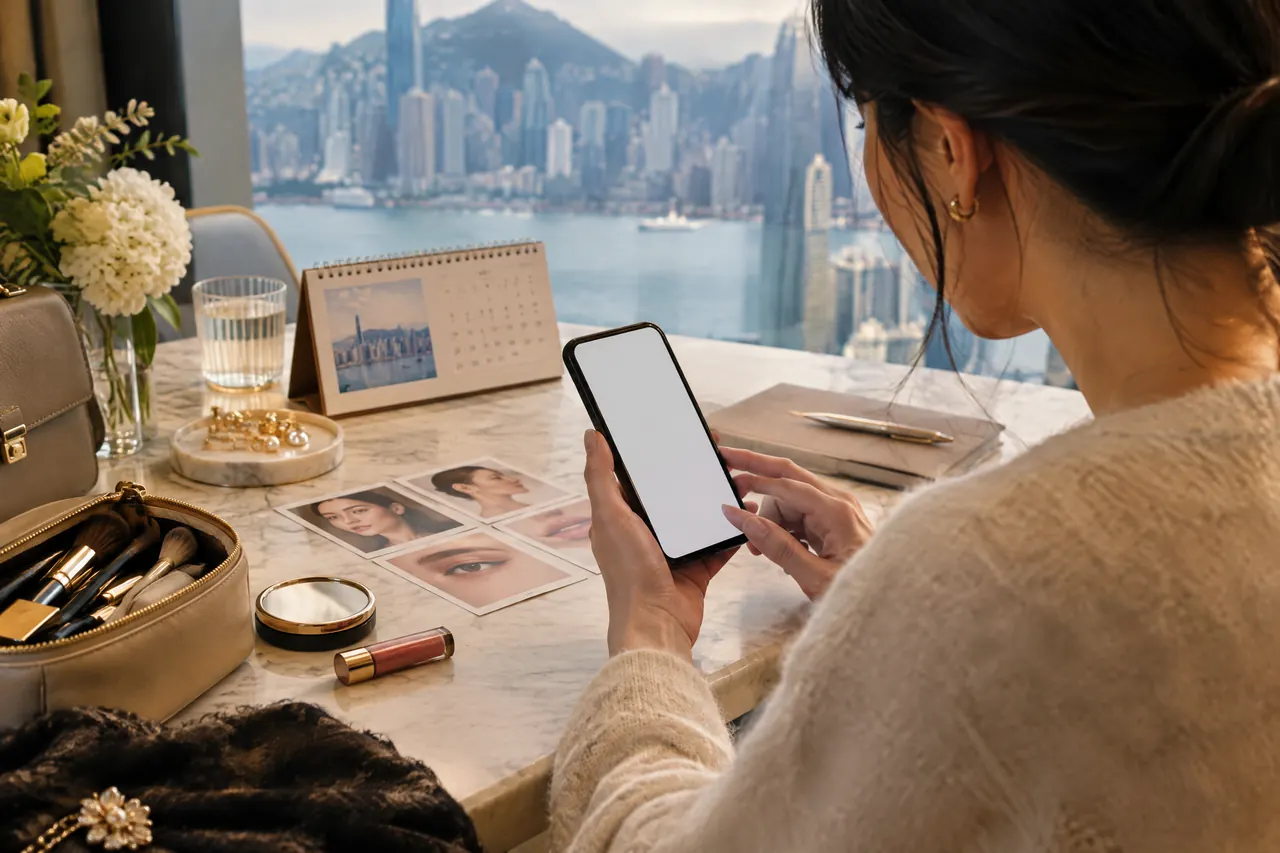
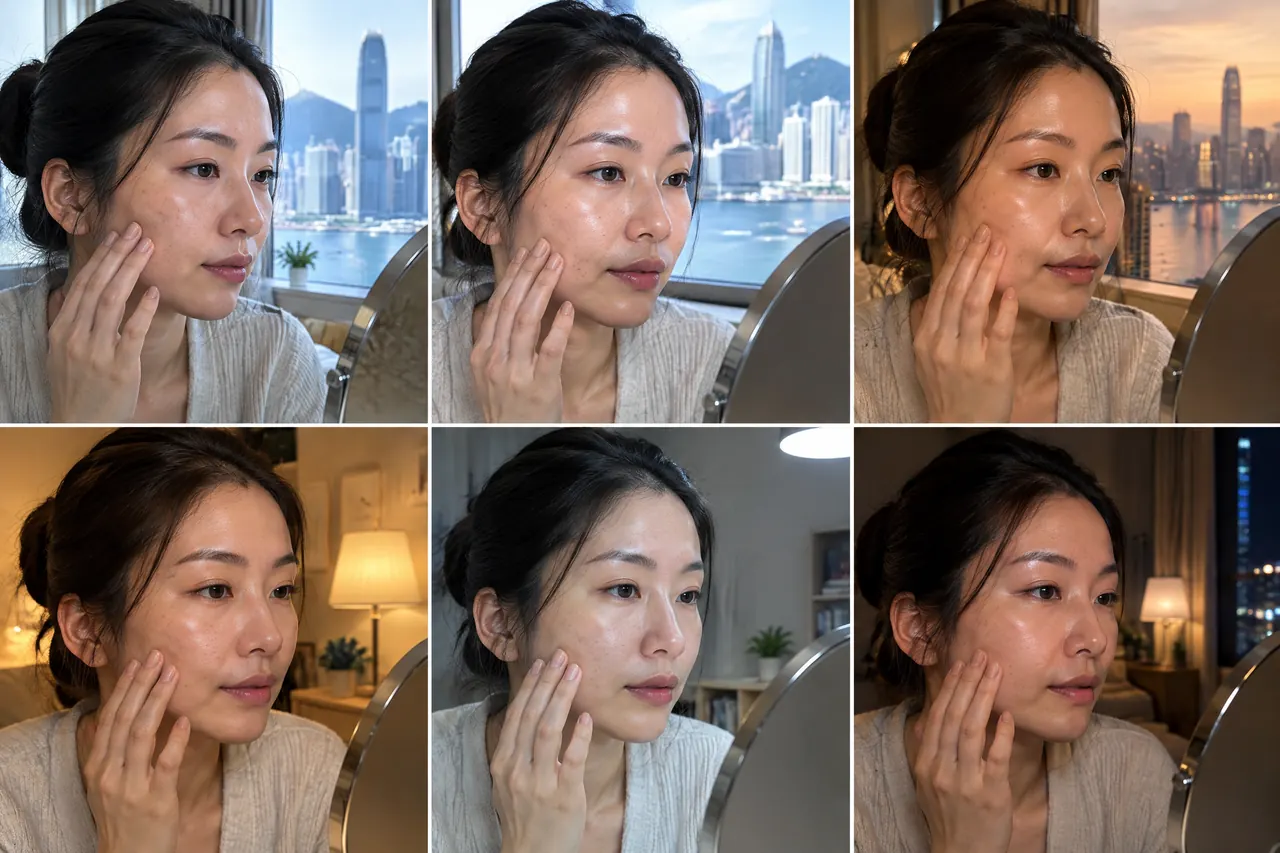
Send two or three references that show the finish, eye definition or hair direction you prefer. Add one sentence under each image explaining the feature you noticed. A reference is a conversation tool, not a promise of an identical result. Faces, skin conditions, lighting and clothing vary. If an image includes heavy editing, say that you like the colour mood rather than expecting the same texture. This makes the visual brief honest and easier to discuss.
Separate essential preferences from ideas that are still open. Essential points might include a preferred lip family, glasses comfort, a fringe, or an accessory sequence. Open points could include blush placement or the degree of shine. Mention whether hair is part of the enquiry, since it changes the preparation conversation. Avoid listing specific products unless you have a known reason. A provider can then respond to the outcome you need, instead of a fixed shopping list.
Handle comfort and sensitivity details carefully
Share known information, not a diagnosis
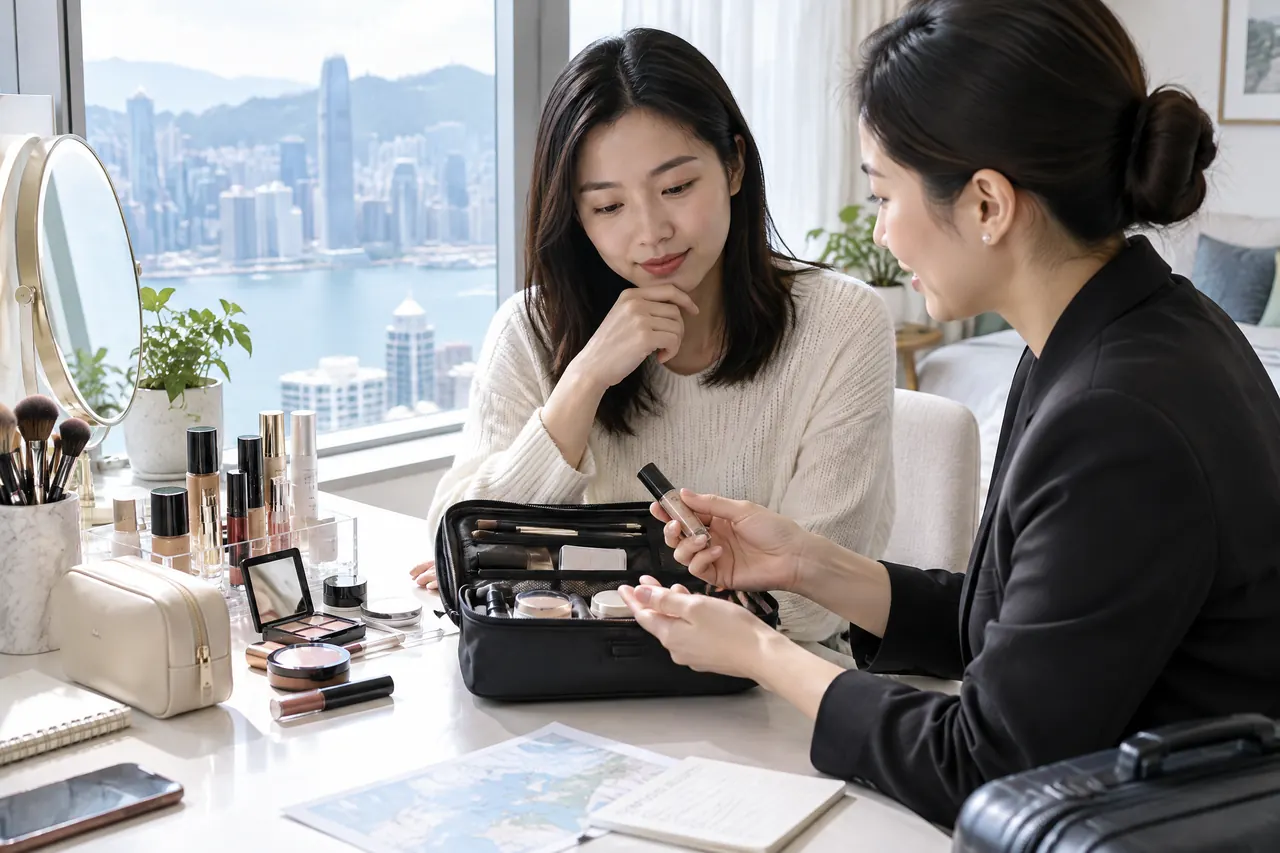
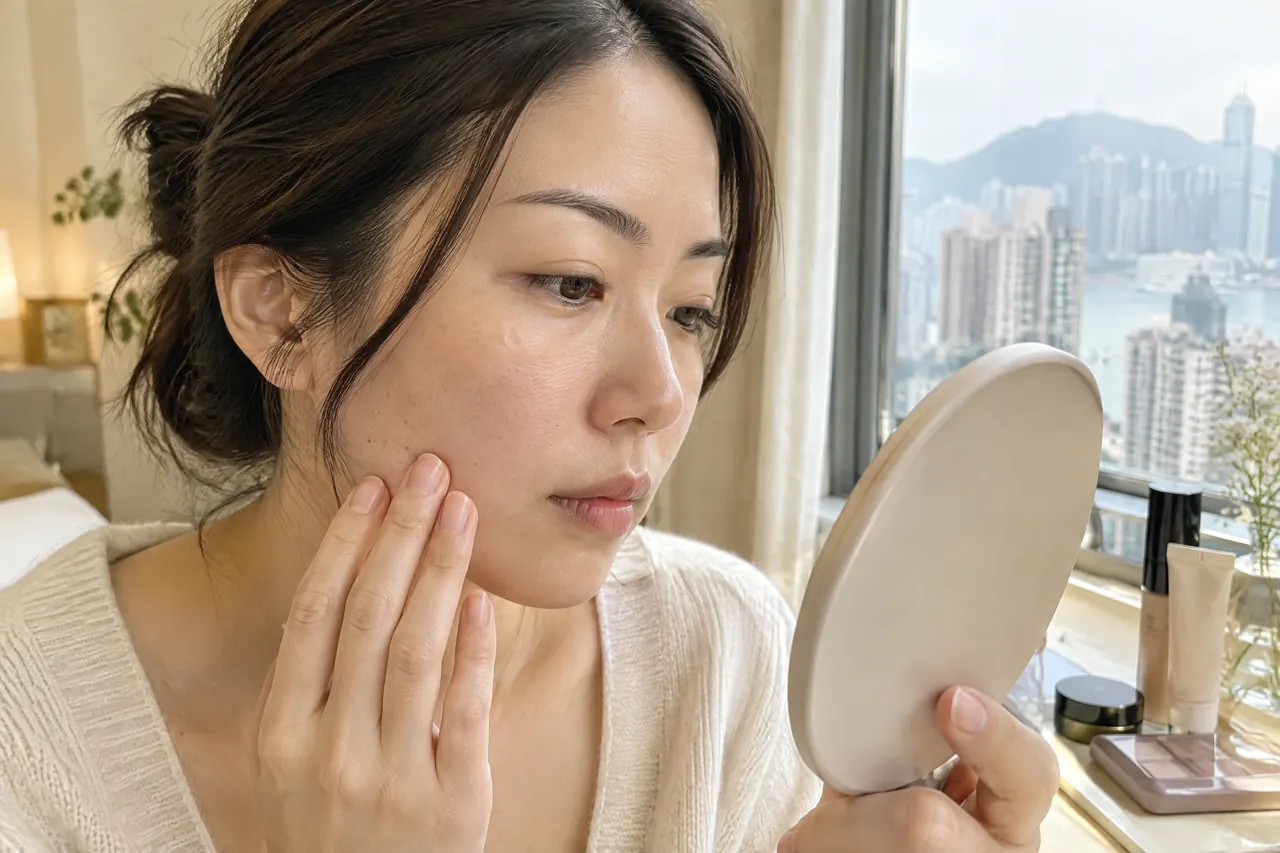
If you have reacted to a cosmetic before, describe what happened, when it occurred and the product if known. Do not label it yourself as an allergy. The FDA notes that cosmetic products can provoke allergic reactions in some people, often involving itchy, red rashes. [1] State known ingredient restrictions and whether you use contact lenses. This supports a practical product discussion, but it cannot replace advice from a qualified clinician. [1]
Patch testing is different from a casual service trial. The British Association of Dermatologists describes it as a specialist procedure in dermatology departments for contact allergy questions. [2] Their guidance also notes that personal cosmetics and their ingredient packaging may be relevant to assessment. Keep any clinician-directed information available for your own care. An enquiry should simply flag practical concerns early, without seeking diagnosis, treatment or a medical opinion from a makeup provider. [2]
Keep sensitive details proportionate. A short note such as “past irritation from fragranced eye products” is clearer than a long medical history. If you need time to discuss possible product choices, say so early. The English Makeup Services overview helps distinguish a service appointment from a learning enquiry. Confirm practical boundaries before you rely on a proposed arrangement. For urgent symptoms or serious concerns, seek appropriate medical help instead of treating the enquiry as clinical advice.
Make contact details and questions easy to answer
Keep decisions and questions together
Finish the message with one contact route, the best time to reply and a short list of unanswered questions. The Contact and Enquiry Information page shows the core details needed for a clearer request. Keep questions focused on scope, timing, location and any stated preferences. Ask whether a suggested arrangement can be considered, rather than assuming it is held. A neat final block helps customer service respond in one place and reduces the risk of overlooked details.
Ask questions that could change your decision. Ask what information is needed before timing can be discussed. Ask whether a reference needs clarification or venue details remain outstanding. For a group, identify who can make the final decision. Also state whether everybody shares the same ready-by time. Avoid asking several versions of the same question through different channels. One message thread is easier to review and gives you a clearer record of what was discussed.
Keep written replies, screenshots and any updated itinerary together after the first exchange. If a detail changes, send the new fact at the top of your next message. State what changed and whether the ready-by time, venue or headcount is affected. Do not assume a previous answer still applies after a major revision. A written update lets customer service reconsider the arrangement. It also helps you check that the final plan matches the event you described.
Review your message before sending
Use a short checklist before you press send
Read the enquiry once from the recipient’s viewpoint. Can someone identify the occasion, fixed ready-by time, location, people involved and preferred contact route quickly? If not, move those details to the opening lines. Then check that your visual references and questions match the same event. A wedding itinerary should not be mixed with a separate dinner request. Clear separation prevents assumptions and makes a later written confirmation easier to compare with your original needs.
Remove anything that does not help a decision. Long backstories, repeated screenshots and uncertain product lists can hide important facts. Keep one or two relevant images, a concise timeline and your actual questions. If you are still deciding between two options, say so directly. Label them as alternatives rather than asking for both at once. Honest uncertainty is useful information. It allows the reply to focus on what must be settled before arrangements can be confirmed.
Finally, keep the conversation practical and respectful. State preferences clearly, but leave room for further questions about timing, venue conditions and scope. Confirm any agreed change in the same message thread. If another person manages the venue or schedule, copy them only with their permission. A well-prepared enquiry does not force a decision. It creates a reliable starting point for a realistic discussion, followed by written confirmation where appropriate.
- Put the event date and fixed ready-by time in the opening lines.
- Name the venue or district and any known access details.
- State the number of people and whether hair is relevant.
- Attach two or three annotated references, not a large gallery.
- Flag known comfort concerns without requesting medical advice.
- Use one contact route and list the questions still unanswered.
Key takeaway
A good enquiry is detailed where the schedule is fixed and flexible where the look remains open. Lead with the ready-by time, venue and headcount. Then use a few annotated references to explain priorities. This is the useful trade-off. It gives customer service enough context to discuss a workable arrangement. It also leaves room for written confirmation of details that may still change.
Practical checklist
- State the occasion, date and fixed ready-by time first.
- Give the venue or district and any confirmed access information.
- List the people needing consideration and their different deadlines.
- Add annotated references that show your actual priorities.
- Flag known comfort concerns and your preferred contact route.
- Keep agreed updates and final confirmation in one message thread.
Frequently asked questions
What is the minimum information for a first enquiry?
Include the occasion, date, fixed ready-by time, venue or district, headcount and one contact route. Add whether makeup, hair, or both are being considered. Then ask the few questions that genuinely affect your decision.
Should I send reference images?
Yes, send two or three images with a short note explaining each useful feature. Focus on finish, eye definition, lip tone or hair direction. References support a discussion, but they do not guarantee an identical appearance on another person.
How should a visitor to Hong Kong explain logistics?
Share the hotel or venue name, local contact, confirmed event sequence and any known access instructions. State your arrival date only if it affects preparation planning. Keep uncertain details clearly marked, then send an update when they become confirmed.
Should I mention previous cosmetic reactions?
Mention a past reaction, known restrictions or contact-lens use in concise terms. Give the product name if you know it. An enquiry cannot diagnose the cause. Seek qualified medical advice for active symptoms, serious concerns or testing decisions.
Is an enquiry a confirmed booking?
No. An enquiry begins a practical discussion about your needs. Treat date, timing, location, scope and other requirements as unconfirmed until customer service provides written confirmation. Keep that confirmation with your final itinerary and contact details.
Sources
| Source | What it supports |
|---|---|
| Allergens in Cosmetics | Cosmetic products can provoke allergic reactions, and known sensitivities and ingredients matter when avoiding exposure. |
| Patch Testing | Patch testing is a specialist dermatology procedure for possible contact allergy, and personal cosmetic products with ingredient packaging may be relevant. |
Discuss your own makeup plans
Send your date, ready-by time, venue, headcount and preferences through WhatsApp +852 6918 3153 for a practical Hong Kong enquiry.
Ask on WhatsApp +852 6918 3153