
At a glance
A smooth change depends on a workable opening, clear helper positions and a familiar checking routine. Keep makeup that still looks right. Restore only a disturbed area, or change the dressing sequence when the same contact keeps happening.
Bridal dress change makeup contact starts with the opening
Find the moment fabric crosses your face
Start with the movement that brings the garment nearest your makeup. The opening might cross your forehead before the dress settles over your shoulders. A sleeve can brush a cheek while your arms are raised. Lipstick may meet the lining as the opening narrows. Watch these moments separately during rehearsal. Knowing where contact happens is more useful than assuming the whole face needs stronger coverage for every dress change.
Ask your dress supplier how this particular gown should go on and come off. A zip or fastening does not automatically make stepping into it possible. Its lining, fitted waist or internal support may change the entry route. Use the approved method rather than stretching an opening to protect your makeup. If overhead dressing is required, practise its widest opening before the final hair arrangement, with your supplier's handling instructions available.
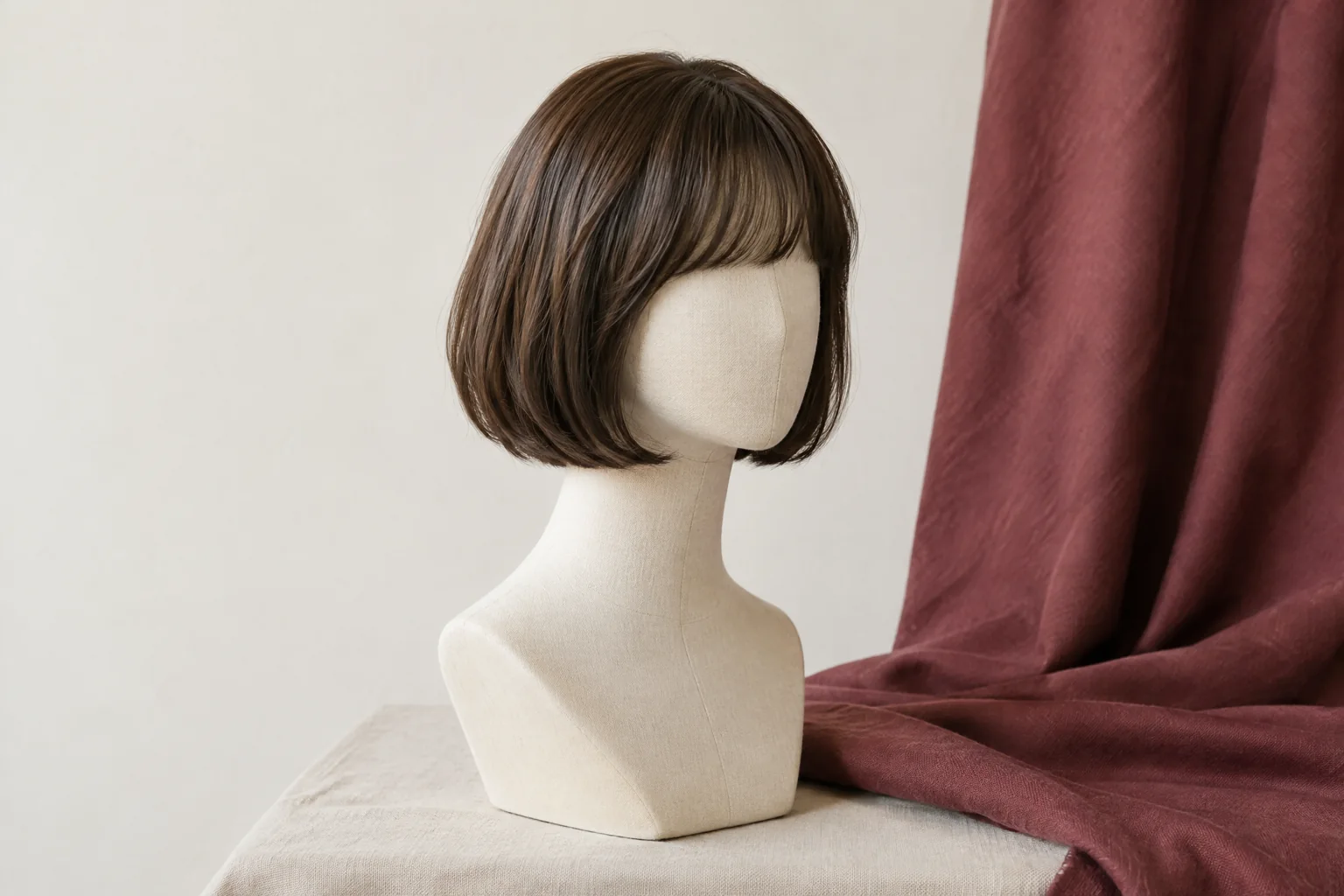
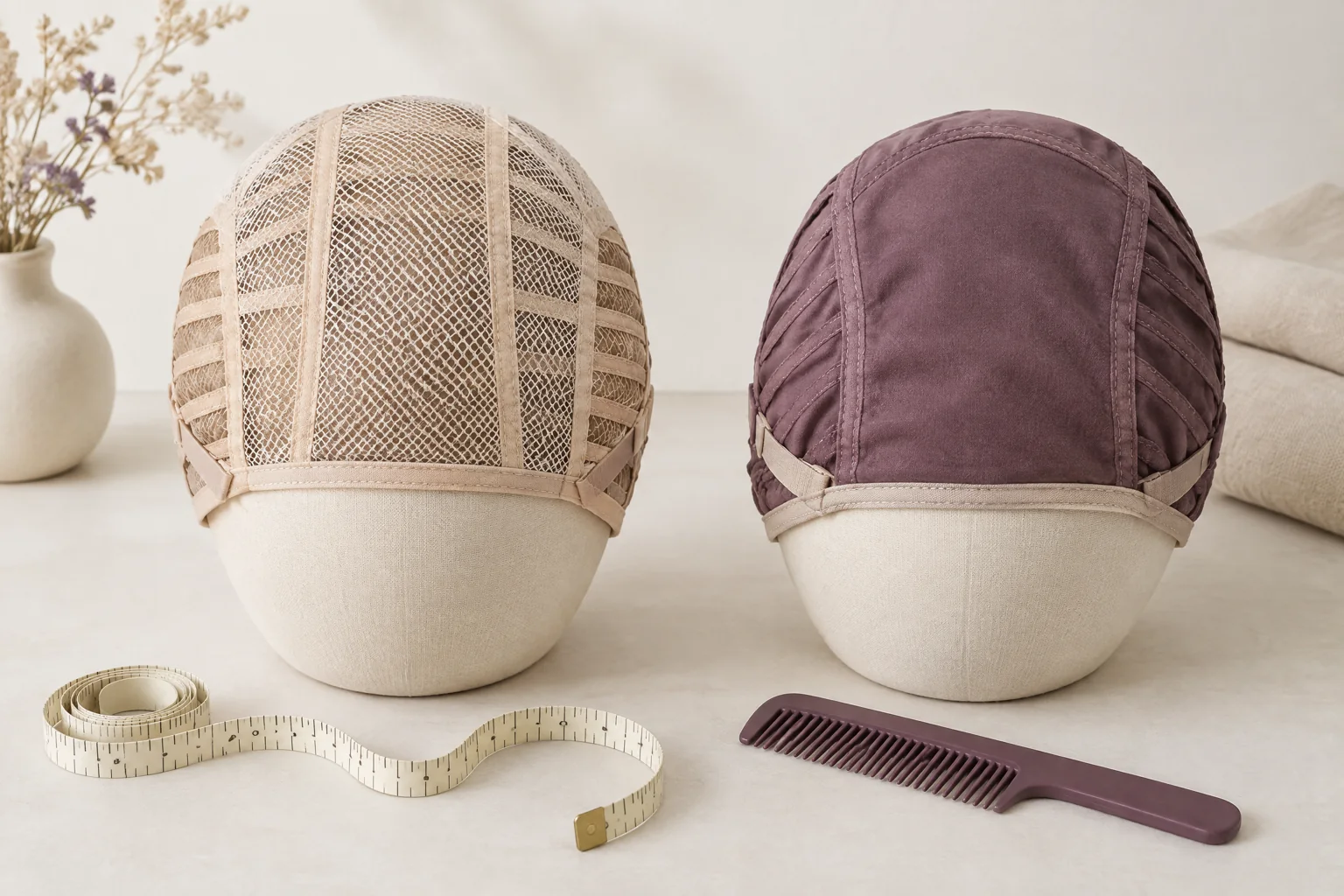
Your chosen hairpiece belongs in this rehearsal, even when its outline seems compact. OwnStrand shares BigDeal Make Up's owner and offers related selection reading. Its bob wigs page explains that a bob describes a cut, not one fixed length. That helps you describe your actual piece without treating the style name as clearance information. Test the piece you intend to wear; changing its label will not reveal where fabric catches.
When enquiring about bridal makeup Hong Kong, include your dress change rather than sending only a finished look photograph. Explain whether the second outfit passes overhead and who will help you dress. Send a clear picture of the opening and the hairpiece you plan to wear. This focuses the discussion on exposed contact areas and available handover time. It replaces an unspecified request for transfer-free makeup.
Rehearse the change in a usable room
A bridal dress change makeup contact rehearsal with real items
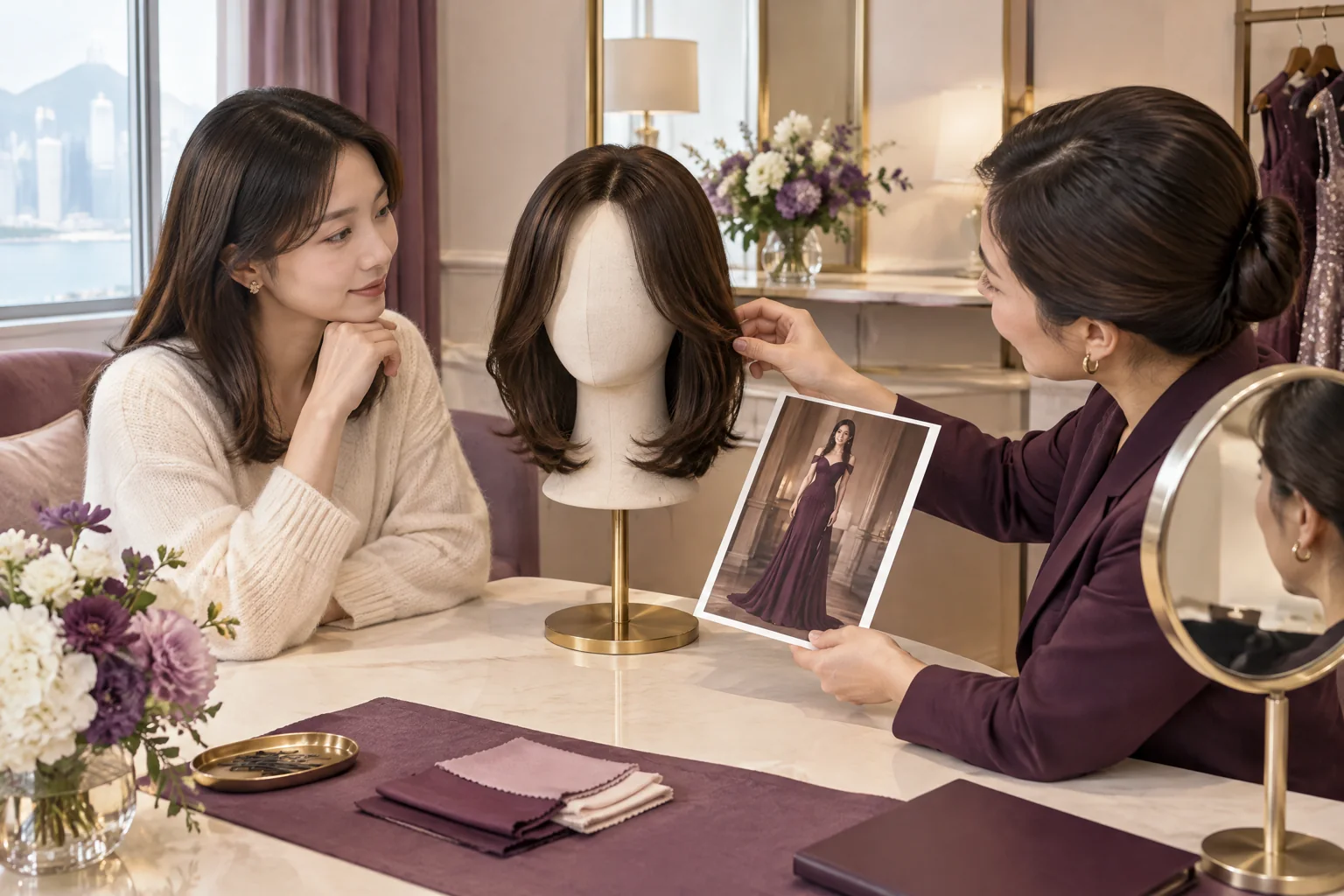
Set up a clean space that resembles your changing room as closely as possible. You need somewhere safe for the removed dress and somewhere reachable for touchup items. Keep bags away from the standing area. Wear the underlayers that affect how the outfit travels over your body. Use the actual fastenings and shoes where practical. A rehearsal with an empty room and an already opened garment can miss the awkward hand movements.
One Fab Day describes placing a barrier between makeup and an overhead dress, using a protective hood or silk slip. It also warns against dragging that barrier across lipstick during removal. Treat this as an option to rehearse, not a transfer guarantee. Check how the cover clears your face and hairpiece without pulling either. Reject a setup that obscures your movement, feels uncomfortable or requires your helpers to tug blindly. [1]
First walk through the hand positions without pulling the dress across your face. Agree who opens the garment and who watches the front clearance. Then repeat the full movement slowly, using the supplier's approved handling method. Notice when your elbows block a helper's view. Practise removal as well as dressing. A garment that slides on smoothly can still catch when it comes off, particularly after accessories have been added.
For bridal trial Hong Kong preparation, bring the items that affect this movement. Leave unrelated accessories out of this discussion. The planned hairpiece, garment opening photographs and chosen protective cover are useful starting points. Discuss which parts of the rehearsal can fit the appointment. A trial can inform the makeup plan. The final garment still needs a handling check with the people who will assist you.
Map the forehead before reaching for makeup
Separate a rubbed patch from moved hair or changed light
Before the change, take a simple reference photograph in the room's checking position, if you want one. Keep the camera distance and light direction easy to repeat. Note the visible forehead edge, both temples and the lipstick outline. You do not need a diagram of every facial feature. The reference answers a narrow question afterwards. Did the dressing movement alter something you want restored?
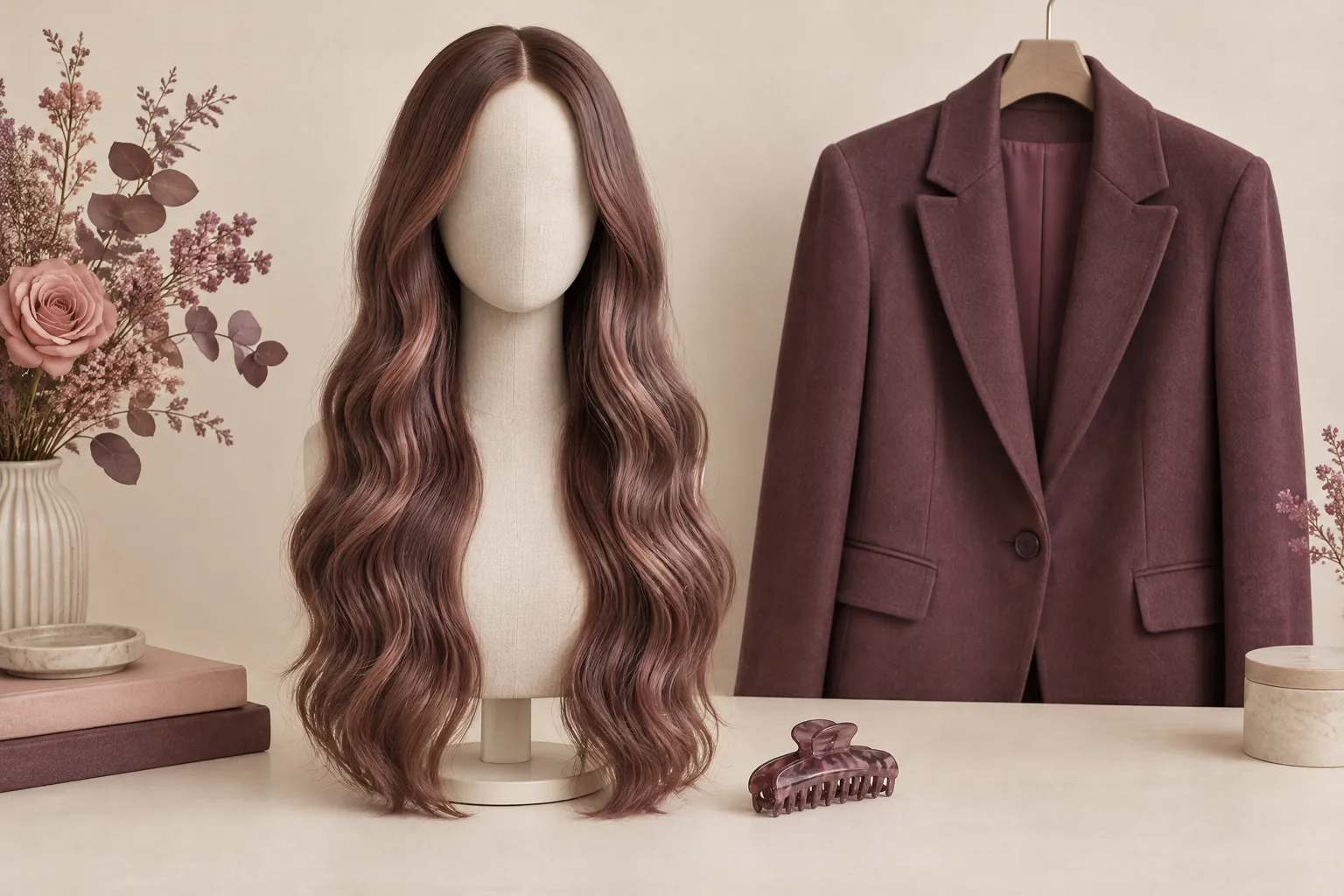
A fringe can conceal the area you need to inspect. OwnStrand's wigs with bangs guide concerns full wigs with an integrated fringe, not detachable fringe pieces. Its distinction matters when discussing what you are wearing with a helper. Before rehearsal, agree whether the front may be moved for a quick check. Use the particular piece's guidance rather than assuming its fringe can be swept freely into another direction during dressing.
Return to the same mirror position after the garment settles. A newly displaced fringe can cast a different shadow without removing any foundation. A different phone angle can also make the forehead appear brighter. Look directly at the contact area before judging the photograph. If the makeup edge remains even but the hair has moved, deal with the hair position first. Adding coverage would not answer that particular problem.
A visible streak, broken lipstick edge or missing patch calls for a closer look at that area. Check nearby skin as well, so the boundary of any correction stays small. Fabric marks are a separate issue for the dress supplier. They are not a reason to rub the gown with makeup remover. Describe what changed on your face in ordinary terms, then agree whether a local correction is worth the interruption.
Give each helper one clear job
Keep the front clearance visible and your hands free
Place the garment handler where the opening can be supported according to the dress instructions. Put the clearance observer slightly to one side, where your forehead and hands remain visible. That observer should not reach across your face to pull the garment. If one person must do both jobs, pause between stages rather than combining them. You control the start of each movement and can stop it without explaining yourself first.
Ask helpers to keep clean, dry hands on the agreed fabric handling points. Decorative edges are not automatically suitable places to grip. The person fastening the gown should wait until the opening has cleared your face. Keep watches or loose jewellery away from delicate fabric during the change. If a helper loses sight of a caught section, stop and locate it. Pulling harder turns a small obstruction into a less predictable movement.
Use the comparison below after a rehearsal, rather than selecting the biggest makeup intervention in advance. Keeping the look is an active choice when it remains comfortable and visually intact. A local reset makes sense when one small area changed. A different dressing sequence deserves attention when the same obstruction returns. This distinction lets you protect the makeup you like while addressing the movement that actually caused the problem.
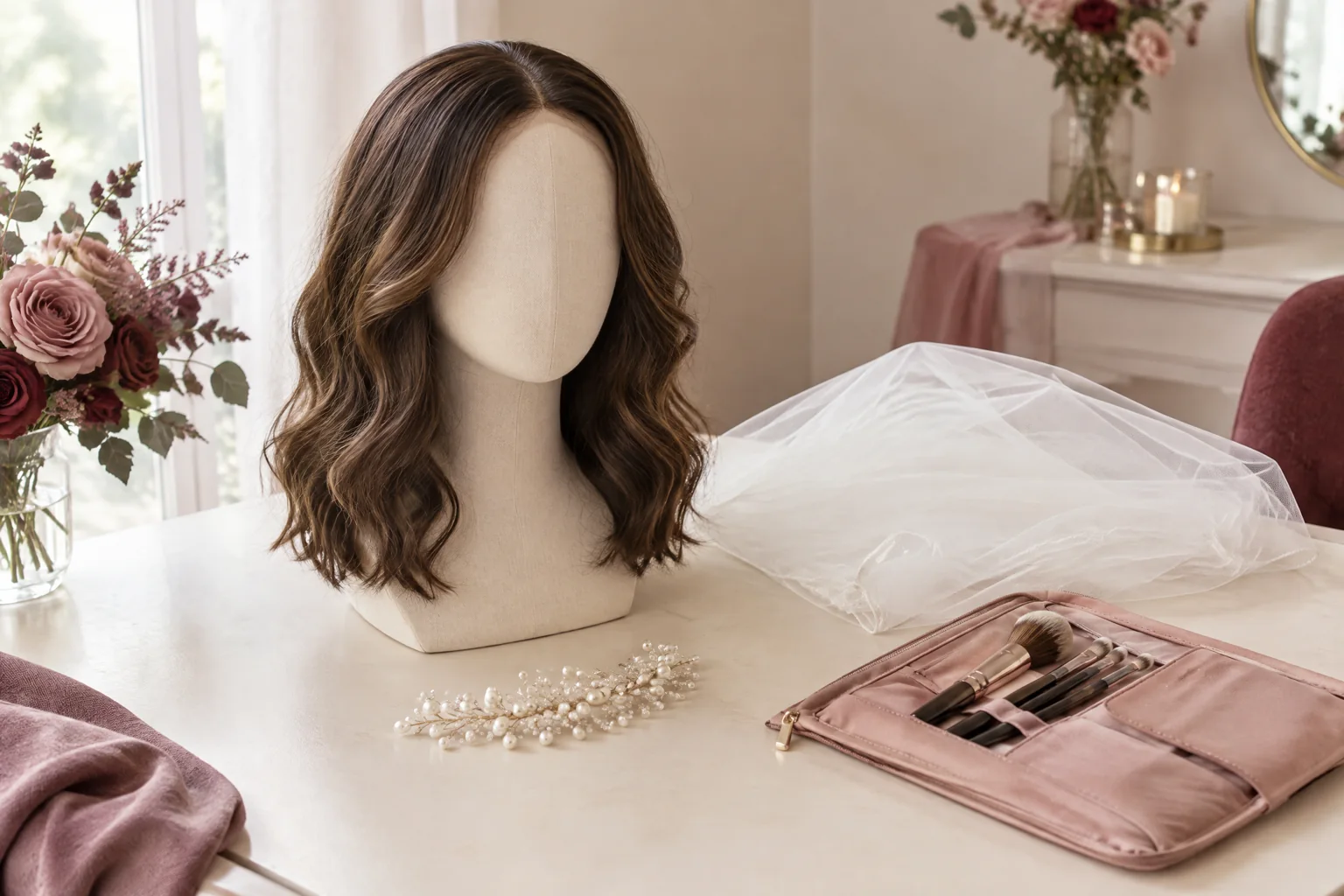
When discussing big day bridal makeup, tell the team where the next change happens and who carries the touchup pouch. An evening change in another room needs a workable handover, not just products in a distant bag. Share the helper roles and the point at which you want a makeup check. Confirm what support is included in your arrangement, especially if the makeup artist will not remain beside you.
| What you notice | Next decision | What to avoid |
|---|---|---|
| Makeup remains even; you feel comfortable | Keep the approved look | Adding a full new layer automatically |
| One small patch or lipstick edge changed | Agree a local makeup reset | Retouching unaffected areas |
| Makeup looks intact; the fringe moved | Check the hairpiece position using its guidance | Treating a changed shadow as lost coverage |
| The same fabric section catches again | Review the garment route with the supplier | Repeating the pull with more force |
Choose the smallest useful reset
Agree what may be touched before anyone starts
Once the dress is settled, ask yourself whether the look still feels like the one you approved. If it does, there is no need to refresh every area simply because you changed clothes. A little movement in the outfit does not dictate a new makeup finish. Decide using the specific contact mark and your next appearance. Keep the unaffected areas intact instead of starting a full retouch out of habit.
For a small correction, tell the makeup artist which area you want restored and which features you want left alone. Use clean applicators and familiar products chosen for your touchup plan. Agree who handles them when the artist is absent. A helper can point out a mark without being authorised to apply makeup. Your permission should cover the action itself, including any movement of a fringe to reach your forehead.
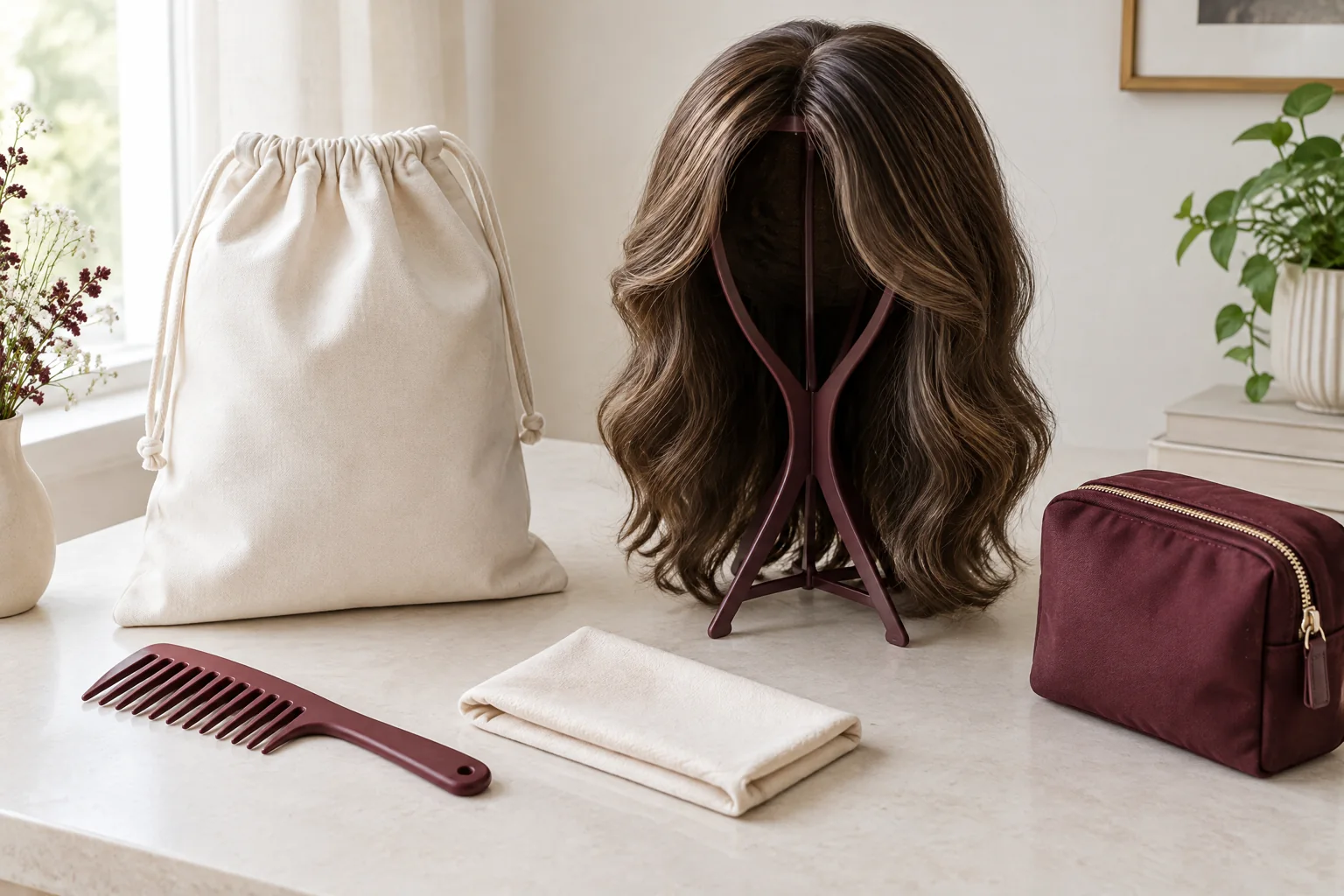
Hairpiece care needs its own decision before the wedding. OwnStrand's synthetic wigs reading focuses on the exact fibre and the care instructions for each item. Use it to prepare questions about the piece you own or are considering. Bring its brushing and styling directions into the rehearsal plan. An uneven section is not a reason to improvise with unfamiliar hair tools during the change.
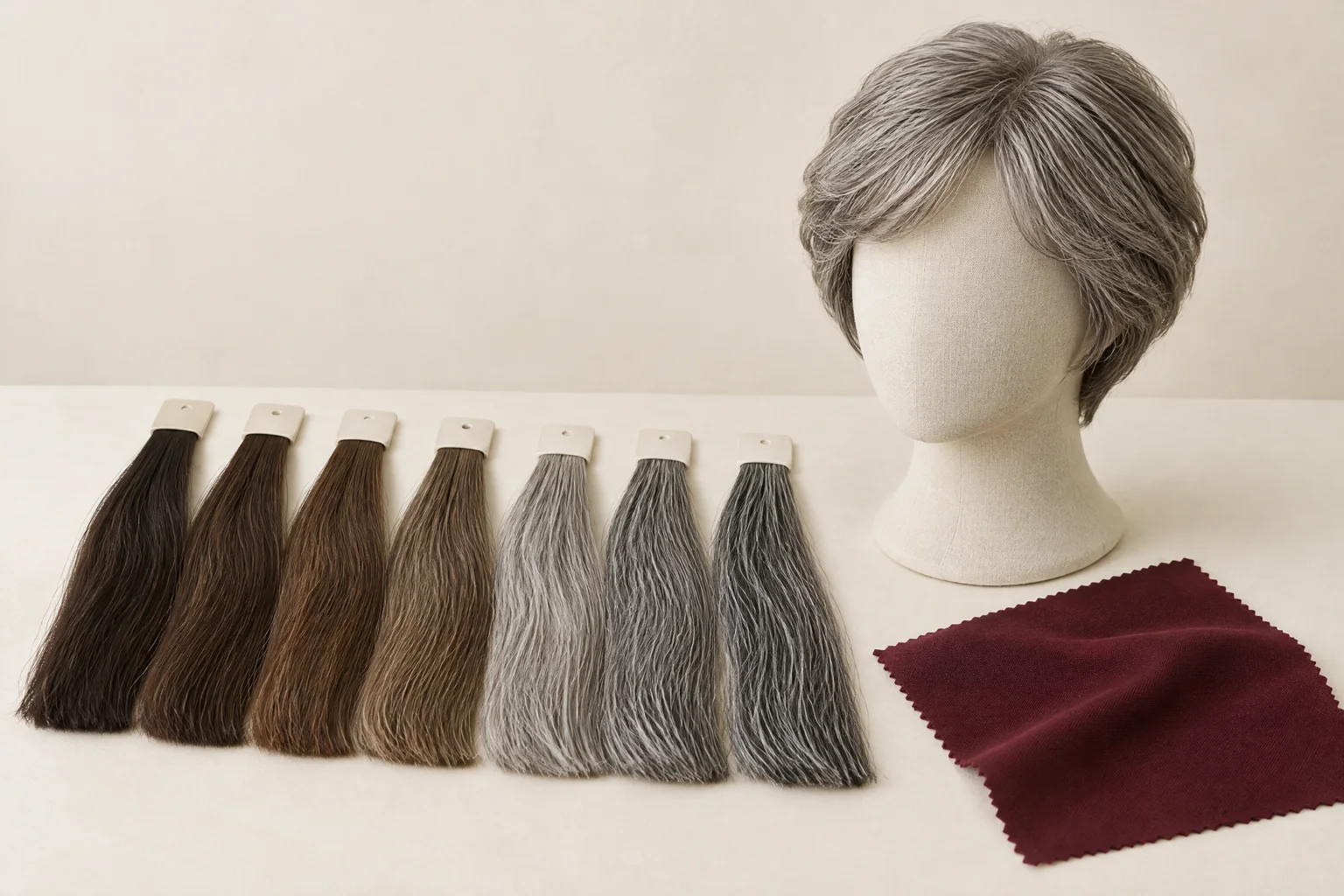
Jon Renau's Synthetic Hair Care 101 separates its traditional synthetic fibre from its Heat Defiant collection. The two have different heat instructions. Those manufacturer details do not establish compatibility for another brand or an OwnStrand item. If your piece shifts during dressing, follow its own adjustment guidance. Leave heated restyling outside the quick makeup reset. It needs the exact item's instructions and an agreed preparation plan. [2]
Leave the room with a repeatable handover
Record the useful result, not every rehearsal detail
Stop the movement if fabric presses against your eyes, breathing feels restricted or a hairpiece attachment pulls uncomfortably. Keep the garment supported while helpers identify the obstruction. Do not try to finish the change simply because someone is waiting outside. These are practical reasons to pause, not makeup failures. Resume only when you are comfortable and the garment route is clear. A repeated catch calls for another handling plan with the supplier.
Use the rehearsal to estimate your own changing interval, including fastenings and the check afterwards. Keep that result separate from the time needed for photographs or walking to the next room. If the sequence feels rushed, discuss the running order before the wedding. A smaller makeup reset can save an unnecessary task. It cannot rescue an outfit change without a realistic timetable slot.
Make a short reset card that your helper can understand without replaying the whole rehearsal. Name the contact area, the agreed garment handler and the check you want afterwards. Record whether the result was keep, local reset or revise the dressing route. Include the location of your touchup pouch. If you later change the hairpiece, protective cover or dress opening, repeat the affected movement and replace the old instruction.
Before leaving, check the finished look in the same position used for your reference. Look at the lipstick edge and the forehead area that was exposed to fabric. Then check the complete face from your normal viewing distance. Decide whether it feels ready for the next part of the day. Share rehearsal photographs only with the people you choose. Your helpers need useful instructions, not access to every private preparation image.
- Confirm the opening is clear before continuing.
- Check the contact area before applying product.
- Return the pouch to its agreed helper.
Key takeaway
Choose between a makeup correction and a movement correction after looking at what actually changed. An intact face can stay intact. A small contact mark may need only a local reset. Repeated catching needs a better garment route, not progressively heavier makeup. Your rehearsal should leave you with that clear choice.
Practical checklist
- Confirm the gown's entry and removal method with its supplier.
- Rehearse using the planned hairpiece and protective cover.
- Assign a garment handler and a front clearance observer.
- Keep familiar touchup items with the agreed helper.
- Record the contact area and the chosen reset decision.
Frequently asked questions
Should I put on an overhead gown before makeup?
It depends on the gown's approved entry method and the preparation sequence. Ask the dress supplier about handling first. Rehearse the overhead movement before deciding the order. Wearing the gown earlier also requires a practical way to protect it during makeup.
Does setting spray remove the need for a dressing rehearsal?
No. Your movement still needs checking, whatever finish you choose. The opening can displace hair or bring fabric against lipstick. Rehearsal shows the contact route. It also reveals whether your helpers can see that route while supporting the garment.
Must I remove my wig for every dress change?
Not automatically. Rehearse with the actual piece and its wearing guidance. Check whether the approved garment route clears it comfortably. If removal becomes part of your plan, agree the privacy, handling and rewearing arrangements beforehand. Avoid improvising that decision between events.
Can my bridesmaid perform the local reset?
Only if you agree and the task is within your prepared touchup plan. Rehearse a simple action with familiar products. A complicated correction belongs in the makeup discussion. Your bridesmaid can also help by locating the pouch and keeping the mirror area clear.
What should I send BigDeal before discussing the change?
Send the garment opening, planned hairpiece and changing schedule. Explain who will assist and what happened during rehearsal. A photograph of the affected area is useful if you choose to share it. Keep makeup questions separate from garment handling enquiries.
Sources
| Source | What it supports |
|---|---|
| Avoid Messy Makeup Transfer When Putting on Your Wedding Dress With this Easy Hack | One Fab Day describes using a protective hood or silk slip as a barrier between makeup and an overhead dress. It cautions against dragging the cover across lipstick during removal. This supports rehearsing a cover, not a guarantee of zero transfer. |
| Synthetic Hair Care 101 | Jon Renau distinguishes its traditional synthetic fibre from its Heat Defiant collection and supplies different heat instructions. This supports checking the exact maker guidance instead of treating a synthetic label as permission for an improvised heated reset. It establishes no OwnStrand item's heat compatibility. |
Discuss your own makeup plans
For BigDeal makeup arrangements, WhatsApp +852 6918 3153. Send your planned dress change and your own hairpiece photos or item details to discuss the makeup preparation. This contact is for BigDeal makeup enquiries, not OwnStrand product sales or bookings.
Ask on WhatsApp +852 6918 3153