
At a glance
For a short Hong Kong ceremony, begin with ordinary photos and the clothes you will actually wear. Check the dry bob edge, comfortable fringe movement and one makeup priority. Consider another trial look only when two genuinely different arrangements leave a decision unresolved.
Start your civil ceremony bob fringe brief with what stays
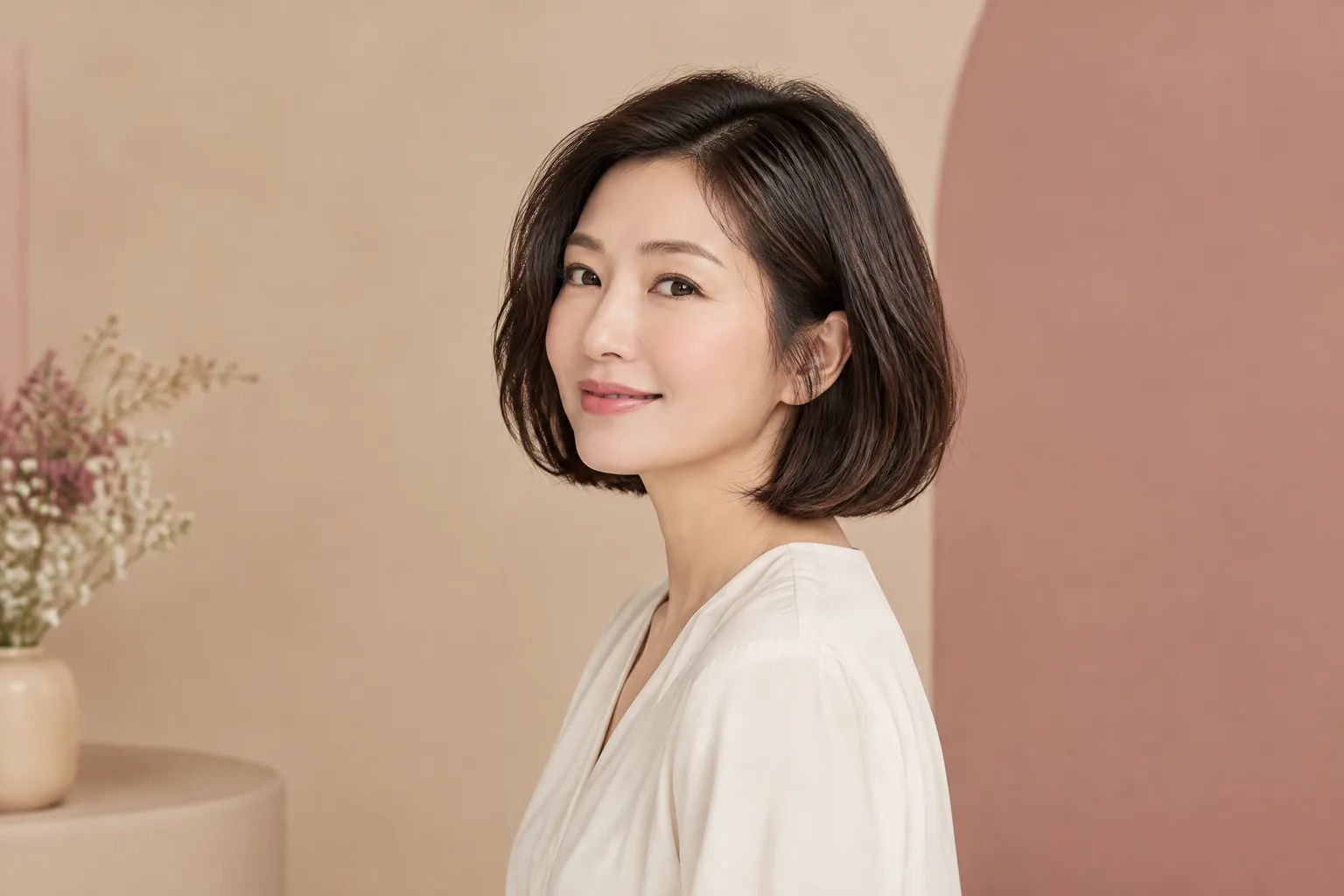
A civil ceremony bob fringe brief for brows, ears and familiar length
Begin by naming the parts of your usual appearance you want to recognise in the ceremony photos. Perhaps you like a covered forehead but want both eyes clear. You might prefer one ear visible rather than a fully tucked bob. Choose one firm preference and one flexible detail. This keeps the conversation specific. A single polished portrait need not dictate somebody else's face, hair and clothing as your complete reference.
Select a recent front photo and a side photo showing your hair on an ordinary day. Avoid filters that alter your face or blur the hairline. Add one reference for the detail you like, not an entirely different haircut. Write a short note beside it: visible brow tails, covered ears or a softened cheek edge. Current photos establish the starting point; an inspiration image only helps explain the direction you would enjoy exploring.
Try the intended outfit, including earrings and any glasses, before settling on your preferred amount of face exposure. A high collar can change the space around a bob without changing its length. Large earrings may be partly hidden when both sides stay loose. Check this while standing and sitting, rather than using only a flattering selfie angle. Your aim is an arrangement you enjoy wearing during the ceremony, not just a still photograph.
For the makeup side of a morning registration, review BigDeal's wedding morning makeup Hong Kong page when preparing your enquiry. Share the ceremony time, location and the point at which you need to be ready. Ask what makeup and styling arrangements can be provided for your date. Keep any proposed salon cut separate from that discussion. Reading a service page helps frame the question, but it does not confirm availability or your final appointment scope.
- Keep: the length or face coverage you already enjoy.
- Reveal: the brow, ear or neckline detail that matters most.
- Allow: one flexible adjustment if your hair falls differently.
Check the bob edge against the neckline
Where do your dry ends land when you turn?
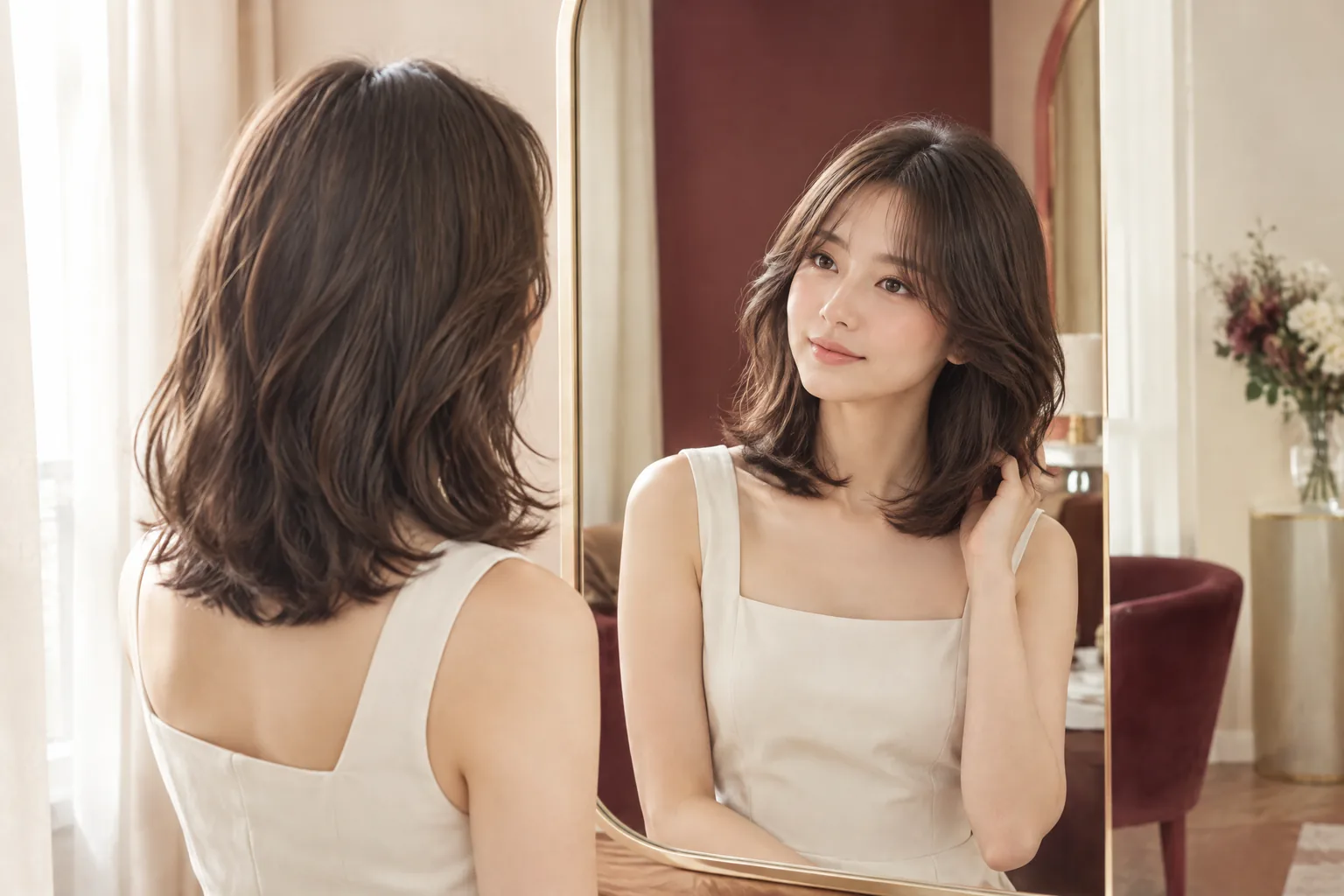
Look at the dry ends against your actual neckline before deciding that the bob needs shortening. Check the front near your jaw, then the back near your collar. A reference taken with bare shoulders cannot answer how your hair meets a structured jacket or dress. Hold your head normally for the first photograph. Then turn towards another person. The moving outline may matter more to you than a perfectly still, symmetrical front view.
Vitso Hair's bob haircut guide is useful salon reading for separating the landing point from layers and back shape. Its discussion also distinguishes ear-tucking from tying hair back. Use those distinctions to explain what you want to retain in your current cut. For example, keeping side pieces long enough to tuck is a practical boundary. It is not a request for BigDeal to cut hair, nor evidence that another person's outline will transfer unchanged.
Check a tucked side with your intended earring, then let that side fall loose again. Notice whether the front piece returns across your cheek or catches against the collar. If both arrangements appeal, identify when you would use each. You could prefer an exposed ear for portraits but more coverage while seated. Discuss whether that change is realistic with your existing lengths. Avoid committing to shorter side pieces before testing the tuck you already use.
Retaining the cut preserves familiar length, but it may leave the edge touching a neckline you hoped to show. A small trim may change that relationship, yet it also changes the starting point for ceremony styling. Ask a salon to assess the dry landing point before agreeing to removal. If time is limited, consider adjusting the tuck, earring or collar instead. The useful choice is not automatically the shortest or most sharply defined bob.
| Option | What to check | Main trade-off |
|---|---|---|
| Keep both sides loose | Dry edge against the actual collar | More ear coverage; earrings may be hidden |
| Tuck one side | Whether existing side pieces reach behind the ear | More ear exposure; the piece may fall forward |
| Open the existing fringe | Eye clearance with your normal parting | More brow visibility; may need repositioning |
| Discuss a trim | Agreed dry landing point and lengths to retain | Changes the outline used in your original brief |
Describe fringe movement without a haircut formula
Which parts of the eyes and brows should stay visible?
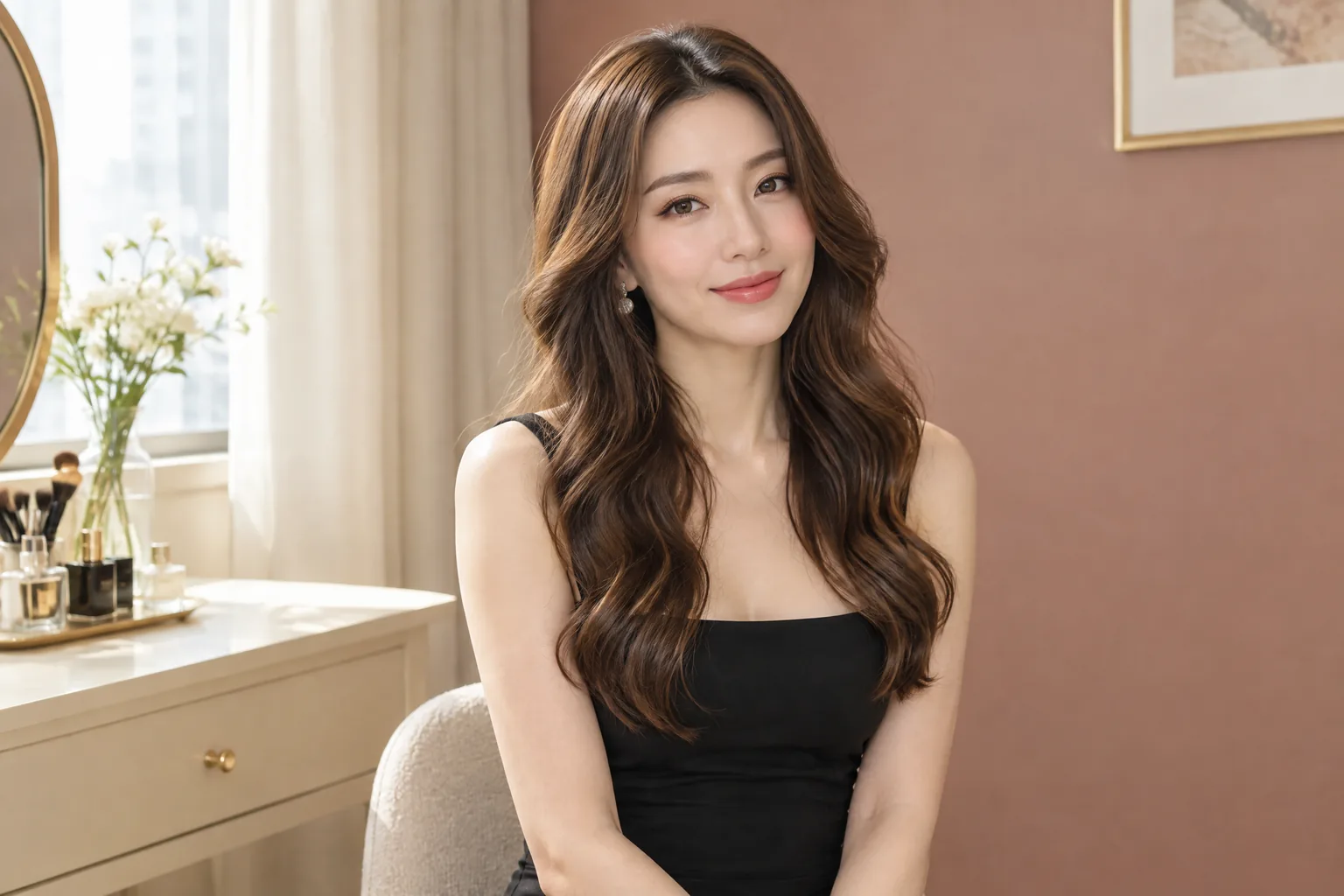
Describe your fringe using visible landmarks rather than a face-shape rule. Say whether you want the whole brow visible, only its outer end, or mainly the eyes unobstructed. Then show where the shortest existing pieces sit when dry. An opening through the centre and a sideways sweep expose different areas. Neither is automatically more appropriate for a civil ceremony. The preference should come from how you feel with that amount of forehead and eye exposure.
The curtain bangs guide from Vitso Hair separates the central opening, side lengths and fringe width. Those details help when you like an open front but do not want the surrounding bob changed. Show the opening you mean and identify the pieces that must remain long. Explain your normal parting and drying routine as well. Treat the page as preparation for an individual salon conversation. It cannot promise that your existing roots will follow the reference.
In Vogue's fringe guide, hairstylist Vernon François advises considering lifestyle and comfort with hair touching the face. Apply that question to your own habits before asking for a more covered front. If you routinely sweep hair away while reading or wearing glasses, say so. During a ceremony, you may also look down or turn towards your partner. A fringe you keep moving away deserves attention even when its still outline looks exactly how you hoped. [1]
Compare your normal parting with a gently opened version using the length you already have. Photograph both without changing the rest of the hair or makeup. Look at whether the eyes remain clear when you lower your gaze, rather than judging only the front view. If opening the fringe needs constant repositioning, note that limitation in the brief. A comfortable existing fall can be a better choice than pursuing an unfamiliar symmetrical arrangement for one morning.
Balance soft makeup with the face you will show
Which visible feature should remain understated?
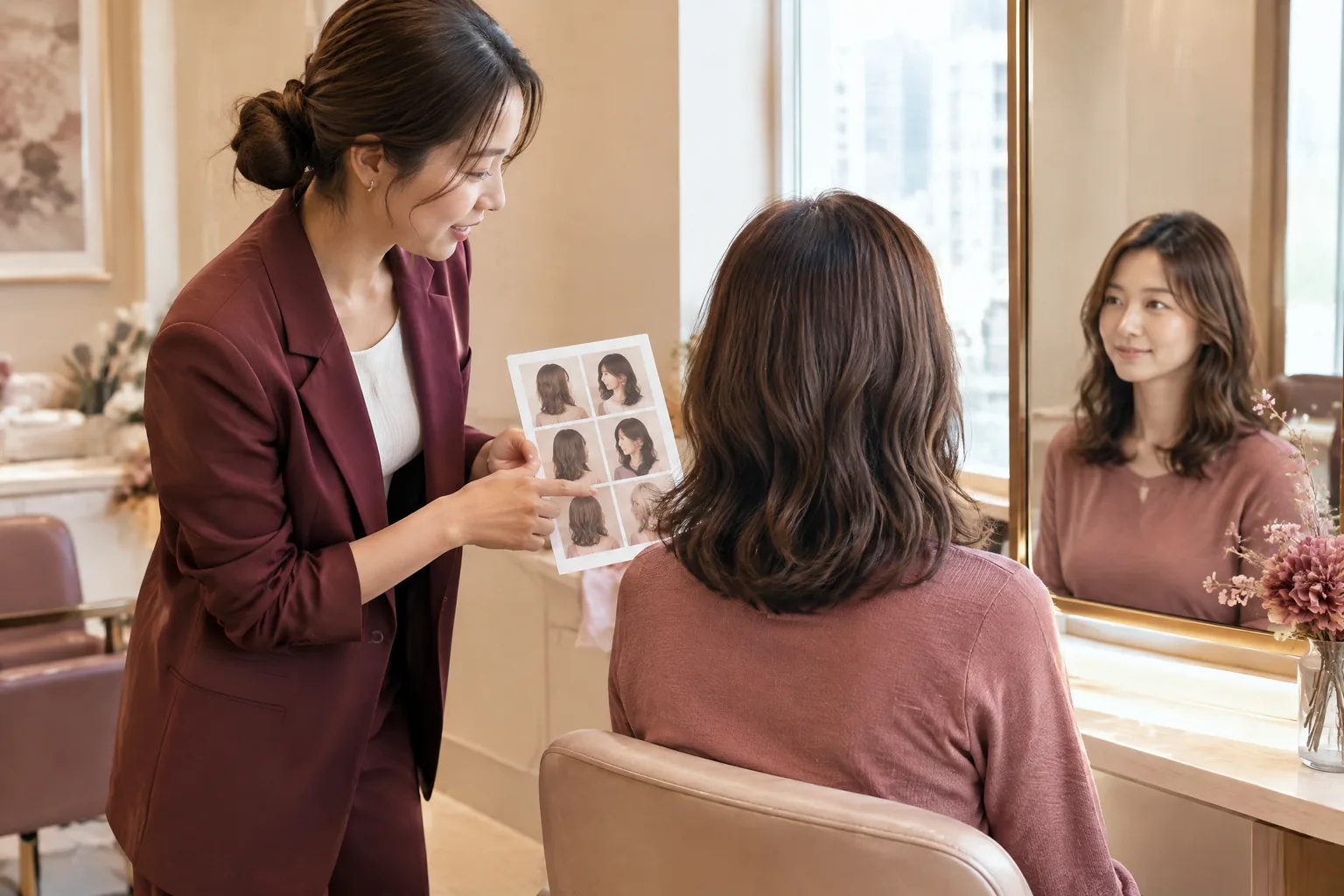
Once the face framing is clear, choose one makeup feature to emphasise and one to keep quiet. With more brow exposed, you may prefer a defined brow shape and restrained eye colour. With a covered forehead, you might enjoy a little more lip definition instead. These are options, not rules about short hair. Explain what feels familiar to you. This matters especially if your ceremony outfit is simpler than your collected formal bridal references.
Show the makeup artist your settled fringe position before discussing the brows in detail. A hidden brow tail and an exposed one create different visible outlines. Say whether you prefer soft edges or a more defined finish, rather than asking for a universal correction. Keep any differences between your brows part of that conversation. There is no need to force perfect symmetry simply because the fringe opens through the centre in your reference photograph.
Try glasses and earrings with the proposed face framing before agreeing on eye emphasis. Look straight ahead, then lower your gaze as you might while reading or signing. Notice what you can actually see in those positions. A brighter lip can draw attention away from the eye area, while a quieter lip leaves another feature more noticeable. Choose based on the overall appearance you enjoy; neither decision guarantees how every photograph or lighting condition will look.
BigDeal's natural bridal makeup Hong Kong page offers a relevant starting point when you want a softer makeup direction. Send a reference with your chosen bob and fringe arrangement, then explain what natural means to you. It might mean restrained colour rather than minimal definition everywhere. Ask about the proposed makeup scope and preparations for your date. This enquiry concerns makeup arrangements; any change to the haircut still needs a separate discussion with a salon.
Prepare an enquiry before changing your length
What should a salon request establish before you visit?
Use Vitso Hair's haircut appointment page to prepare a clear salon enquiry if a length change remains necessary. Its booking guidance explains that a message starts an enquiry rather than reserving a live slot. Include your current dry length, the change you are considering and preferred dates. Ask for the service scope, quote and appointment time to be confirmed. Do not build the ceremony schedule around an unconfirmed reply or assume the haircut includes event styling.
Separate what must stay from what may change in the same message. For example, you might want the back edge checked while keeping the front pieces long enough for ear-tucking. Attach current front and side views and mention relevant previous chemical work. Include any firm departure time, but ask whether the proposed visit can accommodate it. A useful request gives the salon enough context to discuss your hair. A reference photograph is not an agreed cutting plan.
For travel planning, the Hong Kong Observatory explains that rain probability does not describe rainfall duration or intensity. It also advises checking the official forecast. Do not use one percentage to predict exactly what your journey will involve. Check the latest forecast before leaving and review any exposed walk between transport and the venue. An umbrella and a covered arrival option are practical preparations. They do not assure that hair or makeup will remain unchanged outdoors. [2]
If you proceed with a cut, tell the makeup artist that the length or fringe position has changed. Send updated photos instead of relying on the original brief. Ask the salon about preparation for its appointment and ask BigDeal separately about makeup preparation. When timing leaves little room to assess a new outline, discuss keeping the current length. You can still refine the visible ears, fringe opening and makeup priority. A short ceremony need not involve a major transformation.
Use a second look only to resolve a real choice
Would another arrangement change your decision?
A second look is useful when the two options reveal genuinely different parts of the face. One might keep your normal fringe and both ears covered. Another could open the front and tuck one side. Name the question before requesting more styling. Are you deciding about brow exposure, visible earrings or the relationship to the collar? If both versions leave those details unchanged, another look may add less useful information than a clearer first brief.
Review BigDeal's two-look bridal trial page if comparing distinct makeup and face-framing directions would help you decide. Ask what the trial includes and whether your proposed comparison fits the available arrangements. Share both options beforehand, including the existing lengths you want retained. A trial enquiry does not confirm cutting, extra hair length or any salon service. The point is to answer a specific appearance question, not to request two unrelated bridal transformations for their own sake.
For an informative comparison, keep the outfit, earrings and viewing angle consistent between the two arrangements. If you also change the lip colour and accessories, you may struggle to identify what made the difference. Write one sentence about each option rather than giving every feature a score. Note which brow areas remain visible and whether hair touches your eyes. Then consider how comfortably you can return to that position after looking down or turning your head.
Finish with a brief that records your chosen arrangement and a practical alternative. Describe the dry edge you are keeping, preferred fringe opening and side to tuck, if any. Add the makeup feature you want emphasised and the feature you prefer understated. Send the final version to the relevant provider after confirming the arrangements. You do not need a different haircut to make the ceremony feel intentional. A clear decision about existing face framing can be enough.
Key takeaway
The strongest brief is not a list of haircut names. It shows what your existing bob covers, what your fringe reveals and which lengths must stay. Resolve those relationships first, then choose makeup and any further comparison around them.
Practical checklist
- Save current dry front and side photos without face-altering filters.
- Try the ceremony neckline with your actual glasses and earrings.
- Name one firm face-framing preference and one flexible adjustment.
- Keep salon enquiries separate from makeup arrangements and confirm each scope.
- Update the brief after any cut and check the forecast before travelling.
Frequently asked questions
Do I need a longer style for a civil ceremony?
No extra length is assumed here. Start with the bob you already wear and decide what you want visible. If a reference depends on longer pieces, identify that difference before requesting the look.
Must my fringe expose both eyebrows?
No. You can prefer fuller coverage while keeping the eyes clear. Tell the makeup artist which brow areas will show in your chosen arrangement rather than changing the fringe solely to reveal them.
Should I trim the bob just before registration?
There is no universal interval. Ask the salon about your proposed change and allow room to assess the new outline. If that is impractical, discuss retaining the current length and adjusting the styling instead.
Can BigDeal confirm the salon appointment?
Keep the enquiries separate. Ask BigDeal about makeup arrangements and obtain the hair appointment's service scope and time directly from Vitso Hair. Shared ownership does not make one enquiry a confirmed booking for both.
What makes a second trial look worthwhile?
It should answer a distinct question, such as covered versus visible ears with the same outfit. Confirm the trial's inclusions first. Another look is less helpful when it only changes details you have already settled.
Sources
| Source | What it supports |
|---|---|
| A Definitive Guide to Curtain Bangs for All Face Shapes and Hair Textures | Hairstylist Vernon François advises considering lifestyle and comfort with hair touching the face before choosing bangs. |
| Daily Forecast of the Probability of Precipitation (PoP): Notes | Rain probability does not describe rainfall duration or intensity; HKO advises referring to its official forecasts. |
Discuss your own makeup plans
Planning your ceremony makeup? WhatsApp BigDeal Make Up on +852 6918 3153 with your date, ready-by time and preferred makeup direction. Ask about makeup arrangements and availability; hair services require a separate enquiry with Vitso Hair.
Ask on WhatsApp +852 6918 3153