
At a glance
A gala badge creates two different tasks: getting its strap around your neck and wearing its holder against your outfit. Solve the first with a workable dressing route. Solve the second with contact checks during ordinary movement, including sitting down and presenting your badge.
Plan your gala badge dressing makeup contact check
Follow the loop, not just the finished look
A badge collected at registration can introduce a dressing step after your makeup appointment. The strap may clear your head easily, yet its holder can swing towards your cheek. Alternatively, the loop may catch your fringe while the holder stays well away. Treat these as separate movements during rehearsal. Hold the holder under control before moving the strap. Watch where the strap travels, rather than checking only where the badge finally rests.
Start with the organiser's actual badge arrangements when these are available. Ask whether the lanyard opens, where its fastening sits, and whether another display method is accepted. A photograph can show the general shape, but it cannot confirm clearance over your hairstyle. If your rehearsal uses a substitute, record that difference. A wide cloth strap and a narrow cord need separate checks. Their holders and connectors can also follow different paths during dressing.
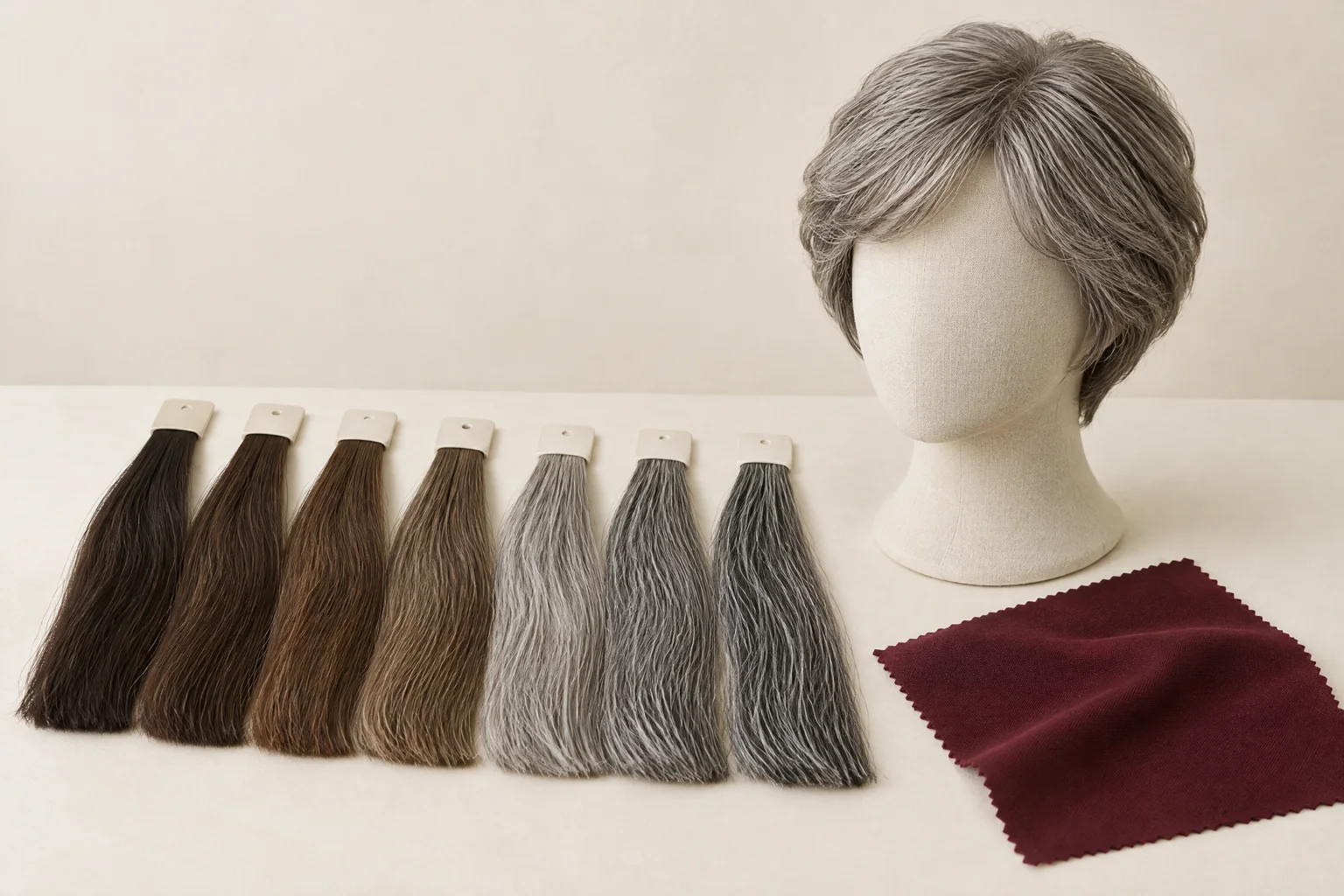
Short hair does not remove the need for a route check. OwnStrand, which shares BigDeal's owner, offers selection reading on pixie wigs. Its guide distinguishes fringe, side coverage, crown volume and nape shape. Those details help you describe where your own strap might pass. They do not prove that a short style will stay untouched. Use the exact piece you intend to wear, including its finished shape, when assessing clearance around the ears and nape.
Notice the difference between lifting a loop above your head and pulling it down over your face. Neither movement should depend on squeezing through a tight opening. If you need to flatten your hair or press the strap against your cheek, pause the rehearsal. That route needs changing before makeup is finished. A helper can observe the back while you control the holder. Ask them to describe contact rather than tugging the strap into place.
Rehearse the complete dressing route
Use the outfit, holder and fastening together
Lay out your outfit and badge as they will be worn together. Include the jacket or shawl that may cover the strap. A pull-over neckline creates a different sequence from a garment that opens at the front. Rehearse the garment first without finished makeup. Then decide which dressing movements must happen before the final face and hair checks. Protecting clothing during makeup also matters. Agree how your artist will work around the neckline without treating every outfit alike.
If the clasp permits routine opening, practise bringing the strap around your neck from the sides. Keep the holder supported below your chin throughout. Close the fastening where you can reach it without pulling hair into the join. Check that the strap is not twisted after fastening. If the instructions require another method, follow those instead. For a closed loop, test the opening before styling. A substitute strap should never be narrower than the actual one.
Carvey and Hage's conference lanyard paper describes breakaway latches that release under force as a safety feature. That is different from knowing whether a clasp is intended for routine dressing. Read the item's instructions or ask the organiser about its operation. Do not tape a release shut to make the strap look smoother. If its function is unclear, request help with the issued badge. A makeup rehearsal cannot certify the hardware's safety or replace event instructions. [1]
Once you have a workable sequence, share it alongside your outfit reference when discussing corporate gala makeup Hong Kong. Explain whether the badge arrives before or after your appointment. Mention any neckline that passes over your head, rather than sending only a seated portrait reference. This lets the makeup discussion address an actual dressing movement. If the issued badge differs on arrival, revisit the route. The earlier rehearsal remains useful, but it cannot approve a different strap automatically.

Find the contact before changing the makeup
Separate a strap problem from a camera problem
Check the face and hair in a mirror immediately after one controlled dressing pass. Look at the fringe and temples first, then the nape and collar. Ask your helper whether the holder touched the cheek or merely swung nearby. A visible makeup mark on the strap suggests contact, but its position alone may not explain the whole movement. Stop repeating the pass once you identify the issue. More passes can disturb an area that was initially unchanged.
Match the response to what actually moved. A strap catching hair calls for a clearer dressing route, not extra face powder. A holder brushing your cheek calls for better control of the holder during the pass. A foundation mark at the collar needs inspection of that contact area. Check the garment's care guidance before cleaning the fabric. Avoid scrubbing the face simply because the cloth has a mark. First establish whether the finish needs a small correction.
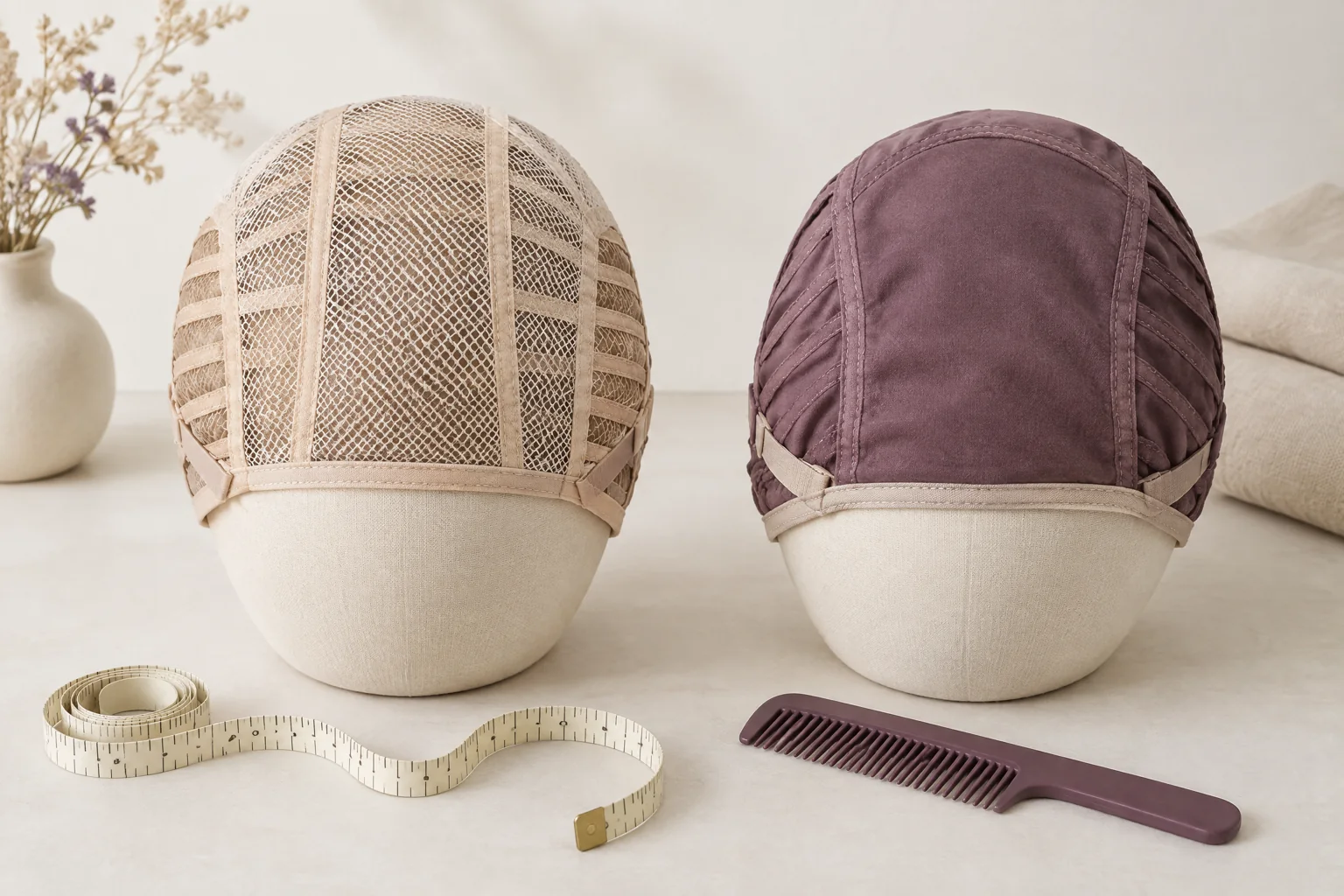
For someone wearing a full wig, construction details belong in the conversation about handling. The OwnStrand hand tied wig guide explains that hand-tying may cover specified areas rather than the whole cap. The label therefore does not tell you which edge can tolerate a pulling strap. Check the particular piece's wearing and care instructions. During the dressing rehearsal, keep the strap clear of its edges. Changing construction is not a substitute for removing a snagging movement.
A photograph can reveal a different problem: the badge may cover a neckline detail or reflect light towards the camera. Compare a mirror view with a simple picture in the lighting available. Change the badge's permitted position before changing makeup that looks right in person. Ask the organiser about visibility requirements first. A badge cannot disappear simply because you prefer the portrait without it. If removal is allowed for photographs, plan how it will go back on.
Choose a practical arrival routine
Keep, correct locally or change the route
Keep the existing routine when the strap clears your hair and the finish remains comfortable after normal movement. One successful dressing pass is only the start. Sit down, turn your head and reach for your phone while wearing the badge. Watch whether the strap shifts towards the collar or catches a side section. Support the holder when presenting it for scanning. These ordinary actions tell you more about wearing the badge than a still photograph alone.
A local correction makes sense when the movement has stopped and only a small cosmetic area changed. Inspect that area before adding product. Restore only what needs attention, then check the edge against the surrounding finish. If the strap rubs the same place again, more makeup will not solve the repeated movement. Change how the badge is put on or displayed instead. Confirm any alternative with the organiser, especially when the badge also controls access to the venue.
Make a short arrival card for yourself or the person helping you dress. Record the allowed fastening method, the holder's resting position and the area to inspect afterwards. Keep it on your phone rather than attaching it to the lanyard. Add the removal route if portraits are part of the evening. A useful card describes actions, not a promise that everything will stay perfect. Update it if registration gives you different hardware from the rehearsal item.
For an evening that continues beyond the gala, party makeup Hong Kong is relevant to the wider makeup discussion. Tell BigDeal whether you will keep the badge, remove it at dinner or wear another credential later. Each change can create another pass over finished hair. Ask the organiser whether the credential must stay visible during the later programme. Choose a routine that you can repeat comfortably yourself. Relying on a helper who leaves early makes the plan less useful.
- Arrival card: record the organiser's permitted badge display method.
- Contact note: name the specific hair or makeup area to inspect.
- Removal note: record who controls the holder during the return pass.
| What happens | Practical response | Check before proceeding |
|---|---|---|
| Routine opening is permitted | Bring the strap around from the sides | Close without trapping hair |
| Closed loop catches finished hair | Change dressing order or request an alternative | Organiser accepts the new display method |
| Holder touches the cheek | Support it throughout the pass | Inspect the touched area |
| Badge affects a portrait | Ask about temporary removal | Plan the return route as well |
Agree what help you actually want
Check makeup without taking over hairpiece fitting
Tell the person helping you dress whether they may touch your hair, move the strap or only observe. These are different permissions. You may prefer to handle your own hairpiece while they support the badge holder. Say this before the rehearsal begins. A helper should stop when you ask, even if the badge is not yet in position. Choose another dressing route together. Finishing the movement is less important than keeping you comfortable with the assistance.
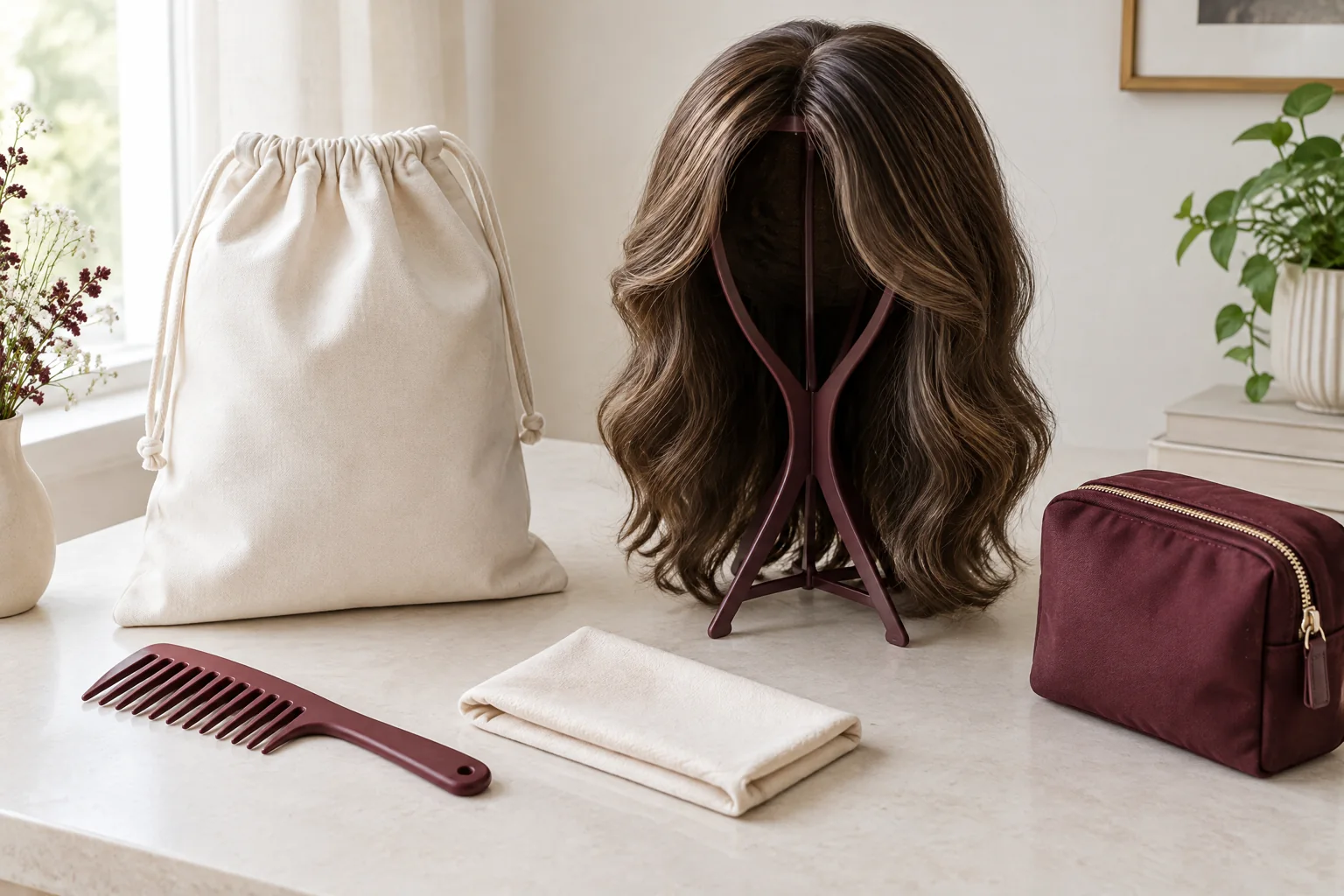
If you prefer not to discuss why you wear a hairpiece, focus on the practical handling you want. You can explain that the strap must avoid a particular edge without sharing personal history. During a makeup appointment, specify whether the hairpiece stays in place throughout. Ask what assistance BigDeal can provide for that arrangement. A cosmetic check should not become an unplanned fitting session. Leave attachment changes to the piece's instructions and the person responsible for its fitting.
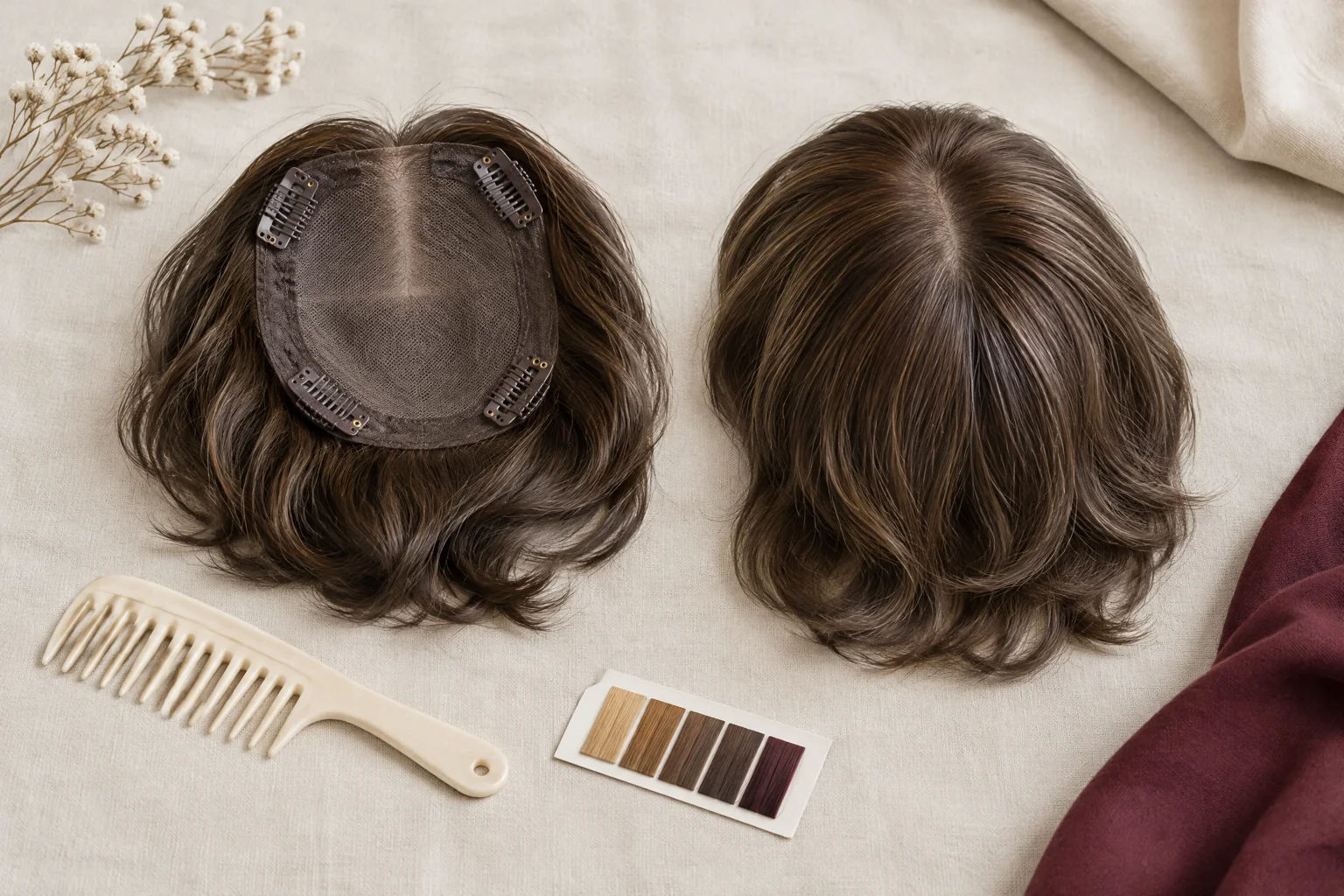
A partial piece needs a different conversation from a full wig. OwnStrand's human hair topper guide addresses coverage, base dimensions and attachment, alongside blending with surrounding hair. Identify which parts of your own hairstyle the lanyard might cross. This helps you keep the rehearsal focused on the actual piece. The material name alone does not grant permission for heat or restyling. Bring its care instructions if a styling question matters, rather than treating every partial piece alike.
Before leaving the makeup setting, check that you can see and reach the fastening you intend to use later. If it sits behind your neck, practise locating it without dragging your fingers through finished hair. Ask whether another person will be available if you need help. Keep personal photographs of the setup only if you want them. Record the strap position without sharing your hairpiece attachment with everyone.
Stop contact and check the changed area
Finish your gala badge dressing makeup contact check
Stop immediately if the loop catches, the holder approaches your eye or the strap feels tight around your neck. Support the holder and ease away from the contact without forcing the loop onwards. Ask the organiser for help if the fastening or display rule is unclear. Do not use scissors near your face to improvise a solution. A damaged connector or recurring snag calls for another approved arrangement. Resume the makeup check only after the badge movement is under control.
The FDA's eye cosmetic guidance calls for clean hands and clean instruments when working near the eyes. It also warns against scratching and applying or removing eye cosmetics in moving vehicles. Check a disturbed eye area only when you are stationary. Do not rush a touch-up in the taxi to registration. Stop using an eye cosmetic that causes irritation. If irritation persists, seek medical advice. Correcting the appearance is secondary to dealing with discomfort around the eye. [2]
For a cosmetic mark away from the eye, inspect the coverage before adding more product. Use your agreed touch-up method on that small area. Compare both sides of the face afterwards, because a heavy correction may stand out more than the original mark. Keep the badge supported while checking. Then repeat only the wearing movement that caused the issue. If it keeps rubbing, return to the display arrangement instead of adding further product.
When several people need credentials, discuss the dressing setup while enquiring about a corporate event makeup artist. Share the issued badge photograph and the organiser's rules with permission. Ask each wearer about help individually rather than assigning one routine to everyone. Different necklines and hairstyles can require different routes. Confirm which makeup checks form part of the agreed arrangement. A clear badge plan allows the artist to focus on makeup without turning arrival into repeated, unnecessary dressing passes.
Key takeaway
The useful choice is not stronger makeup versus a different hairstyle. It is a dressing route that avoids unnecessary contact versus repeated repairs afterwards. Keep your preferred appearance where the route works. Change the badge movement where it does not, then inspect only the area that actually changed.
Practical checklist
- Confirm whether the issued fastening permits routine opening.
- Rehearse the neckline and badge as one dressing sequence.
- Support the holder throughout each pass near the face.
- Record the contact area and the allowed alternative route.
- Agree help before anyone touches your hair or hairpiece.
Frequently asked questions
Should I put the gala lanyard on before makeup?
Not automatically. First establish whether it opens for routine dressing and whether it obstructs the neckline during makeup. A closed loop that catches finished hair may favour an earlier dressing step. An opening strap may work later. Rehearse the outfit and badge together before deciding.
Can my helper simply stretch the loop over my hairstyle?
Avoid relying on stretching or force. The actual item may not be designed for that movement. Support the holder and assess clearance before final styling. If the loop cannot pass freely, ask about an approved alternative. A successful forced pass is not a comfortable repeatable routine.
Is a shorter wig enough to prevent badge contact?
No. Fringe, side sections and nape shape still affect the route. The clasp can catch even when the overall silhouette is short. Check your exact piece during dressing. Choosing a different length should reflect your appearance preferences, not a promise that badge handling will become effortless.
What if I must remove the badge for a photograph?
Confirm that removal is allowed, then use the rehearsed fastening method. Keep the holder controlled instead of swinging it past your face. Check hair after removal and again after replacement. A portrait plan needs both directions, especially when the credential is required immediately afterwards.
What should I send with my BigDeal makeup enquiry?
Send the outfit neckline and a badge reference if available. Explain when you receive the credential and whether its strap opens. Mention any hairpiece handling preferences without sharing more personal information than you wish. BigDeal can discuss the makeup arrangement; product fitting questions belong with the relevant provider.
Sources
| Source | What it supports |
|---|---|
| Conference lanyards; why does it take so long to provide health hazard free options? | The paper describes breakaway latches as safety features that release under force. This supports distinguishing release function from a routine dressing clasp, without certifying a particular badge. |
| Eye Cosmetic Safety — U.S. Food and Drug Administration | FDA advises clean hands and instruments, care against scratching, no eye cosmetic application or removal in moving vehicles, and stopping an irritating eye cosmetic. Persistent irritation warrants medical advice. |
Discuss your own makeup plans
WhatsApp BigDeal Make Up at +852 6918 3153 to discuss your gala makeup arrangement. Share your neckline, badge reference and preferred hairpiece handling. This number is for BigDeal makeup enquiries, not OwnStrand product orders or appointments.
Ask on WhatsApp +852 6918 3153