
At a glance
The practical choice is not simply one look or two. It is whether a change creates useful contrast without stealing time from meaningful moments. A refresh preserves the original direction. A minor restyle changes one feature. A true look change needs a private window, clear priorities, and written confirmation. Plan around ready-by times, movement, family duties, and the evening setting. Keep optional details secondary when the day is busy.
What bridal look change planning should decide first
Use bridal look change planning to name each change
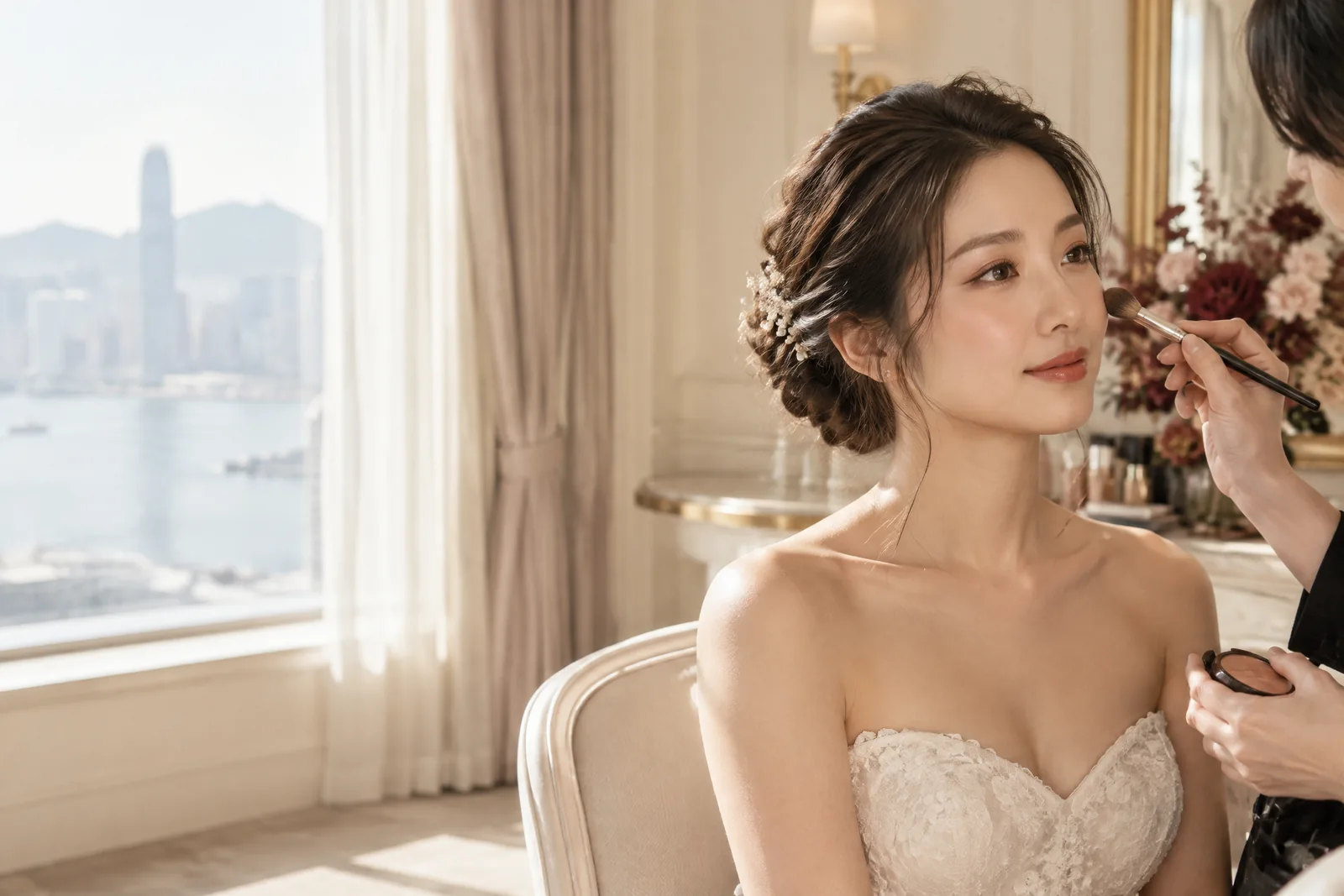
Bridal look change planning starts by naming the difference between a refresh, a restyle, and a new look. A refresh protects the existing direction. It may involve blotting, lip colour, powder, or smoothing a loose strand. A minor restyle adjusts one visible element, such as a hair accessory or eye emphasis. A true change creates a clearly different impression for another part of the celebration. Naming the request prevents vague expectations later.
Do not count every mirror check as a separate look. Begin with the moments guests and cameras will notice most. These may include departure, registration, family photographs, reception entrance, and stage appearances. The existing guide to bridal makeup touch ups explains the practical distinction between short fixes and broader changes. Your plan should then connect each requested adjustment to a specific pause in the day.
A useful plan also records what must remain consistent. You may want the same base finish, brow shape, and overall hair structure throughout. Then choose only one or two features to alter later. This approach makes a second appearance feel intentional without replacing every decision. It also gives the stylist a clearer brief than asking for something more glamorous. Keep your reference images focused on mood, contrast, and the details you value.
Build the day around real change windows
Protect calm gaps before visible wedding moments
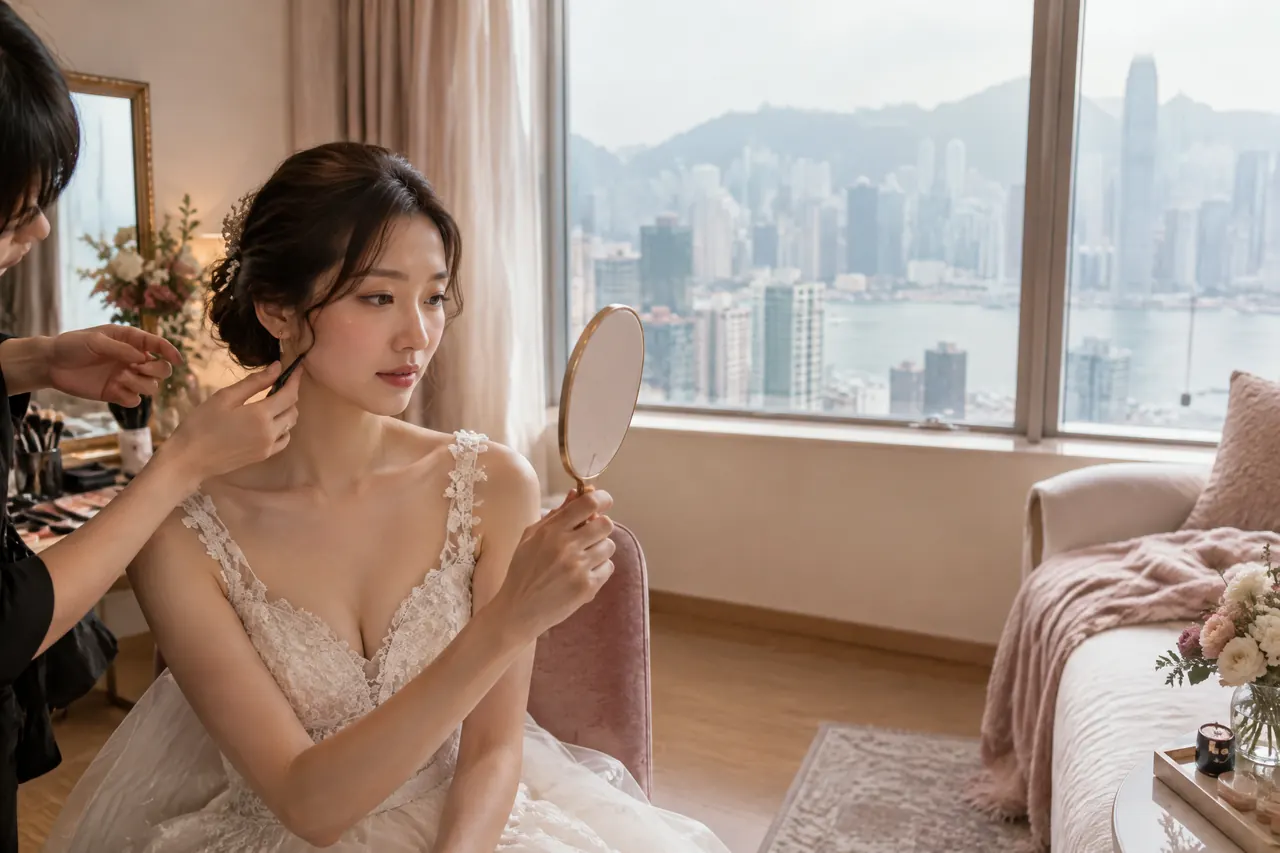
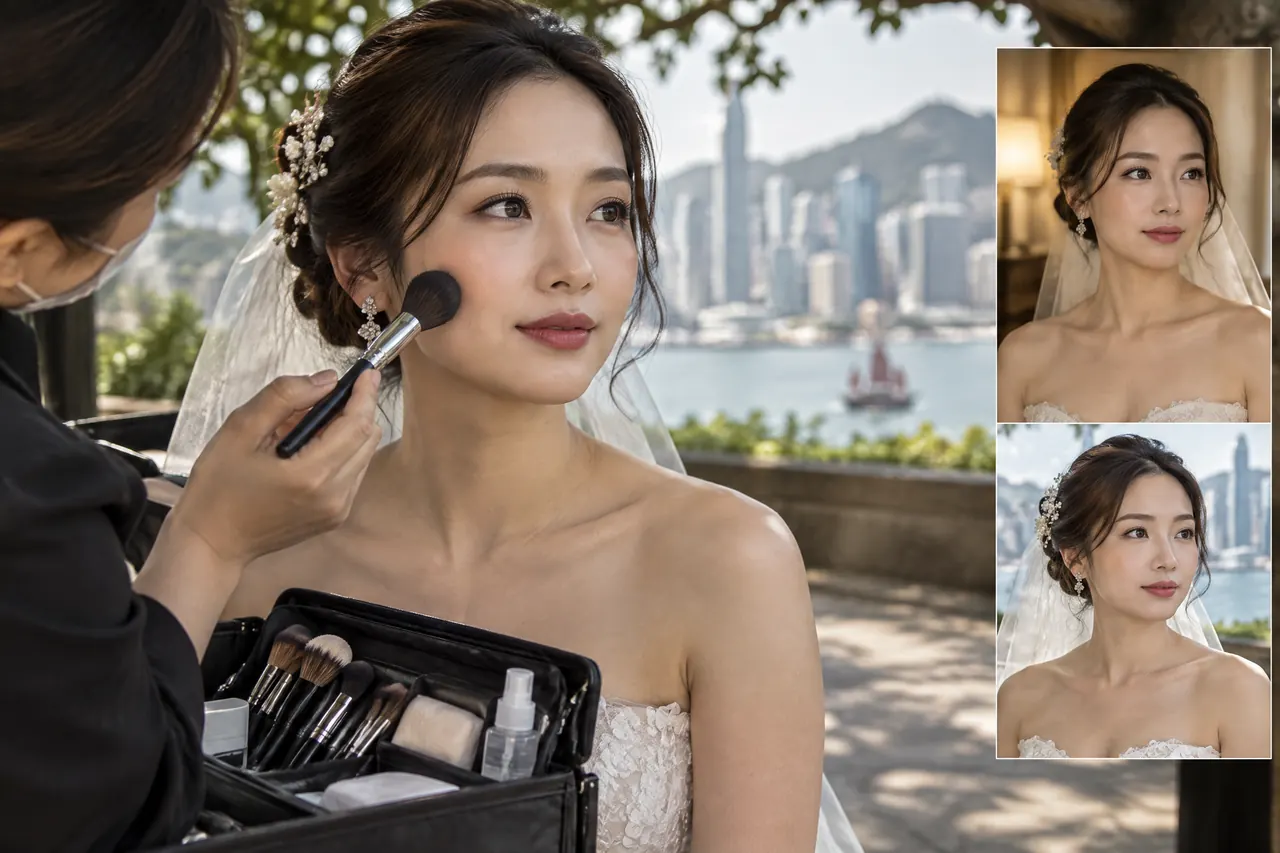
Work backwards from each visible moment, rather than filling every empty minute with styling. First list when you must be dressed, photographed, travelling, or greeting family. Then mark private intervals where hair and makeup can be adjusted without interruption. For a departure, registration, or tea ceremony, wedding morning makeup Hong Kong helps frame the first ready-by time. Treat that first deadline as fixed, then build later changes around it.
Separate service windows often matter more than the number of proposed looks. A morning event and an evening banquet may have a long gap between them. During that gap, allow for changing clothes, eating, travel, family requests, and venue access. The morning and banquet bridal makeup page is useful when your celebration has distinct periods. Confirm both periods before assuming one continuous arrangement covers them.
Add a small buffer before each public transition. The buffer is not an opportunity to add another feature. It protects the existing plan when a dress fastening, lift journey, photographer request, or family photograph runs late. Ask one person to guard the change window. That person can redirect non-urgent questions and confirm the next destination. A protected pause feels more valuable than a rushed dramatic change.
| Request type | Typical purpose | Plan it as |
|---|---|---|
| Refresh | Restore a polished appearance | A short protected pause |
| Minor restyle | Alter one visible detail | A planned transition |
| True look change | Create a distinct later impression | A private change window |
| Optional extra | Add interest if time allows | A lower-priority choice |
Choose differences guests can actually see
Create contrast without losing your recognisable style
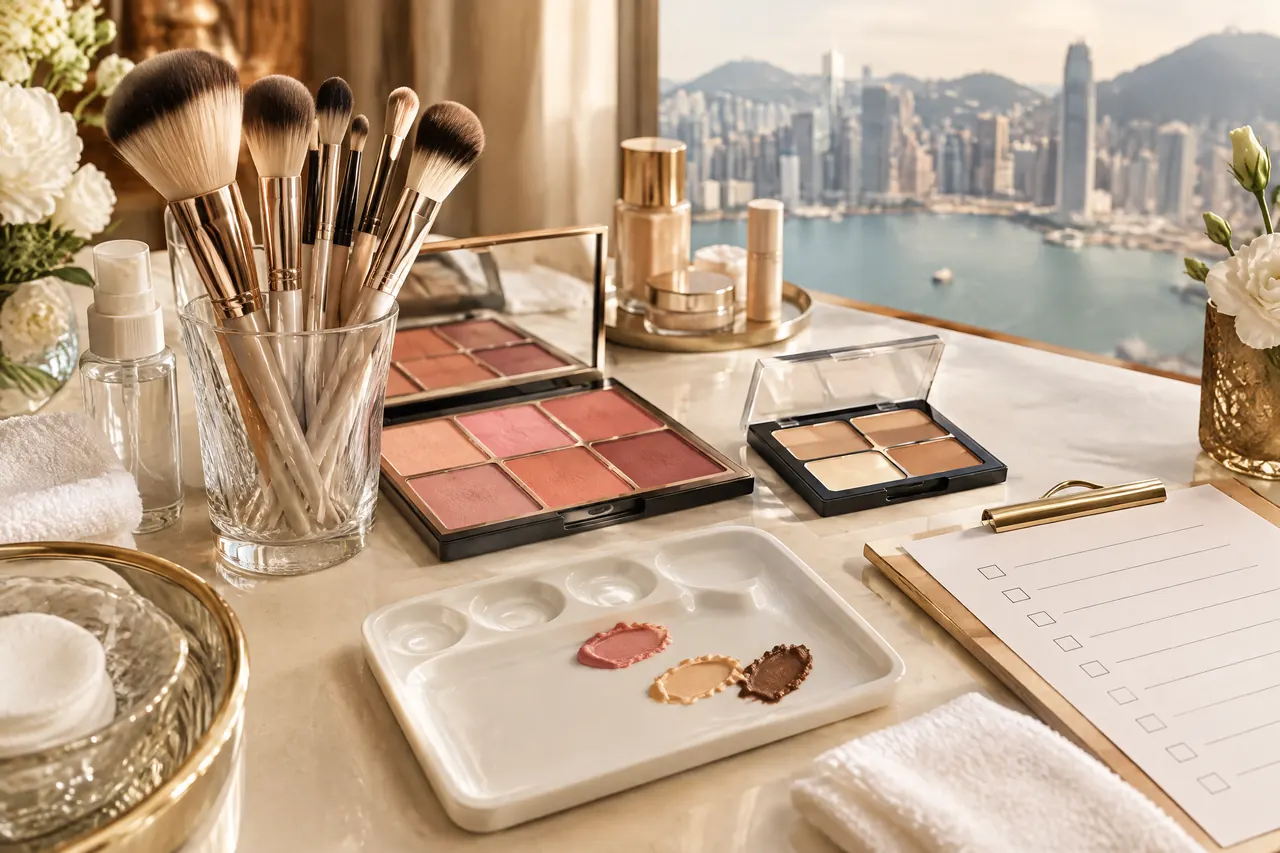
Choose the second direction by contrast, not by a larger product list. A daytime look may favour soft definition and a quieter lip. An evening direction can introduce deeper eye definition, a stronger lip tone, or a more polished hair finish. The natural bridal makeup Hong Kong guide can help you describe the starting point. Say which feature should change, and which familiar features should remain.
Consider each outfit before choosing the exact adjustment. A high neckline, open shoulder, veil, hairpiece, or bold jewellery may already change the overall impression. Sometimes switching an accessory and lip tone gives enough contrast. At a reception, venue lighting and the order of entrances may matter more than a complicated rebuild. Use banquet bridal makeup Hong Kong to consider the evening setting, not merely the desired intensity.
Ask whether every proposed change serves a visible purpose. A different hairstyle can support a new neckline. A richer lip can distinguish dinner photographs. However, several small alterations may compete with each other. Decide on one headline change and one supporting detail. A concise choice makes it easier to explain the intended result. It also reduces last-minute decisions when time and attention are limited.
Coordinate the bride, family, and bridal party
Sequence people by their ready-by commitments
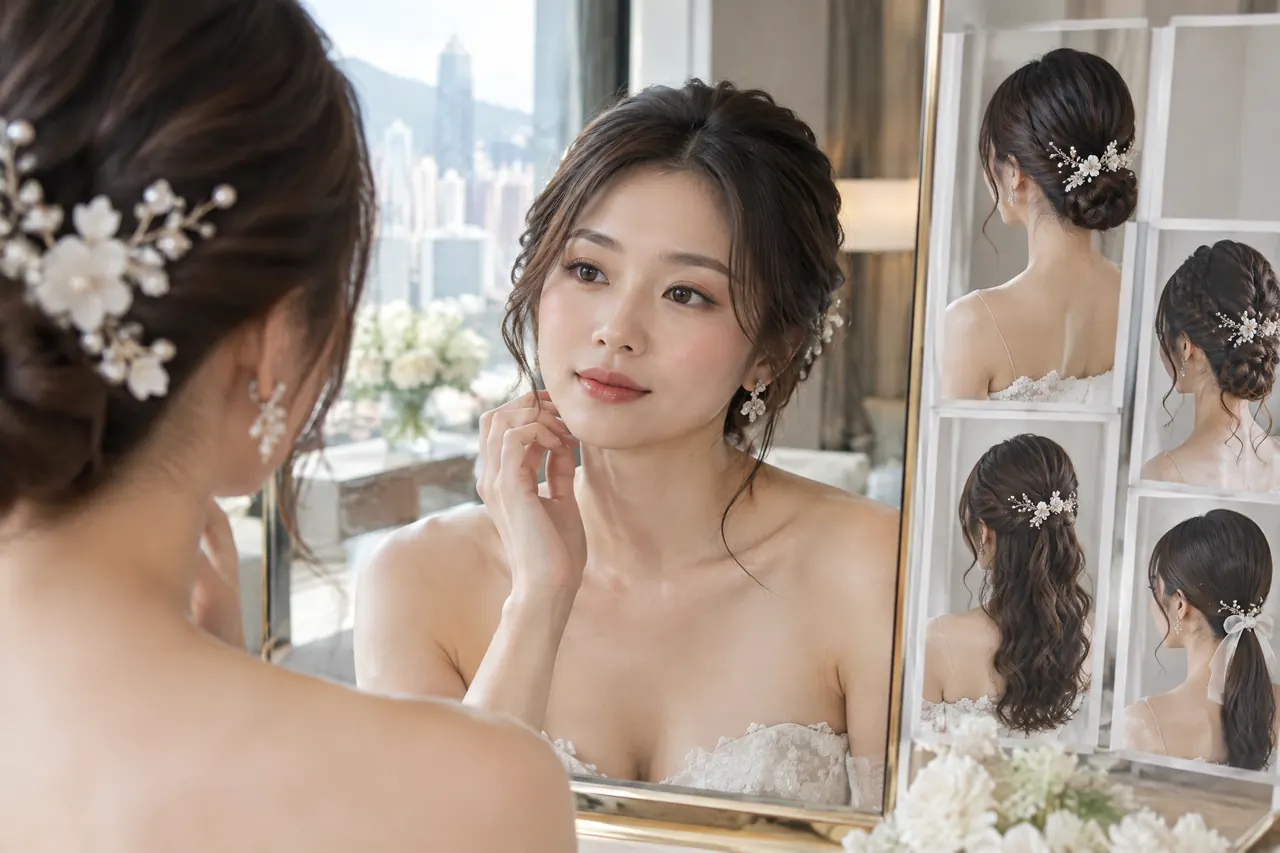
Your change window affects other people when they share the same room, mirror, transport, or photographer. List who needs to be camera-ready before the bride’s adjustment begins. Mothers, sisters, bridesmaids, and the groom may each have different duties. The bridal makeup package for bride and bridesmaids guide can help identify additional styling needs. Keep the bride’s private change window separate from group preparation wherever possible.
Give family members a simple briefing before the day. Tell them the planned time for group photographs, meal breaks, and the bride’s next appearance. This prevents well-meant requests from appearing during a change. It also helps relatives choose when to adjust their own accessories. If a family member wants a specific photograph, add it to the schedule early. The aim is coordination, not matching every face or hairstyle.
Choose one contact person for practical messages. That person should know the venue room, the next outfit, and the photographer’s priority moments. They can also keep accessories together and check whether the bride has privacy. Avoid asking the bride to answer logistical messages while changing. Clear ownership reduces distraction and keeps the planned pause useful. Give this person a printed sequence and a charged phone.

Plan around Hong Kong movement, weather, and comfort
Keep the plan flexible when conditions change
Hong Kong conditions can affect travel, comfort, and the order of outdoor photographs. The Hong Kong Observatory describes May through August as hot and humid, with occasional showers and thunderstorms. It also notes that most annual rain falls from May to September. [1] Check the forecast close to the date and identify an indoor alternative. Plan any outdoor portrait sequence before the next change only when the timing remains realistic. [1]
Movement between homes, hotels, ceremony venues, and banquet rooms can use more time than expected. Record the actual handover points, not just district names. Include lift access, changing-room availability, meal timing, and who carries the accessories. A look change should happen where there is enough light, seating, and privacy. It should not be forced into a corridor or vehicle simply because the schedule appears open.
Comfort deserves equal attention. Choose a hairstyle, lash choice, and lip finish that you are happy to wear during greetings, meals, and photographs. Pack a small personal kit only after confirming what you are comfortable reapplying. It can include a selected lip product, tissues, and blotting papers. Your chosen arrangement may include other items, so confirm the exact scope before the day.
Put decisions into a clear written enquiry
Confirm scope before the wedding day
A practical enquiry states the date, venues, first ready-by time, later appearance, and desired changes. Attach a short schedule and labelled references for each direction. State which parts are essentials and which are optional. For booking questions, the bridal makeup deposit Hong Kong guide explains why current written terms matter. Ask customer service to confirm the service period, travel details, changes, and any waiting arrangements in writing.
Include product preferences or relevant sensitivities before finalising the arrangement. The United States Food and Drug Administration advises users to wash hands and not share makeup. It also advises discarding eye makeup after an eye infection. [2] Those points support sensible communication, not a diagnosis. Tell the team about a past reaction or current eye concern early. Seek appropriate medical advice for symptoms or suspected allergies. [2]
Keep a final change sheet with the next outfit, accessory, lip direction, hair direction, and priority photographs. Give the same version to the planner or contact person. Avoid late additions unless they replace an existing request. A written sheet makes each decision easier to locate when the room becomes busy. It also helps everyone recognise when a planned change is complete.

Use a final bridal look change planning checklist
Choose simplicity when the schedule is tight
Review the plan during the final week with the day’s actual sequence in front of you. Identify the single change that matters most to you. Then decide which secondary detail can be omitted if travel or photographs run late. This is not lowering the standard. It is protecting the elements that will make the biggest visual difference. A clear priority helps the team adapt calmly to real events.
Keep the plan personal rather than copying every reference image. Your dress, accessories, location, and comfort preferences should decide the direction. Use the table to classify each request before you send it. If an item has no clear place on the schedule, treat it as optional. This simple test separates a useful second look from extra activity that may interrupt your day.
Bridal look change planning works best when the trade-off is explicit. More contrast can make the evening entrance feel distinct. Fewer changes can protect time with family and reduce travel pressure. Choose the option that supports your most meaningful moments. Then share the plan early, confirm the arrangement in writing, and reserve the final minutes for a calm check. This keeps the day focused on celebration.
- Name each request as a refresh, minor restyle, or true new direction.
- Write the first ready-by time and every later public appearance.
- Protect a private change window before the evening entrance.
- Choose one headline difference for the later look.
- Confirm venues, travel, timing, and service scope in writing.
- Give one contact person the final schedule and accessory list.
Key takeaway
Choose a true second look when the evening setting or outfit needs clear contrast. Choose a minor restyle when a small shift protects time, comfort, and family moments. The better plan is the one that your real schedule can support.
Practical checklist
- Classify every requested adjustment before sharing your schedule.
- Protect the first ready-by deadline from optional additions.
- Choose one visible difference for the later appearance.
- Record actual venue handovers and private changing locations.
- Share one final change sheet with the contact person.
- Confirm the agreed arrangement in writing before the day.
Frequently asked questions
Do I need a new look for the banquet?
Not necessarily. A new look is useful when the outfit, venue, or desired mood clearly changes. A different lip tone, accessory, or hair detail may provide enough contrast. Choose a broader change only when the schedule gives it a protected place. The best choice supports your evening priorities without reducing time for travel, meals, or photographs.
How can I decide between a touch-up and a restyle?
Describe the visible result you want after the adjustment. If you want the same look refreshed, call it a touch-up. If one feature changes, such as the lip or accessory, call it a minor restyle. If guests should see a deliberately different overall impression, treat it as a new look. Clear words make the booking discussion more accurate.
Should the bridal party be styled before my change?
Usually, people with earlier photographs or duties should be ready first. However, the correct order depends on the day’s route and individual ready-by times. List every person’s first public responsibility. Then keep the bride’s planned change window clear of group requests. A contact person can coordinate questions while the bride changes.
What should I send with my enquiry?
Send the date, venues, ready-by times, approximate travel sequence, and the number of people needing styling. Include the first look and any later direction with labelled reference images. State which changes are essential and which are optional. Ask for written confirmation of the service period and practical arrangements before treating the plan as final.
Sources
| Source | What it supports |
|---|---|
| Climate of Hong Kong | The Hong Kong Observatory describes May to August as hot and humid with occasional showers and thunderstorms, and says about 80 percent of annual rain falls between May and September. |
| Using Cosmetics Safely | The FDA advises washing hands before product use, not sharing makeup, and discarding eye makeup after an eye infection. |
Discuss your own makeup plans
Share your wedding date, venues, ready-by times, and preferred look directions. Contact BigDeal Make Up on WhatsApp at +852 6918 3153 for practical Hong Kong guidance.
Ask on WhatsApp +852 6918 3153