
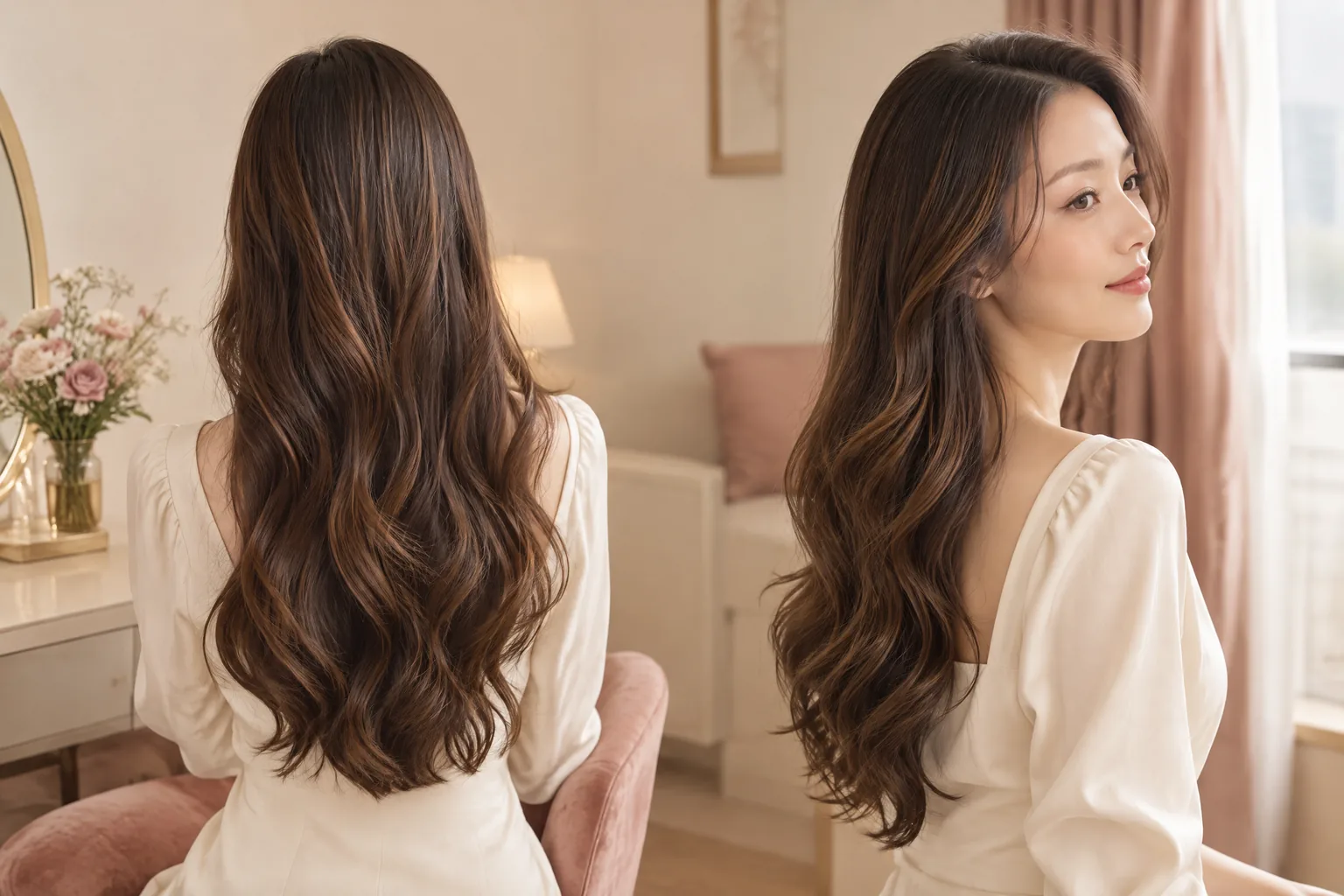
At a glance
Start with the shots that will appear together, not a general wish for fresh colour. Keep one approved reference set, identify what may change, and obtain agreement before any salon visit. This approach suits productions needing an identifiable baseline; unrelated recordings may reasonably allow a different appearance.
Define multi-look shoot root continuity before booking
What does multi-look shoot root continuity need to match?
Begin with the editing requirement rather than the number of outfits. Ask which scenes will be intercut across separate filming days. A close interview and a later reaction shot may need the same visible root line. Two clearly separate campaign chapters may allow a deliberate change. List the dates, expected framing and approved parting for each appearance. Mark uncertain pickup dates as unresolved, so nobody assumes the colour can change once the first day ends.
For the makeup discussion, use the film and video makeup Hong Kong page as the relevant starting point. Send the actual scene brief rather than requesting an undefined filming package. Explain whether the face, hairline and parting will appear in close views or wider frames. Ask BigDeal to confirm the proposed makeup or styling scope and date arrangements. Any salon colour work remains a separate enquiry, with its own assessment and confirmation before it enters the schedule.
Nikon explains that white balance addresses the colour of the light source. Its manual describes custom settings for mixed lighting and neutral references under the final photograph's lighting. Therefore, a warmer second image should prompt a camera check before a salon change. Ask the camera team to record lighting and white balance with the approved reference. A phone picture remains useful for placement, but should not settle an exact colour match under a different light. [1]
Build a reference set that shows more than shiny ends. Include the usual parting, both temples and a wider view connecting roots to lengths. Label each image with its date and whether it shows an approved look or current hair. Preserve the original files without beauty filters. Have the person approving continuity identify the comparison images everyone should use. This prevents a favourite portrait from silently replacing the actual appearance needed for the next scene.
- Identify shots that will be intercut.
- Name the person approving appearance changes.
- Keep current-hair images separate from approved references.

Clarify root-only and full-head intentions
Would a salon change alter the approved baseline?
A visible root boundary does not automatically mean the whole head needs recolouring. First describe where the difference sits: new growth, the middle lengths or the ends. Then distinguish a genuine colour change from a different parting exposing another area. For continuity, the question is whether those visible areas still match the agreed appearance. Looking freshly coloured is a separate goal. It can conflict with returning to a previously approved frame on another day.
The root touch up vs full head colour guide from Vitso Hair separates new growth from changes in the lengths. Vitso Hair shares BigDeal's owner; this is related salon reading, not an independent recommendation. Use the guide to prepare questions about areas you want preserved. Show the approved filming reference alongside current photographs, and explain which difference matters on camera. Do not treat a root-focused service name as confirmation that every other area will stay identical.
Decide whether restoring the original appearance or establishing a new one takes priority. If the earlier scene has already been approved, changing the entire colour may create a new matching task. If no filming has begun, a proposed colour change can instead become the reference for later dates. Neither choice is automatically preferable. The trade-off depends on which material must connect and whether another camera check is possible. Establish who can approve the result before recording.
Ask the salon to distinguish proposed work on roots, middle lengths and ends. Share previous colouring or lightening by area where you can, including approximate dates. Ask what remains uncertain until the hair is assessed. Meanwhile, tell the production team if the proposed work could alter the reference. Keep cosmetic wishes and continuity requirements in separate notes, so a stylist can understand both. Photographs alone cannot establish a guaranteed camera match.
| Situation | Priority | Trade-off to discuss |
|---|---|---|
| Later pickup matches approved footage | Preserve the baseline | Fresh colour may create another mismatch |
| Roots differ; lengths still suit | Identify the visible area | Root-focused work still needs assessment |
| Whole appearance may change | Approve a new reference | Earlier scenes may need the old look |
| No connected footage | Allow a separate look | Keep recording briefs clearly labelled |

Pre-colour care does not prove protection
Which products and suitability questions remain open?
A care appointment and a colour appointment answer different questions. Softer-feeling lengths do not establish that further processing is suitable. Describe tangling, roughness or a coated feeling separately from the visible root difference. Share what was previously applied rather than describing all products as treatments. For a production brief, the useful outcome is clarity about the proposed care and colour plan. Avoid adding a new step simply because its name sounds reassuring before an important shoot.
The pre-colour hair treatment information on Vitso Hair's treatment page can help you ask about proposed products and application areas. The salon shares BigDeal's owner, so this is a related resource rather than an independent endorsement. Its page discusses cosmetic conditioning and care before colour or perming. Ask what the visit actually includes and whether it suits your hair history. The label alone does not prove allergy prevention, damage prevention or a guaranteed unchanged appearance for filming.
FDA advises following dye instructions and doing the skin test before every use. It also warns that no visible test reaction does not rule out a reaction during colouring. Its advice says not to dye an irritated, sunburned or damaged scalp. These cautions support leaving room for assessment rather than treating a shoot deadline as clearance. Discuss previous reactions with the relevant professional. Seek healthcare advice for symptoms instead of asking cosmetic conditioning to resolve them. [2]
Once the proposed routine is understood, ask whether it changes anything visible in the filming reference. A different finish or parting may need review even when no colour is applied. Record the agreed washing and styling instructions without improvising extra products on shoot morning. If suitability remains unresolved, tell the person approving the shoot appearance promptly. Keeping the plan unchanged or revising the shot requirement may be more sensible. Care does not establish suitability for last-minute colouring.
Keep product-campaign makeup notes precise
Which visible details need approval before changing?
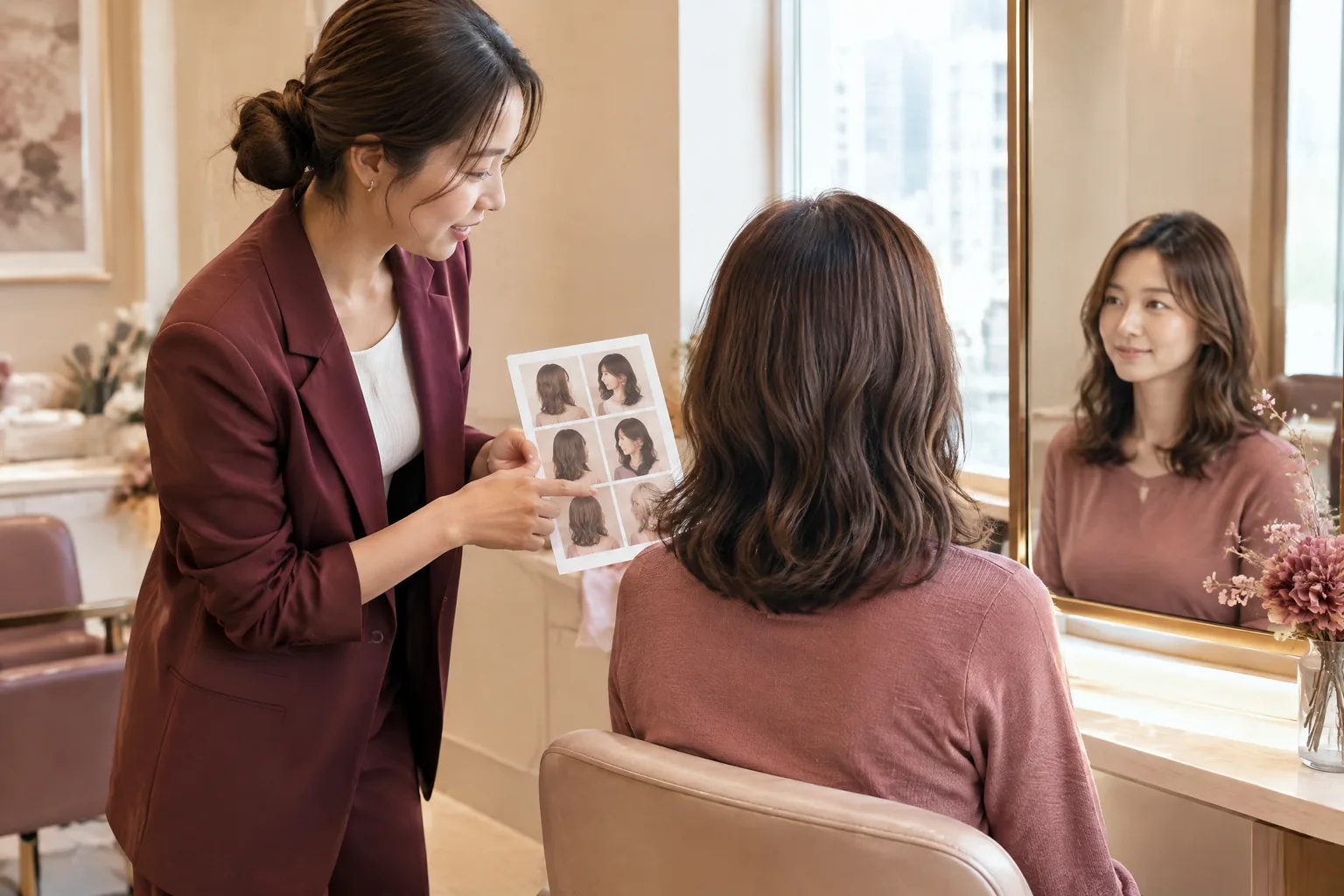
Product-campaign continuity needs a clear account of what the viewer will compare. A hand holding packaging may share the frame with the face and temples. A later close view may reveal a parting absent from the wider shot. Mark which details are essential rather than demanding that everything remain identical. Keep intentional look changes separate from accidental differences. This gives the makeup team a useful brief while leaving the camera team responsible for its own recording conditions.
Use the makeup continuity product campaign page when the actual brief concerns repeated product appearances. Explain the approved complexion finish, lip colour and any visible hairline requirement alongside the shot list. Ask BigDeal which makeup arrangements can be confirmed for those dates and changes. A campaign reference does not automatically include salon colour maintenance. Share a proposed hair change as a question for approval. Do not expect the makeup team to reproduce it chemically on set.
Choose a single approved version for each look, and keep its date visible in the notes. If the client approves a changed parting, record which later shots use it and which still need the earlier appearance. Store rejected alternatives separately so they cannot be mistaken for the final instruction. Short descriptions help: roots visible at the left temple is more useful than hair looks good. Pair that note with an image showing the relevant framing and angle.
Agree a simple response when a difference appears during the camera check. First identify whether the reference, light or visible hair has changed. Then decide who can approve proceeding, revising the styling or adjusting the shot requirement. Do not promise that makeup or later editing will erase every root difference. Document the accepted choice before recording the affected material. The purpose is not perfect paperwork, but a decision everyone can follow when the next filming day begins.
| Record | Useful detail | Decision it supports |
|---|---|---|
| Appearance reference | Date and approved parting | Which image to follow |
| Camera context | Light and white balance | Whether comparison is meaningful |
| Proposed change | Roots or lengths affected | Whether approval is needed |
| Accepted difference | Approver and affected shots | Which later dates can proceed |

Use the Sheung Wan colour resource honestly
What should a location-based enquiry actually ask?
A Hong Kong filming schedule may involve a studio visit, office recording and separate salon consultation. Keep those commitments distinct when planning travel. A location search helps you start an enquiry; it does not settle suitability, appointment duration or whether a slot exists. Work backwards from the next approved camera check, but avoid choosing an arbitrary colouring deadline. Ask the salon what assessment and preparation are needed before committing a visit between two filming dates that must connect.
The hair colour sheung wan page is a resource label for Vitso Hair's colour information, not another branch name. Vitso Hair and BigDeal have the same owner; the link offers related salon detail rather than independent praise. The page discusses depth, reflected tone and coverage alongside existing colour history. Use it to describe the difference you want assessed. Confirm the proposed work and appointment directly with the salon, rather than treating a BigDeal makeup enquiry as hair-service confirmation.
Send a compact enquiry that the recipient can understand without reading the whole production schedule. Include current roots and lengths, the approved reference and the dates needing continuity. State whether preserving the lengths or changing the overall appearance matters more. Mention previous chemical work and any reaction history. Ask which details require an in-person assessment. This is more useful than requesting the same brown. That phrase leaves the existing base and visible coverage area unclear.
Leave room for the salon's answer to change the filming plan. If photographs cannot establish the proposed result, arrange the next approval step. Do not promise the client a match. If you decide against colouring, document that choice so nobody expects an unconfirmed change on arrival. Where a change is approved, update the reference after it is reviewed. Preserve the earlier version for any remaining scenes that still depend on the old baseline.
Confirm the interview-video brief separately
Does the corporate recording need the campaign baseline?
A corporate interview recorded between campaign days may have its own appearance requirements. Ask whether it will stand alone or be edited with existing footage. A separate recording might allow the person's current roots and a different makeup finish. An interview returning to an earlier narrative may instead need the original reference. Do not assume that sharing a speaker makes both jobs one continuity brief. Establish the connection before a salon decision affects either recording's agreed appearance.
The makeup artist for corporate video page is relevant when an actual office interview or corporate recording is planned. Tell BigDeal about the camera framing, dates and desired makeup finish for that recording. Explain whether it must match campaign material or can use a separate look. Ask for confirmation of the makeup scope and arrangements. This keeps the enquiry specific without implying a filming bundle or shared availability across dates. Hair-colour bookings remain separate.
Before the next session, compare the current appearance with the correct approved reference for that job. Check the parting and temples before deciding that a wider colour change has occurred. Ask the camera team to review the image under its intended setup. Share any planned difference with the person approving the recording. If the jobs use different looks, label them clearly. Avoid blending both sets of instructions into one message sent to everyone involved.
Close the planning loop after each approved change, not only after the final shoot. Keep a brief record of the accepted appearance and which future dates rely on it. Retain unresolved pickup dates until the team confirms they no longer need the old look. The strongest continuity plan is not always the most extensive salon intervention. It is the smallest agreed change that respects hair suitability and camera requirements. It preserves the appearance the edit needs to connect.
Key takeaway
Root continuity is a shared appearance decision, not a standing instruction to recolour. Preserve the reference the edit needs, check camera conditions, and approve only the changes that serve the connected shots.
Practical checklist
- Mark filming dates and unresolved pickups that need the same appearance.
- Save approved roots, temples and lengths with camera context.
- Identify areas to preserve before requesting any colour change.
- Share chemical history and reaction concerns with the salon.
- Confirm makeup arrangements and salon appointments through separate enquiries.
Frequently asked questions
Should I colour my roots before every filming day?
Not automatically. Start with the approved footage and visible difference. Repeated appointments are not a substitute for an assessed plan.
Can phone photographs confirm an exact colour match?
They help show the parting and coverage area. Different light or camera processing makes them insufficient for confirming exact colour alone.
Does conditioning make a colour appointment safe?
A cosmetic care step does not establish processing suitability or rule out a reaction. Confirm the products and required precautions separately.
What if the interview does not connect to the campaign?
Give it a separate approved brief. It may use a different appearance, provided everyone understands which recording follows which reference.
Can BigDeal confirm my Vitso colour appointment?
Keep the enquiries separate. BigDeal can discuss makeup arrangements; confirm hair suitability, proposed work and appointment details directly with Vitso Hair.
Sources
| Source | What it supports |
|---|---|
| Achieving Natural Colors with Different Light Sources (White Balance) — Nikon D780 Online Manual | White balance addresses the colour of the light source; custom settings and neutral references can be used under the relevant lighting. |
| Hair Dyes — U.S. Food and Drug Administration | Follow dye instructions and skin test before each use; a negative test cannot rule out a reaction, and irritated, sunburned or damaged scalps should not be dyed. |
Discuss your own makeup plans
Planning makeup for filming dates in Hong Kong? WhatsApp BigDeal Make Up at +852 6918 3153 with your dates, shot brief and approved appearance references to discuss makeup arrangements. Please confirm any hair-colour service separately with Vitso Hair.
Ask on WhatsApp +852 6918 3153