
At a glance
Begin with the hairstyle Mum likes, rather than treating visible hearing equipment as something to hide. Watch the side hair during a seated conversation and a standing toast. Separate an unwanted strand from an equipment concern, because they need different responses. Agree who may touch her hair and how she will request a pause. Then give the wedding team one practical plan for her entrance and toast.
mother toast hearing aid hair clearance at the table
Start with the movement, not the colour
A wedding toast involves more than looking straight into a mirror. Mum may rise from her chair, turn towards the newlyweds, and lift a glass beside her cheek. Hair that sits neatly at rest may travel across her ear during that sequence. Ask whether she notices touching, pulling, blocked access, or simply an unfamiliar feeling. Her description matters more than somebody else's preference for a tidier photograph.
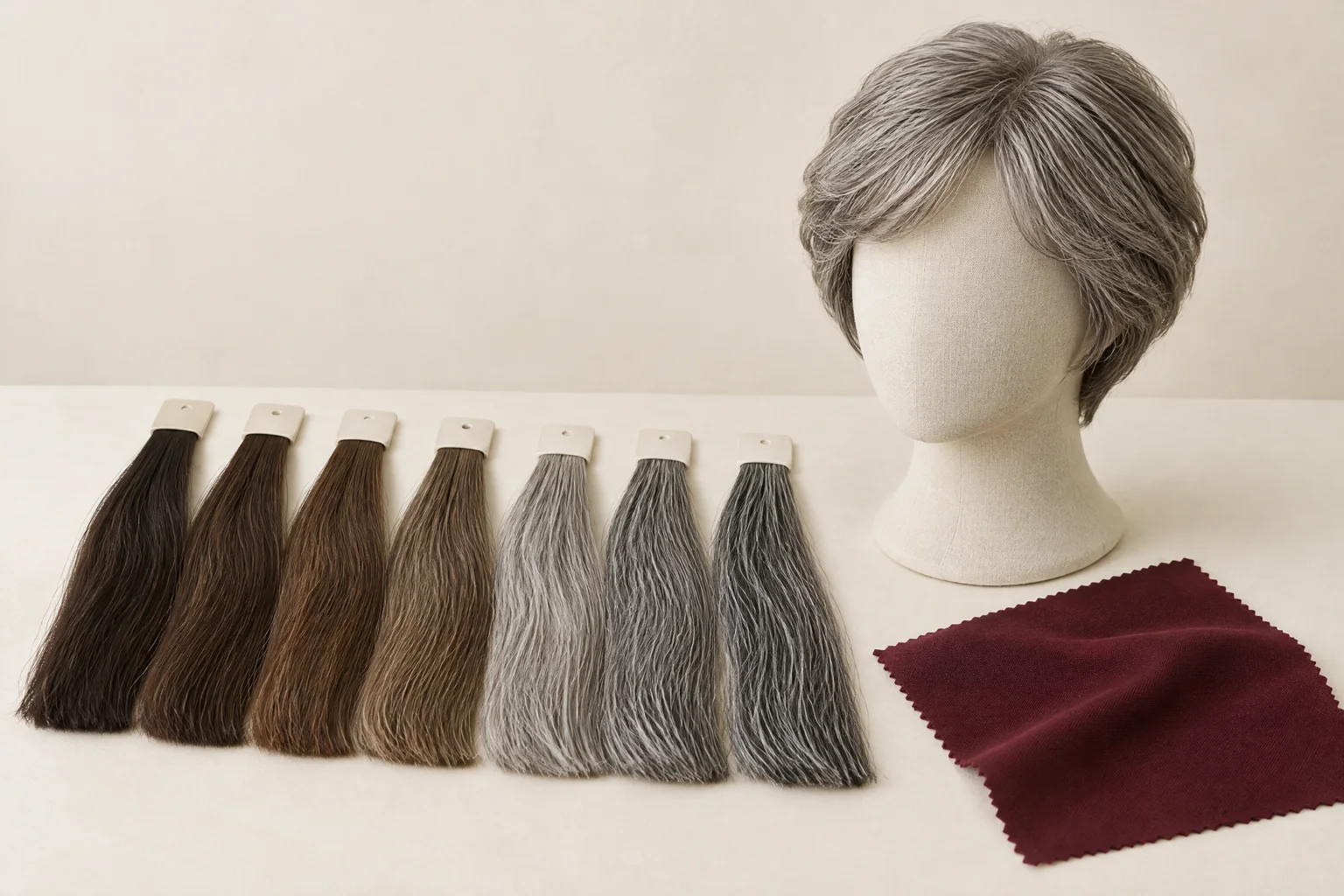
If Mum already wants a different colour, OwnStrand's grey wigs guide offers separate shade reading from the same owner. It explains that grey, silver and salt-and-pepper descriptions can vary between styles. That helps a colour conversation, but it does not establish hearing-equipment clearance. A familiar grey blend can still have side lengths that need checking with her own items in place.
For a mother-focused preparation discussion, Hong Kong mother of the bride makeup is the relevant BigDeal service reading. Share the toast requirement alongside the dress neckline and her preferred hair shape. These are appearance preferences, not instructions to reposition her equipment. A clear brief lets the artist discuss possible hair arrangements without promising a device-compatible result from a reference photograph.
Choose an acceptable result together before anybody reaches for another pin. Mum might welcome hair away from one cheek but dislike a fully exposed ear. Neither preference requires a perfectly symmetrical finish on both sides. Ask her to describe what feels easy during conversation. Let that answer guide discussions about stronger hold or tighter sides. Relatives may want more coverage for photographs.
Try her full toast sequence before approving the hair
Check mother toast hearing aid hair clearance in motion
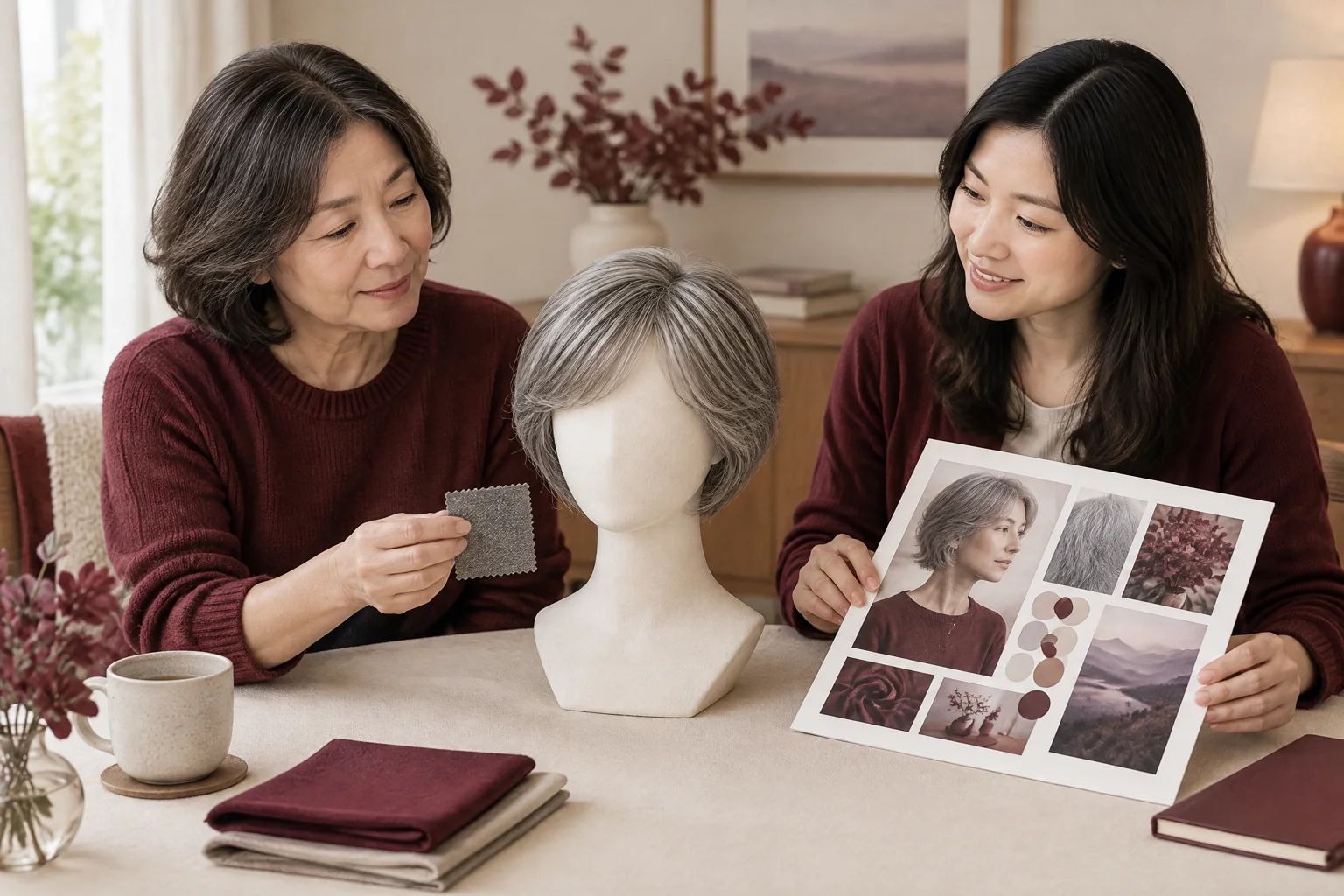
Bring the items Mum expects to use, including her usual spectacles and chosen earrings. She should wear and manage her hearing equipment according to her normal instructions. Use the planned neckline, or a similar collar, for the rehearsal. Start seated, then stand as she expects to do at the banquet. This makes the check about her evening rather than an unfamiliar pose invented for the appointment.
Ask Mum to turn towards the couple, lift the glass, hold briefly, and lower it naturally. Watch the side hair rather than asking her to freeze halfway. Next, let her turn towards a neighbour as she might during table conversation. Repeat only the movement affected by a proposed hair change. There is little value in practising an entire speech when one head turn reveals the problem.
RNID recommends asking a person's preferred communication method and facing them while speaking clearly, without shouting. It also suggests moving somewhere quieter when possible. Speak to Mum directly rather than giving instructions through another relative. If she prefers a written sequence, show it before starting. A quieter corner can make her feedback easier to discuss, although it cannot reproduce the sound of the banquet. [2]
Try spectacles and earrings during the same sequence, not as additions after the hairstyle is approved. Ask Mum to demonstrate any usual access she needs near her ear. If a spectacle arm, earring or strand shares that space, identify which item she wants changed. Record that choice plainly. Otherwise, several helpers may each move a different item and leave her with an arrangement she never approved.
- Begin seated with her chosen personal items.
- Watch a natural turn and glass lift.
- Ask for her response before changing the hair.
| Moment | What to observe | Question for Mum |
|---|---|---|
| Seated conversation | Side hair during a natural turn | Does this arrangement feel familiar? |
| Standing and lifting the glass | Hair beside the cheek and ear | Is anything touching or pulling? |
| Lowering the glass | Where the moved hair settles | Would you like that strand reset? |
| Usual ear access | Space she demonstrates needing | Which area should remain untouched? |
Keep hair finishing separate from equipment care
Plan the work around her usual instructions
UCSF's hearing-aid care guidance says makeup and debris can clog microphone openings. It advises avoiding hair spray or cosmetics entering those ports. Discuss nearby finishing before work begins, rather than improvising a protective covering. Tell the artist about the equipment without requesting device handling. Mum's own care instructions should guide any removal or replacement she chooses. The makeup plan can then accommodate her established routine. [1]
Agree the order of nearby hair finishing and makeup with Mum before applying products. If her routine involves removing equipment, she manages that step or uses her usual chosen helper. Ask how she wants communication handled during that interval. Keep her own storage case accessible if she uses one. Once Mum is ready, check the finished side hair with her normal setup restored.
A request for a custom wig with a percentage of grey hair belongs to a separate appearance discussion with OwnStrand. Its guide treats the grey proportion as a visual preference, with possibilities confirmed case by case. That does not answer where side hair falls during a toast. If Mum considers custom colour, keep a separate note about movement and ear access.
Identify whether the concern belongs to makeup, hair, an accessory, or the photograph before making a change. A cheek shine concern may call for a makeup discussion. A strand crossing her ear calls for a hair discussion. An awkward camera angle may be handled by changing where the photographer stands. If Mum reports that her equipment feels or sounds different, stop styling and leave equipment questions to her usual support.
Choose between keeping the style and resetting one area
Protect the face-side space she wants left alone
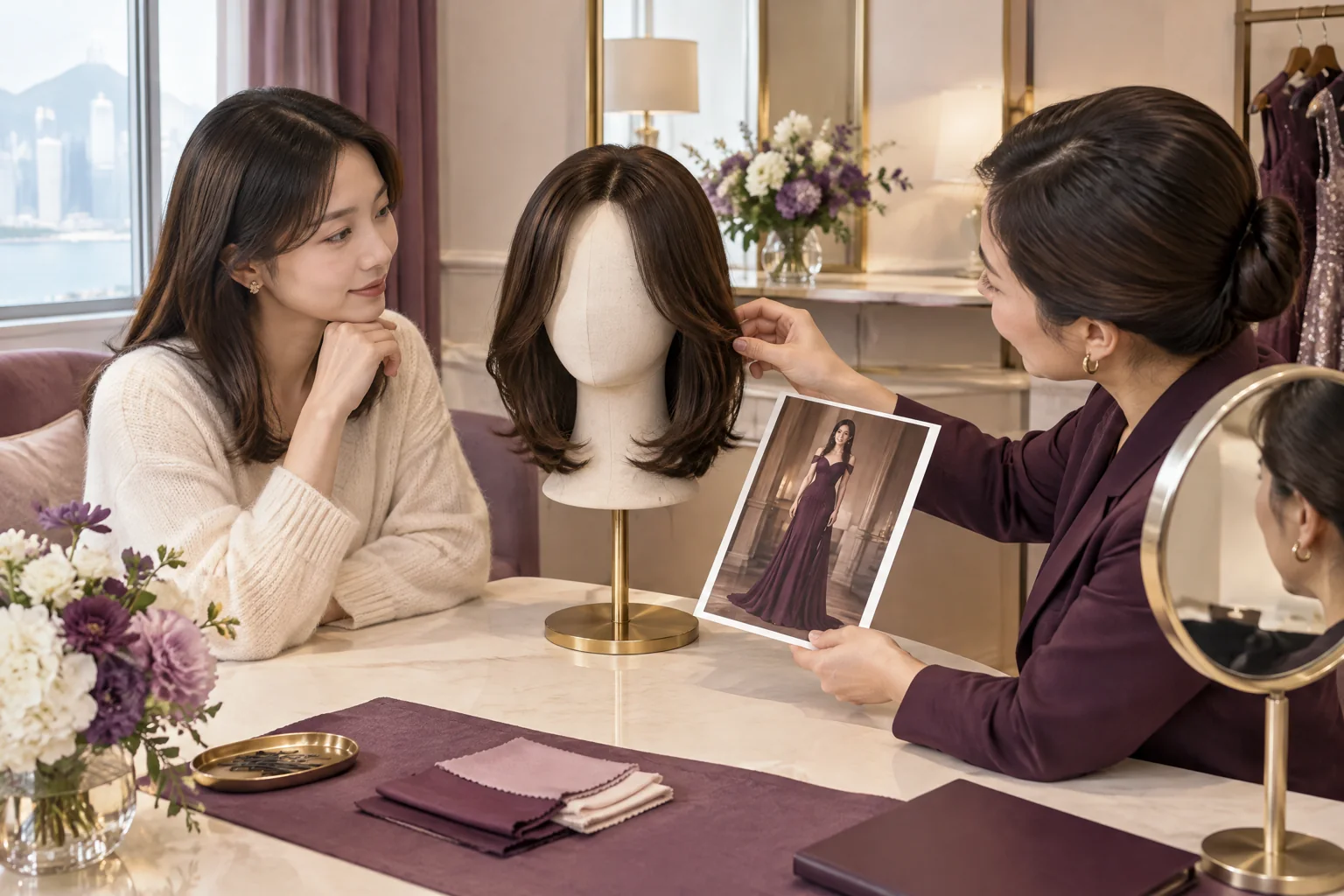
Keeping the hairstyle is a reasonable choice when Mum likes its movement and can use her usual ear access. A visible device does not make the style unfinished. Show her a side view if she wants an appearance check. Keep the toast gesture natural rather than asking her to hold her neck stiffly. The hairstyle should follow the agreed movement, not require a new performance for the photographs.
A local reset may suit a single loose section that repeatedly enters the space Mum wants clear. Discuss moving that section away from the ear while leaving the rest of the shape familiar. Avoid placing a pin or accessory against her equipment. After the change, repeat the relevant turn and glass lift. If she dislikes the new sensation, return to the last arrangement she accepted.
When several relatives share one preparation room, Hong Kong bridal party makeup helps frame the wider BigDeal scheduling conversation. A shared timetable can include a brief private approval before the group moves on. Appoint one family contact for practical messages if she wants that help. The contact coordinates timing, but does not approve touching her hair or equipment on her behalf.
Changing the workflow may be more useful than changing the hairstyle again. Move the final hair check before the family photographs if later touch-ups would feel rushed. Tell the coordinator how she prefers to receive the toast cue. These arrangements address practical pressure without tightening every strand. They also let her keep a softer style when a more fixed outline would feel unlike her.
| Choice | When it helps | What to check afterwards |
|---|---|---|
| Keep the style | She accepts its natural movement | Her preferred access remains available |
| Reset one hair section | One strand crosses her chosen boundary | Repeat the affected toast movement |
| Change the workflow | Rushed cues or touch-ups cause concern | Confirm timing and her preferred cue |
| Pause the adjustment | She reports an equipment concern | Leave device questions to her usual support |
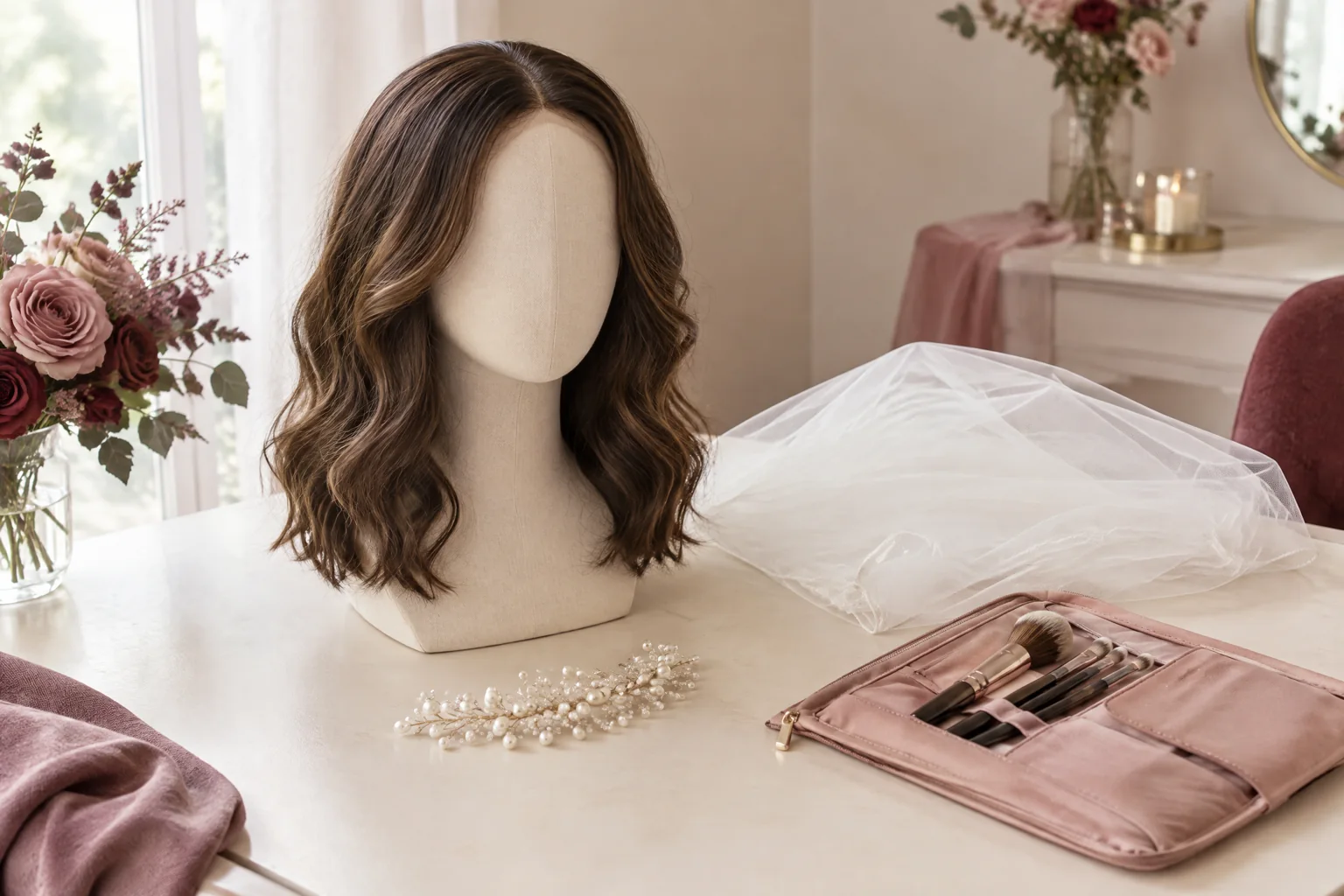
Let Mum approve the look and the touching
One agreement does not cover every later adjustment
Ask permission for a specific action rather than assuming approval of the hairstyle covers all contact. The artist might ask to move the loose hair beside her cheek. Mum can agree to that while declining touching behind the ear. Keep the wording simple and wait for her answer. If she wants to move the strand herself, let her demonstrate. Her choice can preserve a comfortable boundary without turning the appointment into a public explanation of her hearing.
Discuss photography separately from permission to style. Mum may welcome a private side photograph for checking the hair but decline sharing it with the wedding group. Ask what she wants recorded and who may see it. Avoid describing her equipment in a general family message when only the toast cue matters. The coordinator usually needs a timing instruction, not personal details about why she chose that instruction.
If Mum herself wants another silhouette, OwnStrand's bob wigs guide explains that a bob is not one fixed length. Compare the actual side framing and where the ends sit, rather than assuming shorter hair leaves every ear clear. It does not confirm suitability with her equipment. A different item should have its own rehearsal, because approval of today's arrangement does not transfer automatically to another shape.
Make the final decision with Mum looking at the result she actually has, not an earlier reference image. Ask whether the toast movement feels acceptable and whether she wants any further hair change. Give her a chance to decline without persuading her towards a neater outline. Record the accepted style and the area left untouched. A family member can remember the plan, but Mum remains the person who can change her mind later.
Carry a simple plan from preparation to the banquet
Know when to pause instead of adding another touch-up
Pause if Mum reports pulling, discomfort, changed sound, or equipment movement during a hair adjustment. Leave the equipment to Mum and her established support arrangements. If the concern involves hearing or device function, the artist should not try settings or fitting changes. For a hair-only concern, ask whether she wants the last touch reversed. A wedding timetable is not a reason to continue through an unresolved problem.
Use Hong Kong mobile wedding makeup artist when discussing BigDeal booking arrangements for the preparation location. Share the expected toast time and any separate dressing or photography stage. Ask what scope and timing can be agreed for Mum's makeup and hair preparation. A later banquet check needs explicit discussion rather than an assumption of continuous attendance. Provide her chosen hair item or photographs for the appearance conversation, without expecting a photograph to confirm equipment clearance.
Give the coordinator a short note containing only what Mum approves sharing. State her preferred toast cue, the agreed time for a hair check, and who she wants approached. Include a plain instruction that nobody adjusts the ear-side hair without asking her. Keep the note available to the relevant person rather than circulating it widely. This prevents a well-meaning last-minute helper from undoing an arrangement that already passed the movement check.
Repeat a brief local check if Mum changes spectacles, earrings, clothing, or the hair item after the rehearsal. There is no need to reopen an agreed colour choice because the neckline changed. Before the toast, ask whether she wants assistance at all. If she is comfortable with the arrangement, leave it alone. The final plan should make participation easier, not create repeated inspections throughout her evening.
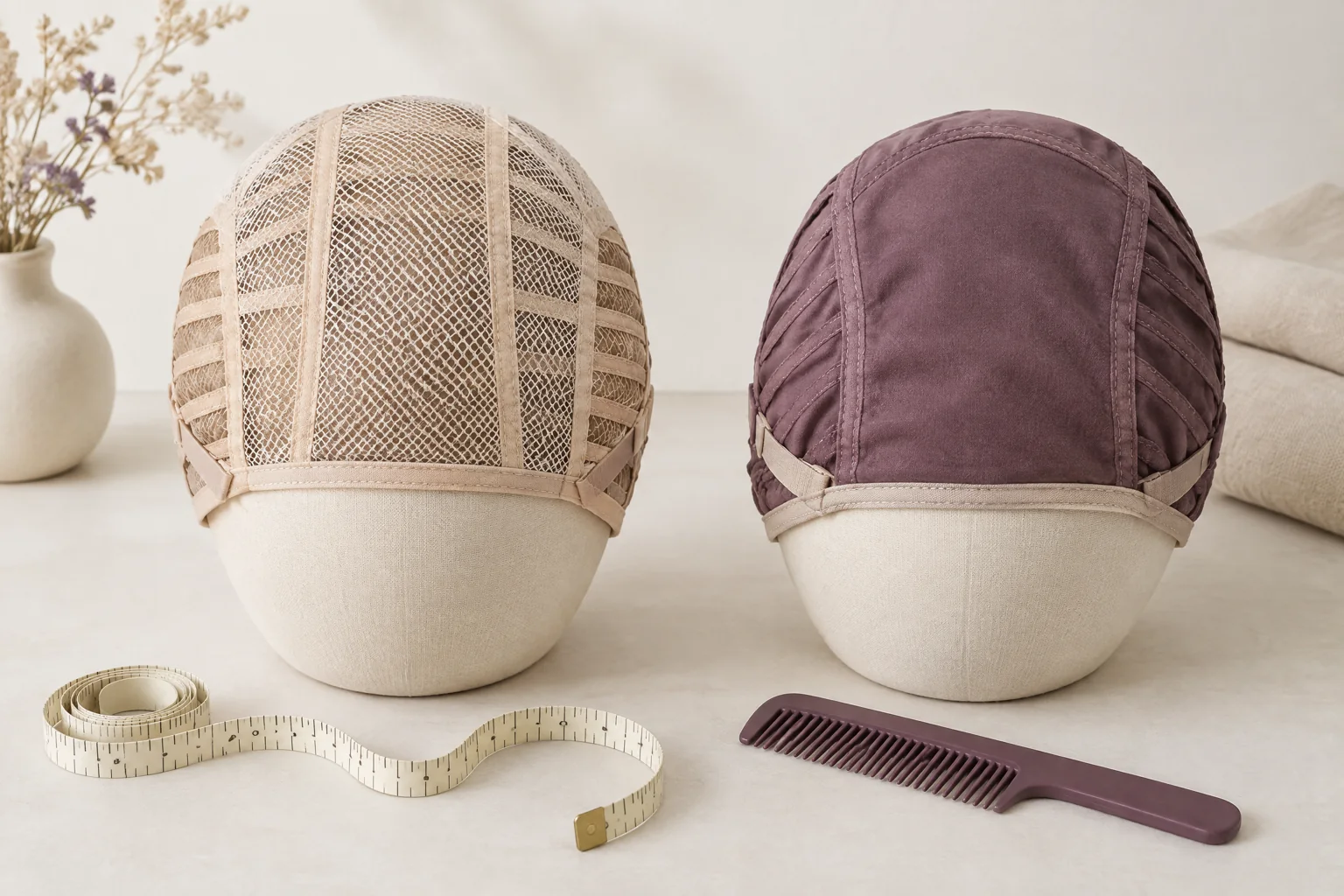
Key takeaway
The best trade-off is not automatically the shortest or most tightly secured hairstyle. Keep the outline Mum recognises unless a specific movement gives her a reason to change it. A local hair reset may be enough; a clearer toast cue may matter more. Her approval belongs to the actual arrangement with her own items. Leave equipment care separate, and carry only the agreed practical instructions into the banquet.
Practical checklist
- Use Mum's own equipment, spectacles and chosen earrings for the rehearsal.
- Observe a seated turn, a standing glass lift and the return movement.
- Identify the hair area Mum wants left untouched.
- Agree her preferred cue and permission for any shared note.
- Confirm whether a later hair check is part of the booked arrangement.
Frequently asked questions
Must Mum remove her hearing aids for makeup?
There is no removal rule offered by this makeup article. Mum should follow her equipment's care instructions and her hearing professional's advice. Tell the artist how she normally manages nearby products and any removal interval. She or her usual chosen helper handles the equipment. Agree how to communicate during that time. The artist can adapt the makeup sequence rather than handle or adjust the device.
How much space should the hairstyle leave around her ear?
Use the space Mum demonstrates needing, not a universal measurement. Her equipment and personal items may occupy different areas on each side. Ask which hair contact she dislikes and where she needs her usual access. Watch a natural head turn and glass lift with those items present. An appearance check cannot establish technical device compatibility. Equipment fit questions belong with her usual hearing care support.
Can she keep soft hair around a visible hearing aid?
That can remain an appearance preference to explore, rather than a reason to hide the equipment. Start with the soft outline she likes and observe its movement during the toast. She may choose to move only one section while keeping the other side familiar. Approval depends on her own response to that arrangement. If the equipment feels different, pause instead of treating more hold as the answer.
What should we send before a BigDeal makeup enquiry?
Send the preferred hairstyle, dress neckline, preparation location and expected toast timing. Mention that Mum uses personal hearing equipment and wants an agreed touching boundary. Share photographs only with her permission. Describe the hair area she wants left alone without sending unnecessary medical details. Ask about the makeup and hair scope for that schedule. Bring her actual chosen items to any rehearsal that has been agreed.
Sources
| Source | What it supports |
|---|---|
| Daily Hearing Aid Care | UCSF EARS | UCSF says makeup and debris can clog microphone openings, and advises avoiding hair spray or cosmetics entering microphone ports. |
| How to communicate with someone who is deaf or has hearing loss | RNID | RNID recommends asking the person's preferred communication method, facing them, speaking clearly without shouting, and moving to a quieter area when possible. |
Discuss your own makeup plans
For BigDeal Make Up makeup and hair arrangement enquiries, WhatsApp +852 6918 3153. Share Mum's preferred look and toast schedule, with her permission. This contact is for BigDeal makeup enquiries, not OwnStrand wig sales or appointments.
Ask on WhatsApp +852 6918 3153