
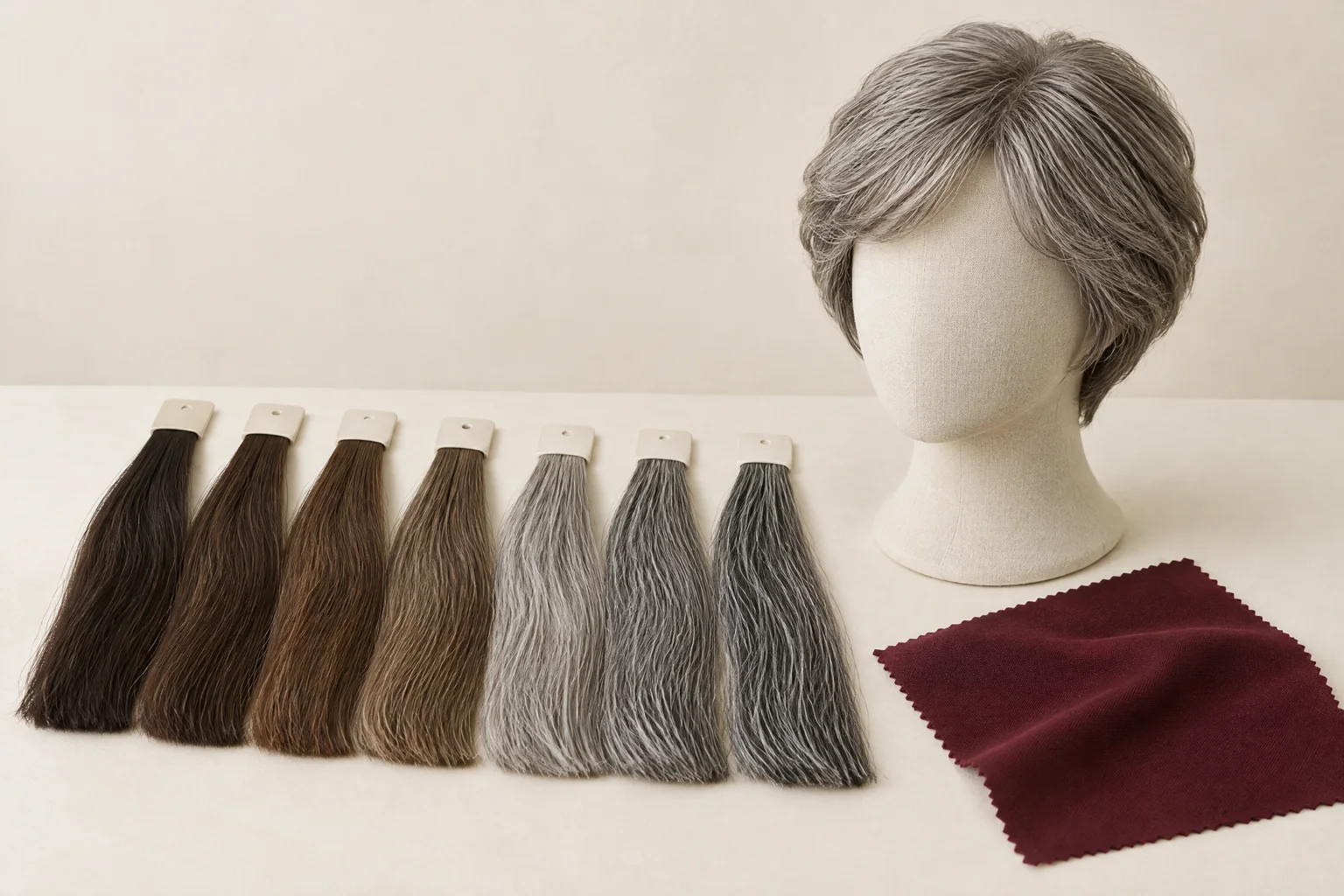
At a glance
A useful reference set combines a father-selected older photograph with a clear current view. Separate familiar shape from colour, and compare any proposed change under consistent lighting. Record what he wants to keep and what he would welcome. Then discuss the actual piece separately from makeup arrangements. Keeping his present hair is a complete choice, not a failed attempt to recreate the family album.
Start father wedding archive hair recognition with his choice
What still feels familiar to him?
Recognition starts with your father's answer, not the family's favourite version of his hair. Ask which photograph he would happily resemble now. He may value the side part while preferring his present grey temples. Another father may care more about a modest outline than the colour. Separate these preferences before arranging anything. The aim is a wedding appearance he recognises and chooses, rather than an exact reconstruction of an older portrait.
An archive image often carries several memories at once. The hairstyle may recall his own wedding, a family holiday or work clothes he no longer wears. Ask him to name the hair detail he likes, without treating the whole photograph as an instruction. Keep the conversation specific and gentle. The forehead sweep might matter. The darker colour from that period might not matter to him today.
OwnStrand shares the same owner as BigDeal Make Up and provides separate hairpiece selection reading. Its custom wig with a percentage of grey hair guide describes an enquiry, not a fixed formula. Use a chosen photograph to describe the impression he likes. Ask which blends can be considered for his request. The photograph does not establish an exact match, a supplied sample or a particular percentage.
Give him room to say that nothing needs changing. Wedding planning can make an optional appearance choice feel like another family duty. Ask whether he wants help with hair, makeup, both or neither. If he wants only a tidy finish, keep the discussion there. If he wants to explore a piece, agree his priorities first. A wish for familiar photographs does not itself mean he wants more coverage or darker hair.
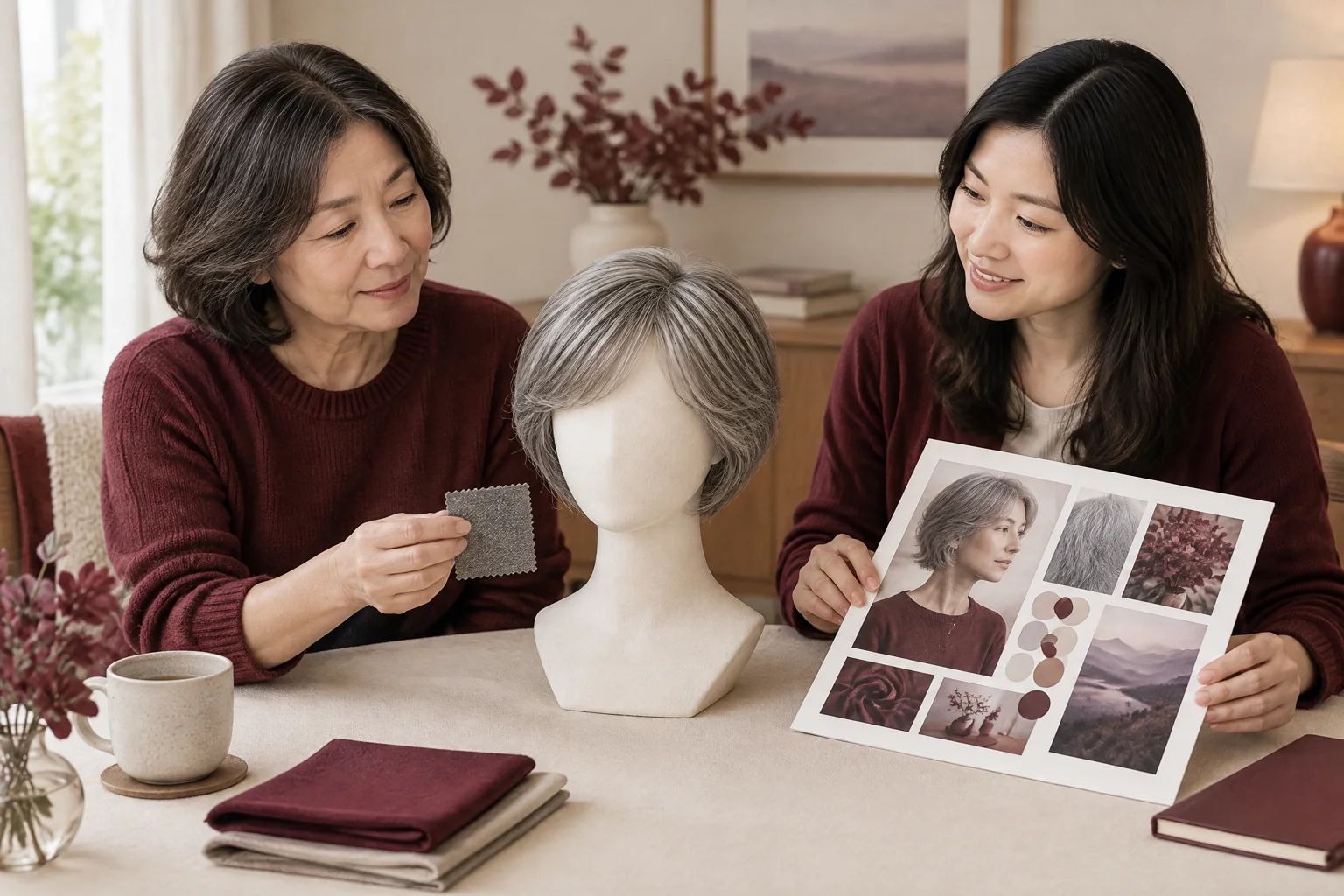
Build a small archive set worth bringing
Choose an outline, a current view and a reason
Choose a small set instead of sending the entire album. One older photograph can show the familiar shape he likes. A current front view can show what he wants to retain now. Add a side view if the temple or parting matters. Let him approve each image before sharing it. Label the older picture with its purpose, such as parting direction, rather than leaving everyone to interpret it differently.
The American Cancer Society recommends photographs when someone wants to match their current hairstyle. It also recommends natural light when comparing hair and wig swatches. Those are practical appearance-selection points, even though the guidance concerns treatment-related hair loss. Here, use a clear current photo alongside the archive reference. A window-side comparison can help the colour discussion without requiring a medical context or promising that any piece will match. [1]
Keep an untouched copy of every reference. A faded print, a scanned album page and a phone photograph of that page are different comparison materials. Explain which version you are sharing. If a face filter or colour edit was applied, use the original when available. Where the older image is unclear, write the remembered preference beside it. A note about the usual parting can be more useful than guessing the missing detail.
If your father and the groom are preparing together, separate their reference notes. The groom makeup service page helps you organise the groom's own appearance discussion. Your father's archive choice should remain his, even within the same preparation space. Ask each person which photos may be shared with the makeup team. This avoids one hairstyle becoming an accidental family standard, and makes the individual requests easier to understand on the morning.
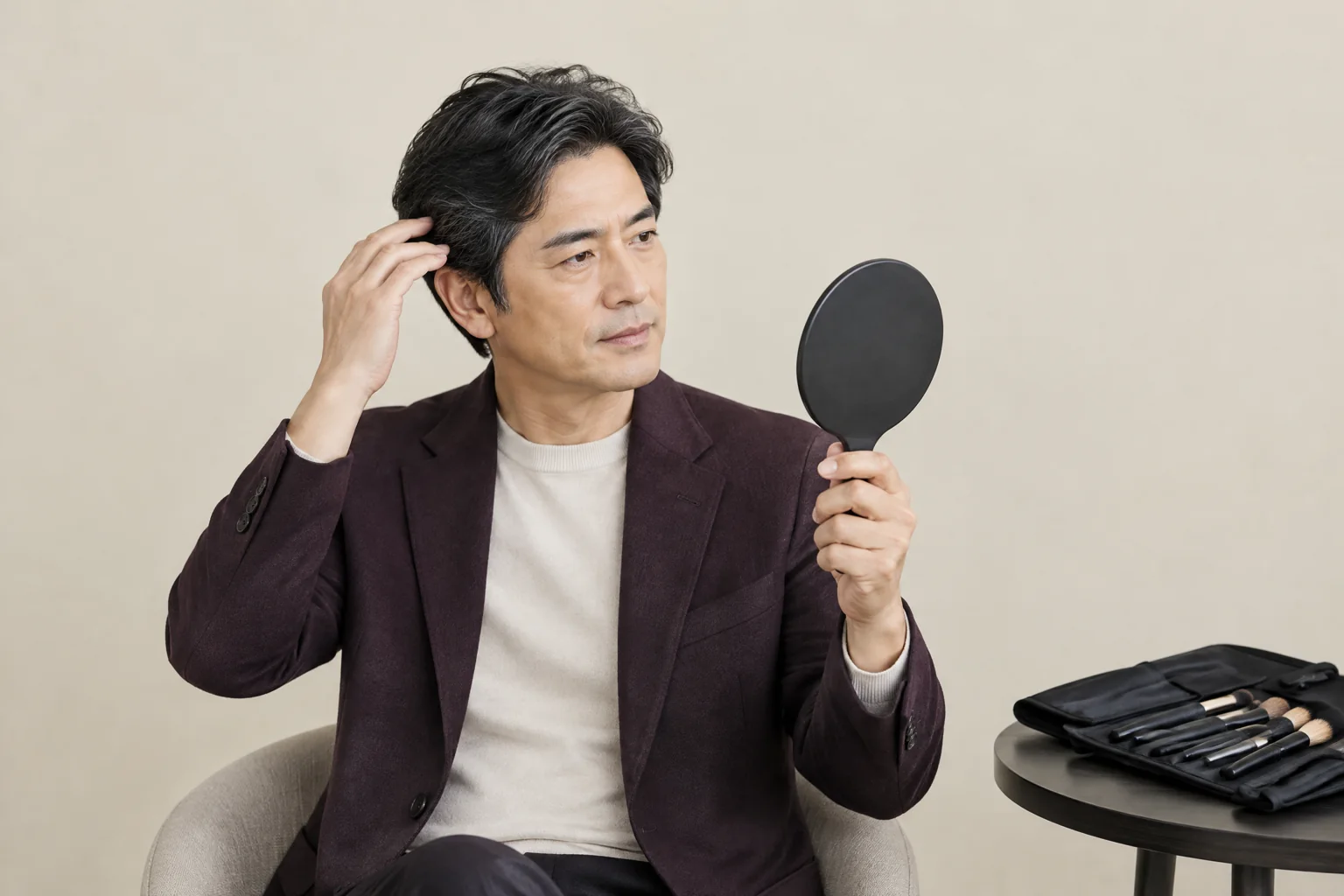
Check the shape before debating the grey
A father wedding archive hair recognition brief separates colour from outline
Read the chosen image in separate passes. First look at the outline around the forehead and ears. Next consider the parting and how high the hair sits. Only then discuss the grey balance. A photograph can feel unfamiliar because of extra height, even when its colour seems close. Ask which difference bothers him most. That answer helps you avoid changing colour when the real concern is the shape beside his face.
Nikon's white-balance guidance explains how cameras respond to the colour of a light source. Its options can remove, partly preserve or preserve a warm indoor colour cast. A warmer photograph therefore need not prove that the physical hair changed colour. Compare new views in one lighting setup before judging a difference. Ask the photographer about inconsistent colour across images, rather than using makeup or a different hair shade to compensate immediately. [2]
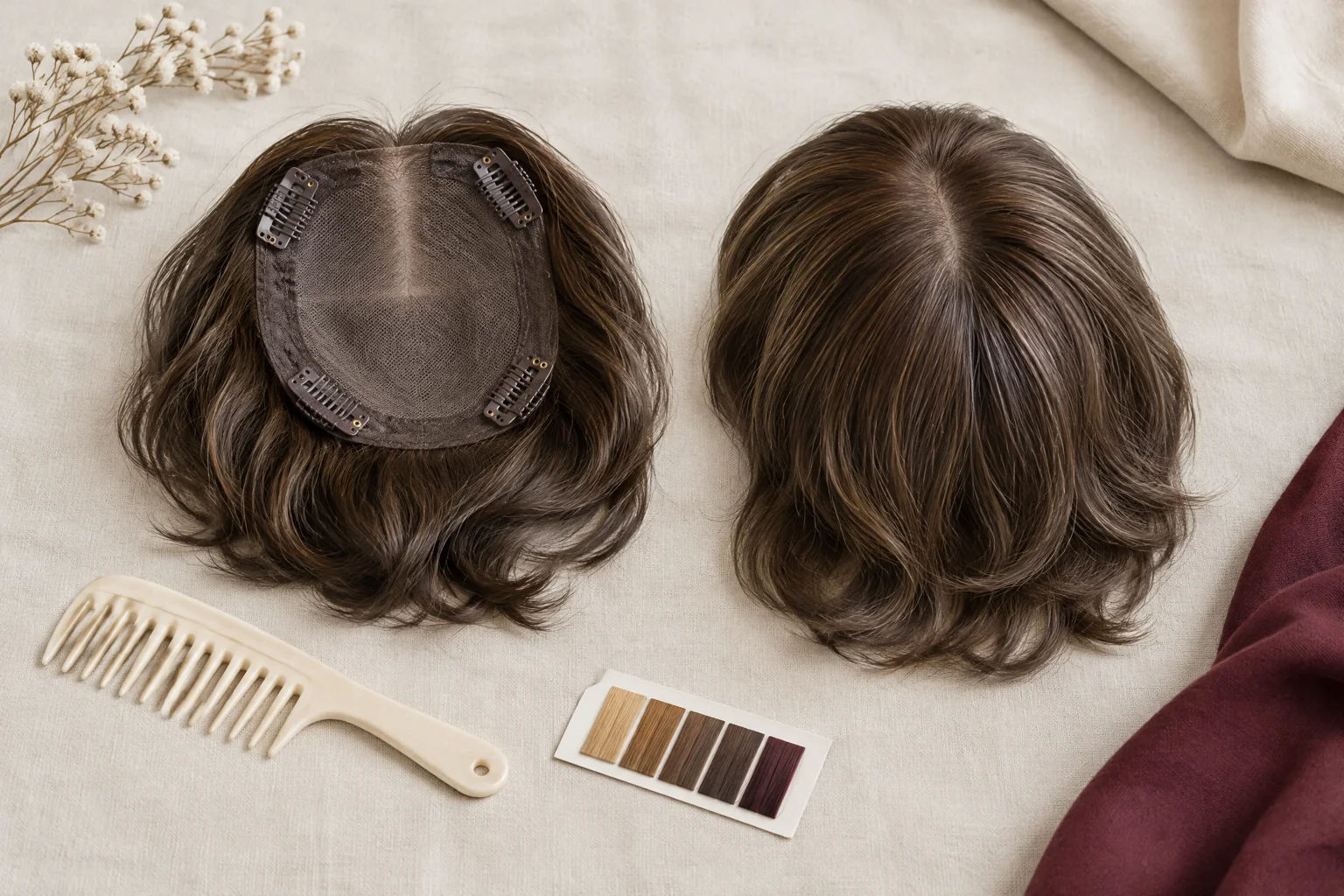
For shade vocabulary, OwnStrand's grey wigs reading distinguishes grey, silver, white and salt-and-pepper descriptions. These names are starting points, not interchangeable specifications. Ask your father whether darker strands should remain prominent, or whether he prefers a lighter overall impression. Describe that balance beside the archive image. Check the style's shade wording and available reference. A grey label alone cannot explain how closely it resembles his preferred colour.
Write down acceptable differences as well as favourite features. He might welcome shorter sides while keeping the familiar parting. He might accept more visible grey but dislike an unusually high front. These are personal choices, not defects to correct. Limit the brief to details he actually notices. A concise note guides the supplier and makeup team. Neither needs an instruction to reproduce every strand from an old photograph.
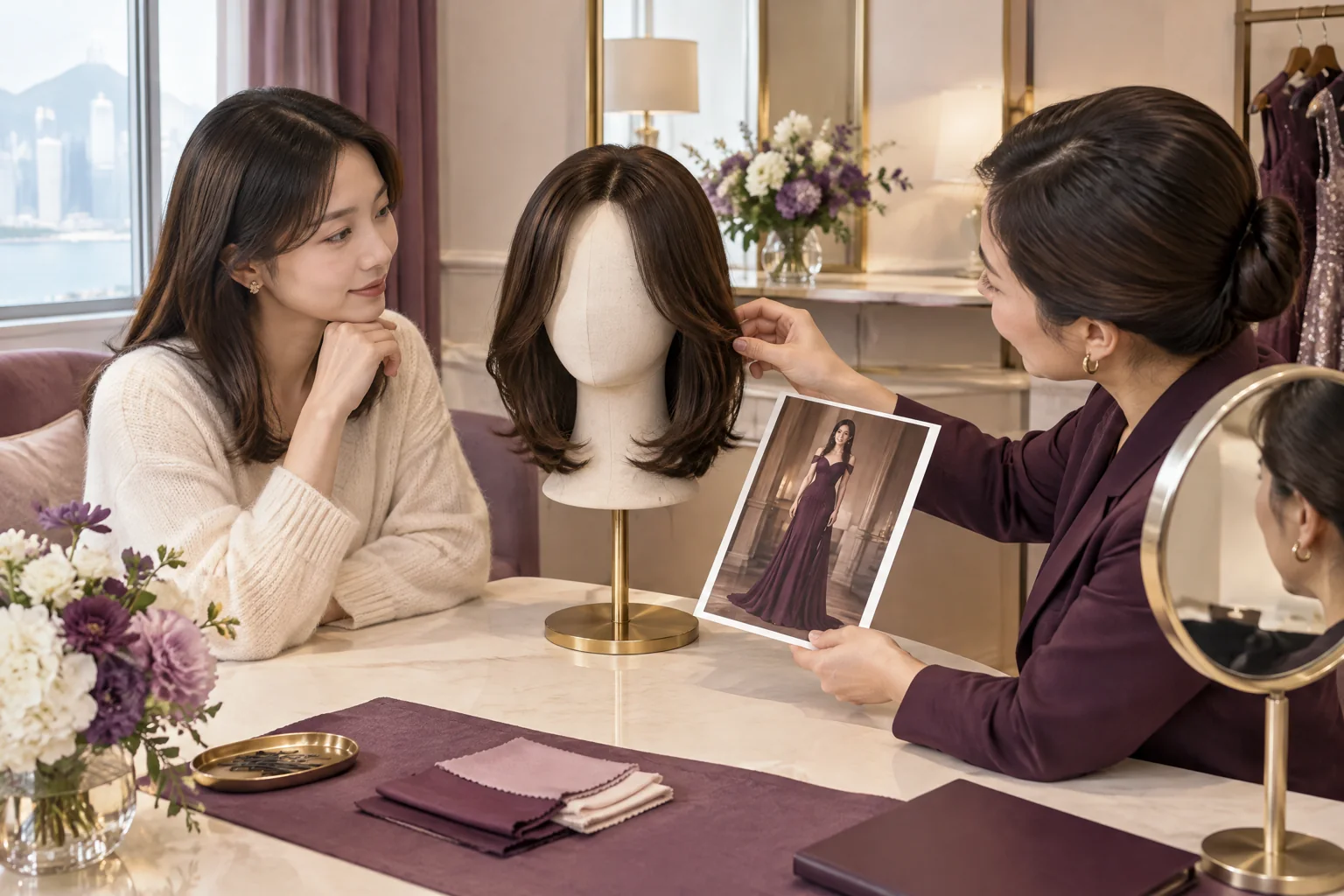
Compare samples without turning the visit into a commitment
Keep, tidy or explore a different piece
If a relevant sample can be viewed, compare it with the agreed priorities rather than the whole archive image. Start at an ordinary conversational distance. Ask whether the outline feels familiar before moving closer to inspect colour. Then note the grey balance he prefers and any difference he dislikes. Confirm what the sample represents for the specific enquiry. A viewing is useful information, not an obligation to choose or order a piece.
Place your father's comparison time within the wider family schedule, without making it a public vote. The Hong Kong bridal party makeup page can support a separate discussion about the wedding party's arrangements. Give him his own preparation slot and protect it from competing opinions. Invite another person into the hair discussion only if he wants that help. Family coordination should reduce interruptions, not decide which version of his appearance everyone else prefers.
Compare three routes honestly: keep the present look, adjust its styling, or explore another piece. Keeping it may best preserve familiarity and avoid additional preparation. A local styling change may address the outline without changing the grey. A different piece raises separate questions about fit, care and wearing arrangements. Choose the route that answers his actual concern. More change is not automatically more suitable for a wedding or a family photograph.
Use the wedding shirt or a similar collar during a practical comparison, if convenient. Check the side outline with his glasses on when he plans to wear them. Turn gently and look down as he would while greeting relatives. Ask whether the appearance still feels comfortable and familiar during these ordinary movements. Share any wearing concerns with the relevant supplier. A good still photograph does not answer every question about using the piece.
| His priority | Route to compare | What needs agreement |
|---|---|---|
| Keep today's familiar grey and outline | Retain his present hair | The tidy finish he wants, if any |
| Keep the colour but reduce unfamiliar height | Discuss a modest styling adjustment | The shape he approves and who handles it |
| Explore a different coverage or grey balance | Discuss a specific piece with the supplier | Coverage, shade reference, fit, wearing details and timing |
Let him decide what gets shared and handled
Agree the piece discussion separately from makeup
Consent includes how the references are used, not just the final hairstyle. Ask whether his selected photographs may enter the wedding planning chat or stay with the relevant team. He may welcome practical help but prefer not to discuss thinning hair in front of relatives. Respect that choice without explaining it for him. Invite him to approve the short written brief before sending it. His privacy should remain intact throughout an optional appearance discussion.
OwnStrand's custom men's hair system guide frames a hairpiece as a cosmetic option, not a treatment for hair loss. Start an enquiry with the coverage area and outline your father has chosen. Ask what can be customised for that request, and which wearing details apply. A full wig and partial coverage are different choices. Neither the archive image nor the category name establishes the exact construction, attachment or suitability of a piece.
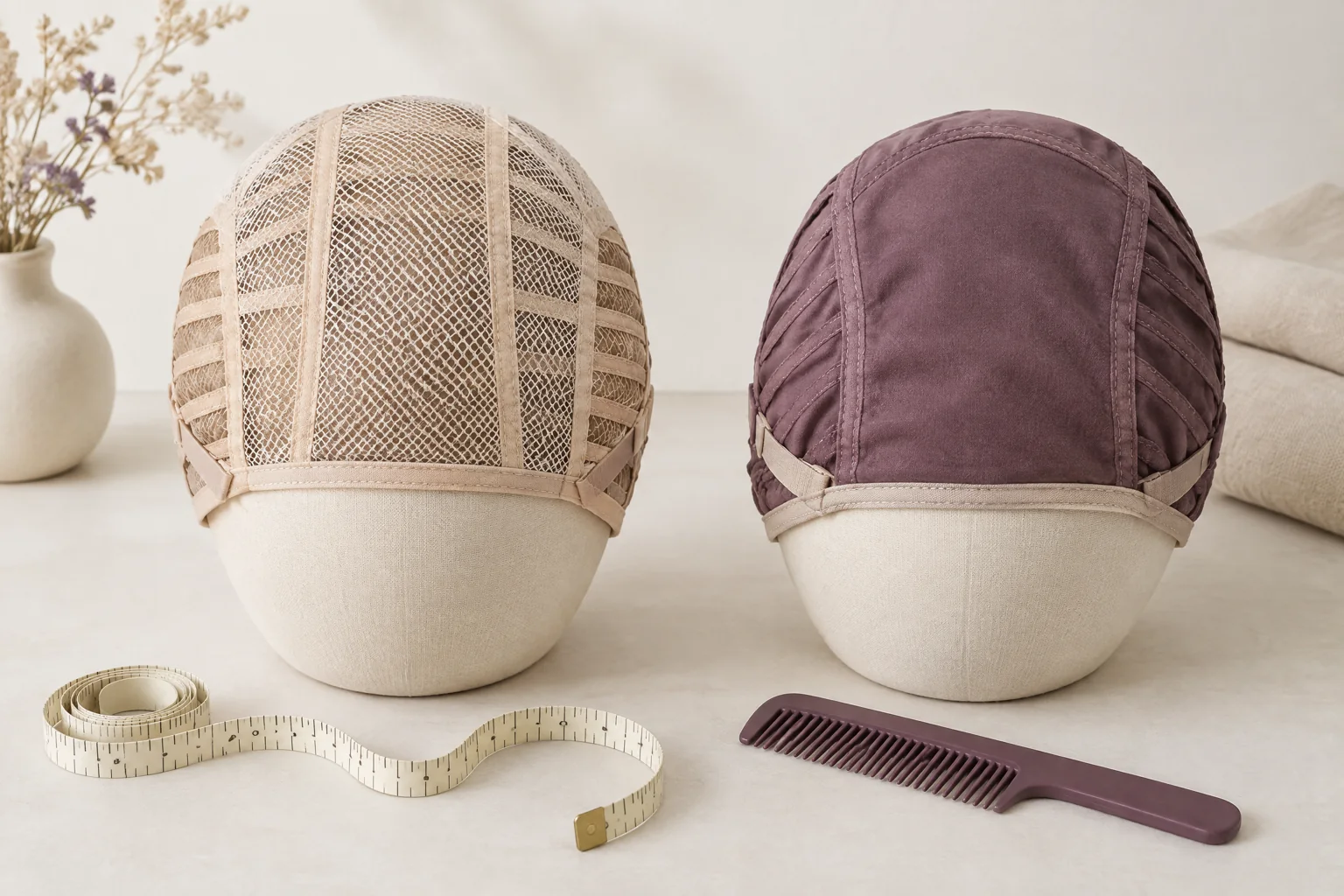
For a piece he wants to explore, ask about dimensions, material, care and the fitting steps for that exact item. Discuss how it would be worn and removed, and who would provide any agreed handling. These answers belong with the supplier, not an assumption about wedding makeup. Selection can begin online, or with arrangements to view samples at OwnStrand's sole Kwun Tong location. Agree the purpose of a visit before travelling.
Use the Hong Kong mobile wedding makeup artist reading to prepare the separate makeup booking conversation. Tell BigDeal which hair choice your father has made and what he permits the makeup team to handle. Share his approved photo or the actual piece when relevant. Discuss makeup timing and the agreed appearance together, but keep supplier fitting arrangements separate. A makeup enquiry should not be treated as a hairpiece order or an installation booking.
Finish with one approved look, not endless comparisons
Carry his decision into the wedding morning
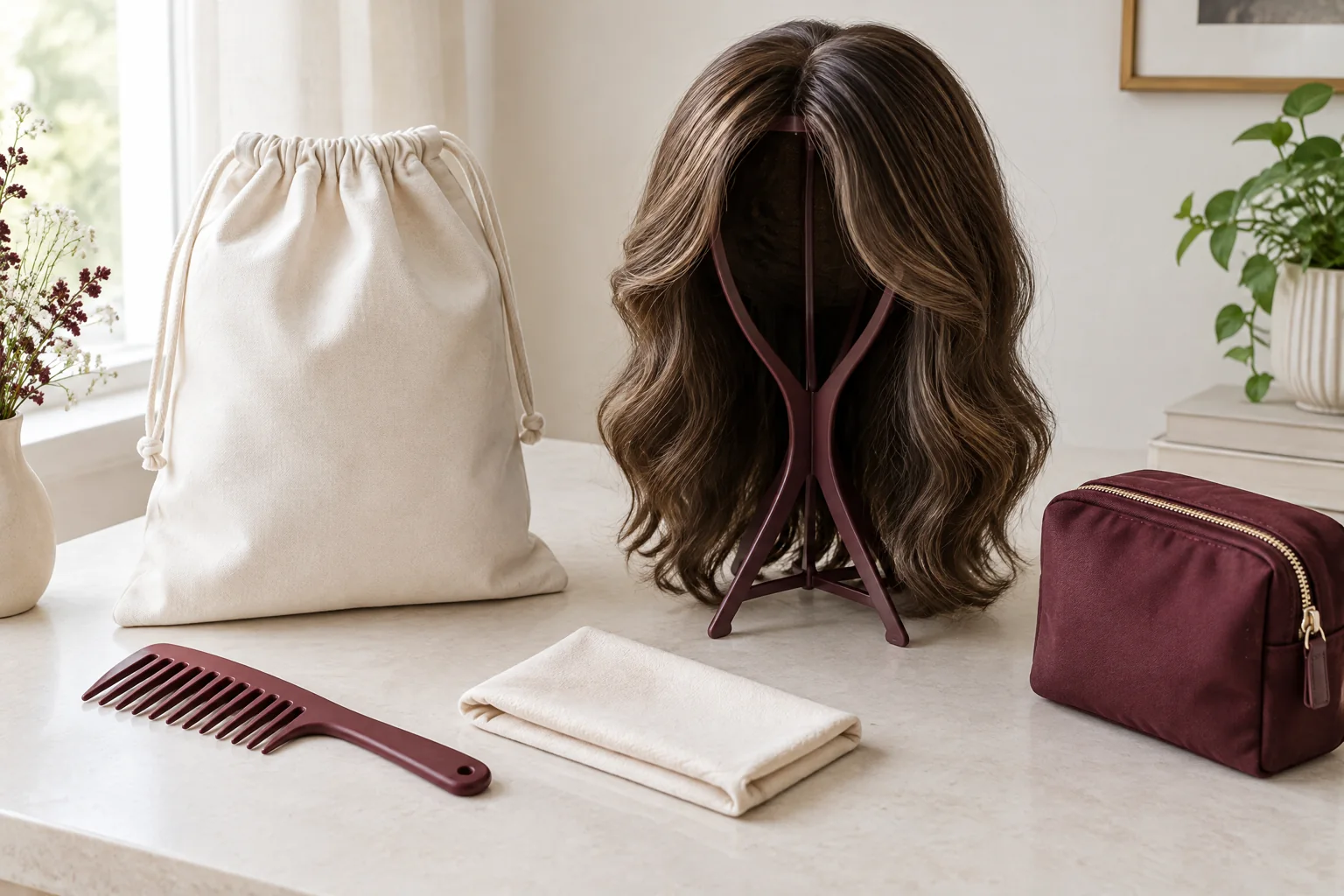
Once he chooses, put the current reference and brief together in one clear message. Identify the parting or outline to retain and the differences he accepts. Include any agreed wearing instructions for a piece, keeping their source clear. Remove rejected alternatives from the preparation message so they cannot be mistaken for requests. Ask him to approve the final note. That small handover is more useful than continuing to collect attractive but conflicting photographs.
Set a personal stopping point before another change is proposed. If he says the look feels unfamiliar, return to the last version he approved. If a sample leaves fit or wearing questions unanswered, pause that choice until the supplier addresses them. If he prefers his present hair after comparing, close the enquiry comfortably. The archive exercise has still worked. It clarified his priorities without producing an unnecessary wedding purchase.
On the morning, check the approved outline before making any additional adjustment. Use one mirror view, then a straightforward photograph if he wants it. If the photograph looks unexpectedly warm or cool, check the lighting with the photographer before changing his appearance. If an actual piece needs attention, follow its confirmed handling arrangements. Avoid improvising heat styling or attachment. Keep any makeup adjustment within the work he has agreed with the makeup team.
Leave space for him to enjoy the day rather than monitor every photograph. Family album recognition is not a test he must pass at every angle. He can look older, have more grey and still feel entirely himself. The selected archive image should explain his preferences, not judge his present appearance. Let the wedding photographs record him as he is now, alongside the people he has come to celebrate.
- Keep one father-approved reference message for the wedding morning.
- Replace a rejected option rather than leaving competing instructions visible.
Key takeaway
The strongest archive reference is the one your father chooses for a specific reason. Keep that reason beside a current photograph and record the differences he accepts. Compare shape before colour, and discuss any piece through its own practical requirements. If he chooses his present hair, respect that as the finished decision. Familiarity should support his comfort at the wedding, not require a younger version of him.
Practical checklist
- Let him choose the older photograph and approve its sharing.
- Add a current front view showing what he wants retained.
- Name the familiar outline separately from the preferred grey balance.
- Record acceptable differences and the changes he would rather avoid.
- Separate supplier wearing details from BigDeal makeup arrangements.
Frequently asked questions
Should we use a photograph from his own wedding?
Use it if he chooses it and can explain the feature he wants to retain. It might show a familiar parting better than a recent photograph. Pair it with a current view so the brief also reflects his appearance today. An older wedding portrait is a reference, not an instruction to restore its colour, density or age. He can prefer only one detail from it.
Can an archive photograph establish the right grey percentage?
It can help describe whether he likes darker strands, a balanced mix or grey as the main impression. It cannot establish an exact percentage from the image alone. Share the visual preference and ask what blends can be discussed for the actual enquiry. Lighting, the print and the screen complicate comparison. Let him judge the overall impression instead of counting strands in a small picture.
What if the family prefers a darker look than he does?
His preference should guide an optional appearance choice. Ask family members to describe the concern without choosing the solution for him. An unfamiliar outline might be mistaken for a colour issue. Let him review the selected references privately if that feels easier. If he prefers his present grey, record that clearly. Wedding preparation can support his choice without making him defend how old he looks.
What should we send BigDeal after he makes his choice?
Send his approved reference and a short note about the makeup appearance he wants. Mention whether he will wear his present hair or a selected piece. Include relevant handling arrangements already confirmed with its supplier. Ask BigDeal about makeup preparation and timing through its own enquiry channel. Sharing a photograph helps explain the look; it does not book supplier fitting or confirm hairpiece installation.
Sources
| Source | What it supports |
|---|---|
| Wigs for Hair Loss — American Cancer Society | Photographs support hairstyle references, and natural light supports comparison of hair and wig swatches. Used only for appearance selection, not medical suitability or a guaranteed product match. |
| White balance — Nikon Z fc Reference Guide | Camera white balance responds to light-source colour; Nikon describes settings that remove or preserve warm indoor colour casts. Photographed colour differences can therefore warrant a lighting check before an appearance change. |
Discuss your own makeup plans
For BigDeal makeup arrangements, WhatsApp +852 6918 3153 with your father's approved reference and wedding preparation details. This number is for BigDeal makeup enquiries, not OwnStrand orders or fitting bookings.
Ask on WhatsApp +852 6918 3153