
At a glance
Start with the fixed lens, then test the standing marks with everyone included. Compare the captured image with the output template. Keep a position that works, adjust only a visible makeup concern, or change the group arrangement. Record the approved setup so the countdown does not undo it.
What a photo booth hair outline frame check should answer
Look at the boundary, not a volume target
The outline is the visible boundary around your hair against the background and other people. Check the crown, both sides and any ends included in the photograph. A missing edge can mean cropping, overlap or poor separation from the backdrop. These are different problems with different solutions. Describe the exact area that disappears before changing your styling. The aim is a readable version of the look you chose.
Ask the booth operator for a captured test image and the intended output layout. A live preview may show space that a decorative border later covers. Compare the crown clearance and side edges in the actual template, including any event logo. Keep the same head position between tests. Otherwise, a slight tilt can make a change look successful when the crop remains the real cause of the problem.
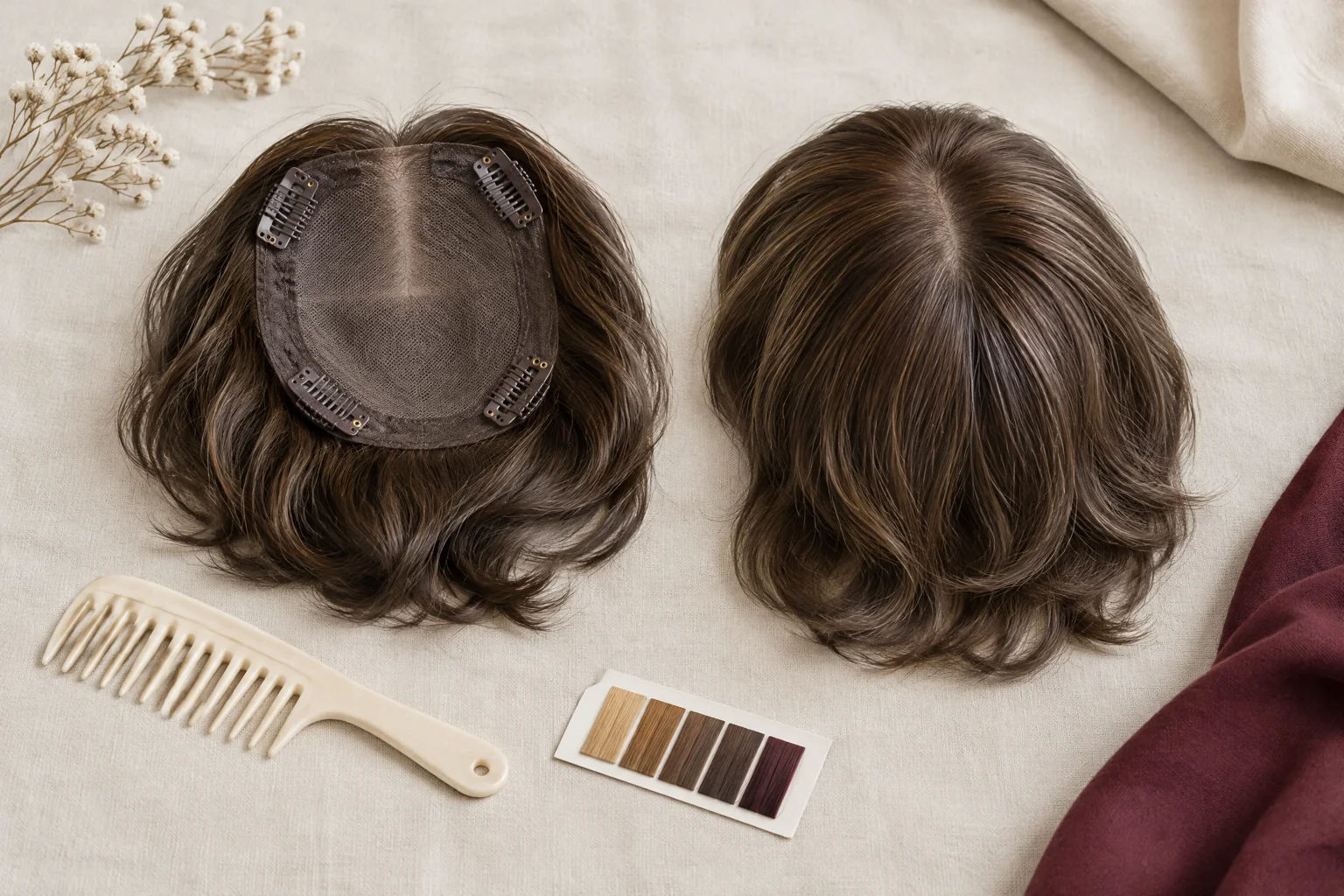
OwnStrand, which shares BigDeal's owner, has selection reading on low density wigs if you are considering a lighter-looking silhouette. Its guide explains that density describes overall fullness, not individual fibre thickness. It also notes that percentages vary across brands. For booth preparation, assess the chosen cut and parting in the frame. A density label cannot establish whether the camera crops your crown or a neighbour overlaps the side.
For a company dinner, include the booth photograph when discussing corporate gala makeup Hong Kong. Share the expected outfit neckline and whether colleagues will join the picture. Those details help explain what the makeup needs to accompany. They are more useful than requesting a generally stronger finish for photographs. Keep one approved test as a reference. Not every screen image calls for a change to the whole look.
Rehearse at the fixed lens height
Use the booth rather than a raised selfie
Find the camera lens before taking your place. The screen may sit below or beside it, so looking at your reflection can change your gaze. Ask whether the camera height is fixed and which floor area guests should use. Wear your event shoes during the check if possible. Their height changes where your head sits relative to the lens. Begin upright, with relaxed shoulders and your usual comfortable posture.
Take one frame from the suggested mark, then test a modest position change with the operator's agreement. Compare only that change while keeping your expression and hairstyle steady. If the crown touches the border, try a permitted step back before flattening the hair. If the angle feels awkward, ask whether another stance or seated arrangement is available. There is no universal height that suits every guest and booth layout.
Nikon's portrait guidance recommends testing lighting before subjects are ready and watching for harsh shadows. Apply that principle by taking a booth test under its actual event lighting. A dark temple area might be a shadow rather than uneven makeup. Ask the operator to assess the lighting first. Then compare the same position again. This keeps a camera problem from becoming an unnecessary layer of concealer or powder on your face. [1]
A phone photograph can explain your preferred hairstyle, but it is only a reference for an untested booth. Handheld camera height, distance and lighting may differ. If early booth access is unavailable, ask the organiser about the camera position and output template. Arrange a brief check when the setup becomes available. Keep a simple fallback, such as a smaller group, rather than promising that preparation elsewhere will reproduce the final frame.
Set group marks before judging anyone's hair
Give every outline room within the shared frame
Test the full group, not only the person most concerned about their hair. A solo position may fail when colleagues squeeze into the same area. Begin with everyone on the operator's suggested marks. Check each face and hair boundary in the captured image. Then adjust spacing or order one change at a time. Mark approved places only with venue permission, using a method that creates no obstruction or slipping risk.
Canon's group portrait guidance discusses varying people's height and placement, and leaving breathing room around a group. Use those ideas as a composition check, not a command to copy a particular pose. Notice whether one person's shoulder hides another's hair ends. Look for a small gap between neighbouring outlines where the frame allows. The booth operator can assess a different order or smaller group when the available width is restrictive. [2]
For someone already choosing coverage, hair topper vs wig explains a separate decision from group positioning. A topper covers a selected area and generally blends with existing hair; a full wig covers the head. Check the intended piece within your chosen hairstyle, including the visible transition where relevant. Moving a colleague away may reveal that transition more clearly. That photograph informs your appearance preference, but it cannot confirm attachment or fit.
Agree who moves if the group changes after the rehearsal. A late arrival should trigger another frame check rather than a tighter squeeze by habit. Taller guests need not automatically stand behind everyone; the captured result should guide the arrangement. Nobody should crouch or lean painfully to protect a hairstyle outline. If comfortable positions cannot fit, divide the group or ask about another permitted booth arrangement before touching anyone's hair.
Choose between keeping, touching up and rearranging
Match the response to what the image actually shows
Keep the current look when the outline is visible and the position feels comfortable. A narrow margin is not automatically a fault if the final crop preserves the hairstyle. Compare the image at its intended viewing size, not only enlarged on a screen. A booth strip serves a different purpose from a close portrait. Decide which detail matters for this photograph before asking for a wider hair shape or stronger makeup.
Consider a local makeup reset when the captured frame shows a specific concern on the skin. That might be visible shine beside the hairline or a small transfer mark near the temple. Describe its location and ask the artist to assess it. Blotting or a limited touch-up may be enough, depending on the existing makeup. Recheck the same pose afterwards. Makeup cannot restore hair that sits outside the printed border.
Change the workflow when cropping or overlap persists despite comfortable positioning. A smaller group, different order or operator-approved camera adjustment addresses the frame directly. Do not reshape a personally chosen style merely to fit one crowded photograph. If the backdrop makes the edge difficult to distinguish, ask about available setup changes. The operator controls that equipment. Your decision can also be to keep the hairstyle and accept this booth's photographic limitations.
When planning party makeup Hong Kong, mention whether the evening includes repeated booth visits or only one group picture. Explain which small touch-ups you would welcome between photographs. That allows a practical discussion about the makeup arrangement without turning every pose into a full restyle. Keep the comparison table as a prompt for choosing the responsible person. Hair handling, makeup and booth operation require separate agreement rather than one rushed correction.
| Captured concern | First response | Who agrees the change |
|---|---|---|
| Crown cut by the output border | Test a permitted position change or different crop | Wearer and booth operator |
| Hair ends hidden behind a neighbour | Adjust group spacing or order | Affected guests and operator |
| Visible skin shine beside the hairline | Assess a limited makeup touch-up | Wearer and makeup artist |
| Prop presses against the hair piece | Remove or replace the prop | Wearer |
| Outline visible and stance comfortable | Keep the agreed look and mark | Wearer and group |
Make a position card that respects your choices
Record the pose and the handling you approve
A position card can be a short note on your own phone. Record the mark, group order and gaze towards the lens. Add the hairstyle arrangement you approved, such as keeping one side tucked or leaving both sides loose. Include the final template used for the test. A saved image is helpful only if you consent to keeping it. Limit access to people who need it for the agreed preparation.
Try props only after the clear group frame works. A hat, headband or raised sign may cover the crown or push neighbouring people closer. Hold a prop away from the hairstyle first and check the captured image. If it needs contact with your hair or piece, decide whether that handling is acceptable. Friends and helpers should ask before moving hair. You can choose a handheld prop or no prop without explanation.
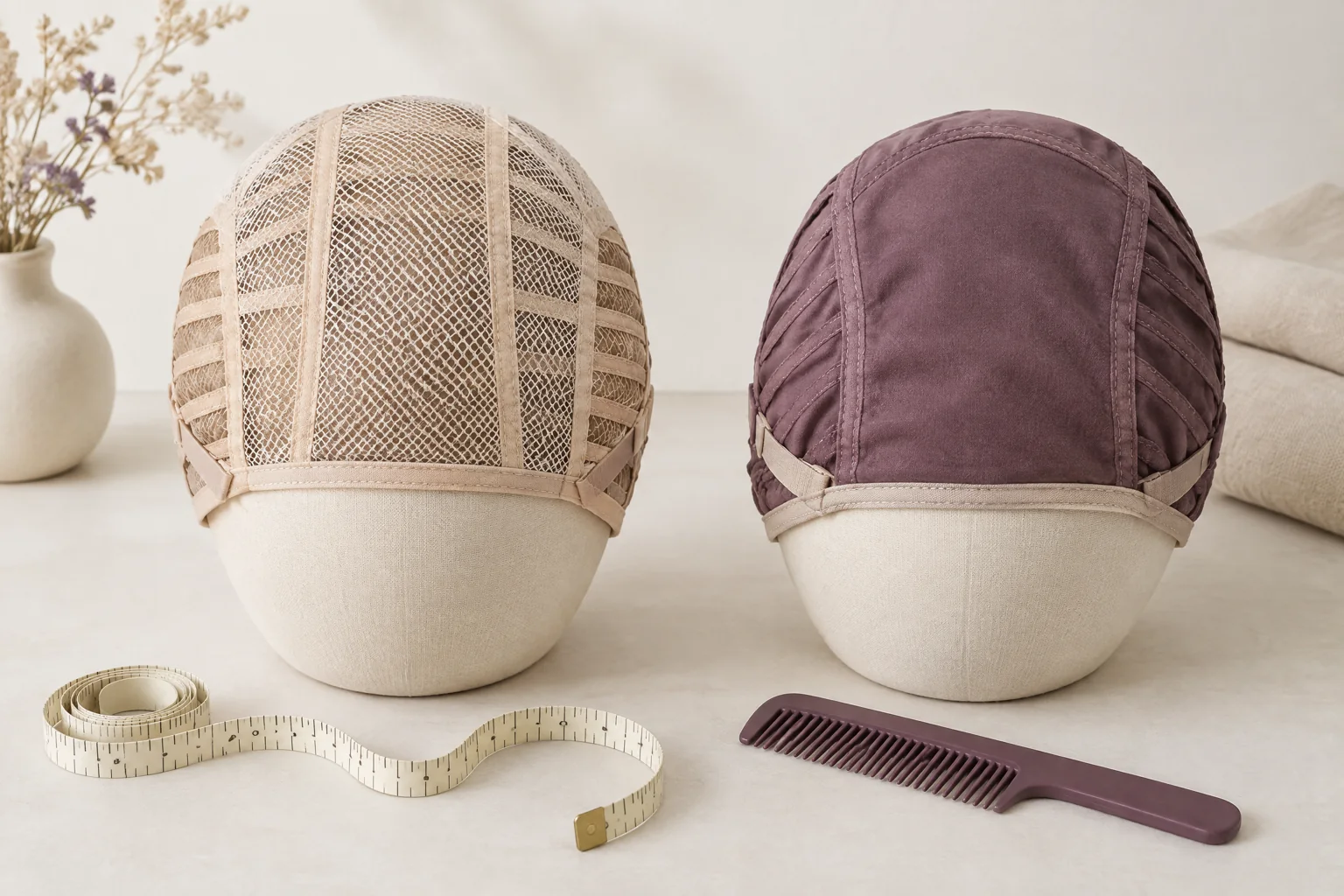
If a proposed reset involves styling tools, human hair vs synthetic wigs is useful preparation for checking the material. OwnStrand's guide stresses that care and permitted styling depend on the exact piece. A fibre label does not establish heat compatibility. Bring its instructions when discussing an adjustment, and leave unclear methods out of the booth routine. A change in standing position is preferable to improvising a treatment that the piece's guidance does not permit.
Share only the information needed for your preferred appearance. You do not need to explain why you wear a wig or topper. If selection is still ongoing, OwnStrand offers online browsing and enquiries, with sample viewing at its Kwun Tong salon. Confirm the specific viewing arrangement before travelling. Once you have chosen your piece, bring photographs or the item itself to a separate makeup discussion with BigDeal. Use them to explain your event look.
Finish the check before the countdown
Save your photo booth hair outline frame check
Repeat the approved stance once without adjusting anything. This tests whether you can return to it naturally when the countdown starts. Check that everyone can see the lens and remain comfortable until capture. If the sequence takes several frames, decide whether poses will change between them. Moving hands above a neighbour's head can hide an outline that passed the first test. Keep one straightforward pose available for the final photograph.
Pause if a prop pulls the piece, the position feels unstable or someone reports discomfort. Return to a comfortable stance and remove the interfering item if you wish. Repeated touching can disturb the arrangement without solving the original framing issue. A visible shift calls for the wearer's assessment, not a friend's quick tug. If the item cannot be handled as intended, stop the photo attempt and choose another approach that you accept.
After approval, recheck only when something relevant changes. Examples include a different group, moved camera, new template or hairstyle altered by a prop. An unchanged setup does not need constant scrutiny. Save the latest accepted frame with the position note, replacing a version that no longer matches. This makes the reference useful during a busy event. Judge the result by your agreed priorities, rather than searching for new faults at every visit.
For an organised event, discuss corporate event makeup artist arrangements alongside the programme and expected booth access. Send the event time, group requirements and any chosen hair piece reference for a makeup enquiry. Ask how the makeup schedule could accommodate a short test when the booth is ready. The organiser or operator should coordinate equipment and guest positions. Keep that responsibility clear so the makeup conversation remains about the look and touch-ups you want.
- Keep the approved group order available.
- Look towards the lens during the countdown.
- Retest after a framing or position change.
Key takeaway
A booth-ready outline is a framing decision before it is a styling decision. Keep the hairstyle you prefer when a comfortable mark makes it visible. Use local makeup changes only for concerns on the skin. If the shared frame remains restrictive, change the group workflow rather than asking one person to carry the compromise in their hair.
Practical checklist
- Locate the camera lens and confirm the intended output template.
- Test your event shoes and a comfortable upright stance.
- Check every hair outline with the full group present.
- Separate crop, overlap and lighting concerns from makeup concerns.
- Save the accepted frame, group order and permitted handling.
- Retest when the camera, crop, group or hairstyle changes.
Frequently asked questions
Should everyone stand at the same distance from the booth?
Start with the operator's suggested marks, then inspect the full group frame. The useful arrangement depends on the booth and output crop. Keep all guests comfortable and check visibility after changing their order or spacing.
Does a cropped crown mean my wig needs less volume?
Not necessarily. The camera position or output border may be responsible. Test an approved standing change before altering your chosen silhouette. A density description cannot tell you whether that particular booth leaves enough space above the head.
Can a makeup touch-up separate dark hair from a dark background?
Makeup changes the skin, not the backdrop or hair boundary. Ask the operator to assess lighting and background separation. Consider a setup or position change when that is the cause, while keeping your preferred makeup intact.
What if the booth is unavailable before the event starts?
Ask for camera-position details and the output template beforehand. Use them for planning rather than claiming a confirmed result. Leave time for a captured test once access is possible, with a smaller-group option if space is limited.
Must I let someone adjust my hair piece for the photograph?
No. You decide whether anyone handles it and which changes you accept. A different group position or prop may solve the problem without contact. Stop if the proposed arrangement feels uncomfortable or conflicts with your piece's instructions.
Sources
| Source | What it supports |
|---|---|
| Quick Tips for Taking Better Portraits | Nikon recommends testing portrait lighting before subjects are ready and watching for harsh shadows; this supports testing booth lighting before treating a shadow as a makeup concern. |
| Group portrait tips | Canon discusses varying people's height and placement and leaving breathing room around a group; this supports testing group spacing and visible hair outlines before changing an individual's style. |
Discuss your own makeup plans
For BigDeal Make Up makeup arrangements, WhatsApp +852 6918 3153 with your event details and chosen hairstyle or hair piece reference. This number is for BigDeal makeup enquiries, not OwnStrand sales or sample-viewing bookings.
Ask on WhatsApp +852 6918 3153