
BigDeal Make Up · Hong Kong
Asymmetric Eyes Makeup And Uneven Eyes Makeup
Start with the open-eye shape and adjust one detail at a time. This guide helps you observe each eye relaxed and open, choose a single adjustment variable, then use liner, shadow, lashes and brows to create a harmonious expression. These are temporary cosmetic effects — makeup will not change eyelid anatomy or vision. Use reversible techniques to make your look feel natural and comfortable.

At a glance
asymmetric eyes makeup
Begin by observing your face straight on and in photos, then make small reversible changes such as altering liner thickness, shadow height or lash emphasis on one side. This approach prioritises open‑eye assessment and minimal interventions so the result reads balanced without forcing identical eyes. If you want lessons or a personalised appointment, enquire to confirm teaching language, dates and fees before booking.
01
A practical guide to asymmetric eyes makeup
Practical considerations for asymmetric eyes makeup
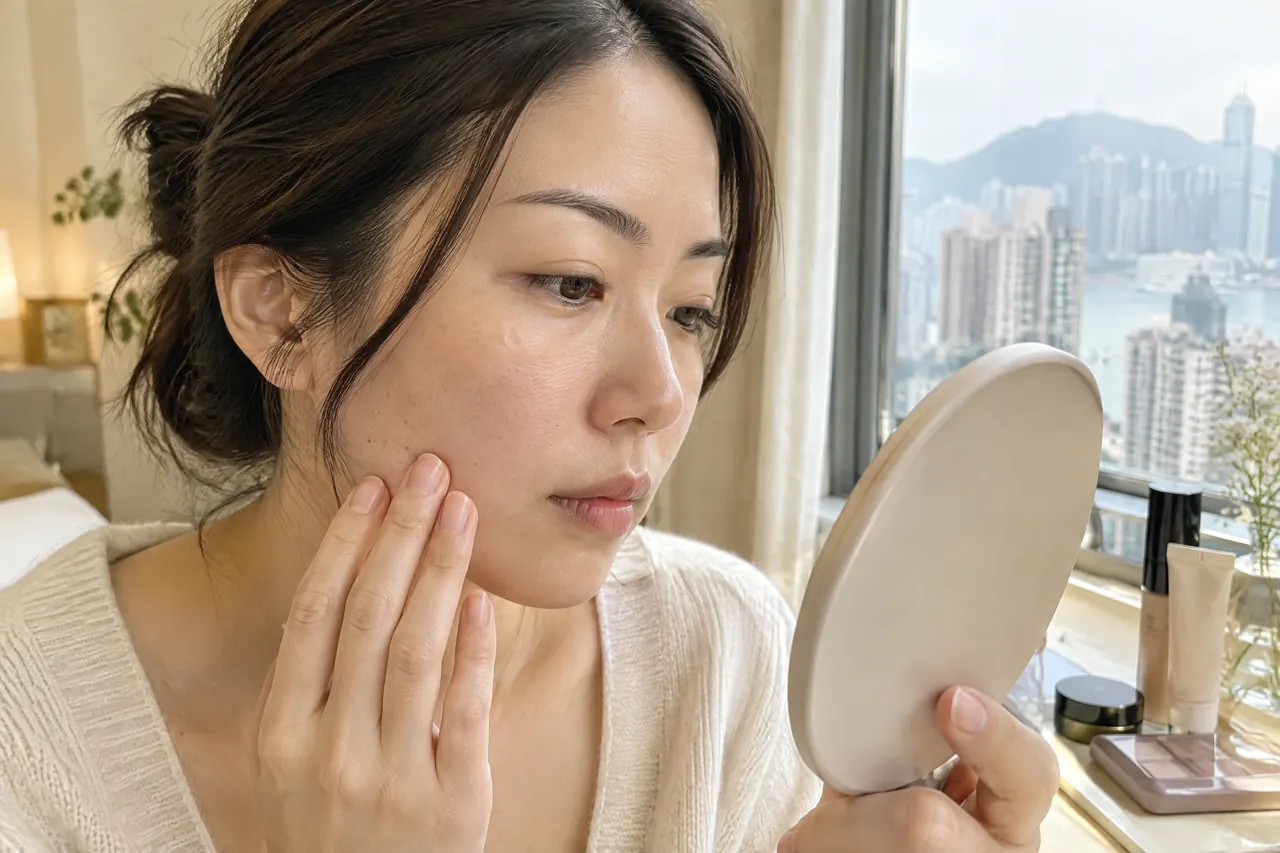
Begin by looking straight into a mirror with your head level and eyes open but relaxed. Avoid tilting the chin or squinting; those postures hide natural asymmetry and can mislead your choices. Photograph the face from a few metres using neutral light. A single head-on photo often reveals differences in eyelid fold height, visible lid space and the direction each eye appears to rest — the core clues for asymmetric eyes makeup.
When you assess each eye open, note where the natural crease sits, how much lid shows at the centre and outer corner, and whether one eye appears to tilt up or down. Mark these observations mentally or on a face chart: for example, left lid has lower visible lid space and a higher outer corner tilt. These precise notes inform controlled corrections later, because uneven eyes makeup works best when it addresses one perceptual issue rather than many at once.
Keep the focus on what you want the eyes to communicate — alert, softened, elongated or rounded. The aim is not to manufacture a mirror image but to invite harmony between features. Small alterations to liner angle, shadow placement or lash emphasis create the illusion of balance while keeping expressions natural and comfortable.
For a closer comparison, consider Asian bridal makeup
02
A practical guide to uneven eyes makeup
Uneven eyes makeup: choose one adjustment variable before changing the whole eye look
Pick just one variable to change at a time: liner thickness/direction, shadow height/diffusion, lash emphasis, or brow shaping. Changing everything at once makes it hard to know which move is working. For instance, if one eye shows less lid space, test a slightly thinner liner on that side and a thinner shadow wash to reveal more lid rather than immediately adding lashes or reshaping the brow.
Work with small steps and neutral colours to begin; subtlety keeps the result believable. If you are learning these techniques in a lesson, an instructor will demonstrate single-variable adjustments slowly so you can copy and compare. Trial-and-error is part of the process: after a single tweak, step back and reassess in a mirror and photograph to judge effect without bias.
If you choose liner as the first variable, experiment with micro-changes in pressure and angle rather than length or dramatic wing shapes. If shadow is your starting point, apply a thin gradient that follows the natural crease instead of building heavy pigment. This conservative strategy makes the final blending stage much easier and prevents over-correcting one side and then chasing the other to match.
Match your plans with brow design
03
How to adapt the technique to your features and occasion
Use liner thickness to rebalance perceived direction
Liner is one of the most flexible tools for asymmetric eyes makeup because slight differences in thickness and placement change how the eye’s edge reads. If one eye appears to slant up on the outer corner, thicken liner subtly along the lower outer lash line to anchor it visually, or extend a soft shadow beneath the outer corner rather than pulling a high wing that exaggerates the tilt.
For evening or photographed events, you can safely increase the contrast without losing naturalism. Use a waterproof, smudge-proof liner and a thin brush to taper the inner corner so the thicker outer line on the smaller-looking eye is the only visible asymmetry. On bright, close-up occasions reduce contrast by blending the liner outward; heavy, harsh lines tend to expose differences rather than conceal them.
Daylight or office-friendly looks call for softer definition. Consider a tightline on the smaller-seeming eye and a very fine external line on the other to create visual parity. Always test both eyes in a full-length mirror and in a phone photo; what reads balanced in soft daylight may look uneven under flash unless you’ve matched contrast carefully.
You may also find it useful to compare Douyin Soft Glam
04
Place shadow height by visible lid space
Place shadow height to match visible lid space
Shadow height should reflect visible lid space: where the lid appears larger, place your midtone slightly lower so the eye reads proportionate, and where lid space is smaller, lift the midtone toward the crease to create the illusion of width. Use a soft, tapered brush and build colour in layers; it’s easier to add than to subtract pigment once it’s blended across an eye.
For hooded or heavy-lidded eyes on one side, keep the shimmer or brightest tones on the mobile lid and matte midtones just above the natural crease to suggest a higher lid. Conversely, if one eye has more exposed lid, diffuse the highlight outward rather than concentrating shimmer centrally, which would draw attention to the difference. The trick is to harmonise vertical space across the two lids.
Occasion matters: a daytime event benefits from matte, sculpting shadow that reads subtly, while evening makeup allows you to use depth and highlight to equalise the pair without appearing theatrical. Photograph each step — photos are less forgiving than real life and reveal how shadow height performs at different angles and under different lighting.
For another approach, explore dry skin makeup
05
Use lash emphasis and brow balance as supporting tools
Use lash emphasis and brow balance as supporting tools
Lashes can redirect attention away from asymmetry. On the eye that appears smaller or droopier, add length-focused mascara or a single cluster lash at the outer corner to lift the gaze. Conversely, on the more prominent eye use volumising mascara lightly so the difference looks intentional but not exaggerated. Avoid thick strip lashes on one eye only; choose partials or clusters that let you control placement precisely.
Brows are powerful partners to eye makeup for asymmetric eyes makeup because they frame the eyes and dictate perceived balance. A slightly higher arch on the lower-appearing side or a softened tail where the brow dips can visually level the pairing. Use a pencil for precision and a spoolie to blend — the aim is to support the eye’s new direction rather than create a new asymmetry.
Combine lash and brow moves last, after liner and shadow are settled, so they reinforce the established balance. Small changes in brow length or thickness often make the largest impact on overall expression, so keep adjustments natural and mirrored where possible. Photographs taken after these finishing touches give the clearest indication of whether the harmony works for you.
Before deciding, take a look at Makeup Techniques
06
Questions to confirm before you book a lesson or service
Review photos and goal so you don’t chase identical eyes
When enquiring about a private lesson or refresher with an instructor, clarify which language you prefer for teaching and confirm class dates directly with customer service; lesson language and schedule are arranged on enquiry. Explain whether you want a makeup look for daily wear, a photographic shoot or a special occasion — different goals change which techniques are emphasised and how intensively we practise corrections for uneven eyes makeup.
Ask whether the session will use specific products from brands such as NARS, Dior Beauty, Giorgio Armani Beauty, Estée Lauder, Laura Mercier, Clé de Peau Beauté, Bobbi Brown or M·A·C as appropriate; instructors select products to suit skin type and effect, though no brand guarantee is implied. If you have eyelash extensions or sensitive skin, tell customer service ahead of booking so the instructor can plan a suitable approach and avoid contraindicated products like children's face paints or prosthetics.
A realistic expectation helps everyone: makeup is reversible and cosmetic, not corrective. During the appointment you and the instructor should compare live views and photographs, accepting that the aim is visual harmony rather than perfect symmetry. If you later want more structured training, mention Maggie Yeung or Red's Beauty experience history during enquiry; course or service fees are confirmed by customer service at booking.
07
Practical session choices for eye makeup for uneven eyelids
Selecting the right teaching focus for your concern
If your primary worry is visible lid space that differs between eyes, consider booking a personalised session that concentrates on eye makeup for uneven eyelids. A focused lesson will teach you how to lift or lower perceived lid height using midtone placement, tightlining and strategic highlight rather than heavy pigment. The instructor will demonstrate layer-building so you can practise adding small amounts of product and photographing each stage to judge progress under neutral light.
For clients who want techniques they can repeat at home, we recommend a stepwise plan: start with one-variable practice (liner, shadow or lashes) so you learn cause and effect; then combine two supportive moves (for example lifted midtone plus outer corner lash cluster). The session will include product demonstrations using NARS, Dior Beauty, Giorgio Armani Beauty, Estée Lauder, Laura Mercier, Clé de Peau Beauté, Bobbi Brown or M·A·C as appropriate, and the teacher will explain substitutions for sensitive skin or existing eyelash extensions.
If you plan to use these takeaways for photographed events, tell customer service at enquiry so the instructor emphasises contrast control and flash-friendly blending. Because English teaching language and exact class dates are arranged at enquiry, confirm those details up front. Practical practice in front of a camera during the lesson helps you learn how to balance differences that appear larger in photos than in life.
08
Techniques to learn when practising how to balance uneven eyes with makeup
A replicable approach for everyday and special‑occasion looks
A reliable classroom routine for how to balance uneven eyes with makeup starts with assessment: photograph the face head-on, note where lid space, crease location and outer corner tilt differ, then pick the single variable you will adjust first. In the lesson you will practise that chosen variable until you can reproduce the effect on both sides — for instance, using micro-changes in liner pressure to equalise apparent eye direction or gently lifting the midtone on the lower-seeming lid.
Next, you will learn supporting moves that retain natural expression: applying length-focused lashes to the smaller-looking eye, softening a wing on the higher outer corner, and making hair-like brow strokes to subtly lift or balance the brow arch. Emphasis is on reversible, cosmetic fixes — no anatomical claims — and on building a repeatable routine you can do in ordinary lighting and when preparing for photographs.
The instructor will also show quick checks you can use at home: consistent head position, soft-focus photos from two distances, and a simple face chart note system to remember which side needed which micro-adjustment. Practising these steps turns occasional fixes into reliable habits, so you can confidently manage unevenness for daily wear or special events without overworking a look.
Style references
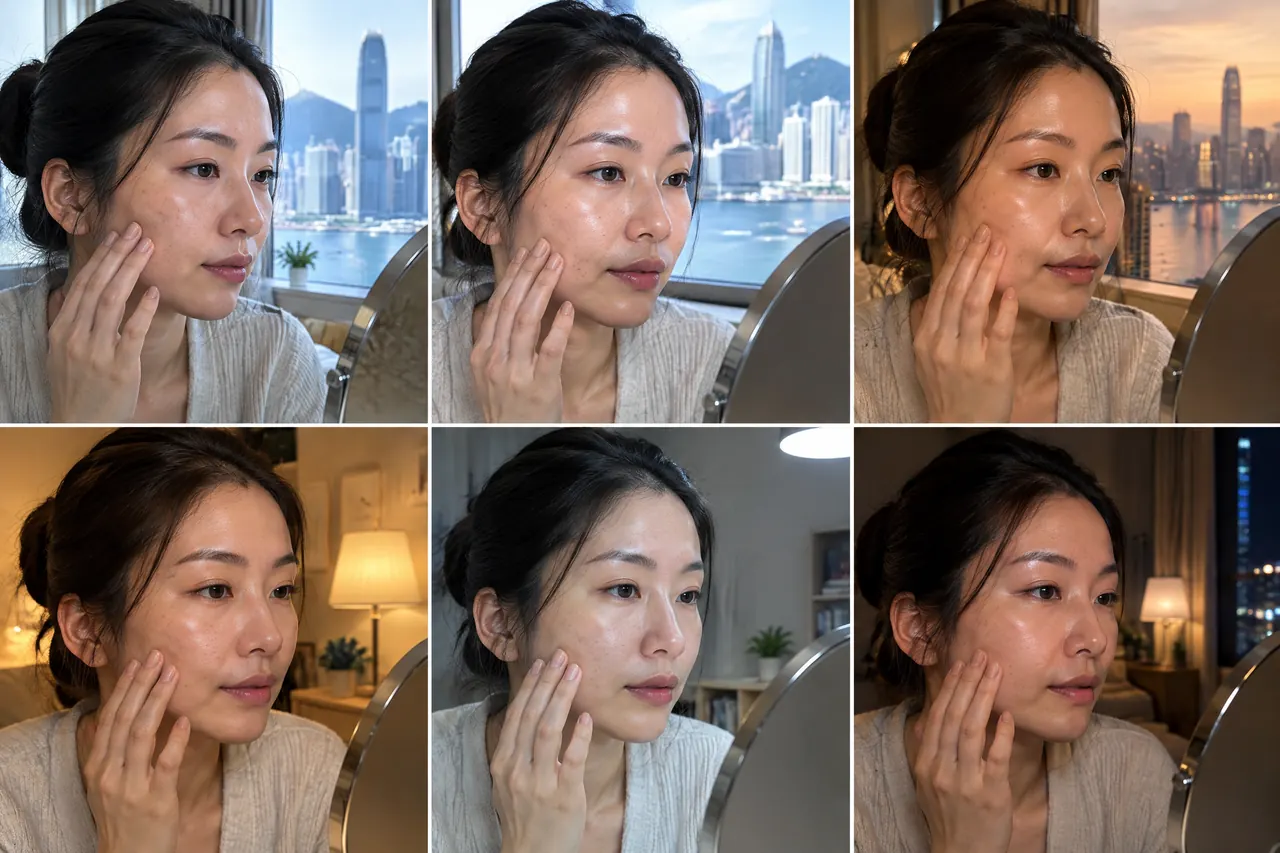
Related makeup style illustrations



Quick adjustments for common uneven eyes concerns
| Perceived asymmetry | Primary makeup adjustment | How to apply | When to photograph |
|---|---|---|---|
| Outer corner appears higher on one eye | Soften the wing; thicken lower outer lash line | Use a short, smudged liner stroke beneath the outer corner and blend a matte shadow downward | After liner and light mascara — flash photography may amplify tilt |
| One eye shows less visible lid space | Lift midtone shadow and tightline the smaller eye | Place midtone gently toward the crease on larger lid, tightline upper lashes on smaller lid to open central lid area | Natural daylight and a head-on phone photo to compare |
| One eye looks smaller overall | Use length-focused lashes on that side; avoid heavy volumising only | Apply one or two outer corner clusters or a lengthening mascara in upward strokes | Take close-up photos at arm’s length and a full-face photo to check balance |
| Brows sit unevenly and affect eye balance | Soften or lift arch subtly on lower side | Fill sparsely with hair-like strokes and blend with a spoolie; keep tail proportionate | Photograph with neutral expression and slightly raised brow to judge symmetry |
Helpful answers
Frequently asked questions
Can makeup make asymmetric eyes look identical?
Makeup can create a more balanced visual impression but cannot make two eyes anatomically identical. Adjusting liner thickness, shadow placement and lash emphasis helps harmonise expression. Aim for a comfortable, natural look rather than perfect symmetry; results are temporary and reversible.
Which comes first: liner or shadow for uneven eyes makeup?
Begin by assessing the open‑eye shape and pick one variable to change first. Some artists set a soft shadow block to define lid height, then refine direction with liner; others anchor the lashline with fine liner and blend shadow around it. Photograph each step to judge progress.
Are partial lashes safe to use on one eye only?
Yes — partial clusters and individual lash segments let you equalise size or lift one side with precision. Use cosmetic lash adhesive and follow the manufacturer’s directions; remove gently. If you have extensions or adhesive sensitivities, tell customer service when booking so the instructor can adapt demonstrations.
Will a lesson teach me how to judge balance from photographs?
Yes — practical lessons include photographing each step because photos reveal differences the mirror may hide. Instructors will show neutral‑lighting, head‑on framing and how to compare images as you make controlled changes. Confirm preferred teaching language and class dates with customer service when you enquire.
Can makeup for asymmetric features actually change my eye shape?
Makeup for asymmetric features creates visual harmony but does not alter eyelid anatomy or vision. Techniques such as liner modulation, shadow height and lash emphasis change perception temporarily; the goal is a natural‑looking balance rather than anatomical change.
Is there a single trick that fixes all uneven eyes problems?
No single trick fixes every case. Effective makeup for asymmetrical eyes usually combines one primary adjustment (liner, shadow or lashes) with supporting moves like subtle brow shaping or targeted lash clusters. Start with one‑variable practice to learn cause and effect before combining techniques.
Will a lesson cover eye makeup for uneven eyelids and how to balance uneven eyes with makeup for photos?
Yes — a personalised lesson can cover practical techniques for eye makeup for uneven eyelids and checks for how to balance uneven eyes with makeup in photographs. When you enquire, confirm preferred teaching language and class dates so the instructor can include both live and photographic practice. You can mention Maggie Yeung or Red’s Beauty (established 2003) during enquiry if you want the teacher’s background noted.
Ready to discuss it?
Enquire now to confirm teaching language, date and the products to be used in your session
Tell us what you are planning, and we will help clarify the service or lesson details that matter for your enquiry.
From the makeup blog