
At a glance
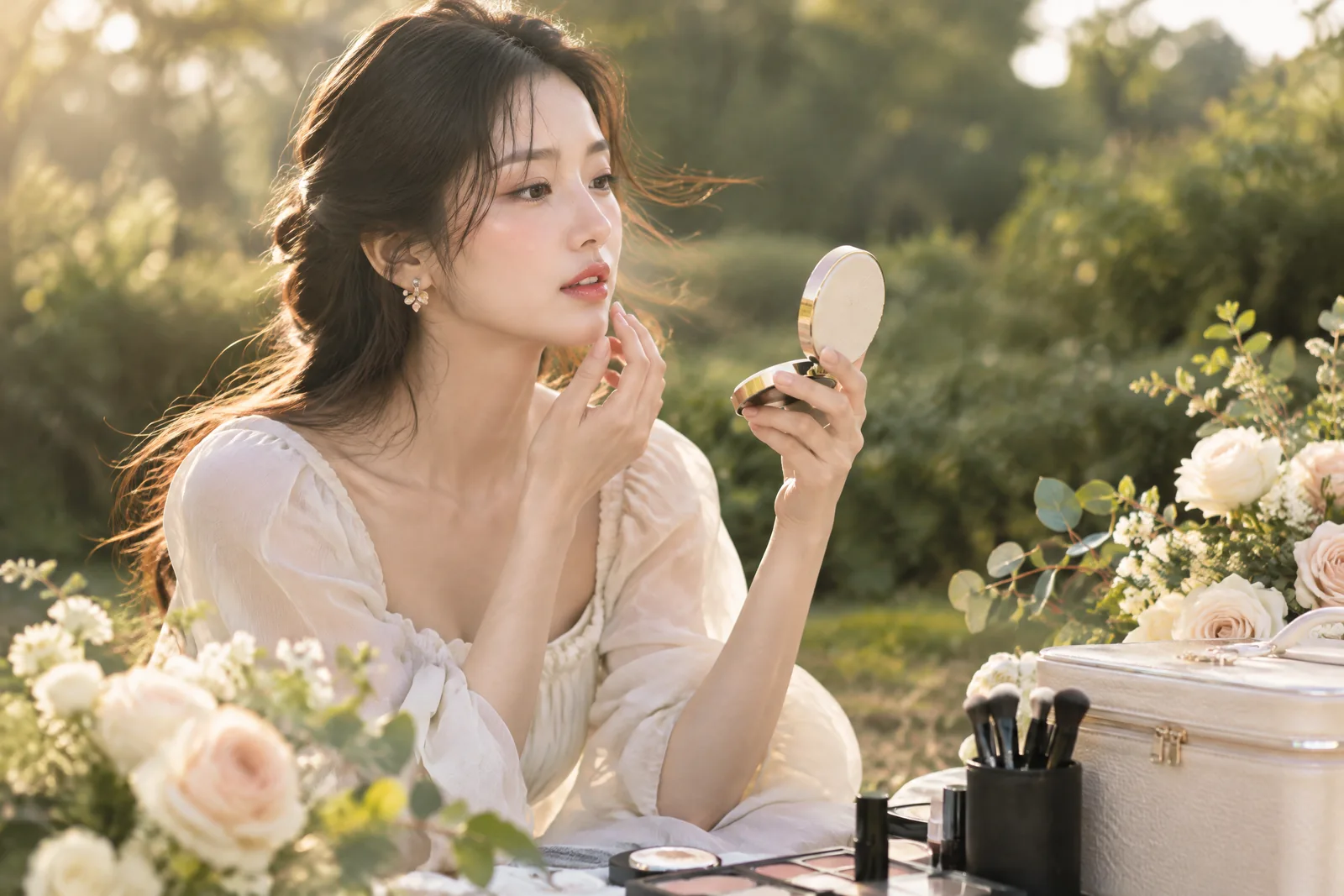
The strongest portrait brief balances recognition with polish. It describes your role and audience before it lists products or trends. It also distinguishes a familiar work portrait from a more styled editorial image. Bring clothing, eyewear, and one useful reference. Then confirm lighting, location, and touch-up expectations. That preparation protects comfort while leaving room for sensible adjustments on the day.
Start with a business portrait makeup briefing
What a business portrait makeup briefing should settle
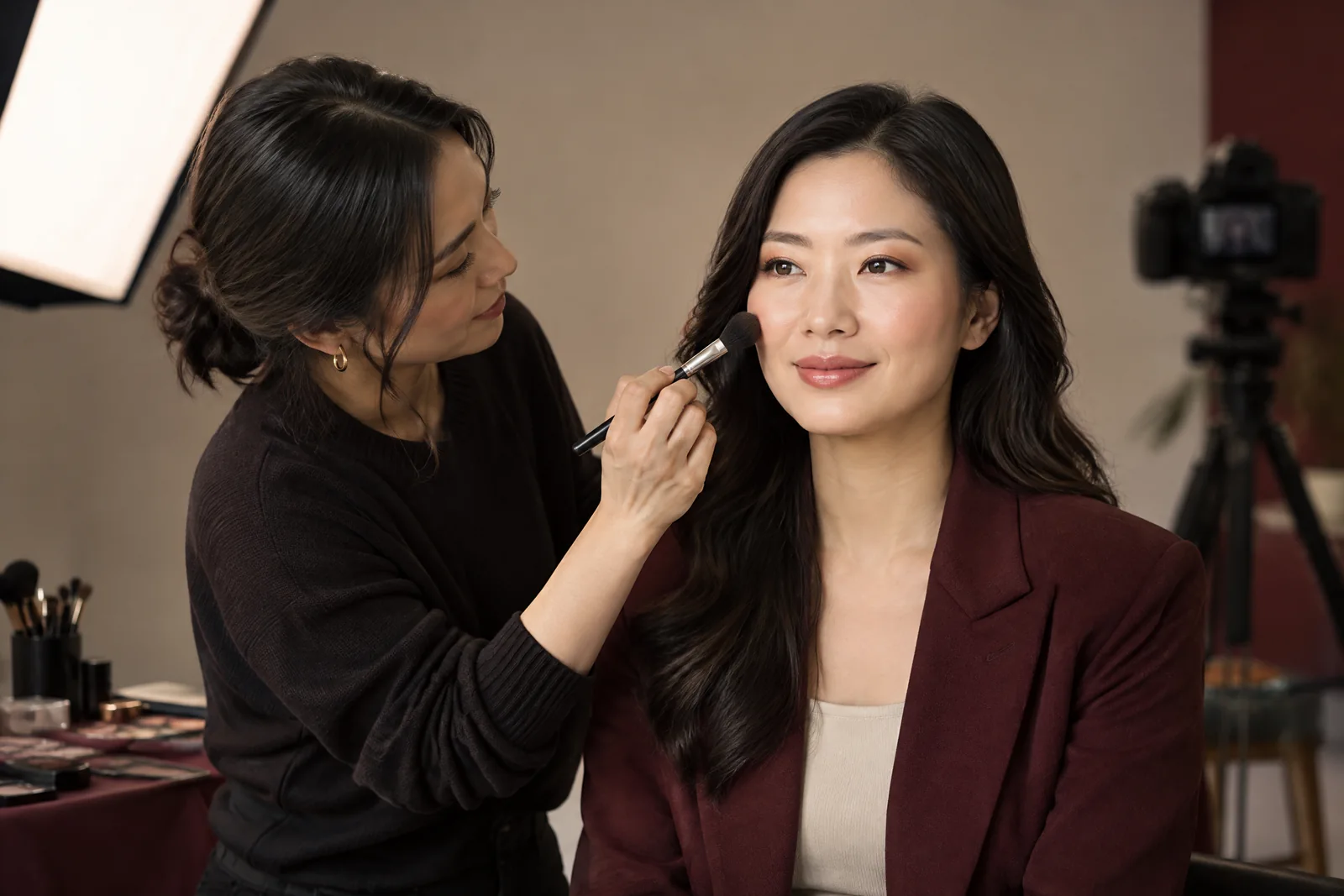
Begin with the image’s job and audience. A staff directory portrait may need quiet consistency across a team. A leadership profile may need more individual character. State where people will see the photograph and what you want it to communicate. A [business portrait makeup artist](https://bigdealhk.com/makeup/en/commercial-makeup/corporate-portrait-makeup/) can then discuss a suitable service scope. That scope need not treat every portrait as the same occasion. Mention whether the image will sit beside older photographs or launch a new profile.
Describe the level of polish in ordinary words. Useful terms include fresh, composed, softly defined, or deliberately minimal. Explain what would feel unlike you as well. That may be an overly matte complexion, strong contour, dense lashes, or a vivid lip. The aim is not to prescribe techniques. It is to show the boundary between confidence and costume before choices become hurried.
Add one recent, unfiltered photograph and one reference that shows the intended mood. A reference can indicate framing, colour balance, or hair neatness. It need not show the same face or exact products. Label each image with a reason for sharing it. This avoids a long mood board that leaves the artist uncertain about which detail matters most to you.
Define your personal brand and portrait direction
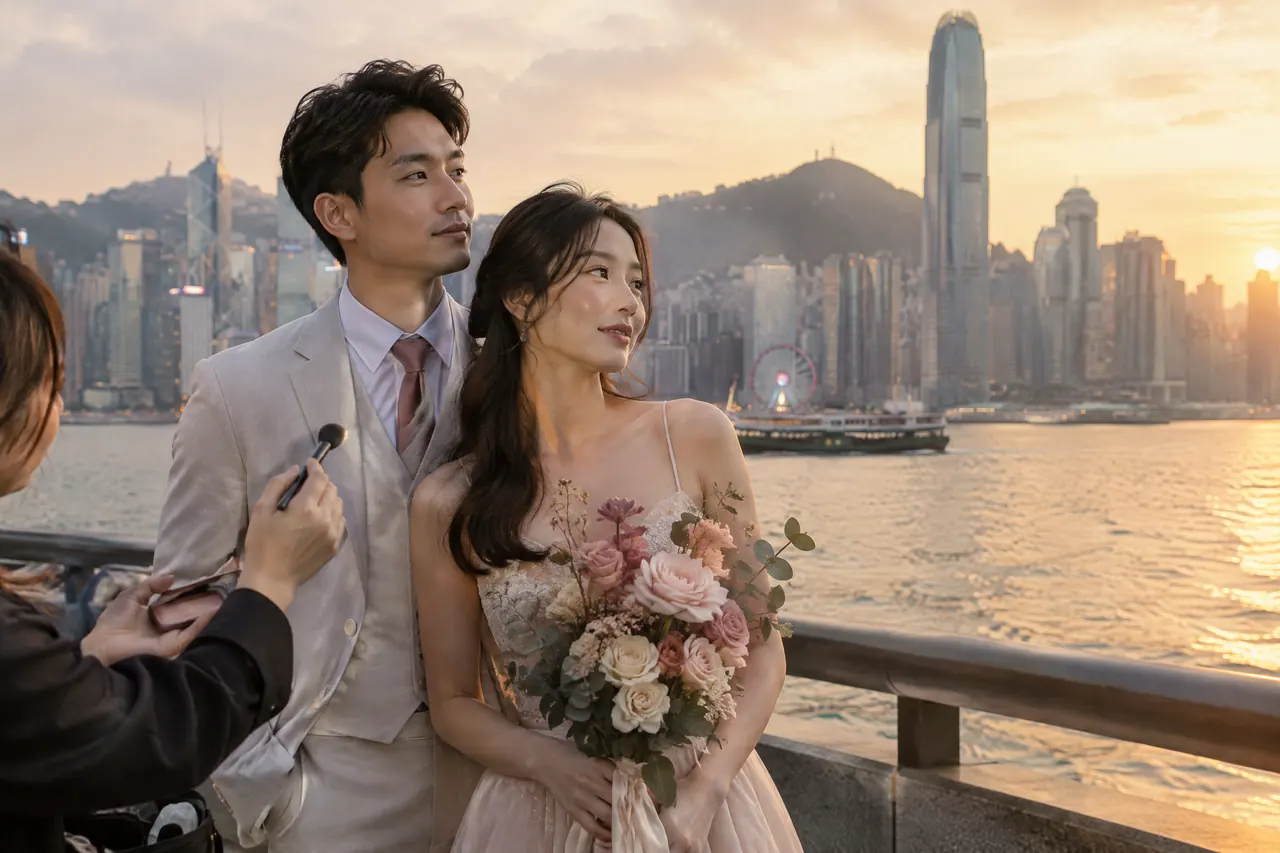
Your professional role gives the brief a useful starting point. A solicitor, designer, founder, clinician, or consultant may each want different levels of formality. Describe your usual working appearance and the people you hope to reach. For a profile photograph, [business headshot makeup](https://bigdealhk.com/makeup/en/commercial-makeup/headshot-and-personal-branding-makeup/) should support recognition. It should not create a separate event persona. Say whether your audience expects authority, approachability, creativity, or measured restraint.
A portrait for a campaign, publication, or lookbook can take a different route. In that setting, [fashion makeup artist Hong Kong](https://bigdealhk.com/makeup/en/commercial-makeup/editorial-fashion-photoshoot-makeup/) services can support a concept. They can also follow the styling team. Keep the contrast clear. A personal portrait asks how you wish to be recognised. An editorial portrait asks how your face serves the wider image. Both still benefit from agreed limits around finish, hair, and changes.
Avoid vague requests such as ‘make me photogenic’. Replace them with observable preferences. You might prefer visible skin texture, a tidier brow, or a softer lip edge. You may want to retain freckles, a familiar parting, or natural facial contrast. These details are more useful than a trend name. They also let you decide what should remain recognisably yours after lighting and retouching choices.
Match makeup with glasses, contacts and wardrobe
Keep comfort and reflections in the same conversation
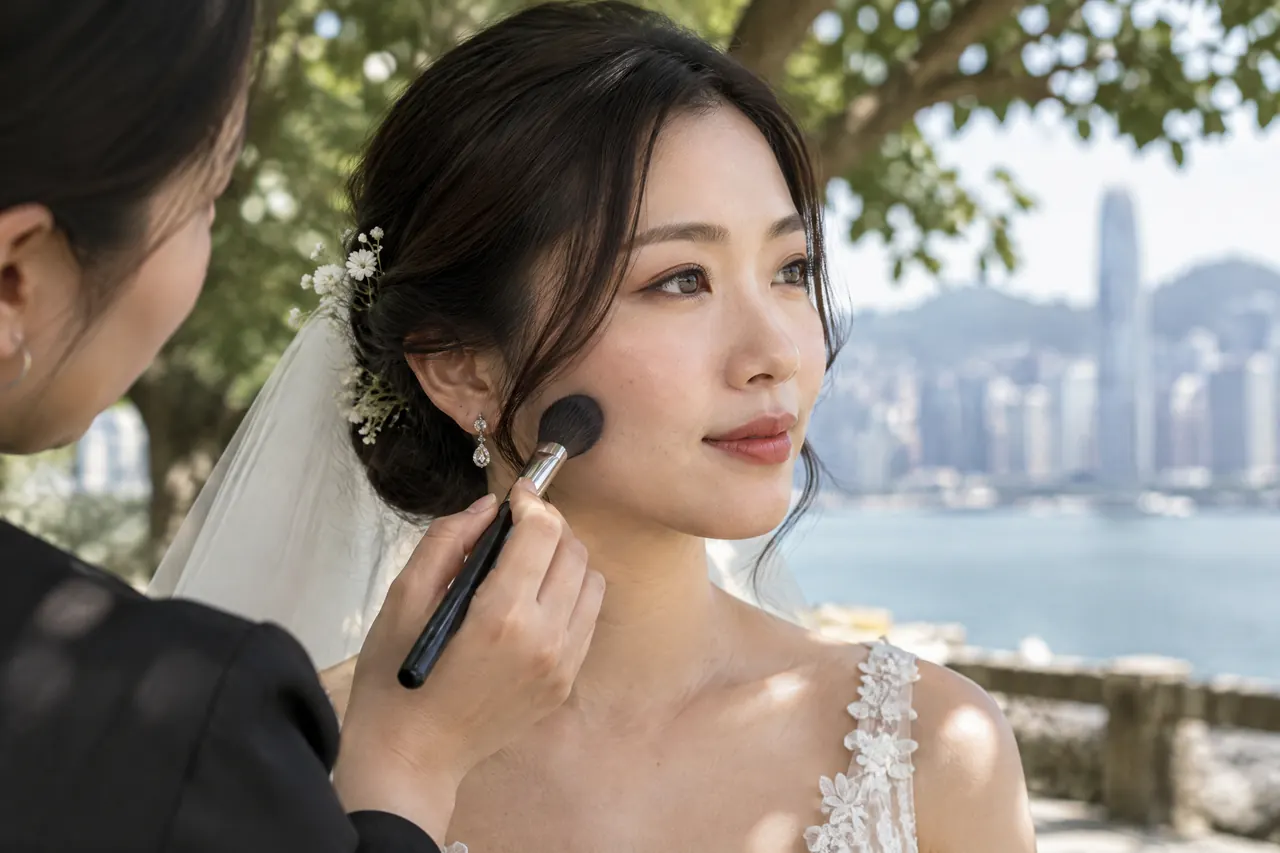
Share every planned outfit, including necklines, jewellery, and jacket colours. Bring the actual glasses if you wear them for work. That helps align complexion, brow definition, and hair framing with the complete portrait. If hair is included, consider [professional makeup for photoshoot Hong Kong](https://bigdealhk.com/makeup/en/photoshoot-makeup/photoshoot-makeup-hair/) planning early. It lets hair and makeup decisions inform each other. A different collar or frame can change the balance of an otherwise familiar look.
Glasses deserve a small test before the main photographs. Their lenses can catch light, so clean frames and a few test positions are practical. Portrait lighting guidance recommends changing the light, subject, or camera position when glare appears. [2] Tell the photographer and artist if you prefer to wear your glasses throughout. It is better to adjust one variable at a time than force a flattering pose that feels unnatural. [2]
Contact-lens wearers should mention this before the appointment. The American Optometric Association advises inserting soft lenses before makeup. It advises inserting rigid gas-permeable lenses after makeup. [3] Follow your own eye-care professional’s guidance where it differs. Do not test unfamiliar lenses, adhesives, or eye products on portrait day. Comfort supports steadier expression, while a backup pair of glasses gives you a simple alternative. [3]
Plan for Hong Kong light, weather and location
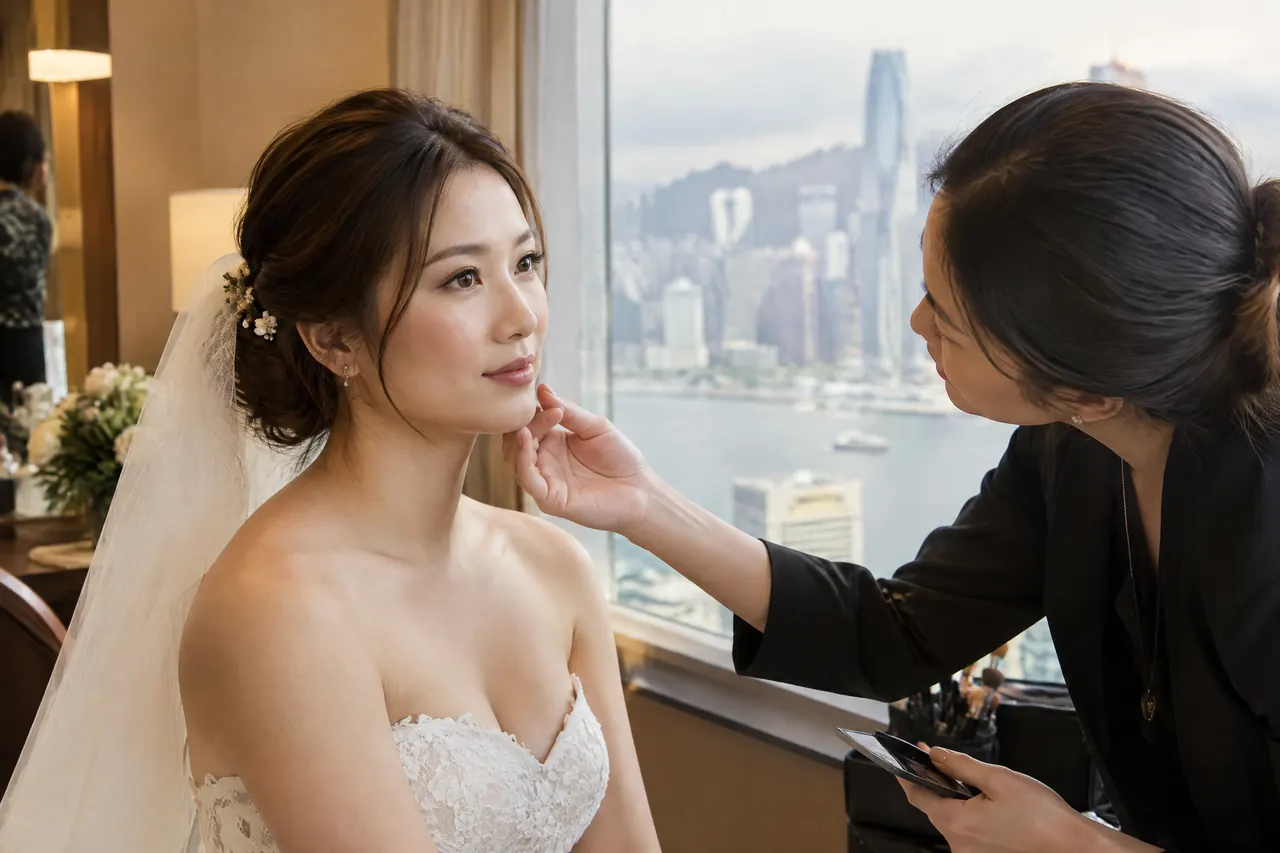
State whether portraits are indoors, outdoors, or divided between both. Include the exact venue, access notes, lift arrangements, and the available preparation space. These details matter when arranging [photoshoot makeup on location Hong Kong](https://bigdealhk.com/makeup/en/photoshoot-makeup/on-location-photoshoot-makeup/). Name the first ready-by time, photographer’s arrival, and any transport between locations. A well-lit corner, chair, and nearby surface are more helpful than a vague arrival window.
Hong Kong’s weather can shape the practical brief. The Hong Kong Observatory describes May to August as hot and humid. It also notes showers and thunderstorms during that period. [1] For an outdoor portrait, tell the team about covered alternatives and journey time. Pack only modest touch-up items that suit your planned finish. The goal is sensible readiness, not a promise that weather or makeup will remain unchanged. [1]
Explain the expected lighting rather than guessing technical terms. Window light, office lighting, flash, and shade can each affect how a finish appears. Ask the photographer whether there will be a test frame before shooting begins. Share whether the final image needs one close portrait or several wider images. That distinction helps determine where detail needs the most attention and where a softer overall balance may read better.

Turn the brief into clear booking decisions
Request a quote only after the portrait scope is clear. Headcount, hair needs, location, ready-by time, and touch-up expectations all affect the arrangement. The [personal photoshoot makeup price Hong Kong](https://bigdealhk.com/makeup/en/photoshoot-makeup/photoshoot-makeup-prices/) guide helps compare quotes. Do not compare a single headline figure without checking what the appointment must cover. Confirm practical details in writing with customer service before you commit.
Use this small decision table before sending your enquiry. It separates creative preferences from practical details. A complete answer does not need specialist vocabulary. It simply lets each person see what remains undecided. If you cannot choose a finish, describe two options and say which part concerns you. That is more useful than presenting a fixed plan that no longer fits your wardrobe or setting.
Attach the useful materials as a short bundle, not scattered messages. Include one current photograph, one mood reference, outfit photographs, and the schedule. List any product sensitivities you wish to flag. Bring a familiar lip product only if you want it considered. Keep the brief current if the venue, jacket, or glasses change. Small updates are easiest when they arrive before the preparation time is confirmed.
- One sentence naming the role and audience for the portrait
- One clear reference showing the preferred level of polish
- Photographs of every planned outfit and accessory
- Glasses, contact-lens, or product-sensitivity notes to flag early
- Venue, access, ready-by time, and photograph sequence
- Whether touch-ups are needed after the first portraits
| Brief element | Decide before booking | Useful material |
|---|---|---|
| Audience | Directory, website, or press profile | One sentence about the viewer |
| Finish | Natural satin, softly matte, or defined | One unfiltered reference |
| Glasses | Wear them or remove them | Actual frames and coating details |
| Logistics | Venue, ready-by time, and touch-ups | Schedule and access notes |

Choose help, then send a brief that can be used
The choice is not simply professional help or no help. Consider preparation time, confidence, lighting, and how much continuity the shoot needs. The [makeup artist vs doing own makeup for photoshoot](https://bigdealhk.com/makeup/en/photoshoot-makeup/photoshoot-makeup-planning/) comparison can help. Doing your own makeup may suit a familiar, simple portrait. An artist may help when wardrobe changes, glasses, time pressure, or several people need coordinated attention.
Write the final message in a simple order. Start with the portrait purpose and audience. Then give the date, location, ready-by time, outfits, eyewear, and preferred finish. Add the reference and explain why it matters. Finally, ask the questions you still need answered. This structure keeps creative choices visible. It also allows customer service to confirm the practical arrangement separately.
Leave room for honest adjustments on the day. A changed meeting time, brighter window, or uncomfortable collar may alter the original plan. Agree which features matter most before that happens. For example, you may prioritise recognisable brows, glasses, and a calm complexion. You may place those above a precise lip shade. A clear priority order helps decisions remain consistent when time is limited.
Frequently asked questions about portrait preparation
A good question usually reveals a decision that belongs in the brief. Ask about timing, location, products, and touch-ups before the appointment. Ask the photographer about light, framing, and glasses tests. Keep the answers alongside your outfit notes. That approach makes the briefing useful to everyone. It avoids turning the conversation into an inflexible beauty plan. It also makes a final confirmation easier to read.
Review the brief the evening before the shoot. Check that the reference, outfit, jewellery, eyewear, location, and call time still match. Put the glasses cloth and any approved touch-up item with your wardrobe. Do not add a new visual direction at the last minute. Instead, note one priority for the final check, such as reduced shine or hair around the frame. This keeps the portrait preparation purposeful and comfortable.
Key takeaway
Choose the least complicated brief that still protects the portrait’s purpose. A personal-brand image may need familiar glasses and modest shine control. A concept-led portrait may need stronger direction and more testing. The trade-off is not natural versus polished. It is visual intention versus time, touch-up needs, and changeable conditions.
Practical checklist
- Name the portrait’s audience and intended first impression
- Attach one current head-and-shoulders photograph in daylight
- Send wardrobe photographs and bring any glasses to the appointment
- Confirm the location, access, ready-by time, and expected sequence
- Flag contact lenses or product sensitivities early
- Agree whether anyone needs touch-ups after the first frame
Frequently asked questions
How many references should I send?
Send one current photograph and one or two focused references. Explain what each reference shows, such as complexion finish or hair neatness. Too many unlabelled images can hide your actual preference. Keep the note short enough for the artist to scan before preparation begins.
Should I wear glasses in my business portrait?
Wear glasses if they are part of how colleagues and clients recognise you. Bring the actual frames for a test. Tell the photographer about them early, because reflections depend on lighting, angle, and position. A clean glasses cloth belongs with your outfit before leaving home.
What should I say about my skin finish?
Describe the finish you enjoy in daily life, then explain your concerns. You might prefer visible texture, less shine, or a softly even appearance. Those preferences are clearer than demanding an undefined flawless result. Mention how long you expect the session and travel to last.
Can I decide on makeup after arriving?
Some adjustments are sensible after seeing the light and wardrobe together. However, the main direction should be agreed beforehand. That protects preparation time and avoids replacing a calm professional portrait with a rushed experiment. Save experiments for a separate occasion with enough time for comparison.
Do I need a touch-up plan for one headshot?
A brief single portrait may only need a final check before the camera starts. Longer sessions or location changes may need more planning. Ask about the sequence, waiting periods, and whether touch-ups are expected.
Sources
| Source | What it supports |
|---|---|
| Climate of Hong Kong | The Hong Kong Observatory describes May to August as hot and humid, with occasional showers and thunderstorms. |
| Portrait Lighting Tips to Avoiding Glare in Glasses | The guide explains that adjusting the light, subject, or camera position can reduce unwanted glasses reflections. |
| Contact Lens Care | The American Optometric Association advises putting in soft contact lenses before makeup and rigid gas-permeable lenses after makeup. |
Discuss your own makeup plans
Send your portrait purpose, reference, wardrobe, and timing to BigDeal Make Up. WhatsApp +852 6918 3153 for a practical briefing conversation.
Ask on WhatsApp +852 6918 3153