
At a glance
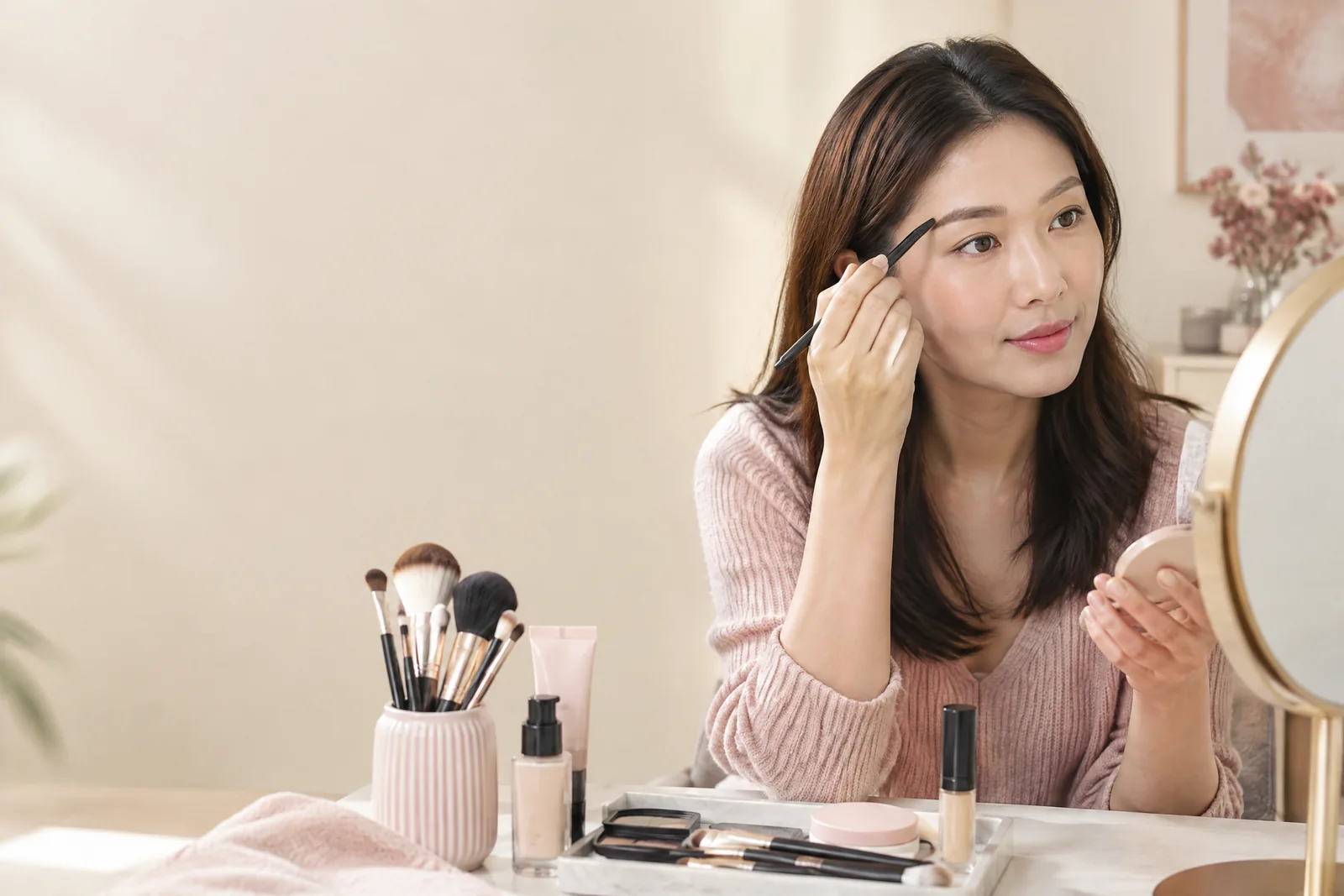
Choose a goal before comparing formats, then bring a small, familiar product selection and clear reference notes. Individual attention can suit a precise question, while a broader format can connect several steps. Practise features separately before combining them. Keep feedback specific, and test your own routine in ordinary lighting. If a product causes a reaction, stop using it. Seek suitable professional advice rather than treating a makeup lesson as diagnosis.
Set a Goal for Korean Makeup Class Preparation
Korean makeup class preparation begins with a personal brief
Start with a clear outcome for one ordinary day or one occasion. You might want a softer base, neater brows, or more confident colour placement. Choose two reference images that share a finish or mood. Then write what you like about each image. A useful brief describes sheen, colour and intensity. It does not ask for another person’s face or an identical result. Keep this note beside your references.
Decide whether your priority is everyday speed, a special event, or broader technique knowledge. This decision stops a lesson becoming a long list of disconnected steps. If cost is part of your comparison, read the Korean makeup class price information alongside the listed course details. Keep the conversation focused on format, scope, and your own learning aim. Confirm current arrangements with customer service before making plans. It also prevents rushed, unsuitable comparisons.
Consider where you usually apply makeup and when you need it to work. Hong Kong daylight, office lighting, evening restaurants, and phone cameras can make a finish appear different. Note whether you wear glasses, use contact lenses, or travel with a compact bag. These details guide sensible product choices. They also help you judge which steps deserve the most practice during your first session. This makes the learning goal more realistic.
- Name one finish you want to understand.
- Save two references with a shared mood.
- List the occasions you dress for most often.
- Note any step that currently feels difficult.
- Choose one result you can practise at home.
Audit products, comfort and skin information
Bring information, not a large shopping bag
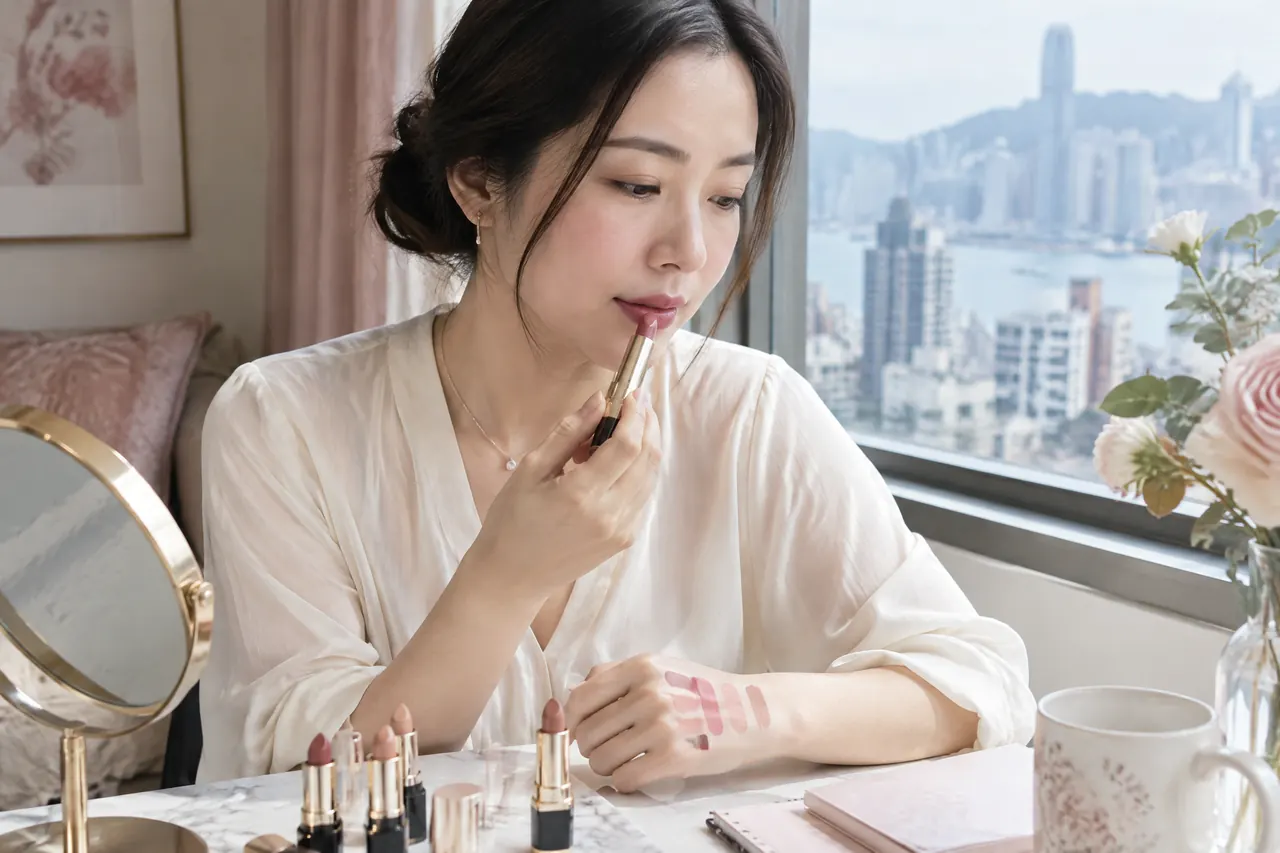
Lay out the products you actually reach for during a normal week. Photograph their shade names if bringing every item feels impractical. Include a base product, brow item, eye colours, lip colour, and the tools you use. This makes starting habits visible. It also shows which gaps are real. A K-beauty makeup course overview can help you frame questions about foundation learning before you compare options. It avoids guessing during the discussion.
Keep the boxes or take clear images of ingredient lists for products that concern you. Hong Kong’s Consumer Council reported that some tested lip products lacked clear ingredient or date information. Labels therefore help you recognise what you already own and what you may wish to avoid. Stop using a product if it causes redness, itching, swelling, dryness, or peeling. [1] Take a readable photograph before class. [1]
A lesson cannot diagnose a skin reaction or decide whether an ingredient is suitable for you. The British Association of Dermatologists describes patch testing as a specialist dermatology procedure for contact allergy. If reactions are recurrent or troubling, seek appropriate medical advice. Bring relevant product packaging when discussing your own history. That information can support a careful practical conversation without turning the lesson into medical treatment. [2] Makeup study is not medical care. [2]

Choose a format that suits your questions
Match attention and pace to your practice needs
Choose the setting after you can name what you want to improve. A learner refining brow balance may value close observation and repeated correction. Another person may prefer shared discussion and a broader introduction. Read the Korean makeup one to one class information if individual pacing matters to you. Ask which practical points can be confirmed beforehand. These might include timing, materials, and the intended focus of the session. That makes the selection process less abstract.
Avoid choosing only from photographs or an attractive trend name. Compare each option against your starting confidence and the time you can give afterwards. A compact session suits one focused routine. A broader route may suit somebody who wants to connect base, brows, eyes, cheeks, and lips. Neither choice is automatically better. The practical value comes from matching the format to a repeatable personal goal. Your everyday habits should lead that decision.
Before you enquire, write five questions in plain language. Ask about the current lesson focus, what to bring, and whether your chosen references are useful. Include any comfort issue that affects application. Ask how to prepare products for review. Clear questions reduce assumptions. They also leave more lesson time for observation and guided attempts. You can understand the notes later at home. Keep the list visible during preparation.
| Starting point | Bring or note | Ask to practise | Useful outcome |
|---|---|---|---|
| Everyday base | Usual base and shade name | Thin layers and placement | A repeatable morning sequence |
| Brow uncertainty | Current brow product | Shape, pressure and balance | A simple comparison method |
| Eye confidence | One comfortable reference | Placement and blending | A manageable eye routine |
| Colour hesitation | Favourite lip or cheek shade | Intensity and layering | A colour choice you will wear |

Plan feature practice without chasing a copy
Korean makeup class preparation for eyes, lips and blush
Break the look into feature areas instead of trying every element at once. For many learners, eye placement is the slowest part because it needs a steady hand and patient comparison. The Korean eye makeup for beginners guide may help you describe the question you want to practise. Bring a reference that shows intensity, rather than claiming one line suits every eye. Let your own comfort and visibility shape the final approach. That focus makes practice more efficient.
For lips and cheeks, describe the effect before naming a product. You may want a blurred edge, a more defined outline, or colour that reads softly in daylight. Record which colours you already enjoy wearing. Then test placement and layering with those preferences in mind. This keeps purchases secondary to technique. A familiar colour is often more useful for repeated practice than an unfamiliar shade chosen only for a photograph. Technique should guide each later choice.
Makeup can temporarily balance how features appear through colour, direction, and proportion. It does not permanently change facial structure or promise symmetry. If one eye opens differently, focus on placement choices that feel comfortable on your face. Work slowly and compare both sides at normal speaking distance. A practical lesson should help you notice adjustments. It should not pressure you to erase individual features or chase a fixed template. Comfort is a sensible measure of success.

Use feedback to decide your next level
Turn corrections into notes you can repeat
Use feedback to identify a next step, not to rank your appearance. You may need more time with skin preparation, brush pressure, or colour balance before adding complexity. The Korean makeup basics versus advanced course information is useful when you are weighing a broader step after foundations. Compare your present routine with the stated focus. Then ask whether you need repetition, new knowledge, or more individual correction. That comparison keeps expectations proportionate.
After each guided attempt, write one observation and one adjustment. For example, note that a base looked heavier around the nose. Then record the lighter application method that felt better. This simple record turns feedback into a home practice cue. Avoid writing vague comments such as ‘do better’. Specific notes make progress easier to recognise. They also help you raise useful questions at a later session. It becomes a usable personal record.
Photograph your own results in two ordinary lighting conditions, if you are comfortable doing so. A window and your usual indoor room are enough for comparison. Use the same angle whenever possible. Look for differences in texture, brow strength, and lip definition rather than perfection. If you share images during an enquiry, explain what you want feedback on. A clear question produces a more helpful discussion than a demand for judgement. Small observations make the next attempt clearer.

Build a home practice plan that fits Hong Kong life
Keep the routine modest and observable
Schedule short practice periods around the times you normally get ready. One attempt can focus on base layers, while another focuses on eye blending. Separate practice prevents fatigue and makes errors easier to locate. Keep a clean towel, mirror, and the same few tools ready. You do not need a large collection to learn. Consistent repetition with familiar items gives you a fairer comparison from one attempt to the next. A consistent set-up reduces avoidable distraction.
Prepare for real conditions rather than a perfect mirror moment. Consider your usual transport, indoor cooling, outdoor humidity, and the length of your day. Choose a small touch-up arrangement that you would genuinely carry. This may include blotting papers, lip colour, or a compact mirror. Test how it fits your routine. The aim is informed adjustment, not a promise that makeup will look unchanged for every hour. Refine it after ordinary wear, not assumptions.
At the end of each week, review three things. Note what felt easy, what took too long, and what you would ask next. Keep your references, product notes, and photos in one folder. This creates a useful record for future learning conversations. When you are ready to enquire, share your goal, preferred date, and preparation questions. Customer service can then confirm current practical arrangements before you decide. This keeps later enquiries specific and useful.
Key takeaway
The best preparation is not a larger makeup bag. It is a smaller, clearer plan. Choose whether your priority is speed, feature practice, or a complete routine. Then match the class format to that need. Bring familiar products, ask focused questions, and practise one adjustment at a time. The trade-off is simple. A broad trend overview may inspire you, while concentrated repetition is more likely to support your everyday application.
Practical checklist
- Choose one everyday or occasion-based goal.
- Save two reference images with simple notes.
- Photograph shade names and ingredient labels.
- Pack only familiar products and clean tools.
- Write five preparation questions before enquiring.
Frequently asked questions
Should I buy Korean makeup products before a class?
No purchase is automatically necessary before a class. Bring or photograph the products you already use first. A familiar base, brow item, and lip colour reveal your present habits. Ask which technique questions matter most. Buy something later only when it serves a specific gap in your routine.
How many reference images should I prepare?
Two or three thoughtful references are usually easier to discuss than a crowded saved folder. Choose images with a shared finish or colour mood. Write one sentence about each choice. Mention what you like and what feels unrealistic for daily life. This keeps the discussion personal and practical.
What if I have reacted to cosmetics before?
Stop using a product that appears to cause a reaction, and keep its packaging where possible. Tell the provider about the history before practical application. A makeup lesson does not diagnose allergy or skin disease. Seek suitable medical advice for recurrent or concerning reactions, especially before trying unfamiliar products.
Can a lesson help with uneven-looking eyes?
A lesson can explore temporary placement, colour, and direction choices that change visual balance. It cannot permanently alter eye shape or guarantee symmetry. Bring a plain reference and explain which application step feels difficult. Practise slowly and judge both sides at a normal conversation distance.
How should I practise after the session?
Repeat one small part of the routine at a time. Write down the products, order, and adjustment that helped most. Take photographs in ordinary lighting if that feels useful. Review the result after wearing it normally. Save one clear question for your next learning conversation.
Sources
| Source | What it supports |
|---|---|
| Over Half Lipstick Models Detected with Both Mineral Oil Saturated Hydrocarbons (MOSH) and Allergy-causing Substances | The Consumer Council reported unclear ingredient or date information on some tested lip products and advises stopping use when specific reaction symptoms appear. |
| Patch Testing | The British Association of Dermatologists describes patch testing as a specialist dermatology procedure for contact allergy and notes that personal cosmetics and packaging may be relevant. |
Discuss your own makeup plans
Planning a Korean-inspired learning session in Hong Kong? Send BigDeal Make Up your goal, references, and practical questions on WhatsApp at +852 6918 3153.
Ask on WhatsApp +852 6918 3153