
At a glance
Start with the hair you have, the veil you will wear and the neckline beside it. Compare visible areas rather than technique names. A colour discussion becomes useful when you can identify a specific change that styling alone does not answer.
Dark hair bridal line visibility starts with the veil
Which surfaces will your neckline and veil leave visible?
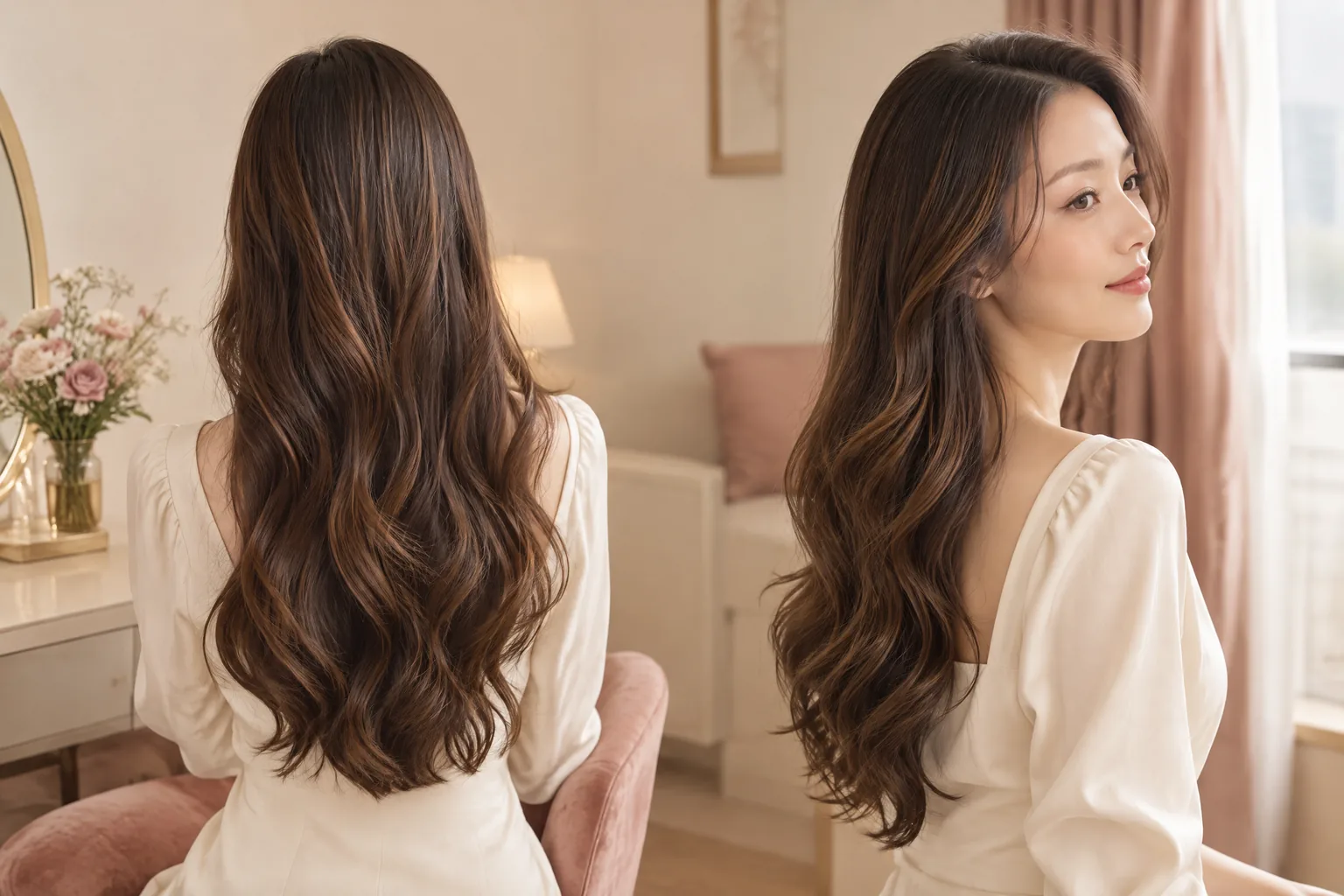
Put the veil on before deciding that your hair needs lighter strands. Its attachment point, fabric and border may cover the very area you admire in an uncovered reference. Start with your intended parting and approximate hair shape. Look from the front, each side and behind. Keep unchanged dark hair on the shortlist throughout this comparison. You are identifying a visible area, not proving that a colour service is necessary.
Map the wedding moments separately instead of treating the day as one portrait. A ceremony veil may stay in place while a later reception look exposes the back. A tea ceremony outfit may sit differently around the neck than your wedding dress. Note which hair surfaces remain visible beside each neckline. If your priority is front portraits, bright ends hidden behind your shoulders may not answer that particular wish for definition.
The bridal makeup Hong Kong page is a starting point for discussing BigDeal's makeup and styling arrangements. Share your veil, outfit sequence and preferred hair shape when asking what can be included. Do not assume an enquiry covers every change or accessory adjustment. A clearer brief might request a dark, smooth front with visible separation at the side. That gives the makeup discussion a useful direction without committing you to lighter hair.
Use the table below to distinguish a hidden area from a genuine colour preference. If the desired line disappears beneath the veil, try adjusting the proposed hairstyle or accessory position first. Any change must still suit how you want to wear the veil. If you dislike your dark colour even without it, that is a separate salon conversation. Neither choice needs to be justified by a rule about how brides should photograph.
- Mark one priority view rather than requesting brightness everywhere.
- Keep a photo of the unchanged dark option for comparison.
- Check the veil border as well as the attachment point.
| Priority view | Check first | Useful next step |
|---|---|---|
| Front with veil | Border and visible side hair | Discuss hair shape before colour |
| Back with veil | Fabric covering the intended lines | Check whether that detail matters uncovered |
| Reception without veil | Retained dark depth in the chosen style | Compare the same shape with the veil removed |
| Colour preference in every view | Current history and reference placement | Request an individual salon assessment |

Fine lines need a density decision
How much dark hair should remain between the light strands?
A fine line and a subtle overall change are not interchangeable requests. A reference can contain many narrow light strands, making much of the visible surface look brighter. Another can show fewer lines with wider dark spaces. Describe which balance appeals to you. If you want to keep a recognisably dark appearance, retained depth matters as much as strand width. Point to both, not just the lightest pieces.
Wella Professionals describes fine highlights made on smaller sections than traditional highlights. Its guide explains that application can use foils or no foils, depending on the intended lift. This is useful vocabulary, not an instruction to choose a method yourself. A narrow section does not establish the finished shade or the amount of processing. Keep your request about the visible design, while leaving products and suitability to an individual salon assessment. [1]
Vitso's babylights page discusses width, spacing and contrast, including the dark depth left between fine strands. Read it with your front and tied-back photographs beside you. Write down whether you want scattered lines or a brighter surface, especially near the parting. BigDeal and Vitso share an owner, so this is related salon reading rather than an independent recommendation. BigDeal's makeup enquiry does not confirm a colour appointment or the method used.
Choose references with a hair arrangement close to your planned bridal look. Loose waves may present different surfaces from a smooth bun, and tied hair can expose sections normally hidden underneath. Ask which areas in the reference actually contain the effect you like. If your veil leaves only a small side section visible, describe that boundary. Do not assume the finest possible lines are the best answer to a very specific viewing angle.
A dark-hair photograph cannot establish your result
What colour history belongs in the salon enquiry?
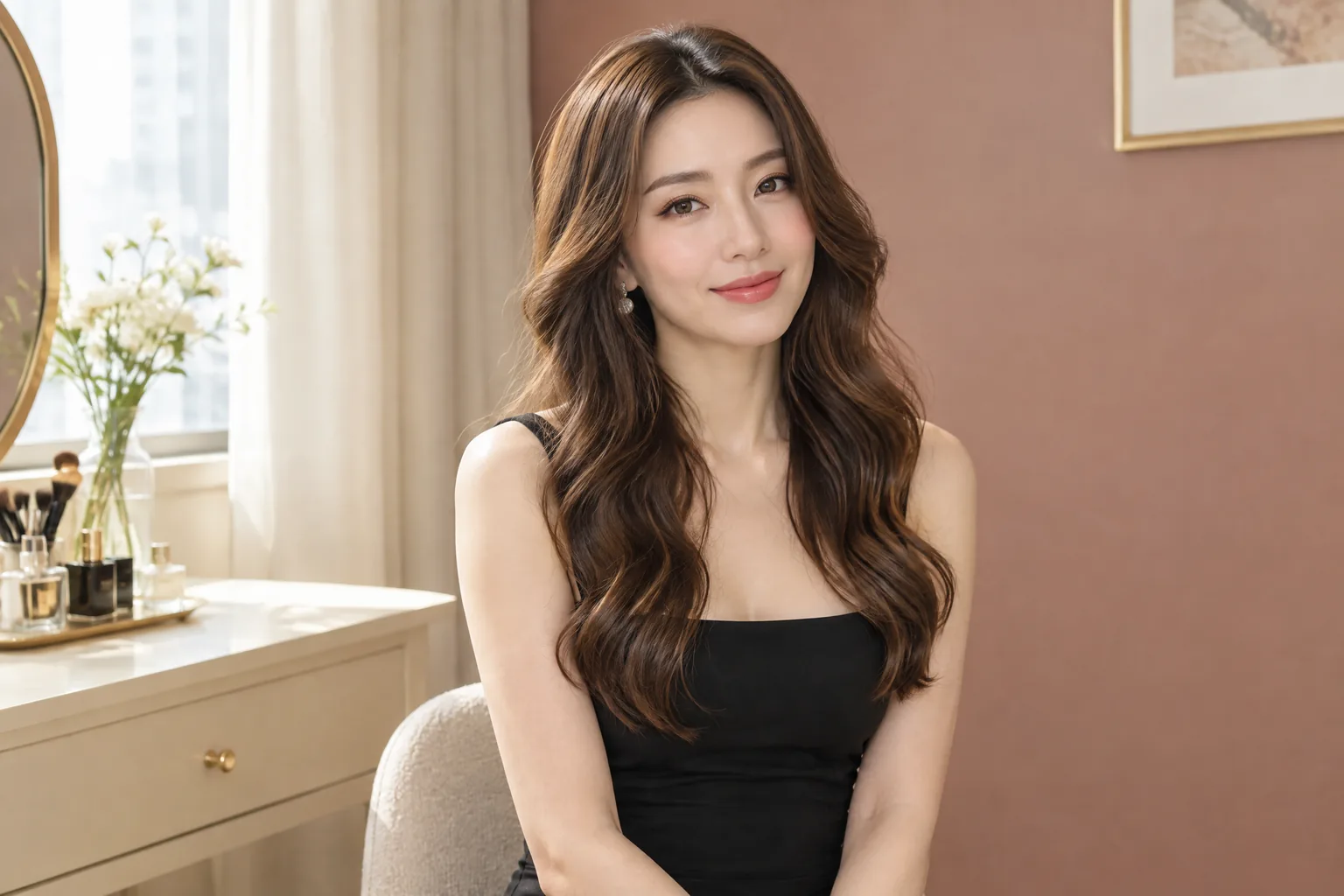
Two heads of dark hair can look similar while having different colour histories. Tell the salon whether your lengths are untouched, repeatedly dyed dark or previously lightened and covered again. Include approximate dates where you remember them, without guessing missing details. Mention any planned trim because removing the ends changes the area available for the design. These details help frame an assessment; a matching inspiration photograph cannot establish what your hair can support.
Separate the start of the brightness from the shade at the ends. You might like a dark crown but dislike a very pale lower section. Alternatively, the attraction may be a small lighter piece beside the face rather than a transition through the length. Mark where the effect begins in your reference. Then identify what should remain dark. The salon can discuss feasibility without treating the whole photograph as an agreed transformation.
The balayage on dark hair guide at Vitso distinguishes retained depth, lighter lengths and previous artificial colour. It can help you describe where a change should register when your hair is worn up. Use it to prepare questions, not to predict lift from your starting shade. This same-owner resource is salon information, not BigDeal offering colour work. Ask Vitso separately whether any proposed process suits your history, condition and available preparation time.
Leave room for product-specific instructions rather than squeezing colour work into the last spare slot. NHS guidance says to follow dye instructions and stop use after a reaction to a patch or strand test. It also notes that symptoms can take up to 72 hours to appear. That does not set a universal salon timetable or guarantee safety after testing. Discuss previous reactions before booking; health concerns belong with a qualified healthcare professional. [2]
Compare two looks only when the difference matters
Does dark hair bridal line visibility change without the veil?
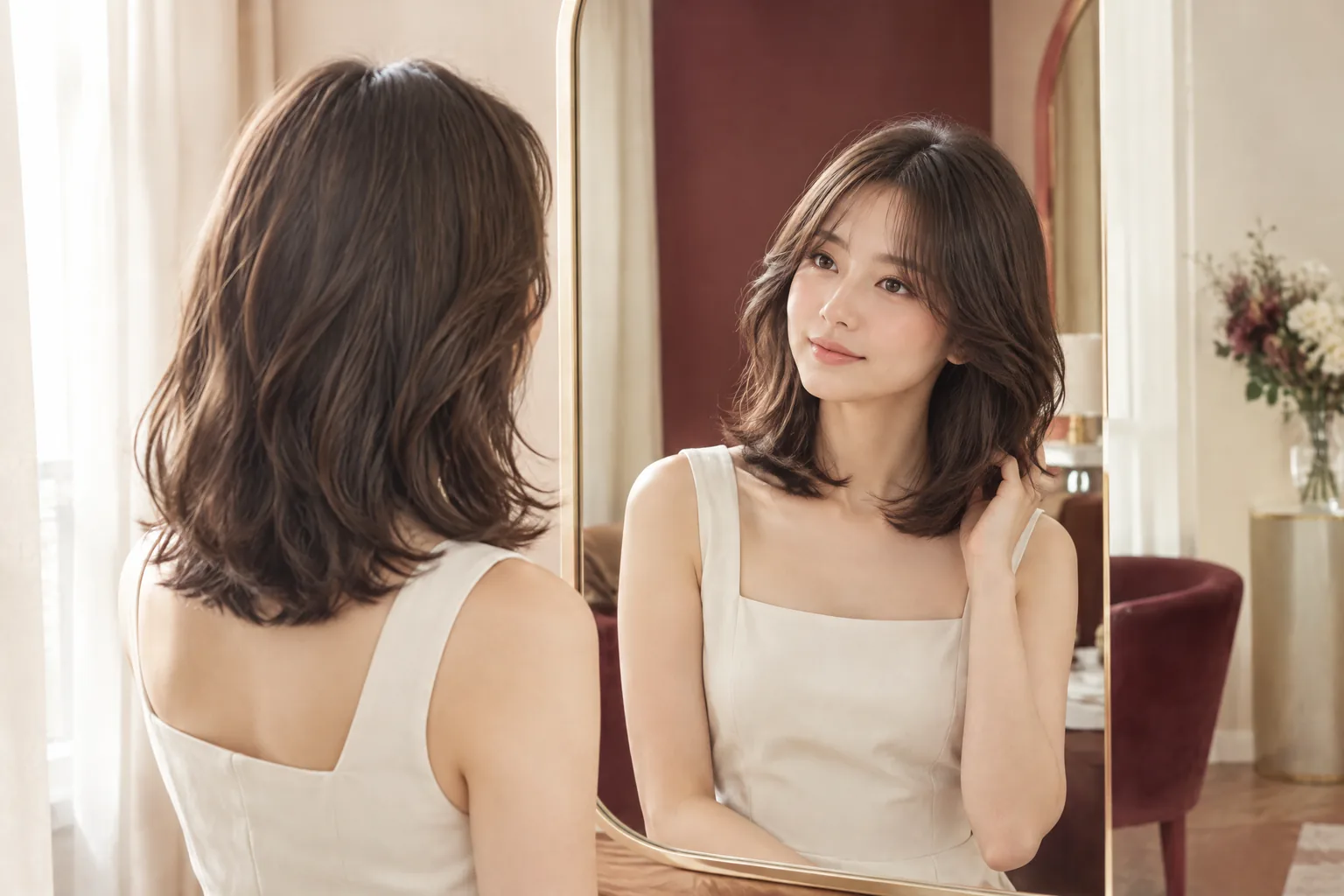
A covered and an uncovered version can answer a practical question without requiring two unrelated makeovers. For example, you may want to know whether the same dark side section remains defined after the veil comes off. Keep the intended hair shape similar while changing that one variable. If you change the parting, texture and accessory together, you will struggle to identify what caused the difference. Give the comparison a question before requesting extra looks.
Make a short photo list for the comparison: front, side and back, with the veil on and off. Use similar framing and light where possible, and avoid filters that alter the hair colour. Review both close views and the wider view you care about. A line noticed in a close image may not be the detail you prioritise in an outfit portrait. These photographs are planning aids, not promises about the final wedding gallery.
Read the two-look bridal trial page before asking BigDeal about a comparison. Explain whether your question concerns the veil, the makeup balance or a change between ceremony and reception. Confirm the scope, timing and any styling arrangements directly rather than assuming every variation is included. Bring the accessory information you already have. The useful outcome is a clearer brief for your preferred appearance. Separate looks do not require visibly different hair colours.
Give each version a short observation rather than a beauty score. You might write that the uncovered side looks clear, while the veil edge overlaps the section you wanted to show. That suggests an accessory or styling question before a colour decision. If both versions already express what you want, keep them dark. If neither does, name the missing feature precisely. A specific observation is more helpful than asking for everything to look more bridal.
Make the Sheung Wan enquiry about the visible area
What should location-based reading help you ask?
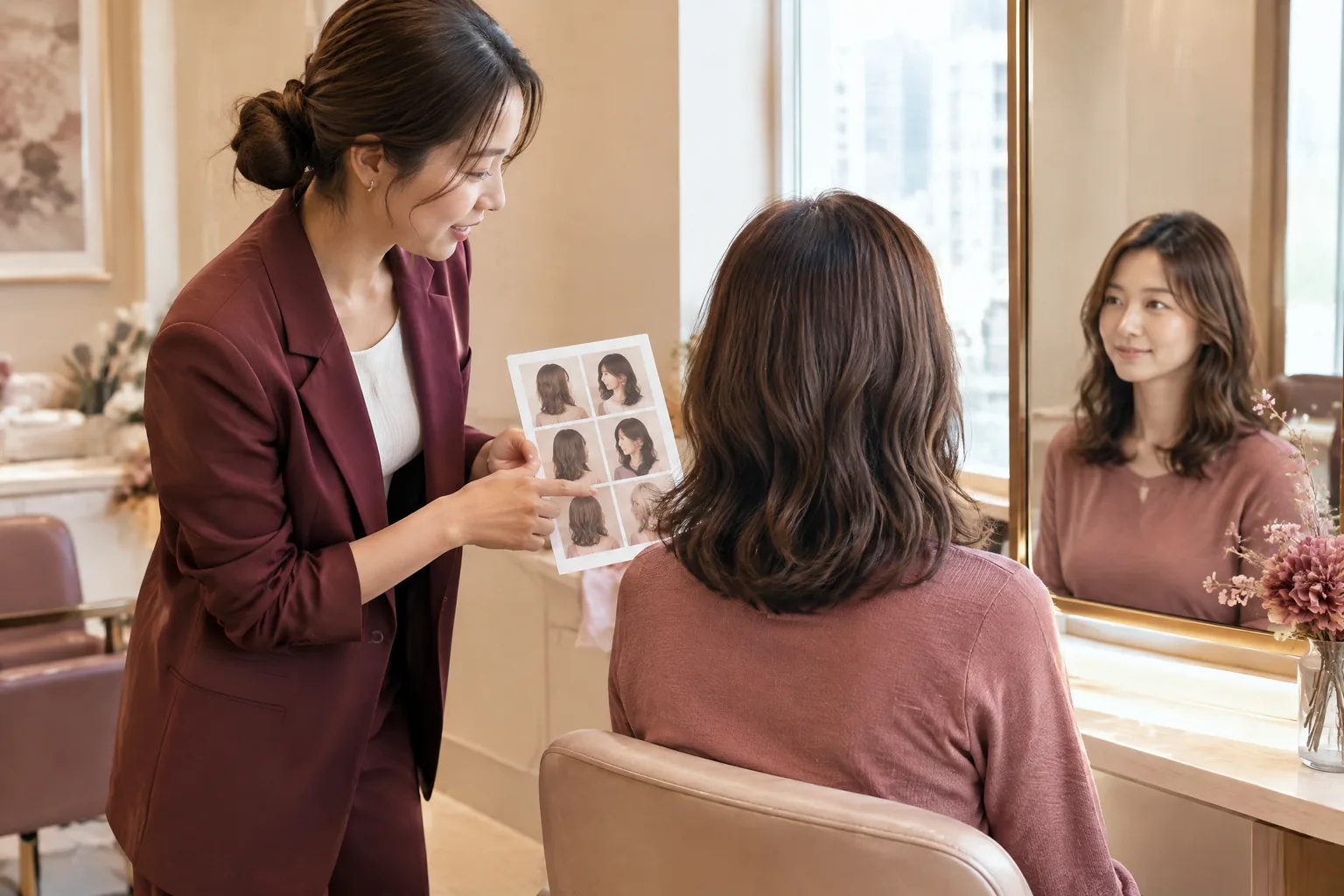
If you decide to enquire about colour, lead with the design rather than the neighbourhood. Describe the hair area your veil leaves exposed, the depth you want to retain and your current colour history. Add the wedding date and any earlier trial date so the salon can discuss the sequence. Do not ask a makeup contact to judge lightening feasibility from a single bridal reference. Keep the salon's assessment separate from your makeup planning conversation.
Prepare photographs that show the same current hair from different directions. Include your usual parting and a tied-back view if that resembles your bridal plan. Choose ordinary light without colour-altering filters, then add the reference with the desired area marked. State whether you like its placement, lightness or both. This avoids a vague request for the entire look. Only a small side detail might be visible beside your veil and neckline.
Use balayage sheung wan as a resource-page label when reading Vitso's colour service information, not as a shop name. The page explains the beginning of the lightness, retained depth and the brightness of the ends. It does not let BigDeal confirm your booking, additional premises or appointment availability. The brands share an owner; this reading supports a separate salon enquiry. Confirm location, proposed scope and arrangements with Vitso before making travel plans.
Agree what will happen if the desired change is not suitable within your preparation window. You might keep the dark base and focus on the bridal hairstyle instead. You might also postpone a colour change until after the wedding, when the deadline no longer drives the decision. Ask the salon about any ongoing care before agreeing to work. The wedding photograph is one consideration; your comfort with the hair afterwards is another equally valid priority.
Choose soft makeup by preference, not hair-colour rules
Which familiar features should the bridal look retain?
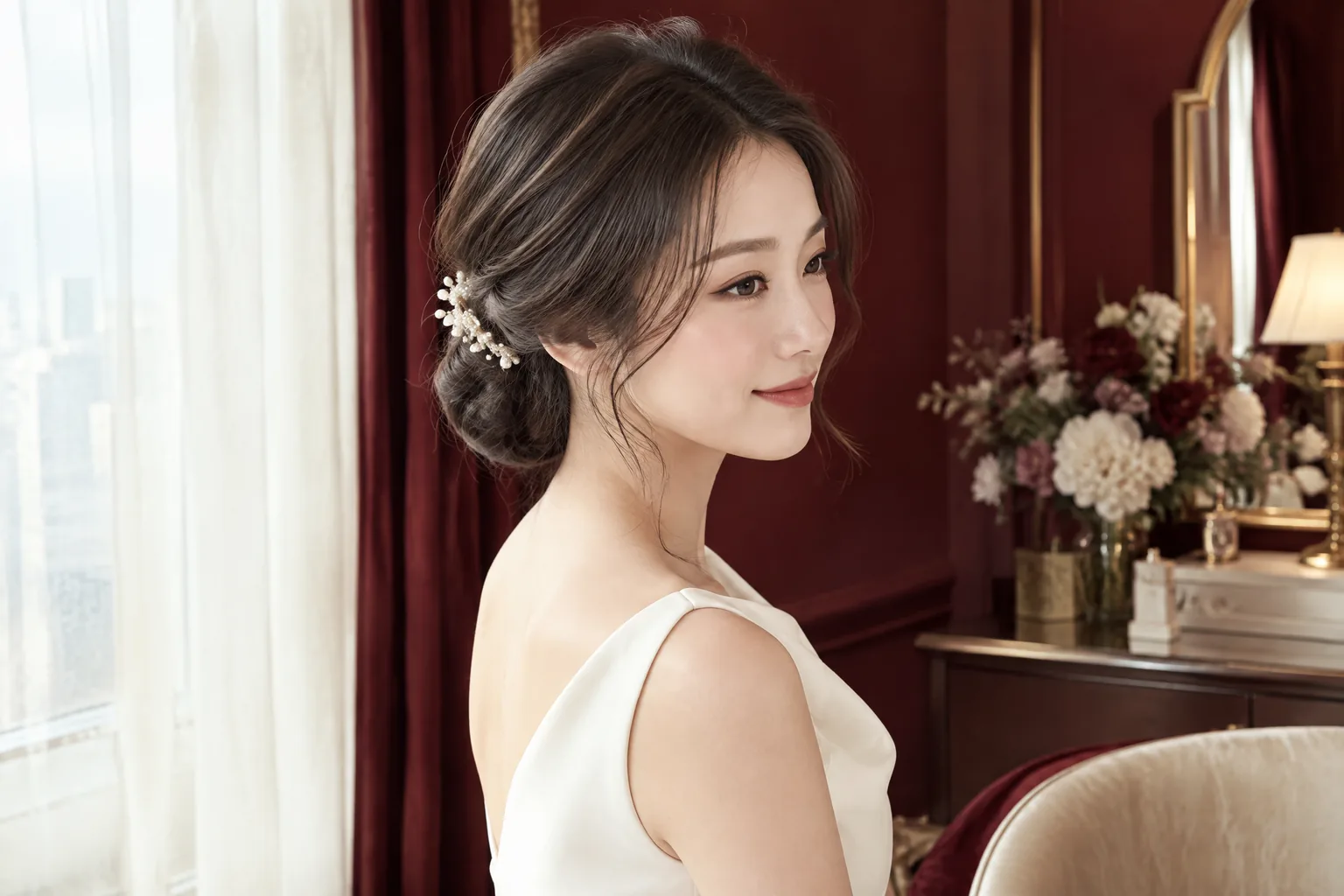
Dark hair does not oblige you to choose strong makeup, and lighter strands do not oblige you to choose softness. Start with the features you want to recognise in your reflection. You may prefer a defined eye with a quiet lip, or a fresher cheek with less eye emphasis. Describe your preferences separately from the hair enquiry. The purpose is a coherent bridal look you enjoy, not matching a predetermined makeup intensity to a hair shade.
Look at the face within the full veil and neckline arrangement before changing makeup for the hair. Check whether your concern is actually the veil border, the hair shape or a makeup feature you dislike. Be specific about what feels too prominent or too faint. Asking for softer makeup is clearer when you identify the area involved. Do not use lighter hair as a substitute for explaining your preferences about eyes, cheeks or lips.
The natural bridal makeup Hong Kong page offers a relevant starting point for discussing a softer direction with BigDeal. Share what natural means to you, together with your current dark-hair photograph and chosen accessories. Confirm the proposed makeup and styling scope directly. Any salon colour enquiry remains separate, even though Vitso and BigDeal have the same owner. You can plan a natural-looking bridal face while leaving your hair colour exactly as it is.
Finish with one preferred direction and one acceptable alternative. Your first choice might be unchanged dark hair with a visible side shape and the veil attached as planned. The alternative might adjust styling if an accessory hides that detail. A colour assessment can remain optional unless changing the colour is something you genuinely want. Keep decisions connected to your own appearance and schedule. Light strands need not become another compulsory item on the wedding list.
Key takeaway
The useful question is not whether dark bridal hair needs highlights. It is whether your chosen veil reveals the specific detail you want. Keep colour optional until that viewing question, your personal preference and an individual salon assessment point in the same direction.
Practical checklist
- Identify the wedding moment and viewing angle that matter most.
- Check the unchanged dark hairstyle with the veil and neckline.
- Mark retained dark areas as well as desired lighter strands.
- Prepare current photographs and an honest colour-history note.
- Confirm makeup scope and salon assessment through separate enquiries.
Frequently asked questions
Do I need lighter hair for visible bridal detail?
No. Begin with unchanged hair in your intended style and veil. If the detail you want is already visible, colour need not enter the plan. If something is missing, identify the area before choosing between a styling adjustment and a salon enquiry.
Will very fine highlights stay noticeable beneath a veil?
A technique label cannot answer that. Fabric coverage, placement, density and the chosen hair arrangement all belong in the comparison. Bring the actual veil or clear accessory information, and avoid treating an uncovered reference as evidence of a covered result.
Should the colour appointment happen before the bridal trial?
Ask both providers about the sequence once the salon has assessed the proposed work. There is no timetable here that suits every hair history. Keep a dark-hair styling option available if colour cannot be agreed within your preparation window.
Can BigDeal confirm the Vitso colour plan for me?
No. BigDeal can discuss makeup arrangements, while Vitso must assess and confirm its own hair-colour work. Shared ownership does not merge the two enquiries. Send the salon your current photographs and colour history rather than relying on the makeup brief alone.
Sources
| Source | What it supports |
|---|---|
| Your Everything Guide to Babylights | Wella describes highlights on finer sections than traditional highlights, with or without foils depending on desired lift; the label does not confirm a specific shade or salon method. |
| Hair dye reactions | NHS advises following dye instructions and stopping use after a reaction to a patch or strand test. Symptoms can take up to 72 hours to appear; testing is not a universal timetable or safety guarantee. |
Discuss your own makeup plans
For BigDeal makeup arrangements, WhatsApp +852 6918 3153 with your wedding date, veil details and preferred makeup direction. Please contact Vitso separately for hair-colour assessment and service confirmation.
Ask on WhatsApp +852 6918 3153