
At a glance
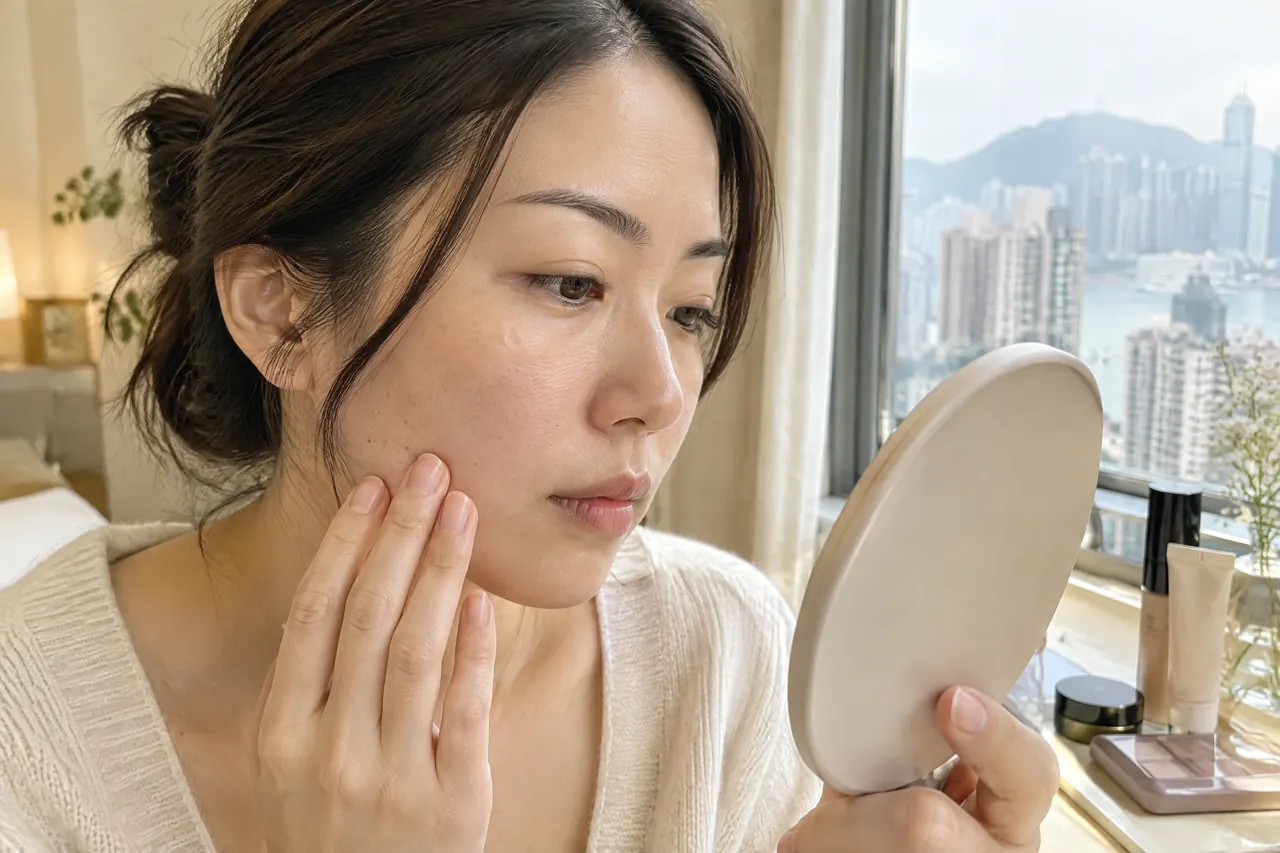
Choose a style by separating its visible ingredients from its label. A soft base, clear brow, gentle blush, and defined eye are adjustable choices. The same reference can become lighter, more radiant, or more evening-ready. Bring a small set of useful images, then state what you would keep and soften. Test the direction in relevant light. Practical notes matter more than a trend name when you later discuss arrangements.
Start a Natural Makeup Style Consultation with a Brief
A natural makeup style consultation begins with priorities
A useful consultation starts by naming the setting before discussing products. Say whether you are preparing for work, photographs, a dinner, or a wedding event. Then explain how polished you want to feel. Some people want bare-looking skin. Others want a refined base that still looks understated. Those are different directions. A clear brief prevents a familiar style label from hiding important choices about coverage, definition, and wear comfort.
Bring two or three references rather than a crowded saved folder. Choose images that share something specific, such as satin skin, a softly lifted eye, or a muted lip. Write one sentence beside each image. Explain what attracts you and what feels unsuitable. This respects personal features and avoids treating any face as a universal template. It also gives the conversation a sensible starting point when images use unfamiliar lighting, filters, or editing.
Next, rank the parts of the look that matter most to you. You may value a comfortable base, an eye that appears more open, or colour that remains subtle. Place one priority first and two secondary details afterwards. Makeup can temporarily adjust visual balance through placement and colour. It does not permanently alter facial structure. This distinction helps you ask for thoughtful styling choices without expecting fixed symmetry or an identical outcome.
Consider your usual routine before adding a more elaborate direction. A look should work with the time you have and the products you enjoy using. Mention glasses, contact lenses, hair touching the face, or a habit of blotting during the day. These practical details change how a finish feels in use. They also help separate an attractive photograph from a direction you would genuinely choose for your own plans.
- Name the occasion and your ready-by time.
- Choose two or three focused reference images.
- Mark one priority and two supporting details.
- Note glasses, contact lenses, or comfort concerns.
- Describe what feels too heavy or too plain.
- Bring a photo of your usual makeup if helpful.
Translate Style Labels into Adaptable Makeup Choices
Read finish, placement and intensity before following a trend
A [natural makeup look](https://bigdealhk.com/makeup/en/makeup-techniques/natural-minimal-makeup/) uses selective correction. It does not mean no makeup. Ask whether you prefer a sheer base, satin finish, or focused coverage. Then decide how visible brows and lashes should be. These choices can remain subtle and still look deliberate. Describe the direction's ingredients. Do not assume natural means one fixed level of coverage.
Many people mention [K-beauty makeup](https://bigdealhk.com/makeup/en/makeup-techniques/kbeauty-glow/) when they want skin-like radiance and gentle colour. Treat that phrase as a prompt for clearer questions. Where should luminosity appear? How much cheek colour feels comfortable? Should the eye remain quiet or softly defined? A radiant finish may suit one person’s preference, while another wants less sheen. The useful decision is the placement and strength that suits the occasion, not the label alone.
[Douyin Soft Glam](https://bigdealhk.com/makeup/en/makeup-techniques/douyin-soft-glam/) references combine eye definition with softened edges. Separate their elements before choosing your brief. You might like blended shadow but not stronger lashes. You might prefer the lip tone but not a fuller base. This keeps personal preference central. It also lets you reduce details for daylight or add them for evening photographs.
Similarly, [Japanese makeup](https://bigdealhk.com/makeup/en/makeup-techniques/japanese-sheer-makeup/) references may suggest translucent base work and precise colour placement. They need not dictate every feature. Identify whether you respond to the gentle blush position, the lip edge, or the restrained eye. A consultation can then keep only the elements that fit your brief. Using style names as shorthand is fine. Explaining their visible parts produces a more adaptable and respectful decision.
Bring Comfort, Eye Care and Sensitivity Information
Keep practical safety questions separate from style preference
Tell the team about an eye infection, inflamed eye-area skin, or irritation from an eye cosmetic. The FDA advises stopping an eye cosmetic that irritates you. It also advises clean hands and clean eye-area tools. Do not share eye cosmetics. These points matter during preparation when your look includes liner, mascara, or lashes. [1] They do not replace healthcare advice. [1]
Mention contact lenses before application begins. The American Optometric Association advises soft-lens wearers to insert lenses before makeup. It gives different timing advice for rigid gas-permeable lenses. The association also advises removing lenses before removing makeup. [2] Share the type of lens you wear and any usual discomfort. That helps keep the consultation practical without turning it into eye-care treatment. Follow the advice provided by your own eye-care professional. [2]
If a product has repeatedly concerned you, keep its packaging or ingredient list. The British Association of Dermatologists describes patch testing as a specialist dermatology procedure for investigating contact allergy. It may consider cosmetics and personal products. [3] A styling conversation cannot diagnose an allergy or determine product suitability. Stop using products that concern you and seek appropriate medical guidance. Product information simply makes a later discussion clearer and more accurate. [3]
Comfort can also mean texture, scent, or the feeling of layers during a long event. State these preferences plainly. You may prefer less powder, no false lashes, or a lip formula you can reapply comfortably. That information is as useful as a photograph. It helps shape a look around your experience rather than a trend. Confirm practical product choices and arrangements directly with customer service before finalising any appointment.
Match the Direction to a Wedding or Evening Occasion
Natural makeup style consultation for changing light and formality
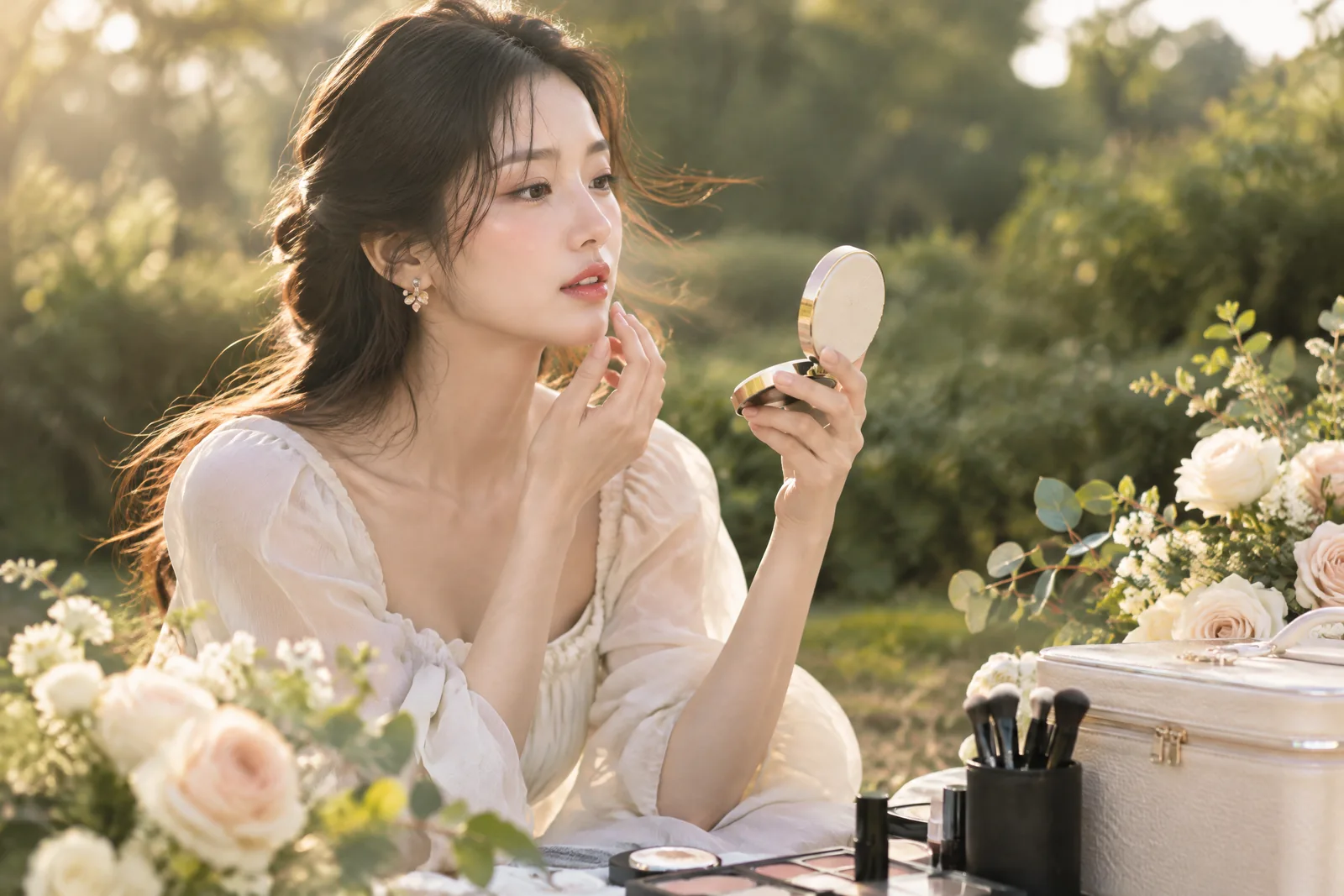
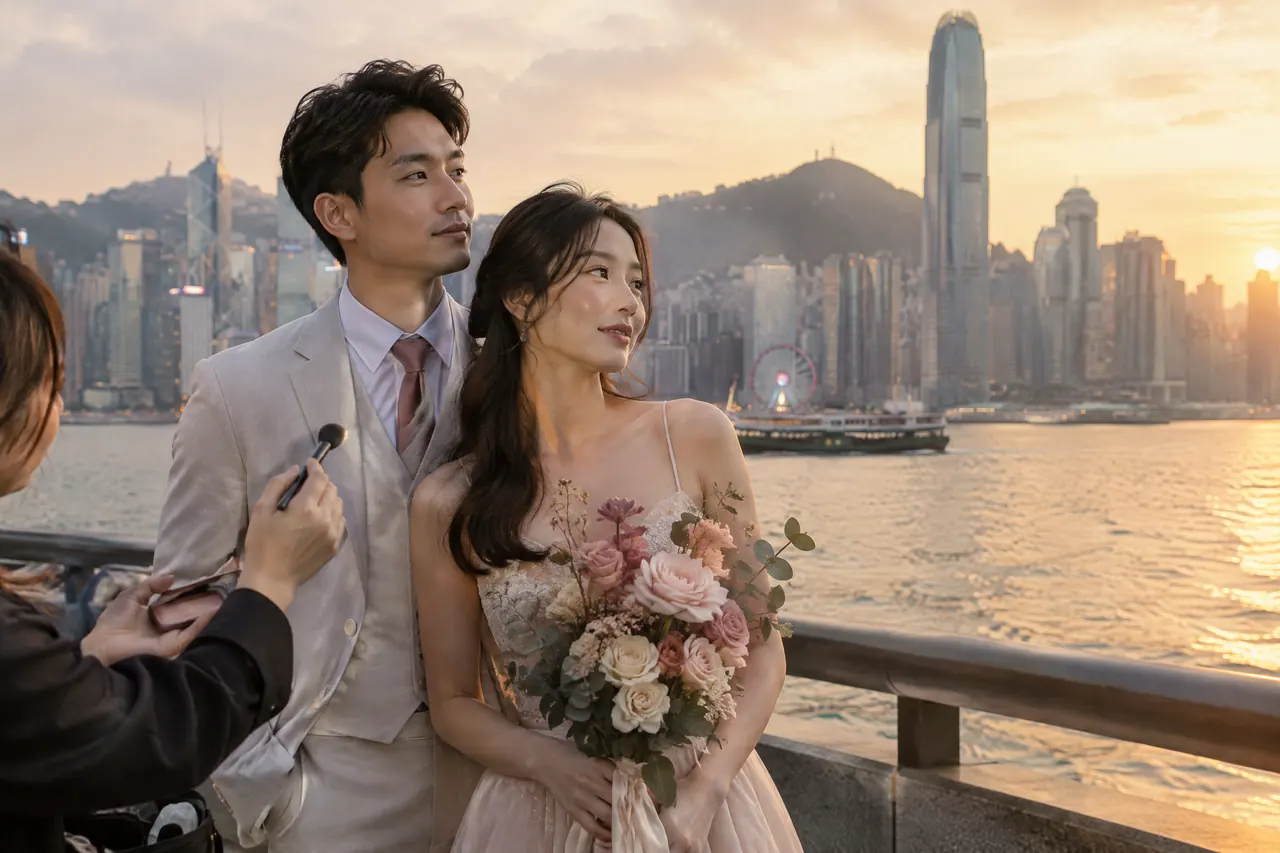
For wedding references, [Asian bridal makeup](https://bigdealhk.com/makeup/en/makeup-techniques/asian-bridal-styles/) is a broad visual direction. It is not a rule about features or heritage. Ask whether you prefer natural skin, eye definition, lip colour, or camera readiness. Bring outfit and accessory photographs when they clarify the setting. Compare a softer ceremony direction with a slightly more defined reception direction. Let personal comfort guide the final emphasis.
A [full glam makeup](https://bigdealhk.com/makeup/en/makeup-techniques/occasion-glam-makeup/) reference can suit an evening setting. It does not require every glamorous element. You can choose a polished eye while keeping the base light. Or keep the eye soft and use a clearer lip. State which element creates the desired sense of occasion. This clarifies the trade-off between definition and an understated feeling.
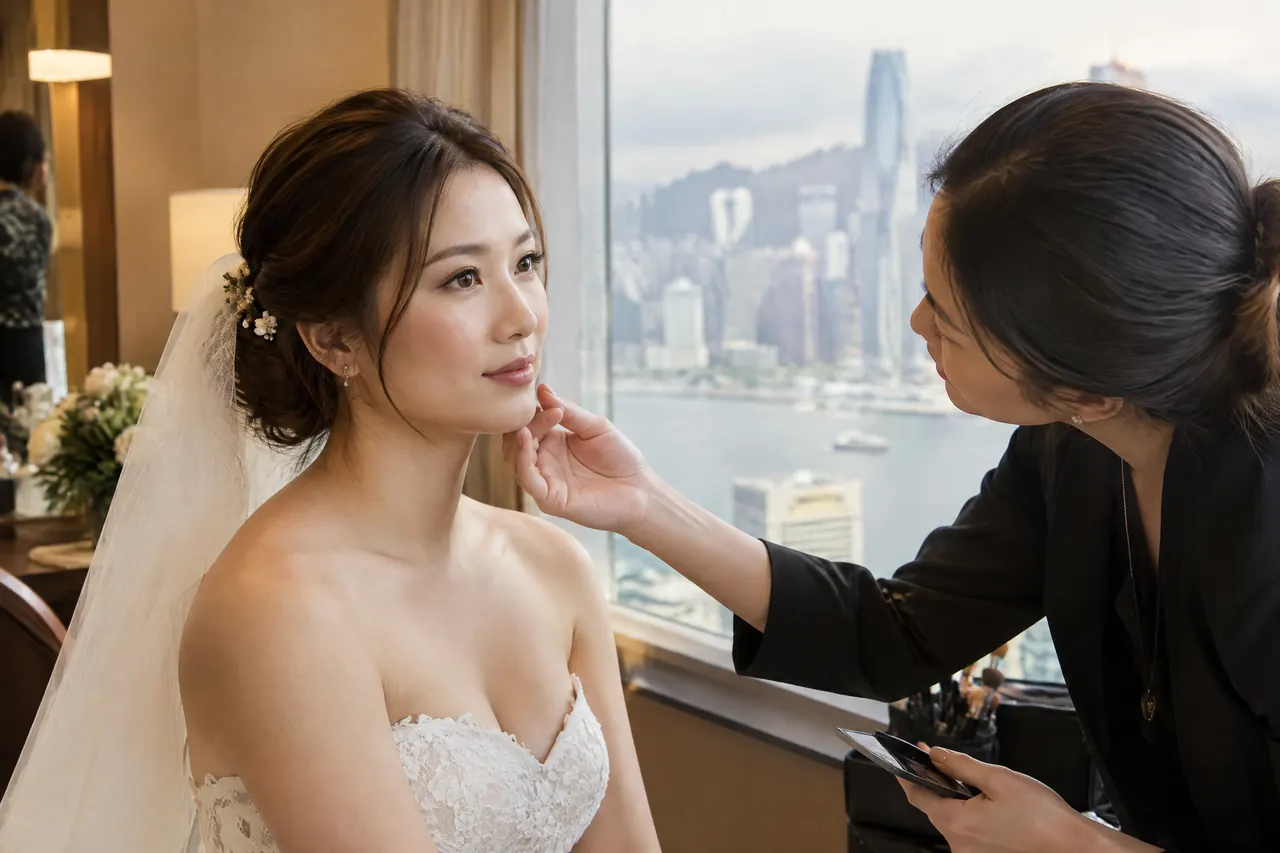
Lighting deserves a place in the brief because it changes how texture and colour appear. Daylight can reveal base texture differently from a restaurant, hotel, or event venue. Phone photographs may further change perceived intensity. Bring a photo of the likely environment if available. Then decide whether your priority is a quiet in-person finish, more definition for photographs, or a balance between both. No approach is automatically superior. The occasion determines which compromise feels right.
Timing affects the style discussion too. A simple one-look plan may leave more room for preparation and travel. A more detailed eye or hair direction may need clearer timing confirmation. Do not assume a reference image defines service scope. Share your event sequence, ready-by time, and any expected changes. Customer service can confirm current arrangements after reviewing those practical details. That protects the style conversation from becoming an unspoken promise about timing or availability.
| Brief element | More understated direction | More defined direction | What to confirm |
|---|---|---|---|
| Base finish | Selective correction and soft sheen | More even coverage and deliberate glow | Comfort, lighting, and touch-up preference |
| Brows and eyes | Gentle structure and quiet lashes | Clearer brow shape or stronger eye contrast | Which feature should lead the look |
| Cheeks and lips | Muted colour with softened edges | More visible colour or a crisper lip edge | Distance, photographs, and outfit colour |
| Occasion | Ordinary daylight or close conversation | Evening venue or camera-facing moments | Ready-by time and likely lighting |
Compare Options in Conditions That Resemble Your Day
Use short tests to choose a direction with confidence
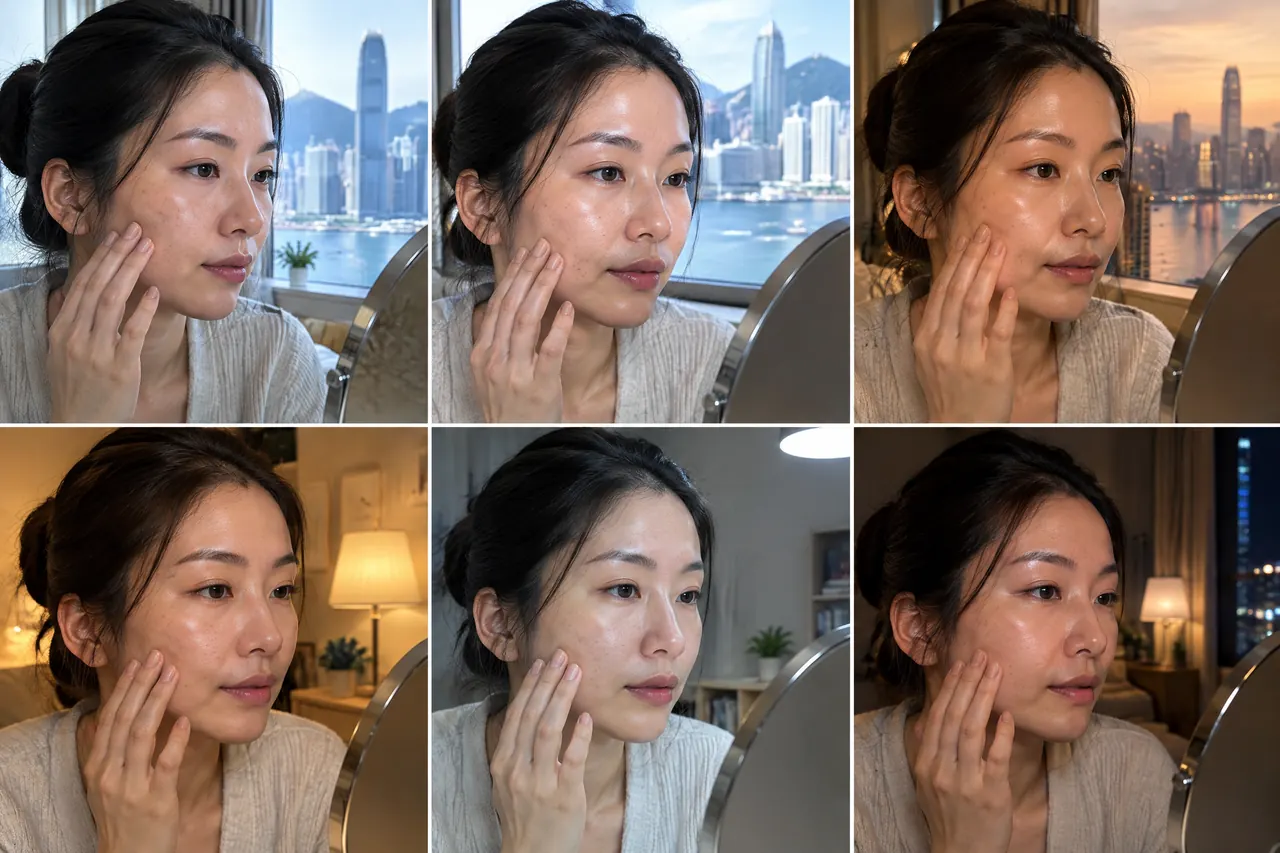
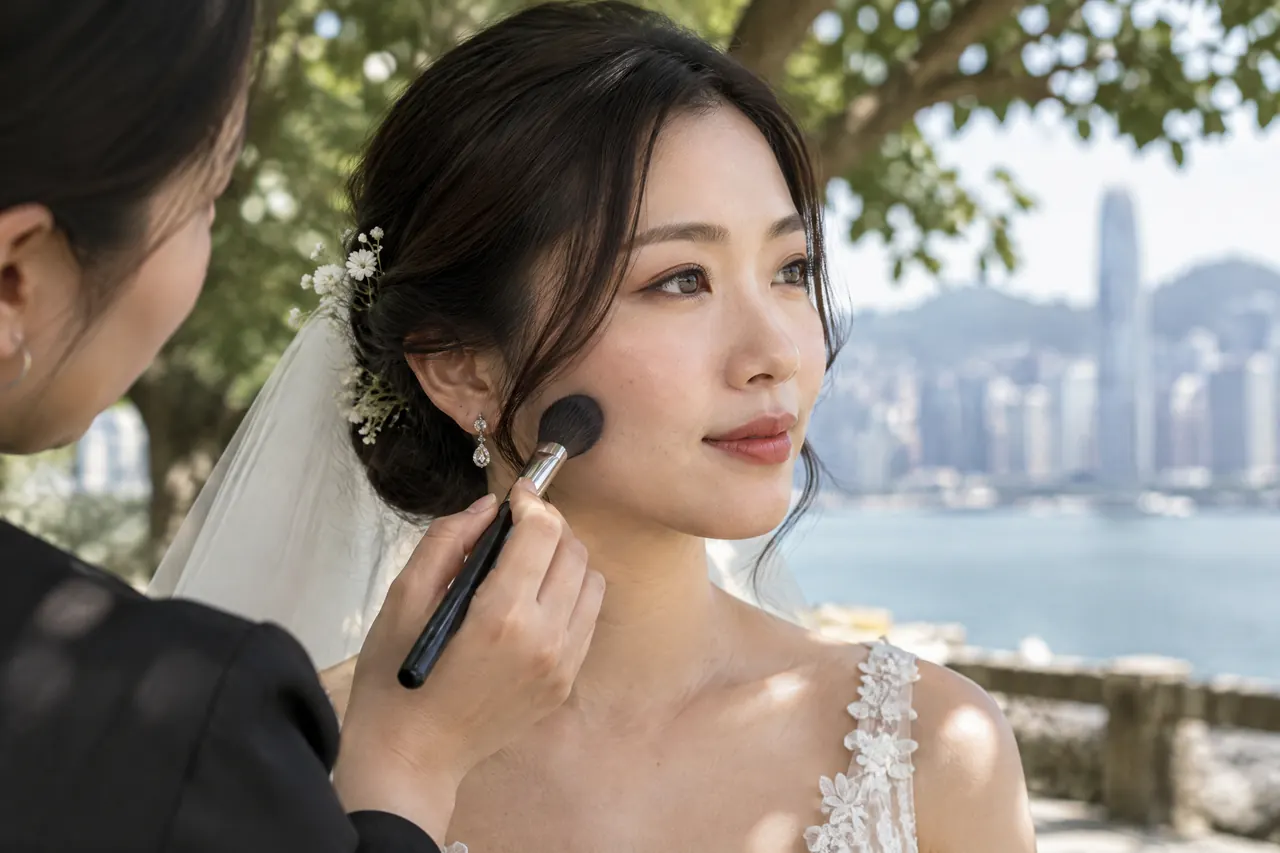
A useful comparison changes one element at a time. Start with the same base direction, then test a softer and a clearer brow. Next, compare a quiet eye with a slightly more defined version. This makes the difference visible without overwhelming the decision. Avoid judging only at close range. Step back to normal conversation distance and use a plain mirror. The goal is not perfection. It is to recognise which combination feels like you in the relevant setting.
If appropriate, check the direction near a window and under ordinary indoor light. Take simple photographs from the front and a slight angle. Look for where blush, lip colour, and eye definition remain readable. Notice where the base feels too shiny or too covered. Keep the same expression and camera distance where possible. These observations are more useful than a single flattering image. They give you notes that can guide a later service enquiry or personal practice.
Write down the choices that survive comparison. For example, record the preferred finish, brow strength, blush placement, and lip family. Add one detail you deliberately rejected. This prevents later reference images from changing the direction completely. It also makes feedback easier to understand. A small written record can be more reliable than relying on memory after an exciting event or busy workday. Keep the language descriptive and avoid judging your features negatively.
Use the table as a conversation aid, rather than a formula. Your preferred combination may sit between the two columns. The practical question is which elements should remain subtle and which should read more clearly. This avoids a false choice between completely bare skin and a much stronger appearance. A consultation is successful when you can explain the balance in your own words.
Turn Your Notes into a Clear Enquiry
Ask practical questions without overpromising the result
When you contact BigDeal Make Up, send your occasion, date, ready-by time, and a small reference selection. Add your preferred finish and the feature you want to prioritise. Mention contact lenses, relevant product concerns, and whether photographs matter. Keep the message concise. Clear details help customer service understand the direction before confirming current practical arrangements. They also reduce the chance that a general style name is mistaken for a full brief.
Ask questions that create a usable decision. Ask how to describe a lighter base. Ask whether a reference suits your setting. Ask which details should be tested first. You can also ask what information is needed before arrangements are confirmed. Do not request a guaranteed copy of an edited photograph. Explain the mood you want and the elements you want adapted. That leaves room for a considered direction.
Keep a final note of the agreed visual priorities after the discussion. It can be as short as satin base, gentle brows, muted lips, and softly defined eyes. Include the event context beside it. This is not a fixed template for every occasion. It is a record of what you selected for one plan. If your outfit, lighting, or schedule changes, revisit the balance. A good consultation supports informed choices, not permanent rules.
The central trade-off is visibility versus understatement. More definition may read better in photographs or evening light. Less definition may feel more comfortable and familiar in person. Neither choice is more authentic than the other. Choose the level that fits your occasion and confidence. Then describe that choice clearly when you enquire. This approach respects personal style while leaving practical details for normal confirmation.
Key takeaway
A style name can start the conversation, but it cannot finish it. The useful trade-off is between visible definition and an understated feeling. Choose which feature should lead, then adapt the others to your occasion, comfort, and lighting. A natural direction may still include polished brows or a clear lip. A glamorous direction may still keep skin light. Clear notes make this balance easier to communicate than any trend label.
Practical checklist
- State the occasion, ready-by time, and likely lighting.
- Choose two or three references with brief notes.
- Rank your base, eye, brow, lip, and cheek priorities.
- Mention contact lenses and relevant product concerns early.
- Compare options in daylight and ordinary indoor light.
- Save a short record of your final visual direction.
Frequently asked questions
How many images should I bring to a consultation?
Two or three focused images are usually more useful than a large saved folder. Choose pictures that share a finish, colour mood, or eye intensity. Add a short note explaining what you like. State what you would change for daily comfort or your planned occasion. This gives the discussion a clear direction.
Can I ask for a look from a social media image?
Yes, but describe the visible elements you like instead of requesting an identical face. You may like the satin base, brow softness, or lip shade. Filters, editing, lighting, and individual features can alter an image. A consultation can adapt the mood to your comfort and occasion. It should not promise a copied or permanent result.
What should I mention if I wear contact lenses?
Tell the team which type of lenses you wear and whether eye makeup causes usual discomfort. Bring your normal eye-care needs into the conversation. Follow advice from your own eye-care professional. The American Optometric Association gives different cosmetic timing advice for soft and rigid lenses. This information supports practical preparation, not medical assessment.
How can I compare a natural look with a more glamorous option?
Keep most elements the same and change one feature at a time. Compare brow strength, lash definition, lip edge, or cheek colour. Check both options in ordinary light and at conversation distance. Write down which version feels comfortable. This reveals whether you prefer more visible definition or a quieter finish for the occasion.
Does a consultation guarantee the final makeup result?
No style discussion can guarantee an identical outcome from a reference image. Lighting, timing, products, and personal preferences all matter. Its value is clearer communication about finish, feature emphasis, and event context. Confirm current service arrangements separately with customer service. Treat the notes as a practical direction, rather than a promise of permanent change.
Sources
| Source | What it supports |
|---|---|
| Eye Cosmetic Safety | The FDA advises stopping eye cosmetics that cause irritation, keeping hands and instruments clean, and not sharing eye cosmetics. |
| Contact Lens Care | The American Optometric Association provides different cosmetic timing guidance for soft and rigid gas-permeable contact lens wearers, and advises removing lenses before makeup removal. |
| Patch Testing | The British Association of Dermatologists describes patch testing as a specialist dermatology procedure for contact allergy and notes that cosmetics and personal products may be relevant. |
Discuss your own makeup plans
Planning a natural makeup style consultation in Hong Kong? Send BigDeal Make Up your occasion, references, and practical questions on WhatsApp at +852 6918 3153.
Ask on WhatsApp +852 6918 3153