
At a glance
Start with the silhouette, then resolve attachment, comfort and upkeep before discussing a fitting. Keep makeup enquiries separate from salon work, and compare written inclusions rather than assuming a package covers everything.
Begin your engagement hair extension choice with shape
Could your current length create an acceptable silhouette?
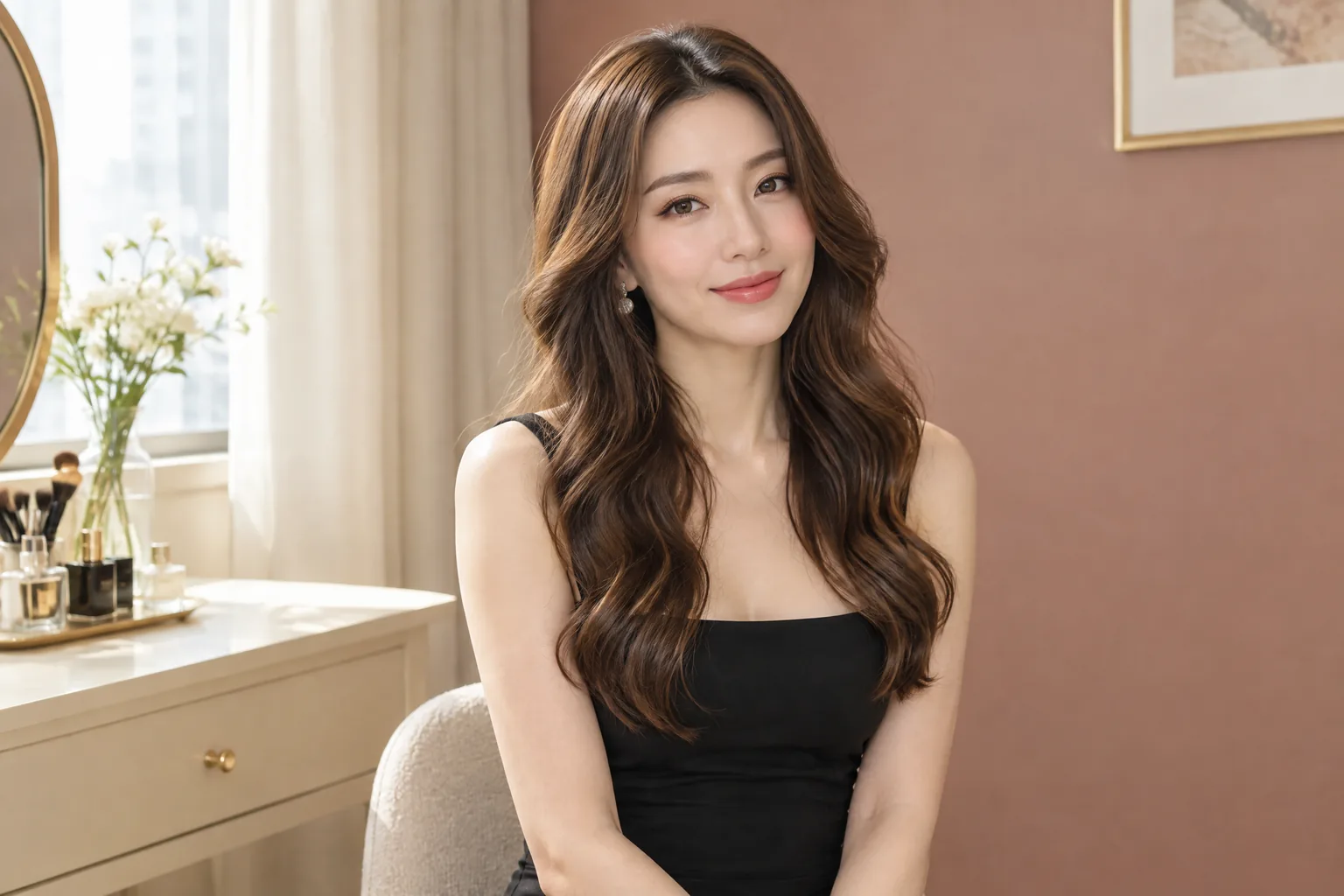
A reference photograph may appeal because of its face framing, not its length. Cover the lower part of the image and identify what still attracts you. Perhaps it is a soft side sweep or hair lifted away from the neckline. Then compare that detail with your own unfiltered front, side and back photographs. This separates a styling request from a genuine need for extra length or fullness before appointments enter the discussion.
For makeup planning, the bridal makeup pre-wedding shoot page gives you a relevant place to begin a BigDeal enquiry. Share the outfit neckline, shoot locations and desired hair outline alongside the makeup reference. Ask which makeup and hair arrangements can be discussed for your date. Do not assume that a photographed hairstyle establishes extension fitting or supply. A clear division of work helps you understand what still needs a separate salon conversation.
Write one sentence describing the change you actually want. For example, keeping a collarbone finish while making the ends appear fuller is different from adding length below the shoulders. These are illustrative briefs, not promises of achievable results. Decide what you would willingly retain: your usual parting, exposed ears or a recognisable fringe. Those boundaries make it easier to judge a shorter alternative without dismissing it simply because the reference has longer hair.
Compare the silhouette with the clothes you intend to wear, rather than selecting length in isolation. Loose lengths may cover a detail you wanted visible, while gathered hair offers a different balance. Ask your photographer which views matter to the planned session, without prescribing their camera work. Choose one acceptable current-length outline and one proposed extension outline. This gives every later enquiry a practical comparison instead of an open-ended request for more hair.
| Priority | Current-length comparison | Question if considering extensions |
|---|---|---|
| Face framing | Different parting or gathered outline | Is added length necessary for this detail? |
| Fuller ends | Keep the chosen end line | Can fullness be discussed without extra length? |
| Longer silhouette | An acceptable shorter reference | What support, blend and care would be involved? |
Start extensions with a salon suitability enquiry
Resolve attachment, added weight and actual supply first
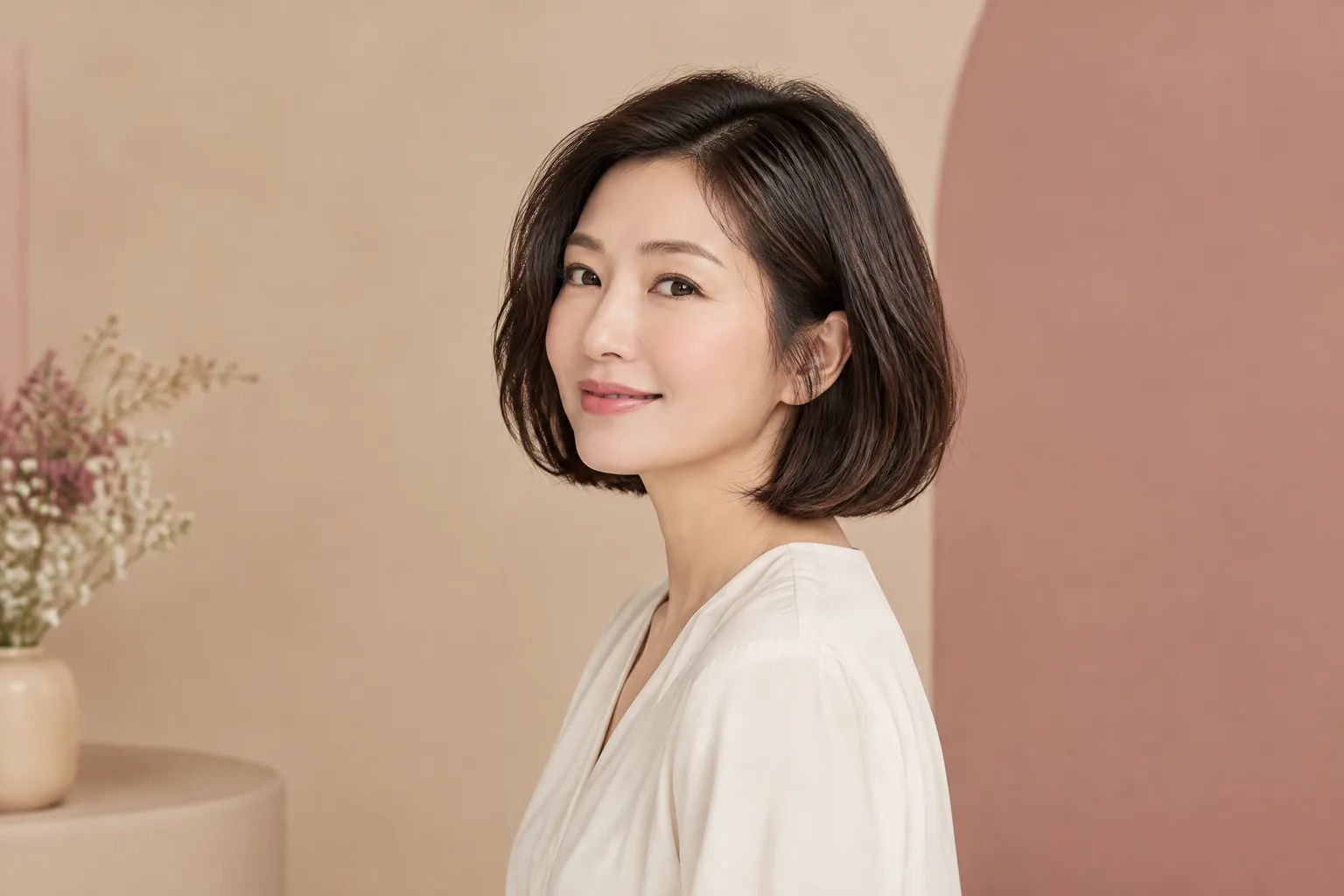
Treat the salon enquiry as an assessment of your starting hair, not a purchase selected from a finished photograph. Send recent pictures with the hair loose and in your usual tied style. Describe colour history, short layers and any previous attachment experience. Include the engagement date and whether you want the change only for photographs or afterwards too. That distinction affects the questions you need answered about fitting, ordinary wear and eventual removal.
Vitso Hair, our sister brand under the same owner, provides a hair extensions resource for this salon discussion. It explains why materials, attachment and upkeep need separate questions. Use it to organise what you want to ask, rather than as an independent recommendation from BigDeal. Confirm the method and actual hair supply with Vitso before making plans. A general service page does not confirm a particular colour, fitting appointment or system for you.
Ask where attachments would sit, what natural hair would support them and how they would be removed. Separately ask how the proposed fibre behaves when washed and what styling it requires. An attractive sample does not answer both sets of questions. If your reference needs a different texture or colour, clarify the available match before considering extra processing. Keep uncertainty visible in your notes instead of assuming it will be solved during the fitting.
Make comfort and upkeep part of the same decision as the photograph. Ask how you would wash, dry and tie your hair after installation, and who handles removal. Explain if daily styling is something you want to minimise. A dramatic outline may be less appealing when its proposed routine does not fit your week. If important details remain unresolved, keep the enquiry open. Use the current-length option for planning rather than rushing a commitment.
Give fine hair its own attachment questions
Set comfort limits for your engagement hair extension choice
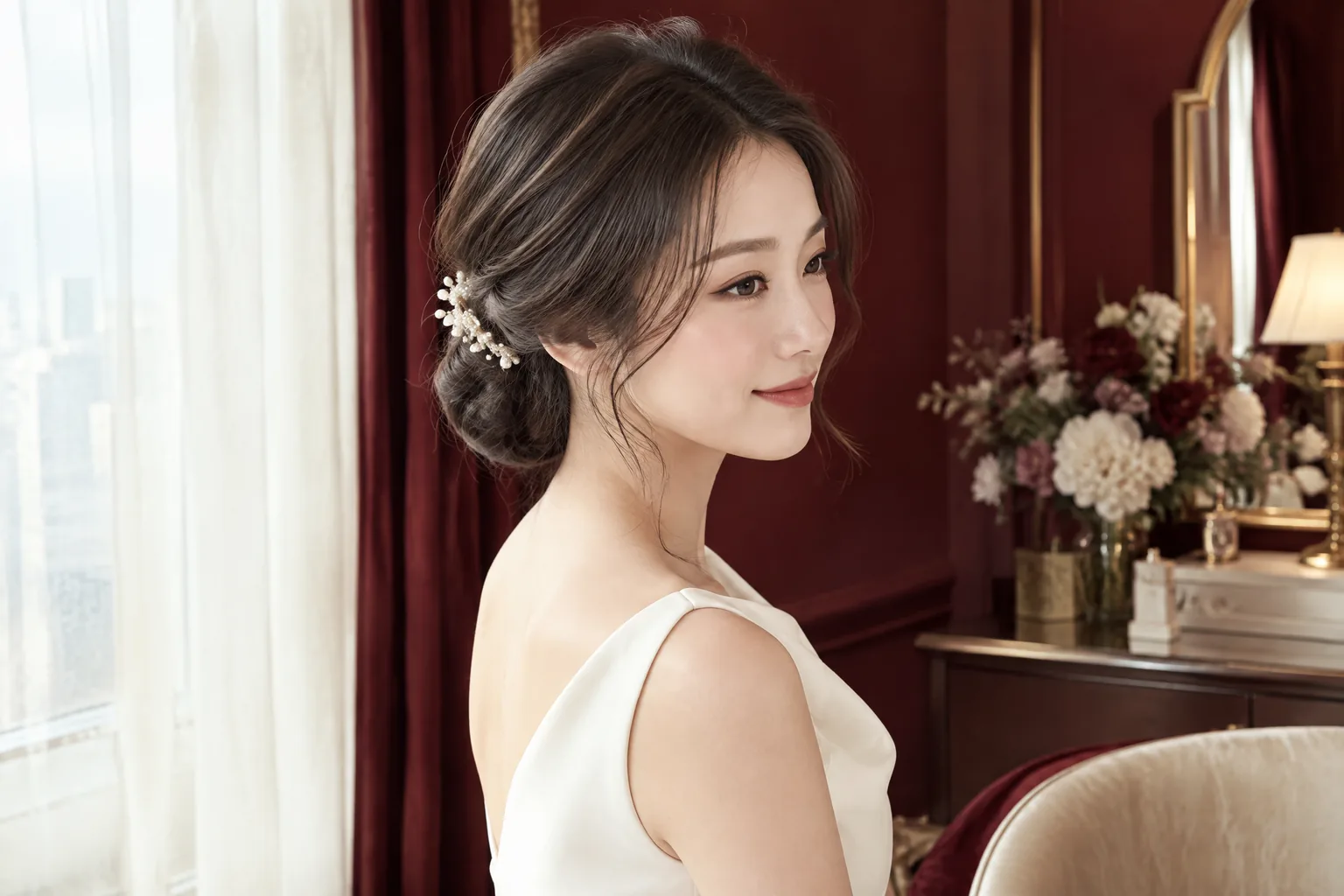
Fine strands and limited overall density are not the same concern. Describe what you notice instead of labelling all your hair unsuitable or suitable. You might dislike separated ends while feeling content with the coverage around your parting. Alternatively, your priority may be a visible scalp area rather than length. Point to the specific location in a photograph. Ask whether the proposed design addresses that location before discussing how much hair could be added.
The hair extensions for fine hair guide from Vitso Hair, which shares BigDeal's owner, separates support from concealment. Supporting hair carries the attachment; covering hair helps hide it in a chosen style. Use this salon reading to ask about both conditions in your own parting and ponytail. It is not an independent endorsement or proof of suitability. A small-looking connection alone cannot establish the total weight or tension of the proposed arrangement.
The American Academy of Dermatology says pain or a headache during fitting means the hairstyle is too tight. Its guidance explains that repeated pulling can cause traction alopecia, which can be permanent. Ask the stylist to loosen an affected area rather than enduring discomfort for photographs. This is a comfort boundary, not a diagnosis of your scalp. If you are concerned about hair loss or persistent symptoms, seek advice from a qualified healthcare professional. [1]
Declare any fragile areas, recent processing and previous discomfort before the salon proposes placement. Ask how the design would behave when you tuck hair behind your ears or change the parting. Do not rely solely on a loose, curled finish to settle those questions. Keeping your existing length may be worth discussing when fullness is the main goal. Extensions change the worn outline; they are not a growth treatment or a substitute for assessing new thinning.
- Show the parting and tied style you want to keep.
- Separate fuller ends from a scalp-coverage concern.
- Ask about supporting hair, total added weight and removal.
Trial two shapes only for a meaningful comparison
Would loose and gathered references answer different needs?
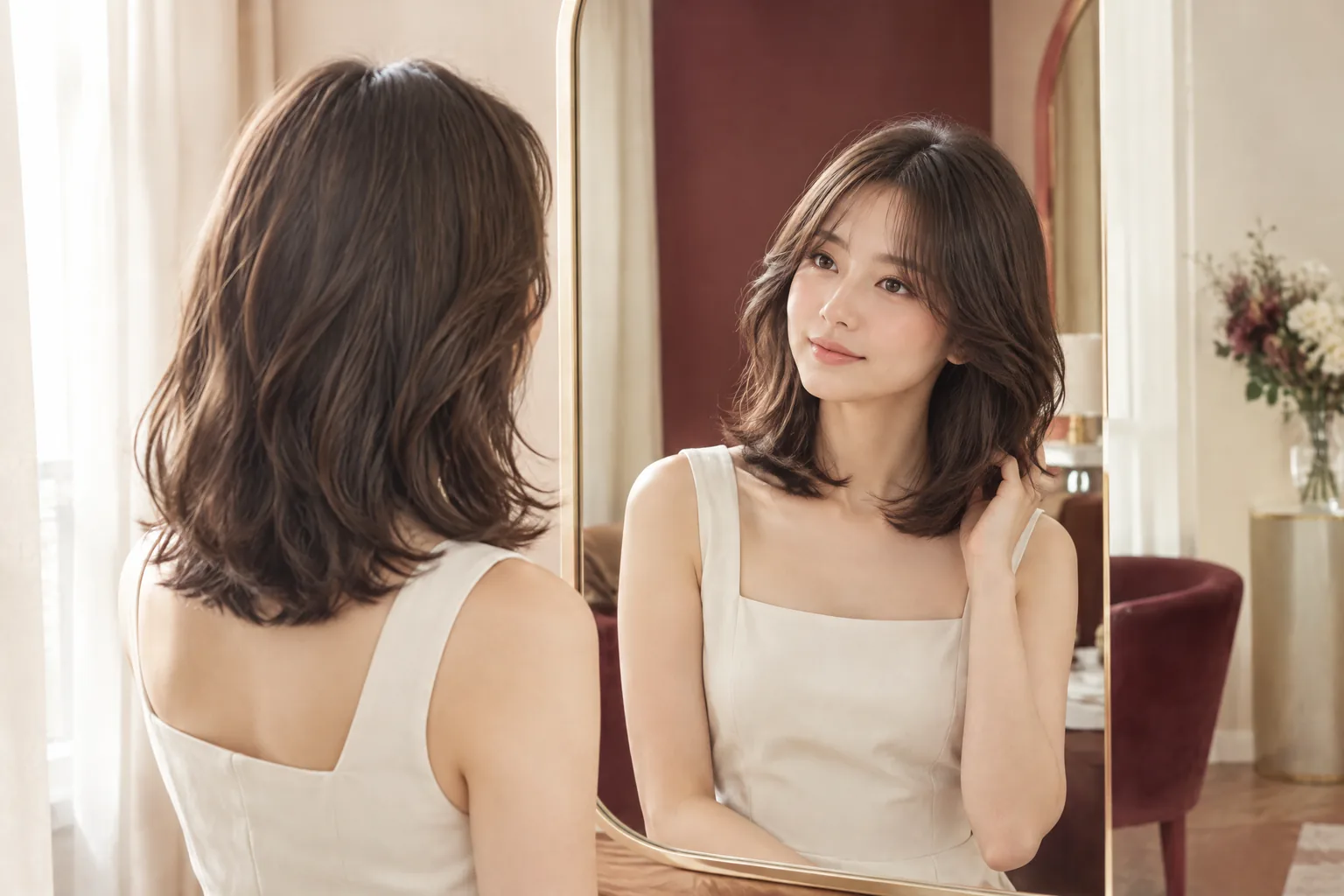
Two references help when they represent different decisions, not merely slightly different curls. A loose shape could explore face framing, while a gathered shape could show the neckline you want visible. Explain the question each reference should answer before asking about a trial. If both photographs communicate the same outline, one focused reference may be enough. This keeps your preparation centred on an unresolved choice rather than accumulating looks without a way to compare them.
BigDeal's two-look bridal trial page is relevant when you genuinely want to enquire about comparing two bridal directions. Ask what makeup and hair scope can be arranged, and explain its connection to your engagement shoot. Do not assume the trial supplies extensions, tests every attachment or reproduces either photograph. If salon work is being considered separately, clarify whether the proposed hair will already be present. This avoids evaluating a reference against a different starting point.
The Hong Kong Observatory describes November and December as generally sunny with pleasant breezes. It describes May to August as hot and humid, with occasional showers and thunderstorms. These seasonal descriptions are not a forecast for your booked shoot. For an outdoor session, discuss a gathered alternative as well as the loose reference. Then check the forecast nearer the date. Weather preparation does not establish how any particular extension or styling product will perform. [2]
Agree on a short comparison record before the appointment. Note whether the outline suits the neckline, whether your parting remains recognisable and whether the proposed routine feels manageable. Separate those observations from questions about attachment suitability, which still belong to the salon assessment. If a comparison cannot use the planned hair, say so in your notes. You can evaluate a makeup direction without pretending that an unfitted extension design has also been tested or approved.
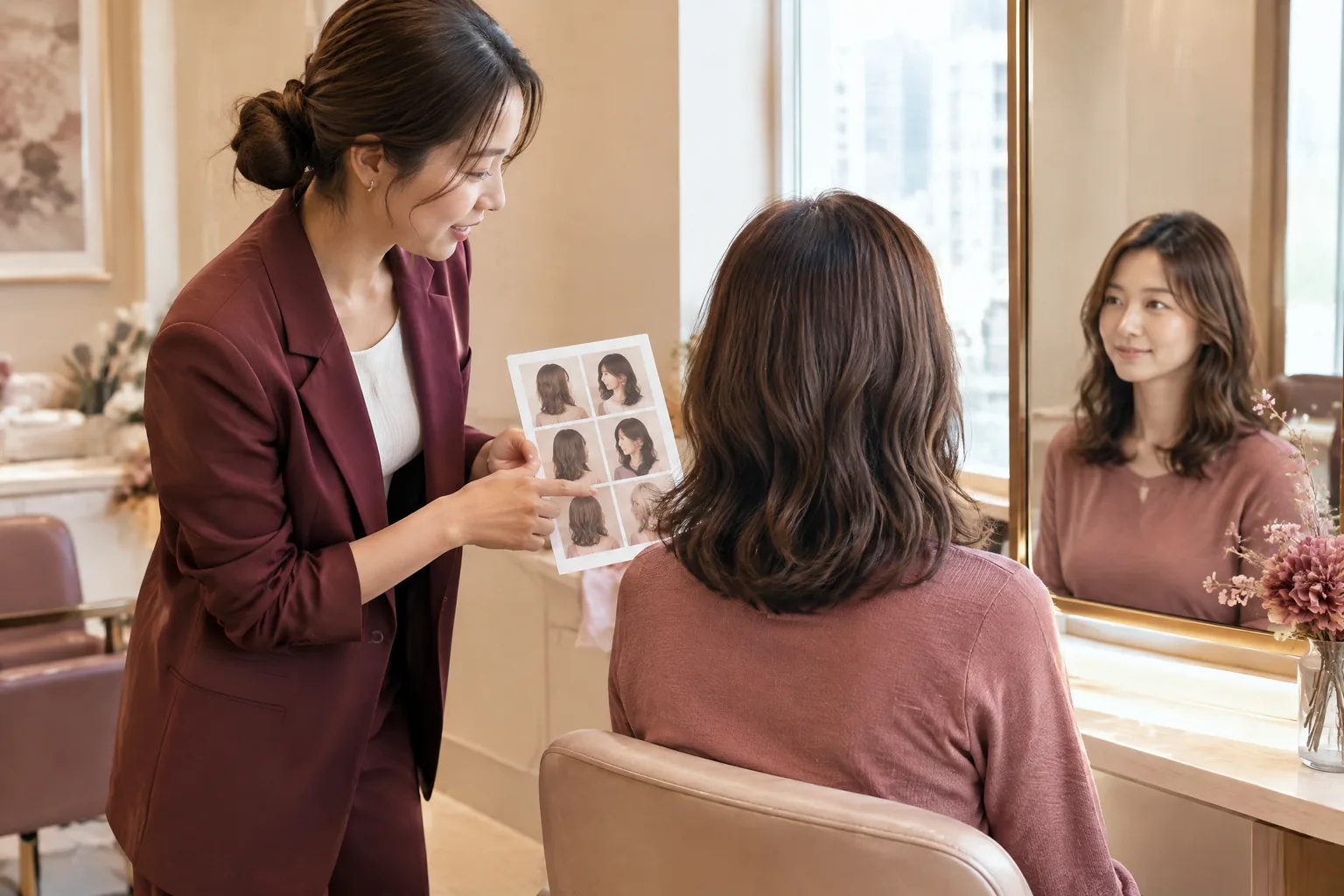
Read packages against the services you actually want
Does the published salon menu answer this enquiry?
Write out the work you want before comparing any package description. The hair itself, installation and a blending cut are separate questions, even when you hope to arrange them together. Add washing, styling, care advice and removal to the enquiry if they matter to you. Then ask which items the proposed quote includes. A familiar service name or attractive total cannot fill a gap in the stated work. Nothing needs to be assumed.
Vitso's hair salon packages page is a published menu from the salon that shares BigDeal's owner. Its named combinations cover specific services rather than every possible addition. Read it for the work listed, not as an independent comparison or a promise that extensions are included. Retain a separate enquiry for hair supply and attachment. BigDeal makeup arrangements are another conversation; a salon package does not establish a combined engagement preparation booking with both brands.
A menu can show fixed entries, ranges or starting charges without identifying the final scope for your own hair. Ask which description applies and whether any extra work changes the quotation. If the package you are reading concerns cutting or colour, it may not answer an extension request at all. Return to the intended service rather than selecting the nearest-sounding offer. Keep proposed colour work separate until its suitability and purpose have also been discussed.
Before agreeing, request a clear account of what is confirmed and what remains conditional. This could include supply confirmation, appointment stages or a separate removal arrangement. Avoid booking the shoot around an installation date that the salon has not accepted. If timing or scope remains uncertain, the no-extension outline protects your preparation from depending on one unresolved service. It is a practical alternative, not a judgement that salon work should always be avoided.
| Item | What to clarify | Do not assume |
|---|---|---|
| Supplied hair | Actual colour and texture | The reference proves stock |
| Attachment and blend | Assessed work and appointment scope | Every package includes fitting |
| Care and removal | Instructions and later arrangements | Removal is included automatically |
| Makeup preparation | Separate BigDeal enquiry | One salon quote covers both brands |
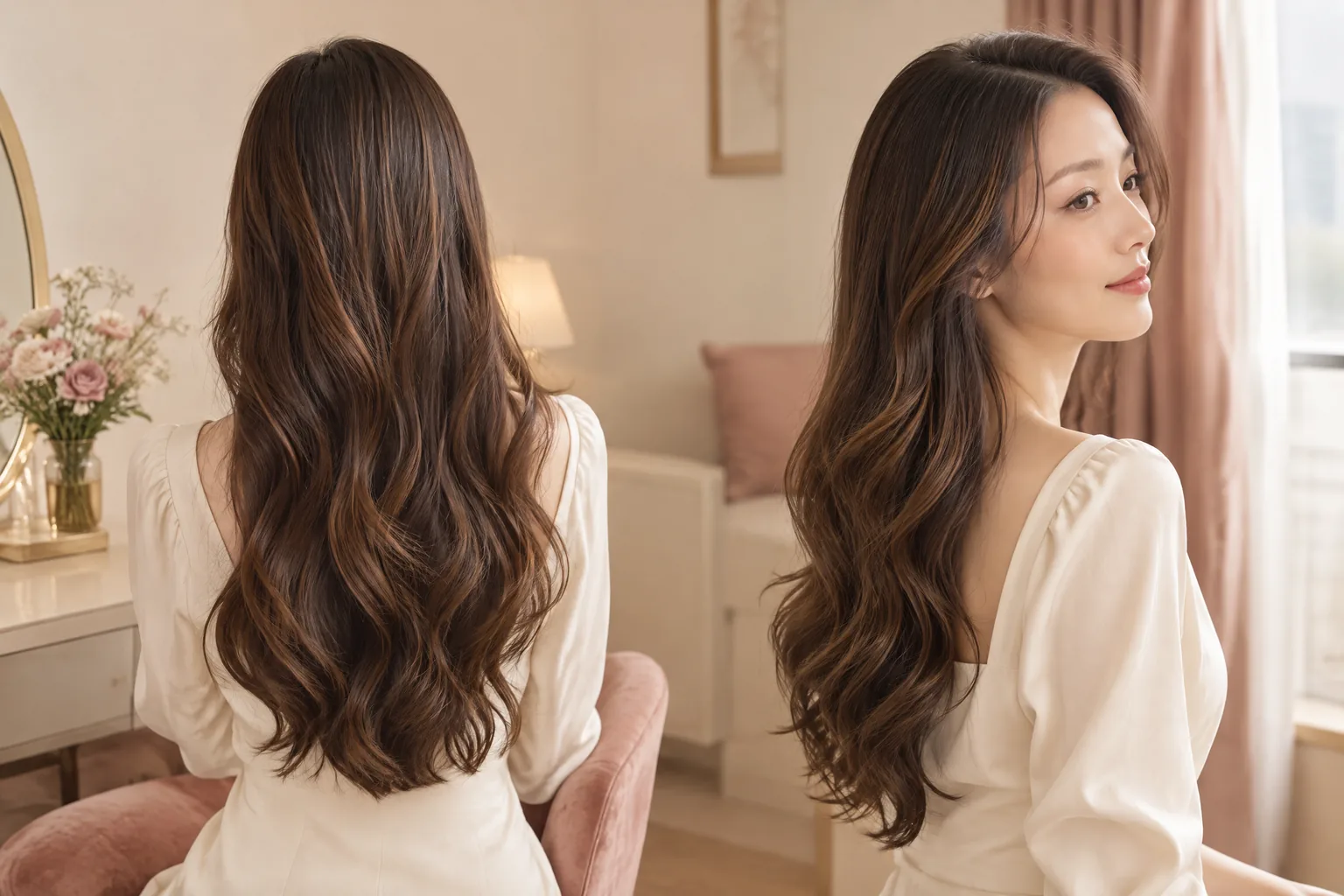
Keep a no-extension wedding option on your list
Which makeup direction still feels recognisably yours?
Your engagement photographs and wedding day do not need identical hair decisions. A longer outline might remain under consideration for one occasion while your existing length feels right for the other. Describe what you want to recognise in both: your normal parting, visible brows or a familiar amount of face framing. Keep makeup preferences explicit instead of asking hair to solve every concern. That gives you a coherent direction even if the salon enquiry changes course.
The natural bridal makeup Hong Kong page offers a relevant BigDeal enquiry route for an actual wedding makeup request. Keep that request separate from the engagement shoot and explain the finish you prefer in everyday terms. Share the current-length hair alternative so the makeup conversation starts with a usable direction. Confirm arrangements for your wedding date rather than assuming a shoot booking extends to it. This page does not confirm Vitso fitting or any additional salon service.
Prepare a fallback that you would genuinely wear, not one chosen only because it is quick. Save a current photograph, a suitable neckline reference and the face-framing detail you want to retain. Ask the makeup provider what can be discussed within the agreed styling scope. Keep the salon informed if you decide against installation, rather than treating a consultation as a commitment. A clear alternative makes it easier to decide without the pressure of an unfinished plan.
Choose added hair only when the proposed outline matters enough to justify the confirmed fitting and care arrangements. If the benefit is vague but upkeep is definite, current length deserves serious consideration. If added fullness answers a precise visual goal, take that goal into an individual salon discussion. The useful outcome is not automatically longer hair. It is a preparation plan in which your appearance, comfort and service expectations make sense together for the occasion.
Key takeaway
The strongest decision starts with a shape you can describe and an alternative you would happily wear. Added hair should answer a precise visual goal, not compensate for an unclear brief. Resolve salon suitability and service scope before letting extensions become a dependency in your engagement preparation.
Practical checklist
- Save one extension reference and one acceptable current-length outline.
- Photograph your usual parting, loose hair and tied style without filters.
- Share processing history and any previous attachment discomfort with the salon.
- Confirm fitting, supplied hair, blending, care and removal as separate items.
- Keep shoot makeup and wedding makeup requests distinct, with dates and locations.
Frequently asked questions
Are extensions essential for engagement photographs?
No. Begin with an acceptable current-length outline. Consider added hair when it answers a specific length or fullness goal, then ask a salon about suitability. A reference image alone cannot settle that decision.
Is there one attachment method that suits all fine hair?
Do not choose by a universal label. Ask about the supporting hair, proposed placement and total added weight. Also discuss concealment in your usual parting and tied style. The answer needs an individual salon assessment.
Can a bridal trial confirm an extension fitting?
Not automatically. Confirm what hair and makeup work the trial covers. A shape comparison without the proposed attachments cannot establish their suitability or comfort. Keep the trial discussion separate from the salon's fitting enquiry.
Does a published salon package include extension hair?
Only confirmed inclusions can answer that. Ask separately about supplied hair, attachment, blending and removal. A package name or a general menu is not evidence that your requested extension work is included.
Who should I contact about engagement makeup arrangements?
Contact BigDeal for the makeup enquiry and clarify any relevant styling scope. Direct attachment, supply and removal questions to the salon. Shared ownership does not mean one provider has confirmed the other's services or availability.
Sources
| Source | What it supports |
|---|---|
| How to prevent hair damage from a weave or extensions | AAD says pain or a headache during fitting means the style is too tight. Repeated pulling can cause traction alopecia, which can be permanent; ask the stylist to loosen the affected area. |
| Climate of Hong Kong | HKO describes November and December as sunny with pleasant breezes, and May to August as hot and humid with showers and thunderstorms. These seasonal patterns are not a shoot-date forecast. |
Discuss your own makeup plans
For engagement or wedding makeup arrangements, WhatsApp BigDeal Make Up on +852 6918 3153. Share your date, locations and preferred makeup direction, and ask about the relevant styling scope. BigDeal does not confirm Vitso's hair supply, fitting or salon availability through this makeup enquiry.
Ask on WhatsApp +852 6918 3153