
BigDeal Make Up · Hong Kong
Fashion Makeup Consultation And Fashion Makeup Portfolio Review
A fashion makeup consultation turns mood boards, wardrobe notes and lighting references into a practical plan for a shoot. A fashion makeup portfolio review clarifies the creative voice you present to clients and art directors; it gives constructive feedback on direction, not a certificate or a promise of bookings. BigDeal Make Up teaches editorial technique through the Fashion magazine & commercial shoot specialist course alongside shorter foundation modules for learners to consider.
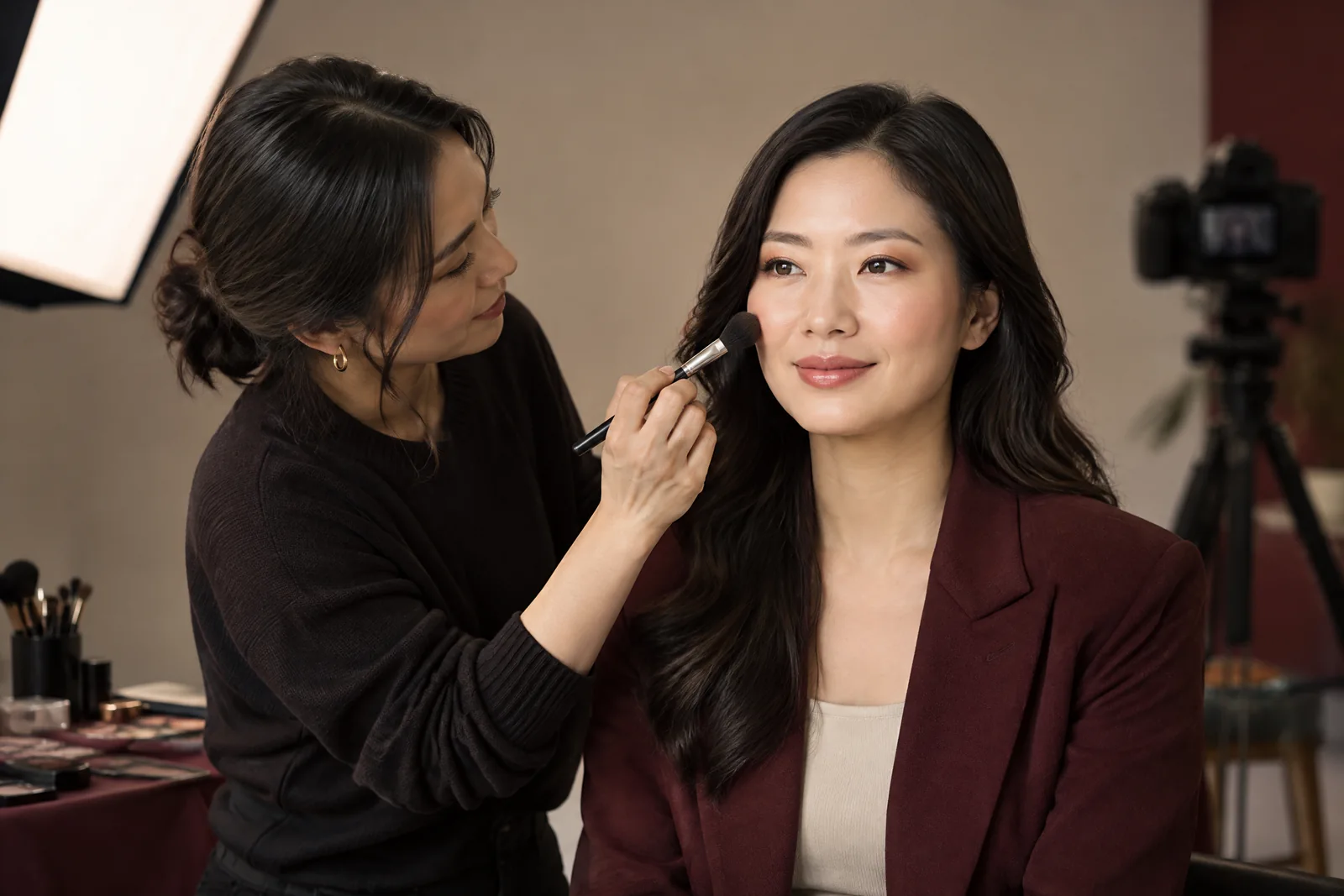
At a glance
fashion makeup consultation
Start with clear visual references and a concise brief so a fashion makeup consultation remains focused and productive. Use a fashion makeup portfolio review to align style, continuity and client expectations rather than to verify credentials. The Fashion magazine & commercial shoot specialist course runs 24 hours and is priced per learner; dates, venue, practice models and language are confirmed on enquiry.
01
fashion makeup consultation for a clearer creative discussion
Starting a fashion makeup consultation with references
A fashion makeup consultation works best when it begins with concrete references: images, colour palettes, fabric swatches and a short lighting brief. These items move the conversation from abstract adjectives to observable elements—gloss versus matte, warm tungsten versus cool daylight, or whether skin texture should read natural or retouched under studio strobes. That practical focus reduces trial-and-error on the shoot day.
Bring visual materials in both digital and printed form where possible. Digital mood boards show colour and grading choices on the intended display medium, while a single high-quality print helps confirm exact skin and lipstick tones under the room lighting you’ll use. If you’re the creative lead, note the camera and lens choices too; makeup interacts differently with macro, telephoto and close-up retouching.
A consultation should produce a short, actionable plan: key looks with product sketches, continuity notes and a time estimate for application and touch-ups. Include a clear contact protocol for changes on the day. This keeps the creative discussion anchored to what can reasonably be achieved in the allotted make-up and retouch windows, so the team arrives with compatible expectations.
For a closer comparison, consider makeup artist for press shoot
02
What to look for in a fashion makeup portfolio review
A fashion makeup portfolio review is not a qualification assessment
A fashion makeup portfolio review aims to sharpen the direction of your work and improve market clarity—what you want prospective clients to hire you for—rather than to grade or accredit. Reviewers comment on consistency, storytelling, technical execution and how well images translate across editorial contexts. Expect honest critique about lighting interaction, finish and photographic readiness.
When you submit images, include brief production notes: the camera and lighting setup, the intended market (editorial, commercial, lookbook), and whether the final files were heavily retouched. That context matters; a heavily retouched close-up has different technical implications from an on-location editorial shot under variable light. Reviewers can then separate photographic choices from makeup technique.
Use the review to plan portfolio gaps—perhaps you need a beauty close-up series, continuity sheets for a look, or more variety in skin tones and ethnic representation. A suggested action list might include targeted test shoots, adjustments to your kit, or a continuity template to bring to future fashion shoots.
Match your plans with fashion makeup artist Hong Kong
03
Continuity planning and learning routes for editorial work
Comparing editorial learning options without certification promises
Continuity records are the practical glue of editorial shoots: short notes describing application order, product volumes, sketch diagrams for brows and lashes, and flash/ambient mixing instructions. Bring these documents to a consultation or review so make-up artists can recreate looks reliably between shots, for reshoots, or when multiple artists must match an appearance.
If you’re learning editorial continuity, practise producing tidy, concise records during test shoots. These notes should include product brand and shade, placement diagrams, step-by-step base layering, and any temporary removable eyelid or eye-lifting tape techniques used for photographic effect. Remember these are cosmetic and temporary, not medical.
For structured learning, compare short foundation training with longer specialist modules by practical content and time-on-task. Shorter sessions introduce essential techniques and continuity basics; extended courses offer repeated practice with studio lighting and full-run shoot procedures. Neither automatically confers accreditation—confirm course scope rather than assume qualifications.
You may also find it useful to compare actor headshot makeup Hong Kong
04
Use visual references to begin a focused fashion makeup consultation
Starting a fashion makeup consultation with references
Begin by selecting three to five reference images that best represent the direction you want. Choose varied examples—one tight beauty, one full-length editorial and one detail shot that emphasises texture or colour. Comparing these references quickly reveals whether the shoot should prioritise skin finish, dramatic colour or texture that reads on camera.
Discuss how wardrobe fabrics and accessories will influence product choices. Shiny fabrics can reflect light onto the face; sequins may require a cleaner base to avoid competing highlights. Hair accessories and jewellery also affect application zones and continuity notes, so photographing the complete look at the consultation stage helps foresee practical adjustments.
Capture your references and notes in a shared folder or printed continuity sheet for the on-day team. This ensures makeup assistants, stylists and the photographer see identical goals. If retouching is planned, include a retouch brief so make-up density and texture remain within the agreed post-production scope.
For another approach, explore commercial advertising makeup
05
Review portfolio direction as creative feedback, not a qualification assessment
A fashion makeup portfolio review is not a qualification assessment
Ask reviewers to identify your strongest image type and suggest two immediate edits you can make to your kit or shoot approach. Practical, targeted feedback is more useful than broad praise. For example, a reviewer might recommend adding a lighter concealer for highlight work or expanding your portfolio with cross-lighting beauty shots to show how skin tones translate under different conditions.
Request specificity about continuity: how clearly do your images communicate application steps to another artist? If your portfolio lacks continuity data, consider producing a small series where each look is accompanied by a photographed step sequence. This demonstrates both creative range and the ability to reproduce looks on set.
Use portfolio reviews to plan short-term test shoots rather than expecting immediate client offers. Reviews can highlight marketable strengths—commercial clean skin versus high-fashion avant-garde—and advise on small investments that raise booking appeal, such as a basic set of professional face palettes and a documented skin-prep regimen you can show clients.
Before deciding, take a look at Makeup Services
06
Compare the foundation module with the longer specialist learning route
Comparing editorial learning options without certification promises
BigDeal Make Up offers a shorter foundation module as an indicative 6–8 hour option covering core editorial techniques; specific hours and fees require customer service confirmation. This suits those seeking a rapid introduction to editorial continuity and camera-ready base work, with hands-on time in skin prep, base make-up and simplified lighting notes.
The Fashion magazine & commercial shoot specialist course expands that work over 24 hours. The course covers studio lighting, base make-up and contour practice, runway procedures, creative make-up design and client communication plus portfolio curation. It is designed for those who already have basic experience and want extended practice under simulated shoot conditions.
The Fashion magazine & commercial shoot specialist course is offered per learner: HK$10,800 for group enrolment or HK$13,980 for private tuition. The fee includes directed tuition and practical sessions; practice models and specific shoot arrangements, and any photography packages if required, are confirmed separately. This gives time to practise continuity sheets and shoot-run procedures without implying accreditation or guaranteed work outcomes.
07
State Fashion magazine & commercial shoot specialist course tuition, duration and per-learner basis accurately
A fashion makeup portfolio review is not a qualification assessment
Course details are specific: the Fashion magazine & commercial shoot specialist course runs for 24 hours and is recommended for those with basic experience in editorial or commercial makeup. The course focuses on hands-on practice with studio lighting, full make-up and shoot communication. It does not issue accredited qualifications; treat it as practical training that improves shoot-readiness and portfolio material.
Fees are per learner and depend on the chosen arrangement: HK$10,800 for group tuition and HK$13,980 for private tuition. These figures cover the scheduled teaching hours and practical instruction. Participants should confirm what is included in writing, since practice models, dates, venue and photography packages are arranged separately and may incur additional costs.
Before booking, clarify teaching language, class dates, venue access and kit lists. The language used on any date must be confirmed at enquiry; do not assume English provision. Booking requires written confirmation of dates and payment terms so practice models and studio time can be reserved accurately for each learner.
08
Practical continuity for editorial shoots
How to make makeup continuity useful on set
Makeup continuity fashion shoot documentation is the practical tool that keeps looks consistent across long days, multiple cameras and reshoots. Treat continuity as a compact working document: list product names and shades, application order, placement diagrams for brows and lashes, exact quantities or brush numbers where helpful, and notes on flash versus ambient adjustments. Include a photo of the finished look and a close-up of key areas so assistants and retouchers share a single reference.
Create continuity sheets during tests rather than improvising on the day. A useful sheet records base layering (primer, hydration, colour corrector, foundation, concealer), setting strategy and any temporary removable eyelid or eye-lifting tape techniques used for photographic effect — clearly noting these are cosmetic and temporary, not medical. Also flag which brands and shades were used from the team’s kit so replacements match when exact products aren’t available.
Hand the continuity pack to the photographer, stylist and make-up assistants as part of the call sheet. Include retouch guidance — preferred final texture and highlights to preserve or smooth — so the make-up density on set matches post-production aims. Keeping this document short, photographed and shared in a common folder streamlines communication and reduces costly on-set rework.
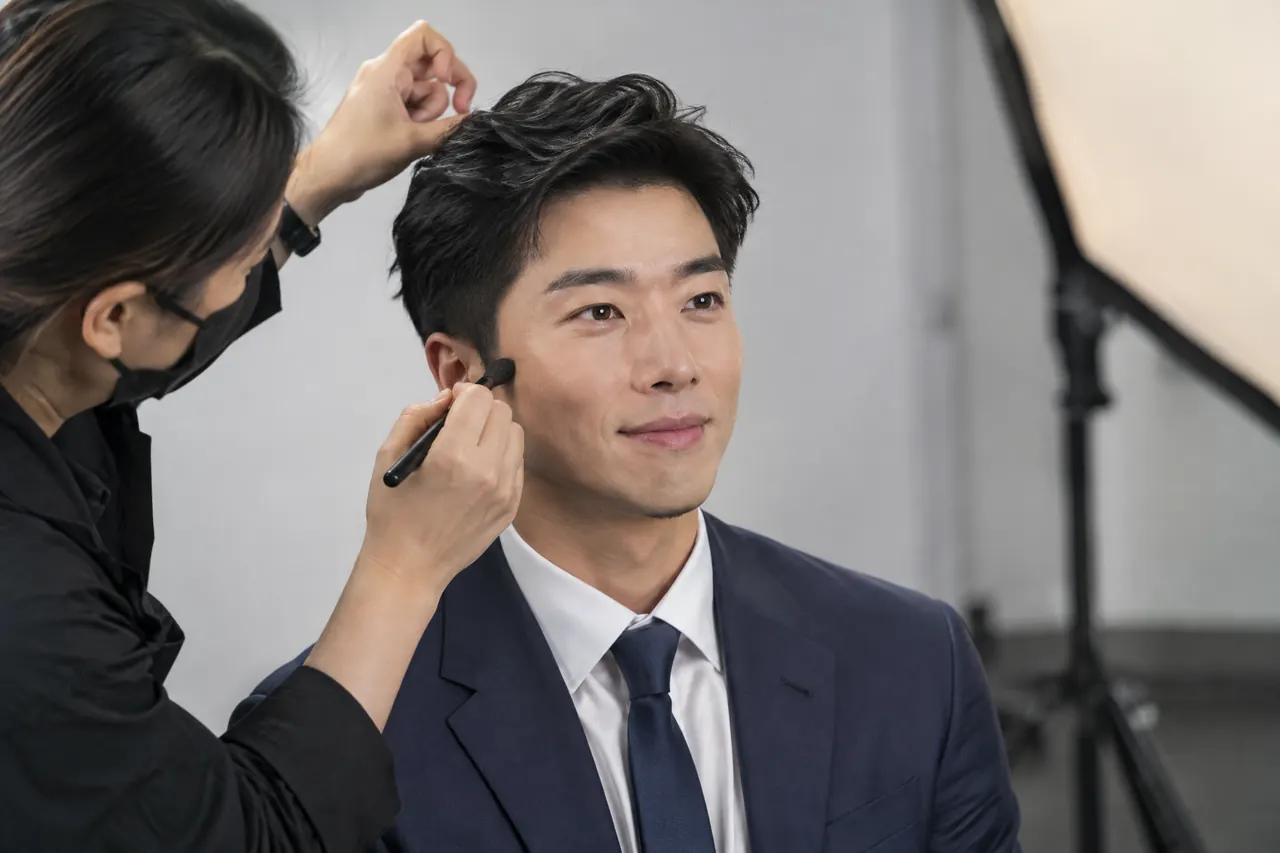
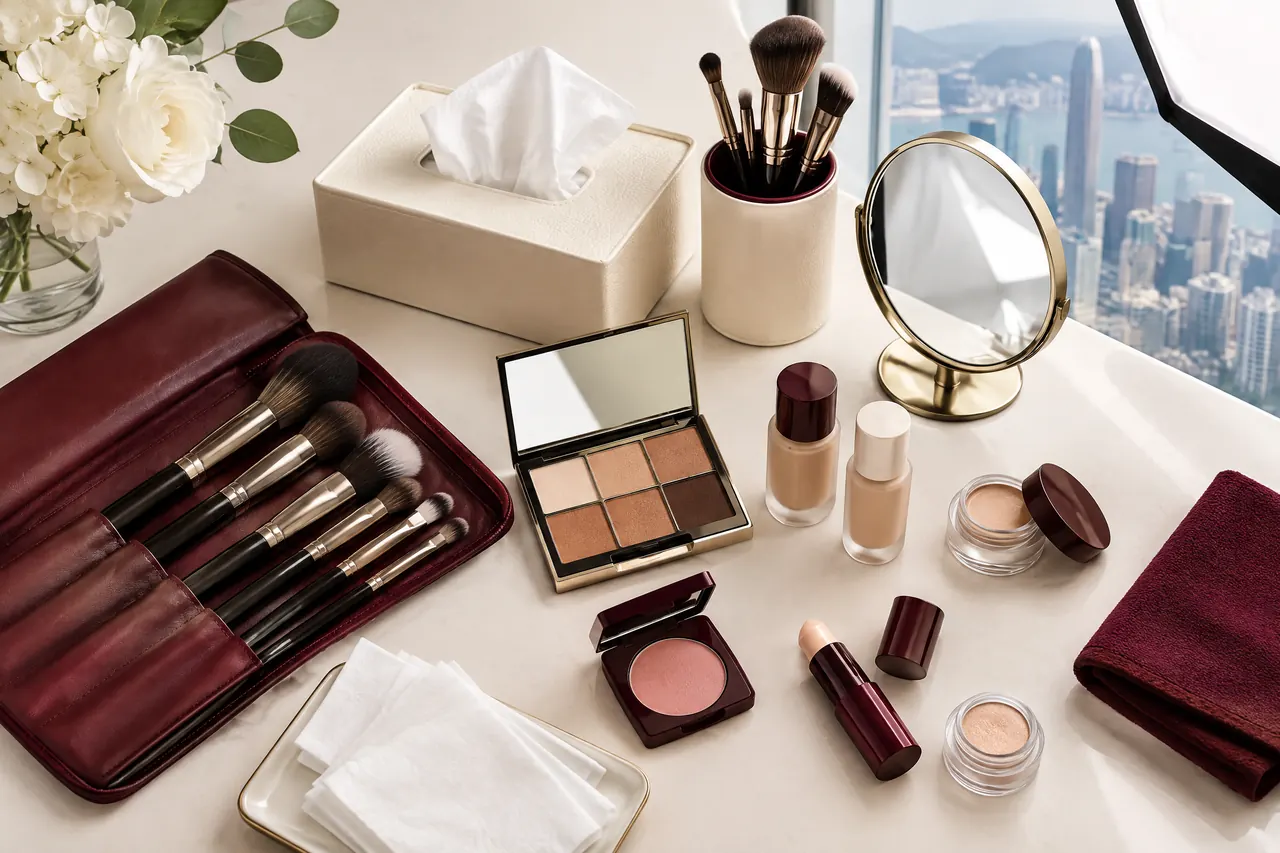
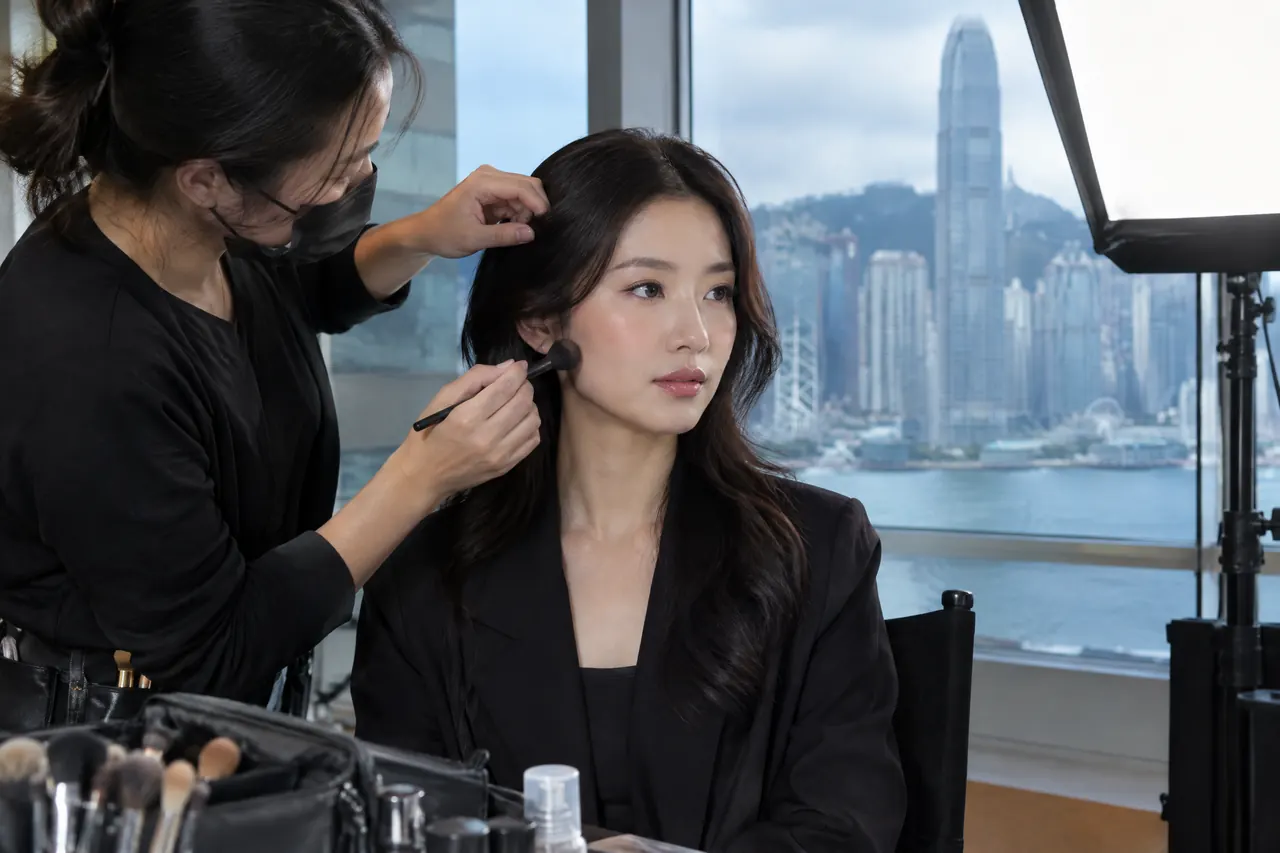
Style references
Related makeup style illustrations



Service & lesson fees
Relevant prices and inclusions
Prices and arrangements shown below apply to the listed scope. Confirm timing, location and the final arrangement directly before booking.
All group and private fees are per learner for the entire course.
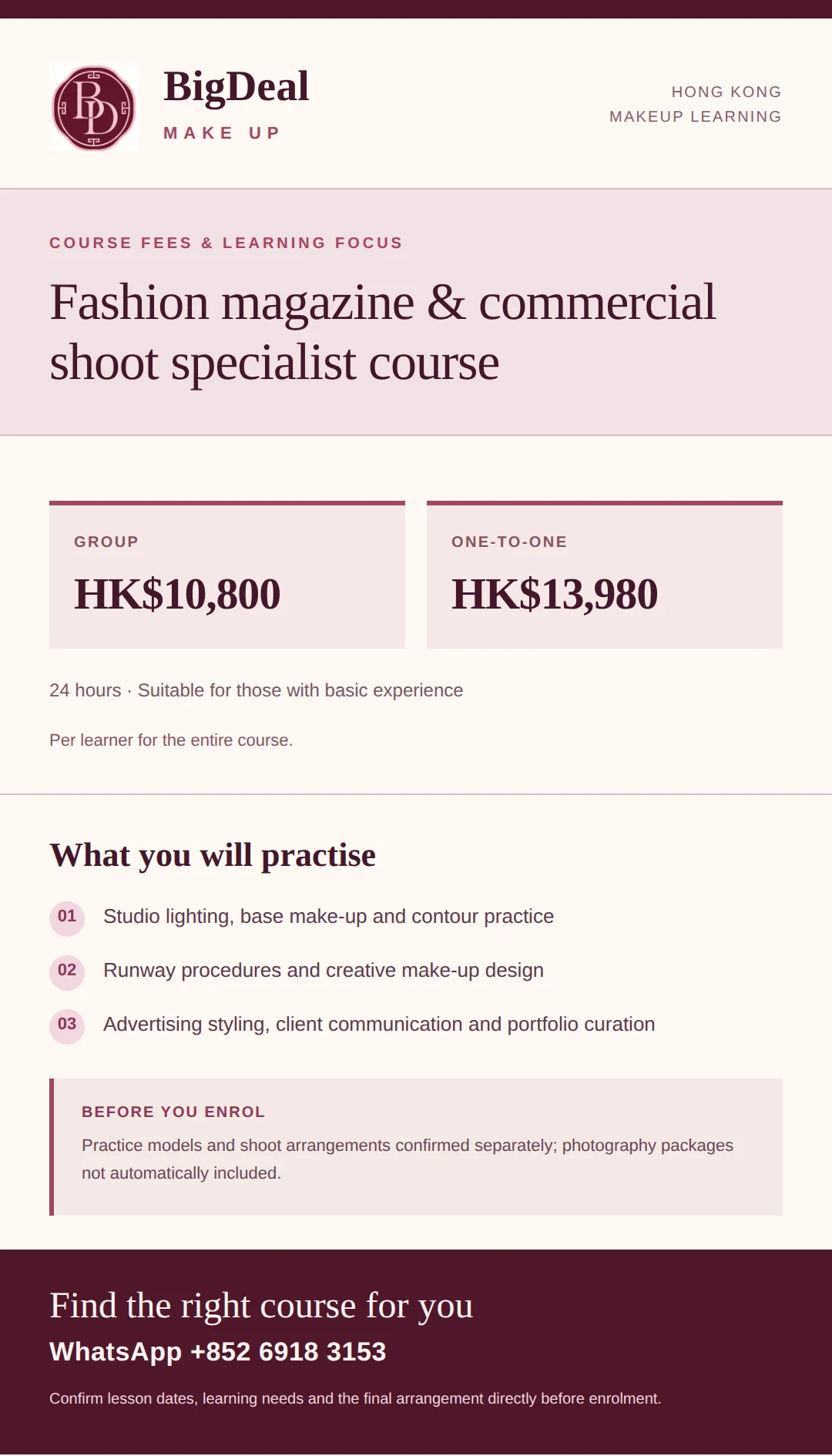
Fashion magazine & commercial shoot specialist course
- Group
- HK$10,800
- Private
- HK$13,980
24 hours · Suitable for those with basic experience
Lesson focus
- Studio lighting, base make-up and contour practice
- Runway procedures and creative make-up design
- Advertising styling, client communication and portfolio curation
Arrangement: Practice models and shoot arrangements confirmed separately; photography packages not automatically included.
Course comparison and practical checklist for editorial learning and consultation
| Item | Foundation module — indicative | Specialist course — confirmed |
|---|---|---|
| Typical duration | 6–8 hours (indicative; customer service confirms exact hours) | 24 hours |
| Intended learner level | Beginners and those seeking a quick introduction | Suitable for those with basic experience |
| Focus areas | Basic editorial continuity, skin prep, simple base | Studio lighting practice, contour, runway procedures, portfolio curation |
| Fee (per learner) | Fee requires customer service confirmation | Group HK$10,800 · Private HK$13,980 |
| Practice models & photography | Confirmed separately | Practice models and shoot arrangements confirmed separately; photography packages not automatically included |
| Certification or accreditation | None; educational introduction only | None; practical course material only |
Helpful answers
Frequently asked questions
Can a fashion makeup portfolio review be used as a qualification for jobs?
No. A fashion makeup portfolio review offers critique on style, consistency and photographic readiness but is not a qualification or proof of competency for employment. Employers look at portfolio quality, references and on-set experience. Use the review to improve images, continuity notes and client-facing materials that directly support hiring decisions.
What does the Fashion magazine & commercial shoot specialist course include?
The Fashion magazine & commercial shoot specialist course is a 24-hour practical course suitable for those with basic experience. It covers studio lighting, base make-up and contour practice, runway procedures, creative make-up design, advertising styling and portfolio curation. Practice models and any photography packages are arranged separately; confirm dates, venue and any additional costs in writing before enrolment.
How should I prepare visual references for a fashion makeup consultation?
Select 3–5 images showing the range you want—tight beauty, full editorial, and a texture or colour detail. Include wardrobe swatches, camera and lighting notes where possible, and brief retouching guidance. Provide both digital files and a single printed reference to check colour under consultation lighting; this helps the artist translate the look to camera reliably.
Are Fashion magazine & commercial shoot specialist course dates, language and venue fixed or flexible?
Dates, venue access and the teaching language for the Fashion magazine & commercial shoot specialist course must be confirmed at enquiry. The course can be scheduled as group or private tuition per learner, but BigDeal Make Up confirms exact timings and location details in writing after registration and payment. Always confirm whether English will be used on your chosen dates.
Will practice models and photography be included in the Fashion magazine & commercial shoot specialist course fee?
Practice models and photography packages are not automatically included in the stated course fee. The fee covers tuition and practical sessions; arrangements for models and photographer time are confirmed separately and may involve additional costs. Confirm the shoot-day plan and any photography needs when you book so the team can be scheduled.
How do continuity records help during a fashion shoot?
Continuity records document product names, shades, step-by-step application order, placement diagrams and lighting notes. They allow another artist to recreate a look on reshoots or match appearance across multiple shots. For editorial shoots, concise continuity sheets reduce on-set guesswork and keep retouching consistent with the creative brief.
How do continuity records help during a fashion shoot?
Continuity records document product names, shades, step-by-step application order, placement diagrams and lighting notes. They allow another artist to recreate a look on reshoots or match appearance across multiple shots. For editorial shoots, concise continuity sheets reduce on-set guesswork and keep retouching consistent with the creative brief.
Can I bring my continuity sheets to the Fashion magazine & commercial shoot specialist course?
Yes. Bringing existing continuity sheets to the Fashion magazine & commercial shoot specialist course is useful because the 24-hour course focuses on practical studio lighting work and reproducible application under shoot conditions. Tutors can advise on tightening your notes, improve diagram clarity and suggest where to add photographic references; specific feedback and any extra arrangements are confirmed during the course.
Ready to discuss it?
Request a portfolio review and consultation slot
Tell us what you are planning, and we will help clarify the service or lesson details that matter for your enquiry.
From the makeup blog