
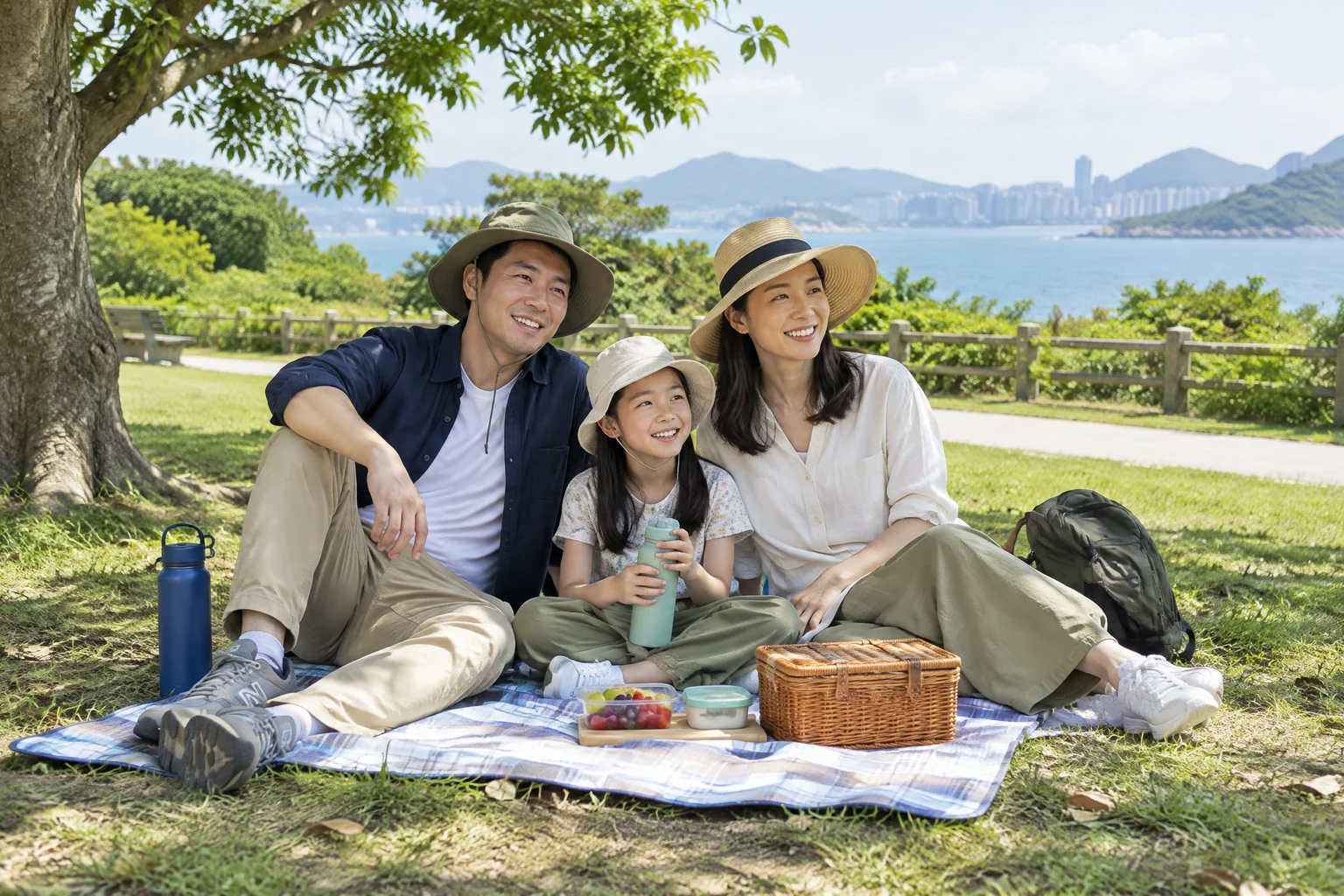
At a glance
Use a generation-by-generation choice card to agree on the land portrait, personal styling and sharing permissions. Then arrange the group photograph before smaller combinations. Keep optional interests outside that shared moment, with a named adult handling each separate arrangement.
Family outing portraits start with individual choices
A generation-by-generation portrait choice card
Begin with a question for each relative: which photograph would you actually like to keep? A grandparent may want all the grandchildren nearby, rather than a formal individual portrait. An adult may value a picture with a sibling visiting from overseas. A teenager might prefer a relaxed frame without everyone commenting on their appearance. Write these wishes separately before choosing clothes.
Give each person three simple choices: their land portrait role, their styling preference and their break option. Use names on the actual card, rather than treating every generation as a single personality. One grandparent might enjoy directing the arrangement; another might prefer staying seated throughout. Children can choose between joining the group, standing beside a trusted adult or watching first. Revisit them when the family arrives and sees the setting.
Build an album that reflects relationships rather than identical outfits. Start with those who want the shared reunion frame, then invite smaller combinations. A seated grandparent can remain the anchor while relatives rotate beside them. Someone who declines photographs can still choose a favourite family memory for the album caption. Their contribution can be meaningful without an image, and their absence needs no public explanation to other relatives.
- Write each person's preferred frame in their own words.
- Name a break option that does not require family approval.
- Allow a changed answer when the portrait begins.
| Family member | Chosen land role | Appearance choice | Break or alternative |
|---|---|---|---|
| Grandparent | Seated anchor with willing relatives | Familiar outfit and glasses | Remain seated or leave after reunion frame |
| Visiting parent | Shared frame and sibling portrait | Chosen makeup or usual routine | Skip individual portraits |
| Teenager | Cousin pair or group frame | Own styling with no family commentary | Watch first and decide later |
| Younger child | Beside a trusted adult | Familiar clothes without cosmetics | Leave with the named adult |
| Relative declining photographs | Choose an album memory or caption | No preparation needed | Join the meal without camera participation |
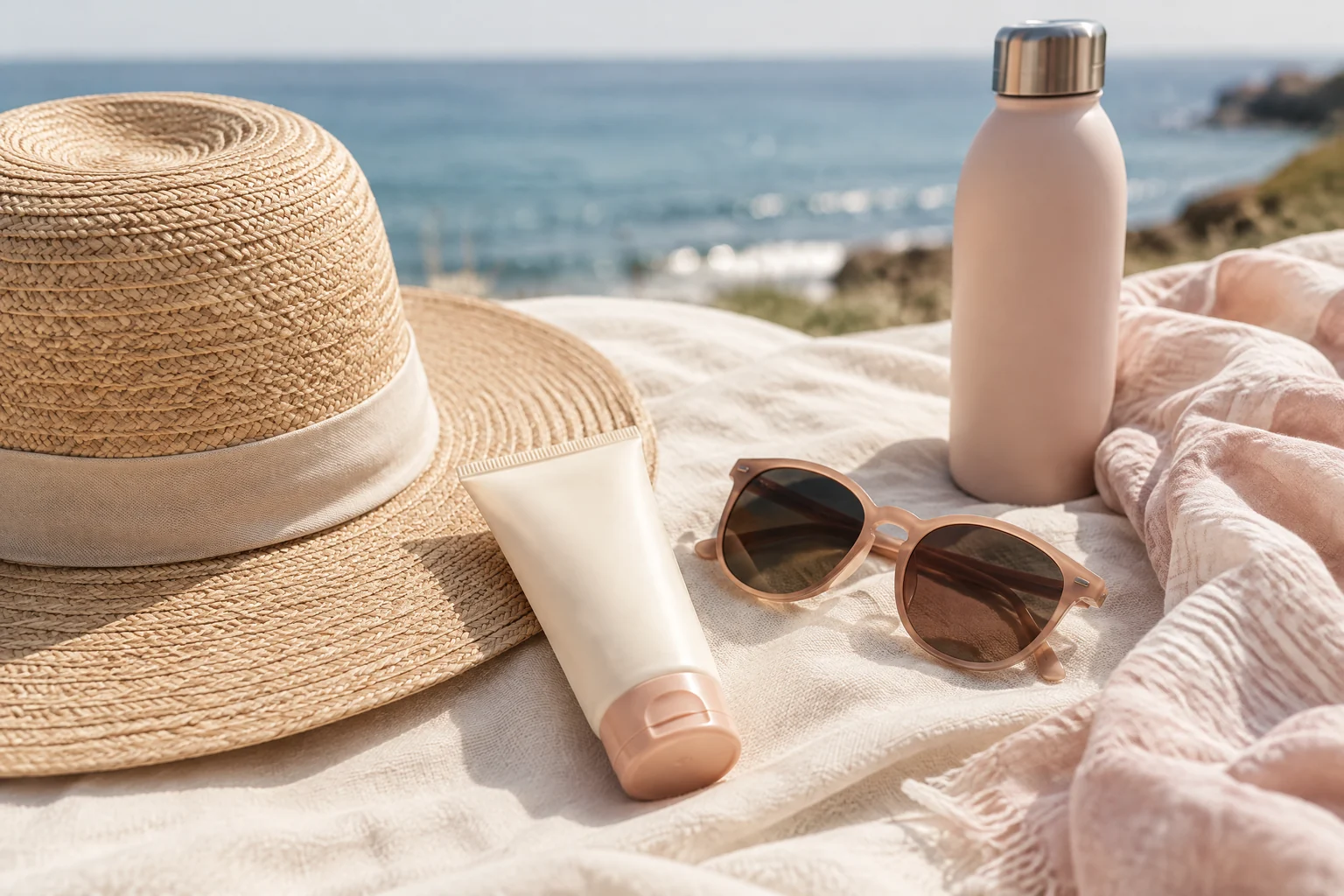
Choose the common land moment before optional interests
A background everyone can comfortably reach
Choose a meeting point that works for the least convenient journey, not just the prettiest background. Visiting relatives may be navigating Hong Kong from different hotels with children or bulky bags. Confirm the actual entrance and a nearby place to sit, rather than sharing only a venue name. Ask the photographer whether the group can stay together without blocking a busy walkway.
Canon's natural-light portrait guidance highlights the importance of location, the subject and the time of day. It also describes how light and the mood of a location can change quickly. Discuss the background and likely light with your land photographer before finalising the beauty look. Bring a photograph of the proposed clothes to that conversation. Aim for a coherent family image, not identical faces. Outdoor conditions may change during the session. [2]
A relative curious about a separate activity can read family scuba diving experience Hong Kong after choosing their portrait role. Keep that information outside the shared photo invitation, so declining it carries no social penalty. The responsible adult should handle the activity discussion independently, including any individual requirements and written arrangements. Do not make the reunion frame depend on everyone choosing that interest. A relative who prefers lunch and photographs still has a complete reason to join the outing.
Let children and teenagers control their appearance
Personal options within family outing portraits
Children can appear in the album with no cosmetics at all. Offer a choice of familiar clothes, a neat hairstyle or their usual everyday appearance. Ask whether a favourite small object would make the portrait feel more like them. Tell relatives not to comment on teeth, skin or body shape during the session. A relaxed expression matters more than making every child look equally polished for adults.
A teenager who wants to learn a particular beauty skill can explore makeup lessons for teens as a separate choice. Ask what they want to understand, rather than deciding they need correction before the reunion. They might prefer choosing their own lip colour or leaving their usual routine unchanged. Agree on the look privately before relatives arrive. During photography, direct questions to the teenager instead of discussing their face across them. Joining the photograph should never depend on accepting a lesson.
A younger child's interest in another outing deserves its own adult conversation, away from the camera. PADI Bubblemaker Hong Kong for kids offers information a responsible adult can review independently. A child's enthusiasm does not settle participation requirements or confirm any arrangement. Leave those decisions with the relevant provider and responsible adult. Meanwhile, their land portrait can remain simple and familiar. A favourite T-shirt and a picture with a cousin are valid choices, whether that separate enquiry goes ahead or not.
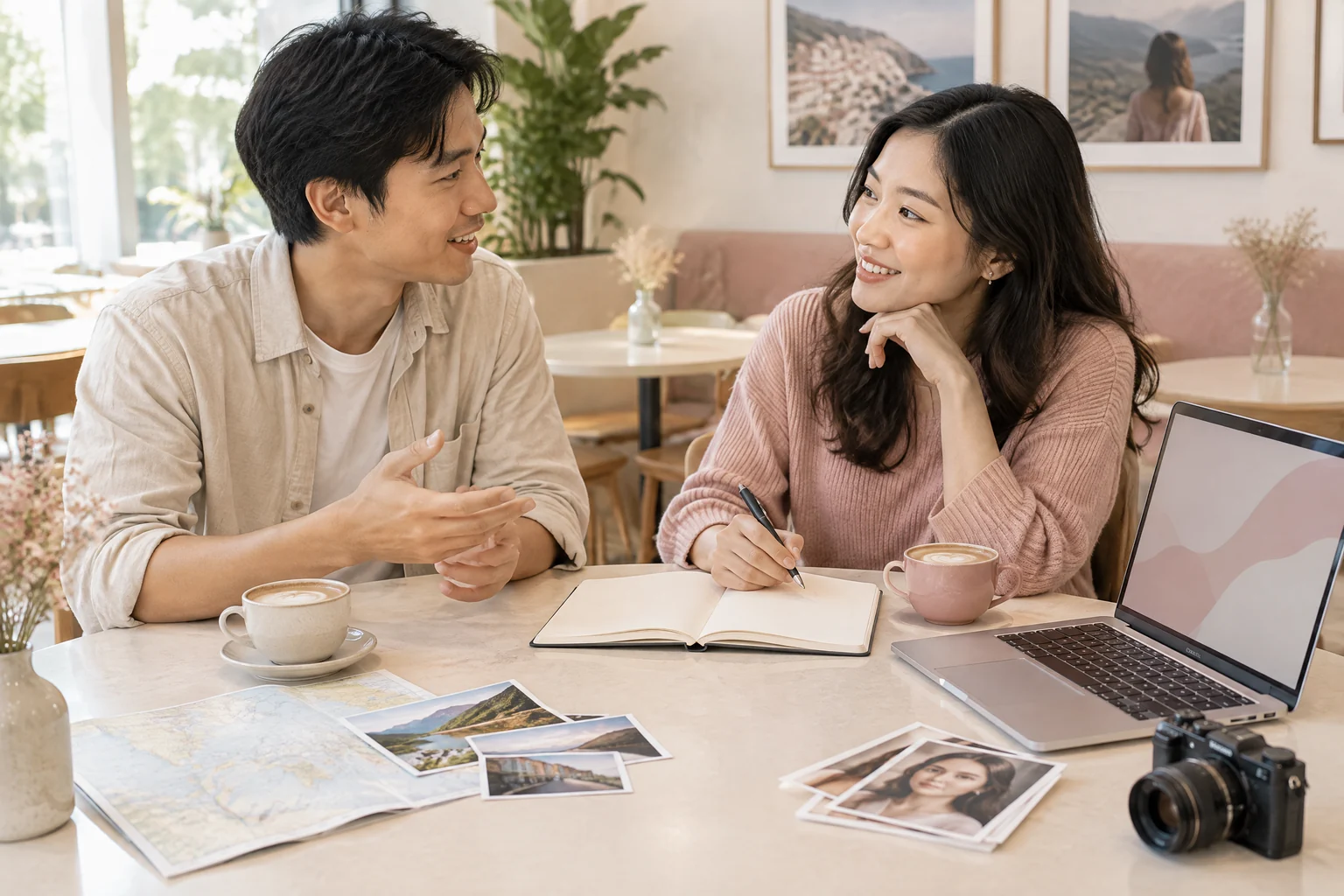
Prepare adults without making everyone wait
Different finishes, one workable meeting point
Ask each adult which part of their normal appearance they want to retain. Glasses, a favourite lipstick or a familiar hairstyle can make the photograph feel personal. Choose a loose colour relationship, such as warm neutrals with individual accents, instead of assigning identical outfits. Check clothing while seated as well as standing. A jacket that looks tidy upright may feel restrictive during the group frame.
A family makeup workshop may suit adults who want a shared learning experience before the reunion day. Keep the lesson goal specific, such as understanding their own everyday portrait look. Attendance should remain optional, with no expectation that children copy an adult routine. Decide who wants preparation and who prefers arriving ready. Give each person their own arrival instruction rather than summoning everyone for the earliest appointment. This protects the shared photo time from becoming a long family waiting session.
Two visiting cousins may prefer a friends makeup lesson together instead of a whole-family preparation session. That choice can give them a shared interest without recruiting grandparents or younger siblings. Schedule any lesson through its own enquiry, rather than assuming it fits beside the portrait. For the photo day, keep personal essentials in a small bag that one person can identify easily. Avoid gathering every relative's belongings beside the camera. Clear space makes rotating people simpler and reduces frantic searches between frames.

Keep longer-term interests off the reunion timetable
One organiser does not decide for every relative
Someone considering a longer-term learning goal can review family scuba certification Hong Kong independently of the visit's photograph. Treat it as their own enquiry, not a milestone the reunion album must prove. Other relatives can remain interested listeners without joining that learning plan. Individual requirements and course arrangements need a separate discussion with the provider. The land portrait can record the family as they are today.
Divide responsibilities by task rather than assuming one parent will manage the entire outing. Name one person for the portrait meeting message and another for the children's meal arrangements. Let an interested adult handle their own optional activity enquiry. The portrait organiser needs only information relevant to the shared photograph. Private eligibility documents or detailed course questions do not belong in the family planning card. Separating these tasks reduces crossed messages and gives relatives a clearer picture of what they actually agreed to.
For a short Hong Kong visit, choose which moment must happen together and which plans can move elsewhere. The reunion photograph may be the only opportunity involving all generations, while individual interests can remain provisional. Tell relatives what happens if someone arrives late: take the available smaller combinations, then revisit the shared frame. Do not hold seated grandparents indefinitely or blame a child for a delayed departure. A flexible sequence protects the memory without turning the outing into an attendance test.
Separate the family album from public sharing
Ask about the audience, not just the photograph
Ask about taking the photograph and sharing it as separate decisions. Someone may happily join a printed family album but decline social media posts or public tags. Give those choices privately, without asking for explanations in the family chat. Select an album coordinator who can keep track of the agreed audience. When relatives receive files, include a clear reminder about those choices. An affectionate caption is not permission to identify a child's school, hotel or travel plans to a wider audience.
CLIC explains that personal-data collection should be adequate but not excessive for its purpose. It also describes voluntary express consent for a different use, unless that use is directly related. For portraits, explain the intended audience and avoid collecting unnecessary identifying details. Seek fresh agreement before a proposed public or promotional use changes the original purpose, where applicable. This is practical sharing guidance, not legal advice. It does not suggest statutory consent forms for every private family photograph. [1]
Make the delivery plan as individual as the styling plan. A grandparent may want a print, while an adult abroad may prefer selected digital files. Before passing along a group image, check whether everyone shown accepted that audience. If someone wants one frame kept private, choose another agreed image instead of arguing about their appearance. Ask the photographer about delivery and any proposed portfolio use separately. Keep those choices visible to the coordinator, rather than relying on relatives to remember an informal conversation.
Choose captions that describe the reunion without exposing personal details. A month and a family occasion may be enough; precise locations and full names may add nothing useful. Let each relative review any wording about them before wider sharing. For children, ask the responsible adult about sharing and listen to the child's preferences as well. Avoid posting embarrassing outtakes simply because others find them funny. The album should preserve connection, not create a permanent record someone feels obliged to tolerate.
Rotate relationships and honour the exit choices
A short sequence with a genuine stopping point
Share a simple sequence with the photographer: reunion frame first, then the smaller relationships people requested. If a grandparent prefers remaining seated, rotate willing relatives beside them instead of moving everyone repeatedly. A child can join one combination and leave another without cancelling the whole plan. Ask before adding an unexpected solo portrait. People who agreed to a group photograph may not want individual attention. The choice card is useful only when the photographer and organiser respect these differences during the session.
Agree on a discreet stopping phrase before the portrait begins. It should need no explanation or negotiation. Name the adult who will accompany a child leaving the portrait area. Give adults a clear meeting place after their break, rather than requiring them to stay beside the camera. Nobody needs to earn lunch by completing more photographs. A real exit means the remaining family adjusts its combinations and continues without commentary about the person who stopped.
Before leaving, check the requested combinations rather than asking whether everybody smiled enough. Confirm that each willing relative received the frame they most wanted, within the agreed arrangements. Keep the next step small: complete the choice card and send the portrait meeting details. Individual beauty preferences can then inform a separate makeup enquiry. The best family result is a recognisable reunion with room for everyone's own choices.

Key takeaway
Complete the portrait choice card before choosing a shared style. Book the land photo moment around willing participation, then rotate the relationships each person values. A reunion feels more like your family when familiar appearances, different interests and a genuine right to stop all belong in the plan.
Practical checklist
- Record each person's land portrait role, styling preference and genuine break option.
- Confirm the entrance, sitting place and alternative land meeting point with the photographer.
- Separate adult preparation times from the shared family arrival instruction.
- Name the adult accompanying any child who leaves the portrait area.
- Record private album, family file sharing and public posting choices separately.
Frequently asked questions
What if relatives disagree about matching clothes?
Offer a shared colour direction, not a compulsory garment. Ask everyone to send their own outfit choice before packing. If preferences still differ, prioritise familiar clothes. The photographer can discuss the group arrangement without requiring the family to look uniform.
Can we include a relative who joins by video call?
Ask whether they want a separate call during the reunion or a recorded image involving their screen. Confirm that choice with everyone appearing. Keep the conversation worthwhile even if no photograph is taken. A call can belong to the reunion without becoming album content.
Should a sibling direct a reluctant teenager?
Let the teenager choose who gives them instructions, including the photographer. A sibling's encouragement may feel like criticism in front of relatives. Agree on one person speaking during each frame. Avoid a chorus of advice about posture, expression or appearance.
What if our chosen outdoor meeting point becomes unsuitable?
Agree on a dry land alternative with the photographer and confirm access before the day. Check whether the same family combinations remain practical there. A changed background may need different arrangements. Do not keep everyone waiting outdoors while relatives debate a new destination.
How can relatives select images without an argument?
Give each household a small selection request and a clear response date agreed within the family. Let individuals flag frames they do not want shared. The coordinator can then choose from the acceptable options. Do not settle objections through a public family vote.
Sources
| Source | What it supports |
|---|---|
| The meaning of "personal data" and the six data protection principles | Community Legal Information Centre (CLIC) | CLIC explains adequate but not excessive collection for a stated purpose and voluntary express consent for a different, unrelated use. This supports purpose-specific portrait sharing choices without asserting statutory forms for every private family photograph. |
| Samuel Sarfati’s natural light portrait hacks | Natural light changes, and location, subject and time of day affect portraits. Discuss the background and likely light with the land photographer before finalising styling choices. |
Discuss your own makeup plans
For your family's individual makeup preferences and land portrait preparation, contact BigDeal Make Up. BigDeal makeup enquiries only: +852 6918 3153.
Ask on WhatsApp +852 6918 3153