
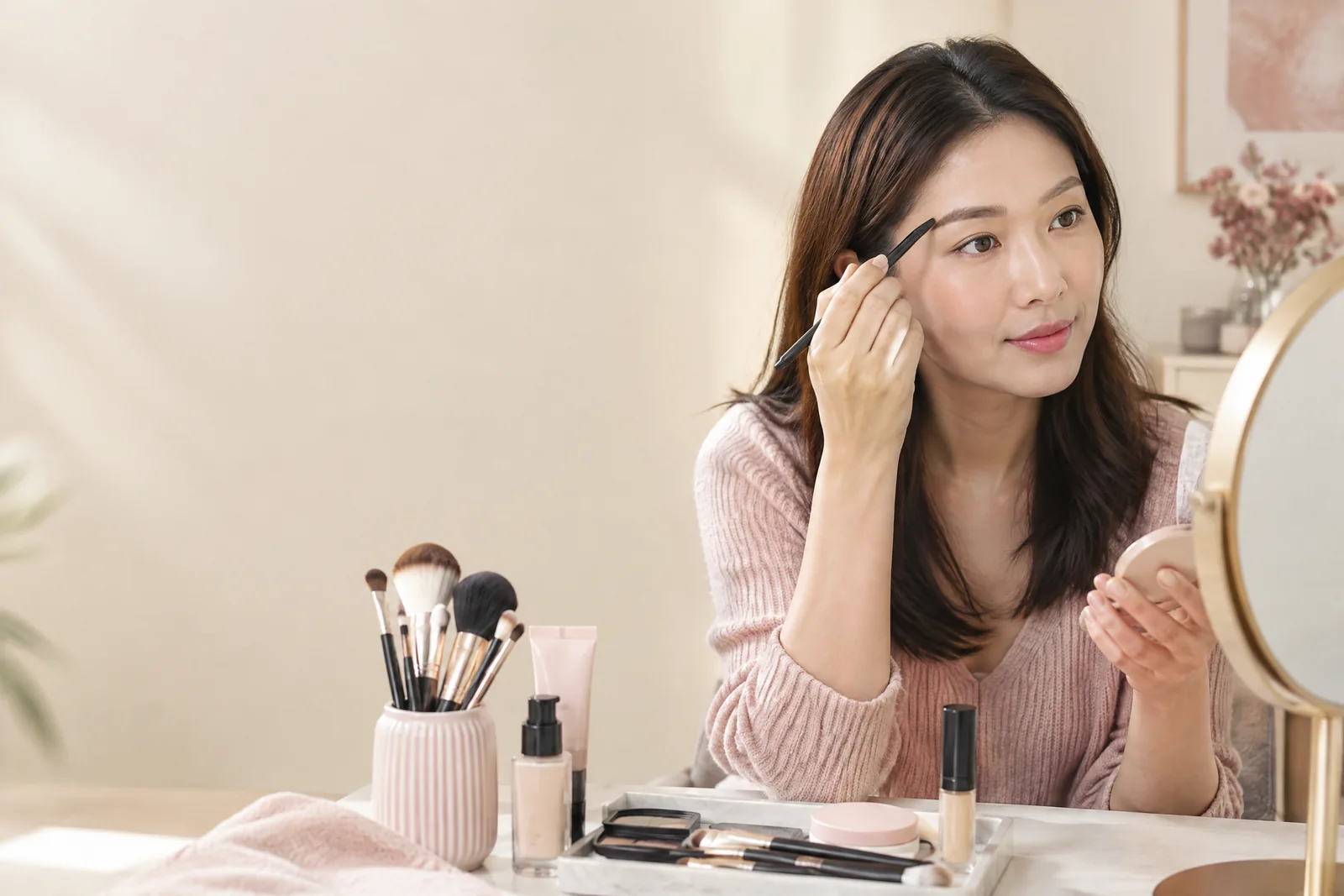
At a glance
Begin with one everyday outcome, not a complete reinvention. Bring familiar products and clean tools so each choice can be discussed in context. Practise the same movement after it is demonstrated, then note the order and pressure that felt workable. A sensitive or changing complexion needs early disclosure and cautious product decisions. Finally, choose a shorter routine for ordinary mornings. The trade-off is breadth against recall: fewer techniques usually create a routine you can perform more confidently alone.
Start first makeup lesson preparation with one goal
A first makeup lesson preparation note that stays useful
Your first makeup lesson preparation should begin with one small result you want to repeat alone. Choose something observable, such as placing blush evenly or selecting a lighter base. A makeup classes Hong Kong overview can help distinguish practical learning from a makeup service. Still, your own goal matters most. Write one sentence explaining when you would use the finished look. That sentence gives the practice a real setting, whether it is work, weekends, or a family dinner.
Keep the first goal narrow enough for repeated attention. A beginner makeup class Hong Kong can suit someone who needs a calm introduction to base, brows, eyes, and lips. You do not need to master every category at once. Decide which part makes your ordinary routine feel uncertain. It may be choosing a base finish, making brows look balanced, or applying liner steadily. One priority lets you notice the hand movements and product amounts that matter.
Bring two or three reference images only when they explain your goal clearly. Pick images with a similar occasion, finish, and level of coverage. Explain what attracts you to each image. Perhaps it is the softer brow, less visible texture, or stronger lip colour. References are conversation tools, not instructions to copy somebody else exactly. They become more useful when you describe your usual routine. Explain the parts that never seem to work at home.
Pack familiar products and a focused makeup bag
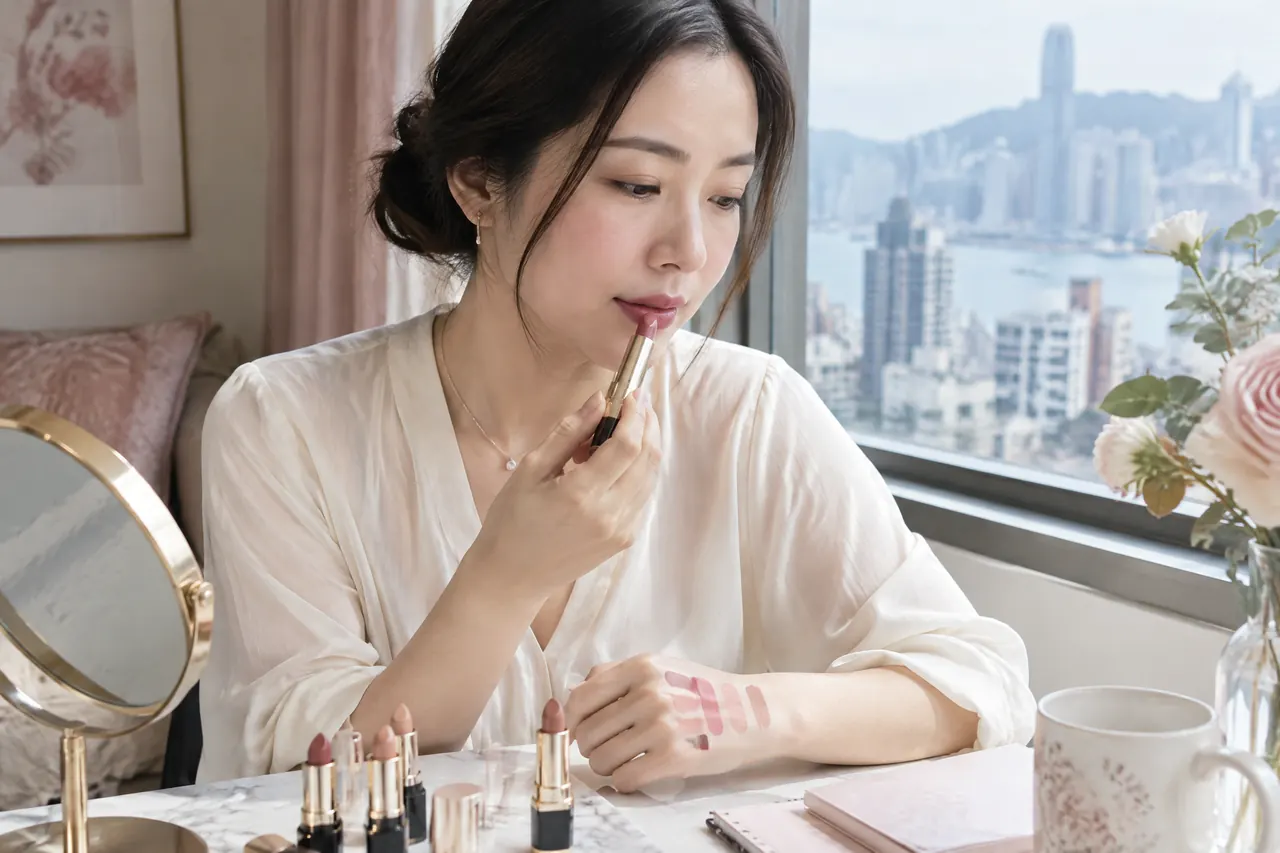
Bring the products that already shape your routine, even if they are nearly finished. A 1:1 makeup lesson can use those items to explore texture, shade, placement, and better order. Pack your usual base, brow product, mascara, cheek colour, lip choices, and remover. Include tools you actually use, rather than buying a complete new set beforehand. Labels and shade names help keep the discussion precise. A small bag also leaves more time for applying, checking, and repeating techniques.
Confirm practical attendance details before you travel across Hong Kong. The makeup class location Hong Kong guide can help with district and journey time. It also clarifies details needing written confirmation. Ask what to bring, whether you should arrive bare-faced, and how much personal storage is sensible. Keep any preferences concise. Early clarification prevents a lesson starting with avoidable searching or hurried unpacking. It also lets you arrive settled enough to concentrate on your own face and hands.
Arrange the bag by the order you normally apply products. Put skin preparation and base items together, then brows, eyes, cheeks, and lips. Keep sharpeners, tissues, cotton buds, and a mirror easy to reach. If you own similar shades, bring the ones you genuinely alternate between. The aim is comparison, not quantity. A product you dislike can still be useful evidence. Explain why it feels too dry, too shiny, too strong, or difficult to control during everyday use.

Prepare clean tools and useful product information
Clean products help you see their true colour and texture. The FDA advises washing hands before cosmetic use, avoiding shared makeup, and keeping containers clean and tightly closed. It also advises discarding cosmetics when their colour or smell changes. [1] Wash brushes and sponges according to their care instructions before the lesson. Bring them dry and separate from loose items. This is practical preparation, not a promise that every product will suit every person or concern. [1]
Avoid experimenting with several unfamiliar products immediately before the lesson. A new foundation, primer, or eye product can distract from the technique you came to learn. Bring packaging for any item that has caused concern previously. Note the product name, shade, and what happened, without trying to diagnose the reason. Keep eye products separate and close lids securely. If an item is old, leaking, or has a changed smell, leave it out and mention the gap instead.
Use the comparison below to decide what deserves space in your bag. It is not a shopping list. Each category should support one technique you want to understand or repeat. If a product is missing, say so honestly. The lesson can still focus on placement, blending, and sequence. Bringing fewer familiar items often reveals more than bringing every product you own. Save purchase decisions until you understand what your existing routine already lacks.
| Bag category | Useful contents | Question to prepare |
|---|---|---|
| Base products | Usual base, concealer, powder, and skin preparation | Which finish feels comfortable through my day? |
| Colour products | Brow item, cheek colour, lip choices, and eye products | Which shade or placement makes my routine uncertain? |
| Tools | Clean brushes, sponge, mirror, sharpener, and remover | Which tool feels hardest to control? |
| Notes and references | Short routine notes and two or three relevant images | What is the one outcome I want to repeat? |

Plan around comfort, sensitivity and your daily setting
When first makeup lesson preparation needs extra care
Say early if you prefer light layers, wear contact lenses, or avoid a particular product area. A makeup class for mature women may emphasise comfortable texture and balanced definition. It can also suit a routine that fits work. Those concerns are useful preparation details, not reasons to overcomplicate the lesson. Describe what feels comfortable during a normal day. Mention any active irritation before using products. For ongoing skin concerns, seek individual advice from an appropriate health professional.
Do not make a new product's first facial use part of a busy lesson. The American Academy of Dermatology recommends testing a new skin care product on a small area. Test twice daily for seven to ten days. It advises stopping use if a reaction develops. [2] That general guidance can support cautious decisions before trying unfamiliar cosmetics. It does not identify an allergy or replace individual medical advice. Share relevant past reactions before arranging the practical focus. [2]
Think about the setting where you will wear the routine most often. Office lighting, air-conditioned rooms, masks, glasses, and long commutes can change what feels manageable. Bring glasses if you wear them daily. Mention whether you need a quick morning routine or a look that can move into an evening plan. The useful choice is not always the most dramatic option. It is usually the technique that still feels comfortable when you are dressing, travelling, and speaking normally.

Use the lesson for hands-on repetition
A self makeup lesson is most valuable when your own hands perform the important steps. Watch one demonstration, then repeat it on yourself while the sequence is still clear. Ask for a correction in one place at a time. Notice where you hold the brush, how much product you collect, and where you begin blending. Those small details are easier to repeat than a general instruction to blend more. Take notes after you practise, not while you are trying to apply products.
Use a simple loop during practical time: observe, try, check, and adjust. Start with the area linked to your chosen goal. Compare both sides of the face only after you complete the same step twice. This reduces the urge to fix every detail at once. If something feels awkward, ask for a simpler movement or order. A repeatable technique is more useful than an impressive step you cannot recreate later. Leave enough time to perform your priority once more independently.
Keep three prompts ready for the moments when you need clearer feedback. Ask what the step is designed to change, how much product is enough, and what mistake to watch for. Then write the answer in your own words. Avoid copying a complicated routine without understanding its purpose. Your notes should help tomorrow morning, not only the lesson day. The following reminders can keep the practical portion focused on actions you will actually repeat:
- Name one feature or step you want to practise first.
- Repeat the priority technique yourself before moving onward.
- Ask for one correction, then try the adjusted movement again.
- Record product order, placement, and the amount that felt workable.
- Keep optional extra steps separate from your everyday routine.

Turn the lesson into a daily routine at home
Choose a daily makeup class direction when you want the lesson to support ordinary mornings rather than a special occasion. Make the final routine fit the time you truly have. A five-step version may cover base, brows, eyes, cheeks, and lips. Keep any dramatic detail as an optional addition. This prevents an enjoyable lesson from becoming an unrealistic weekday plan. Your best routine should still work when you are tired, travelling, or getting ready in limited space.
Before leaving, write down the order of your personal routine. Include the product name or category, placement, and one adjustment to make next time. Photograph product labels for your own reference if helpful. Do not rely on memory for small choices like brush shape or lip tone. At home, repeat the routine within a few days. The first repeat shows which instructions were clear. It also reveals where you need a shorter sequence or a better product arrangement.
Practise in similar conditions to your usual morning whenever possible. Use the mirror and lighting you normally have. Set out only the items in your written sequence. If the routine runs long, remove an optional step before adding another product. If one area looks uneven, return to the specific correction you were shown. Small, regular practice builds familiarity with pressure and placement. It is more helpful than constantly changing colours, tools, or online references between attempts.
Finish with a clear plan for the next attempt
End the lesson by separating your core routine from optional experiments. Your core routine contains the steps you can perform calmly on an ordinary day. Optional ideas might include a brighter lip, stronger liner, or a different eye finish. Put each optional idea on a separate note. This protects the routine you have just learnt from becoming too crowded. It also gives you a useful question for future practice: which single variation would improve this particular occasion?
Wait before replacing products unless you understand the reason for the change. A lesson may show that placement, tool choice, or product amount needs adjustment first. When you do need another item, record the purpose it must serve. For example, you may need a base that matches your neck more closely or a brow tone that looks softer. Purpose-led choices reduce duplicate purchases. They also make it easier to compare products without turning a practical routine into a collection exercise.
Review your notes after two or three home attempts. Keep the steps that feel quick, comfortable, and visually balanced in your usual light. Mark the step that still needs attention, then practise only that part next time. This gradual approach respects the lesson time you already used. It also creates a realistic path from guided application to independent routine. If you arrange another session, bring the notes and explain the one technique that still resists repetition.
Key takeaway
The useful trade-off is variety against recall. Bringing every product and learning many steps can feel exciting, but it may blur your main goal. A smaller familiar bag and one practical priority leave more time for correction and repetition. Choose the routine you can perform in your real morning conditions. Add new colours or techniques later, once the basic order feels comfortable and dependable.
Practical checklist
- Write one practical makeup goal for your usual setting.
- Pack familiar products, clean tools, remover, and a mirror.
- Prepare two or three references that explain your preferred finish.
- List product names or past reactions that need early discussion.
- Confirm travel details and what to bring before attending.
- Plan one home practice session within a few days.
Frequently asked questions
Should I buy new products before my first lesson?
Usually, start with what you already use. Familiar products reveal useful questions about shade, texture, tools, and order. Buy something later only when you understand its purpose. A smaller bag creates more practical time than a collection of unopened products.
Do I need to arrive without makeup?
Ask customer service what preparation suits the confirmed arrangement. A bare face can make practice straightforward, but your usual makeup may show useful habits. If you arrive wearing products, mention what they are. Bring remover if you may need to start again.
What is a realistic goal for one lesson?
Choose one repeatable outcome for your usual life. Examples include a lighter base, neater brows, or a reliable lip choice. Avoid expecting every technique at once. A narrow goal leaves time to practise the same movement and understand why it works.
What should I mention about sensitive skin?
Share relevant past product reactions and any active irritation before arranging the focus. Bring packaging when it helps identify products. Do not test unfamiliar cosmetics for the first time during the lesson. Seek individual medical advice for persistent concerns or troublesome reactions.
How can I remember the technique afterwards?
Write a short order of steps in your own words. Include brush choice, placement, and the amount that felt workable. Practise within a few days using the same products. Keep one optional extra separate, so your ordinary routine remains easy to repeat.
Sources
| Source | What it supports |
|---|---|
| Cosmetics: Tips for Women | FDA consumer guidance advises washing hands before use, not sharing makeup, keeping containers clean and closed, and discarding cosmetics with changed colour or smell. |
| How to test skin care products | The American Academy of Dermatology recommends testing a new product on a small area twice daily for seven to ten days and stopping use if a reaction develops. |
Discuss your own makeup plans
For a Hong Kong personal makeup lesson enquiry, WhatsApp BigDeal Make Up at +852 6918 3153. Include your goal, routine, and preferred date.
Ask on WhatsApp +852 6918 3153