
At a glance
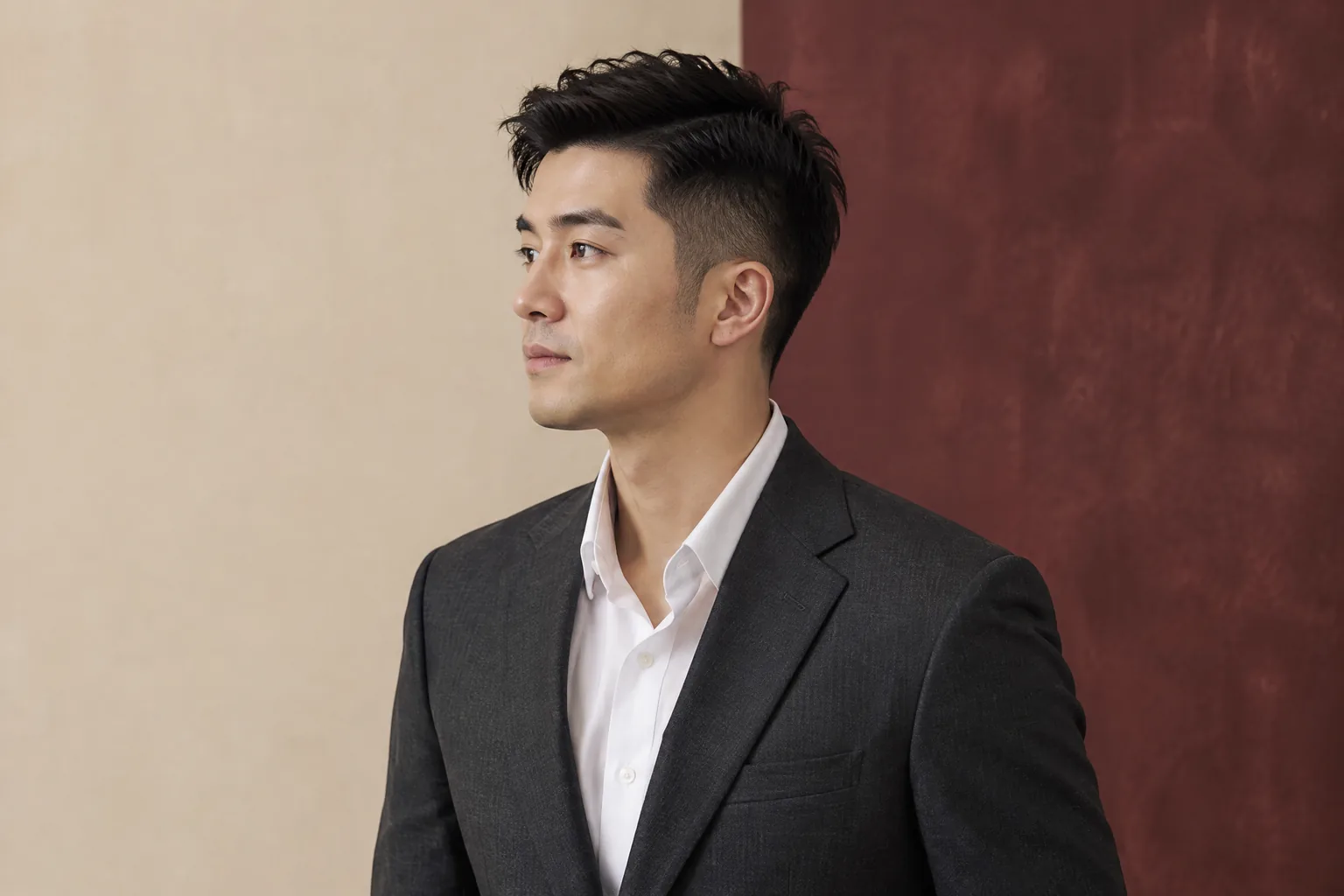
For a groom considering a central opening, compare forehead exposure, side coverage and everyday drying effort. A softer, slightly off-centre version may be worth discussing. Keep salon decisions separate from ceremony makeup arrangements, and let the groom approve the proposed change himself.
Groom middle part recognition starts with his preferences
A groom middle part recognition check before choosing change
Ask the groom what he wants to recognise in his wedding portraits. He might value his usual fringe, familiar glasses or the way his hair frames his temples. Choose one thing to change and name what must stay. A more open forehead can be a deliberate choice, rather than a requirement for looking formal. The groom can prefer a tidy version of everyday hair without needing a complete transformation.
The groom makeup page is a useful starting point for asking BigDeal about the occasion's makeup arrangements. Describe whether the groom wants a discreet finish or a more visible change. Ask which styling elements can be discussed for the event, rather than assuming cutting or chemical work is included. Send his own preferences with the enquiry. A partner can help organise messages, but should not replace his approval of the proposed appearance.
Look at a recent everyday photograph beside the reference, with neither image enlarged to hide the overall impression. Identify whether the attraction is the open forehead, longer front pieces or closer sides. These are different choices, even when they appear together. If the groom rarely exposes his forehead, first discuss a narrower opening. It offers a clearer comparison with his usual outline than adopting every detail from the reference at once.
Agree how the couple will resolve different preferences before an appointment. Each person can identify one detail they like, then the groom names his acceptable limit. For example, he may welcome neater sides but want the front to stay near his brows. Write that decision in plain language. The goal is not to win a comparison with a model photograph. It is to make the groom's own comfort visible in the final request.
- Preserve: the feature he considers familiar.
- Change: one detail he actively wants.
- Pause: anything he has not agreed to.
Read a two-block reference against current hair
Which details are length, and which are finishing?
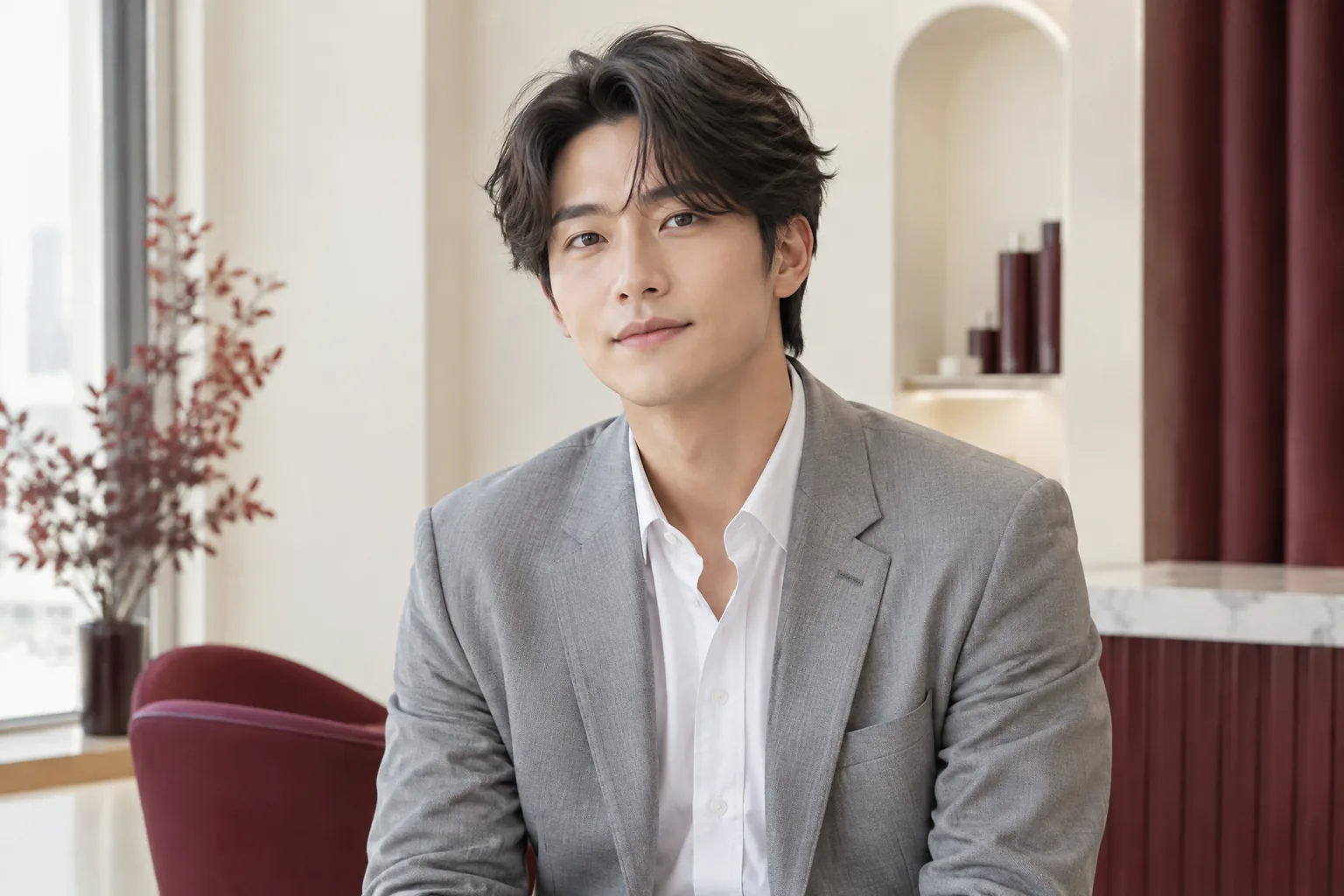
Prepare current front, side and back photographs with the hair resting in its usual direction. Include a view after ordinary washing and drying, not only a carefully arranged picture. Note where the fringe separates when left alone. The reference should also show the sides if possible. A front portrait can conceal short panels beneath a longer top. One angle alone can therefore make the structure harder to understand.
Vitso Hair's two block haircut guide explains shorter sides and back beneath a fuller, longer top. This is related salon reading from the same owner as BigDeal, not a separate independent recommendation. Use it to discuss how much side contrast the groom actually wants. The structure does not automatically create the reference's bend or central opening. Keep the salon cutting conversation separate from BigDeal's occasion makeup enquiry when sending your photographs.
Mark the reference with three short notes: visible ear line, front length and the amount of forehead showing. Avoid asking for the same shape everywhere. The groom might like the fuller top but dislike an exposed temple. He might also want enough fringe length to return to his usual direction after the wedding. Those preferences deserve their own discussion before shortening, because a finishing product cannot restore length already removed.
Check the outline with glasses on if the groom normally wears them. Front pieces sitting beside the frames may feel different from a picture without glasses. Compare a narrow opening with a wider one using the available hair, without demanding perfect symmetry. Ask what can be shaped now and what would require more retained length. An honest alternative is more useful than treating the reference as a promise of an identical result.
| Visible detail | Question to ask | Trade-off to consider |
|---|---|---|
| Wide forehead opening | Would a narrower opening feel familiar? | More exposure versus usual coverage |
| Short visible sides | How much temple coverage should remain? | Stronger contrast versus softer outline |
| Long curved front | Is the curve styling or lasting movement? | Occasion effort versus daily commitment |
| Perfectly even halves | Where does his dry hair naturally separate? | Exact centre versus comfortable direction |

Give lasting middle-part movement its own enquiry
Is the reference showing temporary styling or a perm?
A photograph shows a finished appearance, not the steps that created it. A central opening might involve natural movement, drying or other styling choices. Do not infer a perm simply because the front bends away from the face. First ask whether the groom wants that arrangement only for the ceremony or in everyday life. A temporary styling discussion and a longer-lasting salon change involve different commitments, even when their reference pictures look similar.
The middle part perm guide at Vitso Hair compares fringe direction, natural parting and retained length. It is shared-owner salon information, not an independent endorsement or a BigDeal treatment offering. Read it before asking whether chemical work should be considered at all. Show how each side falls when dry, including any off-centre separation. The useful enquiry describes the desired opening and daily routine, rather than treating the page name as a suitability decision.
The American Academy of Dermatology warns that appearance-enhancing hair treatments can leave hair dry and brittle. Its guidance also advises caution with perming because damage can be long-lasting. That is a reason not to add chemical work merely to match a wedding picture. It does not determine this groom's suitability. Ask the salon to assess the hair individually. Seek medical advice for scalp symptoms rather than treating cosmetic preparation as healthcare. [1]
Give the salon a clear processing history, including previous colouring, bleaching, straightening or perming, with approximate dates where known. Describe the present condition without trying to diagnose it. Ask what information or assessment is needed before any procedure is agreed. If the groom only wants an occasion look, say so explicitly. He can decline a lasting change while discussing a temporary opening that respects his current length and usual parting.
Separate occasion makeup from salon changes
Which provider needs to answer each question?
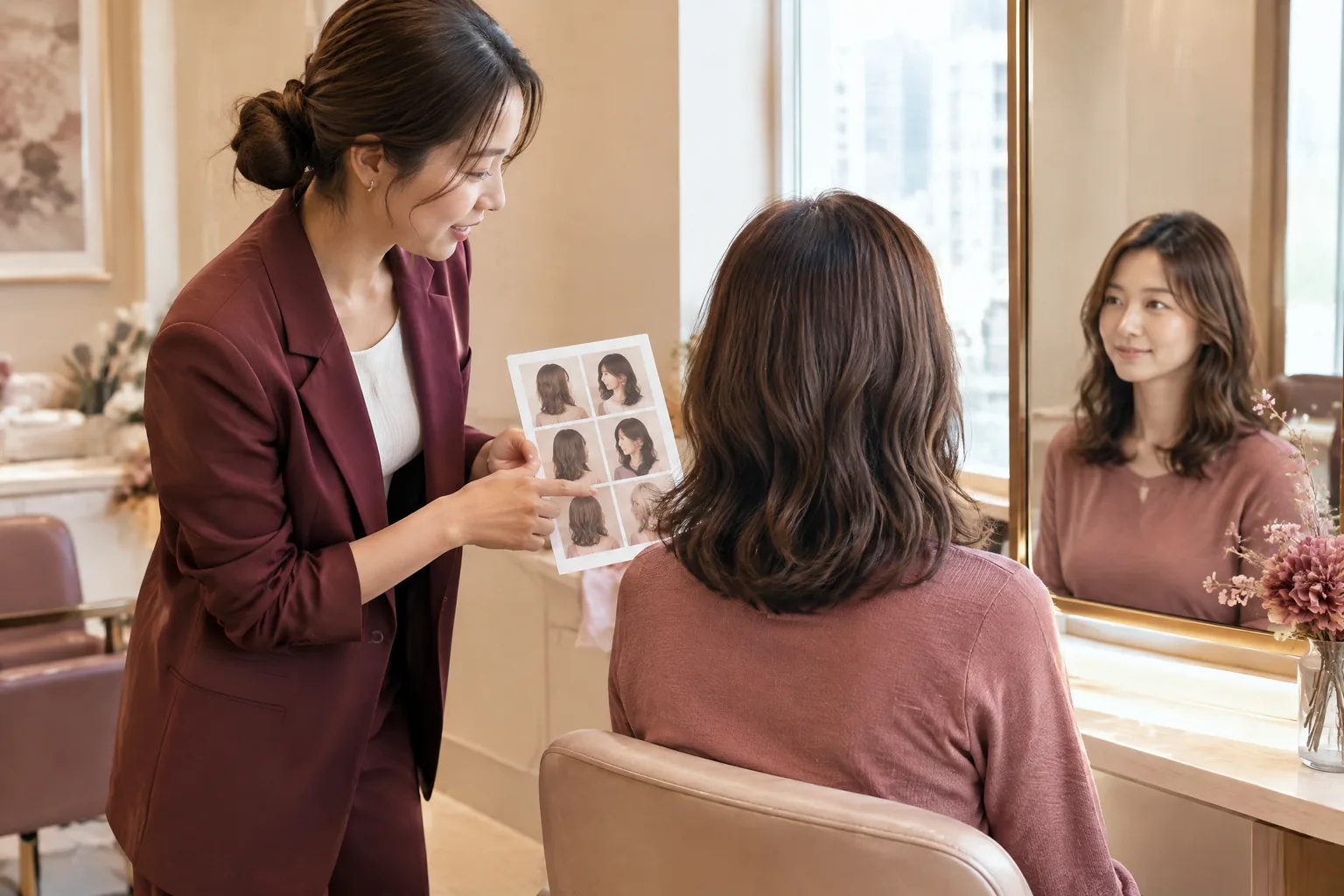
Write the desired portrait appearance as two requests instead of one broad makeover instruction. The makeup request might concern visible shine, how much skin coverage the groom wants or keeping the finish understated. The salon request concerns retained length, side outline or assessed chemical work. Neither request establishes that every item is available. Separate requests let the right provider clarify scope. They also preserve the groom's preference for looking familiar rather than heavily altered.
Use the makeup artist Hong Kong overview to frame an enquiry about BigDeal's makeup arrangements. Explain the event, the groom's preferences and any elements you need clarified. Do not read a general makeup overview as confirmation of salon cutting or a perm. Ask what the agreed occasion work would cover and what information is needed beforehand. Keep any hair procedure question with the salon, even when both requests began with the same reference photograph.
Discuss facial hair and glasses alongside the middle-part opening because they belong to the groom's familiar appearance. If he plans to change either, include that decision in the reference notes. Avoid changing several recognisable details without checking the overall effect together. Tell the makeup provider about the intended beard outline, but confirm any trimming separately rather than assuming it is supplied. The groom should know which preparation he remains responsible for before the ceremony.
If a preview or discussion is arranged, review the overall appearance at normal viewing distance as well as close up. Look straight ahead and turn to each side. Ask the groom whether the result feels familiar, and record what he wants adjusted. Do not rely solely on a filtered phone image. Record the agreed forehead opening and makeup preference to clarify the next conversation. This does not promise how every camera will render them.
Confirm what the routine salon visit covers
Does the wash-cut-and-blow-dry request match the change?
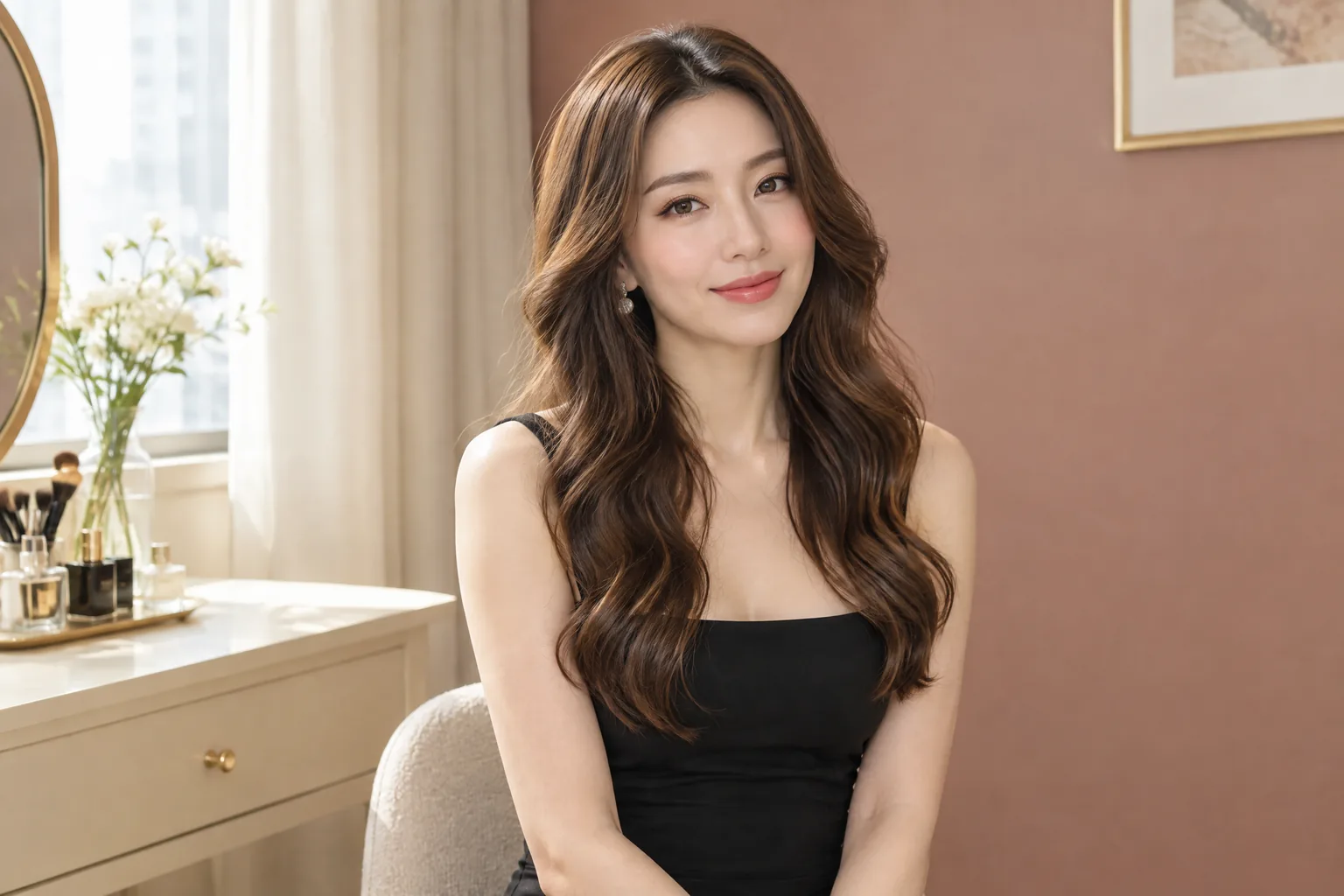
A routine salon visit can address length and outline, but its name should not stand in for an event plan. Describe whether the groom wants only tidier sides, a different fringe shape or guidance on drying the front. Mention the wedding date as context without assuming the salon will provide ceremony attendance. Ask which changes belong to the listed service. Discuss any additional requests separately before confirming the appointment.
Vitso Hair's men's wash cut and blow dry page describes washing, cutting and blow-drying as the routine service. This shared-owner resource is salon information, not an independent review or a BigDeal booking promise. Use it to formulate a precise scope question. A reference containing waves does not establish that chemical work is included. Confirm additional procedures and the intended finish directly with the salon. Do not infer a package from the service name.
Ask how the agreed direction can be arranged after an ordinary wash at home. Be honest about the groom's routine: finger styling and brief drying differ from using a brush carefully each morning. If the proposed opening needs more effort than he wants, discuss a less demanding alternative. The ceremony version can be a separate occasion request. His everyday haircut should not be decided by a finish he does not intend to maintain afterwards.
Avoid choosing an arbitrary last-minute date for a substantial change. Tell the salon when the ceremony happens and ask about a sensible appointment sequence for the agreed scope. The important issue is leaving room to understand the new shape and raise questions. There is no universal number of days that guarantees a settled result. Keep the decision proportional: a familiar outline refresh and a first-time change need different levels of discussion and preparation.
| Decision | Who to ask | What to confirm |
|---|---|---|
| Change fringe length | Salon | Retained length and cutting scope |
| Consider chemical movement | Salon | Individual assessment and processing history |
| Choose makeup finish | BigDeal | Groom's preference and agreed occasion scope |
| Set ceremony preparation time | BigDeal | Location, departure and makeup arrangements |
Keep morning ceremony details with the makeup provider
What still needs confirmation before the first portrait?
Prepare a short handover note for the ceremony morning once the salon decisions are settled. Include the agreed front opening, glasses choice and the groom's makeup preference. State what has already been done and what still needs confirmation. This avoids asking the occasion provider to guess whether the longer front is intentional. Keep current photographs available for both providers. This matters especially if the final haircut differs from the first reference shared.
The wedding morning makeup Hong Kong page helps direct the remaining ceremony makeup enquiry to BigDeal. Share the preparation location, intended departure time and when the groom is needed for photographs. Ask about the makeup arrangements and any styling scope before treating the timetable as confirmed. A salon appointment does not confirm morning attendance, and a makeup enquiry does not reserve chemical work. Keep the two conversations distinct even if a partner coordinates both sets of messages.
The Hong Kong Observatory describes May to August as hot and humid. It notes occasional showers and thunderstorms, particularly during mornings. For ceremonies in those months, discuss covered travel and an indoor preparation option. That climate description is not a forecast for the wedding date or proof of any hairstyle's durability. Check the actual forecast nearer the event and confirm practical changes with the relevant provider. Stronger products cannot answer every weather concern. [2]
Before finalising the plan, let the groom review the written appearance choices himself. He should recognise the request as his own, including any compromise over symmetry or forehead exposure. Confirm who will answer each outstanding question and when the couple needs that answer. Keep the reference as a discussion aid, not an obligation. The preparation brief can allow an assessed alternative while protecting the familiar details the groom chose at the start.
Key takeaway
Recognition is not a ban on change. It means choosing the change deliberately, with the groom's own familiar features in view. Translate the reference into separate questions about length, movement and makeup, then confirm each with the appropriate provider.
Practical checklist
- Ask the groom which familiar detail must stay.
- Prepare current dry front, side and back photographs.
- Label the reference's length, opening and movement separately.
- Share processing history before discussing chemical work.
- Confirm salon scope apart from ceremony makeup arrangements.
- Record the groom's approval and morning travel plan.
Frequently asked questions
Must a wedding middle part be perfectly central?
No. Discuss the visible opening separately from the parting behind it. If the groom's hair rests slightly off-centre, compare that version before insisting on equal halves. His comfort and preferred outline matter more than matching a reference's symmetry.
Does a two-block reference mean the groom needs a perm?
No. Shorter sides and a longer top describe length relationships, not how the front acquired its bend. Ask about temporary styling first if the groom wants only an occasion change. Chemical suitability requires a separate salon assessment.
Can a partner approve the new look for him?
A partner can organise photographs and enquiries, but the groom should approve the intended change himself. Record what he wants preserved. If preferences differ, settle the acceptable forehead exposure and side coverage before agreeing to cutting or chemical work.
What if the reference cannot be recreated with his current hair?
Ask which detail can be approached now and which depends on retained length, natural direction or another assessed choice. Consider a smaller opening or a familiar outline instead. A useful alternative preserves his priorities without promising another person's finished appearance.
Does a salon visit cover ceremony-morning makeup or attendance?
Do not assume that it does. Confirm the salon service directly, then ask BigDeal separately about occasion makeup arrangements. Give both providers the relevant dates and photographs, but keep scope and appointment confirmation in the appropriate conversation.
Sources
| Source | What it supports |
|---|---|
| Coloring and perming tips for healthier-looking hair | Appearance-enhancing hair treatments can cause dry, brittle hair; perming warrants caution because damage can be long-lasting. |
| Climate of Hong Kong | May to August are hot and humid, with occasional showers and thunderstorms particularly during the mornings. |
Discuss your own makeup plans
For BigDeal Make Up ceremony makeup arrangements, WhatsApp +852 6918 3153 with the date, preparation location and the groom's preferences. BigDeal does not confirm Vitso Hair services or appointments through this makeup enquiry.
Ask on WhatsApp +852 6918 3153