
At a glance
Choose one practical theme that every guest can use, such as a polished everyday base or an evening eye update. Next, collect each person’s starting point and any product concerns. Keep eye and lip products personal, and allow unhurried mirror practice. A clear enquiry should explain the group’s goal, possible dates, venue preference, and timing. The trade-off is simple: more social chat means less supervised repetition.
Set the purpose before you invite anyone
Define the friends makeup workshop plan
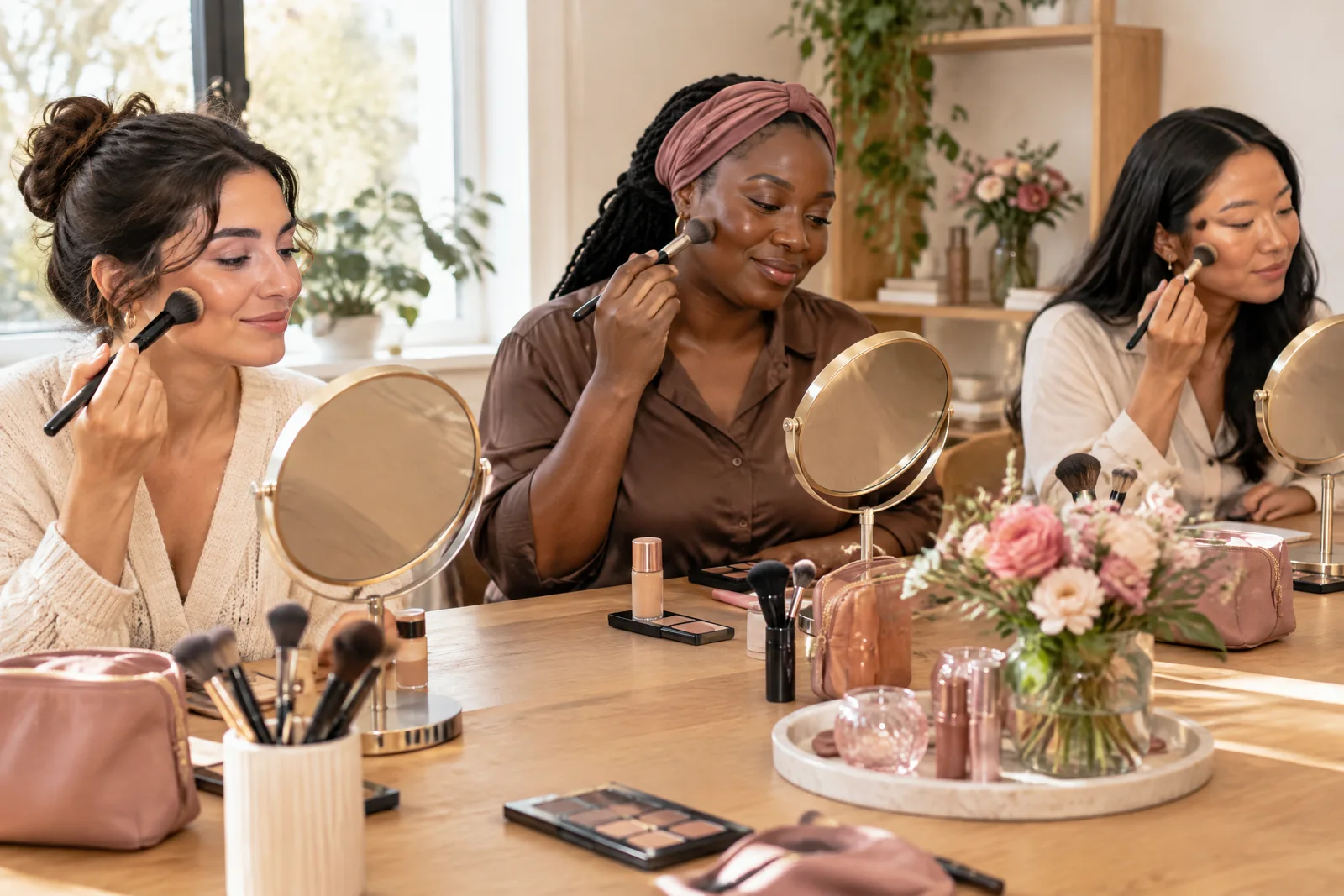
Start by naming one result that matters to the whole group. It might be a quicker weekday routine, softer evening definition, or more confident product choices. A makeup workshop Hong Kong can then become a practical learning session. It need not be a sequence of matching makeovers. Ask each friend what they would like to do differently afterwards. Their answers reveal whether one common theme will genuinely serve everyone.
Keep the shared outcome narrow enough to practise properly. A group can explore base placement, brows, or a simple eye direction in one session. Trying to cover every product category usually turns practice into watching. Choose a theme that can be demonstrated, repeated, and adjusted at individual mirrors. That structure also gives quieter participants a natural chance to ask a question without competing for attention.
Decide what success looks like before discussing styles. One organiser may want a relaxed catch-up, while another wants detailed feedback. Both aims are reasonable, but they require different pacing. Write down the preferred balance in one sentence. For example, the group may prioritise learning a repeatable daytime look, with time afterwards to compare personal product choices. This small decision protects the useful part of the gathering.
Choose references that describe mood and finish, rather than demanding identical faces. A luminous image may communicate softness, while another shows a preferred lip depth. Bring only a few images, so they remain prompts rather than instructions. Friends can then adapt the direction to their own features and routines. A short reference set also prevents the discussion from drifting into several unrelated trends before practice begins.
Balance shared goals with different starting points
Give every participant a useful role
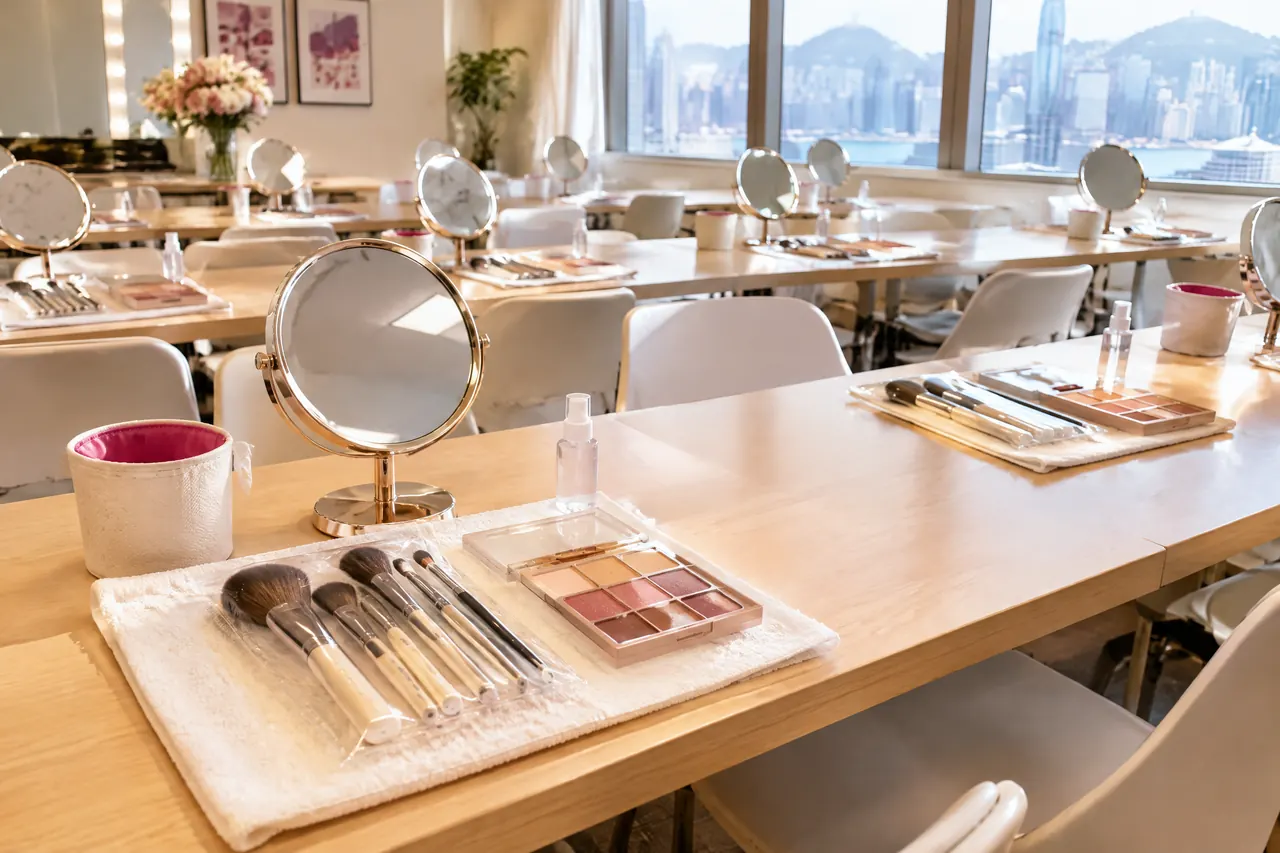
Mixed experience need not weaken a group session. It becomes easier when everyone shares a destination but starts from a different place. A friends makeup lesson can focus on the same finished mood, while each person practises the step they need most. Someone new may learn brush pressure and blending. Someone experienced may refine placement or simplify their current routine. This approach keeps comparisons helpful rather than distracting.
Before confirming the plan, make a short note for each person. Record a familiar routine, one uncertainty, and one product they already use. Do not turn this into a long questionnaire. The notes simply help identify shared needs and obvious differences. If several people are beginners, allow more guided repetition. If some are confident, give them a clear variation to try while others practise the foundation step.
Avoid arranging participants by who seems most skilled. That can make beginners reluctant to ask basic questions. Instead, use paired observation after a demonstration. Each person can describe what felt easy, what looked different, and what they want to repeat. Those observations are more useful than verdicts about who performed best. They also maintain a friendly atmosphere when people have different preferences for coverage, colour, and detail.
| Planning question | Decide together | Keep personal | Why it helps |
|---|---|---|---|
| Shared outcome | One useful look or technique | Coverage and colour choices | Keeps practice focused |
| Preparation | References and time window | Personal products and comfort | Reduces assumptions |
| Hygiene | Clean station expectations | Eye and lip cosmetics | Sets respectful boundaries |
| Final check | One repeatable skill | Home product decisions | Creates a realistic next step |
Protect useful practice time
Build a simple rotation
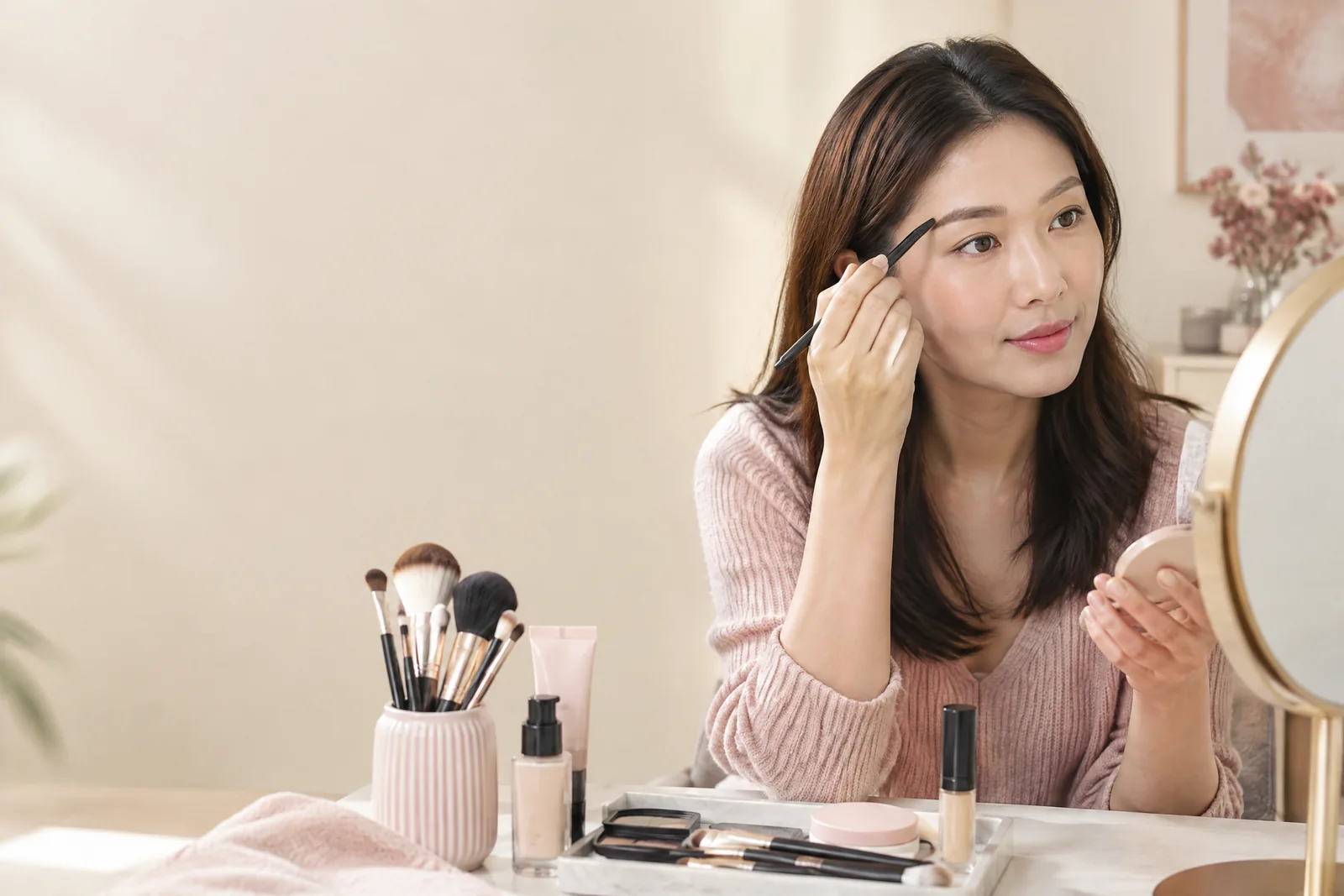
Give the session a clear rhythm: see the technique, try it, compare the result, then repeat if necessary. A short demonstration without mirror time rarely answers personal questions. Plan pauses between stages for cleaning hands, finding a product, or checking placement. This pace feels calmer than rushing through a full face. It also helps the organiser notice whether the group needs another example before moving to the next step.
Treat shared tools and personal cosmetics as different things. The United States Food and Drug Administration advises washing hands, keeping containers clean, and not sharing makeup. [1] For a gathering, each person can keep their own lip and eye products separate. Use clean tools and fresh disposable applicators where appropriate. This is a practical boundary that lets participants concentrate on technique instead of guessing what should be shared. [1]
A family makeup workshop needs the same thoughtful pacing, especially when ages, routines, or confidence differ. Agree which techniques suit the group’s actual purpose before the day. Keep the common demonstration simple, then give each person time to practise their own version. The organiser should not assume every relative wants the same finish. Respectful choices make a mixed-age gathering more comfortable and more useful for everyone.
Reserve the final part for repetition, not another new trend. Ask everyone to choose one step they can recreate during a normal week. It could be brow balance, a lighter base layer, or a better method for blending edges. A clear final choice makes the session feel complete. It also stops the group leaving with a crowded list of ideas but no confidence about where to begin.
- Begin with one shared demonstration and a clear mirror view.
- Allow a pause for hand cleaning and personal product sorting.
- Give each person a practice turn before adding variations.
- Keep a final repetition period for the chosen everyday step.
- Save social photographs until the practical work is complete.
Plan hygiene and product boundaries
Keep eyes and lips personal
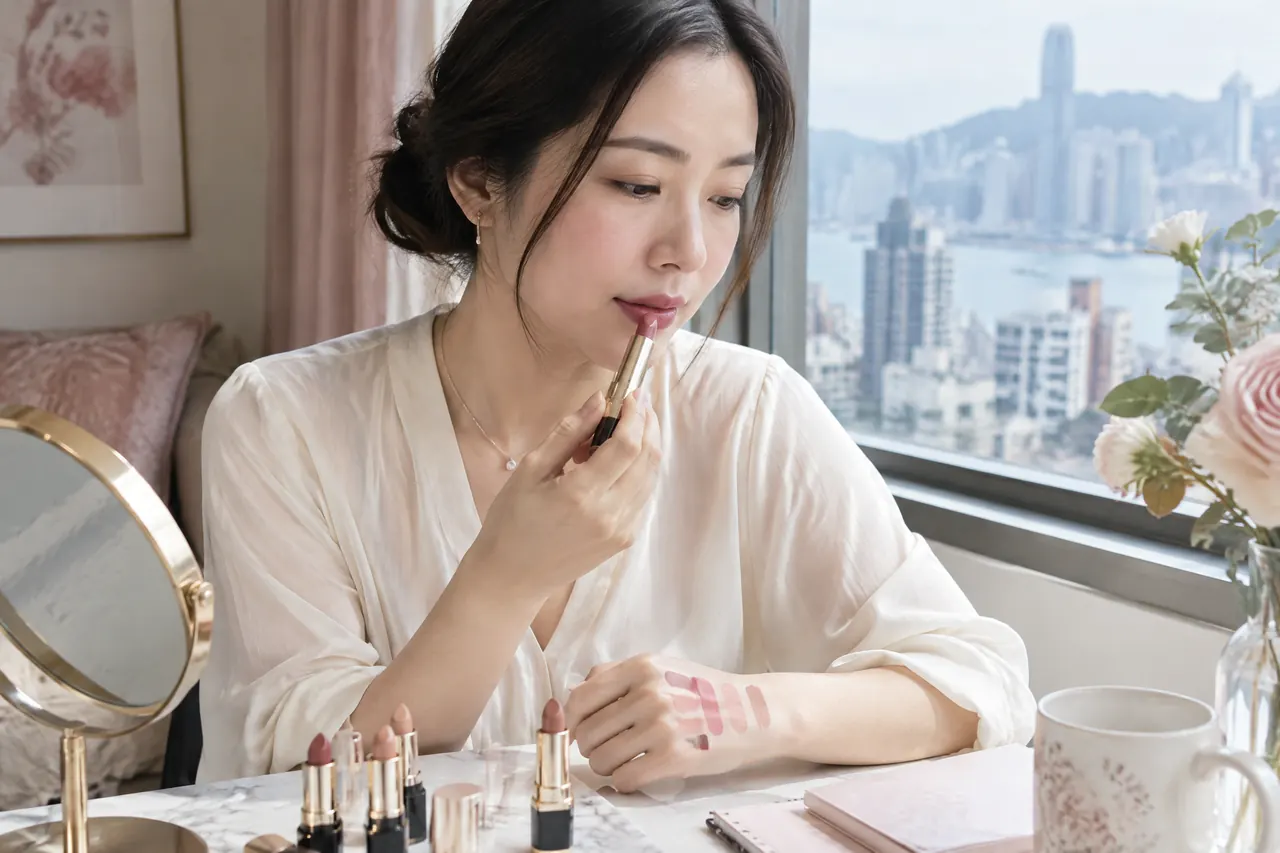
Eye cosmetics deserve especially careful handling in a group setting. The Food and Drug Administration says not to share or swap eye cosmetics. It also recommends clean instruments and hands before application. [2] Make that rule clear before products come out. Participants can observe a technique together, then use their own items or clean single-use applicators. This approach supports focused learning without turning a friendly event into an uncomfortable negotiation. [2]
Check product labels and set aside anything with a changed smell, colour, or texture. Hong Kong’s Consumer Council tested lip products and reported fragrance allergens or allergenic heavy metals in some models. [3] That finding does not identify an ideal product for every person. It does support reading labels and respecting individual product preferences. If someone has a previous concern, they can bring familiar items and decide what they wish to use. [3]
Keep product discussion practical and neutral. Friends do not need to defend a favourite brand or buy the same items. One person may prefer a familiar NARS lip colour, while another uses a Dior Beauty palette. The learning point is placement, blending, and product handling. A workshop can explain why a texture suits the chosen effect. It need not declare any product right for every face or routine.
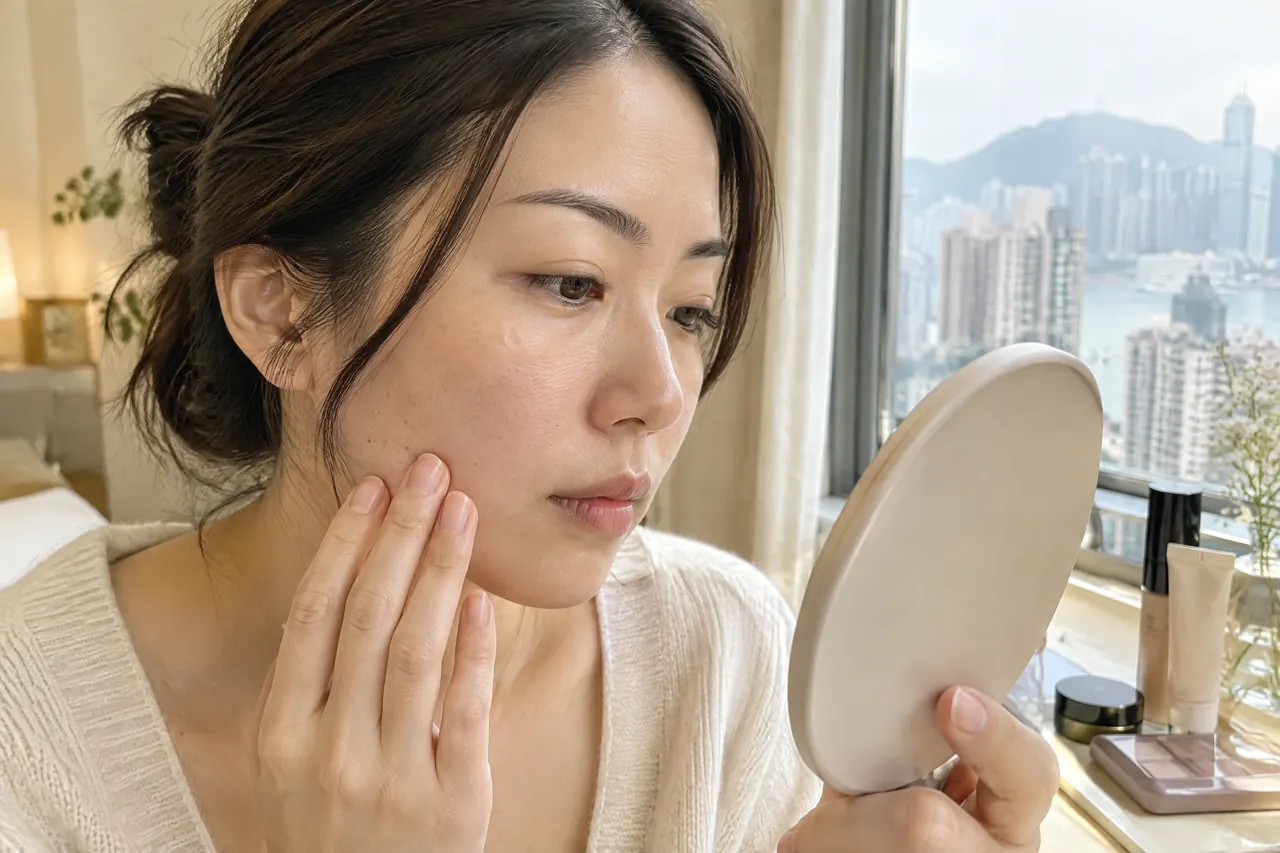
Create a clear booking brief
Send essentials, not assumptions
A useful makeup class booking message gives customer service the information needed to discuss practical arrangements. Include the group’s goal, estimated headcount, several preferred dates, likely time window, and venue preference. Add whether everyone will bring personal products or wants guidance on tools. Keep the note factual and concise. Final details should be confirmed in writing, rather than assumed from an informal group chat or a previous social arrangement.
Discuss scope before comparing a makeup class price. Ask what format fits the goal, what participants should prepare, and what details need confirmation. A published guide can help you understand the available options, but it cannot settle a custom gathering’s exact arrangement. Avoid dividing an assumed total among friends before the format is clear. The best comparison is between the actual learning purpose, timing, and agreed inclusions.
Choose one organiser to collect replies and send the final questions. That person can list the friends’ shared objective, product preferences, and any practical constraints. Others can contribute ideas before the enquiry goes out. A single clear message prevents duplicate questions and conflicting dates. It also reveals details that are not yet agreed. These might include venue access, final attendance, or desired mirror practice.
Keep an example plan modest. Four friends might agree on an everyday base and brows, then each practise with familiar products. That is an illustrative arrangement, not a promise about any particular session. The useful point is the decision order: first the group’s outcome, then participant needs, then practical confirmation. Starting with that order prevents the plan from becoming a request for every possible technique at once.
Make the day social without losing focus
Choose a calm shared ending
A social atmosphere can strengthen learning when it is placed around, rather than inside, the practice stages. Start with a short catch-up before tools appear. Then agree that demonstrations and mirror work get full attention. Leave longer conversation for a break or the final comparison. This boundary keeps people from missing key steps. It still preserves the warmth that made the friends’ gathering appealing.
Use compliments that describe a visible technique. Say that a blend looks soft, a brow shape feels balanced, or a lip edge is neat. Avoid ranking faces or insisting one finish suits everybody. Specific observations help participants remember what they did. They also make feedback safer for friends who feel uncertain. The aim is not an identical result. It is a set of choices each person understands well enough to repeat.
End with a quick personal note rather than a group verdict. Each participant can write one technique to repeat and one item to review at home. That closing step is more useful than adding another product demonstration. It turns a sociable afternoon into a practical next action. The organiser can share only the agreed notes. This avoids pressure to adopt the same routine or buy the same products.
Friends makeup workshop plan: common questions
Questions to settle together
The best group plan is specific enough to guide practice and flexible enough to respect personal choices. Use the questions below when collecting replies from friends or relatives. They focus on shared outcomes, hygiene boundaries, useful preparation, and clear confirmation. No single answer fits every gathering. A concise discussion makes final arrangements easier for participants. It also helps customer service and the organiser.
Key takeaway
The central trade-off is between a wide menu of ideas and enough time to practise one useful skill. The plan becomes stronger with a narrow theme, personal product boundaries, and individual variations. Social conversation still belongs in the day, but not at every demonstration. Aim for a friendly gathering that leaves each participant with one clear, repeatable next step.
Practical checklist
- Choose one shared outcome that everyone can practise.
- Ask each participant for one personal question or priority.
- Keep personal eye and lip products clearly separate.
- Bring only a few references that show the intended mood.
- Send dates, headcount, timing, and venue preferences together.
- Reserve time to repeat one technique before the group ends.
Frequently asked questions
Should every friend choose the same makeup look?
No. Choose one shared direction, then let each person adapt intensity, coverage, and colour. A common technique creates structure, while individual choices keep the practice relevant. Friends learn more when they can recognise why a step suits their own routine.
What should participants bring to a friends workshop?
Bring a short reference set, familiar personal products, and a note about one technique to improve. Keep eye and lip products personal. The organiser should also bring the agreed theme, possible dates, and practical questions for customer service.
How can beginners and confident users practise together?
Use one demonstration with a basic version and a simple variation. Beginners can repeat the essential movement. Confident users can refine placement or product choice. Pause after each stage so neither group is pushed ahead before the technique feels clear.
Can friends share makeup products during practice?
Avoid sharing makeup, especially eye and lip cosmetics. Keep personal items separate and use clean tools or fresh disposable applicators where appropriate. This creates a clearer, more comfortable session and follows consumer safety guidance about clean hands and containers.
What should an organiser confirm before booking?
Confirm the shared learning goal, estimated attendance, possible dates, time window, venue preference, and preparation needs. Ask customer service which practical details require written confirmation. This is more helpful than assuming a social gathering automatically matches a particular session format.
Sources
| Source | What it supports |
|---|---|
| Cosmetics: Tips for Women | The FDA advises washing hands, keeping containers clean and closed, and not sharing makeup. |
| Eye Cosmetic Safety | The FDA advises against sharing or swapping eye cosmetics and recommends clean hands and instruments before use. |
| Over Half Lipstick Models Detected with Both Mineral Oil Saturated Hydrocarbons and Allergy-causing Substances | Hong Kong Consumer Council testing reported fragrance allergens or allergenic heavy metals in some tested lip product models and emphasised readable labelling. |
Discuss your own makeup plans
Share your group’s goal, possible dates, estimated attendance, and timing. Contact BigDeal Make Up on WhatsApp +852 6918 3153.
Ask on WhatsApp +852 6918 3153