
At a glance
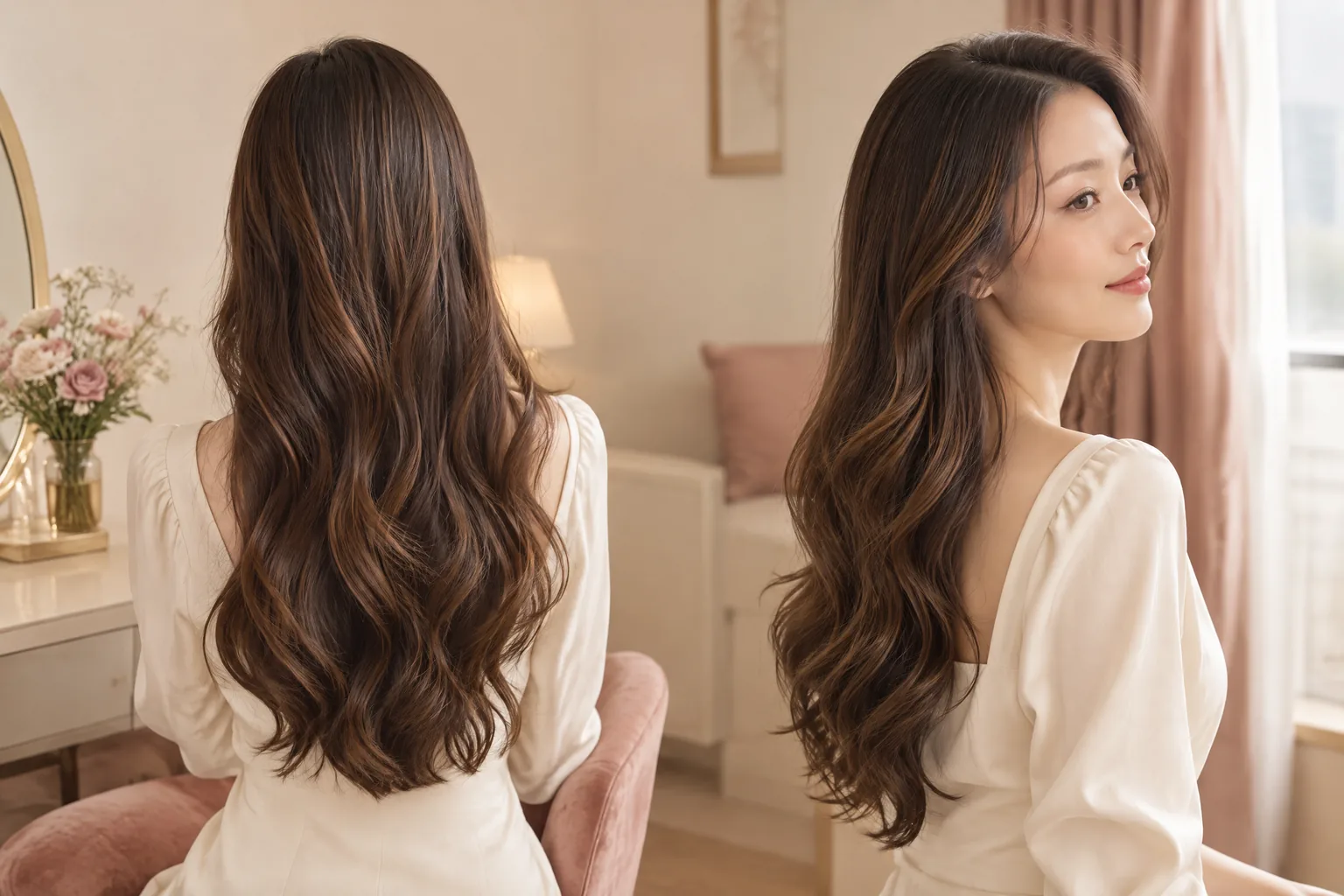
This guide helps Hong Kong fashion teams turn cool-brown references into a workable visual brief. It covers visible highlight areas, wardrobe decisions and separate hair and makeup enquiries. A quieter brunette design may suit a garment-led story; a hair-led close-up may need a different balance.
Give editorial cool brown hair contrast one focal point
Is the story about fashion, makeup or hair?
Begin with the frame you most need, not the most dramatic picture on the mood board. A full-length fashion image and a tight beauty crop ask different questions of the same head of hair. Write one sentence naming what viewers should notice first. For a sculptural jacket, that might be the shoulder shape. For a beauty image, it might be a defined eye. Keep the other elements supportive rather than equally insistent.
Choose a small set of references with clear roles. One can show the hair's darkness, another the highlight lines, and another the makeup finish. Label the feature you want from each image, including anything you dislike. Otherwise, a pale reference may be mistaken for a request to lighten everything. Include the intended crop beside these notes. A detail outside the finished frame should not automatically become the main reason for a permanent colour change.
The fashion makeup artist Hong Kong page offers a starting point for your BigDeal editorial makeup enquiry. Send the selected outfits, visual references and proposed shoot schedule together. Ask which makeup or styling arrangements can be discussed for that scope. Do not assume that a reference image confirms availability, staffing or every requested change. A clear enquiry gives the conversation a practical starting point without turning the mood board into a promised result.
Use the contrast table to identify the first compromise when too many elements compete. Suppose the chosen outfit has a bold print and reflective jewellery. You could keep the lip restrained while retaining visible brown depth around the face. If the hair itself is the subject, simplifying the neckline may be more useful than weakening every makeup feature. Decide which detail can move before asking the team to preserve every reference at full strength.
| Image priority | Keep prominent | Possible compromise |
|---|---|---|
| Garment-led frame | Silhouette or fabric detail | Quieter lip and less competing hair detail |
| Makeup-led crop | One defined facial feature | Simpler neckline and restrained accessories |
| Hair-led close-up | Selected light lines within brown depth | Less insistent makeup accents |
| Balanced portrait | Clear face and readable outfit | Moderate competing accents rather than maximum contrast |
Start cool-brown references with the hair you actually have
What previous colour and processing should you declare?
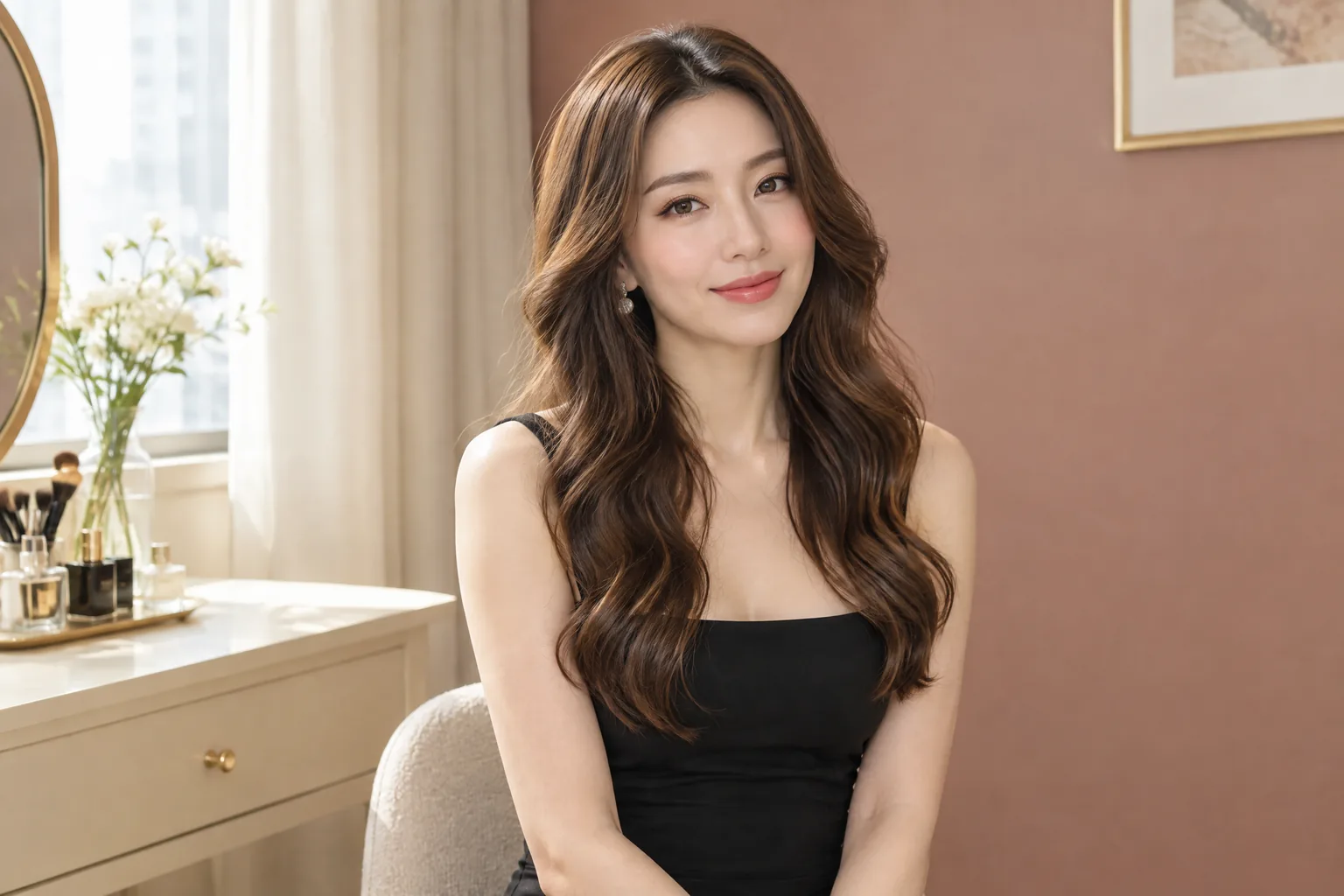
Photograph the current roots, lengths and ends without a colour filter. Include a view near a window and note where the hair has been coloured before. Declare home dye, bleaching, straightening or perming rather than guessing which history is relevant. If dates are uncertain, say so. The purpose is to explain the starting condition, not to choose a chemical process yourself. Existing dark lengths and untouched roots should not be presented as one uniform starting colour.
Vitso's ash brown hair colour guide separates a cooler reflection from the depth of the brown beneath it. Read it alongside your own photographs, especially if the reference has pale ends but dark roots. Mark whether you want less visible warmth, greater brightness or both. That distinction helps you ask a more useful salon question. The guide is related hair information, not a BigDeal colouring offer or confirmation that your reference can be reproduced.
Wella Professionals describes ash brown as cool brunette colour with smoky, muted hues. Its examples include deeper brown interpretations as well as lighter highlighted ones. That supports a useful distinction: coolness does not specify how light the whole design must be. Compare references at similar brightness before selecting the reflection you prefer. This vocabulary describes appearance, not a formula or confirmation of the preparation your hair would require. [1]
Keep the editorial goal separate from the look you want after the shoot. A pale reference might appeal in one fashion story but feel unfamiliar with your everyday wardrobe. Write down the darkness you want to retain and the amount of change you would decline. If an assessed colour plan cannot fit those limits, revise the styling or visual brief instead. An image can remain directional without becoming a requirement for a lasting hair change.
Name the areas where lighter lines need to be visible
Where should brightness appear in the selected frames?
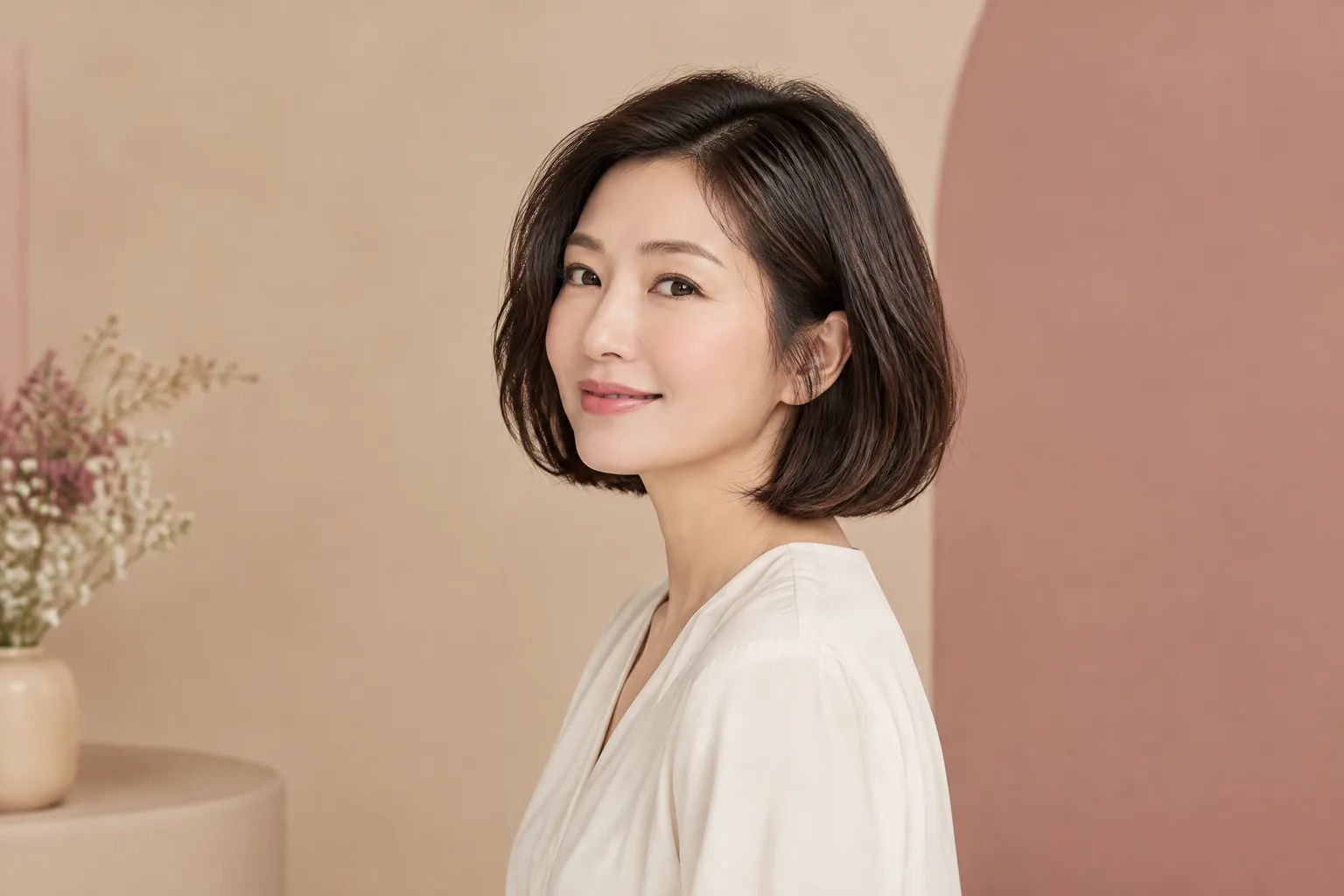
Draw the desired lighter areas on a copy of the reference rather than asking only for more dimension. Identify the parting, face-facing lengths and back separately. A front portrait may need a different visible arrangement from a turning pose that shows the underside. Also say how much dark hair should remain between the brighter lines. This describes the appearance you want to discuss without assuming a particular salon technique or amount of chemical work.
The hair highlights information at Vitso discusses width, spacing and contrast with the retained base. It also encourages photographs with hair loose and tied back. Use those views to explain the coverage your editorial poses require. A fine line and a low-contrast line are not the same request. Ask the salon to assess the design and its suitability before agreeing to work. BigDeal's makeup planning does not confirm that assessment or the colouring method.
Choose the intended parting and approximate hair shape before judging a placement reference. A line beside the face in loose hair may sit elsewhere when that section is pinned back. If the shoot includes both arrangements, show both to the salon and styling team. Do not choose more permanent brightness solely because one unfinished pose hides a detail. First ask whether the planned shape can reveal the existing contrast you already want to keep.
Make a simple visibility list for the shot sequence. Start with the principal portrait, then note the frames that expose different areas of hair. Where requests conflict, rank them instead of asking for maximum brightness everywhere. Consider broader pale ribbons for a graphic close-up, or quieter contrast alongside a detailed garment. These are alternative visual intentions, not claims about which design is easier, safer or cheaper to achieve.
- Front crop: identify the lighter lines nearest the face.
- Turning pose: show the sides and any visible underside.
- Back view: specify the dark areas you want retained.
Coordinate photo makeup with the approved wardrobe
Balance editorial cool brown hair contrast with the outfit
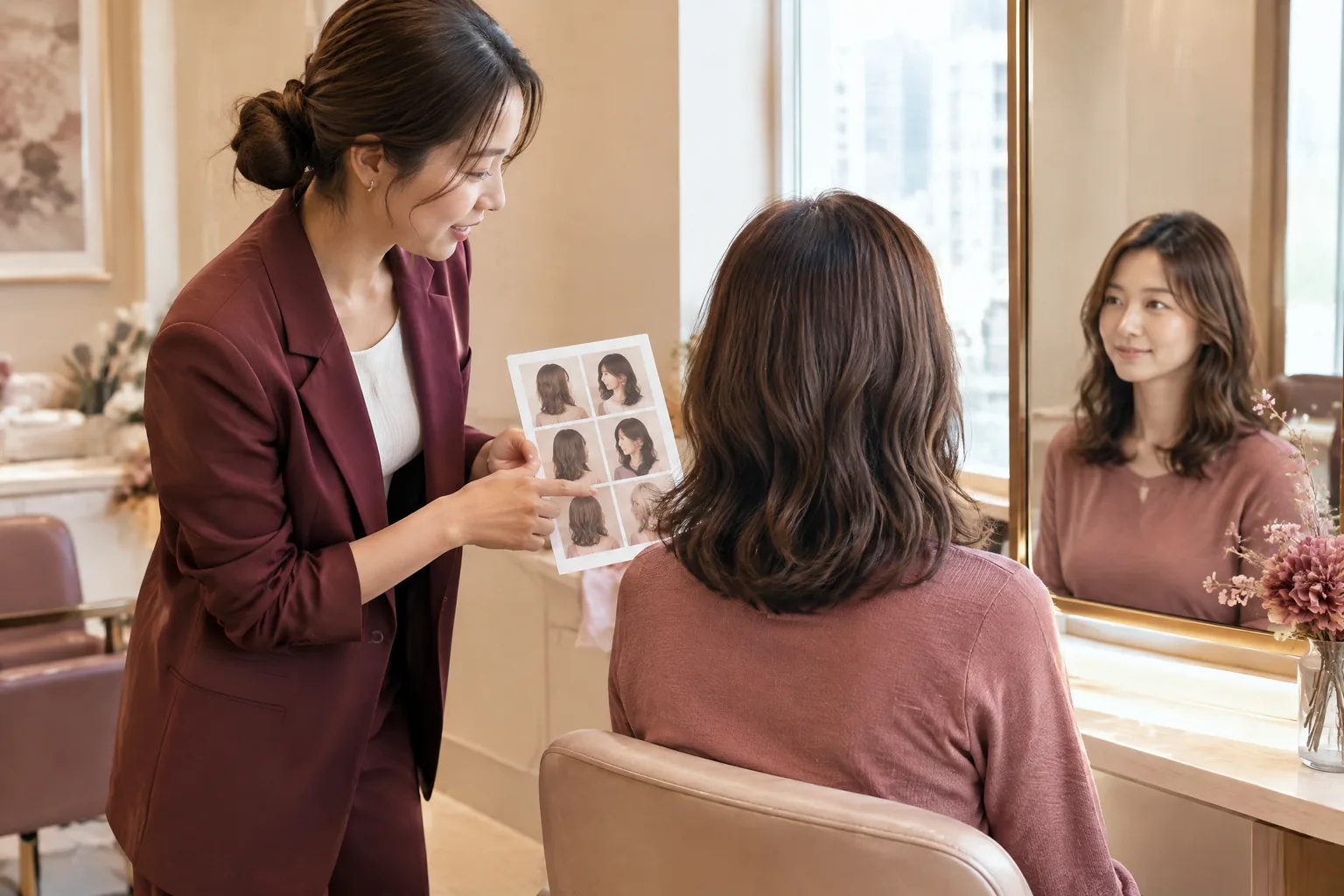
Bring photographs of the actual garments, not just a broad colour description such as silver or cream. Include the neckline, fabric surface and jewellery near the face. For a silver outfit, decide whether the makeup should continue that cool direction or introduce a deliberate warmer accent. Neither choice needs a rigid skin-tone rule. Consider the intended relationship and personal preferences; the hair shade alone cannot dictate the complete makeup direction.
For the makeup side, the professional makeup for photoshoot Hong Kong page provides a relevant BigDeal enquiry route. Share whether the planned images are close beauty crops, outfit portraits or a mix. Explain which makeup feature has priority and which can be softened when wardrobe changes. Ask about the proposed arrangements for those looks rather than assuming unlimited revisions or on-set attendance. Keep salon colour questions separate so that each service discussion has the right information.
Nikon's white balance guide explains how the camera compensates for lighting to keep image colours realistic. It advises revisiting the setting when light changes and describes using a grey card as a reference. Before changing makeup because a preview looks unexpectedly warm, ask the photographer to check the colour baseline. This is especially relevant when a Hong Kong shoot moves between a window-lit room and another lighting setup. Camera colour and hair colour are different decisions. [2]
Once that baseline is agreed, review the face, hair and outfit together in a proposed test frame. If an intense lip competes with the principal highlight ribbon, decide which should lead. You might soften the lip, reduce another makeup accent or change the pose. Avoid automatically adding cooler makeup to compensate for every warm-looking image. Deliberate warmth can serve the story, but it should be an agreed choice rather than a misunderstanding.
Define coverage before comparing a colour enquiry
What does the full-head resource leave unconfirmed?
A useful budget enquiry describes the proposed coverage before asking for a total. Explain whether lighter lines are wanted across the head or only in particular visible areas. Include hair length, current colour photographs and the changes you hope to avoid. The editorial brief can clarify those priorities, but it cannot determine the required salon work. Ask what remains provisional, particularly if the reference has markedly lighter sections than your current hair.
The full head highlights cost resource leads to Vitso's published price menu, not a quote for your individual hair. The menu distinguishes listed options and asks readers to confirm applicable work, length charges and additions. Use it to prepare questions about coverage and inclusions. Ask whether any proposed toner, lightening or other work is included in the quotation. Do not infer a combined package from separate entries, or treat this reading as a booking through BigDeal.
When comparing proposals, put the work beside the amount rather than comparing totals alone. One discussion may concern selected visible sections, while another considers coverage across the head. Record the proposed areas, any separately discussed work and the finish being quoted. If something is unclear, ask for clarification before approval. The table connects these questions to your brief; a familiar label should not obscure differences in scope.
If the assessed plan exceeds your budget or preferred amount of change, identify the main visual priority again. You could ask whether a narrower design is suitable, or keep the current colour and revise makeup and styling. Do not assume that a smaller visible area always means a lower total; preparation still needs assessment. Keep salon charges and BigDeal makeup arrangements as separate enquiries. This makes it easier to see what is approved without implying a shared package.
| Brief detail | Question to ask | Do not assume |
|---|---|---|
| Visible coverage | Which sections are included? | Every service label has identical boundaries |
| Existing colour | What preparation is proposed? | Roots and dyed lengths need the same work |
| Cool reflection | Is any toner included? | A highlighted reference establishes inclusions |
| Hair length | Are length charges relevant? | A menu entry is your final total |
Confirm the final commercial photo brief before makeup preparation
Which colour and wardrobe details have changed?
Gather the approved outfit photographs, crop references and current hair images into one concise brief. If the hair has changed since the first enquiry, send an updated photograph rather than the original inspiration alone. Note any revised parting, accessories or pinned shape. Those details tell the makeup team what will actually sit beside the face. Remove or label rejected references clearly, so an earlier preference does not return as an instruction.
The Hong Kong commercial makeup overview is the appropriate BigDeal reading for discussing the approved editorial production scope. Send the shoot date, preparation location, number of proposed looks and expected changes with your enquiry. Ask what makeup arrangements can be confirmed for that brief. A commercial overview does not establish every production inclusion, and an editorial reference does not reserve a team. Keep the conversation focused on this fashion shoot rather than adding unrelated portrait requirements.
Agree who can approve a makeup adjustment when the first frame is reviewed. A client, photographer and stylist may each notice different priorities, so name the person making the final choice. Specify which features are fixed and which remain open to discussion. For a Hong Kong shoot with studio and location frames, share the location sequence as well. The makeup enquiry can then address the actual schedule without assuming travel, touch-ups or extended attendance are already included.
Before preparation begins, check the final brief against the contrast decision made at the start. Does the garment still lead, or has the principal image become a beauty crop? Has a stronger hair ribbon changed which makeup detail should be quiet? Update the agreed direction if the story has moved. The aim is not to freeze every early idea. It is to ensure that the person preparing the makeup works from the same current image as everyone else.
Key takeaway
The strongest editorial decision is often what to keep quiet. Preserve the brown depth, highlight placement or makeup feature that serves the principal frame, then negotiate the competing detail. A cool-brown reference becomes useful when it describes visible priorities, not when it asks every service to reproduce one photograph.
Practical checklist
- Name the garment, makeup feature or hair detail that should lead the main frame.
- Separate desired brown depth from cooler reflection in the references.
- Share current hair photographs and known colour or chemical history with the salon.
- Show loose and pinned shapes for the planned shot sequence.
- Confirm quotation coverage and send the final wardrobe brief for the makeup enquiry.
Frequently asked questions
Does cool brown mean the hair must become much lighter?
No. Cool reflection and overall brightness are separate parts of the reference. Identify the darkest brown you want to keep, then the lighter areas you like. A salon still needs to assess your starting colour and history before confirming what change is suitable.
Should all makeup colours be cool to match ash-brown hair?
Not necessarily. A warmer lip or cheek direction can be a deliberate contrast, while cooler makeup can continue the wardrobe story. Choose the relationship you want around the actual outfit. Review it in the planned lighting rather than applying a fixed rule based on the hair label.
Are more highlights needed if the shoot includes tied-back hair?
Not automatically. Show the tied-back shape and the loose arrangement when discussing placement. The useful question is which areas become visible in each frame. An agreed styling change may alter what the camera sees; adding permanent brightness should remain a separate, assessed salon decision.
Can the published menu settle the full colour budget?
It is a starting resource, not an individual quotation. Confirm the applicable coverage, preparation, length charges and separately proposed work. Keep the approved salon scope beside the quoted amount. BigDeal makeup arrangements require their own enquiry and should not be assumed to form a combined package.
What should I send if the wardrobe changes after my makeup enquiry?
Send the replacement outfit photograph with its neckline, nearby accessories and revised crop. Include a current hair image if that has changed too. State whether the original contrast priority still applies. Ask BigDeal to confirm any resulting changes to the makeup arrangements rather than relying on the earlier brief.
Sources
| Source | What it supports |
|---|---|
| 8 Ash Brown Hair Color Ideas for a Cozy, Cool-Toned Brunette | Wella describes ash brown as cool brunette colour with smoky, muted hues and illustrates both deeper and lighter highlighted versions. The article uses this to separate reflection from brightness, not to promise an achievable colour. |
| The beginner’s guide to White Balance | Nikon explains white balance as compensation for scene lighting, advises revisiting it when lighting changes and describes using a grey card. This supports checking a preview's colour baseline before altering makeup. |
Discuss your own makeup plans
Planning an editorial fashion shoot? Send BigDeal Make Up your approved wardrobe references, shoot date and proposed makeup looks on WhatsApp +852 6918 3153 to discuss makeup arrangements. Please confirm hair colour services and quotations directly with the salon.
Ask on WhatsApp +852 6918 3153