
At a glance
A useful review ends with three decisions: which views matter, whether a small makeup adjustment helps, and when to pause. Keep the ceremony movement realistic. Agree any personal-item handling separately, and give the photographer enough context to capture the tea exchange without repeated interruptions.
A groom tea bow forehead makeup review that answers your concern
What a groom tea bow forehead makeup review should settle
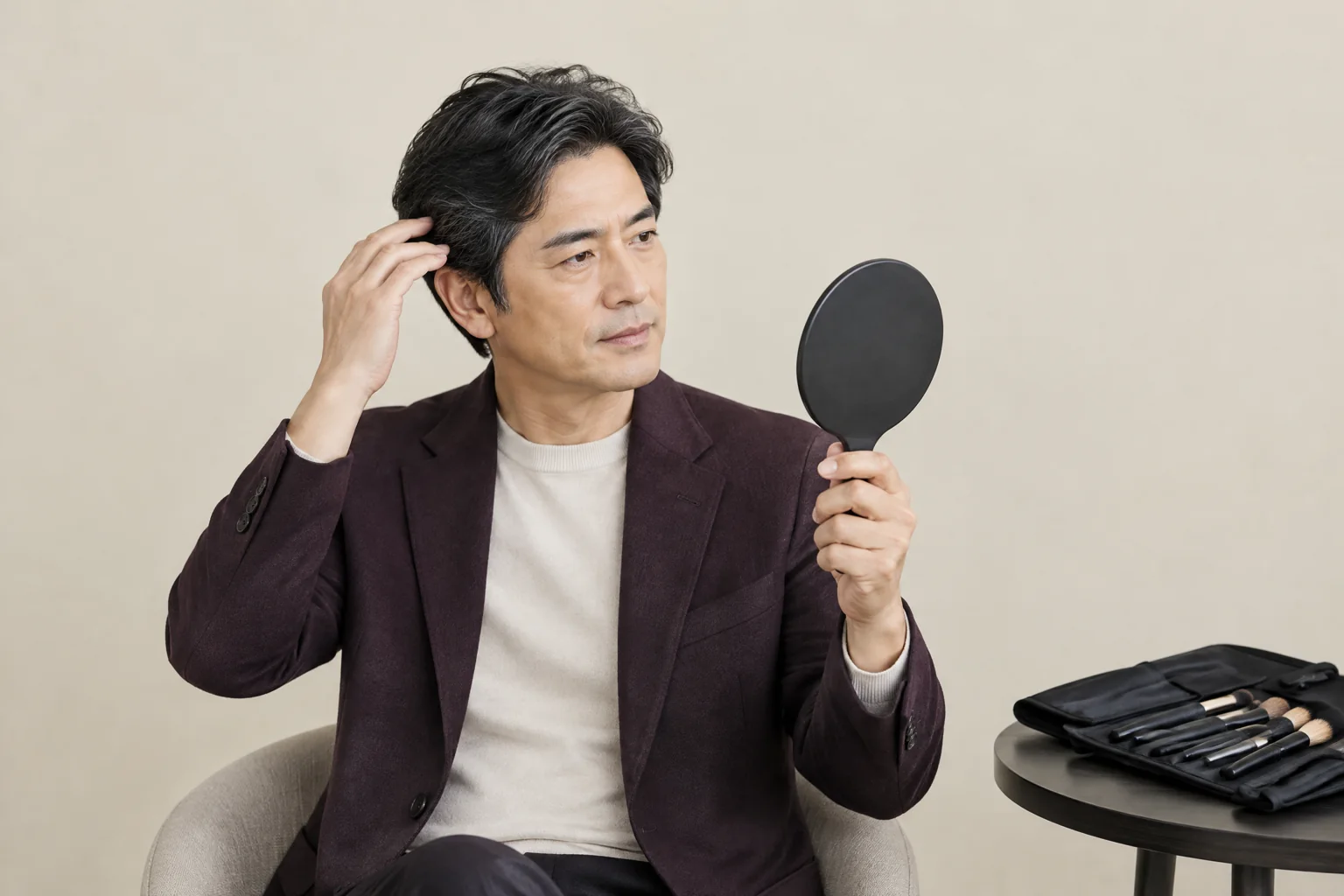
Start by naming the moment that worries you, rather than asking whether your forehead looks generally good. You might notice shine while lowering your head, or dislike the outline as you rise. Show that moment in an ordinary, unfiltered image. Then describe what you would prefer to see instead. A request such as reducing a bright patch gives the makeup discussion a practical focus. It also avoids changing an otherwise comfortable look unnecessarily.
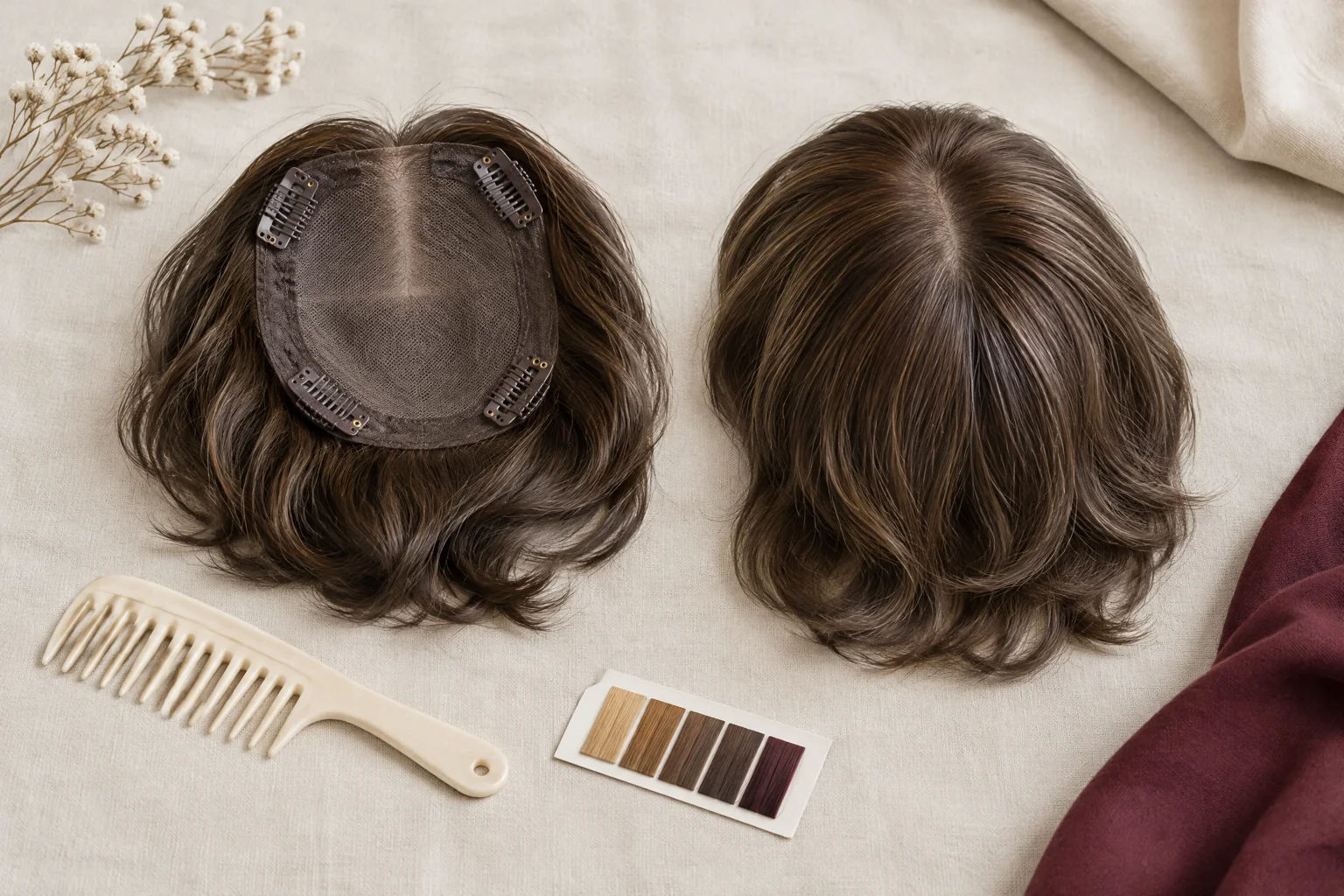
If your concern involves front coverage, OwnStrand offers related reading and shares the same owner as BigDeal Make Up. Its men's hair system for receding hairline guide starts with the area you want covered. That can help you describe an existing item before your makeup enquiry. Bring the item's own handling instructions alongside your reference image. Keep coverage and fit questions with the item supplier; the bow review concerns the appearance you approve.
For the makeup side, the groom makeup service page is the relevant starting point for your enquiry. Explain that the tea bow matters, rather than sending only a posed portrait. Mention whether your usual forehead finish is bare, lightly evened or more matte. Share any products you already plan to wear. Those details make the discussion specific. A short ceremony movement need not become a request for a different overall face.
Agree the forehead views before anyone starts taking close-ups. A practical set includes your face upright, your head lowered during the tea exchange, and your face upright again. Decide whether the side view matters for your ceremony position. Review these at an ordinary viewing size first. You can request a closer look at one concern afterwards. This keeps the appointment focused on photographs you actually expect, rather than every possible magnified detail.
Rehearse the tea exchange, not an exaggerated bow
Use the position your family has agreed
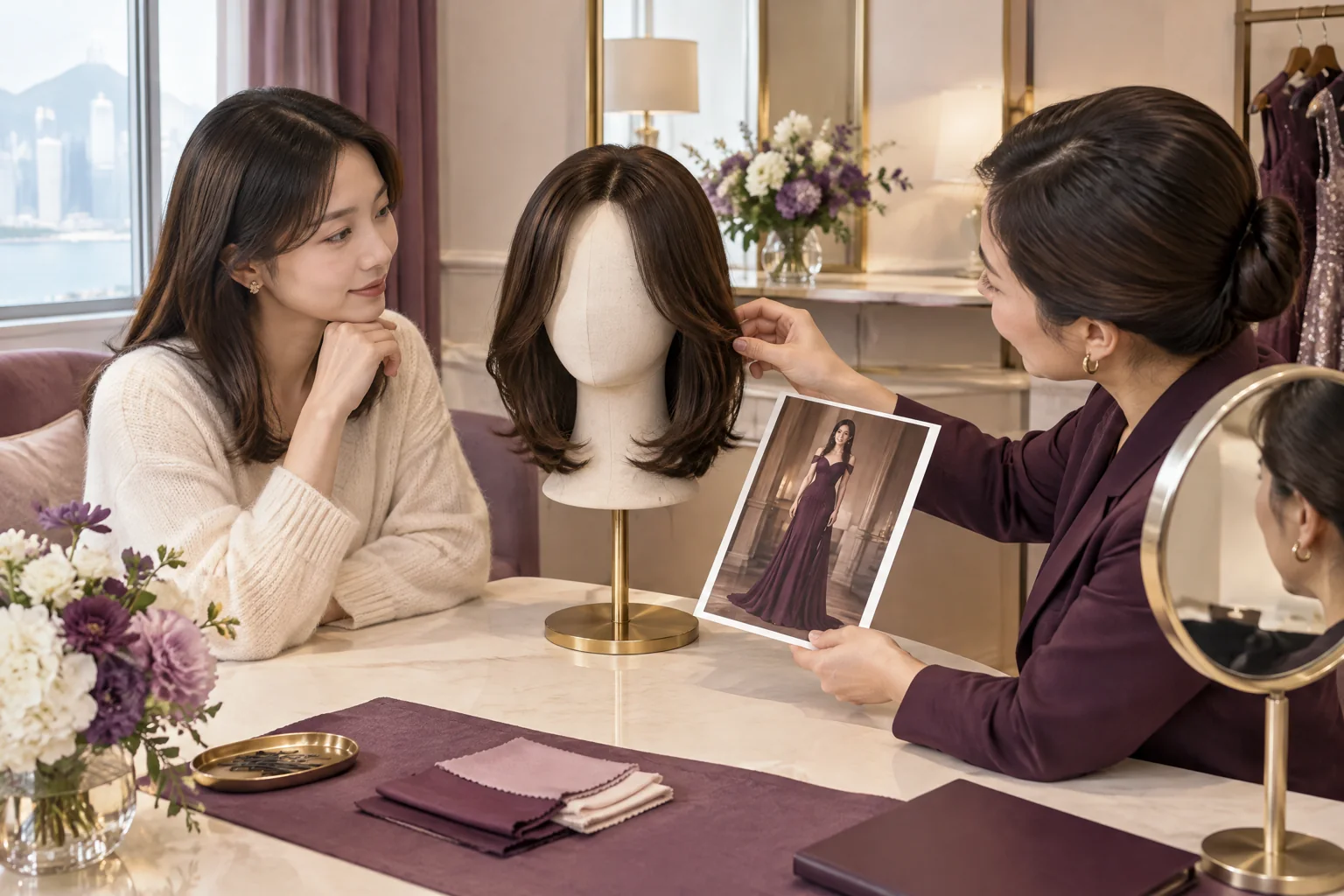
Wedding photographer Monica Lam describes kneeling or standing and bowing as choices for the couple and their families. That is a reason to confirm your own arrangement before rehearsing. Ask whether you will kneel on cushions or remain standing beside your partner. Also establish where the elders will sit. The movement and resulting forehead view will differ between those setups. There is no need to invent a deeper bow simply to make the review harder. [1]
Set out a chair and the planned cup or a similar empty one. Use an empty cup during the appearance rehearsal, rather than adding hot tea to a camera check. Practise receiving it, extending both hands and returning to your usual position. Include the slight pause while the elder accepts it. Watch where your head naturally lowers during that sequence. Your aim is to reproduce the handover, not hold an awkward pose for inspection.
Wear the jacket and collar you intend to use, where practical. Check whether reaching forward changes your posture or makes you lift your shoulders. If your outfit restricts movement, discuss the outfit or handover arrangement before blaming the forehead appearance. Keep any personal hair item in its planned wearing position. Avoid repeated lifting or repositioning for different photographs. One consistent setup gives you a more useful comparison between the beginning and end of the movement.
Record a short sequence from the expected camera position, then choose a few clear frames together. A video lets you see whether a detail appears briefly or persists afterwards. Pause at the handover and again when you return upright. Use the same screen brightness while comparing them. Keep one wider frame showing the couple and elder as well. The forehead is part of that exchange, not the only detail that matters in the photograph.
Find whether the change belongs to light, makeup or the item
Compare one variable before adding more product
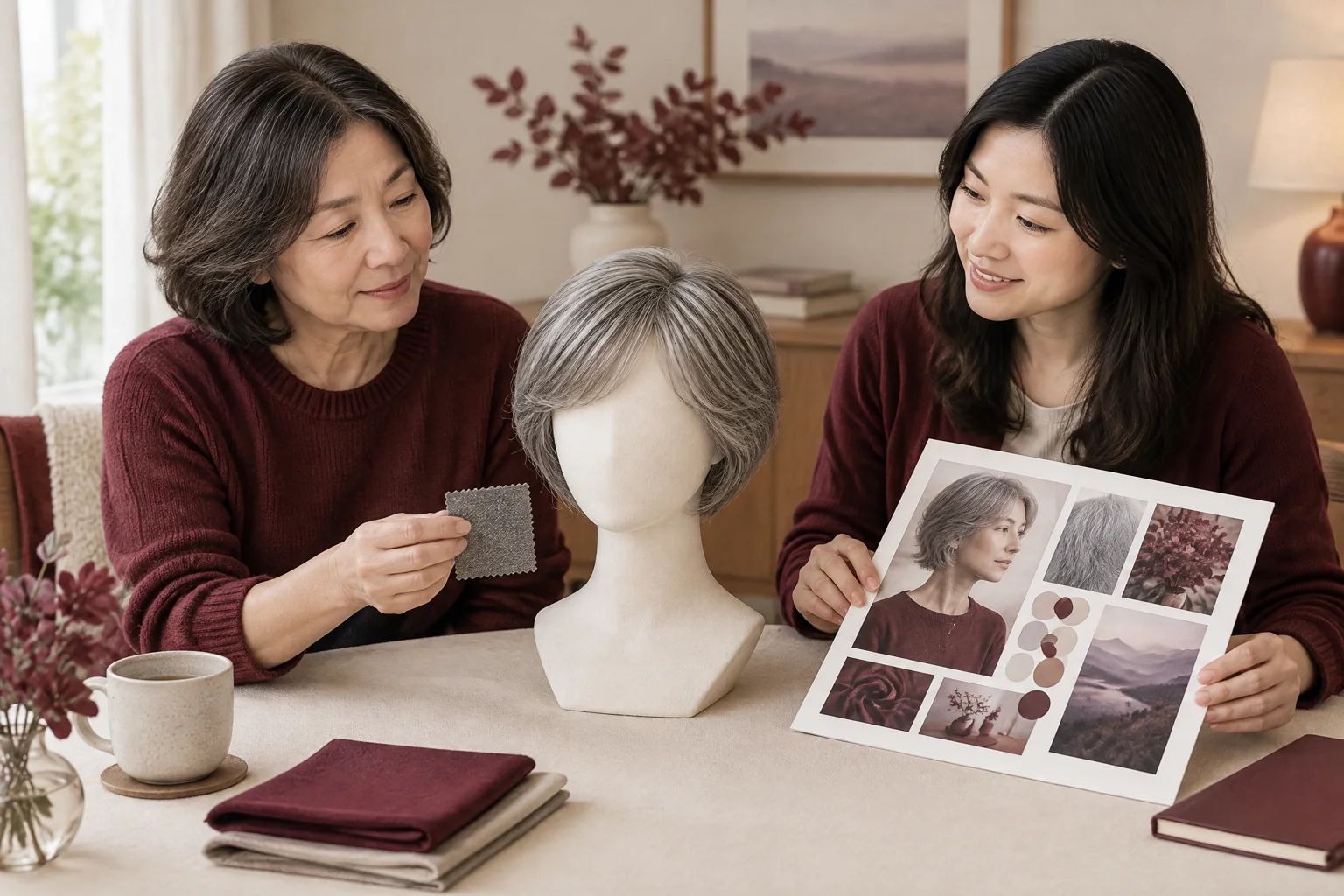
Nikon's portrait guidance presents window light without overhead lighting as a way to create dramatic images using shadows. It illustrates why a darker forehead area is not automatically a makeup defect. Compare your rehearsal under the lighting planned for the ceremony. Then ask the photographer whether another light source explains the change. This is a comparison, not a rule to switch every ceiling light off. The family still needs a comfortable, usable ceremony space. [2]
If the concern is a bright patch on exposed skin, locate it while your head is upright and lowered. Ask which small makeup adjustment could address that patch without changing the rest of the face. Compare the result after the same movement, using the same view. A matte preference should be yours, not an automatic response to every highlight. If you like the original finish at normal distance, keeping it may be the better choice.
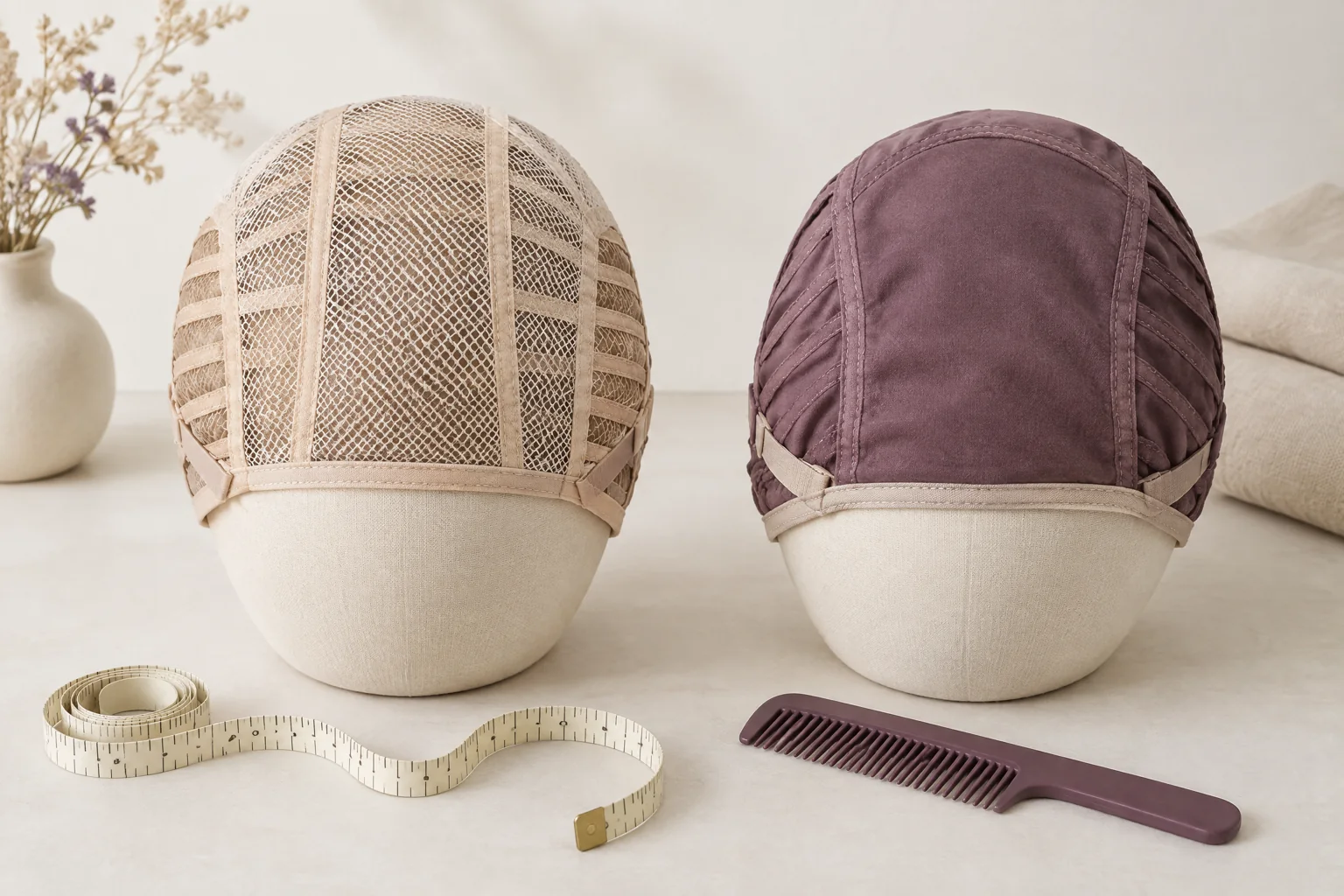
If your item is described as a lace front wig, OwnStrand's guide explains what that label means. It does not specify one attachment method. That is useful when deciding who should answer a handling question. It is not a reason to select a different lace construction during makeup preparation. If an edge or wearing position concerns you, ask the item's supplier about that exact piece. Keep makeup products away from its edge unless the applicable instructions permit contact.
Change only one thing before repeating the check. If the photographer adjusts the lighting, leave the makeup alone for that comparison. If makeup is adjusted, keep the camera and head movement consistent. Record whether the concern improved in the agreed view, rather than saying the whole look is better. An unresolved item-position issue needs a separate conversation. More coverage on the skin cannot establish whether a personal hair item fits or should be handled differently.
Choose between keeping the look and a small reset
Let your approval decide the next step
Review the images yourself before inviting comments from the wedding party. Say which frame feels comfortable and which detail you want changed. You can approve the overall appearance while rejecting a particular close-up. Ask to see any proposed adjustment before agreeing to repeat it on the morning. A partner can help describe the concern, but your preference should lead. The useful outcome is a decision you understand, not a group vote about your forehead.
Keep the original finish when the agreed frames look acceptable and the movement feels comfortable. A brief highlight or shadow does not require a correction simply because it appears in a paused video. Ask whether it affects the photograph you want to keep. If it does not, avoid adding another task to the ceremony. Leave the approved reference available for a quick morning comparison. That helps everyone recognise what you chose without reopening every styling decision.
A local makeup reset makes sense when the concern is specific and the revised frame earns your approval. Note the area to check and who will carry out the agreed touch-up. Repeat the tea movement once after the adjustment. If the issue returns immediately, discuss whether another pause would be worthwhile. You could leave the finish alone until after the tea round. That avoids interrupting each handover for another appearance check.
The Hong Kong bridal party makeup page helps you frame the wider party enquiry when several people need preparation. For your bow review, explain who needs to be present and who can continue getting ready elsewhere. Reserve a clear space for your cup handover and camera check. Family members do not all need to watch a personal forehead review. Separating that short check from the party's preparations can make the morning feel less crowded.
- Keep the look when the agreed views are acceptable.
- Reset only the approved makeup area, then repeat the same movement.
- Change the review timing when repeated checks disrupt the tea exchange.
| What you notice | Useful next step | Decision before the ceremony |
|---|---|---|
| The agreed views feel comfortable | Keep the existing makeup finish | Use the approved reference without further adjustment |
| One exposed-skin patch looks too shiny | Compare one local makeup adjustment | Keep it only if you prefer the revised frame |
| A dark area changes with the lighting | Compare the intended camera setup first | Decide with the photographer before adding makeup |
| An item shifts or feels uncomfortable | Pause and discuss item-specific handling separately | Resume only with a comfortable agreed arrangement |
| Checks are delaying each tea handover | Move the appearance review outside the tea round | Agree whether a later makeup check is worthwhile |
Agree camera views without turning the tea ceremony into a test
Protect the exchange and your preferred photographs
Tell the photographer which forehead view you reviewed and what you approved. Also describe the photographs you value beyond that detail, such as offering tea or receiving a blessing. This gives the photographer context rather than a rigid instruction to avoid your forehead. A side position may show the handover differently from a frontal one. Ask how the planned view fits the room and family seating. The camera arrangement should support the ceremony, not continually rearrange it.
If you are considering full coverage separately, OwnStrand's men's wigs guide distinguishes that category from partial hairpieces. Use it for that separate reading question, rather than assuming a bow frame identifies the right product. Hong Kong readers can browse online or enquire about sample viewing at its Kwun Tong shop. Discuss arrangements before travelling. Choosing or changing an item is a separate decision. The makeup review should use the actual look you intend to wear.
Agree how close the check images should be before they are taken. A tight forehead crop can help discuss one detail, but it need not become a wedding photograph. You may prefer the approved reference to include your full face or shoulders. Tell the team which format you find useful. If the photographer expects a different angle during the ceremony, request a rehearsal frame from that position. Resolve the mismatch while there is time to compare calmly.
Keep personal review images out of the general family chat unless you choose to share them. Explain who may see the close-up and what it is for. Approval to use a photograph for preparation is not the same as approval to publish it. You can ask for the wider ceremony photographs to be discussed separately. These choices are especially useful when a phone records the rehearsal. Decide how the chosen reference will be shared and stored.
Make the wedding-morning check brief and easy to stop
Confirm the sequence before cups reach the couple
When enquiring through the Hong Kong mobile wedding makeup artist page, include the tea location and planned preparation location. Explain whether the review happens before dressing or once your jacket is on. Ask about the makeup arrangement and time available for the agreed check. Keep any separate item appointment outside that request. A clear location and sequence help the team discuss logistics. They do not mean every requested service or touch-up interval is included automatically.
On the morning, compare your upright face with the approved reference once the planned outfit and personal item are ready. Run one empty-cup handover if the space allows. Check the agreed lowered-head frame, then your return upright. If the look matches your preference, move on to the ceremony. Ask a helper to keep the cup and review phone nearby during preparation. Put the phone away before the tea round unless it has an agreed role.
Pause the review if the movement feels uncomfortable or a personal item changes position. Set down the cup and discuss the specific issue without continuing to bow for photographs. Avoid experimenting with adhesives, cutting an edge or adding heat as a makeup shortcut. Those actions need the appropriate item instructions and a separate arrangement. If the next step cannot be settled, choose a comfortable approved look or pause preparation. A photograph is not worth forcing repeated uncomfortable movements.
Update the reference only when something relevant changes, such as a different jacket, wearing position or camera setup. Note what changed so the next comparison has a clear purpose. Keep the final plan short: the approved views, any local makeup check and the agreed stopping point. Share it with the people who need it before the tea starts. Then let the ceremony proceed naturally. The review has done its job when you can focus on the exchange.
Key takeaway
Choose a comfortable tea exchange over repeated forehead inspections. Keep the original look when your agreed views work. Make a small makeup change only when you prefer its result, and pause item concerns separately rather than trying to solve them through makeup.
Practical checklist
- Confirm standing or kneeling with your family before the rehearsal.
- Bring the planned jacket, empty cup and personal-item instructions.
- Approve upright, lowered-head and return-upright views at normal size.
- Agree one local makeup adjustment only where you want a change.
- Share the camera preference and stopping point before the tea round.
Frequently asked questions
Do I need a deeper bow for the review?
Use the movement your family has agreed for the actual ceremony. An exaggerated bow tests a different situation. Rehearse the cup handover and return upright, then approve the views that matter to you.
Can makeup guarantee that my hairpiece stays in place?
No. This review concerns makeup appearance during your planned movement. Fit and handling belong to the exact item's instructions and supplier discussion. Pause if its position changes, rather than treating more makeup as a fixing method.
Should I cover every forehead highlight?
Not necessarily. Compare the agreed frame at normal viewing size and under the planned lighting. If you prefer less shine, discuss a local adjustment. Keep the original finish when you already like the result.
What if the rehearsal camera angle differs from the wedding angle?
Ask for a comparison from the expected ceremony position. Explain which earlier view you approved. The photographer can then discuss the room and seating constraints before you decide whether another makeup check would help.
What should I send with my BigDeal enquiry?
Send your tea-ceremony sequence, planned outfit and preferred reference views. Include a photograph of your personal item if relevant. Explain the makeup concern and who may see the images, so the enquiry remains specific.
Sources
| Source | What it supports |
|---|---|
| Chinese Tea Ceremony: Everything you need to know and how to photograph one | Monica Lam describes standing and bowing or kneeling as choices made by the couple and their families, supporting rehearsal of the family's actual ceremony position rather than a universal bow rule. |
| Using Shadows and Light in Your Photographs | Nikon's guidance uses window light without overhead lighting to create dramatic portrait images with shadows, supporting a lighting comparison before interpreting a dark forehead area as a makeup defect. |
Discuss your own makeup plans
For BigDeal Make Up makeup enquiries, WhatsApp +852 6918 3153 with your tea-ceremony plan and preferred forehead views. Share your own item or its photo if relevant. This contact is for makeup arrangements, not an OwnStrand fitting or wig order.
Ask on WhatsApp +852 6918 3153