
At a glance
For adults who enjoy their natural waves, the useful questions concern dry length, face visibility and comfortable movement. Compare ordinary photographs with your portrait plans before requesting a change. Makeup can coordinate with that choice without asking every relative to adopt the same finish.
Choose a family photo natural wave shape you recognise
How does family photo natural wave shape look in everyday photos?
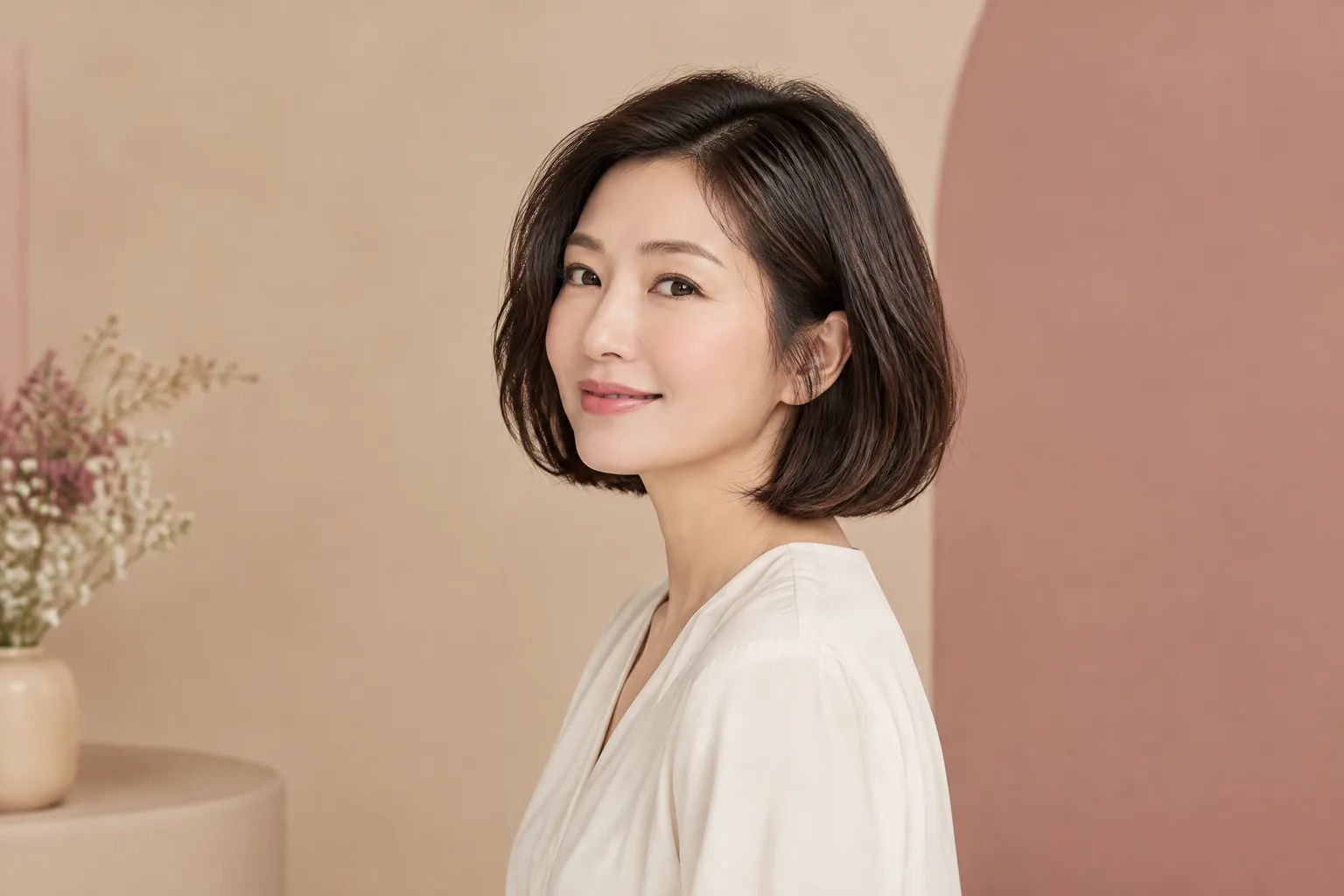
Begin with recent, unfiltered photographs taken after your ordinary washing and drying routine. Include a front view and both sides, rather than choosing only the image with the strongest bend. Notice what feels like you: loose movement beside the cheek, a fuller lower edge or an uneven parting. Texture is not a defect to remove. Your aim is to decide which familiar features should remain visible in the family portrait.
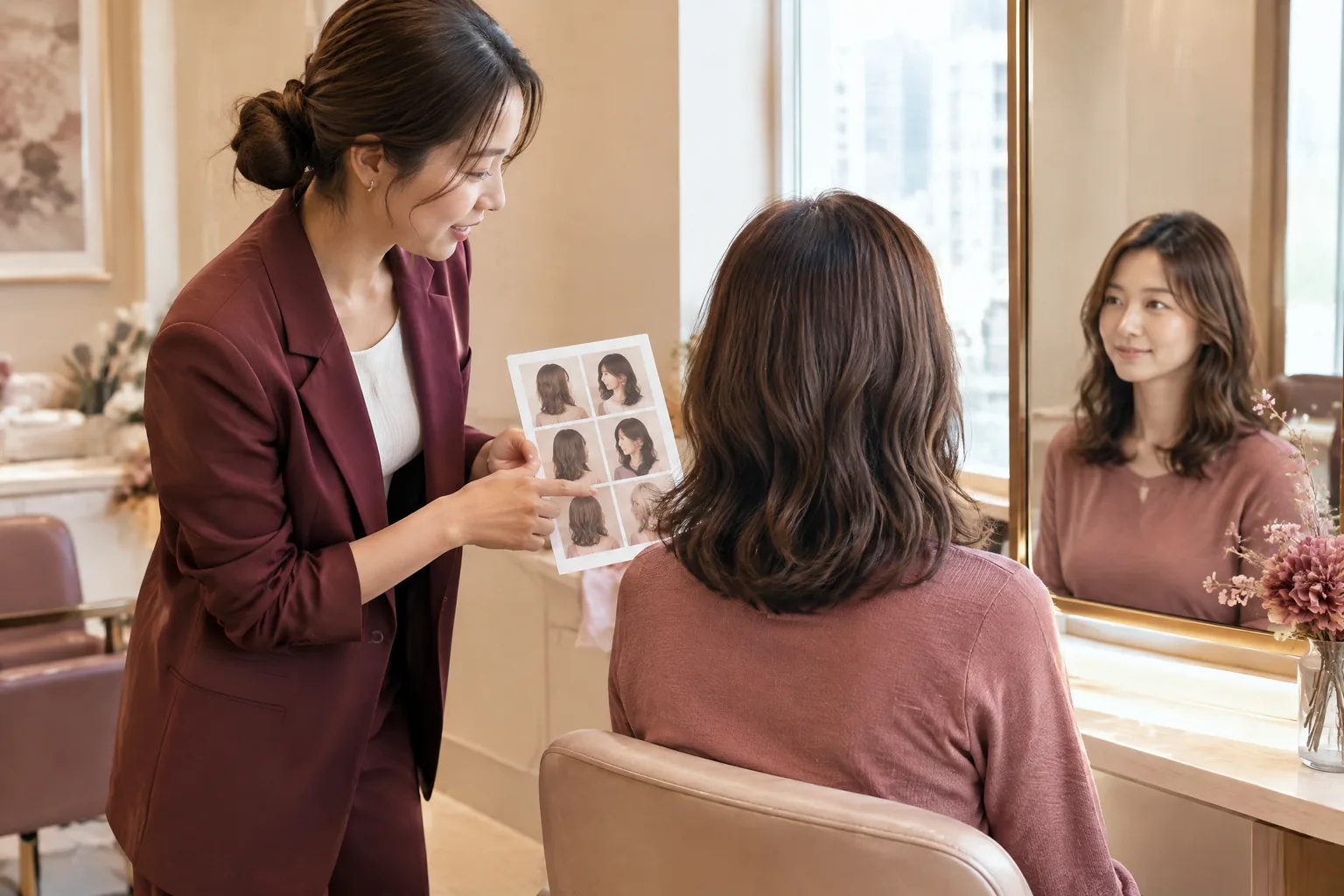
Separate the photograph you admire from the hair you want to maintain. A reference may show waves arranged with a tool, a tucked side or hair lifted off the shoulders. Name the feature you like instead of requesting the whole picture. For example, you might want an open cheek while keeping your ordinary bends. That request leaves room to discuss a simple adjustment without assuming a new cut or added curl.
BigDeal's family photoshoot makeup Hong Kong page is a useful starting point for discussing the adults' makeup requirements. Send your preferred finish with the session location and any relevant portrait references. Mention that natural waves are part of the look you want to keep. Ask which makeup or styling arrangements can be considered, rather than assuming they are included. A family portrait enquiry should not silently become a salon cutting request.
Check your hair with the outfit you actually intend to wear, not just a plain preparation top. A high collar, necklace or cardigan can occupy the same space as the lower waves. Look upright, then turn slightly towards another person. Decide whether you prefer both sides forward or one side tucked. This is a practical visibility check. It does not mean every face needs the same frame or both sides must match.
- Keep one everyday reference alongside any polished inspiration image.
- Choose the bend you want visible, not a promise of perfect symmetry.
Consider cutting for the existing wave, not replacing it
What should the salon know about your ordinary routine?
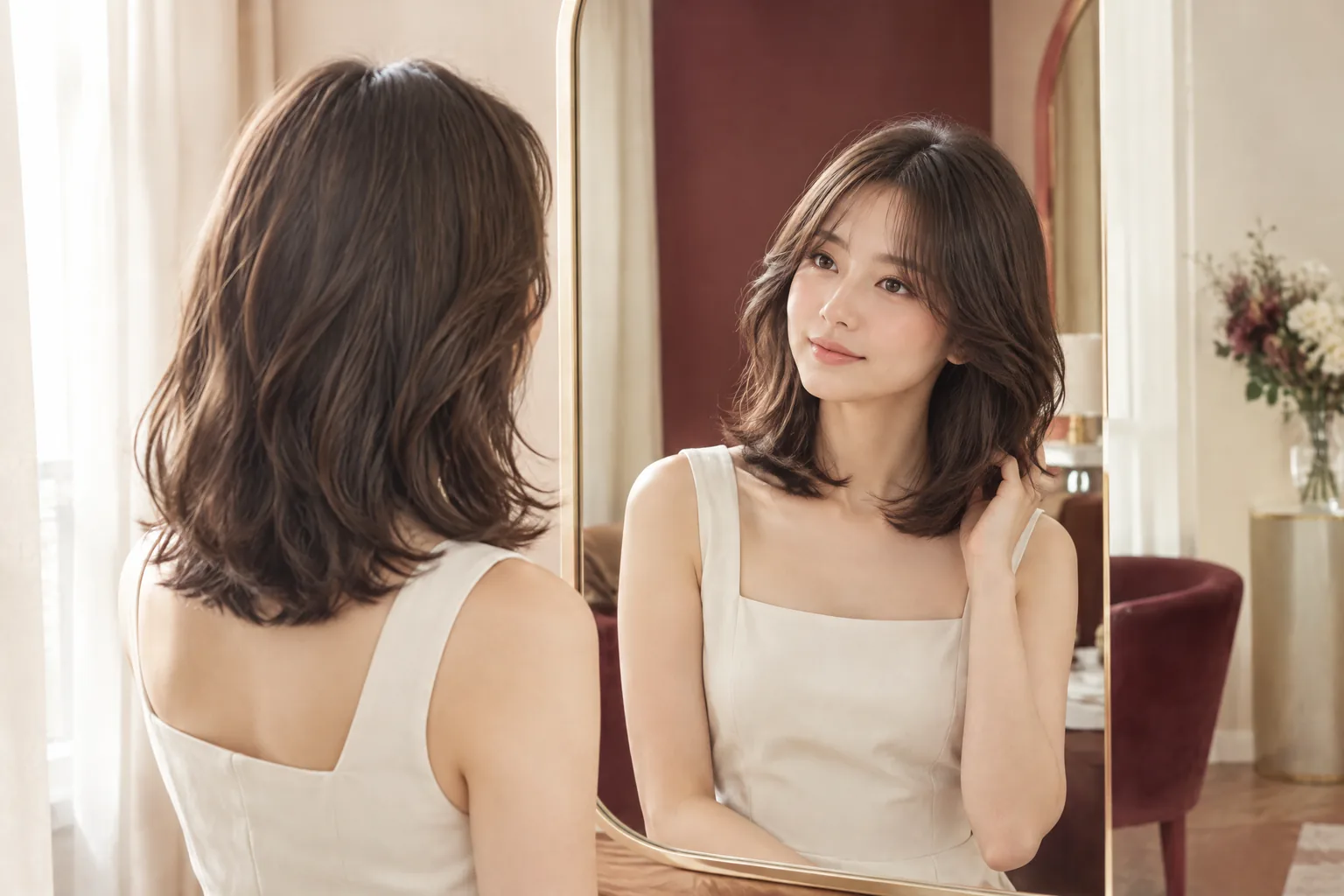
A cutting conversation starts with what must remain usable after the session. Show your normal parting and explain whether you air dry, use a dryer or tie your hair for work. Identify the shortest dry point you would accept beside the face and at the back. Those areas need separate attention. Asking for movement does not explain how much length you can lose. It also leaves unclear which pieces must reach your usual tie.
Distinguish the bottom edge from the shorter lengths within it. You may like the overall length but feel that one side looks wide beside your cheek. Alternatively, the lower edge may bother you while the front already works well. Describe the area, rather than asking for layers everywhere. A proposed change should make sense with your actual drying habits. Do not plan around a finish that you would rarely recreate at home.
For a separate salon discussion, Vitso's haircut for naturally wavy hair guide considers ordinary dry movement and comfortable end positions. Vitso Hair and BigDeal Make Up have the same owner; this is related salon reading, not an independent recommendation. Bring your everyday photographs to the hair consultation and distinguish cutting from added curl. The guide helps you prepare questions, but it cannot establish what your own hair will do after a particular cut.
The American Academy of Dermatology advises limiting heat styling, using low or medium settings and a heat-protection product. That guidance supports avoiding repeated hot-tool corrections simply to make every bend identical. It does not promise that any styling method is damage-free. If a portrait finish needs more heat than you normally use, discuss that difference beforehand. Keeping some natural variation may be a more comfortable choice than repeatedly reshaping the same sections. [1]
| What you notice | First comparison | Trade-off to discuss |
|---|---|---|
| A bend covers one cheek | Try your normal parting and an ear tuck | Face visibility versus the frame you enjoy |
| Ends catch a raised collar | Check the outfit while seated | Neckline clearance versus retained length |
| The lower edge feels uneven | Compare ordinary dry front and back views | A refreshed edge versus keeping every longest section |
| The reference has uniform curls | Separate its cut from its styled finish | Photograph-day effort versus your usual routine |
Compare a longer bob against real family poses
Where do the ends sit when you lean towards someone?
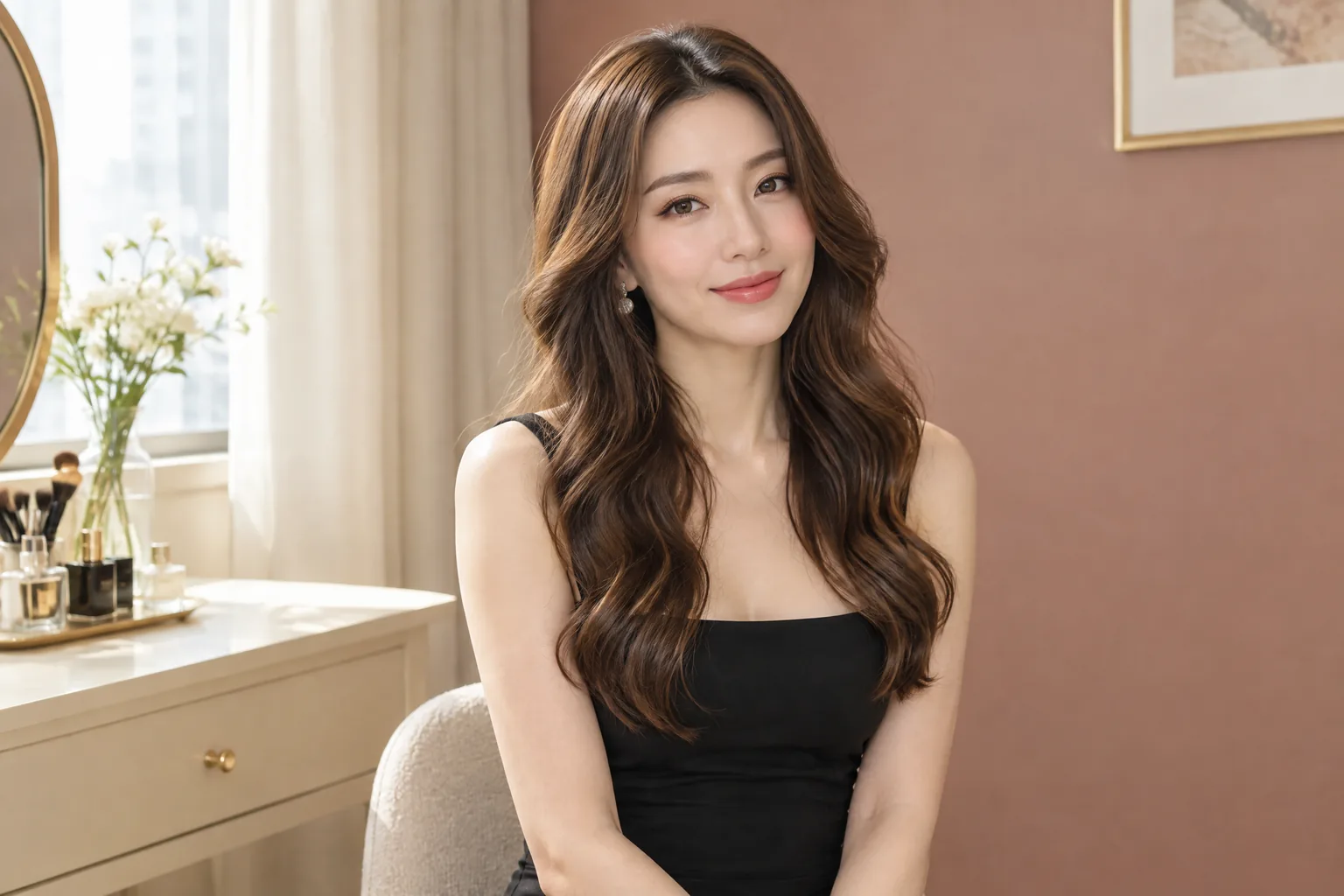
A longer bob deserves more than a standing mirror check. Sit in the planned outfit and turn towards the space another relative will occupy. Notice where the front pieces rest when you look down or lean closer. A length that feels clear of your face upright may sit differently in a seated embrace. Try an ear tuck before deciding that cutting is necessary. Changing placement can answer a portrait concern without changing your everyday outline.
Vitso's lob haircut information compares length landmarks and separates the outer edge from layers and front pieces. Use that salon resource to describe where you want your own dry ends to land. The label alone does not guarantee collar clearance or a complete ponytail. If you like a longer frame, say which shorter pieces must remain useful. That is more precise than assuming every photograph called a lob shows the same length.
Canon's family photography guide recommends getting down to children's eye level and trying seated or floor-level positions. For your preparation, this means an upright adult pose is not the only useful reference. Check the hair around your cheeks while sitting comfortably beside a child, without forcing a pose. This applies the photography advice to your preparation; Canon does not prescribe a haircut. Let the photographer guide the final position and framing during the session. [2]
Compare front and side views before committing to a shorter outline. If you want the shoulders clear, indicate that landing point on yourself. If tying back matters more, demonstrate your actual tie position and whether loose front pieces are acceptable. Neither preference is universally better for family photographs. The useful trade-off is between a clearer neckline and retaining practical length. Decide which matters beyond the session, rather than choosing solely for one camera angle.
Let adult makeup work with the visible hair texture
Which feature should draw attention in your portrait?
Choose a makeup direction after deciding how much hair will sit around the face. With loose waves forward, you may prefer a clear eye definition and a familiar lip colour. With one side tucked, you may want the cheek finish to feel more noticeable. These are choices to discuss, not fixed rules about texture. Start with the feature you enjoy wearing. Avoid adding stronger makeup simply because your hair is not styled into repeated curls.
The professional makeup for photoshoot Hong Kong page can help you frame a BigDeal makeup enquiry for the planned photographs. Share whether you expect close portraits, wider family groups or both. Describe the natural movement you want preserved and any glasses you intend to wear. Ask about the relevant scope and arrangements directly. Do not assume that a makeup enquiry confirms cutting, chemical hair services or every hairstyle shown in an inspiration photograph.
Coordination across adults can be gentle rather than identical. One relative may enjoy a defined lip while another prefers little visible colour. Agree on a broad mood, such as understated or dressed for a celebration, then leave room for personal preferences. Your natural wave pattern does not require anyone else to copy it. Likewise, a relative with smooth hair need not add waves to make the group appear connected. Clothing and expressions also belong in that conversation.
Does your Hong Kong session involve an MTR journey and an outfit change? Explain those practical details when discussing preparation. Plan where you can remove a travel layer without dragging it through the finished hair. Check glasses, earrings and the neckline together before leaving. Keep any touch-up plan modest and agreed in advance. A comfortable arrival matters more than making each wave look exactly as it did in a bathroom mirror before travelling.
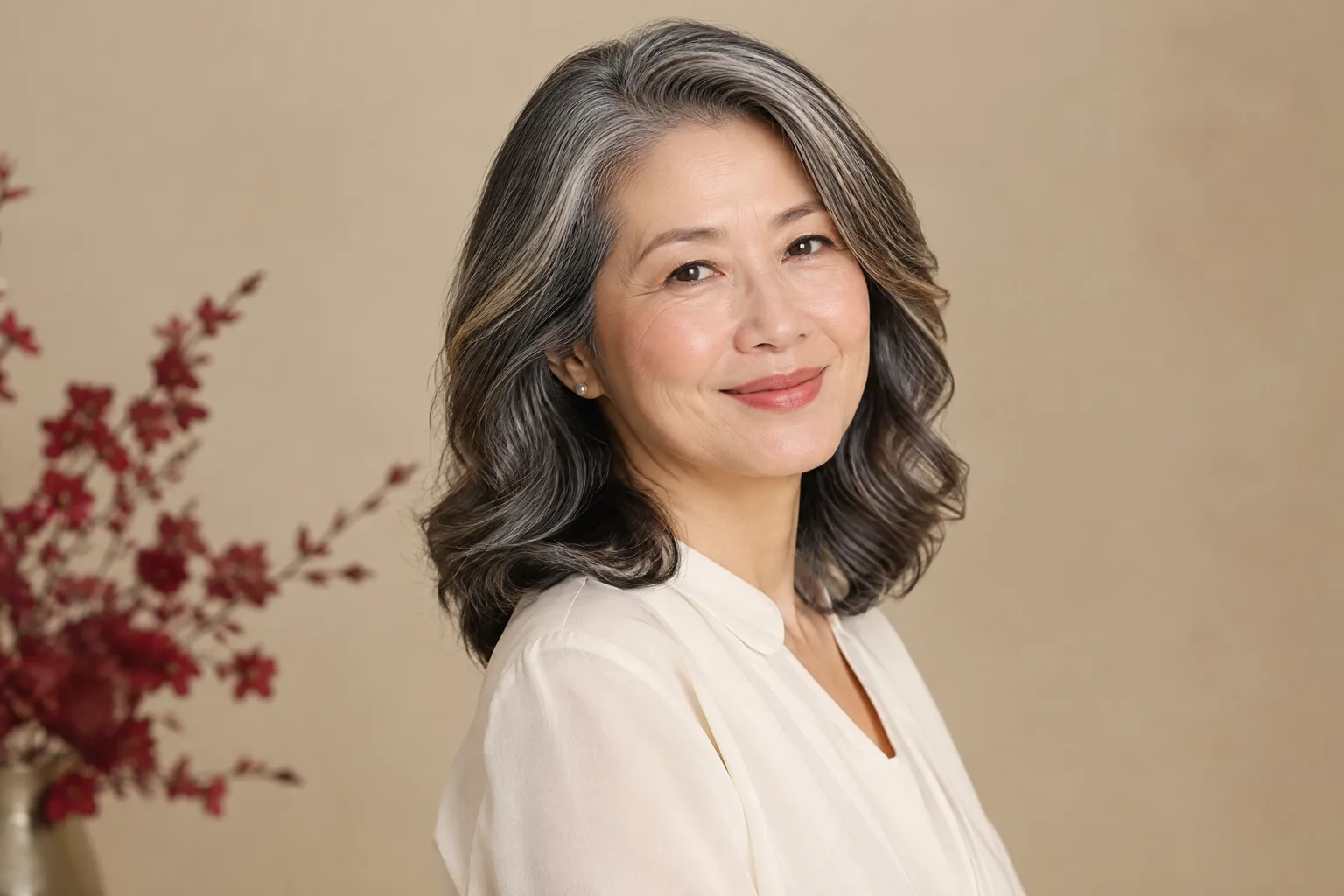
Treat a small trim as its own cutting enquiry
Which ends can change while your preferred length stays?
If you want only a modest refresh, describe what you mean by modest. Point to the dry end position you wish to retain and identify the sections you are considering changing. The longest back length, shorter layers and pieces beside the face are not one interchangeable boundary. A small amount at the back may still matter to your usual tie. Say whether preserving that function is more important than making the lower edge look continuous.
Write a short cutting brief with two parts: what must stay and what you are open to changing. For example, retain the front pieces for ear-tucking while discussing the lowest edge separately. Avoid a measurement alone if it leaves the finished dry position unclear. Ask the stylist to explain any trade-off before proceeding. A reference photograph shows a preference. It does not prove that its exact outline can be reproduced on your wave pattern.
Vitso's hair trim information sits within its women's haircut service page and treats trimming as a scope discussion. Read it when preparing a separate cutting enquiry, particularly if you want existing layers left alone. Confirm the applicable service, charges and availability with the salon rather than assuming a smaller cut has separate terms. BigDeal's makeup arrangements do not confirm that appointment. Keeping the requests distinct helps protect the length boundaries you have already chosen.
A portrait date is not, by itself, a reason to change texture. If your usual shape is comfortable, keeping it can be a valid decision. If the outline bothers you in daily life too, discuss cutting independently of the photograph. Leave practical room to become familiar with any agreed change before the session. There is no universal waiting period that suits every person. Base your plan on your routine and the appointment arrangements actually available.
Confirm requests without imposing identical grooming
Who wants makeup, and who prefers no service?
Ask each adult what they want before sending a combined family enquiry. Someone may prefer makeup only, while another wants no beauty service at all. Record those choices without describing the second person as unfinished. A shared photograph does not require a shared grooming decision. Keep children's comfort separate from adult preferences too. Agree on the visual mood with the photographer. Do not use that mood to override an individual's preferred appearance or participation.
Use BigDeal's makeup artist Hong Kong service overview to organise the makeup requests you actually want to discuss. Include the session date, location and the adults seeking makeup, together with their preferred finishes. Ask for confirmation of scope and arrangements before relying on them. Send any salon cutting questions separately to the relevant provider. One family message can describe the overall occasion, but it should still make clear which person wants which service.
Prepare a brief note for the photographer about the hair detail you care about most. It might be keeping one loose bend visible or avoiding repeated adjustments between photographs. Ask whether a quick check is possible once everyone is positioned, rather than interrupting every interaction. During a close family moment, some movement is expected. Decide in advance which small changes you can comfortably accept. A natural expression should not depend on perfectly fixed hair.
Finish preparation by checking the choices together, not by searching for a final corrective service. Your preferred length should work with the outfit, and the makeup direction should feel familiar beside your natural movement. Confirm the arrangements you need and leave optional changes genuinely optional. The most useful boundary is personal: how you want to recognise yourself in the photograph. Consider how much effort you are willing to continue once the session is over.
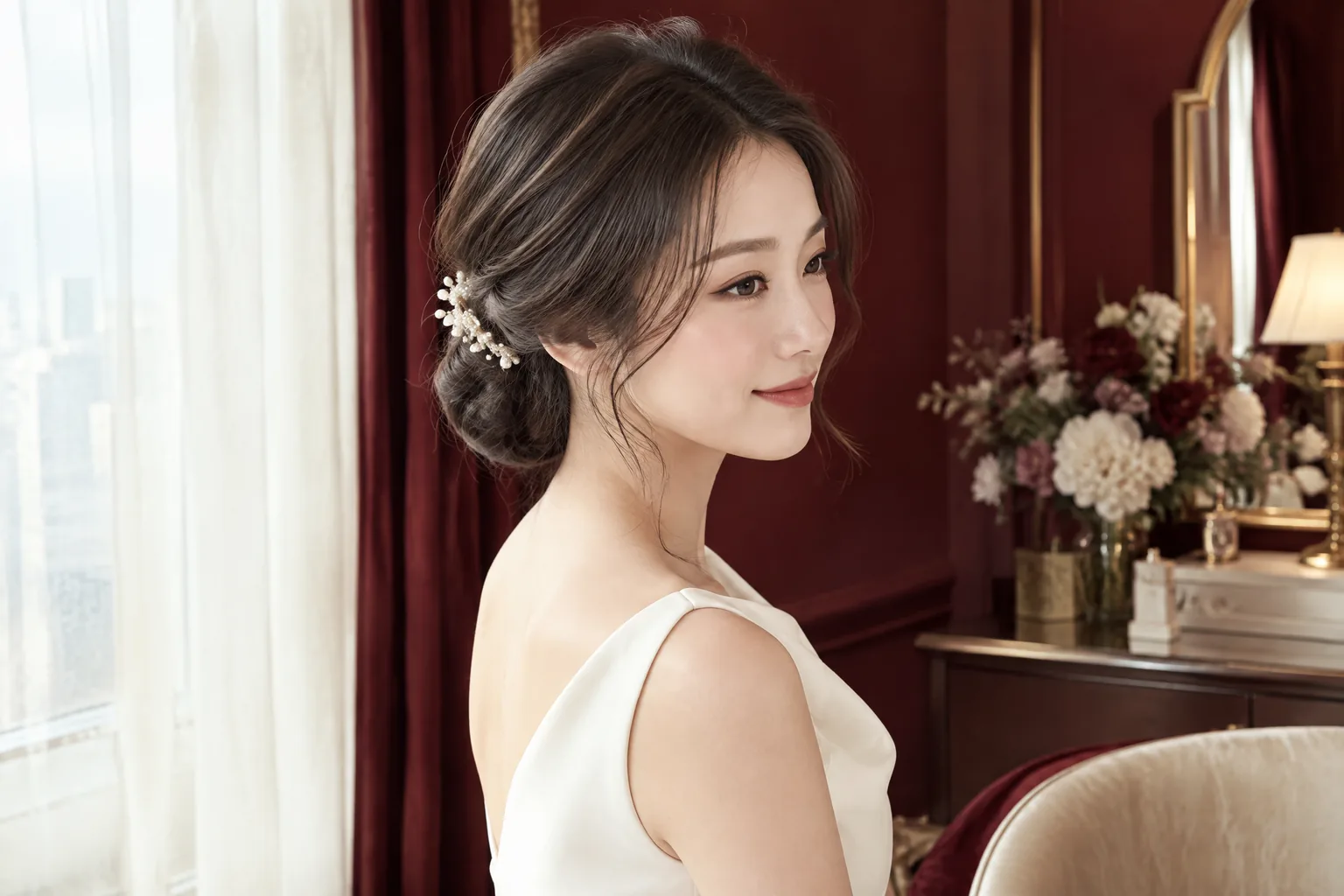
Key takeaway
For family photographs, useful shape boundaries come from movement and closeness, not a hairstyle label. Protect the lengths you need for daily life, then check what remains visible beside relatives. A familiar wave can belong in the portrait without becoming a project to correct.
Practical checklist
- Save unfiltered views of your ordinary dry hair, including both sides.
- Mark the shortest comfortable point and demonstrate your usual tie.
- Test the planned neckline while upright and seated beside someone.
- Separate any cutting request from the adults' makeup enquiry.
- Confirm each adult's preference, including those who want no service.
Frequently asked questions
Must natural waves be straightened for a family portrait?
No. Begin with the movement you enjoy and check face visibility in the planned poses. Straightening is an optional finish, not a requirement for a coherent family photograph. Discuss it only if you actually want it.
Will a longer bob stay clear of my collar?
The name alone cannot tell you. Check your own dry ends with the actual neckline while standing and sitting. If clearance matters, identify the preferred landing point rather than relying on a length label.
Can a trim leave all my layers unchanged?
That is a request to discuss, not an automatic result. Identify the longest edge and the shorter sections separately. Ask what the proposed scope changes before agreeing, especially if ear-tucking or tying back matters.
Should all adults wear the same makeup and waves?
No. A broad shared mood can accommodate different hair textures and makeup preferences. Ask each adult what feels comfortable, including choosing no service. Coordinate the occasion without treating one person's natural appearance as a problem.
Sources
| Source | What it supports |
|---|---|
| Tips for healthy hair — American Academy of Dermatology | AAD advises limiting heat styling, using low or medium heat settings and a heat-protection product; this supports avoiding repeated hot-tool correction of natural bends, without promising damage-free styling. |
| 11 tips for family photography — Canon | Canon recommends photographing at children's eye level and trying seated or floor-level positions; this supports checking preparation beyond an upright adult pose, not a prescribed haircut. |
Discuss your own makeup plans
Discuss your family portrait makeup arrangements with BigDeal Make Up on WhatsApp +852 6918 3153. Share the session date, location and adults seeking makeup. Hair cutting or other salon services require a separate enquiry; BigDeal does not confirm Vitso appointments through this makeup contact.
Ask on WhatsApp +852 6918 3153