
At a glance
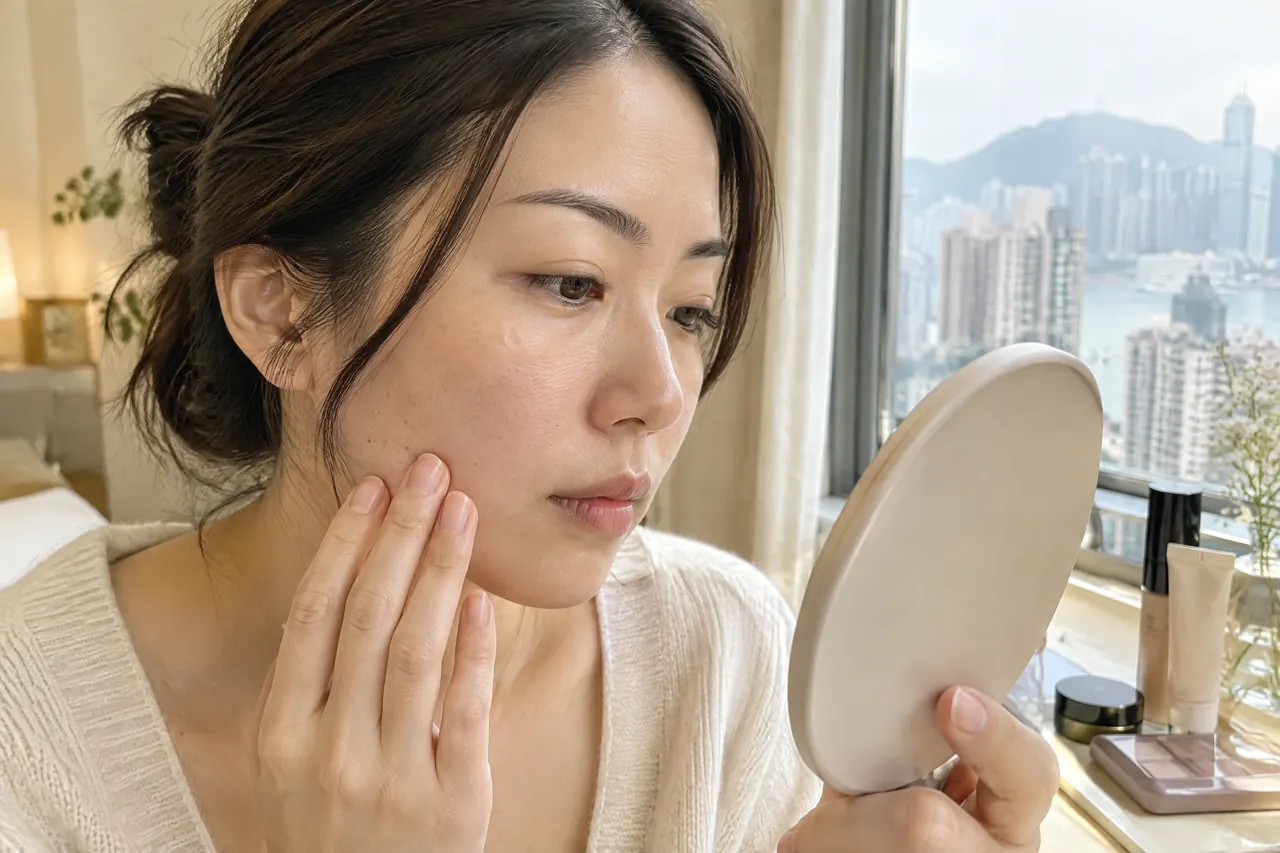
A useful camera plan separates capture conditions from personal preferences. Close phone images, portraits, and group photographs can show features differently. Choose the setting that matters most, then select one leading feature. Brows can frame expression, while eye direction can guide attention. Keep supporting features moderate. Test the direction with open eyes and a relaxed expression. The practical trade-off is between a stronger single effect and a balanced look that remains comfortable across the occasion.
Start with the camera, not a copied photograph
Camera makeup feature balance begins with capture conditions
A close phone selfie and a photographer’s portrait do not present the face in the same way. A 2024 study found facial landmark changes at very close selfie distances. It also found that consistent capture variables reduce misleading comparisons. [1] Ask whether images will be arm’s length, group shots, or portraits from further away. This sets a useful starting point. It prevents one close reference image from controlling every later makeup decision. It also encourages choices that remain appropriate beyond one selected image. [1]
The intended view matters before coverage, contour, or liner is discussed. Use [camera-ready makeup](https://bigdealhk.com/makeup/en/makeup-techniques/camera-ready-editorial/) ideas with the shot list and likely final crop. A head-and-shoulders portrait gives different information from a full-length arrival photograph. Note whether you will face front, turn slightly, or look down. These practical details help place emphasis without treating one screen image as the only standard.
Lighting changes what the camera notices, but it does not require a heavier version of every product. Daylight, indoor ceiling light, and flash can each show texture differently. Bring one or two relevant reference images instead of many unrelated saved pictures. Say which image feels closest to the occasion. Then explain what you prefer about it. A useful preference may be softly defined eyes, a clearer brow, or an even-looking complexion.
Plan Camera Makeup Feature Balance by Priority
Choose the feature that should lead
Feature balance is usually clearer when one feature leads and another supports it. Consider [brow design](https://bigdealhk.com/makeup/en/makeup-techniques/brow-design-mapping/) first when brows frame your expression in most photographs. Consider eye definition first when your eyes carry the mood of the look. Complexion may lead when the event calls for a calm, polished finish. This is a choice about visual attention. It is not a judgement that any natural feature needs correction.
Describe the priority in ordinary, visible terms. You might ask for brows that look present from a normal portrait distance. You might prefer eyes that remain defined when you smile. You may want a lip colour that still reads in evening photographs. Avoid combining every strong reference at once. Strong brows, dramatic lashes, contour, highlight, and intense lips can compete. A short preference hierarchy makes decisions easier when lighting changes.
Use the following prompts to make a small reference set before the appointment. Each prompt should explain what you want the camera to notice. Keep the notes personal and flexible. An artist can then discuss which temporary placements suit the setting, your comfort, and the planned images. The goal is a coherent direction, rather than a collection of separate trends.
- A brow shape that frames your natural expression
- An eye direction that remains visible when open
- A complexion finish suited to the expected lighting
- A lip tone that supports the chosen intensity
- One image that shows the desired overall mood
Map brows before adding intensity
Keep expression and framing connected
Brows can organise a photograph because they sit above the eyes and remain visible in many crops. Start by observing them at rest, while speaking, and with a gentle smile. For differing eyes, [asymmetric eyes makeup](https://bigdealhk.com/makeup/en/makeup-techniques/uneven-eyes-makeup/) can guide temporary placement. It considers each open eye. The aim is not identical lines. It is a considered relationship between brow height, eye visibility, and your usual expression.
A brow can look stronger in a close crop than it does across a reception room. That is why density, front softness, and tail direction deserve separate discussion. Ask to see the face with both eyes open. Then step back from the mirror before choosing more product. A brow that feels balanced from your normal viewing distance may need less adjustment. Let the planned photographs guide the final level of definition.
Avoid using a single measured brow template as a promise of photographic symmetry. Facial movement changes between a still pose, a laugh, and conversation. Small differences can be part of a recognisable expression. A temporary makeup plan can soften, define, or redirect visual emphasis. It cannot permanently alter bone structure or guarantee matching brows in every frame. Honest expectations leave room for natural movement.
Read eye direction with open eyes
Camera makeup feature balance can guide eye placement
Eye placement should be checked with the eye open, not only while it is lowered. The [eyeliner for downturned eyes](https://bigdealhk.com/makeup/en/makeup-techniques/eyeliner-eye-direction/) guide links direction, thickness, and visible lid area. For photographs, tell the artist whether you usually smile broadly or wear spectacles. These details change what remains visible. They also help avoid choosing a liner reference that disappears when you use your natural expression.
Start with the point where liner becomes visible above the lash line. Then consider the outer end while looking straight ahead. A very long wing may suit a chosen pose, yet feel less comfortable for a whole event. A shorter direction can still create clarity when lashes and shadow are coordinated. Keep the decision connected to the overall priority. Eye definition should support the face, not compete with every other feature.
Lashes, shadow placement, and lower-lash emphasis can alter how eye direction reads on camera. Discuss them as a set rather than as separate upgrades. If the event includes close phone images, test a relaxed expression as well as a posed look. If the event includes group images, check the face from a comfortable distance. This comparison helps you choose a direction that feels like you, rather than an effect designed for one angle.
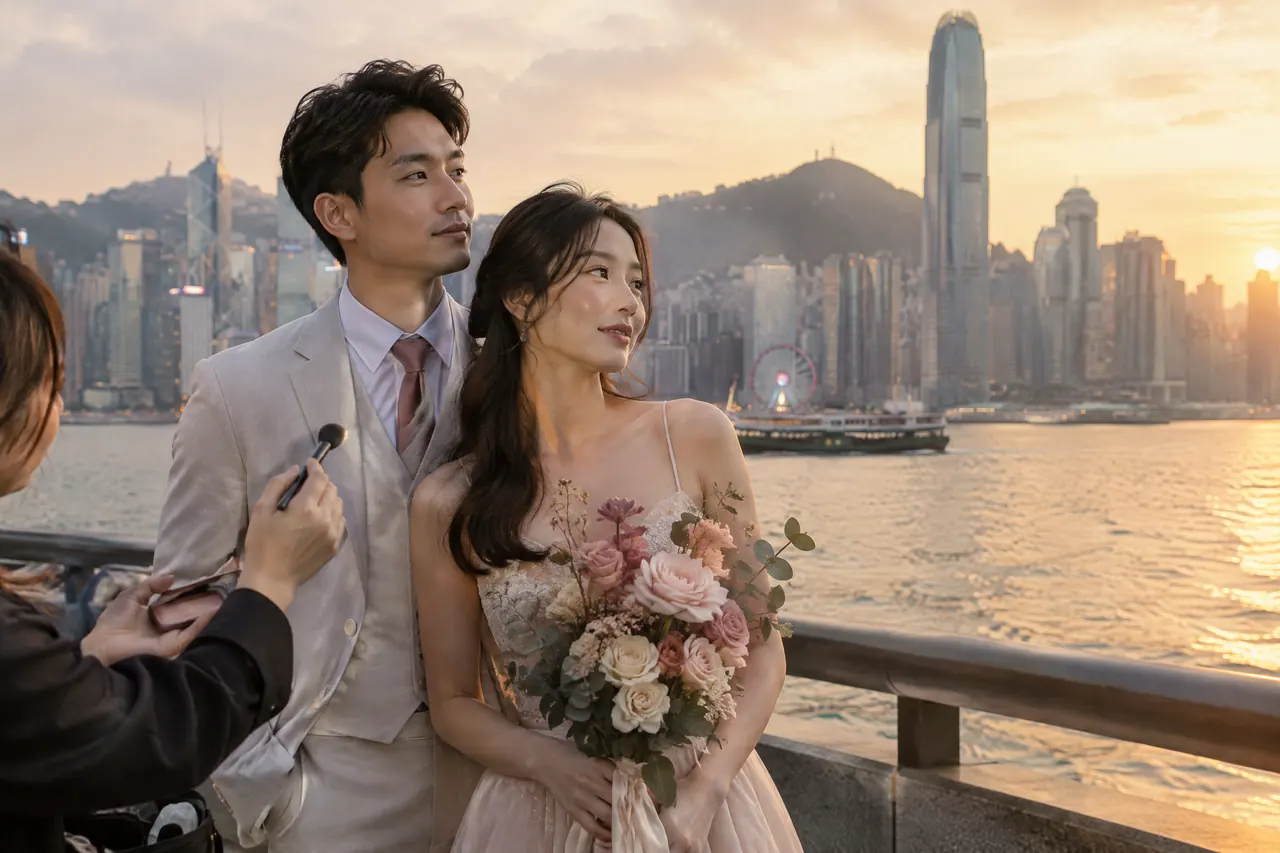
Test distance, angle and light together
Use comparisons that answer one question
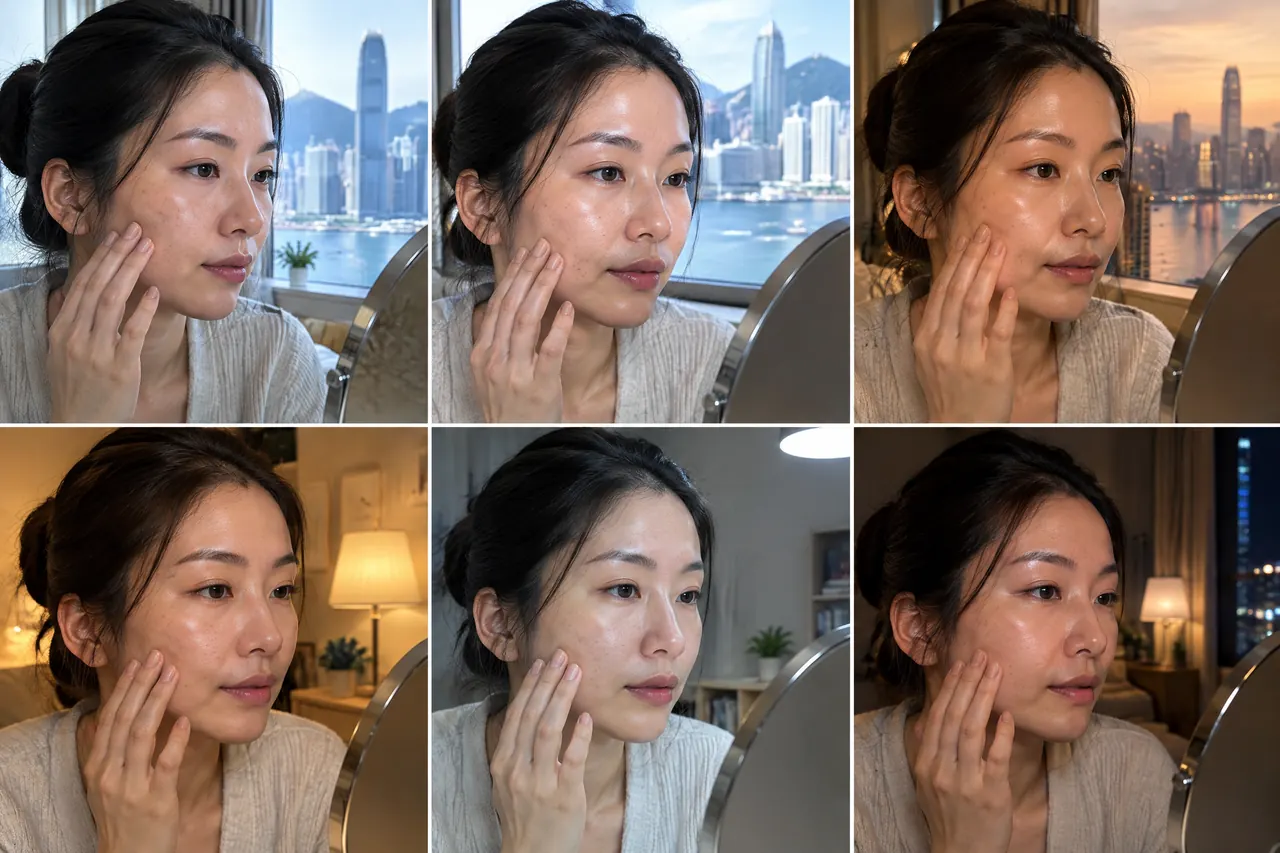
Do not judge a makeup direction from one enlarged front-camera image. Wide camera views can stretch or skew faces near image edges, according to camera-phone research. [2] Keep your face nearer the centre during a simple comparison. Then review a normal portrait distance and a group-style view. The purpose is not technical perfection. It is to identify whether your preferred feature still reads comfortably across the images you expect. [2]
A small comparison can reveal whether the priority remains clear under different conditions. Keep your pose, expression, and lighting notes straightforward. You do not need specialised equipment for a useful conversation. Use the same reference direction, then identify what changed. This is more helpful than repeatedly adding intensity after every photograph. It also gives your artist a practical reason for each adjustment.
Check the arrangement in the most likely environment whenever possible. A bright window, a warm banquet room, and an outdoor shaded area can each affect colour balance. Do not assume the face must look identical in every setting. Decide which setting matters most for the occasion. Then make moderate choices that remain comfortable for the rest of the day. The table below keeps that decision focused.
| Planned image | Useful first check | Priority question |
|---|---|---|
| Close phone image | Relaxed expression near the frame centre | Which detail should stay visible without looking heavy? |
| Head-and-shoulders portrait | Brow, eye and lip balance from normal viewing distance | Does one feature lead clearly? |
| Group photograph | Face viewed smaller among other people | Is the preferred direction still recognisable? |
| Evening indoor image | Colour under the likely room lighting | Does the chosen emphasis remain comfortable? |
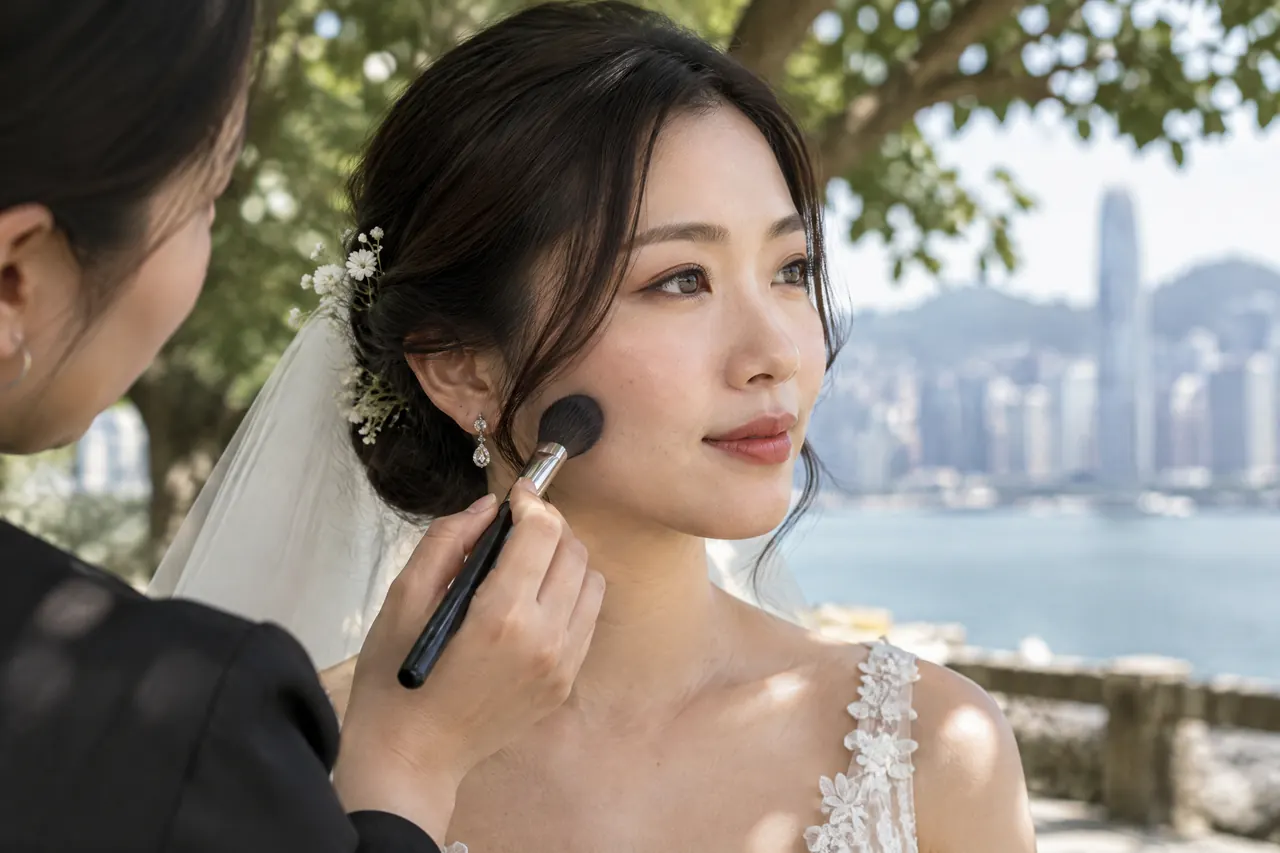
Send a concise photographic brief
Keep the final decision practical
A short brief helps translate personal taste into practical preparation. Begin with the occasion, time of day, and the photographs that matter most. Add two reference images with a sentence about each. One might show brow softness, while another shows eye definition. Include whether you expect close phone pictures, professional portraits, or both. This gives the conversation a clear order. It also leaves space to adapt temporary placement to your own features. Choose references that show atmosphere, not merely a pose. This keeps colour and feature priorities useful during spontaneous celebrations too.
Mention comfort preferences early. These can include a lighter-feeling base, a familiar lip texture, spectacles, contact lenses, or sensitivity information. Bring clean personal items if you intend to use them. Do not introduce unfamiliar products shortly before an important event. If you have a known allergy, eye condition, or active irritation, seek appropriate professional health advice. Makeup services and lessons do not diagnose or treat medical conditions.
Finish by separating confirmed details from questions. Provide the date, setting, ready-by time, and preferred contact method. Ask customer service to confirm the practical arrangement before relying on it. A thoughtful plan does not promise a fixed visual result. It creates better information for a temporary makeup direction. That is especially useful when photographs will include different distances, expressions, and lighting. This still allows personal choice, including preferred colour, texture, and the amount of definition that feels comfortable. This detail prevents avoidable last-minute uncertainty.
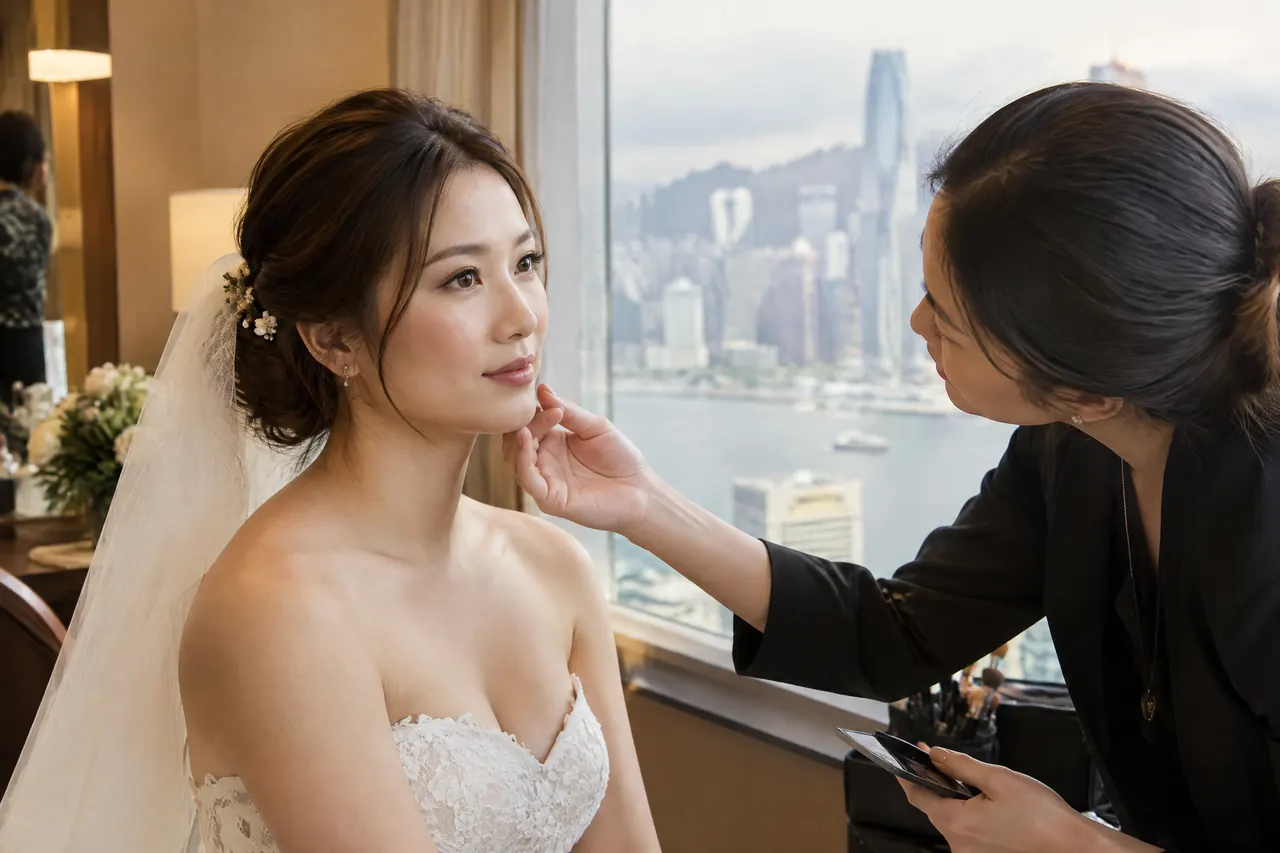
Key takeaway
Prioritising one feature is often more useful than strengthening every feature for photographs. A close phone image may reward a different emphasis from a group photograph. The trade-off is between impact in one frame and comfort across many moments. Choose the capture condition that matters most. Then keep brows, eyes, complexion, and lips working together around that choice.
Practical checklist
- Name the most important photograph type.
- Choose one leading feature and one supporting feature.
- Bring two relevant reference images with brief notes.
- Check brows and liner with both eyes open.
- Share spectacles, lens, and comfort preferences early.
- Confirm the practical arrangement with customer service.
Frequently asked questions
Should I use a selfie as my only makeup reference?
No. A selfie can show a colour or mood you like, but it is only one capture condition. Add a normal portrait and describe the event setting. Comparing more than one view helps you decide which feature matters most. It also avoids making a close camera distance the rule for an entire occasion.
Can brow makeup make both brows identical in photographs?
No temporary makeup application can promise identical brows in every photograph. Expression, pose, light, and camera position can change what the viewer notices. A useful discussion focuses on the relationship between brow shape and open eyes. That approach can support balance without treating natural movement as a flaw.
How should I choose between stronger eyes and a stronger lip?
Start with the mood, outfit, and photographs that matter most. Choose the feature you want viewers to notice first. Then let the other feature support it with moderate colour or definition. A quieter companion feature often makes the chosen priority easier to read. Bring concise references to make that preference clear.
What should I tell BigDeal Make Up before the appointment?
Share the occasion, location, ready-by time, key photographs, and two relevant references. Mention spectacles, contact lenses, comfort preferences, and known sensitivities. Explain whether close phone images, professional portraits, or group photographs matter most. Customer service can then confirm the practical arrangement. Do not assume a preferred time is available before confirmation.
Can makeup solve a concern caused by a camera angle?
Makeup can guide visual emphasis temporarily, but it cannot change facial structure or control every camera angle. A better approach combines a considered makeup direction with clear information about the planned photographs. Ask for checks with your natural expression. This keeps expectations realistic while still allowing a polished, personal finish.
Sources
| Source | What it supports |
|---|---|
| Quantifying Facial Distortion in Modern Digital Photography | Supports the limited statement that very close selfie-distance capture can change measured facial landmarks and that capture consistency matters for comparisons. |
| Distortion-Free Wide-Angle Portraits on Camera Phones | Supports the statement that wider camera fields of view can create stretched, skewed, or squashed facial appearances, particularly near image peripheries. |
Discuss your own makeup plans
For a practical camera brief, contact or WhatsApp BigDeal Make Up at +852 6918 3153. Share your date, setting, references, and planned photographs.
Ask on WhatsApp +852 6918 3153