
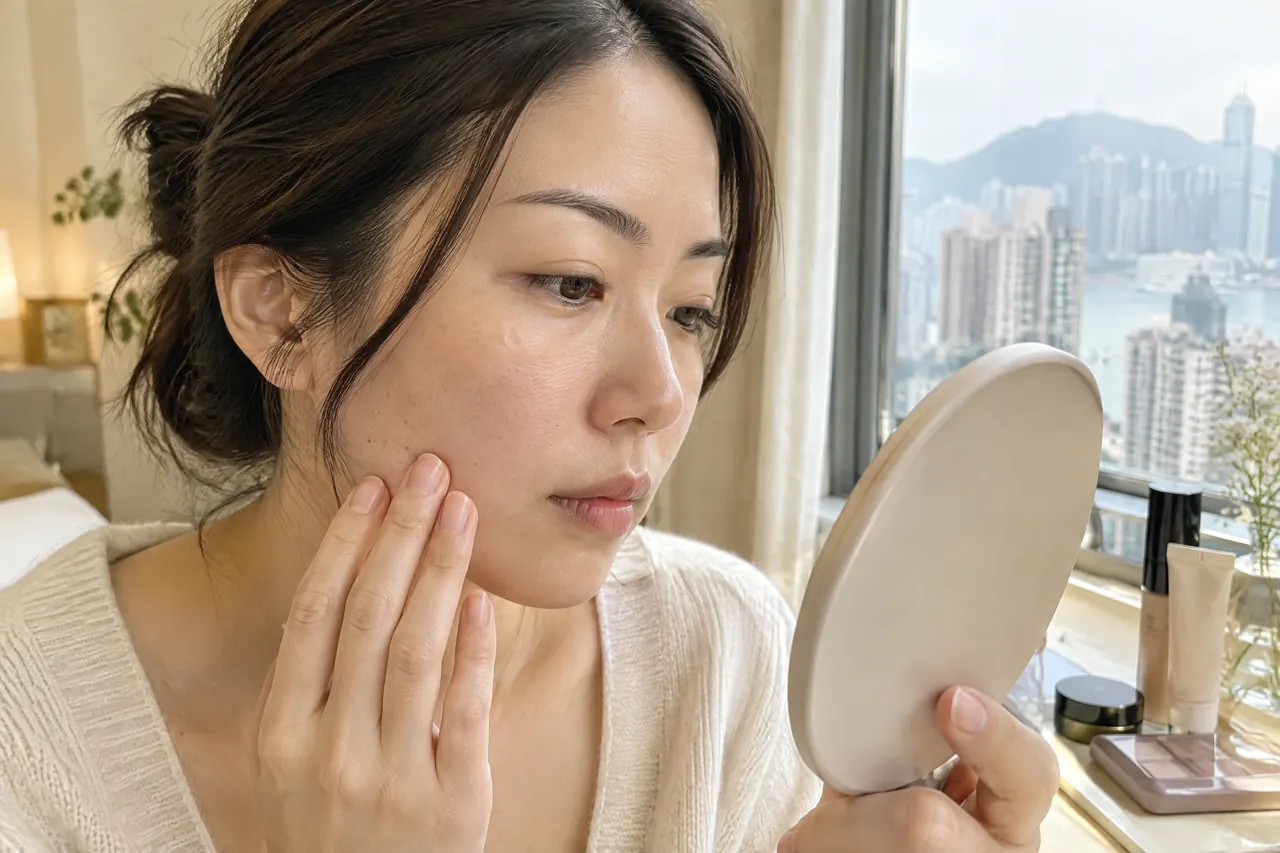
At a glance
Comfort-led eye makeup is usually less about a dramatic technique than careful sequencing. Soft-lens wearers commonly insert lenses before makeup, while rigid lenses may have different instructions. Loose particles, inner-rim liner, fibrous mascara, adhesive, and rushed removal deserve particular attention. A desired eye shape can still guide shadow and liner placement. However, preserving clear vision and following individual eye-care advice always matters more than completing a chosen look.
Begin with a comfort brief before the appointment
Share the details that change the order
Start by stating your lens type, usual wearing schedule, and whether lenses are soft or rigid. Mention recurring dryness, known sensitivities, recent eye treatment, and products that have felt uncomfortable. A clear brief separates ordinary styling preferences from issues needing health advice. The sensitive skin makeup guide is useful when reactions affect skin surrounding the eyes. Do not ask an artist to judge a medical cause from symptoms. Instead, explain your routine and follow directions already given by your eye-care professional.
Bring your own lens case, solution, and spectacles if these are part of your normal day. Keep lens handling separate from open powders, sprays, and shared surfaces. Wash and dry hands before touching lenses or the eye area. The American Optometric Association advises urgent eye-care contact for sudden blurred vision, redness, discomfort, or pain [1]. Those signs change the plan from cosmetic preparation to timely professional assessment. Do not attempt to correct irritation with extra makeup or unfamiliar drops.
Reference photographs are helpful, but explain which element you value most. You may prefer visible colour, a lifted outer corner, definition, or a soft lash line. Ask for a look that can be checked with eyes open and relaxed. This keeps aesthetic choices practical for blinking, lens comfort, and usual facial expressions. Bring your preferred spectacles if you may switch during the day. They offer a simple fallback if lenses become unsuitable before travel or photographs.
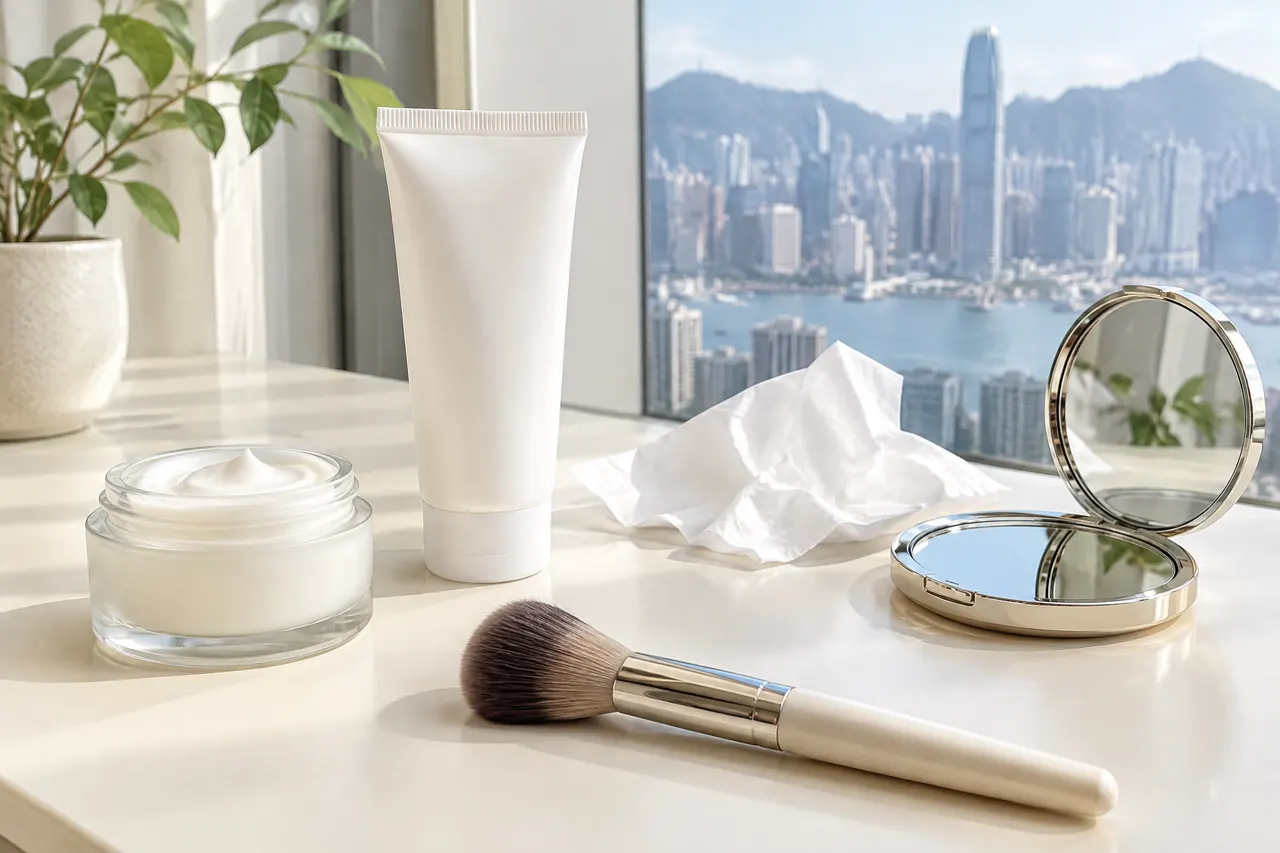
Eye makeup for contact lens wearers: choose the right order
Eye makeup for contact lens wearers on appointment day
The order depends on lens type and instructions from your eye-care practitioner. For soft lenses, the AOA advises inserting lenses before makeup. It advises inserting rigid gas-permeable lenses after makeup [1]. Confirm your routine rather than assuming every lens follows one rule. Hair spray belongs before lens insertion where possible. If it must be used later, keep eyes closed during spraying and briefly afterwards. [1]
Prepare the lens stage before opening eye products. Place clean hands, prescribed lenses, appropriate solution, and your case within easy reach. Avoid hand cream immediately before lens handling, because residue can transfer to lenses. Once lenses are settled, pause and check comfort before any shadow or liner. This pause separates a lens problem from later cosmetic fallout. If comfort is already poor, use spectacles or seek your usual eye-care advice.
Choose a seated sequence that leaves room for small checks. Apply complexion products first when that suits the desired finish. Then work gradually around the eye, keeping tools away from the lens itself. For subtle balancing, asymmetric eyes makeup can use different shadow height or liner weight on each side. These adjustments remain temporary and need assessment with both eyes open. They should never require pressing, pulling, or manipulating a lens.
- State your lens type before eye products are opened.
- Set out your case, solution, and spectacles before makeup begins.
- Check lens comfort before each detailed eye step.
- Keep sprays and powders away from the handling area.
Select eye products with less transfer risk
Prefer controlled placement over product volume
Choose products with controlled placement rather than loose, drifting application. The AOA advises avoiding lash-extending mascara with fibres and waterproof mascara that is difficult to remove [1]. Replace mascara regularly, and do not share eye products. Moorfields also advises clean hands, regular brush washing, and non-oil-based eye makeup removers [2]. These habits reduce avoidable transfer around lenses. They do not replace individual advice for diagnosed eye conditions. [2]
Use a modest amount of powder and tap away excess before bringing a brush near the eye. Apply pigment with the eye closed, then check the result after blinking naturally. A fine line may suit someone exploring eyeliner for downturned eyes without placing colour inside the lid rim. Keep the application on the external lash line rather than the waterline. Build definition in short passes instead of one heavy stroke. This approach makes fallout easier to spot and remove.
False lashes need an honest comfort conversation before application. Adhesive should stay away from the eye and from lenses. A lighter strip, shortened outer piece, or no lash may be more sensible. Check whether you can blink freely and remove lenses using your normal method. Do not let the desired photograph determine a choice that feels scratchy. Comfort is a useful reason to simplify the look, not a failure of styling.
| Choice | Why it matters | Practical response |
|---|---|---|
| Soft or rigid lenses | Insertion order can differ | Follow your prescribed routine and confirm the sequence |
| Powder or shimmer | Fallout can travel towards the eye | Use controlled amounts and check after blinking |
| Lash products | Fibres or adhesive can feel irritating | Choose restrained placement or omit lashes |
| Removal products | Residue may reach lenses | Use a remover suited to your routine and lens advice |

Adapt eye shape without crowding the lens
Place colour where it remains visible
Eye shape influences placement, but it does not override comfort. With hooded eyes makeup, test the shadow while the eye is open and relaxed. Place visible colour slightly above the fold rather than packing product into the crease. Keep liner weight modest if a thicker line disappears when you blink. A lifted effect can come from a soft outer edge rather than a sharp inner-rim line. Check both eyes under the lighting expected for the occasion.
For any eye shape, start with the least product that communicates the intended direction. A clean brush and a small amount of cream or powder can be easier to control. Avoid placing colour where blinking repeatedly pushes it towards the eye. Let each layer settle before deciding whether more depth is needed. This is especially helpful when lenses make your eyes feel dry in air conditioning. A simplified finish often looks more polished than a dense, uncomfortable one.
People seeking monolid eyes makeup may favour gradient colour, fine liner, or carefully chosen lashes. Work with the eye open, because closed-eye placement can disappear after blinking. Build colour upward in light layers and retain a clean lower lash area. Choose any false lash only after confirming it does not brush the lid or lens. The visual aim is definition, not forced symmetry. Pause whenever the eye feels different from normal lens-wearing comfort.

Manage lashes, hair products, and touch-ups
Keep touch-ups away from the eye surface
Finish hair before lenses whenever practical, especially when sprays are part of the plan. The AOA notes that hair spray should be used before lens insertion when possible [1]. A closed-eye pause during later spraying adds a sensible barrier. Keep perfume, nail products, and removers away from lenses. These are practical separation habits, not a substitute for prescribed care. If a product gets into the eye, stop the makeup step and follow your eye-care instructions.
Plan touch-ups around the face rather than directly at the eye. Blot shine, refresh lip colour, and smooth brows without repeatedly disturbing the lash line. If shadow has moved, use a clean tool and a small correction. Do not use the same tool after it has touched a contaminated surface. Pack spectacles and lens supplies you normally rely on. This allows a calm adjustment if comfort changes between the appointment and the event.
Air-conditioned venues, long photographs, and travel can make dry eyes more noticeable. Decide beforehand whether you may need to switch from lenses to spectacles. Tell the artist if this could alter the eye look or timing. Keep approved lubricating drops separate from cosmetics, and use them only as directed. Avoid red-eye products unless an eye-care professional has advised them. A calm contingency is more useful than attempting a cosmetic fix during discomfort.
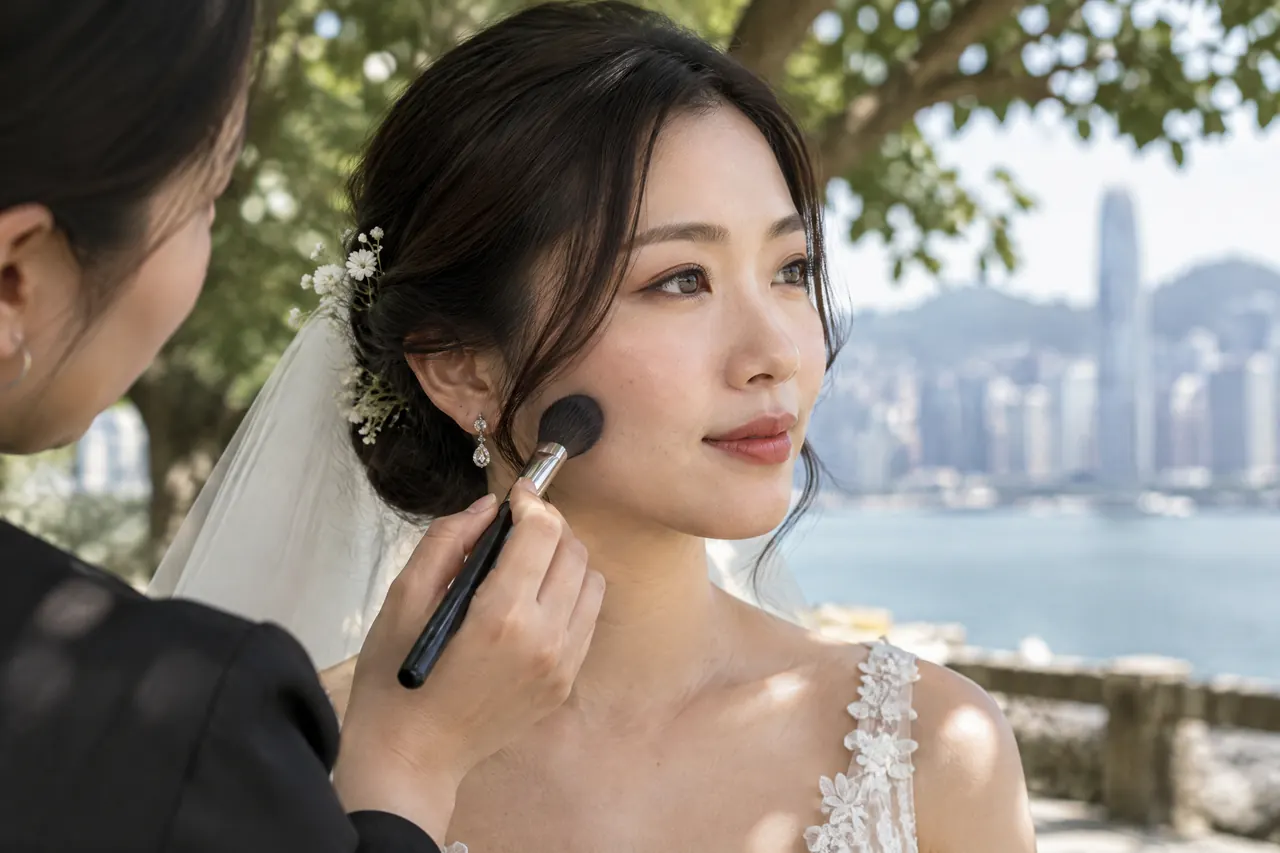
Remove makeup in a lens-aware sequence
Let lens care lead the removal routine
Removal deserves the same deliberate order as application. The AOA advises removing lenses before removing makeup [1]. Wash and dry hands, then remove lenses with your usual approved technique. Store, clean, disinfect, or discard them according to their prescribed replacement routine. Only then begin gentle makeup removal around closed eyes. This sequence limits residue reaching a lens during cleansing. Avoid tap water for lenses or lens cases.
Use a remover compatible with your normal eye-area routine, and keep it out of the eye. Moorfields advises non-oil-based eye makeup removers for people wearing therapeutic lenses [2]. For ordinary cosmetic lenses, follow your clinician and product directions. Hold a soaked pad briefly against the lid instead of rubbing vigorously. Use a clean pad for each eye when needed. Take special care with liner, lash adhesive, and long-wear products.
Never force a lens out because makeup removal has made the eye feel sticky. Stop, wash and dry your hands, and use the method recommended for your lenses. Do not rinse lenses with tap water or improvise a cleaning solution. If a lens has unsuitable residue, follow product and practitioner guidance. Keep a spare pair of spectacles available for the journey home. A slower removal routine protects tomorrow's comfort as well as tonight's finish.
Know when the cosmetic plan must pause
Separate styling questions from eye-care questions
Makeup artists can discuss timing, product placement, lash choices, and visual direction. They cannot diagnose redness, pain, discharge, or vision changes. If you have had an eye procedure, infection, or active symptoms, ask your eye-care professional what is appropriate. Share only practical instructions that affect the appointment. This protects personal privacy while giving the artist useful boundaries. It also prevents a cosmetic conversation from replacing medical assessment.
Redness, pain, blurred vision, discharge, or a suddenly uncomfortable lens are reasons to stop. The AOA lists blurred vision, red irritated eyes, uncomfortable lenses, and pain as potential problem signs [1]. Moorfields directs urgent assessment for redness, discharge, pain, or reduced vision with therapeutic lenses [2]. Do not try to hide these signs with concealer, drops, or heavier liner. Seek appropriate eye-care advice instead, particularly if symptoms worsen.
A good enquiry explains the occasion, ready-by time, lens type, product preferences, and comfort boundaries. It can also mention whether spectacles are a possible backup. Ask customer service to confirm normal appointment arrangements and practical preparation details. Keep the discussion focused on temporary styling and your established lens routine. The trade-off is simple: more dramatic detail can mean more products near the eye. Choose detail that still feels calm, clear, and manageable.
Key takeaway
The most useful trade-off is between impact and proximity. Extra fibres, heavier liner, adhesive, and difficult removal may increase visual drama. They also place more product near a lens-sensitive area. A soft, layered shadow and controlled outer lash line can still create definition. Choose the simplest version that supports your occasion, prescribed lens routine, and normal comfort. If the eye feels wrong, switch to spectacles or seek eye-care advice rather than persisting.
Practical checklist
- Confirm your prescribed lens insertion and removal order.
- Pack lenses, case, solution, and spectacles as usual.
- Tell the artist about previous irritation and preferred lash choices.
- Keep hair spray and powder away from the lens-handling stage.
- Choose controlled liner placement outside the waterline.
- Stop and seek eye-care advice for pain, redness, discharge, or vision changes.
Frequently asked questions
Should I insert contact lenses before my makeup appointment?
For soft lenses, the AOA advises inserting lenses before makeup. It advises inserting rigid gas-permeable lenses after makeup. Follow instructions from your own eye-care professional, because prescribed routines can differ. Tell the artist your lens type before eye products are opened.
Can I wear false lashes with contact lenses?
False lashes are a styling choice, not a requirement. Discuss adhesive, lash weight, and your usual blinking comfort before application. A shorter outer piece or no lash may feel more manageable. Stop if the eye feels scratchy, watery, or unlike its normal lens-wearing state.
Why should I avoid eyeliner on the waterline?
The AOA advises avoiding eyeliner along the eyelid waterline [1]. External lash-line placement keeps colour away from the inner lid rim. It can still create definition when applied in small, controlled passes. Ask for a softer outer edge if you want a less crowded eye area.
What should I do if makeup gets near my lens?
Stop the makeup step and avoid rubbing the eye. Use your established lens-care instructions rather than improvising with water or unfamiliar drops. If comfort does not return, switch to spectacles if suitable. Seek prompt eye-care advice for pain, redness, discharge, or vision changes.
Can I remove eye makeup while still wearing lenses?
The AOA advises removing lenses before removing makeup [1]. Clean and dry your hands before lens removal, then follow your normal care routine. Begin gentle cleansing only after the lenses are safely removed. This reduces the chance of makeup-remover residue reaching the lenses.
Sources
| Source | What it supports |
|---|---|
| Contact Lens Care | American Optometric Association | Supports lens-and-cosmetics order, avoiding waterline liner and fibrous mascara, removal order, lens hygiene, and potential problem signs. |
| Care of your bandage contact lenses | Moorfields Eye Hospital | Supports hand washing, regular brush washing, non-oil-based remover, avoiding inner-eyelid liner, and urgent symptom boundaries for therapeutic lens wearers. |
Discuss your own makeup plans
For a comfort-led eye makeup plan, contact BigDeal Make Up on WhatsApp +852 6918 3153 and describe your lens routine.
Ask on WhatsApp +852 6918 3153