
At a glance
A turning portrait can catch hair across the mouth even when the finished pose looks tidy. Check whether the problem is brief coverage, lipstick contact or an unclear photograph before changing your look. Keep the parts that work, adjust only the affected area, and repeat the same cue. This approach leaves room for expressive hair movement without making every frame depend on constant touch-ups.
What a prewedding turn lip visibility check should reveal
Look at the passing moment, not only the final pose
Hair can look clear of your lips at the start and still cross them during a quick turn. The side nearest the camera may also change as your shoulders and head move. Decide which moment the photographer wants before arranging the front pieces. A fleeting sweep may suit a movement portrait. It becomes a different issue when the chosen image needs a readable smile or a clean lip outline.
Separate a strand covering the mouth from a strand touching the lipstick. Coverage changes the photograph, while contact may leave colour on the hair or disturb the lip edge. Check both after the rehearsal, even when the selected frame looks clear. Ask the photographer to show the mouth at a useful viewing size. A tiny preview can hide an overlapping strand or make a soft edge difficult to judge.
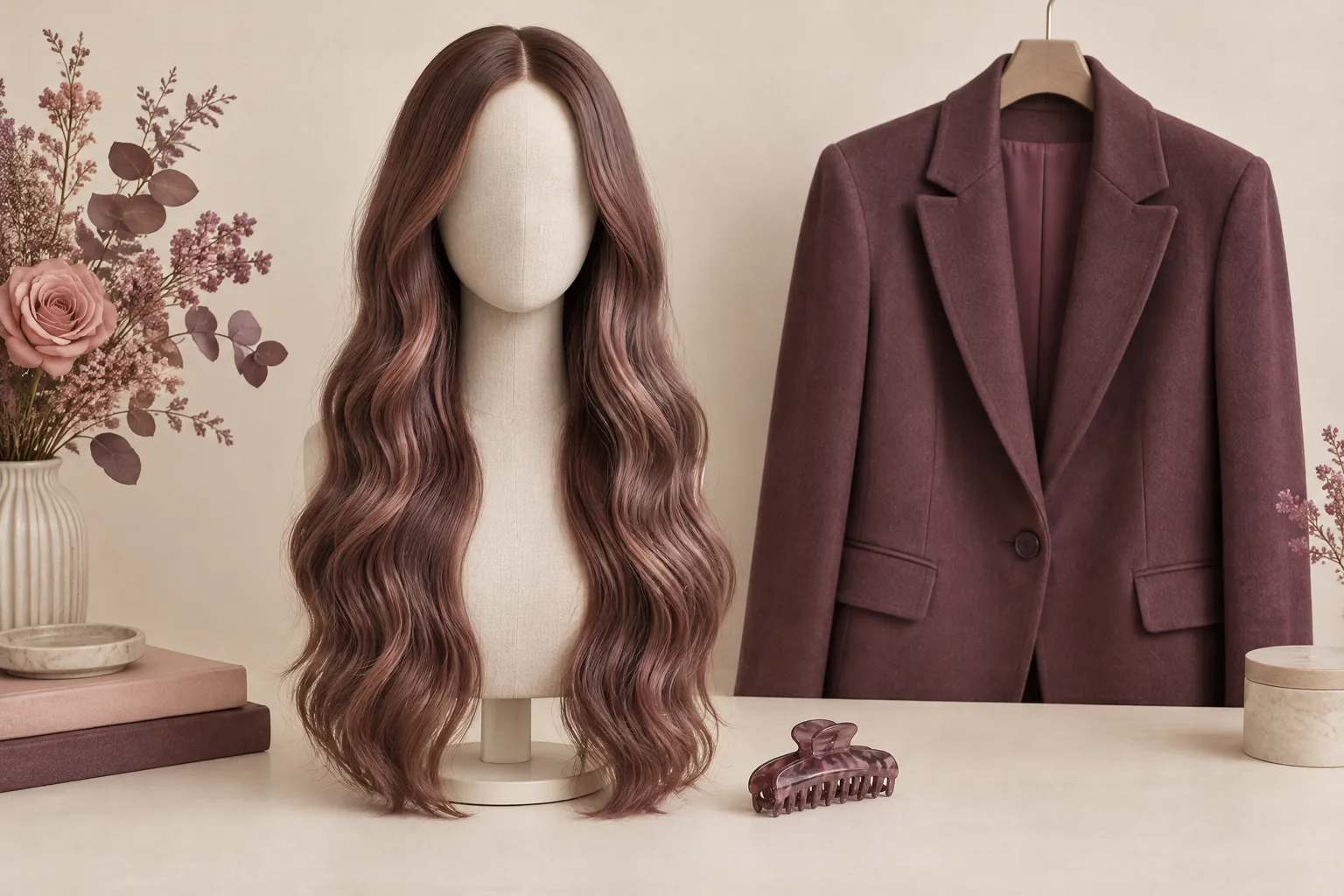
OwnStrand, which shares an owner with BigDeal Make Up, has related reading on long wigs. Its guide considers where the ends fall and how they meet clothing. That helps you describe the length you plan to bring, rather than predict its turning behaviour. Test the actual piece with your outfit. A catalogue outline cannot show whether your front section will swing towards your mouth during this particular cue.
Set an acceptance point with the photographer before testing several versions. You might want both lip corners visible in the selected smiling frame, while accepting hair movement elsewhere. Alternatively, you may prefer a more covered, atmospheric portrait and a separate clear portrait afterwards. Neither choice requires every exposure to look identical. Agreeing the intended image prevents unnecessary lipstick changes when the real difference is the kind of photograph you want.
Rehearse the photographer's cue with the pieces you will wear
Use the same direction, expression and starting position
Bring your chosen hairpiece, if any, along with the neckline and accessories planned for the turning pictures. Explain whether the cue means turning your head, your shoulders or your whole body. Try the movement gently before attempting the requested pace. Keep the expression you expect to use, including an open smile if that matters. The mouth position should resemble the intended picture, rather than a closed-lip test that answers another question.
Photography Life explains that continuous shooting records successive frames while the shutter button stays pressed. It is useful for unpredictable movement and small expression changes. Ask your photographer whether a short sequence would help reveal when hair crosses the lip. Review the start, the passing movement and the finish together. This is a practical use of the method, not a guarantee that extra exposures will produce an unobstructed mouth. [1]
Record the starting placement before moving anything again. A front photograph and a side photograph can show which section sits behind the shoulder or beside the cheek. Use simple descriptions such as camera-side hair behind the shoulder. Include the direction you will turn, since left and right can become confusing when people face each other. Repeat from that position once, then compare the result without introducing a second adjustment at the same time.
For bridal makeup pre-wedding shoot planning, send the movement reference alongside your preferred lip finish and your own hair photographs. Explain that you need a turning check, not merely a picture of the finished hairstyle. Mention the planned veil or earrings where these affect the front section. This gives the makeup discussion a clear task. You can then ask what preparation and touch-up arrangements fit the shoot you are actually booking.
- Record the starting side.
- Repeat the agreed cue.
- Inspect the lip before resetting.
Find out whether hair, lipstick or the picture needs changing
Compare one change against the same turning sequence
If hair covers the lips but the colour remains tidy, begin with the hair's starting position. Move the affected front section only in a way suitable for what you are wearing. Repeat the same turn and look for the same intended moment. Leave lipstick unchanged for this comparison. Otherwise, compare placement, expression and finish separately to understand what improved the outline.
If you find a colour mark or a disturbed lip corner, pause before adding more lipstick. Let the makeup artist inspect the contact area and discuss a small correction. Reapplying over an uneven edge may make that edge harder to assess. Retest any agreed finish change with the same hair position. A less glossy appearance is an aesthetic option, but it cannot guarantee that moving hair will never touch your mouth.
The OwnStrand guide to curly wigs explains that curl pattern and measurement method affect the visible drop. Use that information when describing where your actual ends sit near the cheek or shoulder. It does not establish which texture will keep your lips clear. Keep your chosen look during the first test. The question here is where the moving section travels, rather than whether a different wave would suit your face better.
Sometimes the lips are physically clear, but the preview does not show their edge distinctly. Ask the photographer to compare a still frame with the turning frame before altering makeup. Focus, movement and viewing size belong in that conversation. The photographer can decide whether the picture needs a technical adjustment or another capture. You can keep the same placement while checking this possibility, instead of repeatedly rearranging hair to solve an unclear image.
Choose between keeping the placement and changing the sequence
Make the smallest adjustment that answers the observed problem
Keep the arrangement when the intended frame shows the mouth as agreed and the lipstick remains tidy afterwards. Hair passing elsewhere in the sequence does not automatically make the arrangement unsuitable. Check that you can return to the same starting position without discomfort. A look that requires someone to hold a strand continuously may not suit an unsupported turning shot. Consider how the team will prepare the next take, not just this one.
A local reset suits a problem confined to one front section or one lip corner. Ask the relevant professional to adjust that area, then take another photograph of the starting position. Keep the turn direction and expression unchanged while comparing. If the adjustment works only because you move differently, note that too. The repeatable result includes your movement, rather than treating hair placement as the only thing that changed between the pictures.
Change the sequence when the desired movement repeatedly hides the mouth at the exact moment you want photographed. You could agree a gentler turn, a brief settled pose afterwards or a different camera-facing side. Discuss these options with the photographer rather than forcing a faster repeat. A separate still portrait can preserve the lip detail you want. The movement portrait can then keep its expressive sweep without carrying both demands at once.
For professional makeup for photoshoot Hong Kong, describe the needed lip correction and any planned pauses between sequences. Ask how lip checks can fit between your planned portrait sequences. Share the reference frames showing the problem, with your consent, rather than requesting a full redesign without context. This makes the enquiry more specific. The team can discuss the makeup arrangement while the photographer remains responsible for the capture and movement cue.
| What you observe | Next comparison | What to keep unchanged |
|---|---|---|
| Chosen frame is clear; lipstick stays tidy | Keep the starting placement and confirm the reset | Turn direction and intended expression |
| One strand covers the mouth without transfer | Try a local front-section adjustment | Lip finish and photographer's cue |
| A lip corner changes after hair contact | Ask for a local makeup assessment | Hair placement during the finish comparison |
| Desired moment stays covered after an adjustment | Discuss a settled pose or revised turn | Your agreed appearance and comfort preferences |
Keep a movement note that respects your choices
Agree what can be moved and who will reset it
A small movement note can keep everyone working from the arrangement you accepted. Write the camera-facing side, starting placement, turn direction and expression in ordinary language. Add what makes the selected frame acceptable and where a lip check happens afterwards. A phone note is enough; it need not become another elaborate document. Keep one approved starting photograph beside it, so a verbal instruction can be matched to the visible position.
Tell the team which adjustments you are comfortable with before anyone reaches towards your face or hair. You may welcome moving a loose section but prefer to handle your own hairpiece. You can also decline extra fastening or a different lipstick finish. Agree who performs each reset and ask them to pause before touching you. The point is to make the repeated sequence easier, not to persuade you into a look you dislike.
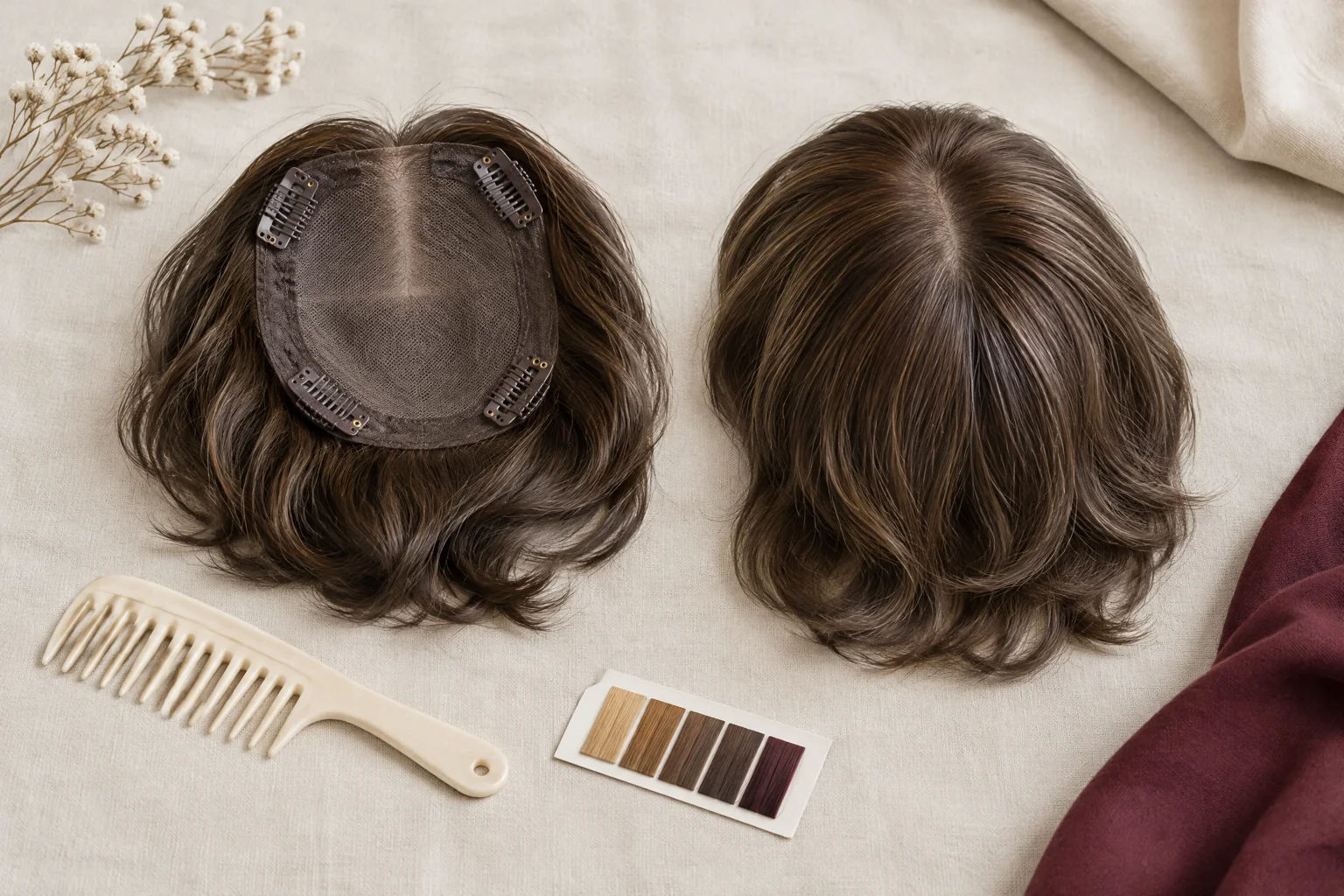
For a fringe-based look, OwnStrand's wigs with bangs guide distinguishes a complete wig from a separate clip-in fringe. It also discusses parting direction and item-specific styling flexibility. Describe which kind you have and which front pieces may be repositioned. A fringe beside the forehead and a longer side section can behave differently during a turn. Ask about the exact piece's permitted handling before proposing a new parting or reshaping its front.
Your reason for wearing a hairpiece can remain private during the shoot. The practical conversation can stay with your preferred appearance, comfort and permission to adjust it. Tell the photographer which reference photographs may be shared with the makeup team. If you prefer to keep those images on your phone, show them there instead. A useful movement note records your arrangement without including private background the portrait team does not need.
Check the lips after the sequence before another take
Finish your prewedding turn lip visibility check with a clear reset
After the agreed sequence, stop moving and look at the lips before resetting the hair. Check the outline, both corners and any strand that touched the colour. If hair is caught against the mouth, ask for gentle help rather than pulling it through the lipstick. Let the makeup artist assess any correction before another take. Return to the photographed starting placement, so the next sequence begins from the same position.
Repeat the check when something meaningful changes, such as the turn direction, veil position, neckline or lip finish. Outdoor breeze can also make the indoor rehearsal less representative of the current setup. Take a fresh test in the new conditions instead of relying entirely on the earlier result. Update only the affected movement note. This keeps the information useful without making every ordinary pause into a complete rehearsal of the whole shoot.
The US FDA advises washing hands before using cosmetics, avoiding shared makeup and keeping containers clean and closed. Follow the lip product's directions when preparing a personal touch-up kit. Keep your own products identified, rather than passing an opened lipstick between people for convenience. If redness or another reaction appears, stop using the product and seek healthcare guidance. A picture deadline is not a reason to cover a reaction with another layer. [2]
Use a bridal trial Hong Kong discussion to test the starting arrangement and agree the lip reset before shoot day. Bring the actual piece where possible, or clear photographs that show its front and sides. Explain the photographer's turning cue and your preferred expression. Ask what can be rehearsed within the makeup appointment and what needs coordination with the photographer. Leave with a practical next step, rather than expecting a still trial photograph to answer every movement question.
Key takeaway
The useful trade-off is between expressive movement and a reliably repeatable opportunity to see the lips. You do not have to remove every loose strand to request a clear smile. Test the intended moment, make one relevant adjustment and keep a simple reset. If those aims conflict, separate the movement picture from the settled lip-detail portrait instead of changing the whole look.
Practical checklist
- Save the approved starting placement from the front and side.
- Confirm the turn direction and the expression being photographed.
- Agree which lip details the selected frame should show.
- Identify who resets hair and who checks lipstick afterwards.
- Retest after a meaningful outfit, movement or lip-finish change.
Frequently asked questions
Does a clear mirror view mean the turn will show my lips?
No. The mirror shows one position, while a turn moves hair through several positions around the face. Rehearse the actual cue and inspect the moment the photographer intends to use. Check lipstick afterwards as a separate step. For an unclear picture, ask for an enlarged view. Decide whether hair or lip colour needs changing from that view.
Should I change lipstick as soon as hair crosses my mouth?
Not necessarily. If the strand only covers the lips and leaves no mark, compare its starting placement first. If contact disturbs colour, ask the makeup artist to inspect the specific area. Test an agreed correction without also changing the turn. A finish change may alter your preferred appearance. It cannot promise that moving hair will stay away from the mouth.
Can I keep loose hair and still request a clear smiling portrait?
You can discuss both aims, but they may work best as separate pictures. Try the loose arrangement with the actual cue first. If the desired movement moment keeps hiding the smile, agree a settled frame after the turn. This preserves room for expressive hair movement. It gives the photographer a chance to capture the lip outline without requiring that detail in every passing frame.
What should I bring when asking BigDeal about this check?
Bring your own hairpiece where practical, reference photographs and the planned lip finish. Include the neckline, relevant accessories and the photographer's movement instructions. Tell BigDeal which adjustments you would accept and whether you need touch-up pauses discussed. Product construction and permitted handling remain questions for the particular piece's supplier. BigDeal's enquiry is about makeup arrangements, so describe the turning portrait rather than asking it to confirm a wig purchase.
Sources
| Source | What it supports |
|---|---|
| When to Use Continuous Shooting in Photography | Continuous shooting records successive frames and can help capture unpredictable movement or small expression changes. A short turning sequence is a practical application, not a guarantee of visible lips. |
| Cosmetics: Tips for Women | FDA advises clean hands, no shared makeup, clean closed containers and following product directions. Cosmetic reactions require stopping the product and seeking healthcare guidance. |
Discuss your own makeup plans
Planning turning portraits for your pre-wedding shoot? WhatsApp BigDeal Make Up on +852 6918 3153 for makeup enquiries. Share your movement reference, preferred lip finish and photographs of your own chosen hairpiece to discuss makeup preparation.
Ask on WhatsApp +852 6918 3153