
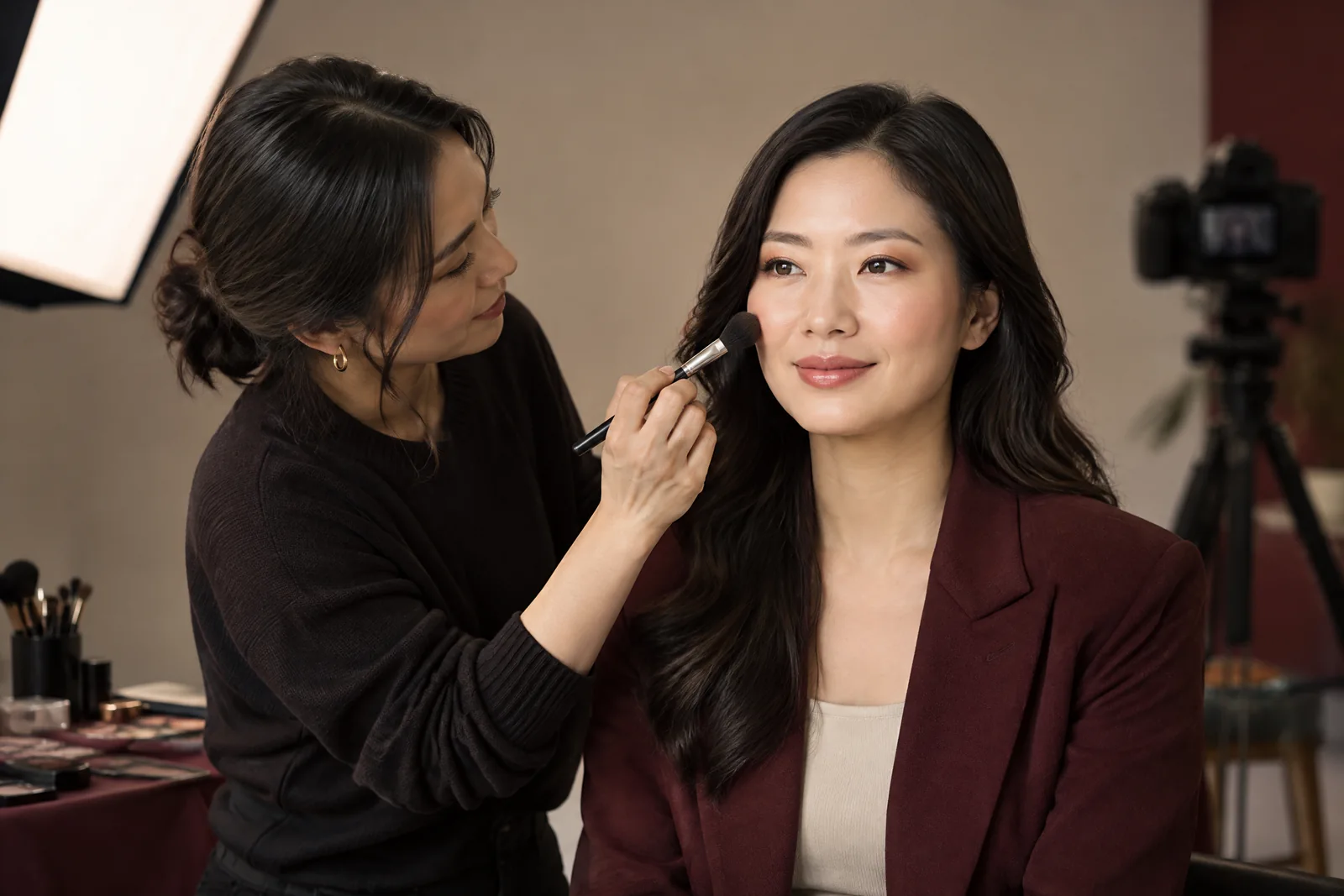
At a glance
Begin with the image's job, then name its audience and preferred feeling. Match wardrobe and makeup decisions to background, lighting, and framing. Send only a few useful reference images, alongside clear dislikes. Agree sensible retouching boundaries before the session. Finally, add practical points such as glasses, lenses, ready time, and location. The result is a clear request that makes a creative discussion quicker and more considerate.
Use a Headshot Makeup Briefing Guide to Set Direction
A headshot makeup briefing guide starts with purpose
Write one sentence describing what the image must do. A recruitment portrait, casting image, press portrait, and biography image invite different levels of polish. Name the final platform, then explain who will view it. Mention whether the headshot should feel approachable, formal, creative, or quietly authoritative. This context is more useful than simply requesting natural makeup, because natural can mean different things to different teams.
An actor should also explain the casting category and whether the photograph joins an existing portfolio. Ask for actor headshot makeup Hong Kong when you need a camera-aware finish that remains recognisable. Then state whether you wear your hair, facial hair, or glasses daily. These ordinary details can affect visual balance, yet they do not require a dramatic style decision.
Keep the brief about the picture's purpose, not self-criticism. Describe features you prefer to emphasise or soften in neutral language. You may mention shine around the forehead, uneven brow appearance, or a preference for light coverage. Avoid asking the artist to erase your character. A headshot is strongest when it still helps colleagues, casting teams, or clients recognise you. That focus helps everyone use the same brief.
Decide how much of your personal style belongs in the image. A familiar lipstick shade, hairstyle, or pair of frames may support recognition. However, a headshot rarely needs every favourite detail at once. Choose the elements that serve the audience. Put other possibilities in a second wardrobe option. This leaves the initial conversation clear while allowing a small adjustment at the session.
Choose wardrobe, background, and framing together
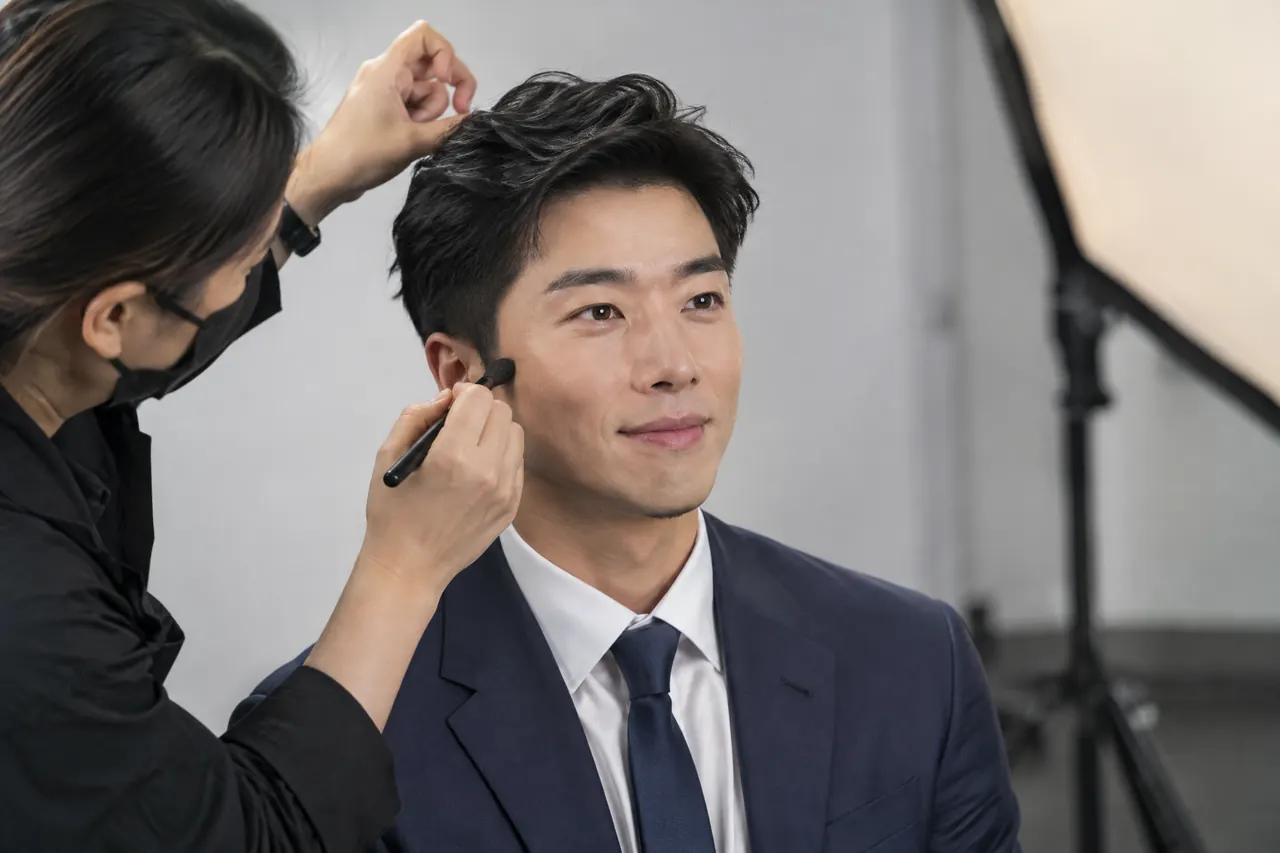
A headshot makeup at studio appointment is easier to plan when the photographer has shared the background and crop. Bring two or three pressed options, rather than relying on one uncertain outfit. A photographer's preparation guidance recommends comfortable, tailored clothing and notes that understated patterns avoid visual distraction. [1] State each neckline, jacket, jewellery, and dominant colour in your brief. [1]
Avoid treating clothing as separate from makeup. A high-contrast shirt might call for a restrained lip, while a soft neutral palette can support gentle definition. These are creative choices, not rules. Tell the team whether the final crop includes shoulders, hands, or only your face. Also say whether the session uses one backdrop, daylight, flash, or several settings. That avoids competing choices on camera.
If you wear glasses or contact lenses, mention them before the appointment. Clean glasses and daily wear habits influence preparation and camera checks. The American Optometric Association advises soft lens wearers to insert lenses before makeup. It also advises removing lenses before removing makeup. [2] Share any comfort concerns early, rather than changing your routine during the session. Tell the team before arrival. [2]
Ask which background colour and framing the photographer plans to use. A square profile crop and a wider website banner do not show wardrobe equally. This information may change which neckline reads best. It may also change how strongly a lip shade or eyebrow definition appears. Knowing the crop prevents you from overplanning details that will not be visible. This gives the team one more practical point before the camera is ready.
Use references without copying another person
Build a small, useful visual set
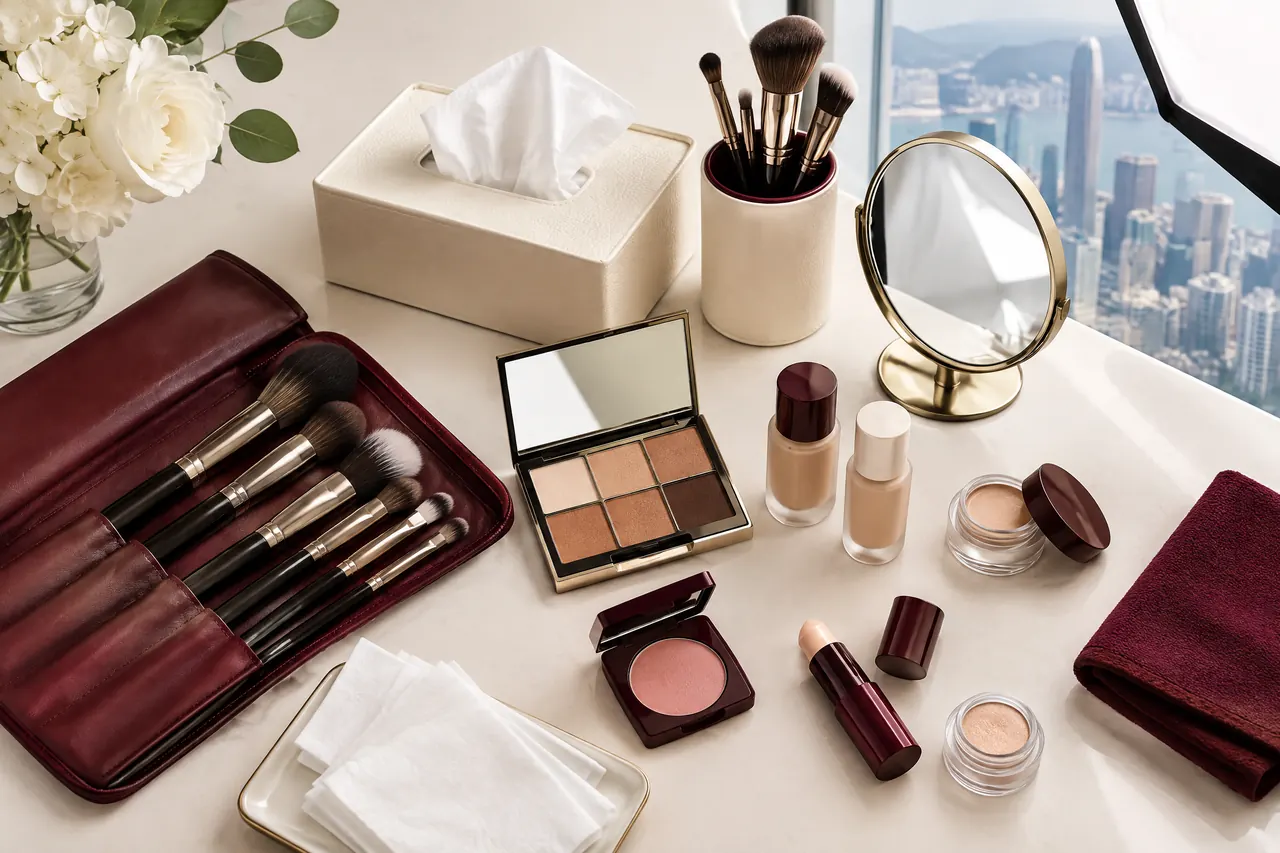
References work best when they explain a decision. Choose two or three images that show the desired skin finish, brow strength, or lip depth. Add a short note below each image. Say what you like, and say what you would avoid. Do not expect an identical result, because lighting, features, and wardrobe change how a reference translates. This makes each choice easier to assess.
A press portrait may need a different approach from an actor's casting image. The brief for a makeup artist for press shoot should name the publication, interview format, and likely crop. Explain whether images accompany a profile, announcement, panel, or event coverage. That information helps distinguish a restrained editorial direction from a polished corporate portrait. It also gives the photographer's team context for any quick checks. That keeps the discussion clear.
Separate inspiration from instructions about your face. Instead of sending ten similar images, select one for complexion, one for eyes, and one for mood. Describe the strength you want on a simple scale. For example, say subtle definition or noticeable colour that remains professional. Clear wording reduces the chance that a dramatic image becomes the assumed direction. That gives the makeup discussion a useful boundary.
Discuss skin finish, comfort and retouching boundaries
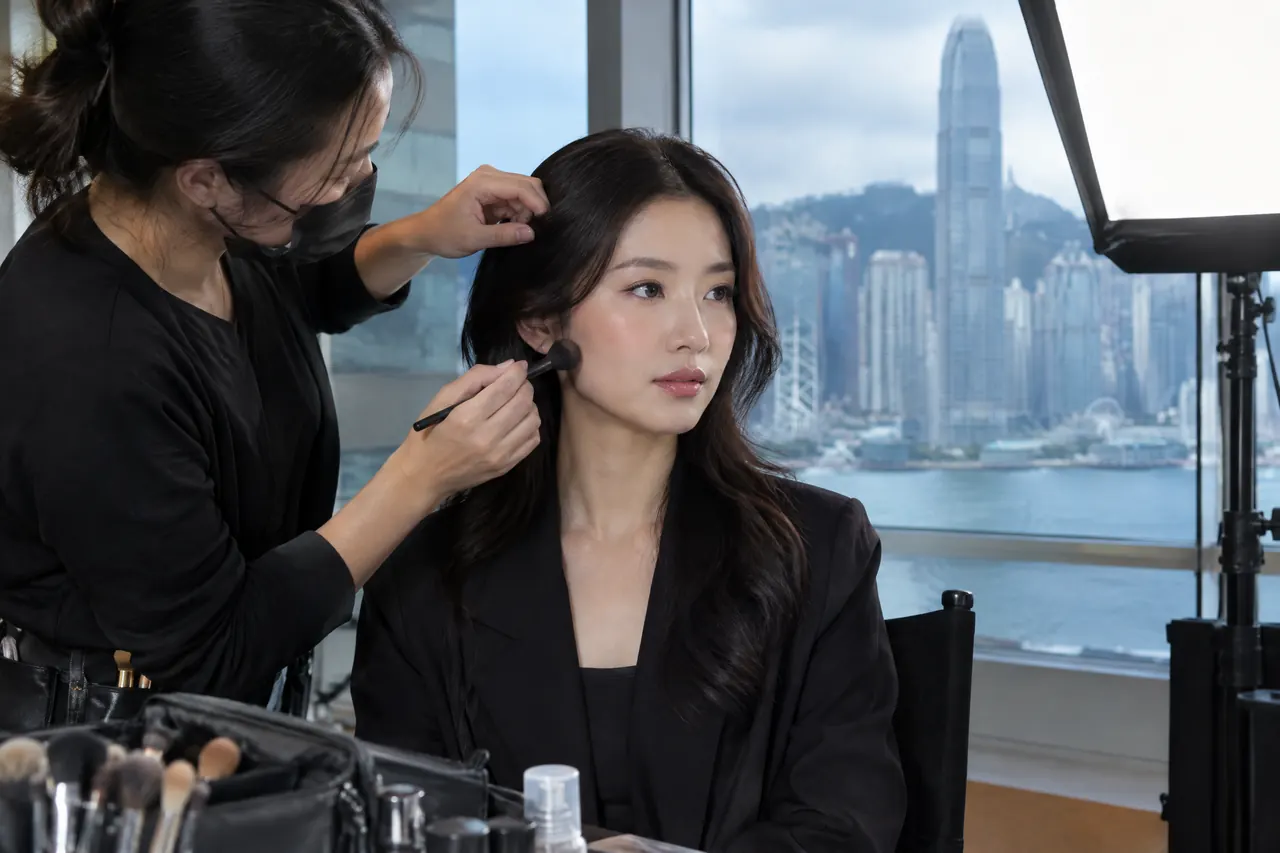
Describe the finish you want in functional terms. You might prefer less visible shine, a satin-looking complexion, or texture that remains apparent. Mention important product preferences and any previous reactions without diagnosing them. If something is unsuitable, say so plainly. This allows an artist to consider the request while keeping the plan focused on a cosmetic service. Bring details in writing if they affect product choices.
Retouching deserves equally direct language. Agree whether the photographer will remove temporary marks, reduce shine, soften under-eye shadows, or adjust stray hairs. Do not assume that makeup and editing will solve everything. State what should remain visible, including freckles, texture, scars, or facial hair. A written boundary gives everyone a respectful starting point before selections are delivered. Ask questions early if you are unsure.
Keep retouching expectations proportionate to the image's purpose. A personal profile picture may allow a relaxed finish. A tightly controlled campaign may require a more detailed discussion with the photographer. Neither approach is automatically better. The useful question is whether the finished image will still look credible where it appears. Put that answer in the brief. The team can then work from the same expectation.
Use everyday language when discussing complexion. Say whether you normally prefer a bare finish, light coverage, or a more perfected appearance. Add what feels comfortable during a longer session. These details give an artist a starting point without claiming that any finish is suitable for everyone. They also make it easier to compare the plan with your reference images. This gives the team one more practical point before the camera is ready.
| Brief item | What to specify | Why it matters |
|---|---|---|
| Purpose | Platform, audience, and desired impression | Sets the level of polish. |
| Wardrobe | Colours, neckline, accessories, and options | Connects makeup with the crop. |
| References | Two or three images with notes | Shows direction without copying. |
| Retouching | Temporary changes and visible features | Creates respectful expectations. |
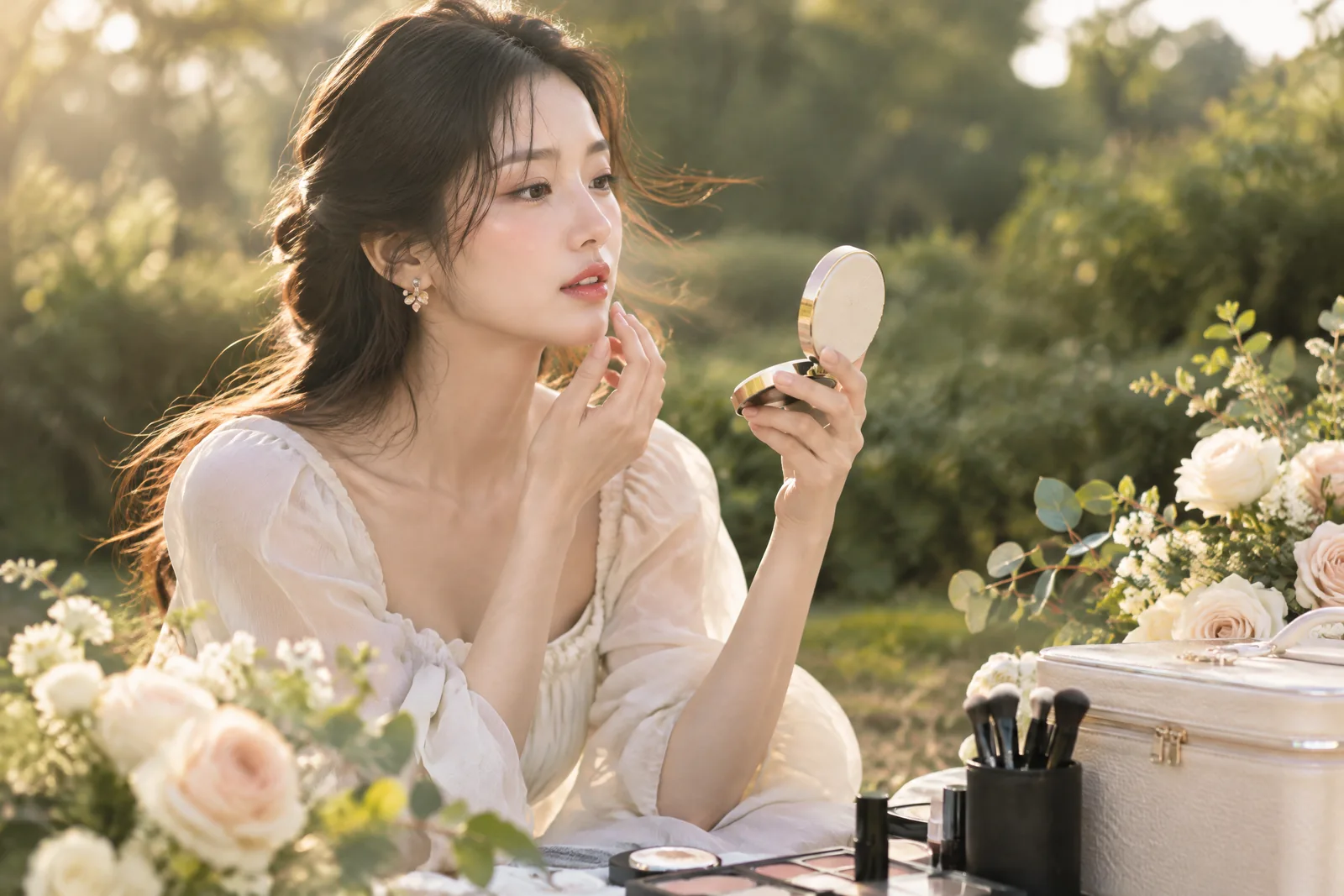
Plan the conversation, not only the appointment
Portfolio learners can use the same structure before a test shoot. A fashion makeup consultation becomes more useful when you bring one clear concept and a realistic level of detail. State whether your aim is practice, a portfolio experiment, or a specific editorial mood. Ask how your wardrobe and references support that aim. Keep the request exploratory rather than presenting an imagined finished result.
Send the written brief early enough for practical questions. Include the date, location, ready-by time, photographer contact, and number of looks. Note whether you need hair tidying, but confirm the final scope separately. Build in time for changing clothes and checking glasses. A calm schedule gives people space to discuss choices rather than rushing them. Keep room for a small timing adjustment.
A useful message can fit on one page. That limit encourages priorities and helps recipients find essential facts quickly. Put creative direction first, then practical details. Save optional inspiration in a small folder. Include your preferred contact method for follow-up. A polite question about anything unclear is more productive than an assumed answer. This also makes later confirmation simpler. It reduces unnecessary back-and-forth on the day. That keeps the discussion clear.
Before sending the brief, read it as someone who has never met you. Check that the goal appears before the inspiration. Check that the timing is clear. Remove duplicate images and unexplained labels. This simple review makes the message quicker to understand. It also shows where a necessary question remains unanswered. Send any update in one message so everyone works from the latest details.
- The role, platform, and intended audience.
- Wardrobe options, neckline, colours, and accessories.
- Two or three references with short explanatory notes.
- Background, lighting, location, and ready-by time.
- Retouching boundaries and everyday glasses or lens habits.
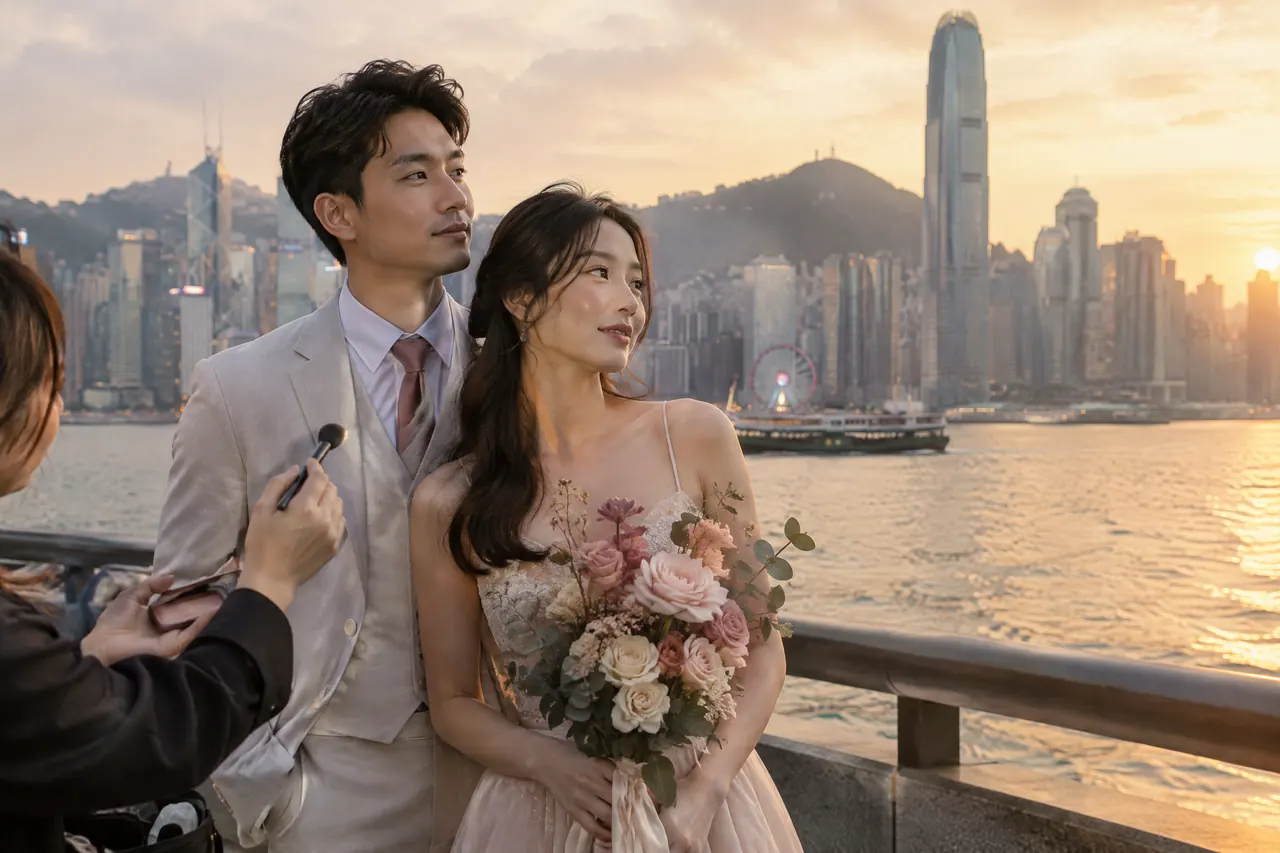
Turn your notes into a Hong Kong-ready brief
A five-part handover for the shoot day
Use the following order when you write your message. Begin with the role and audience. Follow with wardrobe, then visual references. Add the location, lighting information, and final ready time. Finish with retouching boundaries and practical preferences. This order keeps creative intent beside the information that affects timing. It also gives each person a concise record for later confirmation. Use plain words, then check that they are accurate.
Treat the brief as a conversation opener, not a contract for a fixed appearance. An artist may suggest a simpler choice after seeing the lighting or wardrobe. A photographer may identify a framing issue. Listen to those observations, then return to the stated purpose. Flexibility protects the image's function, while written priorities prevent decisions from drifting. Confirm practical arrangements with customer service before committing.
For Hong Kong sessions, provide the precise venue type and access details when known. A studio, office, hotel, or outdoor site can shape the arrival plan. Share the photographer's call time and your own ready-by time. Do not promise a look before the conversation has happened. Good preparation creates a clearer request, not a guaranteed photographic outcome. Written details prevent unnecessary last-minute uncertainty.
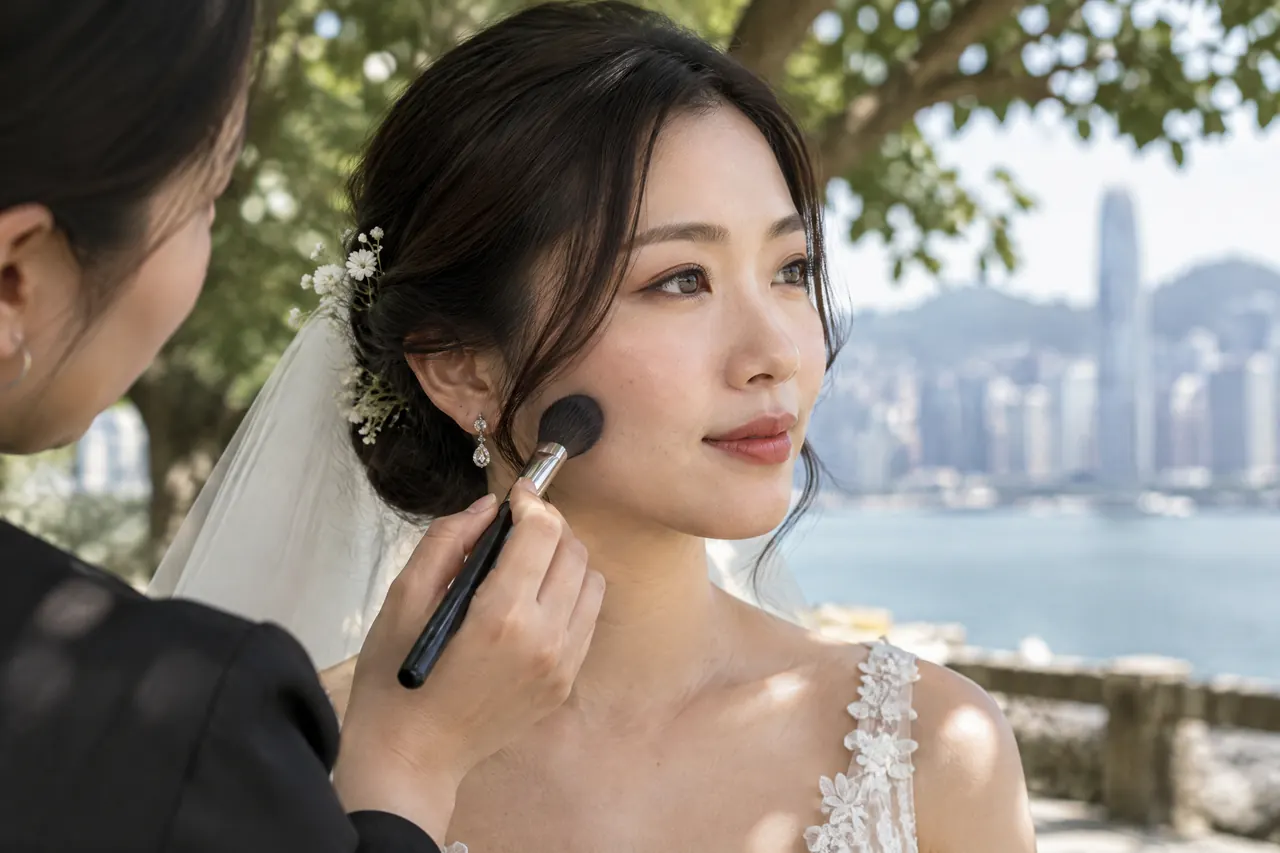
Key takeaway
The trade-off is simple: a brief can be specific without becoming controlling. Too little information forces assumptions about mood, wardrobe, and editing. Too many references can hide the actual priority. Give one purpose, a small reference set, practical timing, and clear boundaries. That leaves room for professional judgement while keeping the finished portrait aligned with its audience.
Practical checklist
- Write the image purpose and intended audience in one sentence.
- List the session location, call time, and ready-by time.
- Photograph or describe two pressed wardrobe options.
- Choose two or three references and annotate each one.
- State your glasses, lens, product, and comfort preferences.
- Agree retouching boundaries before the session begins.
Frequently asked questions
How many reference images should I send?
Two or three well-chosen images are usually enough. Give each image a short note about the feature you prefer. One image might show a complexion finish, while another shows the mood. A small set is easier to discuss than a large, unlabelled collection.
Should I discuss retouching before the shoot?
Yes, mention it in the first brief. Say which temporary details may be adjusted and which characteristics should remain visible. This does not dictate the photographer's process. It creates a respectful starting point before the session and before any final image selection.
What should I say about glasses?
Say whether you wear them daily and whether they must appear in the final image. Bring them clean, plus any alternative pair you use often. Mention reflections or fit concerns without assuming a technical solution. The photographer can then plan an appropriate camera check.
Can one brief work for acting and business portraits?
The same structure works, but the emphasis changes. An acting brief should identify casting use and an everyday recognisable appearance. A business portrait should identify role, platform, and brand tone. Keep the audience and intended use at the centre of each version.
What should I do if I dislike a reference?
Include it only if you explain the problem clearly. You might dislike the heavy contour, shiny base, or intense lip. Naming the unwanted element can be useful. Avoid presenting the image without a note, because it may otherwise look like a preferred direction.
Sources
| Source | What it supports |
|---|---|
| How to Dress and Prepare for Professional Headshot Photography | Comfortable, tailored clothing and restrained patterns can support a less distracting headshot wardrobe plan. |
| Contact Lens Care | The American Optometric Association advises soft contact lens wearers to insert lenses before makeup and remove lenses before removing makeup. |
Discuss your own makeup plans
Send BigDeal Make Up your role, date, location, wardrobe notes, and references. Use WhatsApp +852 6918 3153 for practical headshot preparation guidance.
Ask on WhatsApp +852 6918 3153