
At a glance
The key trade-off is visual impact against practical handling. Stage-led makeup prioritises readable contrast, while prosthetic work prioritises texture and edge detail. Body art prioritises decorative scale and placement. For a Hong Kong event, decide what viewers must see. Consider viewing distance and how long the look must last. Then share costume, lighting, skin history, timing and removal needs before confirming the direction.
Start With the Viewing Distance and Camera Plan
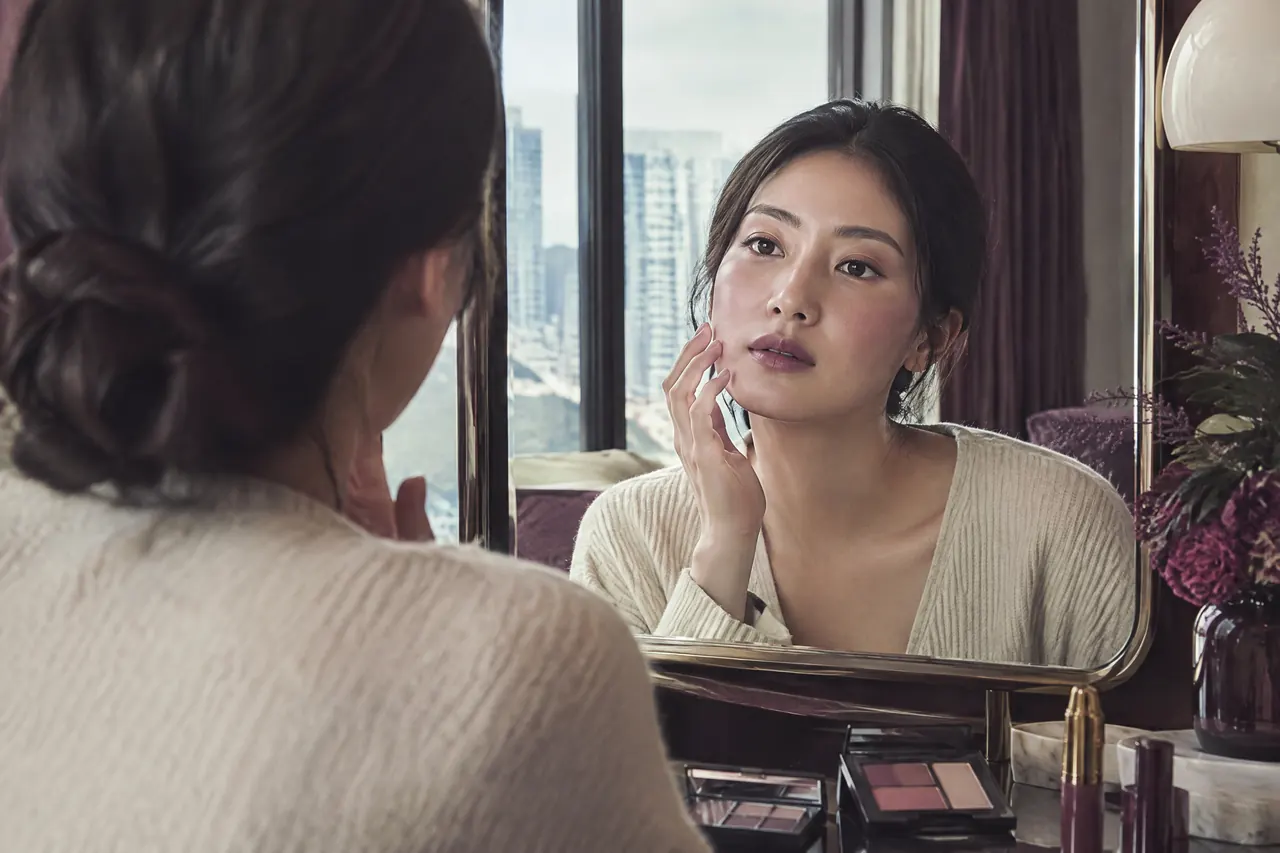
Choose the direction by asking who must read the face, and from where. A theatre audience needs clear expression across distance. A camera may examine every transition at close range. A hybrid event needs both priorities stated early. For a performance shaped by spotlights, costumes and audience sightlines, the stage makeup Hong Kong guide helps frame the conversation. It explains why contrast and deliberate feature placement can matter more than everyday softness. It also keeps the creative discussion focused on visible needs rather than a generic dramatic look.
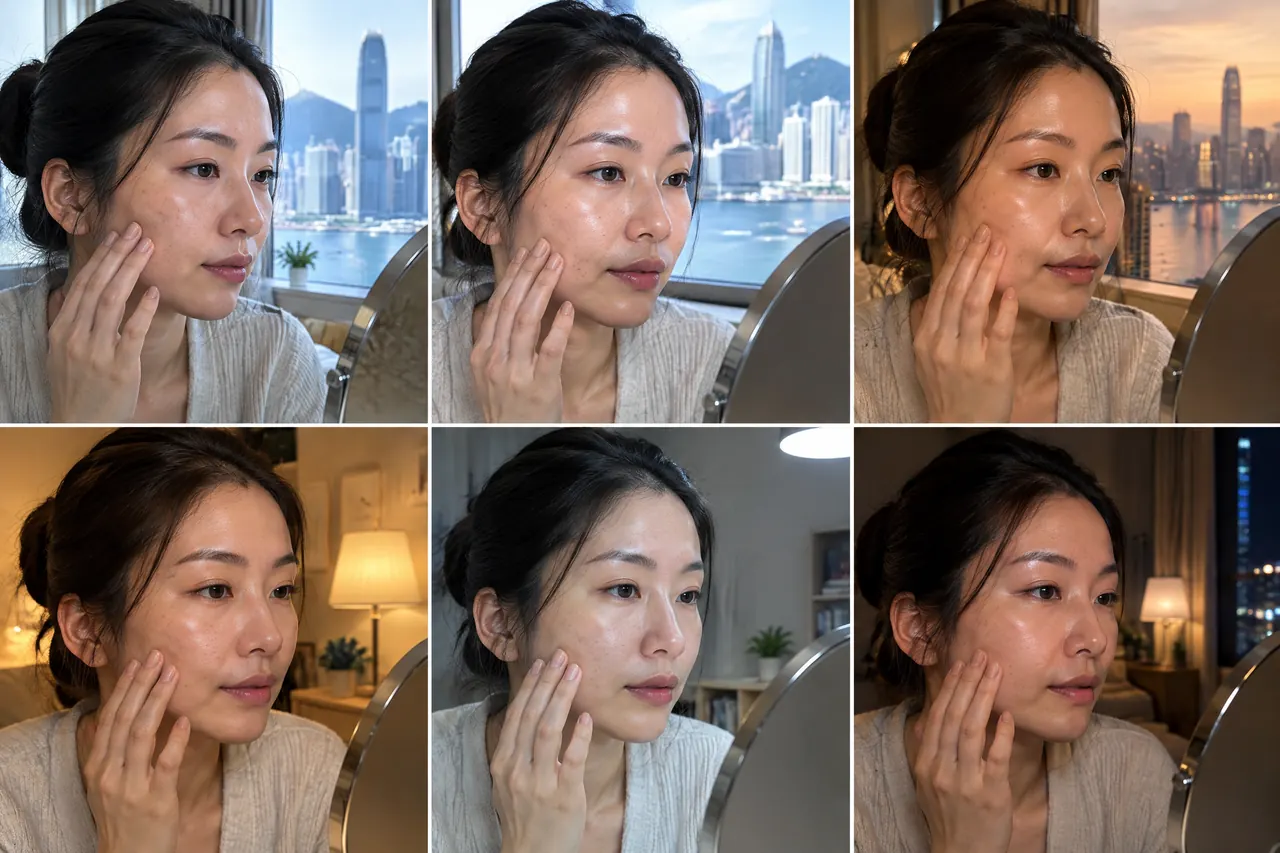
Write down the closest camera distance, the furthest audience position and the strongest planned lighting. Include whether the camera records stills, video, or both. Wide shots reward a readable outline and considered colour contrast. Close shots reward clean texture, believable edges and measured shine. Neither approach is automatically heavier or better. The useful question is which details the audience must understand at the intended distance. It gives the artist a stable basis for suggesting proportion, finish, and visual emphasis.
Ask for one reference that shows the mood and another that shows the framing. A dramatic face can look understated from a balcony. The same face may appear dense in a close portrait. Costume colours also change the balance of the design. Share them before settling on lips, brows, contour or wounds. This prevents a brief from mixing a theatre requirement with a beauty photograph expectation. It also keeps later changes tied to the scene rather than to an isolated beauty trend.
| Direction | Best visual need | Briefing focus |
|---|---|---|
| Stage-led makeup | Features that read across an audience | Distance, lighting, costume and expression |
| Prosthetic-led effect | Temporary texture important to a close view | Area, edge visibility, wear time and removal |
| Body-art-led design | Decorative colour or a larger visual field | Body area, costume coverage, venue and removal |
| Combined direction | Both readable performance and selected detail | Which element remains essential at every distance |
Stage and Prosthetic Makeup Choice: Compare the Main Routes
A stage and prosthetic makeup choice begins with the viewer
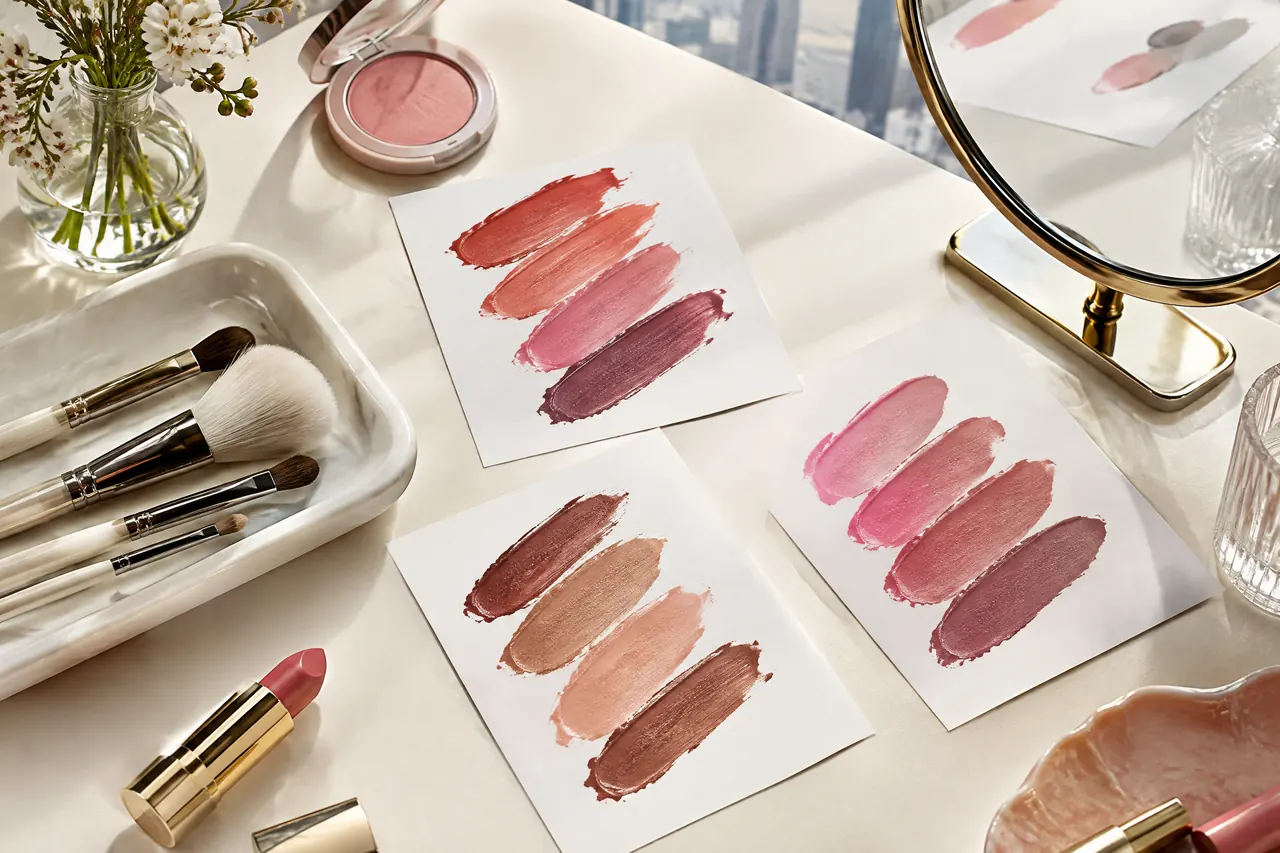
Stage makeup builds a readable character through shape, contrast and colour placement. It is especially useful when expression must travel beyond the front row. Prosthetic work adds a physical element, such as a raised texture or simulated wound. The result needs enough preparation and removal time. Body art can create large colour fields or decorative storytelling without pretending to be a skin alteration. Each route has a different visual purpose and practical commitment. The table below offers a quick comparison before you decide which route supports the brief.
A prosthetic element is most convincing when the story requires texture that ordinary shading cannot suggest. Explain whether the shot lingers on its edge. Note whether it moves with facial expression and how long it stays visible. The prosthetic makeup Hong Kong page helps compare temporary simulated effects with painted depth. It is useful when the brief needs a clear distinction. It also prompts sensible questions about materials, timing, removal and known sensitivities. Ask whether physical texture must remain convincing during movement, dialogue or repeated takes.
Do not choose an effect because it sounds more technical. Choose it because it changes what the viewer understands. Painted bruising may suit a distant scene or a short appearance. A close-up might need carefully planned texture instead. Decorative colour may be better for a celebratory concept than a realistic wound. A concise visual objective protects comfort, time and budget from unnecessary complexity. That keeps the finished direction relevant to the script, setting and individual wearer.
Match Materials to Wear Time and Skin History
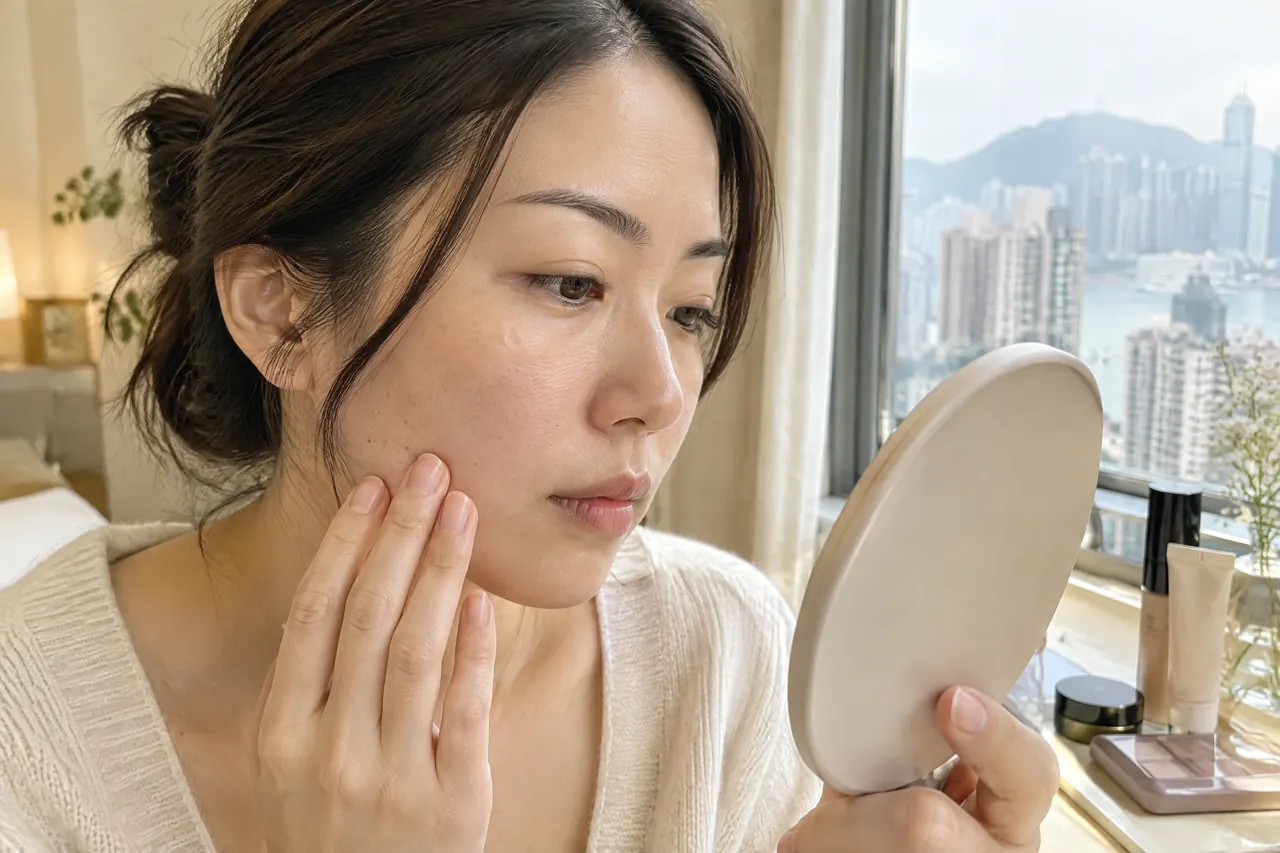
Comfort begins with an honest skin and wear history, not a promise that every material suits everyone. Mention previous reactions to cosmetics, adhesives, fragrance, latex, removers or face paint. Also mention active irritation or any skin concern that needs medical advice. Allergic contact dermatitis can arise after contact with an allergen. Some reactions appear after a delay rather than immediately. Those details matter when planning an optional effect. [2] Share this information privately before the creative direction becomes fixed. [2]
A patch test is a dermatology procedure for investigating suspected contact allergy. It is not a general guarantee that a proposed makeup arrangement cannot cause a reaction. The British Association of Dermatologists notes that cosmetics, perfumes, preservatives and rubber chemicals can be among tested substances. Recurrent or persistent reactions deserve advice from a qualified health professional. Bring known product information when seeking that advice. [1] It also avoids using informal tests as a substitute for clinical assessment. [1]
For the event itself, agree the intended wear period and a practical removal plan. Avoid asking someone to tolerate discomfort for the sake of a dramatic image. Keep hands away from edges and explain costume contact points. If a known allergy or concerning skin symptom exists, choose a safer visual alternative or seek medical guidance first. Makeup can create temporary appearance changes, but it does not diagnose or treat skin conditions. Keep this boundary clear when reviewing references, materials and the final event schedule.
Write a Brief That Makes Decisions Easier
A useful brief gives the creative team enough facts to make a practical recommendation. State the character or event purpose in one sentence. Then list audience distance, camera format, lighting, costume coverage and the ready-by time. Include reference images with short notes about what matters in each image. Name the desired feeling, such as unsettling, celebratory, historical or graphic. Avoid relying on a single image without explaining its intended use. That information turns a visual idea into a decision that can be scheduled and discussed clearly.
Separate essential details from optional details. Essential details are the effect, body area, wear window and viewing conditions. Optional details include extra glitter, colour changes or photographs after the performance. This distinction makes a fallback choice easier if time becomes tight. It also helps everyone recognise whether a design needs painted dimension, a prosthetic feature, or a simplified stage finish. Confirm practical arrangements with customer service before relying on any particular scope. It also creates a clear basis for adjusting the look without losing its central purpose.
Use this short briefing checklist before an enquiry. It turns a visual idea into practical information. Add the date, viewing conditions and the feature that cannot be compromised. Keep the note readable so the creative conversation can focus on decisions. It can reveal whether a simpler painted direction will meet the purpose. It also helps prevent missing details from delaying a clear response.
- Give the date, ready-by time, venue type and expected wear period.
- Describe the nearest camera view and the furthest audience distance.
- Send costume, lighting and character references with short annotations.
- Declare known reactions, product restrictions and removal concerns early.
- Mark which visual feature is essential if the schedule changes.
Plan Body Art, Changes and Removal
Body art works best when its scale serves the setting. A bright shoulder design may read clearly at a festival. Fine lines can disappear beneath dim lights or textured costume fabric. Glitter may suit a celebratory interaction, but it should not replace a required character effect. For event-based decorative options, the glitter bar for kids party Hong Kong page is a helpful reference. It shows why age range, skin area, venue conditions and removal shape the request. That approach also prevents decoration from obscuring the costume or distracting from the performance.
Plan quick changes as visual priorities rather than a wish list. Decide which elements stay in place between scenes. Decide which colour, mark or accessory must change. A staged plan reduces unnecessary handling of the face or body. It also gives the wearer a clear expectation about when touch-ups happen. If the scene is filmed, take a reference photograph after approval. It can support continuity without turning the brief into a complicated document. Keep each change connected to the storyline, rather than adding changes only for variety.
Removal needs the same attention as application. Ask what clothing must pass over the head and whether the wearer travels immediately afterwards. Confirm suitable access to washing facilities, towels and privacy where relevant. Never peel or rub an effect hurriedly because the venue schedule has changed. A simpler painted option may be wiser when removal time is short. That trade-off is often more valuable than an elaborate finish. This keeps the finishing process calm and considerate for the wearer.
Make the Final Choice for Your Hong Kong Event
Make the final choice only after comparing the visual goal with the real schedule. Stage direction is strongest when audience distance and lighting lead the decision. Prosthetic direction is strongest when texture is essential in a close or sustained view. Decorative body art is strongest when colour and celebration lead. A mixed approach can work, but each element should solve a stated problem. Resist adding an effect simply because a reference looks impressive. A clear hierarchy keeps each visual decision proportionate to the performance or screen moment.
The SFX makeup course Hong Kong comparison explains different emphasis areas for learners. It can also clarify the distinction before an event enquiry. It contrasts stage readability with close-up effects such as prosthetic edges and textured wounds. For a customer enquiry, use the same distinction to describe your request clearly. Specify whether you need performance visibility, camera detail, a decorative feature, or a combination that fits the agreed timeline. It gives the artist a concise starting point for discussing a suitable visual direction.
Before confirming, test the brief against the wearer’s movement and the venue sequence. Can the costume be fitted without disturbing the design? Can the key feature still be seen from the important angle? Is removal realistic after the final cue? If the answer is unclear, reduce the design or ask for clarification. A well-chosen simpler direction often serves the event better than an ambitious effect with no practical allowance. This protects the key feature while respecting venue and schedule limits.
Key takeaway
Choose stage-led makeup for readable expression at distance, and prosthetic-led work when temporary texture is essential on a closer view. Choose body art when decorative scale matters more than simulated relief. The practical trade-off is always effect complexity against comfort, schedule, movement and a realistic removal plan.
Practical checklist
- Name the character, event purpose and most important viewer.
- Confirm camera distance, audience distance and lighting conditions.
- Share costume coverage and every fixed ready-by cue.
- Declare known skin reactions and product restrictions early.
- Plan the removal window before agreeing elaborate detail.
Frequently asked questions
Should I choose stage makeup for a filmed performance?
It depends on the camera distance and the audience experience. A filmed performance may still need readable contrast for the room. However, close camera views need carefully controlled texture. State both needs in the brief, then prioritise the shot or audience moment that matters most.
When is a prosthetic effect worth requesting?
Request a prosthetic effect when physical texture changes the story in a visible way. It can suit a close, sustained view. Painted shading may suit a shorter or more distant moment. Discuss wear time, movement, removal and known product reactions before agreeing any temporary effect.
Can body art replace a prosthetic effect?
Body art can replace a prosthetic only when painted colour and form communicate the required idea. It works well for decorative scale and graphic design. It cannot automatically create raised texture. Compare the viewing distance, costume coverage and removal time before making that trade-off.
What skin information should I share before an enquiry?
Share known reactions to cosmetics, adhesives, fragrance, latex, removers or face paint. Mention active irritation and any product restrictions. This information helps shape a careful discussion. It does not replace advice from a qualified health professional where a skin concern needs assessment.
What makes a useful reference image?
A useful reference shows one clear feature and explains why it matters. One image may show colour mood. Another may show camera framing or costume scale. Add notes about the essential feature. This avoids treating a heavily edited image as a literal application instruction.
Sources
| Source | What it supports |
|---|---|
| Patch Testing | Patch testing is a specialist dermatology procedure that investigates whether contact allergy causes or worsens a skin condition; cosmetics and rubber chemicals can be among tested substances. |
| Allergic contact dermatitis | Allergic contact dermatitis can follow contact with an allergen and may appear after a delay; the source supports careful history-taking and professional assessment for recurrent concerns. |
Discuss your own makeup plans
For a Hong Kong stage or screen brief, WhatsApp BigDeal Make Up on +852 6918 3153. Include your date, references, audience distance, and ready-by time.
Ask on WhatsApp +852 6918 3153