
BigDeal Make Up · Hong Kong
Makeup Artist Vs Doing Own Makeup For Photoshoot
Deciding between a makeup artist and doing your own makeup for a photoshoot depends on practical needs you can control: time, lighting, transport and how comfortable you are with camera techniques. This guide shows when self-application is sensible and when outside styling support saves time on set. It covers timing, tools, humidity and flash considerations, and exactly what to bring and communicate at a photoshoot makeup appointment.
At a glance
makeup artist vs doing own makeup for photoshoot
Deciding between a makeup artist and doing your own makeup for photoshoot comes down to comfort, lighting, available preparation time and the final finish you want. An artist often makes logistics smoother for multiple looks, tricky flash handling or fast changes. Doing your own makeup can work when you have camera-tested products, a clear brief and enough time to complete touch-ups before shooting.
01
makeup artist vs doing own makeup for photoshoot: Practical shoot questions to help you decide
makeup artist vs doing own makeup for photoshoot: When self-application makes sense for your shoot
Be honest about your technical comfort and the shoot’s demands. If the brief is a single look, the lighting is natural and the photographer expects quick turnarounds, doing your own makeup can be perfectly adequate. You should practise with the exact products so you are not just mirror-ready but camera-ready.
Consider the logistic load. Doing your own makeup means you must budget time for skin prep, base layering, lashes or liner application, and final mattifying or setting. If you are on location with limited power, light or table space, self-application becomes stressful unless you’ve practised in similar conditions and packed a compact kit. Ask the photographer what prep space and lighting will be available.
Take responsibility for product safety and hygiene when you apply your own makeup. Use clean applicators and fresh consumer-packaged products to avoid contamination and reduce the chance of irritation. Practical advice about labels, expiry and keeping eye cosmetics clean helps anyone applying products on themselves.
For a closer comparison, consider family photoshoot makeup Hong Kong
02
When self-application may suit the shoot plan
makeup artist vs doing own makeup for photoshoot: Reasons to self-apply on set
Self-application is often the right call for lifestyle shoots with natural light and minimal retouching. If the photographer intends to capture candid or movement-based frames where heavy contouring isn’t needed, a practiced personal hand produces authentic results and can speed the workflow. Do a camera test on phone or tethered capture beforehand so you confirm how colours and finishes translate.
Self-application also works when you already own camera-tested products — non-flash-reflective powders, longwear foundations and mattifying primers that hold up in humid conditions. Keep a small emergency kit for on-site fixes: blotting papers, a compact powder, a lip pencil and setting spray usually solve most mid-shoot issues without a full kit or extra technician.
Self-application makes sense if the schedule allows an early arrival for full prep. Plan to arrive earlier than the call time when you will self-apply; factor in mirror lighting and a comfortable chair so you don’t rush. Rehearse the exact routine once in similar lighting — it reduces last-minute panic and ensures you arrive camera-ready.
Match your plans with family photoshoot makeup vs no makeup
03
When outside styling support may be useful
When outside styling support may be useful for complex shoots
Hiring a makeup artist helps when the shoot includes multiple looks, fast costume changes, or high-key studio flash photography that requires careful product selection. A professional manages touch-ups, carries a broader product range suited to flash and humidity, and can adapt finishes quickly between set-ups without slowing the photographer.
Outside support is useful when you want a dramatic, editorial or precisely contoured look. Artists who work on photoshoots understand how lighting alters perceived contrast, how to balance eyes and brows for asymmetry, and temporary removable eyelid techniques for certain eye shapes — cosmetic adjustments that are temporary and non-medical. Their role is to deliver repeatable looks across the shoot day and reduce on-set stress for you and the team.
If you are unfamiliar with camera-specific techniques such as avoiding flash hotspots, applying colour under tungsten or preparing skin for motion and perspiration, an experienced makeup artist provides technical reassurance. They can recommend products that minimise shine under flash, suggest hair or wardrobe tweaks that affect the finished images, and co-ordinate with the photographer to preserve the creative brief.
You may also find it useful to compare family portrait makeup price Hong Kong
04
Time, tools and comfort: Comparing the real preparation load
Time, tools and comfort: What to expect whether you hire an artist or self-apply
Time is the single most practical difference between hiring a pro and doing your own makeup for a photoshoot. Expect professional application to be scheduled by look: a full, camera-ready face usually takes longer than a quick everyday routine. If you self-apply, allocate the same calm, uninterrupted time, including extra minutes for camera checks and corrections.
Tools matter more than glamour. Professionals arrive with multiple foundation shades, cream and powder textures, diffusing powders for flash, a selection of palettes and reliable adhesives for lashes. If you plan to self-apply, assemble a scaled kit containing the same functional categories: primer, a few foundation blends, a mattifying powder, neutral and bold colour options, brushes, sponges and lash supplies. Pack it the night before.
Comfort is often underestimated: sitting for application, undergoing repeated photographic trials and moving through changes can be tiring. Artists know ways to make the process smoother: they adjust seating height, choose gentle adhesives for lashes and pace changes to avoid rushed finishes. If you self-apply, bring a portable cushion, a mirror with daylight bulbs if possible, and allow time for short breaks between set-ups.
For another approach, explore photoshoot makeup on location Hong Kong
05
fresh vs glam makeup for photoshoot: The visual direction you choose matters
fresh vs glam makeup for photoshoot: How each direction translates on camera
Fresh and glam are directions rather than fixed formulas. Fresh implies dewy skin, subtle contouring and natural emphasis on eyes or lips; glam increases contrast, richer colour saturation, bolder lashes and defined contouring. Which you choose depends on the creative brief, wardrobe and final image use — editorial, commercial catalogue or social media thumbnails demand different visual languages.
If you favour fresh makeup for a naturalistic series, prioritise skin prep: hydrating serums, light-reflecting primers and a blendable, skin-like foundation finish. For glam, plan for heavier layering: cream contour, powder set and lashes that read on camera. A professional service can build both directions into the day, scheduling the fresh look early and adding intensity for glam later so you don’t need a full redo between looks.
Remember that fresh and glam interact with wardrobe and hair. Pale pastels and soft linens suit fresh makeup, while sequins, evening wear or high-fashion outfits often need stronger lines so facial features read clearly. Discuss the direction with the photographer and stylist and use a short visual reference board to align expectations.
Before deciding, take a look at Makeup Services
06
Flash and humidity are planning factors, not guarantees
Flash, humidity and activity: Practical things to plan for
Flash photography can exaggerate reflective finishes such as certain primers, dewy highlighters or SPF formulations. Professionals test looks under the actual lighting rig or with a test flash to catch hotspots. If you self-apply, avoid heavy silicone-based primers or glossy creams in large amounts, and do a quick flash test with your phone camera at the same angle to spot shine that might appear in final images.
Hong Kong humidity is an active variable that affects product choice and timing. High humidity makes oils break through makeup faster, so mattifying primers, oil-absorbing powders and longwear formulas are sensible choices. For both fresh and glam directions, schedule light powdering between takes and keep blotting papers on hand. Ask the studio if they provide fans or climate control; plan to use breathable fabrics in wardrobe to reduce perspiration.
Activity level during the shoot matters as much as environment. Movement-heavy sessions, outdoor setups or action frames increase the chance of transfer, smudging and sweating. An artist can manage these dynamics with tacky-fixers, temporary adhesives and more durable product layers. If you self-apply, expect to recheck brows, lashes and lips often, and carry a minimal emergency kit for quick on-set reinforcement.
07
What to bring to a photoshoot makeup appointment
what to bring to photoshoot makeup appointment: Practical checklist and communication tips
If you’re wondering what to bring to photoshoot makeup appointment, start with reference images and be explicit about any skin sensitivities or recent treatments. A set of clear references — three angles, two lighting conditions — helps the artist or yourself match tone and intensity. Communicate allergies and current skincare clearly; recent peels, laser work or fillers affect what products are safe to use and when.
Pack practical wardrobe items: the exact outfits, undergarments, shoes and accessories you will wear during the shoot. Different fabrics and necklines change how makeup should be balanced, especially near the jaw and chest. Include spare lip and hair colours if you intend to change between looks, and a small towel or cleansing wipes for unexpected spills or quick refreshes.
Also bring a compact emergency kit: blotting papers, a compact powder, translucent setting powder, a small brush, a neutral lip pencil and your preferred mascara and brow pencil. If you are hiring an artist, offer to show your kit in advance so they can coordinate supplies and reduce duplication. If you have a unique personal beauty item you want in the final frames, label it and explain its significance so it receives careful handling.
08
Scheduling and realistic time expectations
Plan call times around look complexity and test shots
Accurate timing prevents rushed finishes and lost shooting minutes. For simple, fresh looks a practiced person can often finish within 30–45 minutes, including skin prep and a brief camera check. For camera-ready glam, editorial contouring or multiple looks budget 60–90 minutes per look when an artist allows time for product tests, flash checks and lashes. Allow extra buffer for wardrobe fitting or unexpected hair adjustments.
If you work with an artist, they will usually book by look and include time for lighting tests and touch-ups between sets. For self-application, build in the same test intervals: a quick tether or phone flash test will reveal unwanted shine or colour shifts. Remember location shoots may add transit time and less predictable lighting, so arrive earlier than the call time if you are applying your own makeup.
Many customers ask how long does photoshoot makeup take Hong Kong — the short answer depends on the look and conditions. In Hong Kong’s variable climate and popular studio setups, the timing above is realistic. Confirm with production whether the photographer provides a makeup-ready space and adjust your arrival time if you must set up portable lighting or a mirror.
09
Choosing between self-application and hiring an artist for shoot efficiency
Assess costs, on-set roles and the advantages each option brings
Cost and convenience are the core trade-offs. Doing your own makeup reduces cash outlay but increases prep responsibility: you must supply camera-tested products, manage hygiene, and carry an emergency kit for mid-shoot fixes. Hiring a makeup artist costs more per day but saves time on set, provides a broader product range (we use NARS, Dior Beauty, Giorgio Armani Beauty, Estée Lauder, Laura Mercier, Clé de Peau Beauté, Bobbi Brown and M·A·C where appropriate), and gives technical help with flash, humidity and quick changes.
Expect different on-set roles. An artist handles touch-ups, coordinates with the photographer on looks, and can apply temporary cosmetic balancing for asymmetrical eyes or brows and removable eyelid techniques when appropriate — these are temporary, non-medical methods to help the face read better on camera. If you self-apply, assign someone to help with logistics or ask the photographer for short lighting tests so you can adjust without delaying the schedule.
Consider how many looks and how much movement your shoot involves. Multiple wardrobe changes, fast turnarounds or action-heavy sequences usually favour an artist for efficiency. If the brief is simple, natural and you have experience with camera-ready products, self-application is a viable, cost-conscious choice — just make sure your timing reflects the same professional standards as a booked artist.
Style references
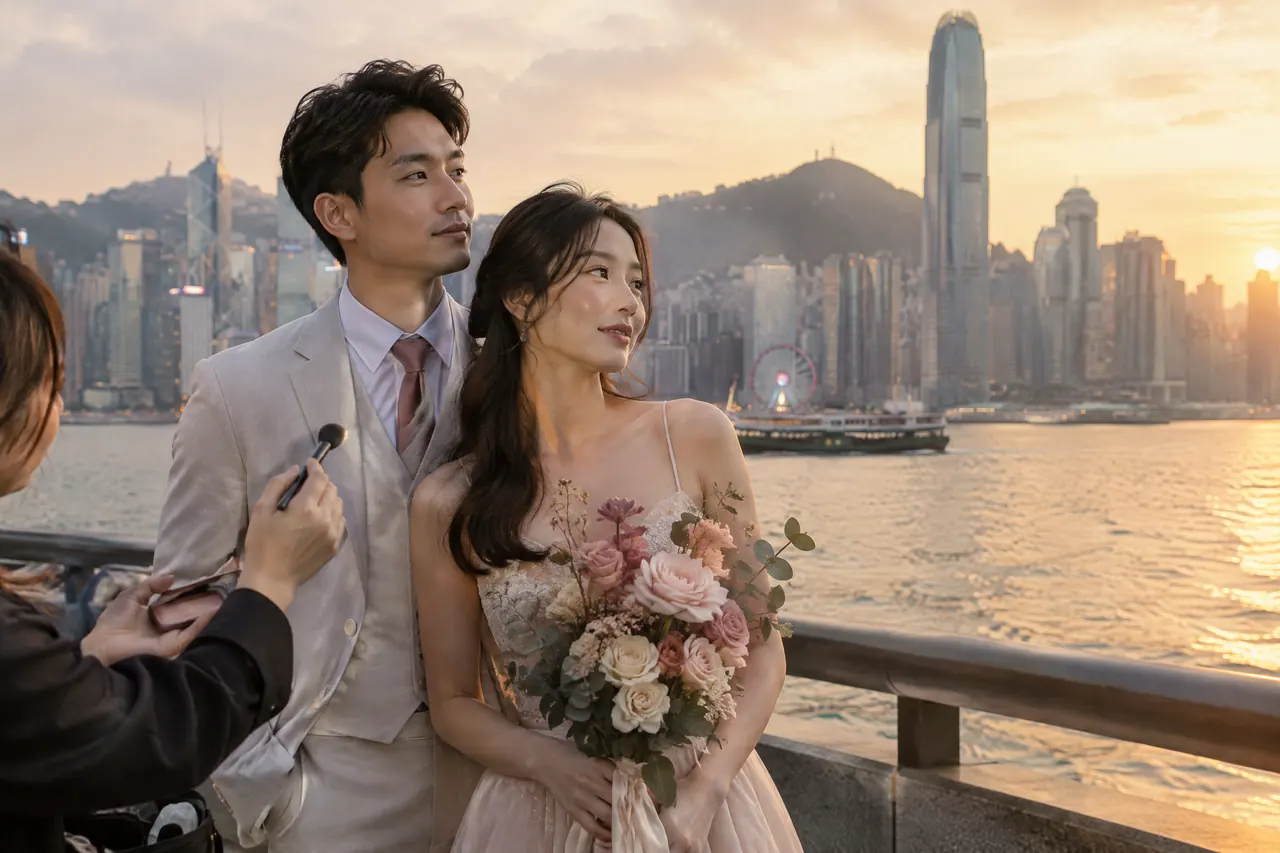
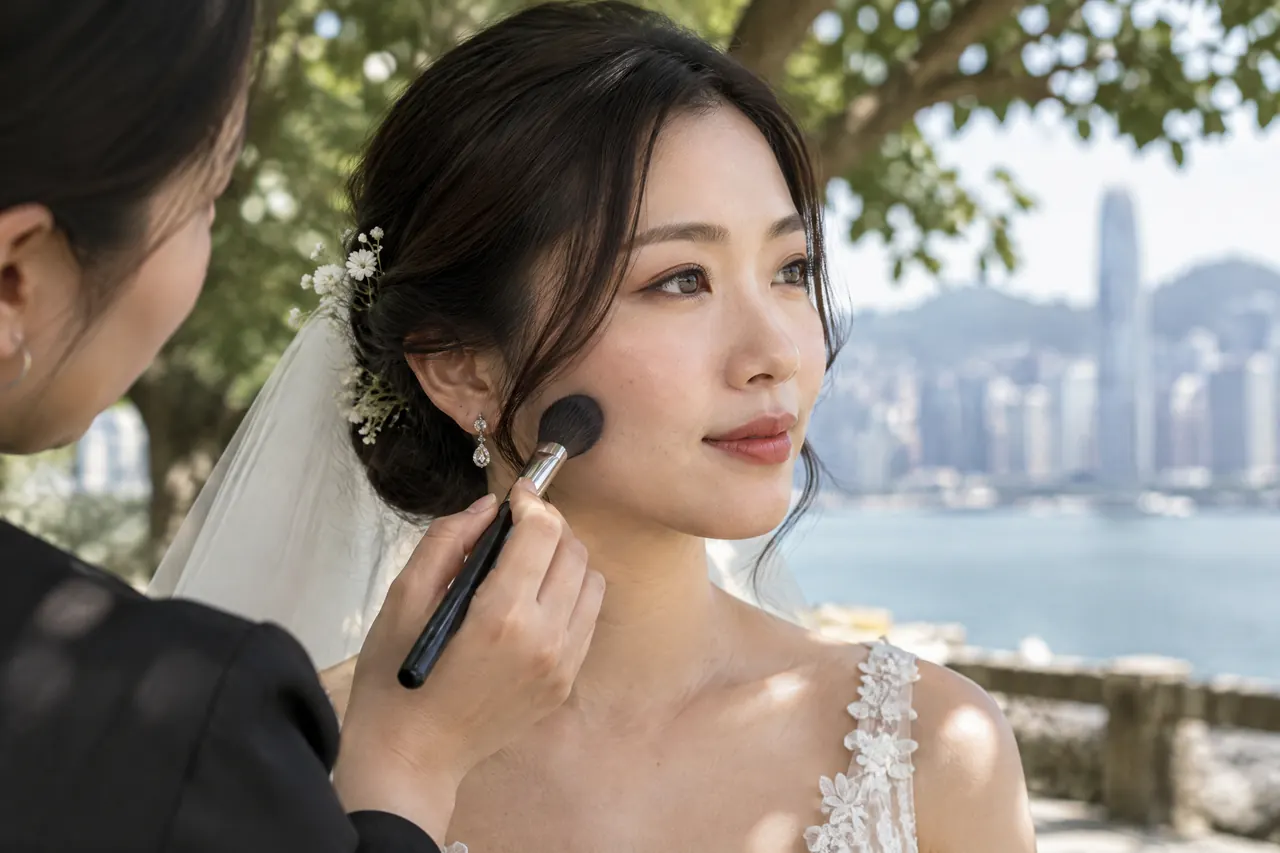
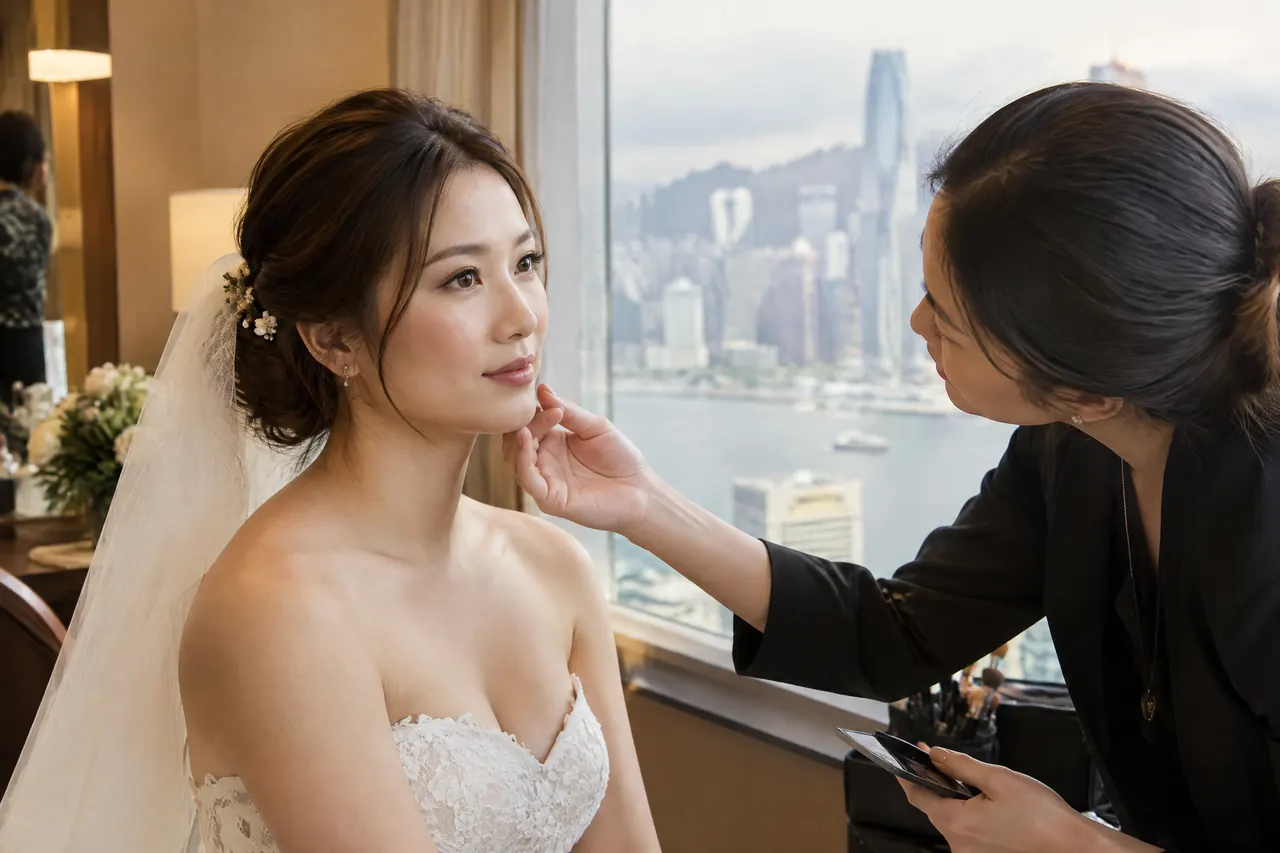
Related makeup style illustrations



Quick comparison: makeup artist vs doing own makeup for photoshoot
| Consideration | Doing your own makeup | Hiring a makeup artist |
|---|---|---|
| Time required | You must allocate uninterrupted prep time and camera checks. | Scheduled by look; artist manages timing and touch-ups. |
| Product and lighting expertise | You need camera-tested products and practice with flash. | Artist brings tested products for flash and varied lights. |
| Cost and logistics | Lower cash outlay but more personal time and kit preparation. | Higher cost for convenience and broader on-set coverage. |
| Multiple looks or fast changes | More stressful without assistance; requires planning. | Artist handles quick changes and consistent finishes. |
Helpful answers
Frequently asked questions
How long does photoshoot makeup take in Hong Kong?
Timing depends on the complexity of the look. A natural, single-look fresh makeup might take 30–45 minutes when self-applied by someone practiced. A camera-ready glam look or multiple changes commonly needs 60–90 minutes per look when an artist schedules preparation, tests and touch-ups. Always confirm arrival and call times with the production to allow buffer for lighting tests.
What should I consider for photoshoot makeup for flash photography?
Flash exaggerates shine and reflective powders. Use mattifying primers or a light dusting of translucent powder on high-reflective areas. If you’re self-applying, do a flash test with your phone or ask for a quick studio flash check to spot hotspots. Artists usually have diffusing powders and products known to read neutrally under flash.
Any tips for photoshoot makeup for Hong Kong humidity?
Prioritise oil-control and transfer-resistant formulas. Apply a mattifying primer, set cream products with thin layers of powder and keep blotting papers handy. Choose longwear foundations and waterproof mascaras if the shoot involves movement or outdoor setups. Also plan light touch-ups between takes rather than heavy reapplication, which can look cakey in humid conditions.
What to bring to photoshoot makeup appointment?
Bring reference images, a list of allergies or recent skin treatments, the exact outfits and accessories for the shoot, plus an emergency kit: blotting papers, compact powder, lip pencil and a small brush. If you have a personal beauty item you want included in images, label it and explain its importance. For artists, share any special requests early so they can scope the kit.
how long does photoshoot makeup take Hong Kong
Timing depends on the look and conditions. A practiced person applying a fresh, natural look should allow 30–45 minutes including a camera check; a camera-ready glam or multiple looks usually needs 60–90 minutes per look when an artist schedules tests and touch-ups. Factor in extra buffer for wardrobe, hair or lighting tests, especially for outdoor or humid shoots.
Should I bring my own products or rely on the artist’s kit?
If you have specific personal items you want included in the final images, bring them labelled and discuss their use early. Artists typically bring a broad professional kit and will coordinate with your items to avoid duplication. If you plan to self-apply, assemble camera-tested essentials—primer, foundation blends, mattifying powder, blotting papers, lash supplies and a lip pencil—so you can handle quick on-set fixes.
Can makeup techniques change how eyes and brows appear on camera?
Yes. Cosmetic balancing of asymmetrical eyes and brows and removable eyelid techniques are temporary, non-medical approaches used on set to help features read evenly under specific lighting. An experienced artist will suggest and apply these methods as part of a shoot plan, while someone self-applying should practise such techniques ahead of time and communicate clearly with the photographer.
Ready to discuss it?
Request our availability and advice on on-set logistics
Tell us what you are planning, and we will help clarify the service or lesson details that matter for your enquiry.
From the makeup blog