
At a glance
Good consultation notes use precise choices, not fixed labels. A preferred finish may matter more than a trend. A familiar lipstick might matter more than a brand name. Clear information on a previous reaction, a specific ingredient, or an event schedule also changes the discussion. The trade-off is simple. Protect your priorities, while allowing enough flexibility for colours, products, and techniques to suit the final setting.
Start with the job the makeup needs to do
Begin with the result you want to recognise in the mirror. Describe the setting, occasion, photographs, and how long you expect to wear the look. Say whether you want to feel polished, understated, fresh, defined, or more dramatic. These are starting points, not technical instructions. A useful brief also names what should remain familiar. You might value visible skin texture, softer brows, or a lip colour close to your usual choice.
Next, identify the feature that deserves most attention. You may want a more even-looking base, clearer brows, a stronger eye, or a defined lip. The [Makeup Techniques](https://bigdealhk.com/makeup/en/hubs/makeup-techniques/) guide can help you name temporary visual choices. Use it before an enquiry. Makeup can create perceived balance around brows and eyes, but it does not permanently alter features. Choose one or two priorities, because equal focus on every feature makes decisions less clear.
Makeup Consultation Preferences: Turn Vague Ideas into Choices
Makeup consultation preferences for coverage and finish
Words such as natural, light, or full coverage mean different things to different people. Replace them with visible outcomes. For example, say whether you want freckles visible, redness softened, or an even-looking tone without a mask-like finish. Explain how you usually feel after several hours of wear. This gives the conversation a clear direction while avoiding a promise that one finish suits every face, product, or setting.
Separate coverage from finish when describing the base. Coverage concerns how much uneven colour you want visually softened. Finish describes whether the surface appears more matte, satin, or luminous. Tell the artist which matters more if you must choose. A photo of your own successful makeup can clarify that choice. It shows your comfort level better than a celebrity photograph taken under unknown lighting.
Add boundaries, not just wishes. Mention a feature you prefer not to emphasise, such as a sharply contoured cheek or a very glossy lip. Explain whether false lashes, strong liner, or sculpted brows feel unlike you. State any contact-lens comfort considerations before the appointment. This language makes alternatives easier to discuss. It also prevents a reference image from becoming an instruction to copy every detail.
Separate skin tone, undertone, colour and contrast
Use references as evidence, not rules
Skin tone, undertone, contrast, and colour preference describe different decisions. Skin tone concerns visible depth, while undertone helps frame colour discussions. Contrast reflects how strongly features and colouring read together. Bring daylight photographs without strong filters when possible. Readers comparing shades can also review [makeup for deeper skin tones](https://bigdealhk.com/makeup/en/client-guides/makeup-different-skin-tones/). The goal is a useful starting point, not a rigid label for your face.
Your preferred colours can change with clothing, event mood, and the finish you enjoy. Start with colours you repeatedly wear and colours you avoid. Then decide whether the preference concerns lips, cheeks, eyes, or the whole impression. For a separate framework, see [personal colour analysis Hong Kong makeup](https://bigdealhk.com/makeup/en/client-guides/personal-colour-analysis/). It covers undertone, contrast, and seasonal questions. Use it as a conversation aid, rather than a rule that excludes a favourite shade.
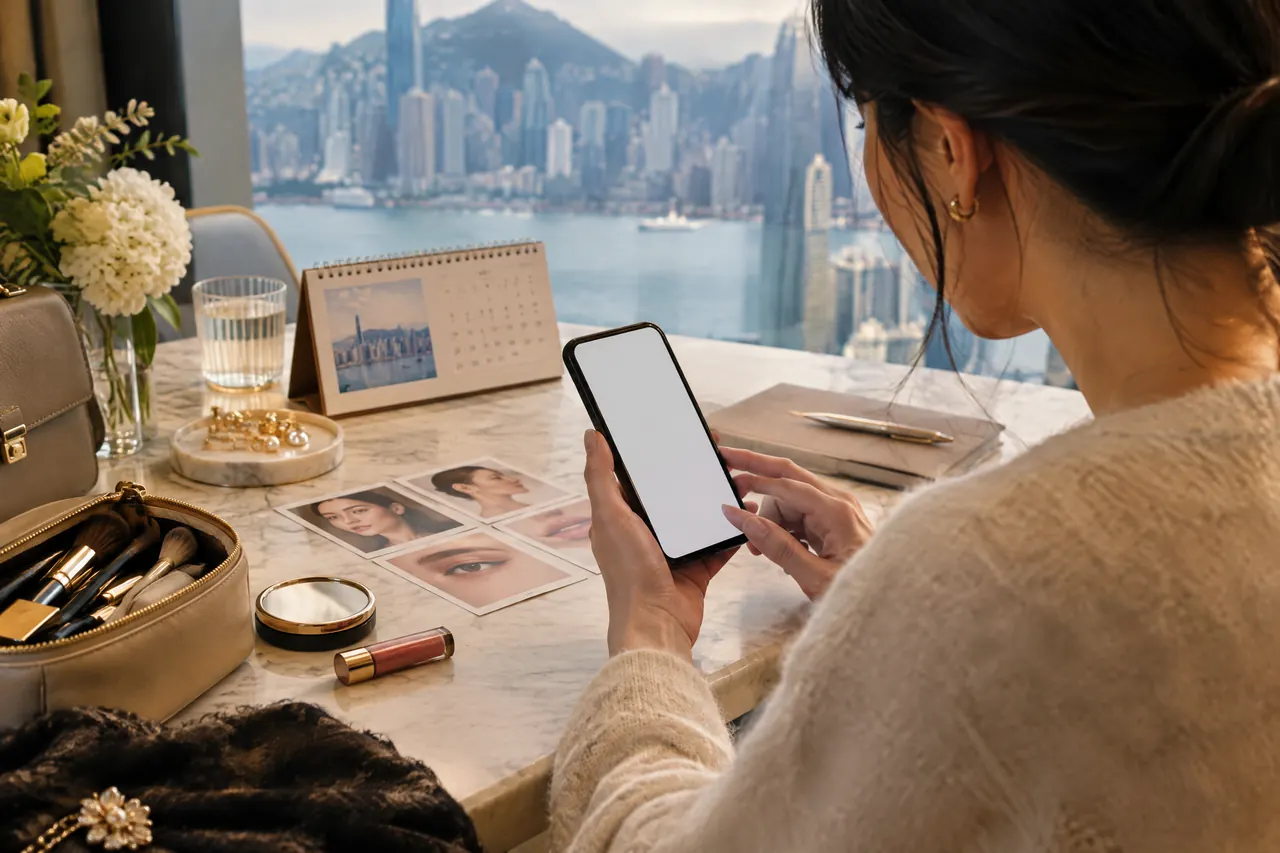
References work best when you explain what you like in each image. Point to the lip depth, brow softness, skin sheen, or eye shape you notice. Include one image that shows an approach you do not want. A useful example might combine a soft base with a defined lip. A single image rarely explains comfort, wear time, or exact colours visible in your usual lighting.
Discuss product preferences and skin information early
Product preferences should be specific enough to check. Name an ingredient concern, a fragrance preference, a formula you already enjoy, or a brand you want discussed. The phrase [clean beauty makeup artist Hong Kong](https://bigdealhk.com/makeup/en/client-guides/clean-beauty-product-questions/) can guide a product-preference enquiry. Clean alone does not identify a formula or an ingredient to avoid. Bring photographs of product labels or the product itself if that makes the request clearer.
Record any previous reaction factually, including the product, timing, and visible symptoms. Do not expect a routine makeup conversation to diagnose the cause. The British Association of Dermatologists describes patch testing as a specialist dermatology procedure for contact allergy. Its guidance advises patients to bring cosmetics and ingredient packaging when relevant.[1] A clinician can advise on assessment. Seek medical attention when a reaction needs it. [1]
Labels are useful records, but they are not a substitute for professional medical advice. Hong Kong’s Consumer Council tested 30 lip products in 2024. It found fragrance allergens in seven tested models and noted label-reading difficulties. The Council advises stopping use if redness, itching, swelling, dryness, or peeling appears.[2] Disclose known sensitivities early. Ask customer service whether preferences can be confirmed for an appointment. [2]
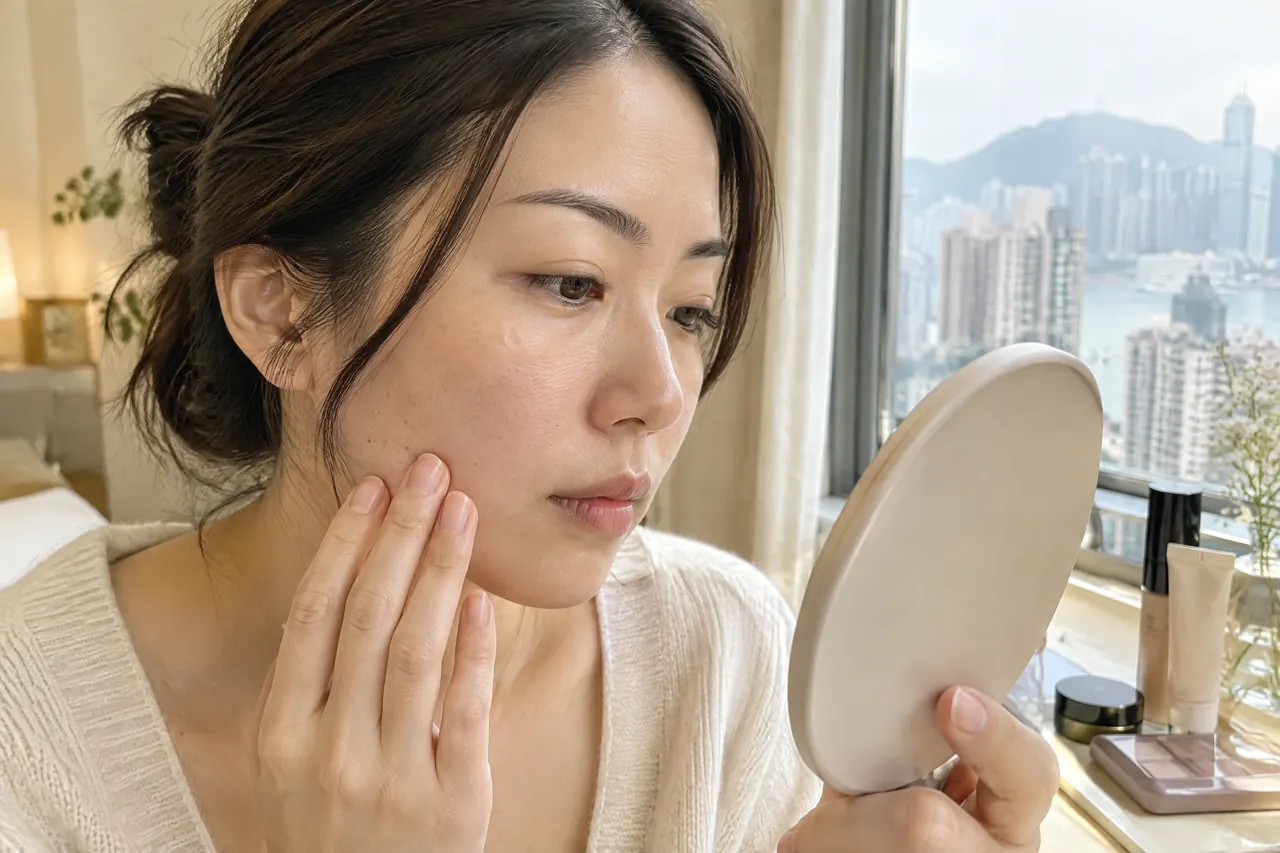
Match preferences to Hong Kong setting and schedule
Place affects the brief because your look is seen in particular light and circumstances. Mention whether the occasion is indoors, outdoors, photographed, or divided between locations. State your ready-by time and any clothing changes before discussing details. A daytime café, a hotel ballroom, and a studio portrait invite different priorities. This information does not dictate a look. It helps decide which preference deserves attention first. This ordering keeps the later conversation focused and makes choices easier to explain.
Describe the routine you can reasonably maintain after the appointment. Some people prefer a compact lip product for reapplication. Others value a base that feels light, even if it appears less perfected in close photographs. Say whether you can pause for a mirror check or need a lower-maintenance choice. The best decision balances the appearance you value with the attention you can give it during the event.
Use a brief that ranks choices rather than listing every possibility. The following comparison turns common labels into questions that an artist can answer. It also shows where a personal preference can change an otherwise familiar direction. Keep the table short when you enquire. One clear priority and one boundary are usually more useful than several competing themes. It also lets the artist explain choices in plain language. This avoids losing the central preference among loosely connected details.
| Area | Instead of saying | Say this | Why it helps |
|---|---|---|---|
| Base | I want natural | I prefer visible texture with redness softened | Separates finish from coverage |
| Colour | Make me warm | I usually wear berry lips; copper shadows feel unfamiliar | Names evidence and a boundary |
| Comfort | Nothing heavy | I need a light-feeling base for a long event | Links feel to the schedule |
| Products | Use clean products | Please check this ingredient or fragrance preference | Allows a specific availability check |
Share a short written brief before the enquiry
Write the brief as a compact note that can be read quickly. Begin with the date, occasion, location type, ready-by time, and desired impression. Add two reference images and explain one detail from each. Then list your preferred coverage, finish, lip direction, and any product information. Avoid treating the note as a fixed face chart. It should invite a focused discussion about what is practical for your chosen arrangement. A clear brief helps customer service identify the practical details requiring confirmation.
Finish with questions that need a clear answer. Ask what information is needed to consider product preferences. Ask which reference feature is most realistic for the setting. Ask what you should bring, if anything. Confirm the exact arrangement, location, timing, and availability with customer service before committing. Clear preparation is helpful, but it cannot guarantee a particular product or outcome. Final choices depend on the confirmed brief and practical conditions. Written notes reduce avoidable uncertainty for everyone involved.
- Name the occasion, setting, and ready-by time.
- Choose one preferred finish and one coverage priority.
- Explain two details you like in your references.
- State one element you do not want emphasised.
- List known product or ingredient preferences early.
- Ask customer service to confirm the practical arrangement.
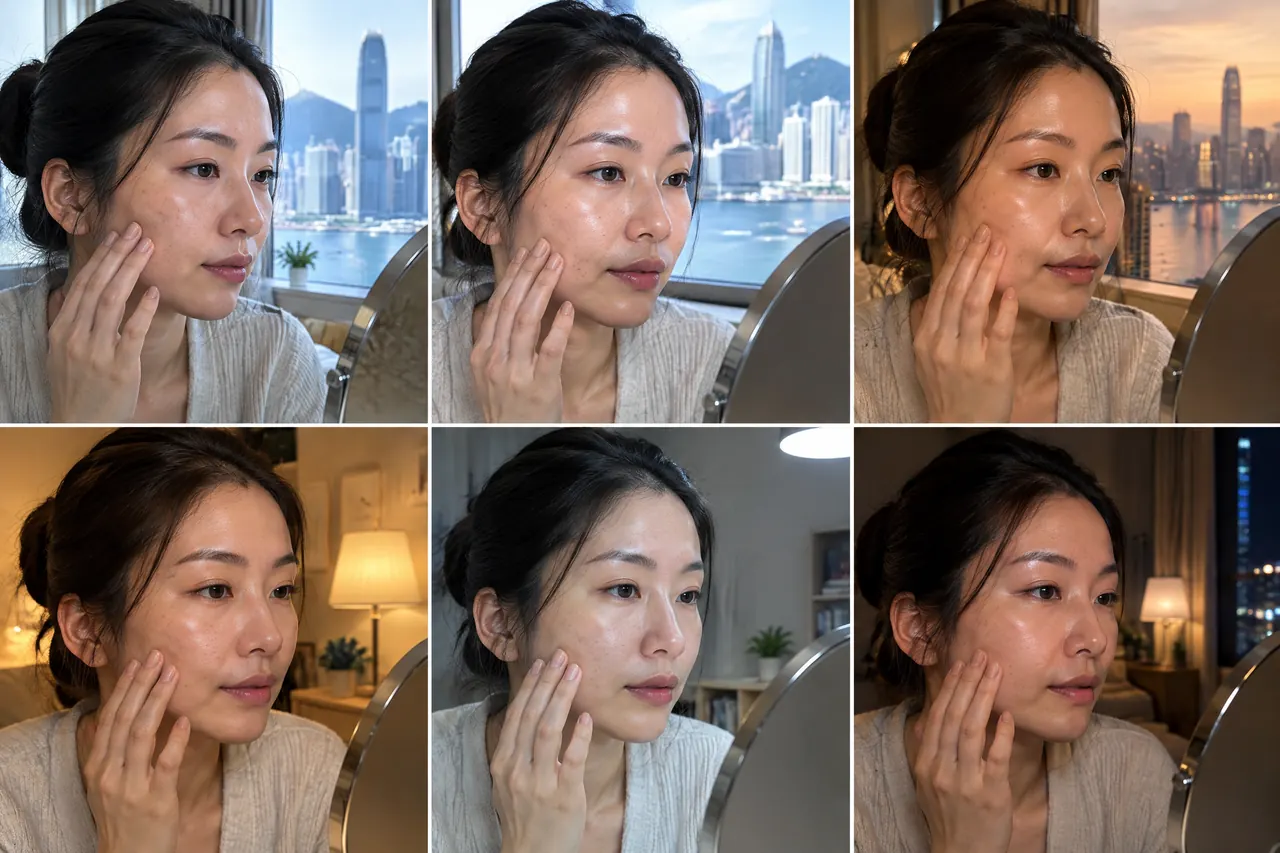
Frequently asked questions about consultation preferences
A consultation works best when it distinguishes an aesthetic preference from a practical need. You can prefer a luminous finish and still choose extra setting for a long evening. You can like a reference image and still change its lip colour. The questions below help separate those decisions. Use them to prepare a concise note, rather than a long list of product names or online trends.
Bring only what gives the artist useful evidence. A usual lipstick, a photograph in ordinary daylight, or a note about a past reaction can be valuable. Avoid sending dozens of images with conflicting moods. If you have several favourites, identify the shared element first. It may be a blurred lip edge, a light base, or a particular brow strength. That observation is more actionable than the image count.
A practical trade-off to remember
Good consultation notes use precise choices, not fixed labels. A preferred finish may matter more than a trend. A familiar lipstick might matter more than a brand name. Clear information on a previous reaction, a specific ingredient, or an event schedule also changes the discussion. The trade-off is simple. Protect your priorities, while allowing enough flexibility for colours, products, and techniques to suit the final setting.
Key takeaway
Protect your non-negotiable preferences, while leaving enough flexibility for colour, products, and techniques to suit the final setting.
Practical checklist
- Save clear photographs of relevant product labels.
- Choose two references and note one detail from each.
- Write one essential preference and one flexible choice.
- Mention known reactions or product concerns before the arrangement.
- Check the venue lighting and your ready-by time.
- Ask customer service to confirm practical details in writing.
Frequently asked questions
Can I ask for a look that is natural but polished?
Yes, but explain which part of the phrase matters most. You may mean a lightweight base, neutral colours, softer brows, or familiar lips. Choose two details that define polished for you. Then name one element you want restrained. This gives the artist room to adapt placement and products. It also keeps natural from becoming a vague request with several competing interpretations.
Should I bring my own products?
A familiar product can help show a colour, texture, or ingredient concern. Bring it with its packaging when a product detail matters. Do not assume it will be used automatically. The artist needs to consider the confirmed arrangement and compatibility with the overall look. If you need a particular ingredient avoided, say so early. Customer service can then confirm what information is needed.
How do I describe a preference without knowing technical words?
Describe what you see and feel instead of naming a technique. Say that you prefer skin texture visible, a lip with clear colour, or eyes without heavy liner. Mention the photographs or situations where you felt comfortable. A good consultation translates ordinary language into workable options. You do not need to diagnose undertone, identify formulas, or choose every product before the conversation.
Can a reference image be copied exactly?
An image is best treated as a direction rather than a template. Lighting, editing, skin texture, features, and products may differ from your situation. Identify the two elements you want carried across. Perhaps you like the low-shine base and stronger lip. An artist can discuss suitable alternatives for the setting. That is more useful than expecting identical colour, texture, or facial proportions.
Sources
| Source | What it supports |
|---|---|
| Patch Testing | Patch testing is a specialist dermatology procedure for identifying contact allergy, and relevant cosmetics with ingredient packaging may be brought to the clinic. |
| Over Half Lipstick Models Detected with Both Mineral Oil Saturated Hydrocarbons (MOSH) and Allergy-causing Substances | The Hong Kong Consumer Council tested 30 lip products in 2024, found fragrance allergens in seven models, and advised stopping use when listed reaction signs appear. |
Discuss your own makeup plans
Share your occasion, priorities, references, and product questions with BigDeal Make Up via WhatsApp +852 6918 3153. Customer service can confirm the practical arrangement for your enquiry.
Ask on WhatsApp +852 6918 3153