
At a glance
For a Hong Kong creative professional, an interesting haircut need not dominate every profile image. Compare retained length, facial visibility and styling effort before cutting. Give branding and editorial frames separate briefs whenever their purposes genuinely differ.
Creative profile haircut layers: start with your work identity
Should this image communicate your role or a fashion concept?
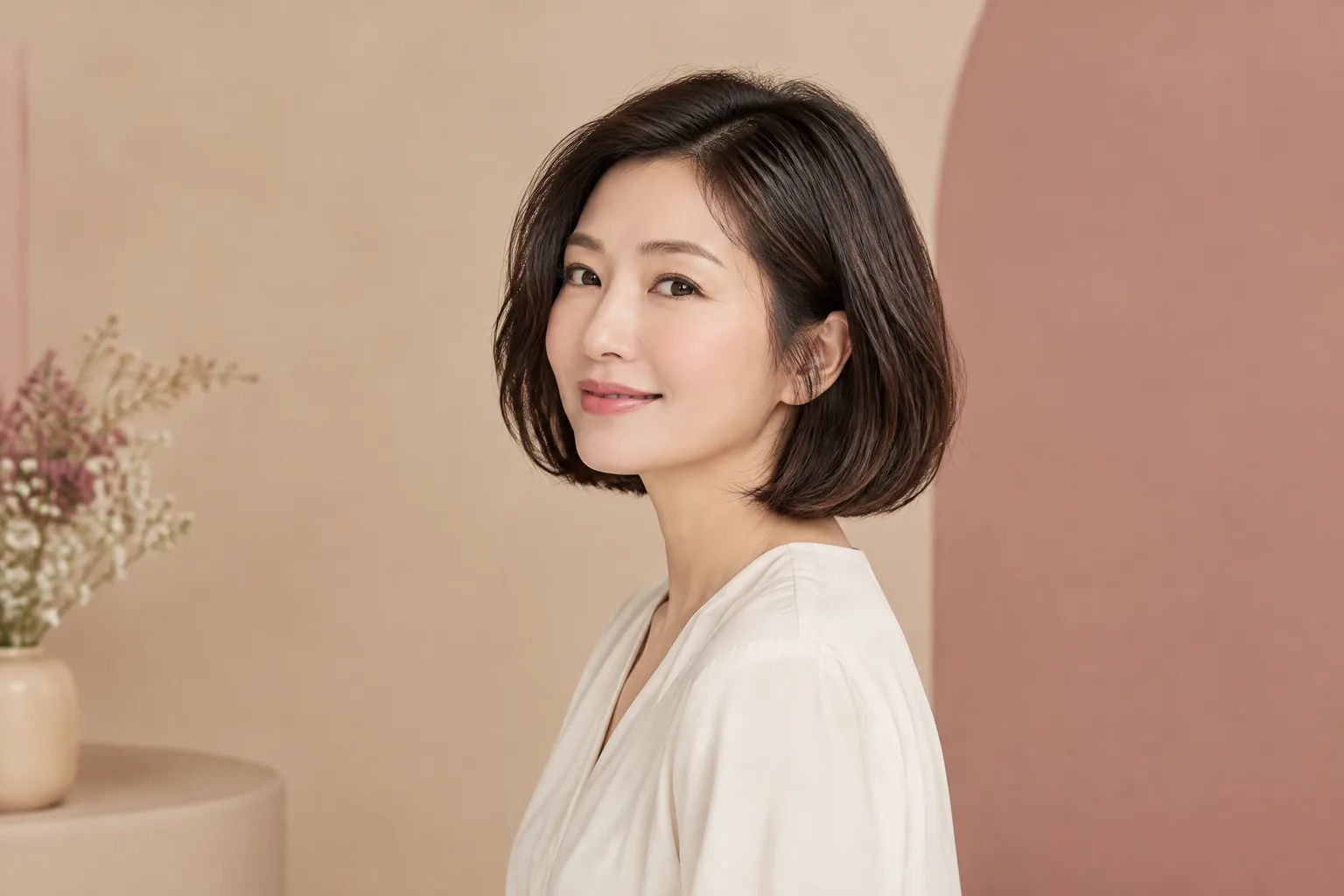
Start with the place where the portrait will appear, rather than a haircut photograph you admire. A designer's studio biography might need a welcoming expression and a recognisable everyday outline. A campaign introducing a new creative collection might invite a more deliberate visual statement. Neither purpose requires a bland haircut. The decision is whether the hairstyle supports the introduction or becomes the subject itself. Write that distinction before discussing shorter layers.
List the actual uses: your portfolio homepage, a speaker biography, a professional directory or a project announcement. Check whether each requires a small circular crop or a wider portrait with room for your shoulders. You can preview those crops using an existing photograph without pretending it predicts the finished shoot. Notice which features remain readable. If the hairstyle disappears in the smallest crop, its back length should not control the entire makeup brief.
BigDeal's business headshot makeup page is the relevant starting point when the main aim is a professional introduction. Use it to discuss your portrait purpose, usual appearance and preferred makeup emphasis. Ask what preparation and styling work can be arranged for your particular shoot. A creative occupation does not automatically make the assignment editorial. Keep the enquiry focused on the image you need, rather than assuming a more dramatic look belongs in every frame.
Choose two qualities you want someone to notice, such as approachability and precision, then describe them through visible choices. You might prefer an open eye area with textured ends, rather than a completely smooth outline. Compare that with how you normally appear in meetings or on video calls. Recognisability is not a demand to look unchanged. It is a useful limit when several striking details compete to tell different stories in one portrait.
Identify the expressive layers you actually want
Which creative profile haircut layers are cut, and which are styling?
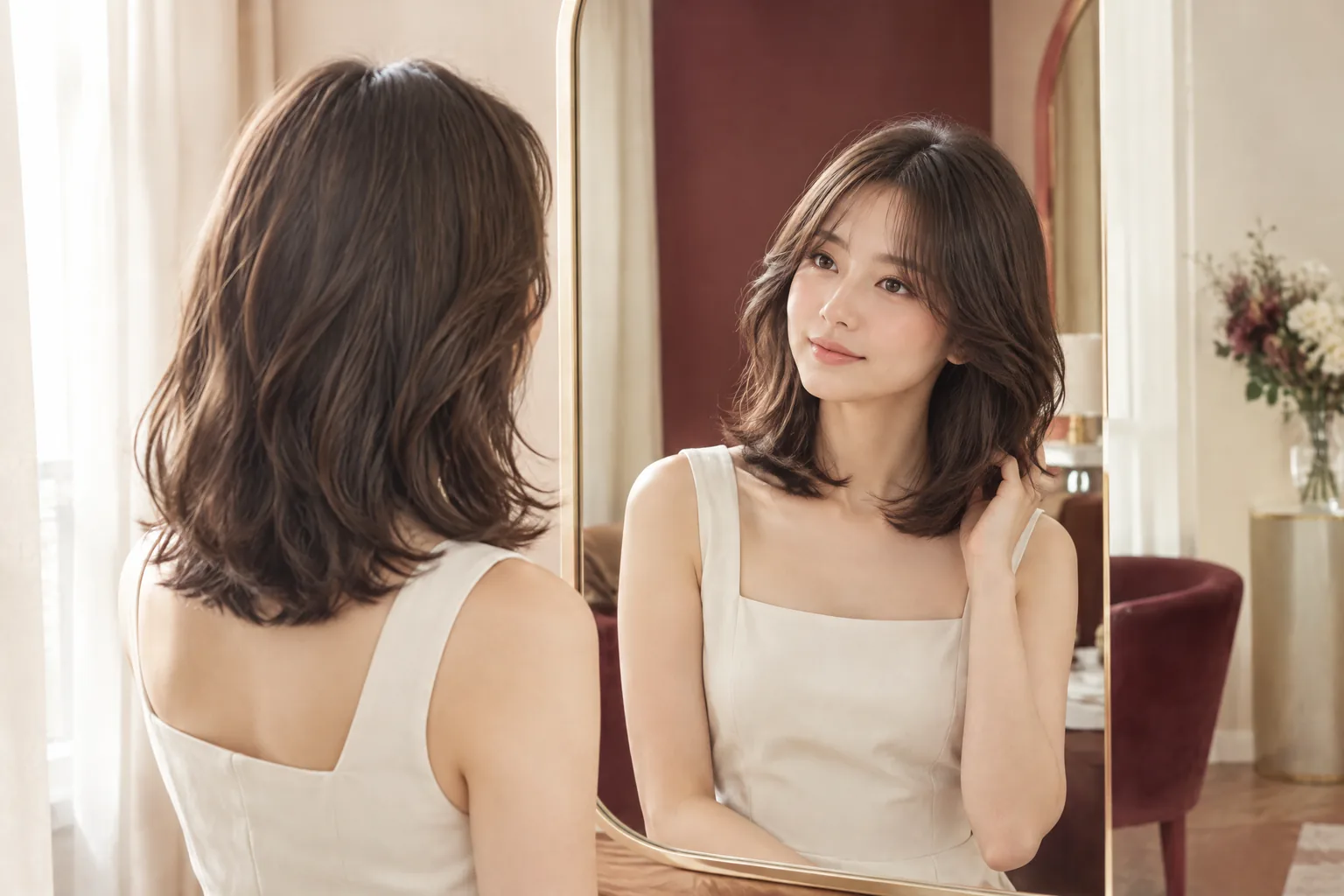
Read a reference in separate zones. Look first at the shortest pieces above the ears, then the front outline and longest back edge. Ask which feature attracted you before describing the whole style as creative. Lift at the crown may come partly from the photographed finish. Separated ends may reflect product or deliberate arrangement. A cutting discussion should identify the length pattern you want to wear, not promise movement shown in one photograph.
Set retained length in practical terms. Explain whether the front must tuck behind your ears, gather with the back or remain loose by choice. Show the ordinary clip or tie you use during work, without pulling harder to force short pieces inside. Keeping the back long is different from keeping every section long. If a full lower outline matters more than pronounced upper layers, make that priority clear before agreeing to shorten anything.
Vitso's wolf cut guide helps you compare shorter upper sections, side connections and a longer back outline. Read it as salon information for preparing questions, not a ready prescription for your portrait. Vitso and BigDeal share an owner; this resource is not an independent recommendation. Bring the parts of the reference you like and identify the contrast you would rather avoid. Suitability and the proposed cutting boundaries need an individual discussion with the hair provider.
Consider the effort behind your chosen outline after the photographs are taken. Would you still enjoy the shorter sections when you dry your hair normally? If the attraction depends on a carefully arranged fringe, say whether that daily attention suits you. You can also ask whether a temporary finish on your existing cut is worth exploring first. Do not make a lasting change solely because one reference works well with dramatic lighting and an editorial pose.
- Name the shortest front piece you would accept.
- Protect the lower edge if that matters most.
- Separate everyday upkeep from one shoot's styling.
| Reference detail | Question to ask | Trade-off to consider |
|---|---|---|
| Short upper layers | Where will they rest when dry? | Contrast versus everyday effort |
| Long back outline | Which front lengths must remain? | Perimeter length versus gathering |
| Separated ends | Is this cut or temporary styling? | Expressive texture versus lower fullness |
| Hair near the eyes | Should it move away for branding? | Concept drama versus facial visibility |
Check the layers from more than one camera angle
Which shorter sections might obscure your face?
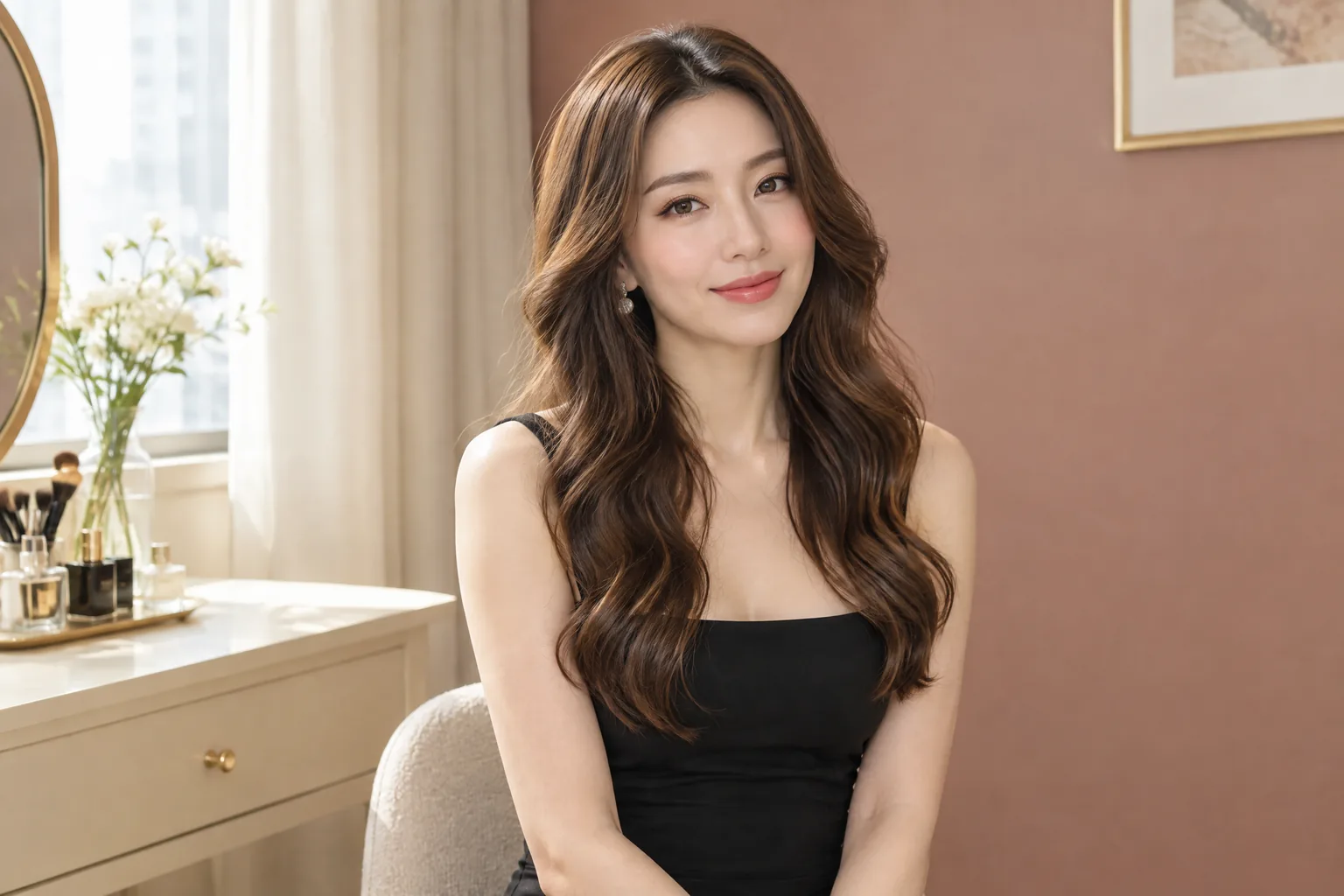
Photograph your current hair from the front, each side and a gently turned position. Keep the parting and ordinary dry finish consistent so the comparison is useful. Include one view with your usual glasses, if you wear them for work. These pictures explain your starting point; they do not establish compatibility with a reference cut. Notice where the front falls when you turn naturally, rather than holding each piece in its ideal position.
Nikon's portrait guidance recommends making the eyes the sharpest part of the image. It also advises checking focus placement when the subject sits off centre. For your preparation, separately check whether the front hair leaves the eyes visible in the intended pose. That is a practical briefing choice, not Nikon's haircut advice. Discuss deliberate eye coverage only when it serves the concept. Keep a clear alternative available for frames intended to introduce you to someone new. [1]
The Vitso layered haircut guide distinguishes the longest perimeter from shorter internal pieces and front lengths. This same-owner salon resource can help you explain what must remain tuckable or gathered. It does not confirm that your hair will reproduce a reference silhouette. Use your own photographs beside the reference, then ask about the shortest proposed front section. That detail may matter more for a close portrait than the length visible below your shoulders.
Review the outline against the clothes you actually plan to wear. A high collar can hide the back length, while hair across a patterned neckline may obscure separate layers. Move your head normally and see whether a chosen tuck still feels comfortable. Tell the photographer which side you prefer without ruling out other angles prematurely. The useful result is a shared visibility brief, not a claim that one camera position flatters every face.
Give branding and editorial frames distinct makeup briefs
Which look should be familiar, and which intentionally expressive?
For the branding set, describe what feels recognisably yours before choosing makeup intensity. Perhaps you usually wear defined brows and a muted lip, or prefer a visible liner with minimal colour elsewhere. Those details are more useful than asking to look professional without explanation. If the haircut already has a strong front outline, decide whether the eyes or lips need equal emphasis. You can keep expressive layers while allowing the face to lead the introduction.
For a separate concept set, choose one deliberate departure from that familiar appearance. It might be a graphic eye shape, a stronger lip or a different placement of the front hair. Describe the intended relationship with the clothes and background. If everything changes at once, you may struggle to explain what makes the second set distinct. There is no universal rule against bold combinations, but they need a purpose beyond making the shoot look more elaborate.
BigDeal's fashion makeup artist Hong Kong page is relevant when the additional frames have an actual fashion or editorial concept. Use it to discuss the visual brief and ask about the proposed makeup scope. A colourful jacket alone does not require an editorial service. Share the intended use of the images and any reference you want to interpret. Confirm arrangements individually rather than assuming the concept set, changeover or related styling is included with a branding enquiry.
Discuss the order of looks before planning outfits around it. A restrained first set may leave room for adding a stronger accent later, but some changes require removal or rebuilding. Ask what the proposed sequence involves for your chosen products and finishes. Do not treat a second look as an automatic quick touch up. Keep the same haircut boundaries across both sets unless a different temporary arrangement is part of the agreed visual brief.
Separate salon questions from the photo makeup service
Who should answer questions about your existing cut?
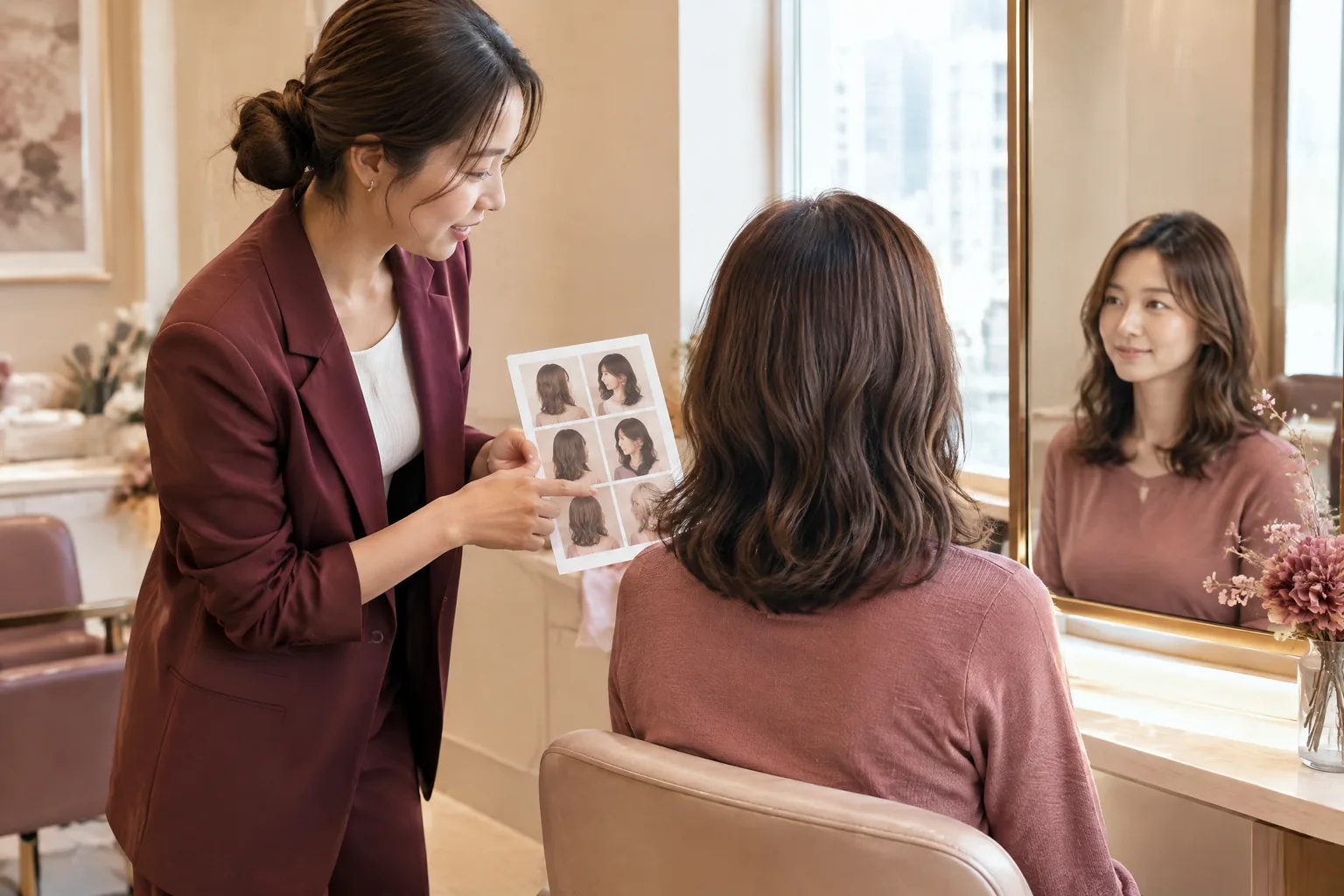
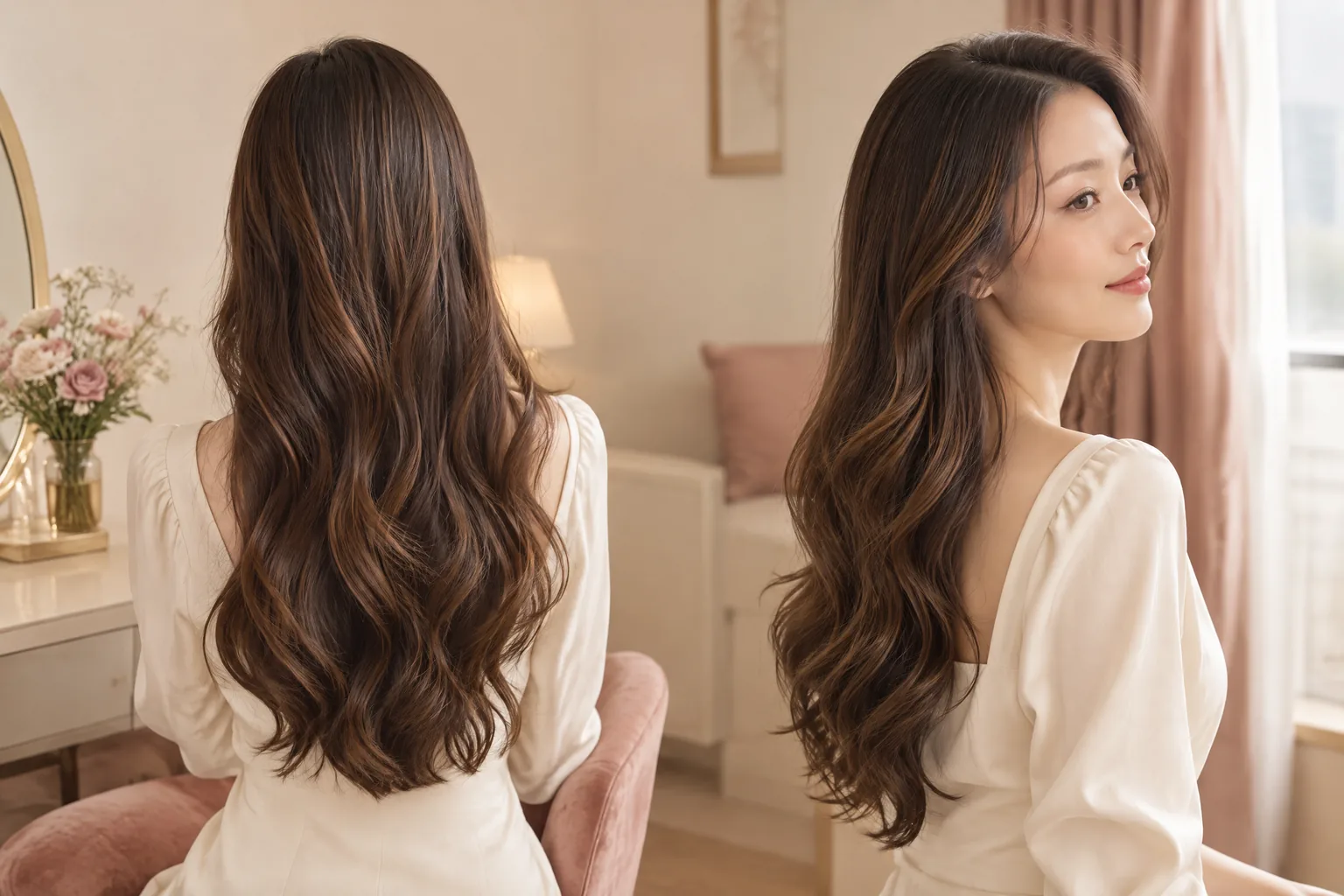
Divide your questions by the work involved. Cutting new layers, interpreting their dry shape and assessing recent chemical work belong in a salon discussion. The photo makeup enquiry should explain how you want to look within the agreed shoot brief. If you need a particular temporary hair finish, ask who is responsible for it and what is included. Shared ownership does not make every service interchangeable. Keep the answers separate when recording preparation instructions and appointment details.
The American Academy of Dermatology advises using flat irons on dry hair at low or medium heat. It warns that excessive heat can damage any hair type. Tell the relevant stylist about your routine and recent processing before discussing heated shaping. Avoid planning repeated heat resets merely to copy different references between frames. This guidance helps with care discussions. It does not guarantee tool suitability or a finish that lasts throughout the shoot. [2]
Vitso's hair styling page offers a useful starting point for discussing a loose outline, gathered sections and preparation. Treat it as reading from the same-owner hair brand, rather than BigDeal confirming a salon appointment. Explain your present length, layers and intended neckline before asking about the work required. A routine dry finish and a pinned structure are different requests. Confirm the proposed scope directly with the provider instead of describing both simply as getting ready for photos.
Make your Hong Kong shoot plan reflect the journey you will actually take. If you will walk outside between preparation and the studio, tell the providers rather than assuming an indoor schedule. Ask what to leave untouched on arrival and which small adjustments can be discussed. Carry the planned accessories and outfit so their fit can be checked together. Leave preparation instructions to the person doing the work; do not combine conflicting advice about washing, products or timing.
Confirm two clear briefs, or choose only one
What should remain consistent across your selected frames?
Write a short purpose card for each set before confirming the shoot arrangements. Include the intended image use, outfit, hair outline and makeup emphasis. For branding, name what should remain familiar. For the expressive set, name the deliberate departure and why it belongs. If the cards contain the same information, you may not need two looks. Different poses or framing can be discussed without creating an unnecessary makeup change or making a permanent haircut decision.
Send your present hair photographs with the reference images and label them clearly. Mark the detail you want to discuss, such as a longer front or less contrast at the back. Include any previous preparation instructions so the responsible provider can resolve differences. Ask what remains undecided before treating the schedule as settled. References communicate preferences, not appointment availability or a replica result. Confirm whether the proposed work fits your preferred order.
BigDeal's professional makeup for photoshoot Hong Kong page provides the relevant route for discussing photography makeup arrangements. Share whether your enquiry concerns one familiar portrait set or an additional expressive brief. Mention the outfit neckline and any salon plan, then ask what makeup and styling scope can be agreed. This is not a way to confirm Vitso cutting or finishing services. Keep each provider's response with the corresponding task so preparation remains clear rather than assumed.
When selecting images, compare the result with the original purpose cards rather than choosing only the most dramatic frame. A familiar expression and visible eyes may suit a small biography portrait. A more sculpted outline may belong on a project announcement where the concept has room to read. You do not have to make one image perform both jobs. The strongest choice can be one coherent brief, with expressive details reserved for occasions that genuinely need them.
| Portrait plan | Keep consistent | Confirm before proceeding |
|---|---|---|
| Branding only | Familiar appearance and useful crop | Makeup emphasis and preparation |
| Branding plus concept | Agreed haircut boundaries | Separate purpose and changeover scope |
| Editorial only | A clear fashion idea | Intended use and concept interpretation |
Key takeaway
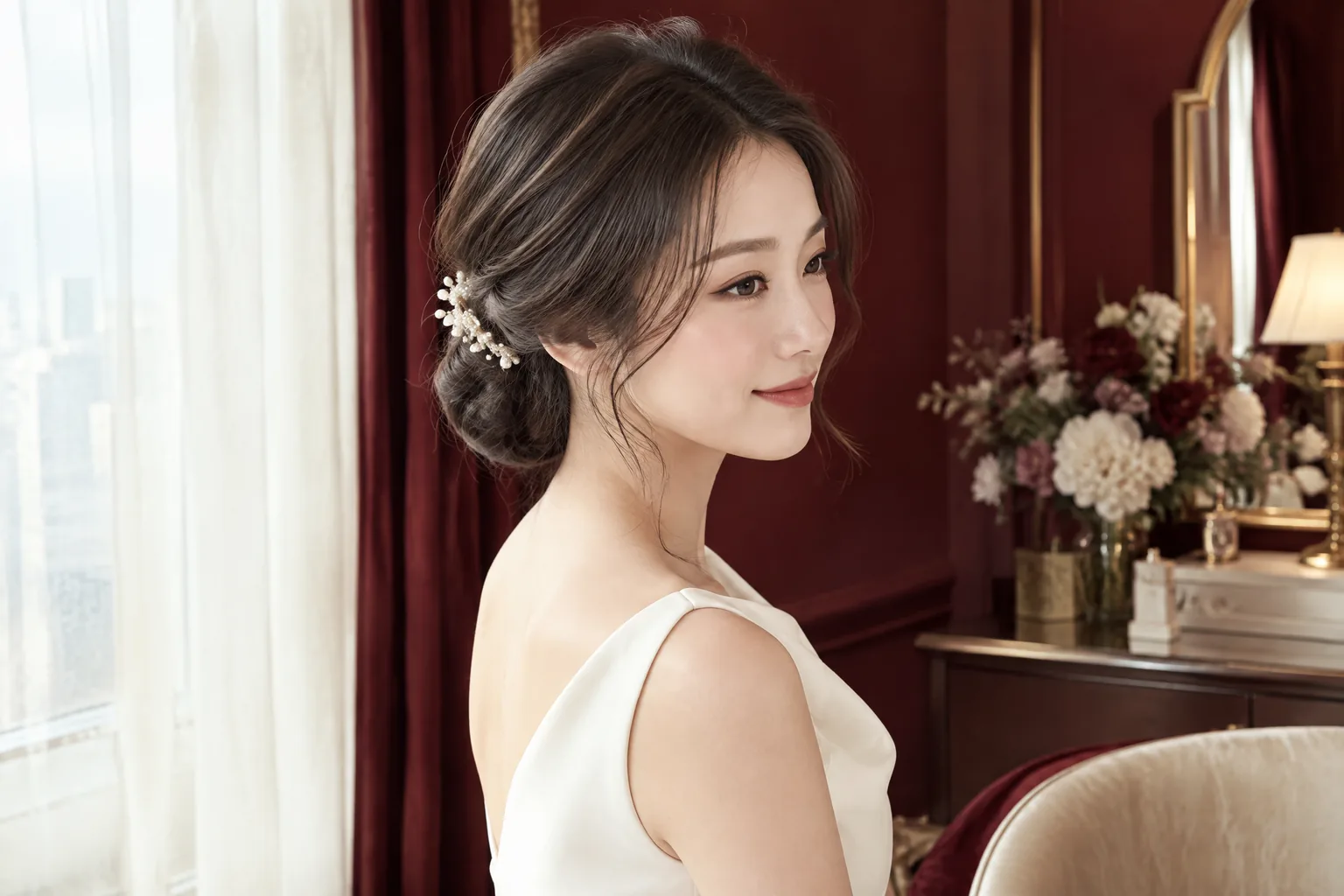
An expressive haircut does not need equally expressive makeup in every portrait. Protect the features that make your professional introduction readable, then give a stronger concept its own purpose. If the two briefs cannot explain their differences, choose one clear set before adding more changes.
Practical checklist
- Record where the portraits will appear and preview the smallest required crop.
- Bring current front and side hair photographs alongside clearly labelled references.
- Name the shortest acceptable front piece and the length you want retained.
- Write separate purpose cards if branding and editorial sets genuinely differ.
- Confirm makeup scope, salon responsibilities and preparation instructions with each provider.
Frequently asked questions
Do I need a new haircut for a creative profile?
Not necessarily. Start by reviewing your current outline against the intended portrait use. A different parting or temporary finish may be worth discussing before changing lengths. Make a cutting decision for how you want to wear your hair afterwards, not just for one frame.
Can strong layers still look recognisable in a headshot?
They can be part of your familiar appearance. Decide which front sections should remain visible and whether the eyes should stay clear. Recognisability depends on the whole brief, including expression and makeup emphasis, rather than a rule that creative hair must be hidden.
Should branding and editorial portraits always use different makeup?
No. Separate the purposes first. If the proposed second set has no clear visual departure, one agreed look may be enough. If it does, ask about the change required and its scope rather than assuming a second look is included.
What if my short layers do not gather comfortably?
Show the current dry shape and your usual gathering method to the hair provider. Discuss an alternative outline instead of forcing the pieces into a tighter tie. A photograph of the preferred style is a conversation aid, not proof that your existing lengths can form it.
Does a BigDeal makeup enquiry also book the salon work?
No salon booking is confirmed by this article or its resource links. Ask BigDeal about makeup arrangements, and confirm hair work directly with the relevant provider. Keep preparation responsibilities explicit even though the two brands share an owner.
Sources
| Source | What it supports |
|---|---|
| Quick Tips for Taking Better Portraits | Nikon recommends making the eyes the sharpest part of a portrait and checking focus placement for an off-centre subject. |
| Hair styling without damage | The American Academy of Dermatology recommends using flat irons on dry hair at low or medium heat and warns that excessive heat can damage any hair type. |
Discuss your own makeup plans
Planning your portrait makeup? WhatsApp BigDeal Make Up on +852 6918 3153 with your image purpose, outfit and preferred makeup emphasis to discuss arrangements. Please confirm any Vitso haircut or salon styling separately with the hair provider.
Ask on WhatsApp +852 6918 3153