
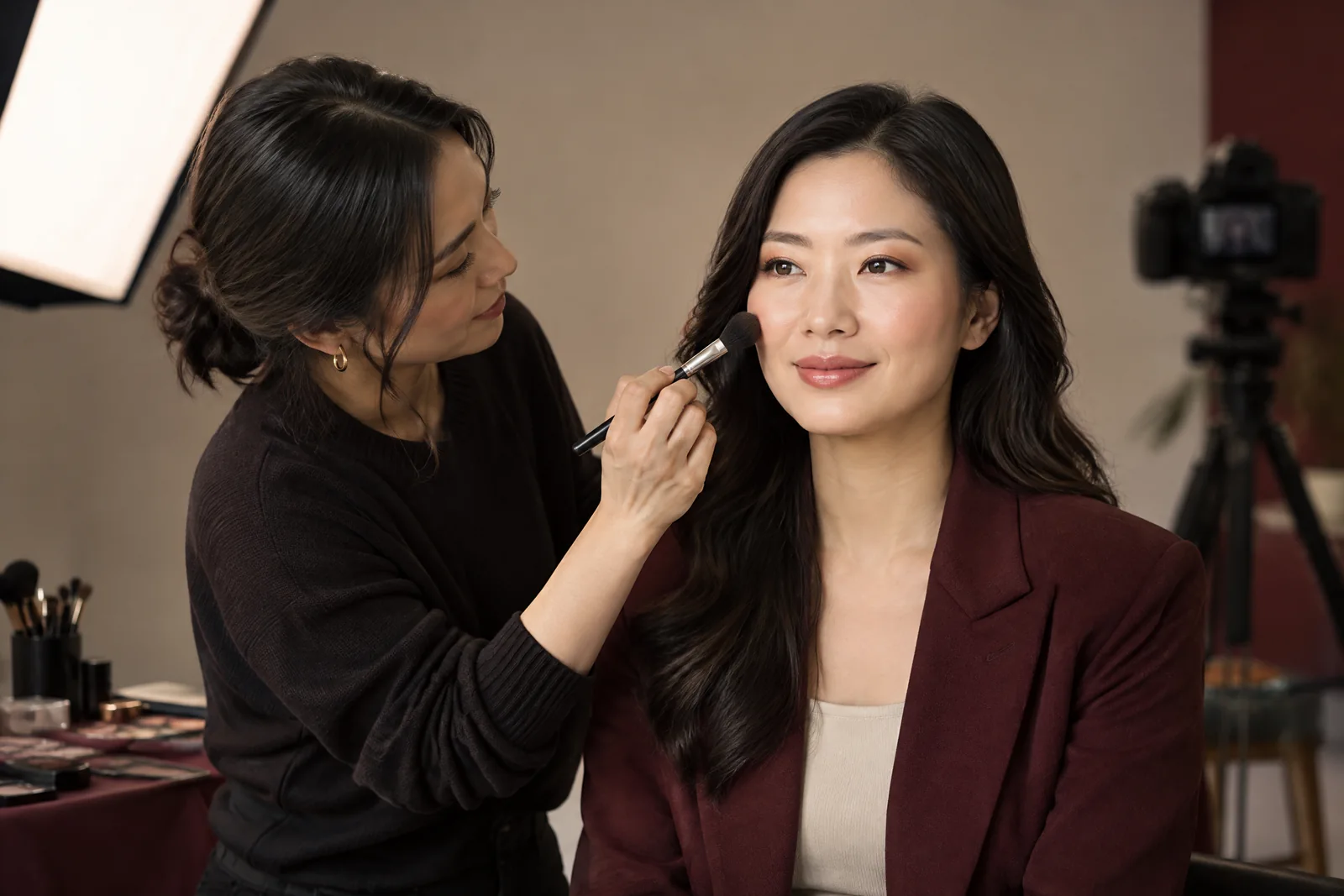
At a glance
A useful brief is neither a mood board nor a long wish list. It connects each reference to a visible product priority, a talent direction and an approval point. The trade-off is clarity versus flexibility. Fix the non-negotiable details early, but allow practical adjustment for lighting, skin texture, wardrobe and scene order. That approach makes a quote easier to interpret and continuity easier to maintain.
Build an Advertising Makeup Brief Checklist First
What an Advertising Makeup Brief Checklist Should Settle
Begin with one sentence that explains the campaign’s job. Name the product, audience, main channel and desired viewer response. Then distinguish the visual direction from the practical request. Soft, modern and luminous is a direction. Skin must remain visible in close-ups is a decision. A brief becomes useful when another person can understand which details protect the idea and which details can change. It should also state which decisions require confirmation before anyone selects products or schedules tests.
Next, add the shoot format, location type, talent count and preliminary sequence. These details turn a mood board into workable preparation questions. The commercial advertising makeup approach is useful when a campaign spans digital, print or moving image. List whether changes are expected between stills and film. Include provisional call and ready times rather than guessing fixed durations. This context lets contributors identify dependencies before the day begins. It also gives the team a shared way to identify missing information before approval.
Claim wording deserves the same attention as texture and colour. Hong Kong Customs says the Trade Descriptions Ordinance aims to prohibit false, misleading or incomplete information about goods in trade. [1] Put approved wording, prohibited comparisons and required product names beside the relevant reference. The makeup brief does not replace legal review. It helps prevent unsupported wording from being styled, photographed or repeated accidentally. Keep version dates beside changes, so outdated claims do not return through copied notes. [1]
Describe Product Visibility and the Intended Finish
Keep Product and Makeup Roles Distinct
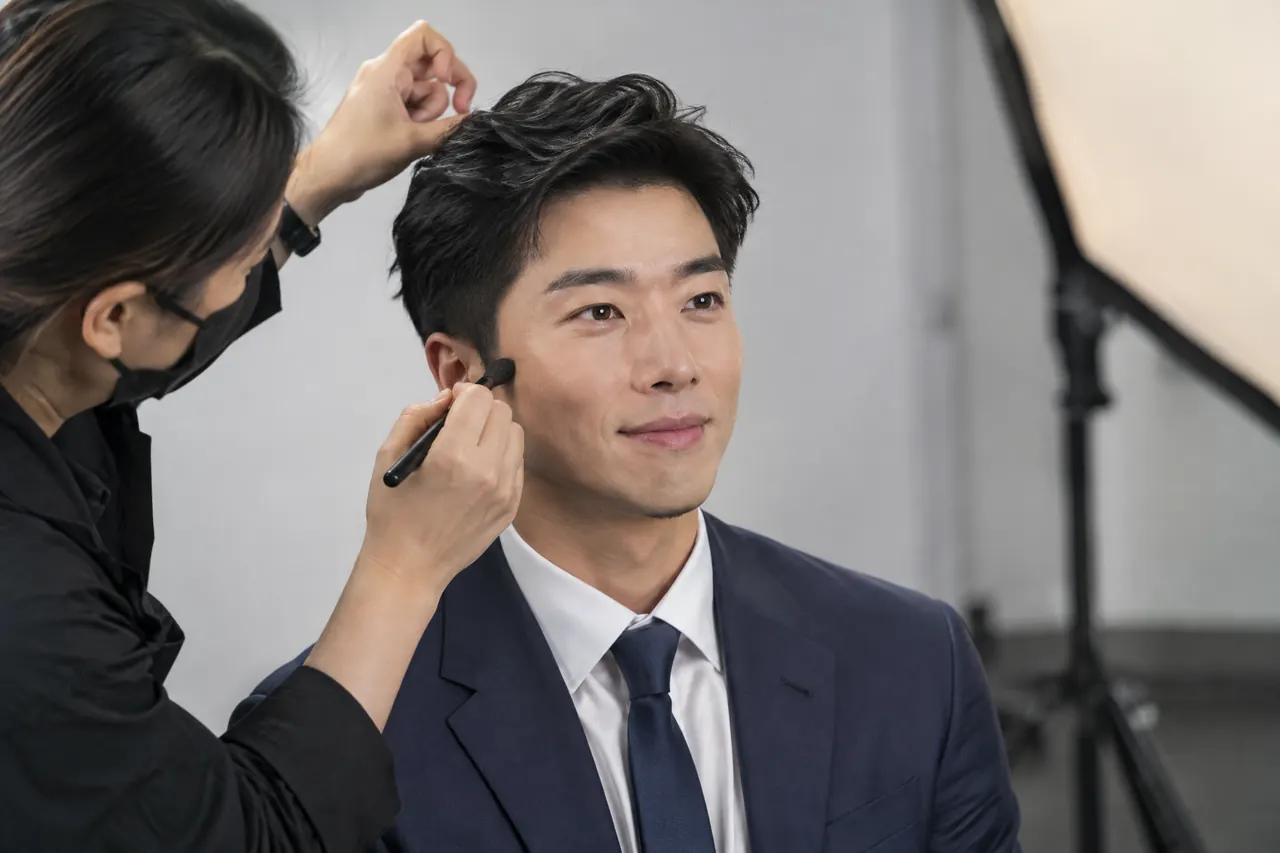
Describe what the product must do in frame before choosing a beauty direction. A lip colour may need a crisp edge. A skincare texture may need visible skin beneath it. A complexion product may need an even tone without hiding natural character. State whether the product is applied, held, swatched or merely present. Those choices affect placement, finish, touch-up priorities and how closely references must be matched. Add one example frame for each priority, so the team can see the intended hierarchy.
Separate product visibility from general attractiveness. A glossy lip can look appropriate while obscuring its shade under selected lighting. A heavy base can look polished while working against a skincare story. A product campaign makeup artist brief should identify the product’s hero feature and its camera distance. Include pack shots, application shots and close-ups separately. This prevents one attractive reference from becoming a universal instruction. Ask whether the product label, applicator, or finished effect is the campaign’s primary subject.
Plan hygiene details when the concept involves eye products, shared testers or repeated applications. The FDA advises clean eye-area instruments and single-use applicators when sampling cosmetics. [2] Mention contact lenses, known product sensitivities and personal product restrictions early. These notes are not a diagnosis or a promise of suitability. They help the team decide which information and alternatives need confirmation before work begins. Request confirmation of available products before treating a preferred reference as a final instruction. [2]
Set Talent Variation, Comfort and Shared Direction
Define the Range Rather Than Demanding Copies
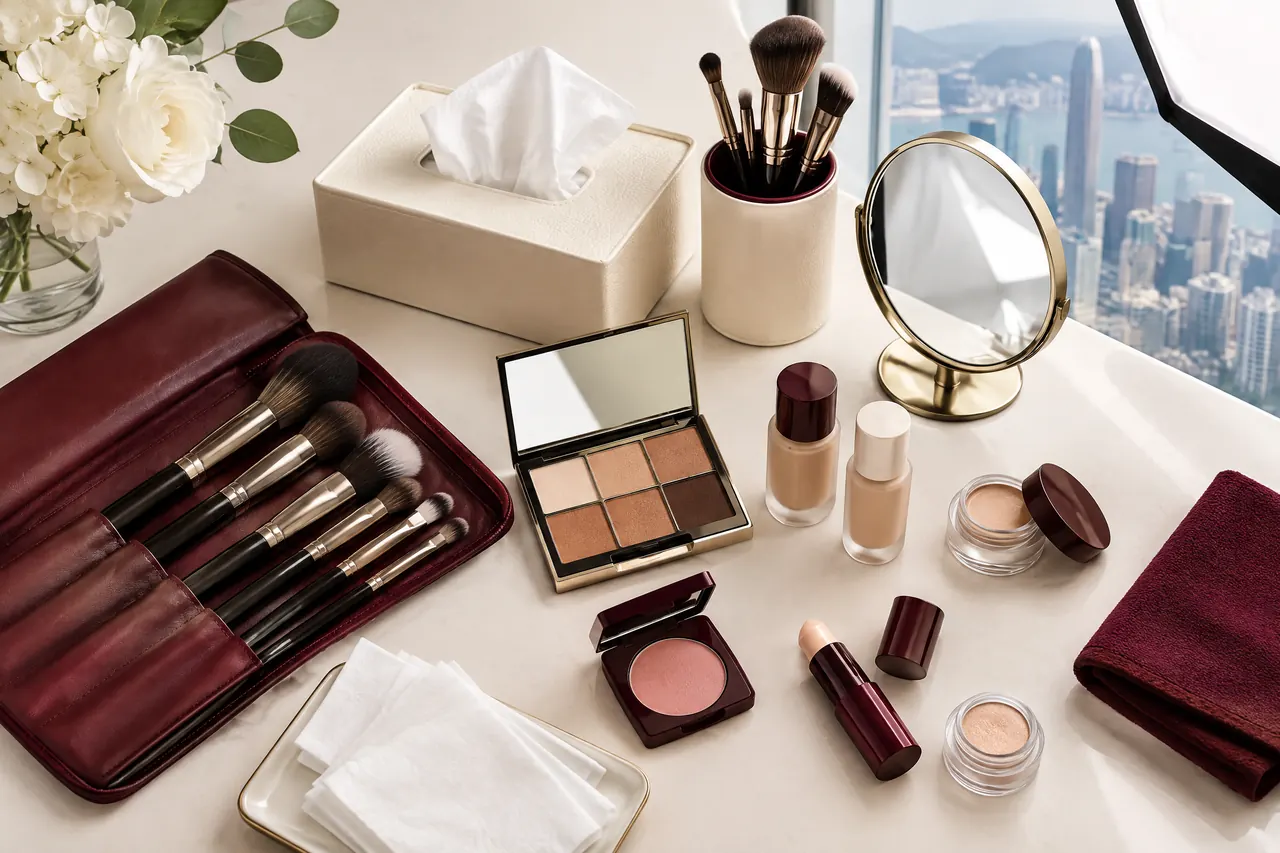
Different models need a shared campaign direction, not identical faces. Set the common thread through finish, colour family, brow strength or product placement. Then note what may vary. Skin texture, facial proportions, personal comfort and wardrobe can require adjustments. Use references to describe the range, not to demand a copy. This protects a coherent result while allowing respectful, camera-aware choices for each person. Describe the campaign standard clearly, then allow each model to remain recognisably themselves.
Continuity starts with a baseline that can be recognised later. For makeup continuity product campaign planning, label each look by scene, talent and product moment. Keep one approved reference showing front, profile and close-up views where useful. Record the finish, lip condition, brow direction and visible product placement. The record should identify acceptable variation, rather than pretending every frame will be identical. Store the baseline with its date and scene number, not within an unlabelled image folder.
Comfort belongs in the brief because it affects timing and choices. Note contact lenses, sensitivity information supplied by talent, allergies already disclosed, and products talent prefers to avoid. Confirm what is known rather than making assumptions. A short private note is usually better than a dramatic annotation on a mood board. If a concern requires health advice, pause and seek it separately. Treat disclosed information carefully, and limit access to people who need the practical details.
Plan Approvals, Continuity and the Shot Sequence
Record a Usable Baseline for Every Hero Look
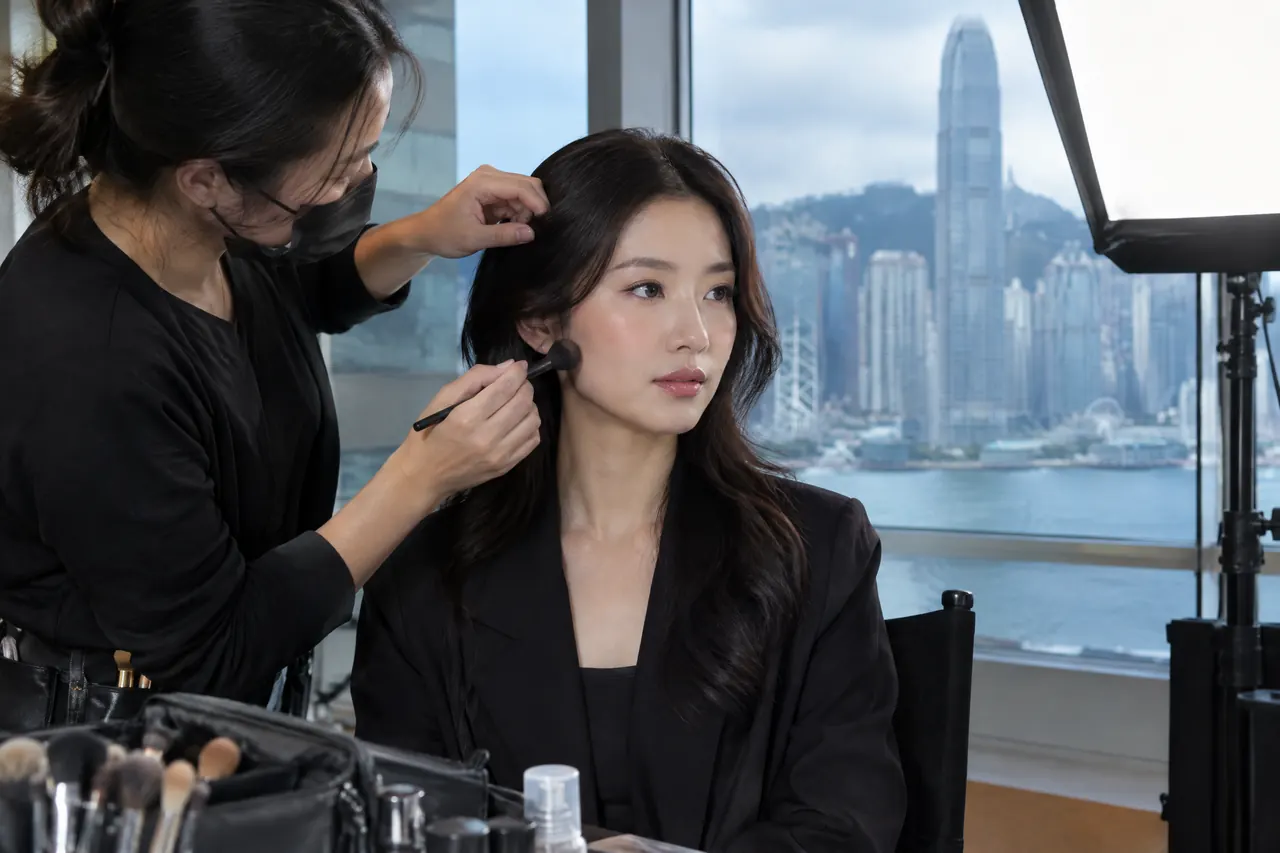
Approvals should be designed around moments, not vague availability. Identify the person who can approve the initial look, product application, close-up finish and any revised direction. Show the team which reference controls each point. Photograph agreed looks under the intended lighting where practical. These records guide later checks, but different lighting can still change how colour and texture appear. State whether an image is an approval record or simply a helpful visual reference.
Place the shot order beside each look. A close-up after food, wardrobe changes or outdoor heat may need a fresh check. An application scene needs clear rules about which product appears. The table below distinguishes fixed campaign decisions from flexible practical choices. Use it as a conversation starter. It does not replace confirmed responsibilities or a written scope. This distinction helps everyone understand why certain frames receive extra attention.
Before confirming support, list the days, locations, talent, look changes and periods requiring checks. A commercial makeup quote can then reflect the actual request rather than a broad campaign label. Ask whether hair, product application support, travel, waiting periods and touch-ups need separate confirmation. Clear scope protects the intended image and reduces avoidable assumptions on the day. Ask which changes require approval, and which adjustments may be made to preserve comfort.
| Brief field | Decide before the shoot | Keep flexible |
|---|---|---|
| Product focus | Visible shade, texture or application moment | Minor angle and placement refinements |
| Talent direction | Shared finish and colour family | Face-specific balance and comfort choices |
| Approval | Named approver and hero frames | How routine checks are shared |
| Continuity | Baseline reference and scene labels | Small changes caused by practical conditions |
Turn the Brief Into a Clear Enquiry
Ask Questions That Match the Visible Work
An enquiry should send only the materials needed for a considered response. Include a short campaign overview, the latest mood board, product photographs, shot priorities and tentative timetable. Flag what has been approved and what remains open. Avoid hiding a major requirement inside a gallery of references. A clear one-page note is often more useful than many beautiful but conflicting images. Send the same current version to everyone whose decisions may affect the visible result.
Use a product shoot makeup quote request when the product and shot types drive the work. State whether the campaign needs product application, macro detail, model portraits or mixed scenes. Add the number of talents, expected looks and checkpoints for visibility. This gives the reader of the brief enough context to ask useful follow-up questions. It also keeps a price discussion tied to confirmed scope. Attach only current references, and identify anything shown merely as visual context.
A brief must leave sensible room for adjustment. Do not present a desired effect as a guaranteed camera result. Instead, identify the reason behind each choice. For example, the brief may protect a recognisable lip shade while allowing minor base changes for skin texture. Name one decision-maker for changes. That balance makes fast decisions possible without diluting the campaign’s visual purpose. Record that reasoning alongside the reference, so future changes remain easy to explain.
Use the Final Checklist Before the Shoot
Check the Details That Affect Decisions
Review the brief again when the latest call information arrives. Compare the latest product list, wardrobe plan and shot order with the approved visual direction. Flag any newly added talent, location move or product variation. Confirm who will approve changes if the named contact is unavailable. This final pass does not create a new concept. It protects the choices already made from being lost among last-minute details. It also reveals conflicts while there is still time to resolve them calmly.
Use the checklist below as a compact handover tool. Keep it with the current references, rather than relying on memory or old message threads. Each item should have an owner or a decision point. If an item remains unknown, mark it openly. An honest open question is easier to resolve than a silent assumption that appears during an important frame. That simple record also makes subsequent handovers clearer for contributors joining later.
At the shoot, compare the visible result with the approved direction at sensible checkpoints. Check product placement before hero frames and revisit the baseline after obvious interruptions. Record meaningful changes with a clear image and a short note. Avoid chasing tiny differences that viewers will not notice. The brief should guide attention towards product visibility, consistency and the approved campaign message. The best notes are short enough to read during a busy sequence.
- Current product list and visible shade names
- Hero frames and required application moments
- Approved wording and restricted comparisons
- Talent notes, product restrictions and contact lenses
- Named approver and change-decision contact
- Reference images for every approved hero look
Key takeaway
The strongest brief fixes what the viewer must notice, not every brushstroke. Product visibility, approved wording, hero frames and decision rights belong in the fixed column. Exact blending, small shade adjustments and sensible comfort changes can remain flexible. The trade-off is intentional. More fixed details give stronger control, while more flexibility allows the look to respond to real faces and lighting.
Practical checklist
- Write the campaign purpose in one clear sentence.
- Mark the product feature viewers must notice.
- Separate fixed decisions from flexible adjustments.
- Name the approver and replacement contact.
- Label approved references by talent and scene.
- Share product restrictions and comfort notes early.
Frequently asked questions
How detailed should an advertising makeup brief be?
It should be detailed enough to explain product priority, shot type, talent direction and approval points. It need not prescribe every technique. Include the non-negotiable visible decisions, then identify where a practical adjustment remains acceptable.
Should the brief name individual cosmetic products?
Name products when their shade, texture, application or label visibility matters to the campaign. Otherwise, describe the required visual effect. This prevents a general beauty reference from being mistaken for an instruction about a particular product.
Who should approve the makeup direction?
Nominate one person for the initial look and identify a replacement contact. The brief can also state who approves product application and close-up changes. Clear decision rights reduce delays when a reference needs interpretation on the day.
Can a mood board replace a written brief?
No. A mood board communicates atmosphere, but it rarely explains product visibility, scene order or acceptable variation. Add short notes beside key images. Those notes convert taste into decisions that can be checked and discussed.
What should change if the shot order changes?
Update the look labels, approval moments and continuity references first. Then identify any product application or close-up frames that move earlier. A revised order may alter when checks are needed, even when the visual direction remains unchanged.
Sources
| Source | What it supports |
|---|---|
| Trade Descriptions — Hong Kong Customs and Excise Department | Hong Kong Customs states that the Trade Descriptions Ordinance aims to prohibit false, misleading or incomplete information about goods in trade. |
| Eye Cosmetic Safety — U.S. Food and Drug Administration | FDA advises clean instruments for the eye area and single-use applicators when sampling cosmetics. |
Discuss your own makeup plans
For a Hong Kong campaign enquiry, send product references, shot priorities and a tentative timetable. Contact BigDeal Make Up on WhatsApp +852 6918 3153 to discuss the confirmed scope.
Ask on WhatsApp +852 6918 3153