
At a glance
A useful practice record identifies the hair, the evidence for its colour and the styling task. It keeps chemical service questions separate from bridal finishing lessons. Consistent photographs help explain the appearance, while clear labels prevent reference images from being mistaken for completed work.
Start your bridal practice colour service finish record
Give the colour a clear source
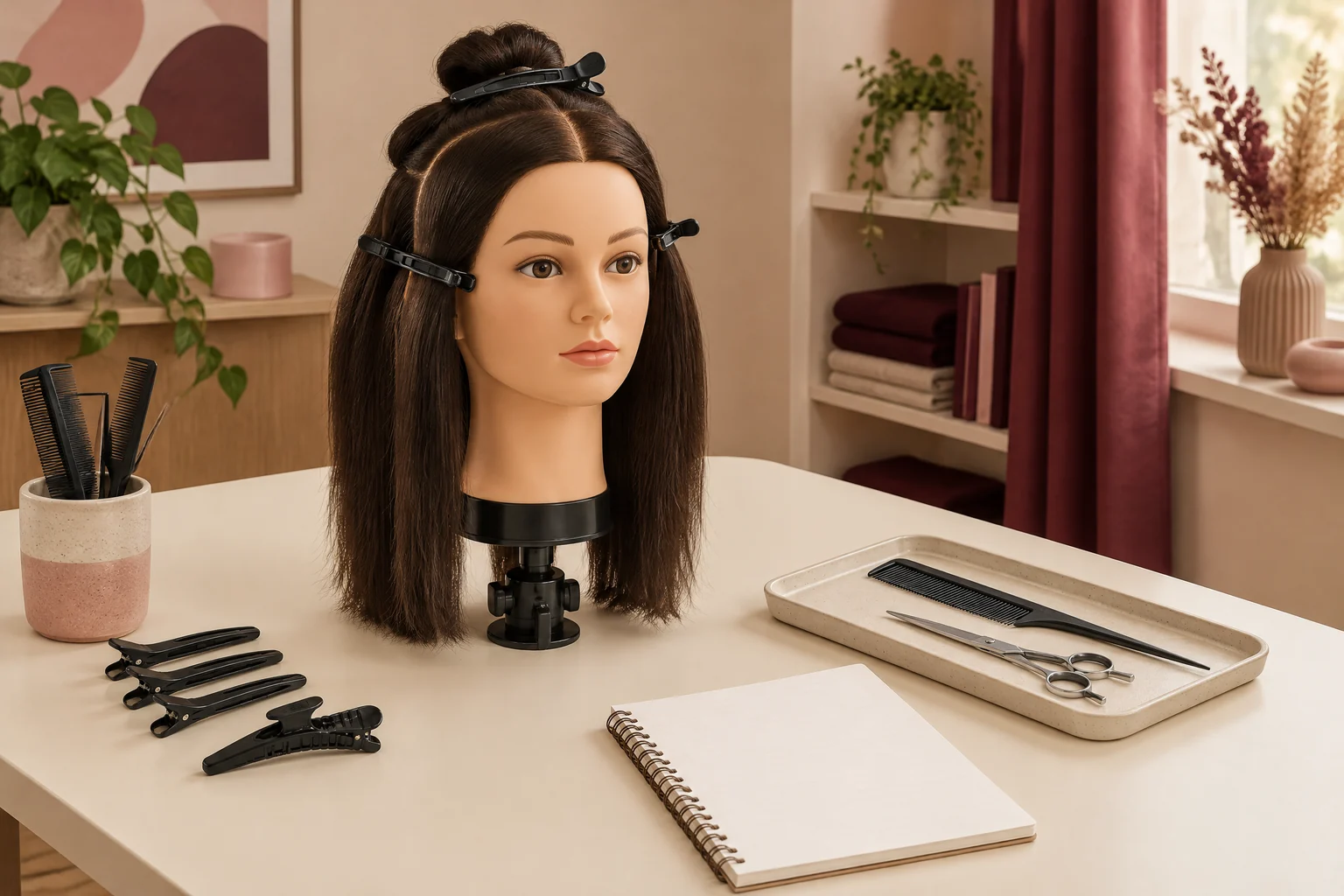
Start with one record for one practice session, rather than a folder of attractive results. Give it a date and a simple session name. Identify whether you used a practice head, a separate hairpiece or a consenting model. Add the hairstyle you wanted to learn and the item you actually used. These details explain the exercise without photographic guesswork. They also simplify later comparisons.
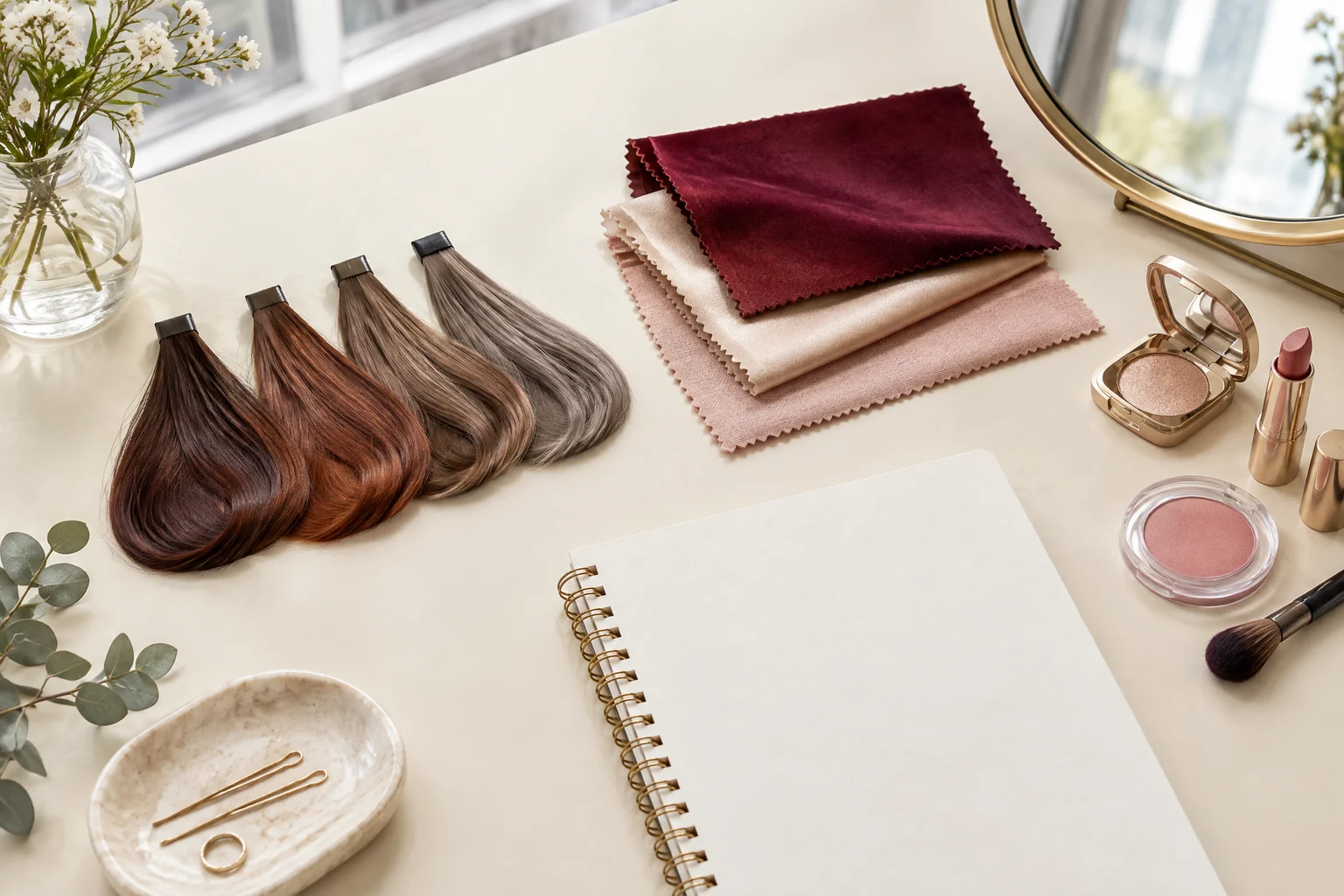
For a chosen physical item, record its label and the colour description supplied with it. Add your own visible observation separately, such as brown lengths with lighter ends. Keep the original label even when your description differs. A colour name alone does not establish the material or suitable handling. Record the maker's handling guidance where available. This matters when you plan to use tools on a practice head or a removable piece.
For a model, distinguish confirmed information from what you can see. Record a colour service only when the model willingly shares reliable details. You might know the service date but not the formula. Write that distinction plainly instead of filling the gap with a likely treatment. The learner's useful task is documenting the starting appearance. It is not reconstructing another provider's chemical work from roots, shine or a finished bridal photograph.
An image reference belongs in a different field from the hair used during practice. Save its source and describe the visual feature you want to explore. The DT Hub article on misty hair colour can help you discuss a muted appearance. Treat that description as vocabulary, not proof of the pictured process. Your own record should still identify the actual item or model. A reference mood does not confirm an achievable colour match.
- Label the source as physical item, known service or image reference.
- Keep visible observations separate from supplied or confirmed information.
- State the styling skill practised without claiming an unperformed colour service.
| Source | Record | What it establishes |
|---|---|---|
| Chosen physical item | Item label and visible appearance | The actual practice material |
| Known model service | Consented, confirmed background | Only the shared service details |
| Image reference | Source and desired visual feature | Inspiration, not a verified service |
Photograph colour without confusing it with the finish
Record the light before comparing photographs
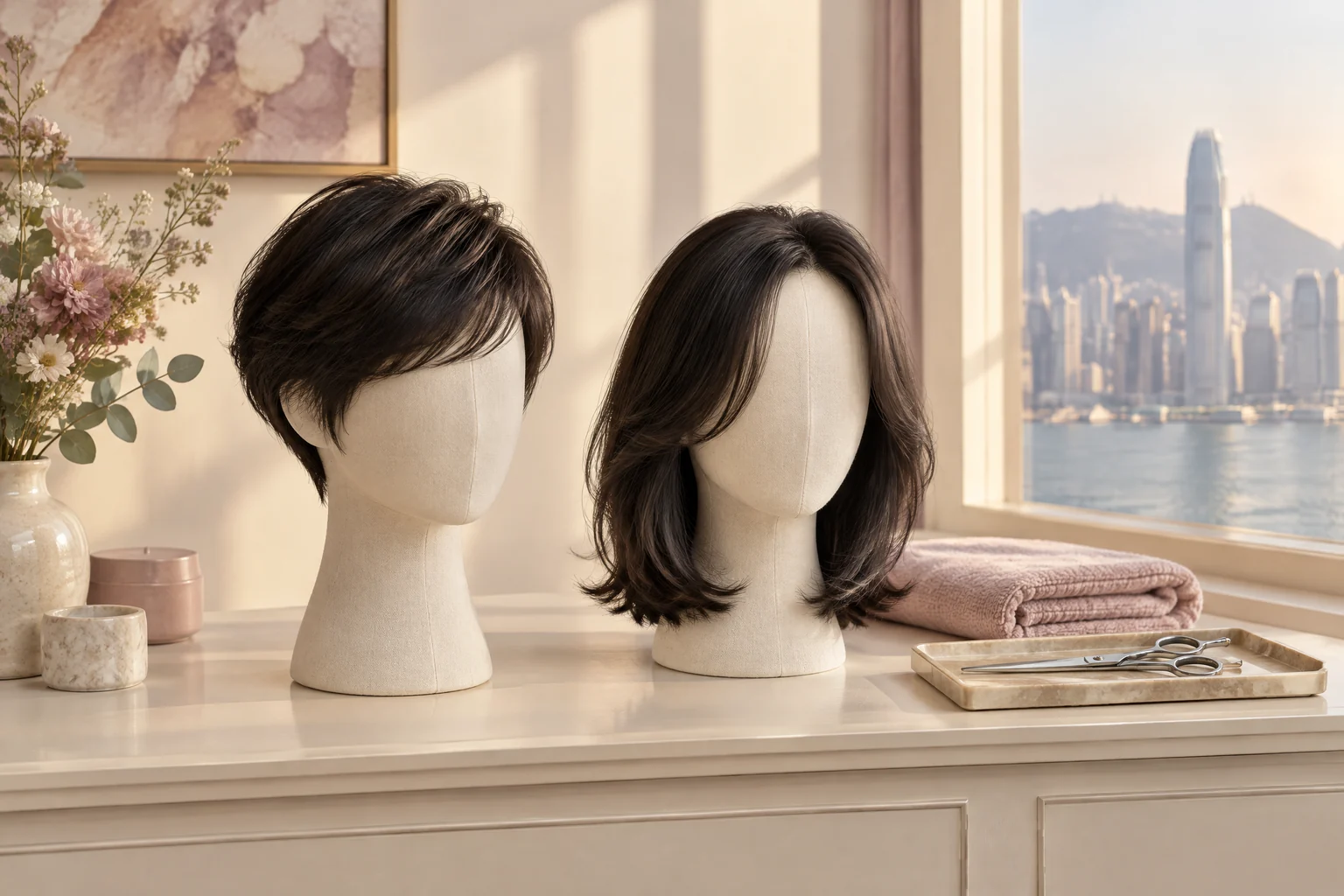
Adobe explains that white balance affects every colour in a photograph. Different light sources can create different colour casts, and mixed lighting makes correction harder. That supports a practical rule for your record: note the light used. A warmer photograph does not necessarily show a changed hair colour. Likewise, a cooler image cannot verify a colour service. Keep the lighting note beside the image so your tutor can interpret the comparison fairly. [2]
Choose a repeatable photo position for the practice item or model. Use the same background and light arrangement when comparing attempts within a session. Record whether the light came from a window or an indoor lamp. Avoid silently comparing a window photograph with a banquet room image. If you changed the arrangement, label both images accordingly. This creates a more useful comparison, although ordinary practice photographs still cannot guarantee an exact physical colour match.
Take a front, side and back view to show the finish you practised. Note how the parting, twist or wave exposes lighter and darker areas. A different arrangement can reveal a section that was hidden in the starting image. That visible change belongs in the styling notes unless a colour service actually occurred. Describe what moved and what became visible. Do not turn stronger highlights in one angle into a claim that you changed pigment.
Keep an original photograph alongside any edited version used for presentation. Label adjustments that change warmth, brightness or saturation because these affect the comparison. A crop for showing pin placement serves a different purpose from a colour adjustment. Give each version a clear name and keep it attached to the session. This lets a tutor assess the construction image separately from the presentation image. It also prevents an edited reference from replacing the actual practice evidence.
Keep chemical services outside an assumed styling scope
A bridal practice colour service finish record needs clear responsibility
The FDA advises following hair dye instructions and carrying out the specified skin test before every use. It explains that reactions can occur despite previous uneventful use. A negative skin test also cannot rule out every reaction. This is why a practice sheet should not become a dyeing instruction sheet. Chemical safety belongs with the responsible provider and product guidance. A learner's observation of a pleasing finish is not evidence that another colour application would be safe. [1]
If your learning goal includes chemical colouring, ask the supplier about that specific course scope. The DT Hub hair colour course hong kong page is a relevant information starting point. Bring questions about entry requirements, model arrangements and how chemical safety is taught. Separate those questions from a request to learn bridal pinning or wave dressing. Reading a course page does not establish your own competence. Nor does a makeup lesson automatically include bleaching or colour formulation.
Keep a known colour service in a short background field, rather than turning it into a recipe. Record who supplied the information and what they confirmed. Avoid adding product mixtures, chemical timing or guessed developer details to a bridal practice task. Those details are unnecessary for explaining a bun's shape. If the next exercise genuinely requires chemical work, discuss its scope with the appropriate provider. Do not expand the exercise simply to reproduce a photograph's apparent shade.
Unknown colour history is a planning limitation, not a challenge to solve through experimentation. You can still document the model's visible starting appearance and choose a styling exercise within suitable guidance. Share only the information the model agrees to disclose. For discomfort or a suspected dye reaction, seek healthcare advice rather than using cosmetic concealment as a solution. The record should support sensible boundaries. It should never suggest that a tidy hairstyle proves the scalp is unaffected.
Make the styling objective independently assessable
Choose a skill you can demonstrate on the available hair
A styling course enquiry should describe the finish you want to practise, not just a desirable colour photograph. The DT Hub hair styling course hong kong page offers a related route for reviewing styling information. Ask how its practice format fits your current experience and chosen task. Bring your actual material details rather than relying on a reference image alone. Keep colour service questions on a separate note. That separation helps you compare learning options without assuming identical teaching scope.
For bridal preparation, BigDeal's bridal hair course Hong Kong page is a service information starting point. Describe whether you want to practise your own hair or develop a particular bridal finish. Include the tools and practice material you currently have. Ask which arrangements suit the lesson you are considering. A useful enquiry names the task and the starting hair clearly. It does not promise a chemical colour result or assume every lesson includes every technique.
Give each attempt one main assessment question, such as whether the back shape remains balanced. Record a starting view before making the finish. Then note the change you actually made, such as moving the parting or repositioning a section. Keep unrelated changes for another attempt where possible. Otherwise, a better photograph may leave you unsure which adjustment helped. The record becomes more useful when it connects one visible choice with one specific observation from the practice.
Add practical details that affect how the exercise can be repeated. Record your setup time separately from the time spent forming the hairstyle. Note the accessory used and any handling instruction relevant to your practice material. For a model, agree on breaks and image sharing before starting. These details explain the session without turning speed into a promised service duration. They also let you discuss which step needs practice before an actual wedding or event arrangement.
Compare an updo with an evening finish fairly
Use the same starting material for different styling questions
An updo record should make its structure visible, rather than concentrating only on the overall colour impression. BigDeal's updo hairstyling course Hong Kong page is relevant when your enquiry concerns a gathered or pinned finish. Bring views that show the back shape and accessory position. Explain where your own attempt became difficult. Keep the model's existing colour in the background field. That gives the lesson enquiry a concrete styling focus without presenting colouring as part of the exercise.
An evening finish may involve a different visual goal from a bridal updo. BigDeal's evening hairstyling course Hong Kong page provides a separate service information route for that enquiry. Describe the event context and the finish you want to understand. If the hair starts from the same item, record that fact across both attempts. This supports a useful comparison of arrangement and presentation. It does not establish that either course covers a particular chemical service or every event requirement.
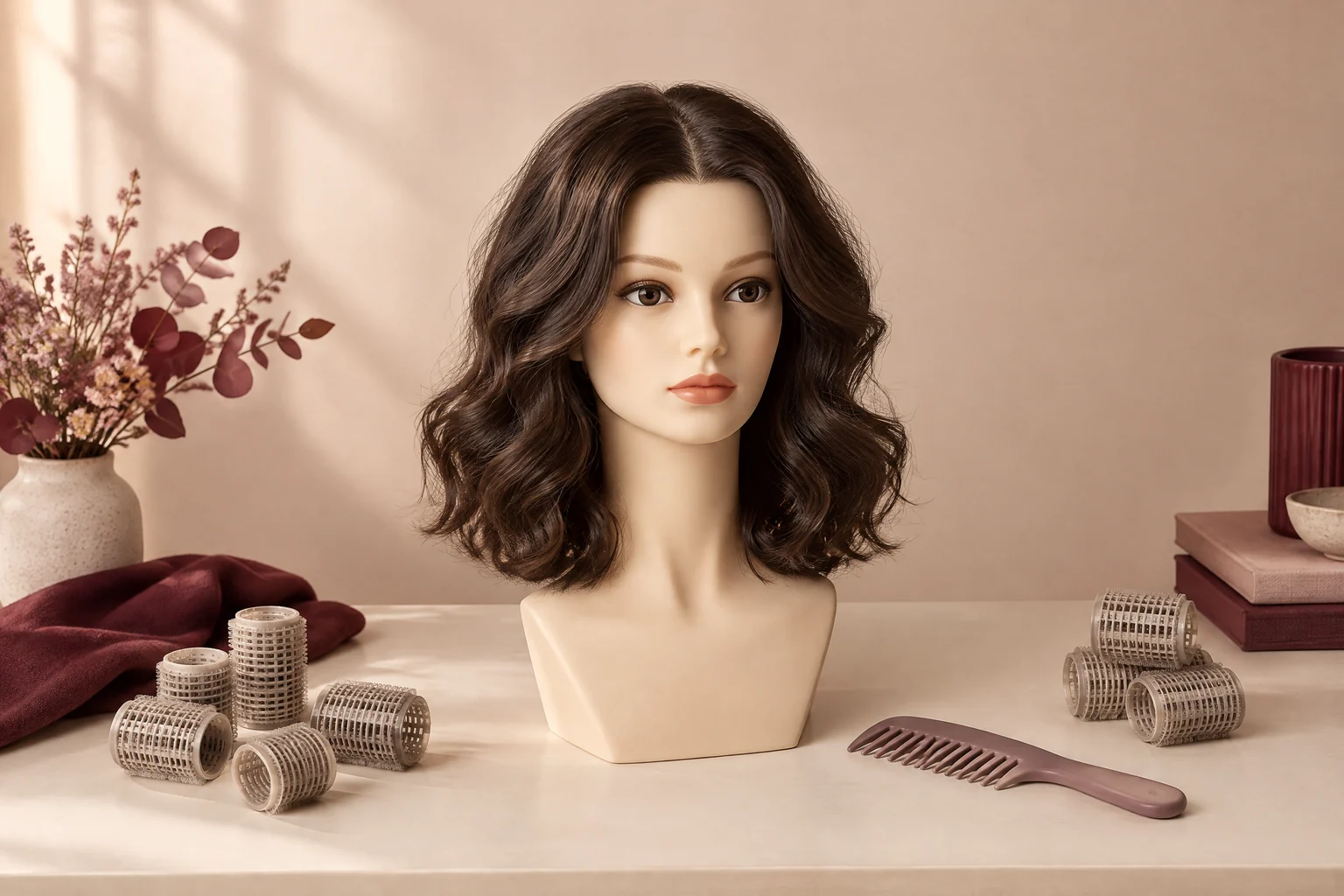
Compare the parts that actually differ, such as the exposed neckline or the placement of the accessory. Leave the colour source unchanged when no colour service occurred. For example, a pinned shape might expose lighter ends that loose waves concealed. Record that observation without declaring the hair newly highlighted. Take equivalent views where possible and label any different lighting. A fair comparison explains why the appearance changed. It avoids treating two unrelated photographs as a controlled test.
Use a small comparison table to decide what your next practice session should address. Put the starting material in one column and the styling question in another. Give each attempt a short observation rather than a score with unexplained meaning. An accessory may suit the intended shape but still need a different placement. Your next step should follow that observation. The goal is a teachable adjustment, not an unsupported claim that one finish lasts longer in Hong Kong conditions.
| Attempt | Starting material | Review question |
|---|---|---|
| Gathered updo | Same labelled practice item | Is the back shape balanced? |
| Loose evening finish | Same item, unchanged colour | Which sections become visible? |
| Accessory revision | Same model with consent | Does placement suit the shape? |
Turn the record into a useful lesson and event handover
Share what another person needs to decide
Build the handover around three things: the starting hair, the chosen finish and the unresolved question. Attach the relevant images rather than sending every photograph from the session. Label the image reference separately from your completed attempt. Include the session date so later changes remain easy to follow. For a bridal enquiry, mention the intended accessory and event context. This helps the recipient understand your request without interpreting a mood board as evidence of completed colour work.
Keep the learner's questions separate from questions for a colour service provider. A styling tutor may need to see section placement and understand your available tools. A colour provider needs an appropriate consultation for any proposed chemical service. Use the record to explain that these are different requests. DT Hub and BigDeal offer related information routes, but their pages should not be treated as interchangeable bookings. Send BigDeal an enquiry about your styling or makeup arrangement, not another business's chemical appointment.
For wedding or shoot planning, decide which uncertainty matters before the next practice. You may need clearer accessory placement rather than a different colour reference. You may also need to discuss the actual hair available on the day. Record the decision and the person responsible for the next conversation. A practical note can say that the colour is unchanged while the finish still needs review. This keeps event preparation focused on the issue that genuinely remains unresolved.
Close the session by preserving both the result and the next action. Keep the chosen photograph, the source label and one specific point for further practice. Retain a superseded version when it explains an important change, but label it clearly. Review consent before sharing a model's images beyond the agreed audience. Your final record should let someone distinguish inspiration, existing colour and your own styling work. That clarity is more useful than a polished image with an unexplained history.
Key takeaway
A clear record does not need to explain how every colour was created. It needs to show what you used, what you knew and what you practised. When those facts stay separate, a tutor can assess the finish honestly. A bridal enquiry can then focus on the next useful styling decision.
Practical checklist
- Identify the actual practice item or consenting model.
- Label confirmed colour details separately from visible observations.
- Keep the image reference apart from your completed attempt.
- Record lighting and preserve original comparison photographs.
- Name one styling question for the next lesson enquiry.
- Confirm permission before sharing model photographs.
Frequently asked questions
Can I describe a reference image as my model's colour?
No. Label it as an image reference and describe the feature you like. Record the model's visible hair separately. Only include colour service details that the model willingly confirms. A similar appearance does not prove that the same process occurred.
Does bridal styling training mean I will learn bleaching?
Not automatically. Ask about the specific lesson scope and practice arrangements. Keep chemical colouring questions separate from bridal finishing questions. A page describing styling is not evidence that your chosen lesson includes bleach application, colour formulation or chemical service assessment.
Why does the same hair look warmer in another photograph?
Lighting and white balance can change the photographed appearance. Record the light source and preserve the original image. Compare equivalent views before attributing the difference to the hair itself. An edited photograph alone cannot verify a changed physical colour.
What should I record when the colour history is unknown?
State that the service history was not provided. Document the visible starting appearance and focus on the agreed styling task. Do not guess a formula from the photograph. Refer any proposed chemical service questions to the responsible provider's consultation process.
Should the record include private details about a model?
Include only information needed for the agreed task and shared with consent. Use a session identifier where a full name is unnecessary. Agree who may view the photographs. A public portfolio does not need to reproduce every detail in a private practice note.
Sources
| Source | What it supports |
|---|---|
| Hair Dyes | U.S. Food and Drug Administration | Prior uneventful dye use does not establish future safety; instructions and skin testing remain relevant to chemical services. |
| Adjusting white balance settings to improve photos | Adobe | Lighting and white balance affect photographed colour; mixed lighting complicates comparison and correction. |
Discuss your own makeup plans
To discuss your bridal styling practice or makeup arrangement, WhatsApp BigDeal Make Up on +852 6918 3153. Share your chosen finish and the specific practice question you want to address.
Ask on WhatsApp +852 6918 3153